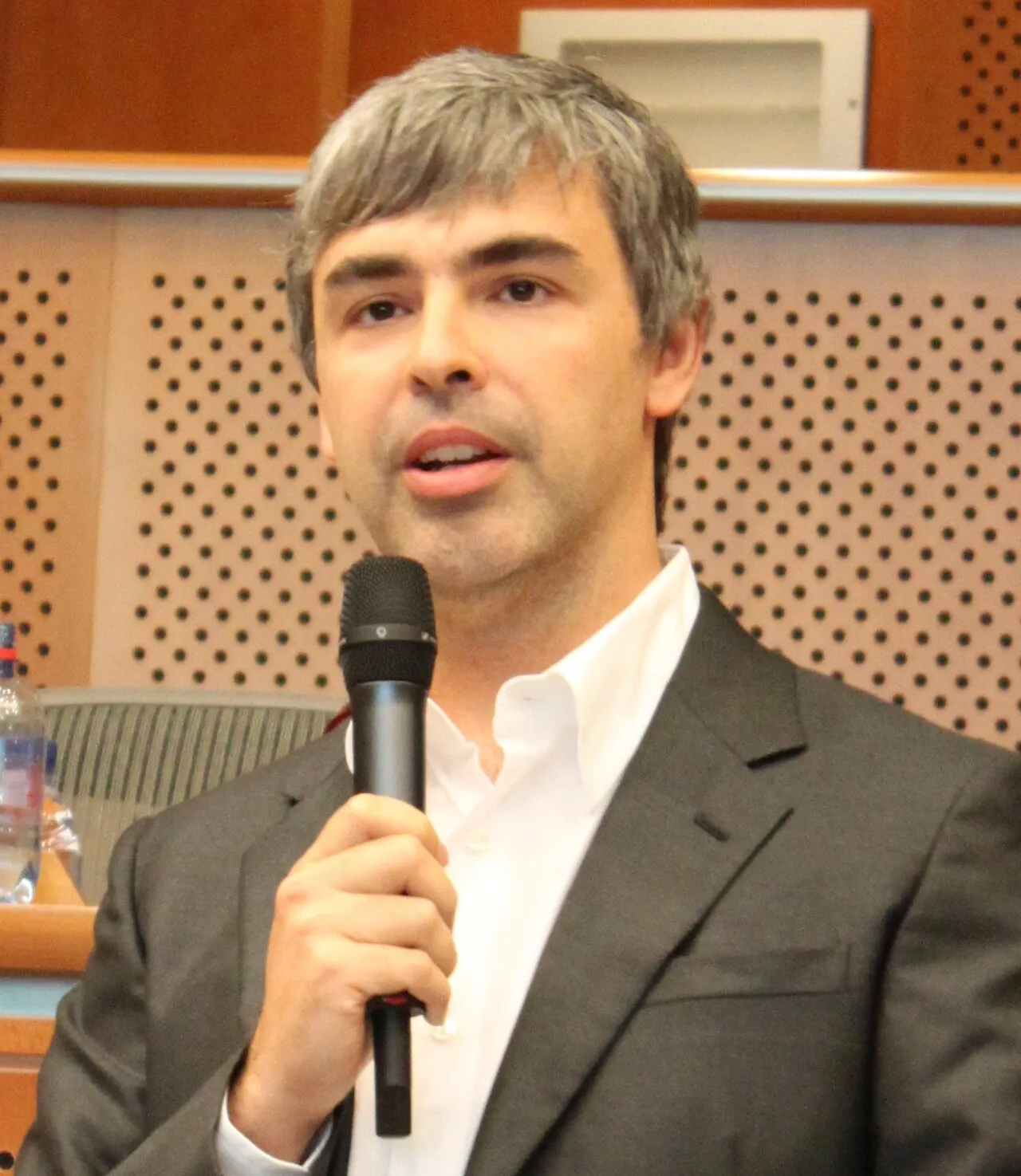
The Boy Who Ranked the Web
Two graduate students rented a garage. They turned links into a ranking of trust. Billions of people still type into that box.
The garage looked ordinary.
Cheap computers hummed on tables. Cables crossed the floor. Two graduate students from Stanford worked late, chasing a simple hope: find the best page on the web, not just the page with the most matching words.
One of them was Larry Page. He loved taking machines apart. He loved speed. He believed links between pages could act like votes of trust.
That garage idea became Google. Later it became Alphabet. Billions of people still type questions into a box that grew from those late nights.
In 2026 Page no longer ran Alphabet day to day. He remained a board member, employee, and controlling shareholder with Sergey Brin. Public lists put his fortune in the high hundreds of billions, moving with Alphabet's stock as Gemini, Search, Cloud, and YouTube compounded. The path from the garage to that fortune was not a straight climb. It was a ranking problem that became a company, then a holding company, then a quiet empire.
A house full of computers in Michigan
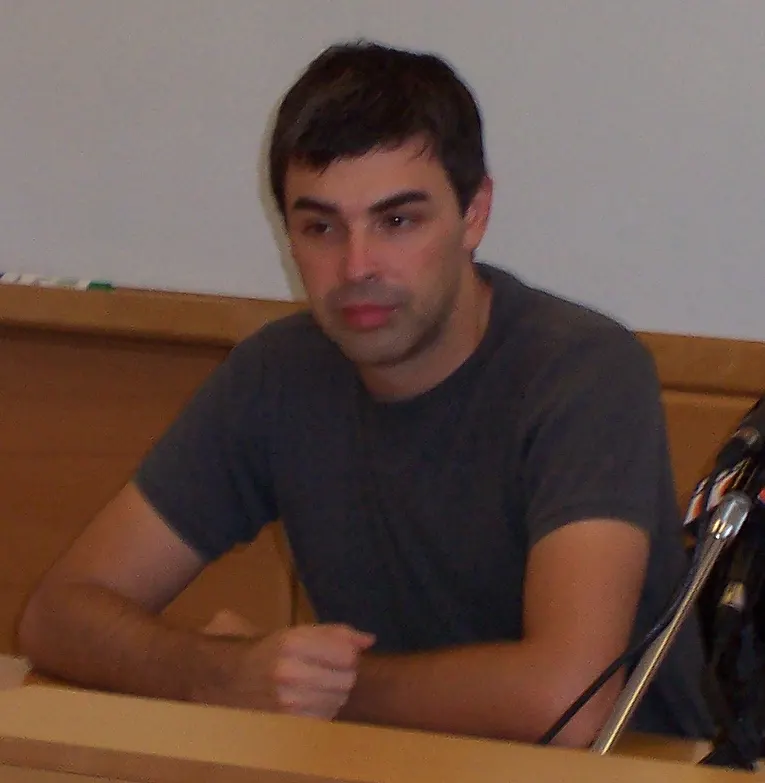
Lawrence Edward Page was born on March 26, 1973, in Lansing, Michigan. He grew up around East Lansing, a college town shaped by Michigan State University.
His father, Carl Victor Page Sr., taught computer science there. His mother, Gloria, taught computer programming. Their house was full of computers, magazines, spare parts, and projects. Larry later described it as a wonderful kind of mess for a child who wanted to invent.
When Larry was about six, his father brought home an early personal computer. Larry used it for schoolwork. He became the first kid in his elementary school to hand in a paper typed on a word processor. That small moment mattered. It showed him that tools could change how people work.
His older brother, Carl Jr., taught him to take things apart. Toys. Tools. Appliances. Larry did not only want to use machines. He wanted to see their insides and understand cause and effect.
His parents divorced when he was eight, but he stayed close to both sides of the family. He also loved music. He played flute and saxophone and attended music camp at Interlochen in Michigan. Later he said music taught him about timing and precision. Those ideas would matter when Google tried to answer searches in tiny fractions of a second.
As a child he dreamed of inventing things. By age twelve he already believed he would start a company someday. Curiosity was not a hobby. It was a plan.
He attended a Montessori school when he was little. Montessori classrooms encourage children to explore and learn by doing. That fit him. Later he went to East Lansing High School and graduated in 1991.
The spark at Michigan and Stanford
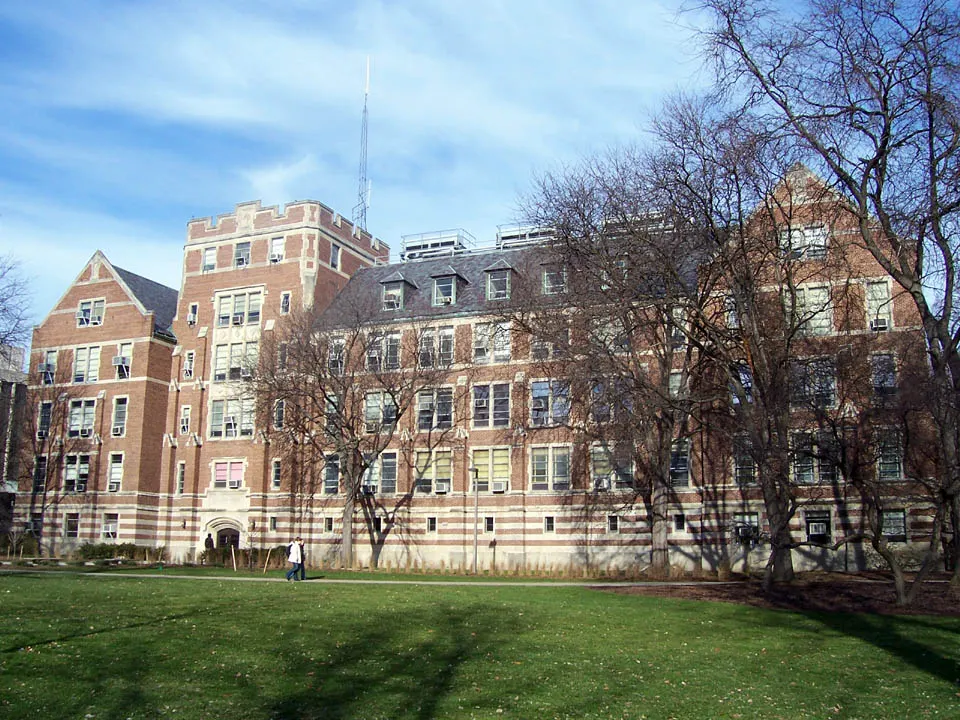
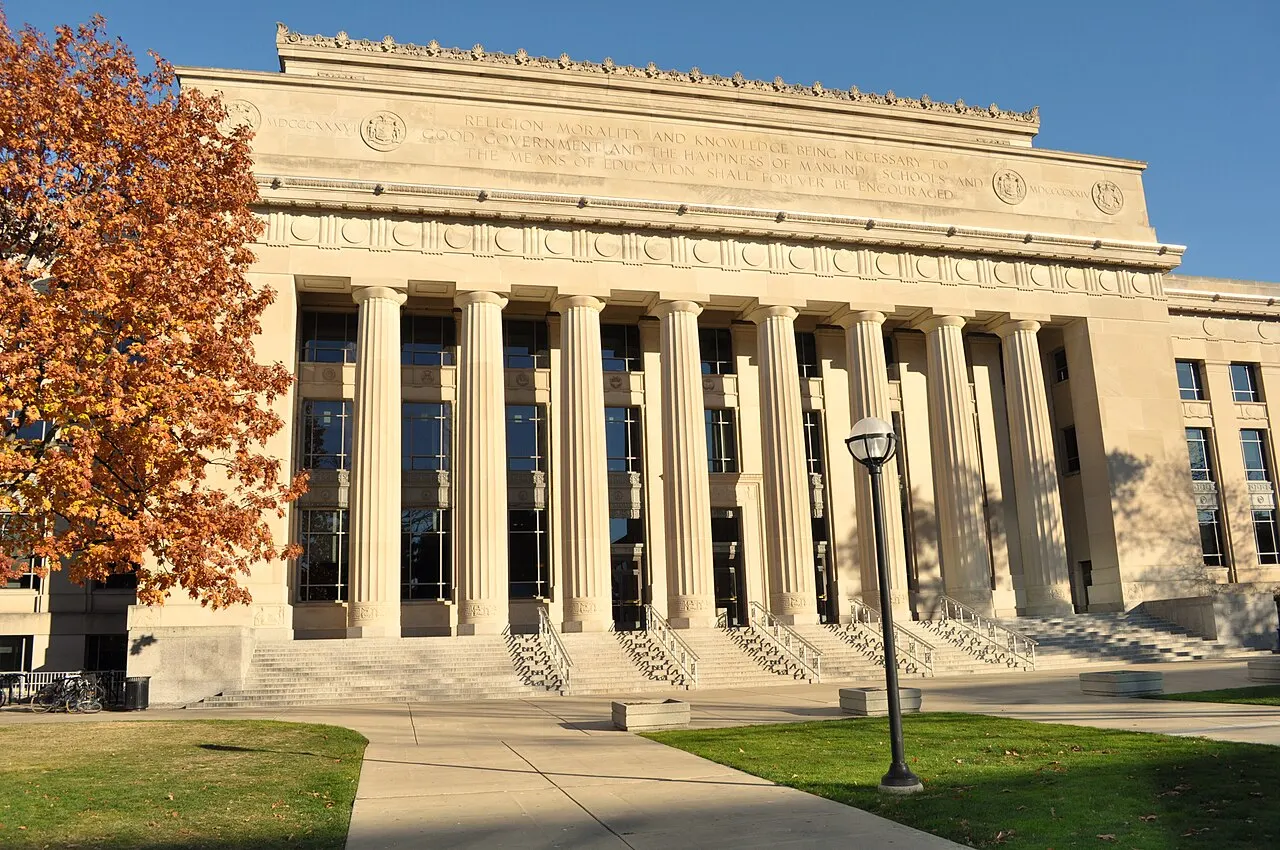
Larry went to the University of Michigan. In 1995 he earned a Bachelor of Science in Engineering in computer engineering. Campus life mixed hard classes with playful building.
He joined the solar car team. He led an honor society chapter. He even built an inkjet printer out of Lego bricks because he wanted to print large posters cheaply. That mix of play and serious engineering became a pattern. He liked ideas that were ten times better, not a little better.
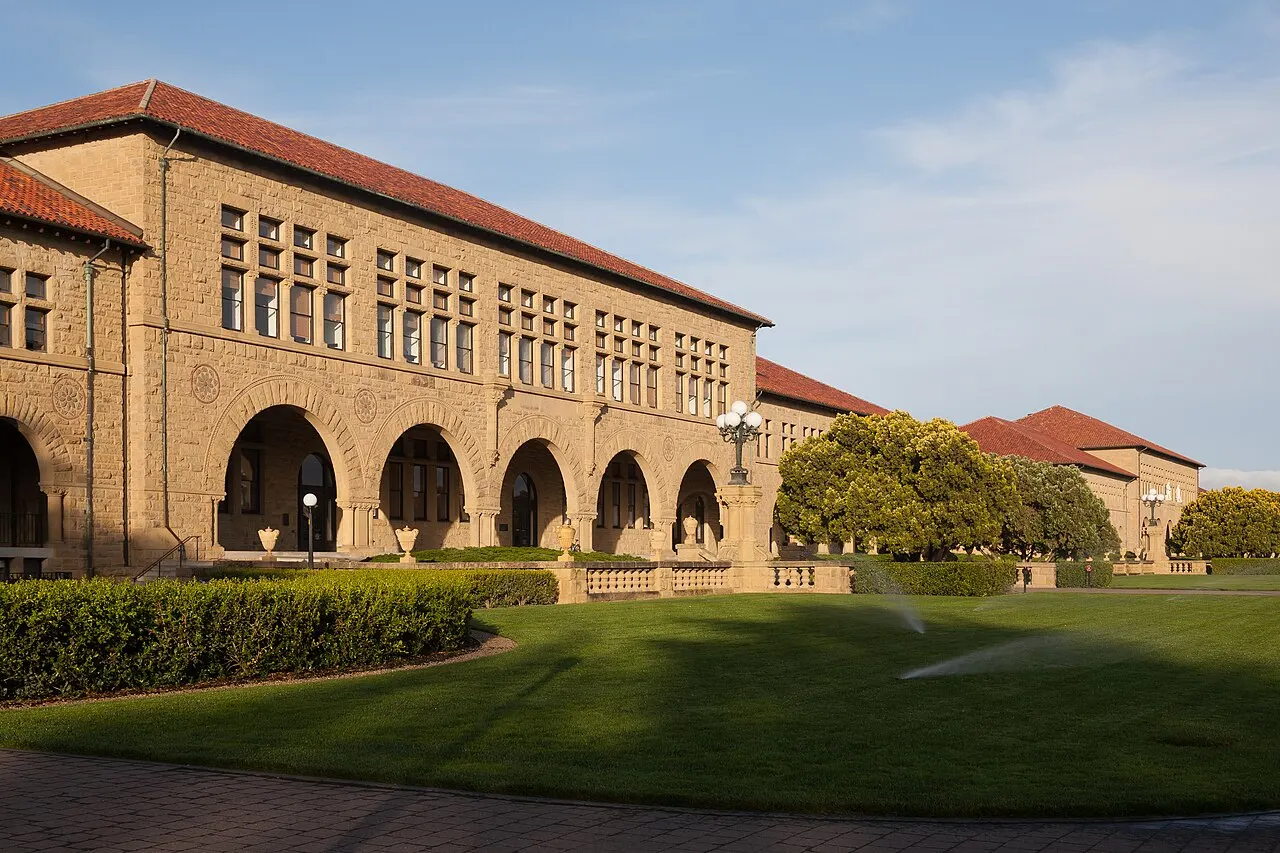
After Michigan he entered the Ph.D. program in computer science at Stanford University. He earned a master's degree there in 1998. He later went on leave from the doctoral program to build a company.
At a new-student orientation in 1995 he met Sergey Brin, another graduate student. They argued about many topics at first. Then they became close friends and partners. Argument did not end the friendship. It sharpened it.
Larry needed a dissertation topic. He studied how web pages link to each other. He thought links were like citations in academic papers. If many good pages pointed to one page, that page was probably important.
With Sergey's help on data and math, they built a system called BackRub. It crawled the web and measured those links. From that work came PageRank, an algorithm named after Larry. PageRank ranked pages by importance, not only by how often a word appeared.
They filled Larry's dorm room with computers made from cheap parts. Sergey's room became an office. Stanford students loved the search tool. Traffic grew. The dorm project was no longer a quiet experiment. It was becoming a product the world might need.
How Google started
In 1998 they founded Google Inc. The name came from "googol," the number 1 followed by 100 zeros. It was a joke about searching a vast web. It was also a promise: the web was huge, and search had to scale.
Early money came from family, friends, and a famous check from Sun Microsystems co-founder Andy Bechtolsheim for $100,000. The check was written before the company was even fully set up. Belief arrived before the paperwork was neat.
They rented a garage in Menlo Park from Susan Wojcicki for about $1,700 a month. Larry served as Google's first CEO. Sergey served as president. Their mission was clear: organize the world's information and make it universally accessible and useful.
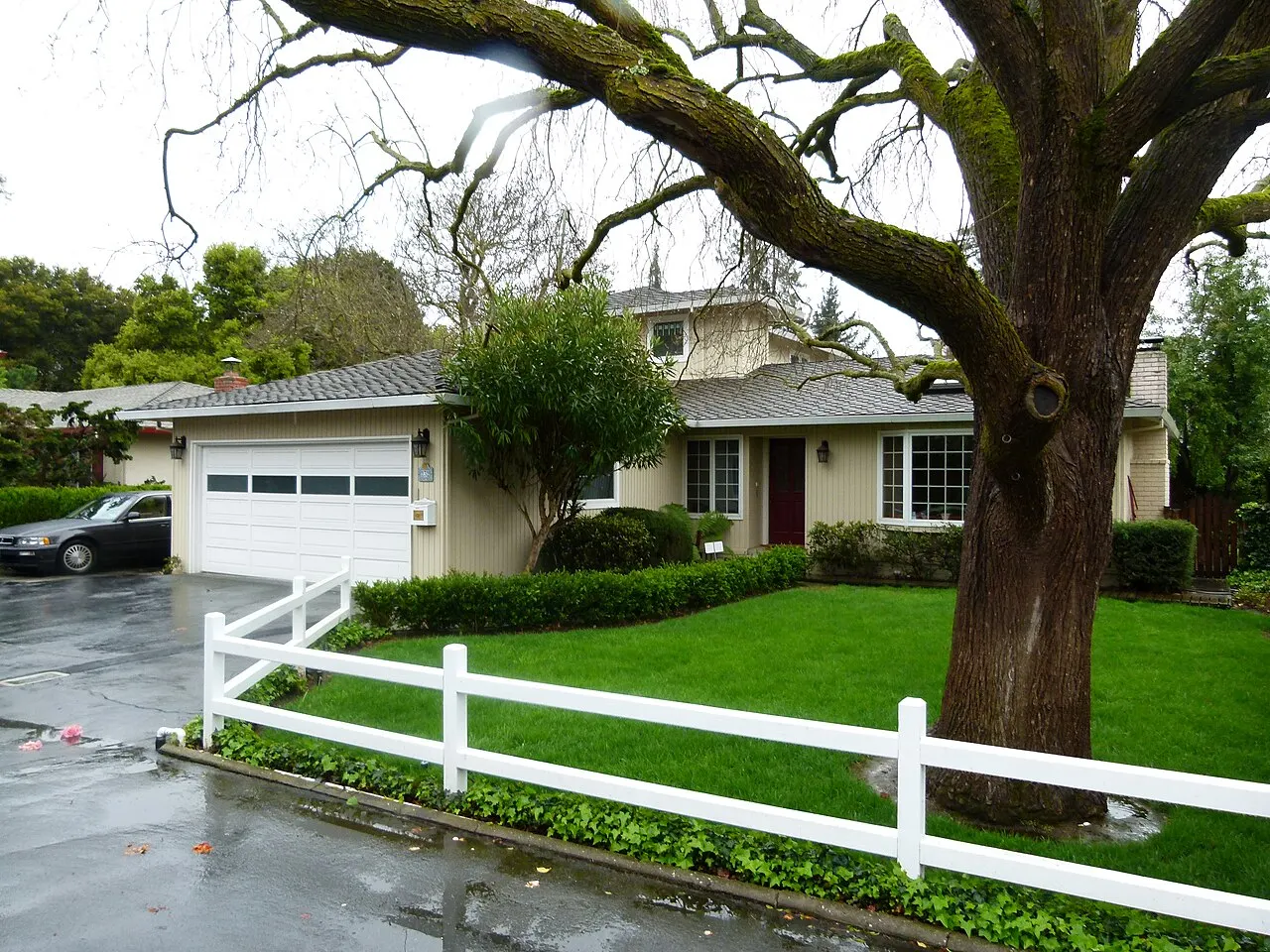
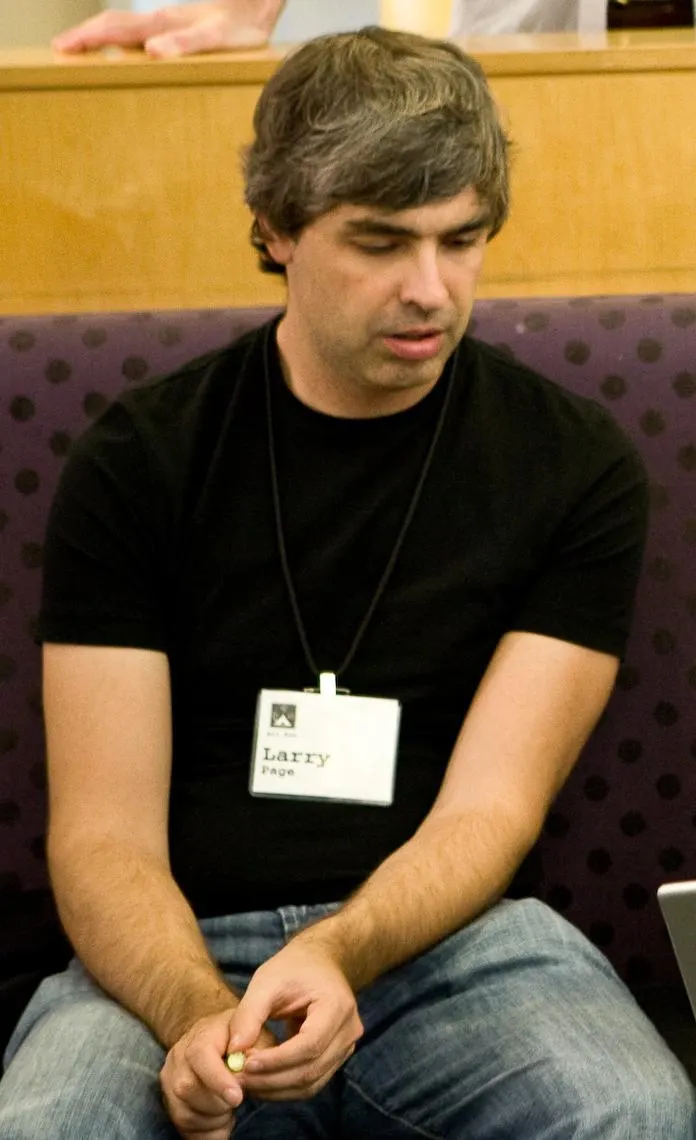
The early days were messy and intense. Servers failed. Code changed fast. The team learned by shipping. Users came because results felt better. Better results created more users. More users created more data to improve the system. Cause led to effect, again and again forever more.
They obsessed over speed. A slow result was a wrong result. Milliseconds were a product feature, not a detail for later. That obsession would later shape every Google page that loaded like it had nothing to prove.
What they built
Google grew from a campus project into the world's leading search engine. In June 2000 it indexed about one billion URLs. The company moved to Mountain
View, California. Investors Kleiner Perkins and Sequoia Capital backed Google with a large round of funding.
In 2001, experienced executive Eric Schmidt became CEO so the young founders could focus on products and technology. Larry became president of products. The change was hard for a founder who liked control, but it helped the company mature. Growth needs structure when the stakes rise.
Google went public in August 2004. Larry became a billionaire in his early thirties. Money changed the scale of what he could attempt. It did not end his urge to build.
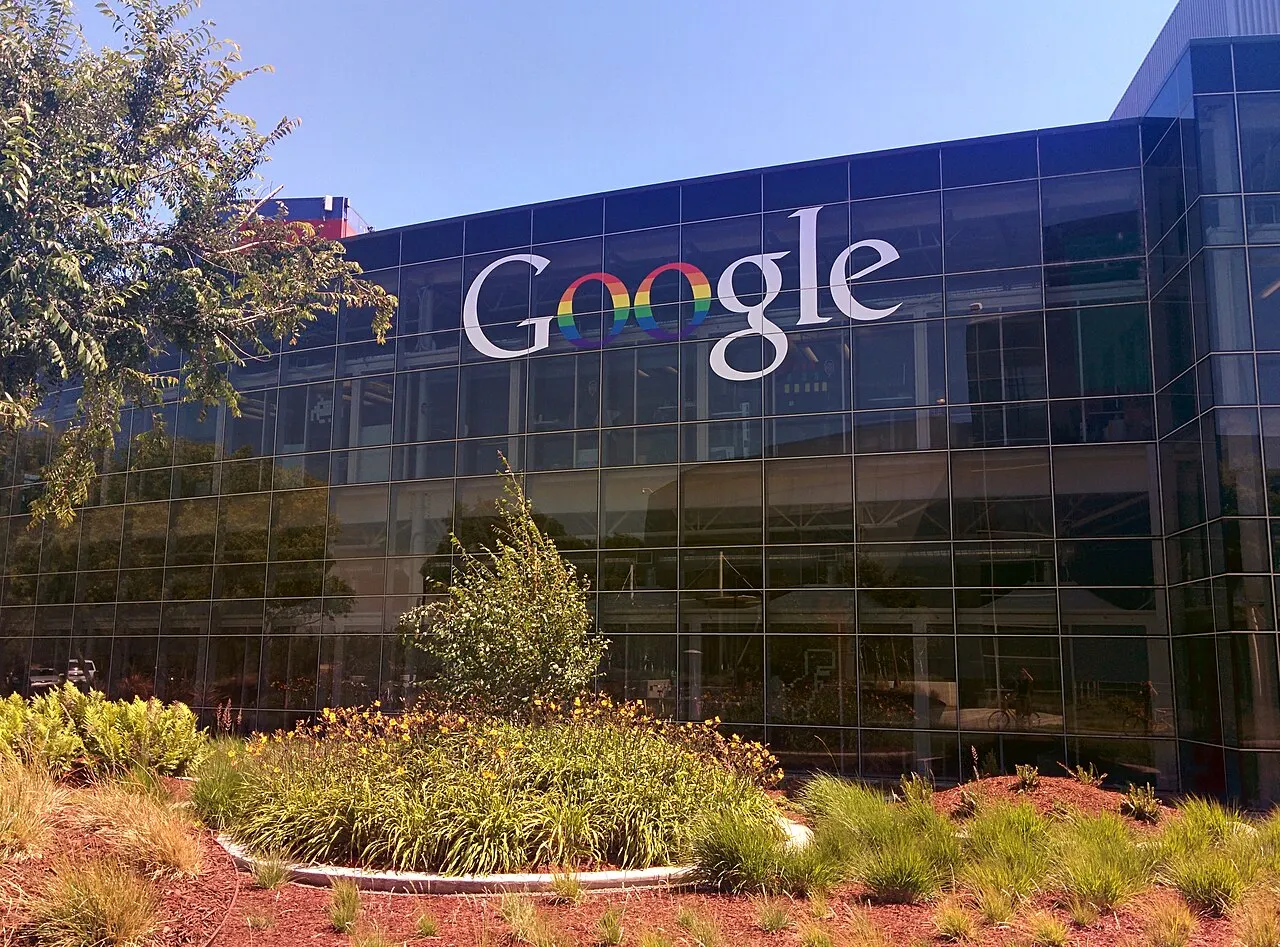
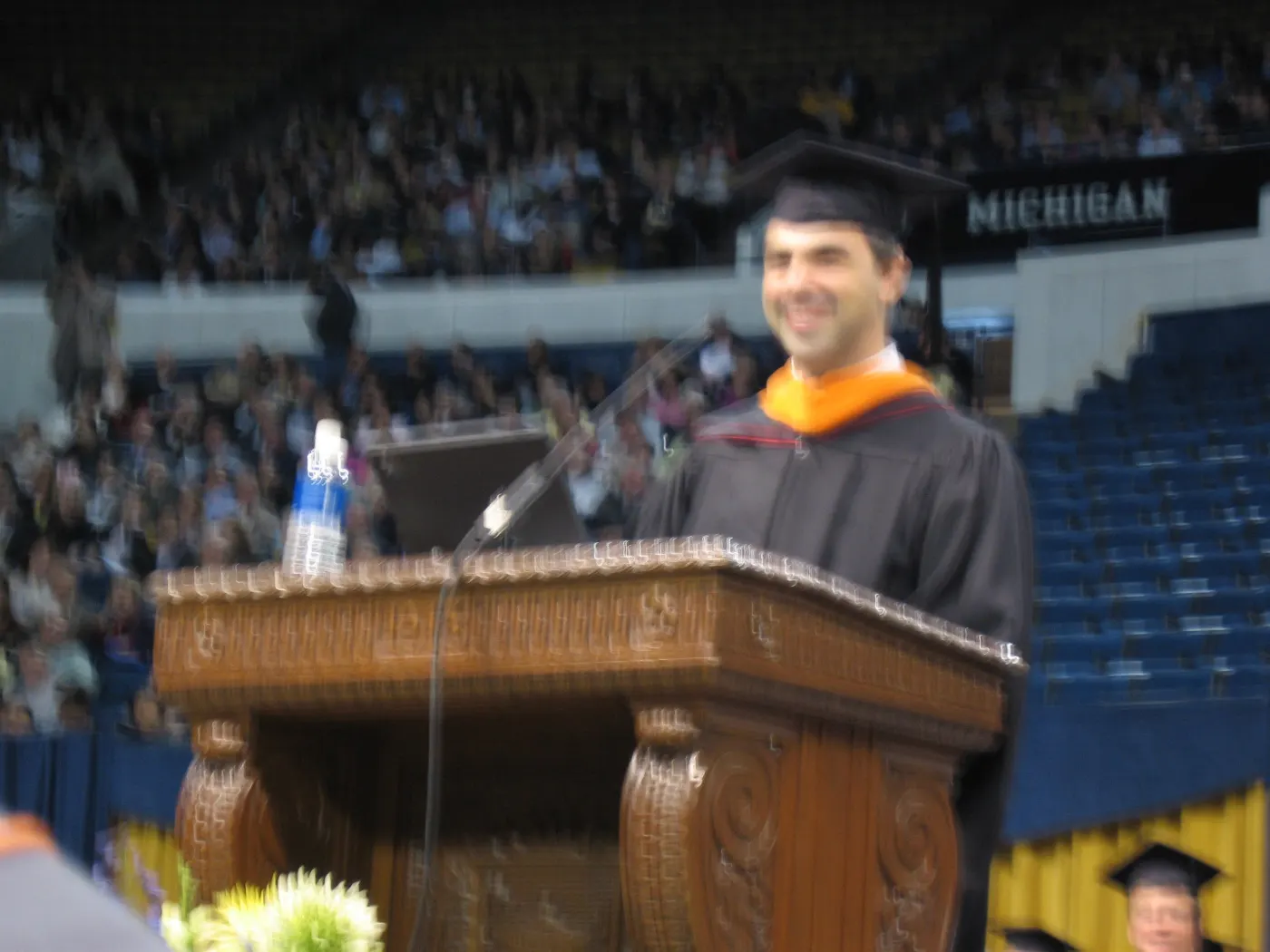
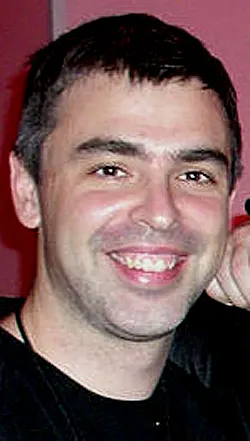
Under Larry's product leadership, Google expanded far beyond a search box. Advertising systems funded free tools for users. Gmail, Maps, and many other services followed. In 2005 Google bought Android for about $50 million. Larry was passionate about putting computing in people's pockets. Android later became the world's most widely used mobile operating system.
Google also invested in YouTube after acquiring it, helping online video become mainstream. Search taught people to ask. Maps taught people to navigate. Android taught people to carry a computer everywhere. Each product opened the next door.
Larry liked a "toothbrush test" for acquisitions. Would people use it once or twice a day, and would it make life better? He wanted tools that became habits, not toys that faded.
Twenty percent time, whether myth or policy, became part of the culture story. Engineers were told they could spend a slice of time on side projects. Gmail and other tools entered the legend that way. The deeper culture mark was simpler: hire smart people, ship tools people use every day, measure what users actually do.
Hard times and challenges
Building Google was not smooth. Early search rivals were strong. Scaling servers and keeping pages fast cost huge effort. Every new user meant more machines, more electricity, more careful engineering.
Larry once tried to remove layers of project managers so engineers could move faster. The idea caused tension. Speed without coordination can create chaos. Investors pushed for adult management in the early 2000s, which led to Schmidt's arrival. Larry had to learn that leadership sometimes means sharing the wheel.
Later, social networks like Facebook challenged Google's place in users' daily lives. Google+ was an ambitious answer that did not win the social race. Not every big bet pays off. The lesson was costly and public.
Larry also faced personal challenges. He has dealt with vocal cord paralysis that made public speaking harder. He stepped back from some earnings calls and appearances. As Alphabet grew, critics said he became more distant from day-to-day work.
Running a company that touches privacy, news, advertising, and phones also brought lawsuits, regulation, and public debate. Larry's style (big bets, long timelines, and impatience with small thinking) inspired many people and frustrated others.
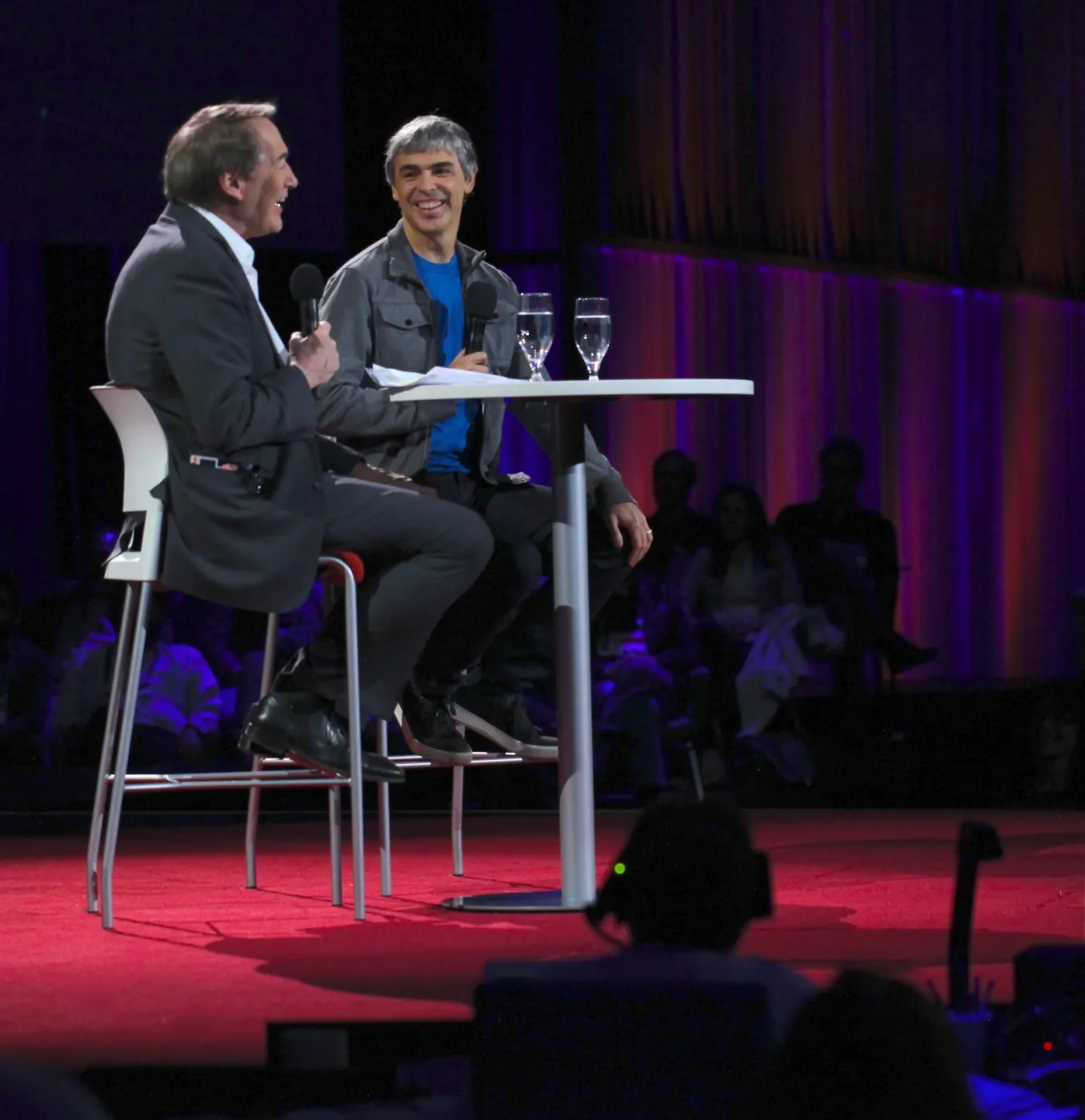
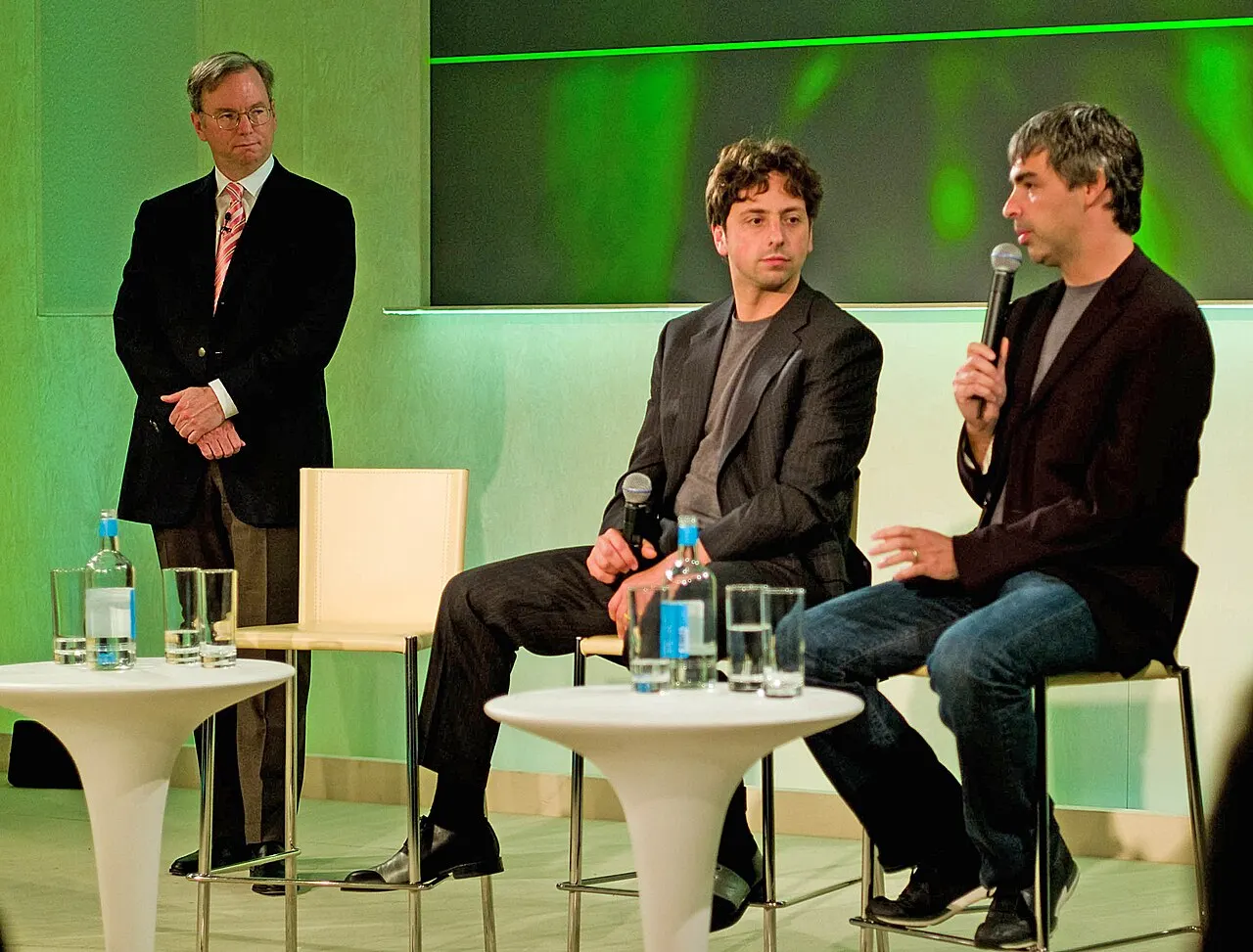
Still, the core search product and Android platform kept shaping how the world finds information and uses mobile devices. The crashes did not erase the foundation. They forced clearer priorities.
Rebuilds and moonshots
In April 2011, Larry returned as Google's CEO. He pushed for cleaner design, stronger teamwork, and "moonshot" projects. He wanted ideas meant to be about ten times better, not a little better.
He backed big bets such as the Motorola Mobility purchase (later sold), Chromebooks, and life-science work through Calico. Some projects succeeded. Some were sold or shut down. The pattern stayed the same: aim high, learn fast, keep the cash engine of search healthy enough to fund the next attempt.
In 2015 he helped create Alphabet Inc., a parent company for Google and other "Other Bets." Larry became Alphabet's CEO. Sundar Pichai became CEO of Google. The structure was meant to give each unit clearer focus. Google could run the core business. Other bets could chase harder, longer problems.
This rebuild was not only about org charts. It was about cause and effect at company scale. If search and ads create strong cash flow, then moonshots can take longer risks. If leadership is clear, teams waste less time arguing about who decides.
Waymo grew out of that moonshot habit: cars that drive themselves. DeepMind and later Gemini work grew out of the same appetite for hard AI. Not every Other Bet became a household name. The ones that did changed cities and labs.
Ads, auctions, and the cash engine
Search alone does not pay for moonshots. Advertising did.
Google learned to sell ads next to intent. When someone types a question, they are often ready to act. An auction system priced that moment. Publishers and advertisers both rode the machine. Users got free tools. The company got a printing press.
That press funded Android when the phone war looked like Apple's to lose. It funded YouTube when bandwidth looked expensive. It funded data centers that look like power plants. Page's product taste mattered. The auction mattered as much.
Antitrust lawyers later treated that auction and the surrounding defaults as a fortress. Page preferred talking about organizing information. Regulators preferred talking about market power. Both were describing the same company from different rooms.
Books scanning, Maps cars, Street View, and translation projects were all versions of the same hunger: get the world's information into a form a machine can serve in milliseconds. Some projects sparked privacy fights. Some sparked wonder. The pattern was expansion by crawl.
Gmail's launch with a gigabyte of free storage looked like science fiction marketing. It also looked like a data bet. Mail is a daily toothbrush product. Page liked those.
Chrome was another toothbrush. If the browser is the computer, then owning a great browser protects search. The logic is circular and powerful. Circles are how platforms live.
When Facebook ate hours of attention, Google felt the threat in the gut. Google+ was the response that tried to be
a network and became a lesson. Page pushed hard. The product did not win. The company survived because Search and ads still hummed.
How he works
Larry's method is not mystery. It is first principles, speed, and a bias toward 10x.
He asked whether a product would pass the toothbrush test. He asked whether a project was ten times better or only ten percent better. He cared about milliseconds. He liked engineers close to decisions. He disliked bureaucracy that existed to soothe managers.
He partnered with Sergey in a way that looked like constant argument from the outside and like a single brain from the inside. One pushed products. One pushed systems. Together they built a company that treated information as an engineering problem.
Invention is not enough, he said. Shipping matters. Distribution matters. A beautiful algorithm that nobody uses is a paper. PageRank without a clean homepage and a business model would have been a citation. Google made the citation a daily habit.
What the world changed because of the work
The wealth story is loud. The impact story is in the verb "google."
Before Google scaled, finding something on the web often meant guessing the right portal or wading through junk. After PageRank and a spare homepage, people typed questions the way they once asked a librarian. That habit rewired curiosity. It also rewired advertising. Ads next to intent became one of the most profitable ideas in business history.
Android put a computer in billions of pockets that were not iPhones. Maps changed how strangers move through cities. Gmail changed how work remembers itself. YouTube changed how culture teaches, sells, and argues. Chrome became a window many people never leave.
That shift is incomplete. Privacy fights, antitrust cases, and news publishers' anger are part of the same world change. A company that organizes the world's information also organizes a world's arguments about power. Page preferred the engineering story. The public insisted on the power story too.
Waymo put robotaxis on real streets. People ride cars with no driver and argue about jobs, safety, and cities. Gemini put a conversational model into Search, Android, Workspace, and, by 2026, even into deals that reach beyond Google's own devices. The cash engine Page built still funds the future bets.
Jobs for engineers, salespeople, YouTube creators, Android OEMs, and cloud customers followed the products. Whole towns grew around Google offices. Other towns grew around data centers that never sleep. Electricity and water became part of the search story, because ranking the web is a physical act.
For ordinary people the change is almost invisible because it became weather. You need a fact. You type. You trust the first results enough to click. That trust is Larry's product, even when he is not in the building.
The 2026 chapter: Gemini, Waymo, and a quiet controlling stake
In December 2019, Larry and Sergey stepped down from their top executive roles. Sundar Pichai became CEO of both Google and Alphabet. Larry remained a board member, employee, and controlling shareholder. He was still a director nominee in Alphabet's 2026 proxy materials.
He has lived for years in the Palo Alto area and has also spent time elsewhere. He married Lucinda "Lucy" Southworth in 2007. They have two children. He has backed flying-car and aerial-mobility startups in the past, including efforts connected to Kitty Hawk and Opener. Reporting has also described private manufacturing-focused AI interests. Exact details of private projects change and are not always public.
His fortune moves with Alphabet. Bloomberg and Forbes estimates in 2026 have placed him among the very richest people on Earth, with figures reported from the high $280 billions into the low $300 billions depending on the day and method. One September 2026 write-up put a modeled net worth near $323 billion. Wikipedia summaries citing Bloomberg and Forbes have floated even higher prints near $334 billion. The careful point is the mechanism: founder Class B voting stock and large Class C economic stakes, on the order of about 6 percent of the business by some proxy tallies, sitting on top of a company that crossed $400 billion in annual revenue.
Gemini is one reason the stake kept swelling. Alphabet reported that the Gemini app surpassed about 900 million monthly active users by mid-2026, with some earnings materials citing about 950 million. Daily requests grew many times over. AI Overviews and AI Mode tried to keep search useful when chatbots threatened the old ten-blue-links ritual. Google Cloud rode the same AI wave. Search revenue still paid the empire's bills even as click patterns shifted.
Waymo remained an Other Bet that looks less other every year. Robotaxis scaled in more cities. A Gemini assistant even showed up in cabin interfaces, separate from the driving stack. The moonshot is becoming a service.
Page does not need to be on every earnings call for that stack to compound. Dual-class control and a board seat keep the founders' hands on the long tiller while Pichai runs the day.
Where he is now
Larry Page no longer performs the public founder role the way Bezos or Zuckerberg do. He is quieter. He is still one of the two people whose votes matter most at Alphabet. He still shows up in the company's legal spine as director and controlling shareholder.
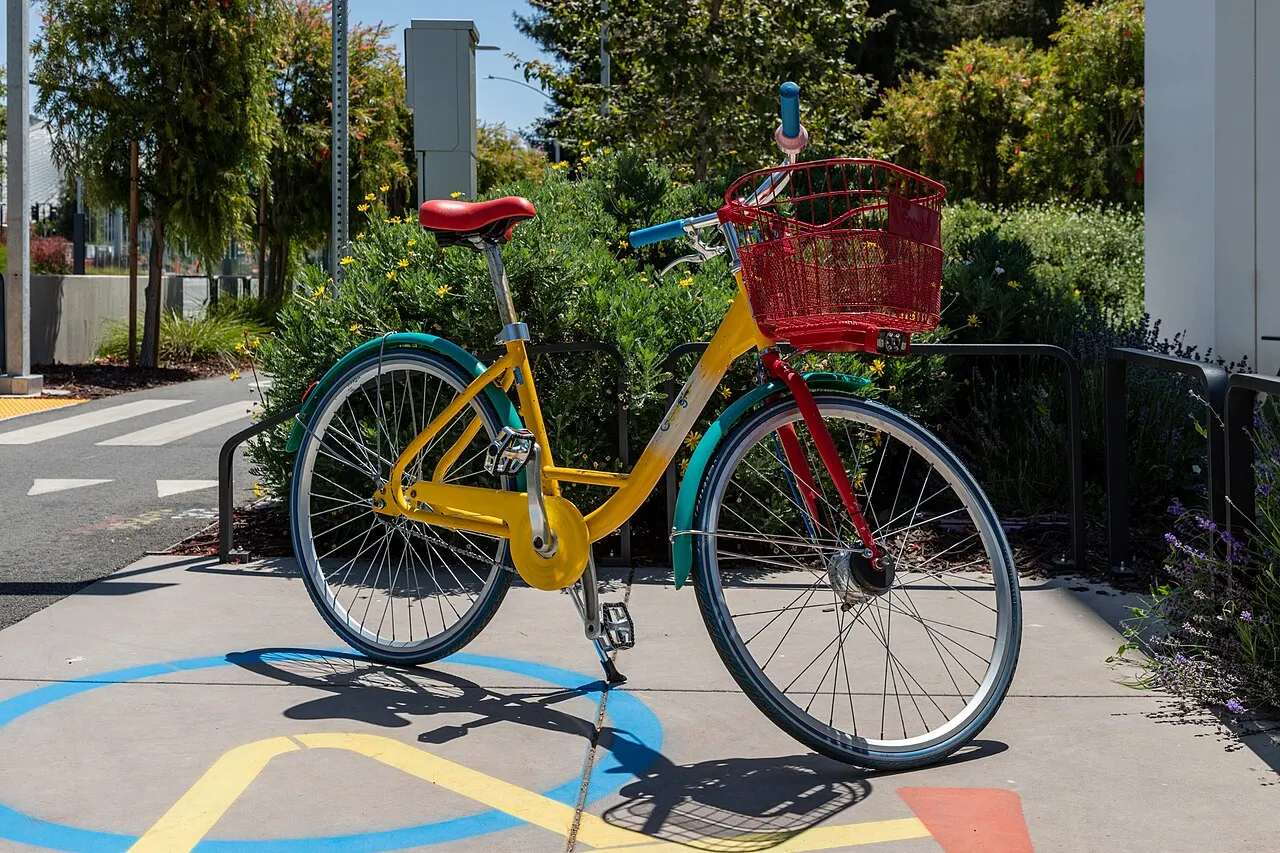
The Googleplex bikes still roll. The search box still waits. The man who wanted posters printed from Legos now owns a slice of the machines that answer the species.
He told interviewers that he wanted Google to be a place that still invented, not only harvested. Alphabet was that wish written as a corporate form. Some Other Bets died. Some, like Waymo, began to look like businesses. The permission to fail in public was bought with Search.
European regulators, U.S. cases, and publisher fights kept the company in court even as Page stepped back from the microphone. The quiet founder strategy does not quiet the lawsuits. It only changes who reads the statement.
For builders, the sharpest Page lesson may be the cheapest: care about the ranking function. Whether you rank web pages, ride requests, or model tokens, the quality of the ordering is the product. Everything else is costume.
In music camp he learned timing. In the solar car team he learned systems. In the garage he learned that a crawl is a company if the results feel like magic. Those three lessons still sit under Alphabet's loudest AI demos, even when the demos are given by other voices. The original ranking still hums underneath, answering the next human question in a blink that once took a library afternoon. That blink is the inheritance, and it still belongs to a curious boy who took machines apart until the whole world fit inside a search box on every screen that matters to a curious mind anywhere on Earth tonight, still asking what comes next after the link and the model answer itself, again and again forever more.
Why the story matters
Larry's lasting work starts with a simple insight: links between pages can measure trust and importance. PageRank helped make search useful when the web was messy and growing fast.
Google's clean homepage, obsession with speed, and advertising model became templates for the modern internet economy. Android put Google software into billions of phones. Alphabet's structure showed how a tech company might separate a core cash engi
ne from longer-shot labs.
For young builders, the lessons are clear. Stay curious. Take things apart. Care about milliseconds. Partner with someone who argues with you and still builds with you. Think in moonshots, but ship tools people use every day.
He began as a boy in a house full of computers. He became a student who saw the web as a web of votes. He became a founder who turned a dorm crawler into a global guide to human knowledge.
That guide is still open, waiting for the next search. The garage is gone. The habit remains.
Stand in 1998 and the ending looks like a campus toy. Stand in 2026 and the beginning looks inevitable. Both feelings are traps. The real documentary is the middle: the dorm machines, the Bechtolsheim check, the garage rent, the IPO auction, the Schmidt handoff, the Android bet, the Alphabet split, the quiet step-back, and a world that still types into a box because a ranking once felt like magic.
That is the story. Not a clean myth.
A last scene belongs in the film. It is a child handing in a typed paper in a Michigan classroom. Then it is a dorm room sweating under the heat of homemade servers. Then it is a garage in Menlo Park. Then it is a 2019 blog post where two founders say the company no longer needs two CEOs. Then it is a 2026 earnings call where Gemini's user counts are read by someone else while Page's stake rises with the stock.
The scenes only make sense together. Remove PageRank and Gemini is a model without a distribution king. Remove the garage and Alphabet is a logo. The whole arc is a ranking that became a habit, then a holding company, then a quiet fortune.
A long bet that ranked the web, then funded the next impossible thing with the proceeds.
Watch alongside this story
Short cuts from interviews, keynotes and launches. Each plays only the moment that matters.