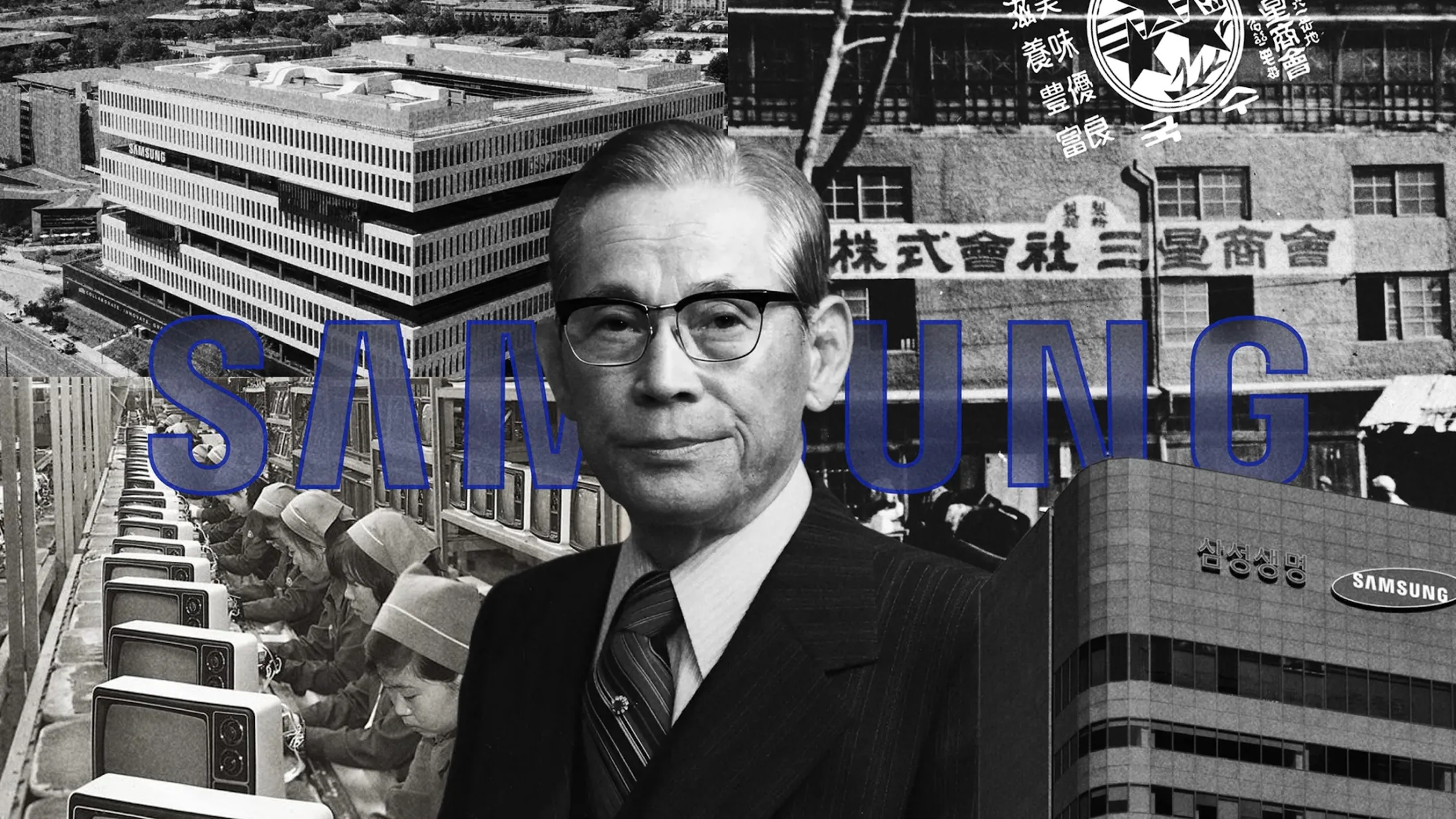
Three Stars: The Man Who Built Samsung
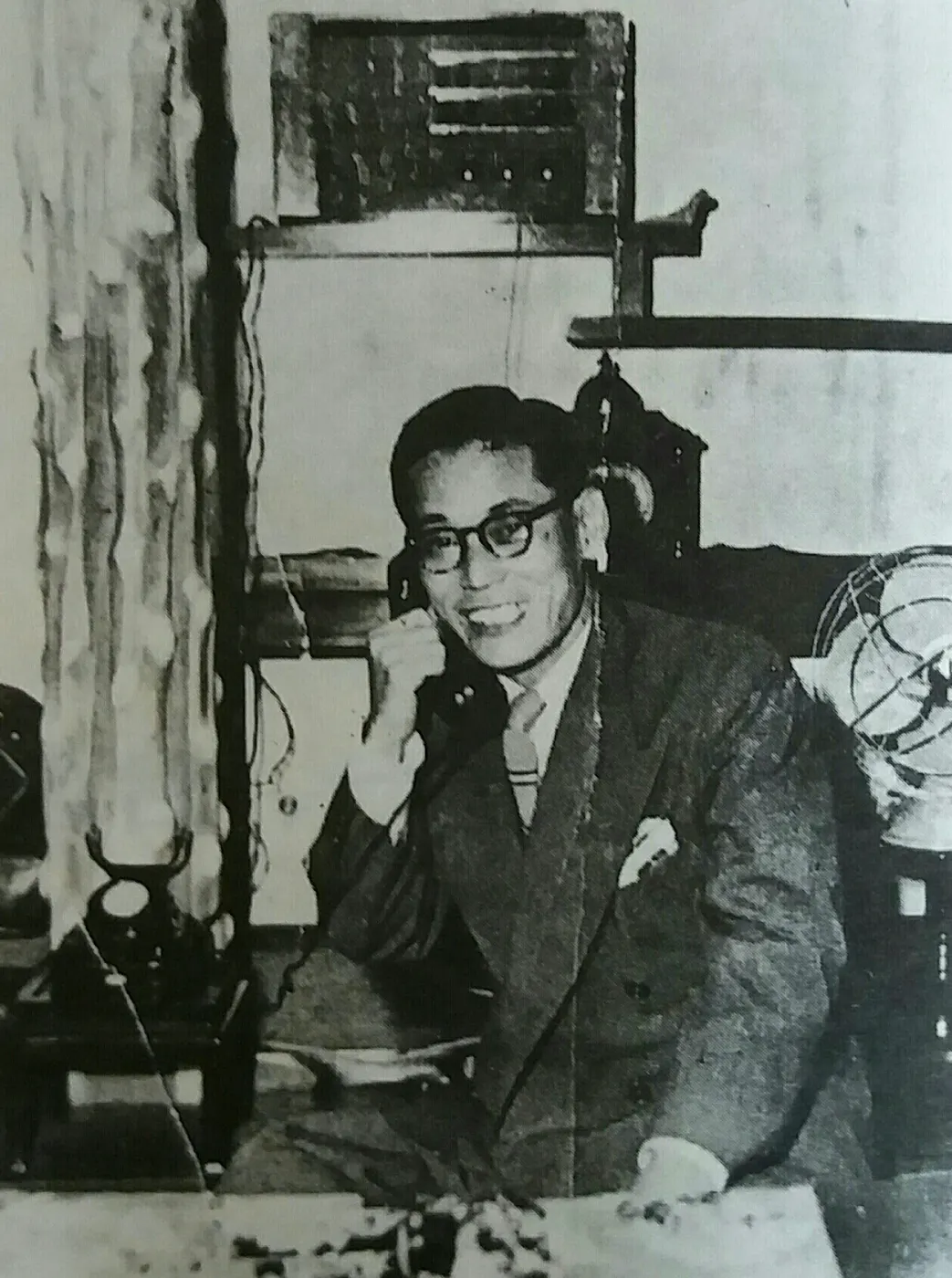
The promise in Tokyo
In February 1983, an old man sat in a hotel in Tokyo and made up his mind.
He was Lee Byung-chul, the founder and chairman of Samsung. He was about to turn seventy-three. He had already survived cancer surgery. He owned sugar plants, wool mills, insurance companies, a newspaper, a department store, and a company that made cheap television sets.
He was, by any measure, one of the richest and most powerful men in South Korea.
He could have rested. Instead, on February 8, he announced that Samsung would build its own memory chips.
Almost everyone thought it was a mistake. American and Japanese companies had a head start of many years. They had the best engineers, the best factories, and billions of dollars behind them. Korea had almost no chip industry at all. Some people in Japan openly doubted that a Korean company could do it.
Lee had heard doubts like that his whole life.
He had started in business as a failed rice miller. He had begun Samsung as a small shop selling dried fish and noodles. He had lost his business in the chaos of one war and his home city to another. Each time, he came back bigger.
The chip bet would become the most important decision of his life. He would not live to see it fully pay off. But more than forty years later, in 2026, Samsung's chips were one of the engines of the artificial intelligence boom, and the company was earning record profits.
This is the story of how a landlord's son from a small Korean county built Samsung, and what it cost.
A landlord's youngest son
Lee Byung-chul was born on February 12, 1910, in Uiryeong County, in the southern province of South Gyeongsang. That same year, Japan formally took over Korea as a colony.
His family was rich. They were landowners from the old scholar class, called the yangban. His father was Lee Chan-woo and his mother was Kwon Jae-rim. Byung-chul was the youngest of four children.
As a small boy, he studied the Chinese classics in a traditional village schoolroom. He learned the teachings of Confucius, which prized order, duty, study, and respect for elders. Those ideas would shape how he ran companies for the rest of his life.
He also learned something that set him apart from many later founders. He never knew hunger. He grew up with land, rice, and servants. Money, to him, was a tool to plan with, not something to fear losing.
In the old Confucian order, merchants ranked near the bottom of society. A scholar family's son going into trade was seen as a step down. Lee would spend years solving that puzzle in his own mind. His answer would become famous: business could be a way to serve the country.
He moved to Seoul for school and graduated from Joongdong School in 1929. By then he was already married. In 1926, at about sixteen, he had wed Park Du-eul in an arranged match. Together they would have eight children.
Tokyo, and a body that gave out
In April 1930, Lee went to Tokyo and enrolled at Waseda University to study political economy.
Japan in those years was the most modern industrial country in Asia. Lee saw giant factories, busy ports, and department stores full of goods. He saw huge family business groups, the zaibatsu, that owned banks, mines, and trading houses all at once.
Korea, under Japanese rule, had almost none of that for Koreans. The big factories, the banks, and the railways belonged mostly to Japanese owners.
Lee did not finish his degree. He fell ill with beriberi, a disease caused by poor nutrition. Weak and tired, he left Waseda and went home without a diploma.
Decades later, in 1970, Waseda gave him an honorary doctorate. By then the dropout had become one of the most important business leaders in Asia.
The moonlit night
Back in Korea, Lee drifted.
His older brother was already running the family's affairs. Lee spent time in Seoul, living on money his father sent. He tried a few hobbies, like growing unusual vegetables and raising better pigs. Nothing stuck.
In his memoir, written near the end of his life, he admitted what came next. He started gambling with friends, playing a tile game called golpae late into the night. Again and again, he walked home tired, his shadow stretched out in the moonlight.
One night he came home and looked into the room where his wife and three small children lay asleep. He stood there a long time. He later wrote that he felt as if he had woken from a bad dream. He was a grown man, a husband, and a father. It was time to do something real.
A few days later, he went to his father with a plan to start a business. His father agreed to back him.
The rice mill that failed
In the spring of 1936, Lee opened a rice mill in Masan, a small port near his hometown. Masan shipped rice to Japan, and the mills there were slow and crowded. Lee saw a chance.
He teamed up with two friends. Each put in 10,000 won. Lee's share came from 300 sacks of rice his father gave him. They bought modern milling machines and borrowed money from a bank to cover the rest.
The first year went badly. The mill lost money. Lee studied what had gone wrong, changed how they bought and sold rice, and in the second year the mill earned back its losses and more.
Success made him bold. He bought trucks and started a transport company. Then he borrowed heavily to buy farmland, betting on rising land prices. For a while, it worked brilliantly.
Then, in 1937, Japan went to war with China. The colonial government tightened credit. The banks called in their loans. Land prices fell. Lee had to sell almost everything to pay his debts.
He was twenty-seven, and he had failed.
He later called this the real start of his education. He decided that no clever plan could beat what he called the current of the times. Wars, governments, and banks could sink any business. A smart businessman had to read those big forces before he bet.
Three stars in Daegu
On March 1, 1938, Lee opened a new business in Daegu, a large city in the southeast. He started with about 30,000 won.
He called it Samsung Sanghoe. Samsung means "three stars" in Korean. He later explained that the number three stood for something big and strong, and stars stood for something bright and lasting. He wanted a company that would shine forever.
On the first day, it had about forty workers. It sold dried fish, fruit, and vegetables from the farms of the south. It shipped goods north into Manchuria and all the way to Beijing. It soon made noodles too.
It was a trading business, which meant it made money by moving goods from places where they were cheap to places where they were needed. Lee was good at it. He watched prices closely. He kept careful records.
About a year later, he bought a brewery in Daegu, the Chosun Brewery. People kept buying drinks even in hard times, and the brewery became a steady source of cash.
It is important to be honest about the world this shop grew in. Korea was a colony. Much of Samsung's early trade went to Manchuria, a region Japan had seized. Almost every Korean business at the time worked inside that system. Lee's first fortune was made there too.
A fresh start in Seoul
On August 15, 1945, Japan surrendered and Korea was free. But the country was quickly split in two. Soviet troops held the north. American troops held the south.
Lee said later that liberation changed how he thought about business. A free Korea would need its own factories, its own goods, and its own jobs. He came to believe that building companies was a way to build the nation. In Korean, he called this idea saeop boguk, which means serving the country through business.
In 1947, he moved to Seoul. In 1948, the year the Republic of Korea was founded, he started a larger trading company, Samsung Mulsan. It imported goods the new country badly needed and exported whatever it could sell abroad.
Within two years, Samsung Mulsan was one of the biggest trading companies in the south.
War
On June 25, 1950, North Korean troops crossed the border. Seoul fell within days.
Lee's business was centered in the capital. Much of it was lost. He fled south, first to Daegu and then to Busan, the port city that became the last refuge of the South Korean government.
In Daegu, the brewery he had bought years earlier was still running. The money it had saved helped him get back on his feet.
In early 1951, he restarted his trading company in Busan. American troops and supplies were pouring into the port. The country needed everything, and Lee knew how to find it and move it. His business grew fast during the war.
Critics later said men like Lee profited from a national disaster. Supporters said he kept goods flowing to a country that had nothing. Both things were true. A war that killed millions of people also made some traders rich.
But Lee was already thinking about something bigger than trade. Korea was spending its tiny supply of dollars to buy basic goods from abroad, like sugar and cloth. A trader profited from that. A factory owner could end it.
Sugar you could taste
In 1953, as the fighting ended, Lee founded Cheil Jedang. Cheil means "number one." It would be a sugar refinery in Busan.
Nobody in Korea had built one before. Lee brought in machines from Japan. His foreign advisers said the plant would take a long time to finish. He pushed his team to move faster.
On November 5, 1953, the refinery produced the first sugar ever made in Korea.
That may not sound dramatic today. In 1953, it was. Korea imported nearly all its sugar and paid for it with money the war-torn country could not spare. Now Koreans could buy sugar made at home, and it cost much less than imported sugar.
The refinery showed Lee's method for the first time. Pick a basic good the country imports. Build a modern plant to make it at home. Learn every step. Sell to the whole nation.
It was the start of an idea that would carry Samsung all the way to microchips: Korea did not have to buy everything from richer countries. It could make things itself.
The wool mill
Next came cloth. In September 1954, Lee founded Cheil Mojik, a wool textile company, and built its mill in Daegu, the same city where his little shop had started sixteen years earlier.
The first year was hard. The machines could make cloth, but not good cloth. The mill lost money. Lee spent long hours there, pushing for better quality, batch after batch.
Slowly, the cloth got better. Soon Koreans could buy fine wool suits made in Korea instead of imported ones. The mill became the biggest of its kind in the country.
Lee also cared about how his workers lived. The Daegu mill was known for its dormitories and gardens, which were unusual for Korean factories at the time.
The banker's seat
By the late 1950s, Lee was widely seen as the richest man in South Korea.
But his rise was not only about skill. In the 1950s, South Korea ran largely on American aid. The government, under President Syngman Rhee, decided who got scarce dollars, import licenses, and cheap bank loans. Companies close to the government did well.
Samsung got a great deal of that help. Its sugar plant bought raw sugar with special currency loans. Its wool mill used machines bought with aid money.
Then Lee made a move that gave him even more power. When the government sold off banks that had once belonged to Japanese owners, Samsung bought large stakes. For a time, Samsung controlled a big share of the country's private banking. It also moved into insurance.
In an economy where money to borrow was the scarcest thing of all, owning banks meant sitting beside the tap.
Historians still argue about this period. Some see it as crony capitalism. Others point out that the same deals built real factories and real jobs. The fairest view is that Samsung stood on two legs: special access from the state, and real skill in running businesses. Without either one, it would have fallen.
Hiring by test
In 1957, Samsung did something new for Korea. It hired workers through an open, written exam.
In most Korean companies at the time, jobs went to relatives, friends, and people from the same hometown or school. Lee wanted the best people, whoever they were. He believed talent should decide who worked at Samsung.
He sat in on job interviews himself, often for years. He was known for studying faces and asking hard questions. He later said he spent most of his time on finding, training, and placing people.
He had a saying that Samsung managers still repeat: if you doubt a person, do not hire them. Once you hire them, do not doubt them.
He also set up a chairman's office of planners and analysts to study every business closely. It became the nerve center of the group.
The fall of a patron
In April 1960, students and citizens rose up against Syngman Rhee. He was forced from power and went into exile.
For Lee, this was dangerous. The very closeness to the government that had helped build his fortune now made him a target.
Then, on May 16, 1961, General Park Chung-hee seized power in a military coup. The new rulers promised to fight corruption. One of their first targets was the group of rich businessmen who had grown wealthy under Rhee. They were labeled "illicit wealth accumulators." Some were arrested.
Lee was in Japan when the coup happened. He did not rush home.
A deal with the general
When he did return, he met Park Chung-hee face to face.
It became one of the most important meetings in modern Korean history. Park needed money and know-how to make Korea industrial. Lee needed to save his companies. According to accounts of the meeting, Lee argued that punishing businessmen would not help the country. Letting them build factories would.
A deal was struck. Samsung paid one of the largest penalties of any business group. Lee gave up control of the banks. In return, Samsung survived and was asked to help build the new economy under the government's plans.
In August 1961, the country's leading businessmen formed an association to work with the new regime. Lee became its first chairman. That group later became the Federation of Korean Industries.
From then on, big family business groups, known as chaebol, and the state worked side by side. It was a partnership that helped drive one of the fastest economic rises in world history. It also made the chaebol hugely powerful and hard to hold to account.
The empire widens
In the 1960s, Samsung grew in every direction.
In 1963, it took over a life insurance company that would later become Samsung Life, the largest in the country. It bought a department store in Seoul that would later grow into the Shinsegae retail chain.
It moved into media. Samsung started Tongyang Broadcasting, known as TBC, with radio and later television. In 1965, Lee founded the JoongAng Ilbo newspaper.
In the same year, he set up the Samsung Foundation of Culture and took charge of the foundation running Sungkyunkwan University.
Lee also collected art. Under his pen name, Hoam, he gathered one of the most important private collections of Korean art ever assembled. Some of its pieces were later named national treasures.
The saccharin scandal
Then came the biggest scandal of his life.
In the mid-1960s, Lee took on a giant project for the government: the Korea Fertilizer plant near Ulsan. Fertilizer was a national priority, because the country needed to grow more food.
In 1966, it came out that people at the project had smuggled about 55 tons of saccharin, a sugar substitute, into Korea from Japan. They had hidden it as building materials for the plant to avoid taxes.
The country was furious. In the National Assembly, a lawmaker named Kim Du-han threw a can of human waste at government ministers to protest. Lee's second son, Lee Chang-hee, was jailed.
Lee announced that he was stepping down. He handed the fertilizer plant over to the state.
Some saw it as a sincere apology. Others saw it as the price of staying out of deeper trouble. Many suspected the smuggling was linked to political funding. That was never fully proven.
Within a couple of years, Lee was back in charge of Samsung.
Into electronics
By the late 1960s, Samsung was the biggest business group in Korea. Lee was nearly sixty. He could have played it safe.
Instead, he decided to enter electronics.
On January 13, 1969, he founded Samsung Electric Industries, which became Samsung Electronics. Other Korean electronics makers did not want the giant to join, and they lobbied against it. Many people doubted Samsung could learn a whole new industry.
Lee did what he had always done. He found partners who knew more than he did. Samsung formed joint ventures with Japanese companies, Sanyo and NEC, to learn how to make electronics.
In 1970, Samsung Electronics had about forty-five workers. That year it built its first product, a small black-and-white television. Its first export was a shipment of 500 TV sets to Panama.
The products were cheap and simple. Many were sold under other companies' brand names. But Samsung learned fast. By 1976, it had made one million black-and-white TVs. By the end of the decade, it was one of the biggest TV makers in the world.
The son who bought a chip company
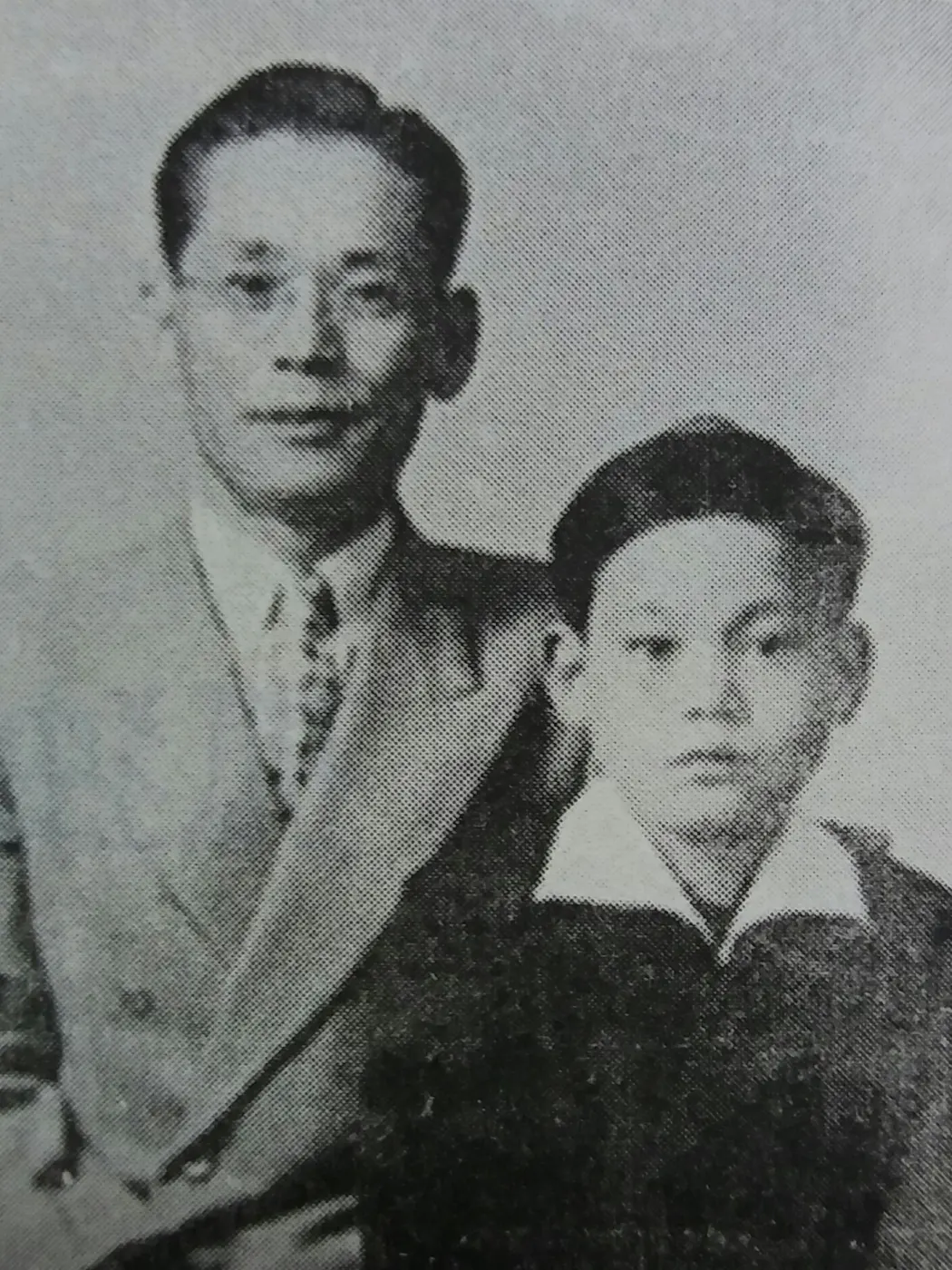
In 1974, a struggling firm called Korea Semiconductor was close to going under. Lee's third son, Lee Kun-hee, then in his early thirties, wanted to buy it.
His father and many Samsung leaders were doubtful. Chips were expensive and risky. The competition was fierce. Kun-hee went ahead and bought a stake with his own money.
At first, the doubters seemed right. The company's technology was simple, and it lost money for years. It made basic parts for Samsung's own products, far from the cutting edge.
But the idea stayed alive in the family. Kun-hee kept arguing that Korea could not stay a maker of cheap goods forever. Poorer countries would always come along to make them cheaper. Korea had to climb up to harder, more valuable products.
The same decade, Samsung grew in heavy industry too, with shipbuilding, engineering, and precision machines. In 1976, it opened a nature park and farm in Yongin that later became Everland, one of the most popular amusement parks in Korea.
Losing the TV station
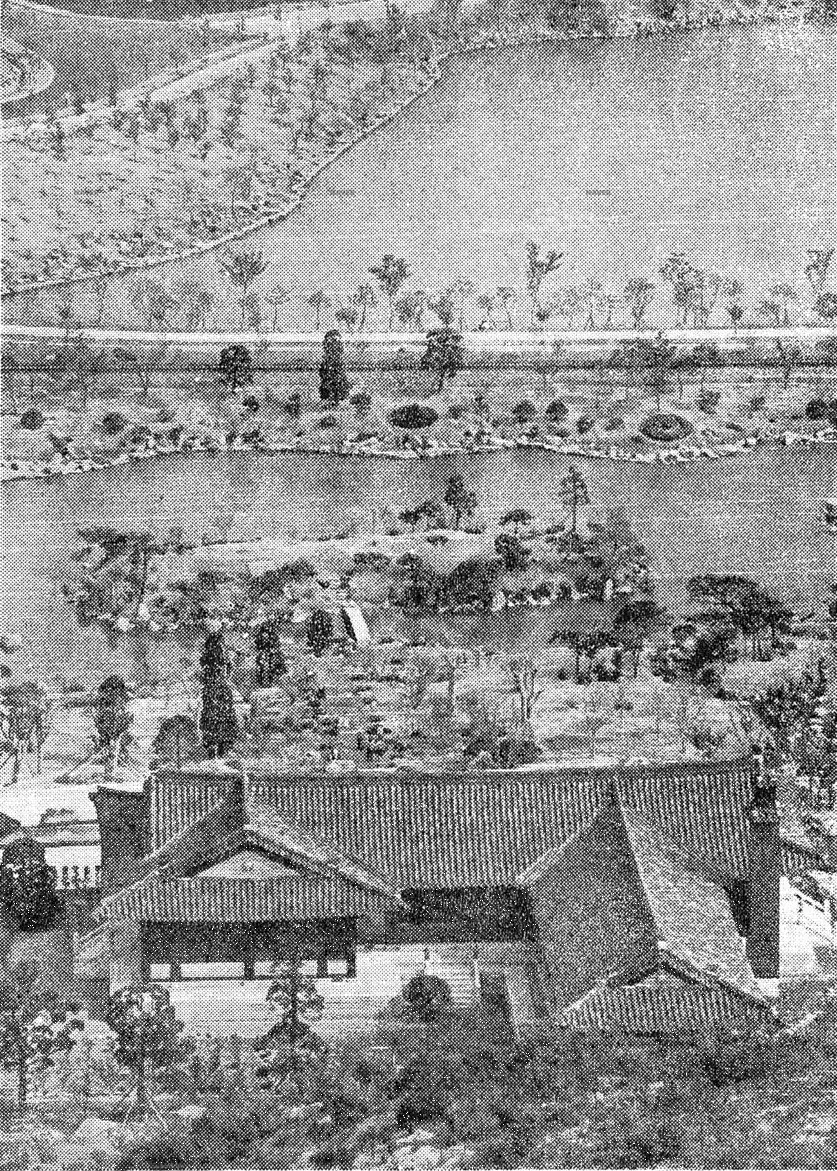
In 1980, after another military takeover, the new government under Chun Doo-hwan forced a merger of the country's broadcasters. Samsung's TBC was taken and folded into the state broadcaster, KBS.
Lee had built TBC over sixteen years. He lost it by government order. It was a reminder that even the richest man in Korea could not push back against the state.
He turned his energy elsewhere. In 1982, he opened the Hoam Art Museum near Yongin to show his art collection to the public. The same year, Samsung started a professional baseball team, the Samsung Lions. Boston College gave him an honorary doctorate.
He also toured factories and labs in the United States and Japan. He studied what they were making. He came home convinced that the future belonged to semiconductors.
The Tokyo Declaration
Lee spent months studying the chip business. He talked to experts. He read reports. He weighed the risk.
Then, in February 1983, in Tokyo, he made his announcement. Samsung would go all in on memory chips called DRAM, the chips that hold data while a computer works.
People later called it the Tokyo Declaration.
The risk was enormous. Chip factories cost huge sums to build. Each new generation of chips needed new factories. Prices swung wildly. A company could lose a fortune in a single bad year.
Lee's reasoning went beyond profit. Korea had few natural resources. It could not grow rich forever by making cheap goods. Chips were made from sand, which cost almost nothing. Almost all their value came from skill and knowledge. If Korea could master chips, it could climb to the top of the world economy.
He was seventy-three years old. He treated it as the last great effort of his life.
Six months
Samsung moved at astonishing speed.
It needed a chip design. It asked Texas Instruments, Motorola, and big Japanese firms like NEC and Toshiba. They said no. Finally, a small American startup in Idaho, Micron Technology, agreed to license its design for a 64-kilobit DRAM chip. Micron needed the cash.
Samsung also needed to know how to make the chip, step by step. For that, it turned to the Japanese firm Sharp.
It hired Korean engineers who had worked at American chip companies. It set up a team in Silicon Valley and a team back in Korea and let them race each other on the same problems.
At the same time, crews built a new chip plant at Giheung, south of Seoul. Work that usually took far longer was done in about six months. Workers labored day and night.
By late 1983, Samsung had a working 64-kilobit DRAM. Korea became the third country in the world, after the United States and Japan, to make one. Mass production began in 1984.
The price crash
Then the market turned against him.
In the mid-1980s, a flood of chips hit the market and DRAM prices collapsed. A chip that had sold for a few dollars soon sold for well under one. Samsung lost huge sums. Inside and outside the company, people said the chairman had made a terrible mistake.
Lee did not back down. Samsung kept investing. It kept building. In 1986, it developed a 1-megabit DRAM, a chip that could hold many times more data.
Then the tide began to turn. Trade fights between the United States and Japan pushed up chip prices in the late 1980s. Samsung's chips started to make money.
Lee did not live to see the biggest payoff. In 1992, five years after his death, Samsung became the largest maker of DRAM in the world. It has stayed at or near the top of the memory business ever since.
How he worked
People who worked with Lee described him as formal, careful, and very disciplined.
He liked order. He wanted plans studied from every angle. His early failure in Masan had left him wary of wild gambles, even as he made some of the biggest bets in Korean history. He called his method the pursuit of rationality: study the facts, learn from the best in the world, and do not let pride get in the way.
He believed a half-finished or poorly run company did harm. Building a business badly, he said, was close to a crime.
He boiled his thinking down to three ideas that Samsung still honors. Serve the nation through business. Put people first. Pursue rationality.
He was not a warm boss to everyone. He expected deep loyalty. He opposed labor unions, and Samsung stayed largely union-free for decades after him. He could be stern and distant with his own children.
But he also wrote essays, practiced calligraphy, and collected old Korean pottery with great care. In 1976, he wrote that the greatest happiness comes from knowing your purpose in life. His, he said, was business in service of the nation.
Choosing an heir
Korean tradition said the eldest son should inherit. Lee did not follow it.
His eldest son, Lee Maeng-hee, had helped run the group after the saccharin scandal. His second son, Lee Chang-hee, had been jailed. Over time, Lee turned to his third son, Kun-hee, the one who had bought the chip company.
The choice caused deep hurt in the family. It also shaped the future of Samsung. Kun-hee would become the chairman who turned Samsung from a maker of cheap goods into a global brand.
The rest of the family later built their own empires from pieces of the old group. The CJ Group, led by Lee Maeng-hee's son, came from the sugar business. Lee's daughter Lee Myung-hee built Shinsegae. His eldest daughter, Lee In-hee, founded the Hansol paper group.
Twenty-four questions
In his last years, Lee wrote his memoir, Hoam Jajeon, published in 1986. He was fighting lung cancer.
In October 1987, he did something that surprised people when it came to light decades later. He prepared twenty-four questions for a Catholic priest named Park Hi-bong. They were not about money or business. They asked about God, suffering, death, and what happens after we die. One asked why God does not show himself clearly.
The priest passed the questions to a scholar, Monsignor Chung Ui-chae, who prepared answers. They planned to meet. But Lee's health got worse.
On November 19, 1987, Lee Byung-chul died in Seoul. He was seventy-seven.
Two weeks later, on December 1, Lee Kun-hee became chairman of Samsung.
After him
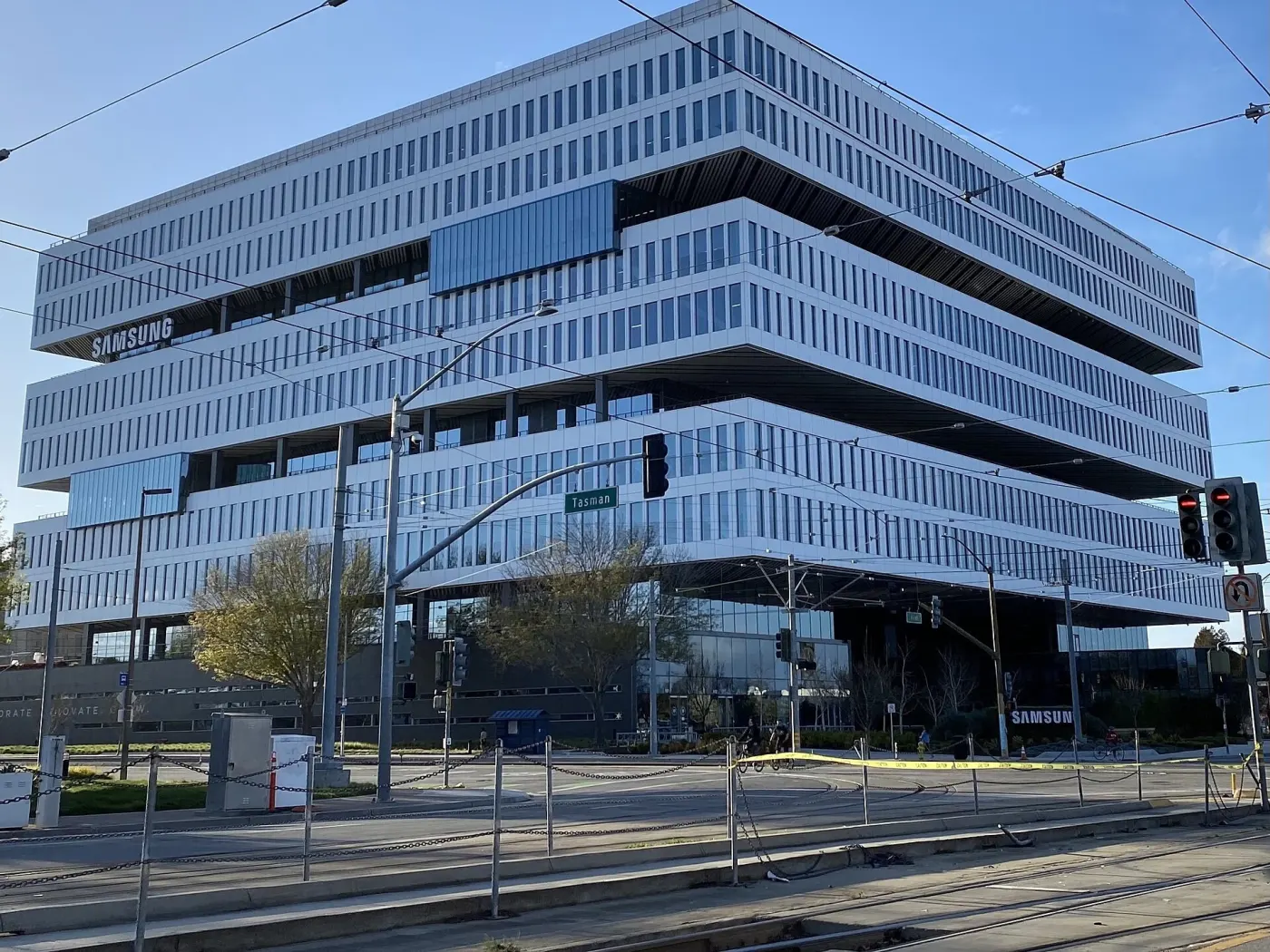
The son moved fast. In 1993, Kun-hee gathered his top managers in Frankfurt, Germany, and told them to change everything except their wives and children. He wanted quality, not just quantity. In 1995, workers burned a huge pile of faulty Samsung phones and other devices in front of employees to make the point.
Samsung went on to lead the world in memory chips, flat screens, and, for many years, smartphones. The company that began with 500 TVs for Panama became the biggest electronics maker on Earth.
The family's legal troubles also continued. Lee Kun-hee was convicted in tax and bribery cases and later pardoned. His son, Lee Jae-yong, known in English as Jay Y. Lee, was jailed in a bribery case tied to the fall of President Park Geun-hye. Later, in a separate case about a 2015 merger, he was acquitted, and South Korea's Supreme Court upheld that acquittal in July 2025.
Lee Kun-hee died in October 2020. Lee Jae-yong became chairman in 2022.
Samsung in 2026
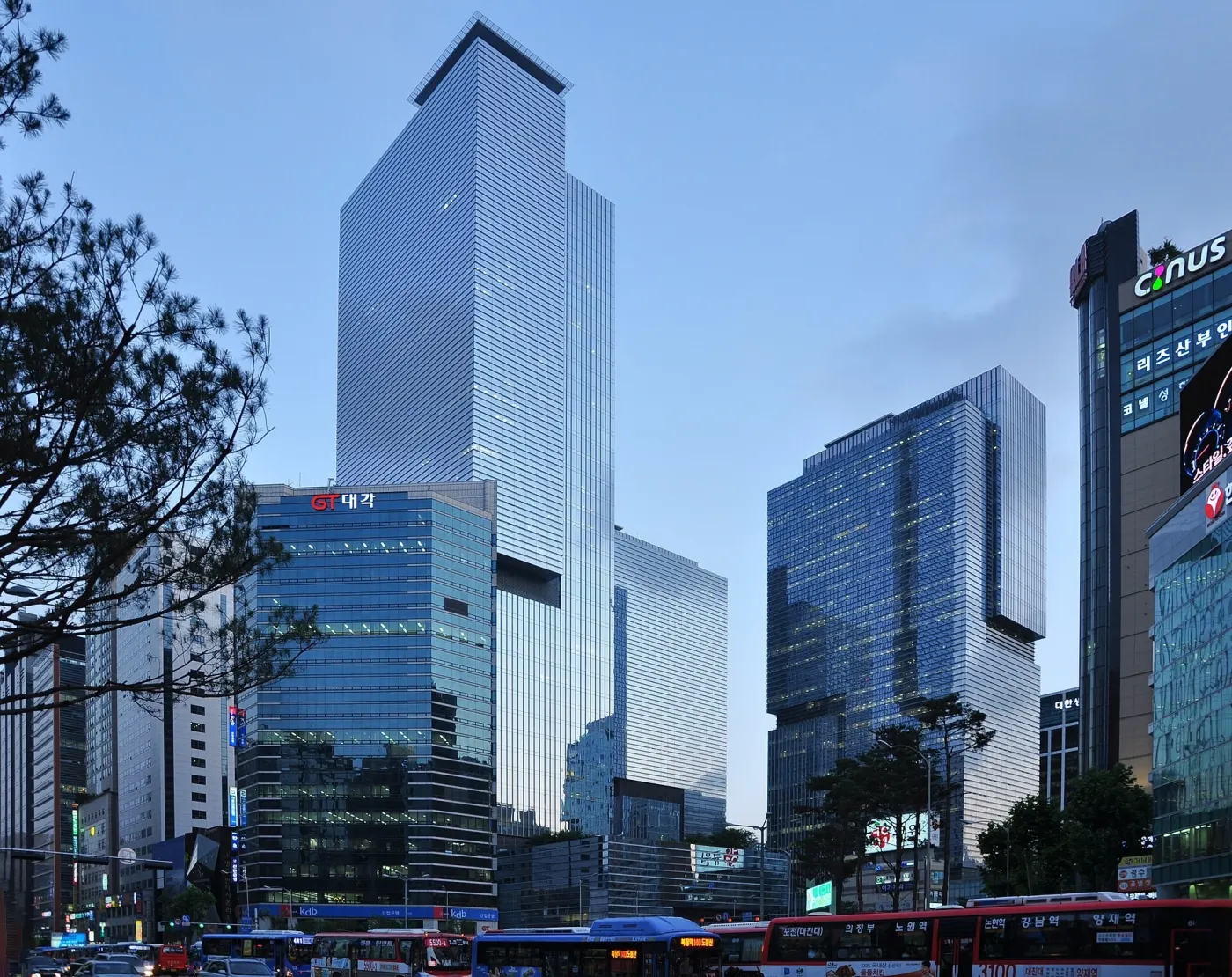
In 2026, the memory chips Lee bet on in Tokyo became some of the most wanted products in the world.
Artificial intelligence runs on huge data centers. Those centers need vast amounts of memory, including a special kind called high-bandwidth memory, or HBM, that sits right next to AI processors. In February 2026, Samsung began mass production of its newest version, HBM4.
Memory prices soared. In the second quarter of 2026, Samsung Electronics reported record revenue of 171.5 trillion won and record operating profit of 89.5 trillion won. Almost all of that profit came from chips. Korean media reported that its quarterly profit passed even Nvidia's.
In August 2026, Samsung's common shares were worth roughly 1,348 trillion won, about 946 billion US dollars. In late September, the stock was climbing again as analysts argued about how long the memory shortage would last.
That same spring, the Lee family finished paying one of the largest inheritance tax bills in history. The tax on Lee Kun-hee's estate came to about 12 trillion won, paid in six installments over five years. The last payment was made in April 2026.
The founder's name lives on in other ways too. On June 1, 2026, the Hoam Foundation held the 36th Samsung Hoam Prize ceremony, honoring scientists, an engineer, a medical researcher, a soprano, and a doctor serving patients with Hansen's disease. The prize was created in 1990 to honor Lee's belief in talent and public service. In August 2026, the foundation announced it would raise each prize to 500 million won starting in 2027, the fortieth anniversary of his death.
What changed because of him
It is hard to picture modern South Korea without Lee Byung-chul.
When he was born, Korea was a poor farming colony. When he died, it was an industrial power. Samsung was not the only reason, but it was one of the biggest.
He helped prove that a poor country could make its own basic goods, like sugar and cloth. Then he pushed it to make harder things, like televisions and chips. Each step moved Korea up the ladder.
He changed how Korean companies hired, with open exams instead of family ties. He built a culture of planning, discipline, and training that shaped generations of Korean managers.
His chip bet created an industry that today supports hundreds of thousands of jobs in Korea and supplies the memory inside phones, laptops, cars, and the data centers that power AI around the world.
Samsung today often makes up about a fifth of South Korea's exports, by many estimates. When Samsung has a good year, the whole country feels it.
The hard questions
Lee's story is not a clean one.
His first fortune grew inside a colonial economy. His wartime trading profited during a disaster. His 1950s rise depended on government favors, aid dollars, and bank deals that critics called corrupt. The saccharin scandal sent his son to jail.
He helped create the chaebol system, in which a few families control giant groups that dominate the economy. Many Koreans still argue that this system crushed small businesses, bent politics, and let powerful families escape the rules others must follow.
He also opposed unions, and his heirs faced trials of their own.
At the same time, the refineries were real. The mills were real. The jobs were real. The chips were real. Fair judgment has to hold both sides at once.
Closing
In 1938, a twenty-eight-year-old man who had already failed once opened a shop in Daegu with forty workers and a hopeful name.
He sold dried fish and noodles. He named the shop for three stars, because he wanted it to be big and to last.
He lived through colonial rule, war, coups, scandal, and cancer. At seventy-three, when most people would have stepped back, he made the biggest bet of his life on a tiny chip he did not fully understand.
He died before that bet paid off. But in 2026, when the world raced to build artificial intelligence, the memory it needed often came from the company he started.
The three stars were still shining.