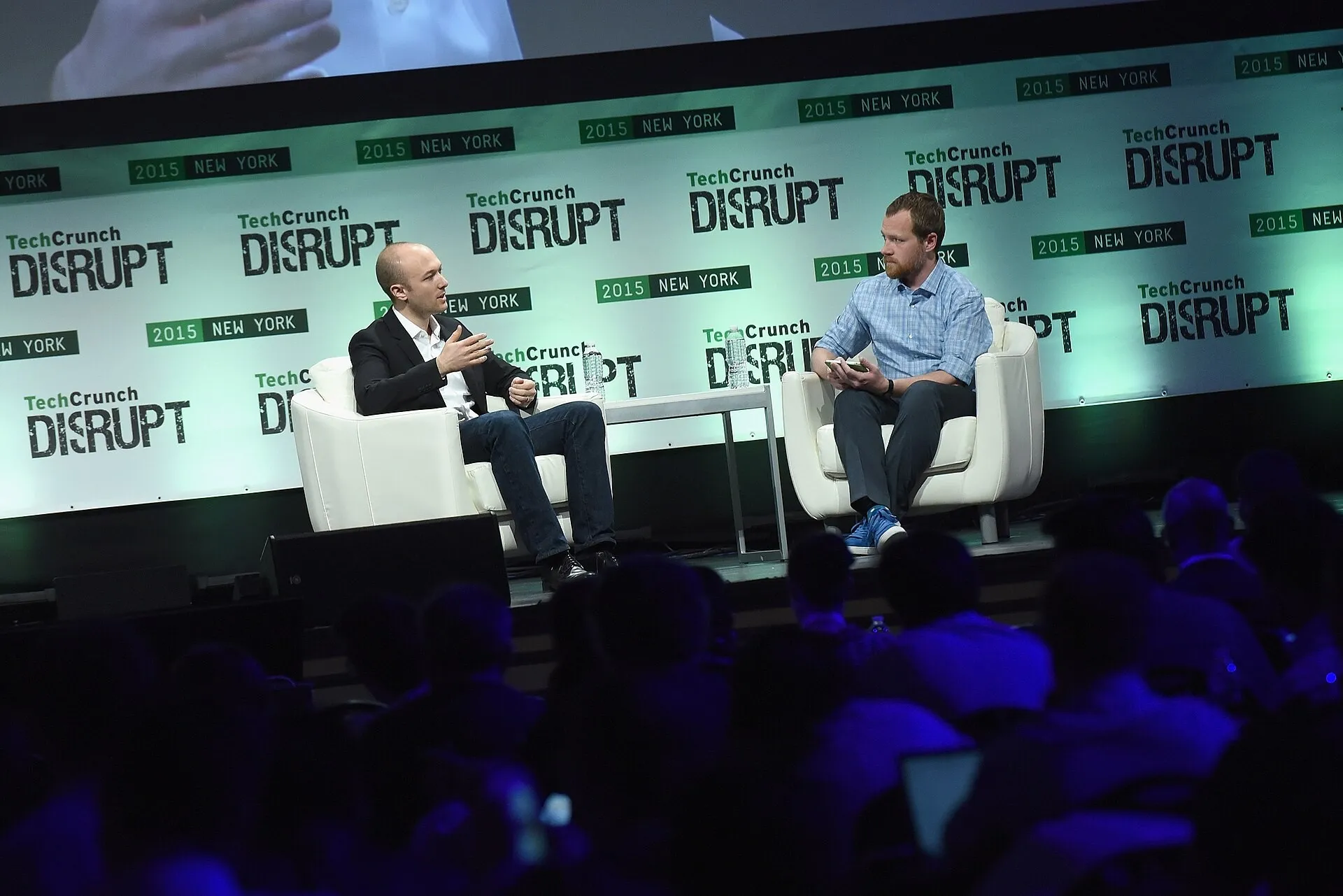
Stuck in Traffic, He Dreamed Up Lyft
He hated sitting alone in traffic. He saw full minibuses in Africa. Then he built a way for strangers to share a car.
Logan Green grew up in Los Angeles, a city famous for one thing everybody hates: traffic.
Cars everywhere. One person in each car. Hours lost every week.
Most people just complain. Logan kept asking a question. What if all those empty seats could be shared?
That question led to Zimride, then to Lyft, the ride app that took on Uber and became a public company.
A college kid who loved buses
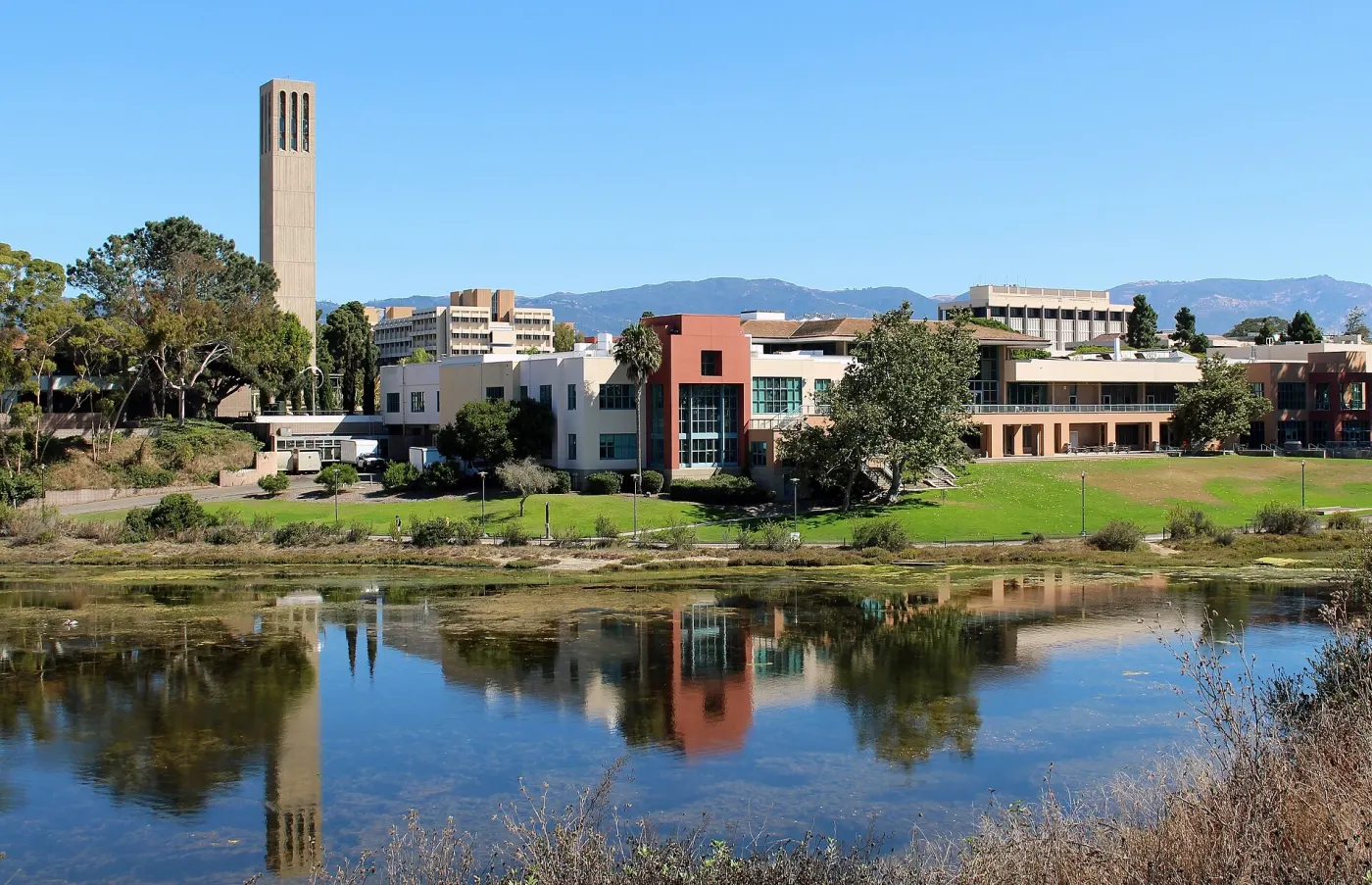
Logan studied business economics at the University of California, Santa Barbara.
He was not a normal student. He got so interested in transport that he joined the board of the local bus system while still in college. He wanted to understand how cities move people.
He also started a car sharing program on campus, so students did not each need their own car.
The trip to Zimbabwe
In 2006, Logan travelled to Zimbabwe in Africa.
There, he saw something that stuck with him. People rode in shared minibus taxis. They were full, cheap and everywhere. No empty seats.
He came home with a big idea and a name inspired by the trip: Zimride.
Zimride helped college students share long rides, like going home for the holidays. It launched in 2007, and one of its first campuses was Cornell University.
Finding his partner
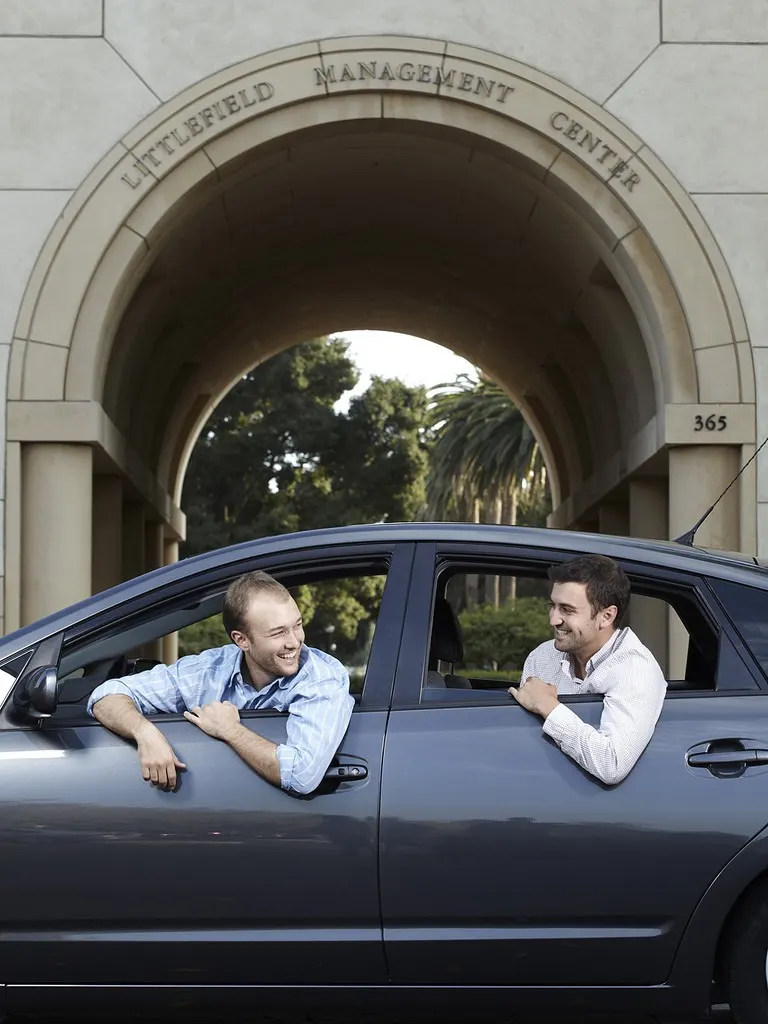
At Cornell, a hotel school student named John Zimmer had been thinking about the same problem. He found Zimride and reached out. In 2008 he left his job at Lehman Brothers and joined Logan.
Years later, Logan described their partnership in one sentence.
"If I could build it, he could sell it."
Logan was the builder. John was the people person. It worked.
The pink mustache
Zimride worked for long trips. But smartphones were changing everything. What about short rides across town, right now?
In 2012, Logan and John launched Lyft in San Francisco. Drivers were regular people using their own cars. Riders sat in front, like friends.
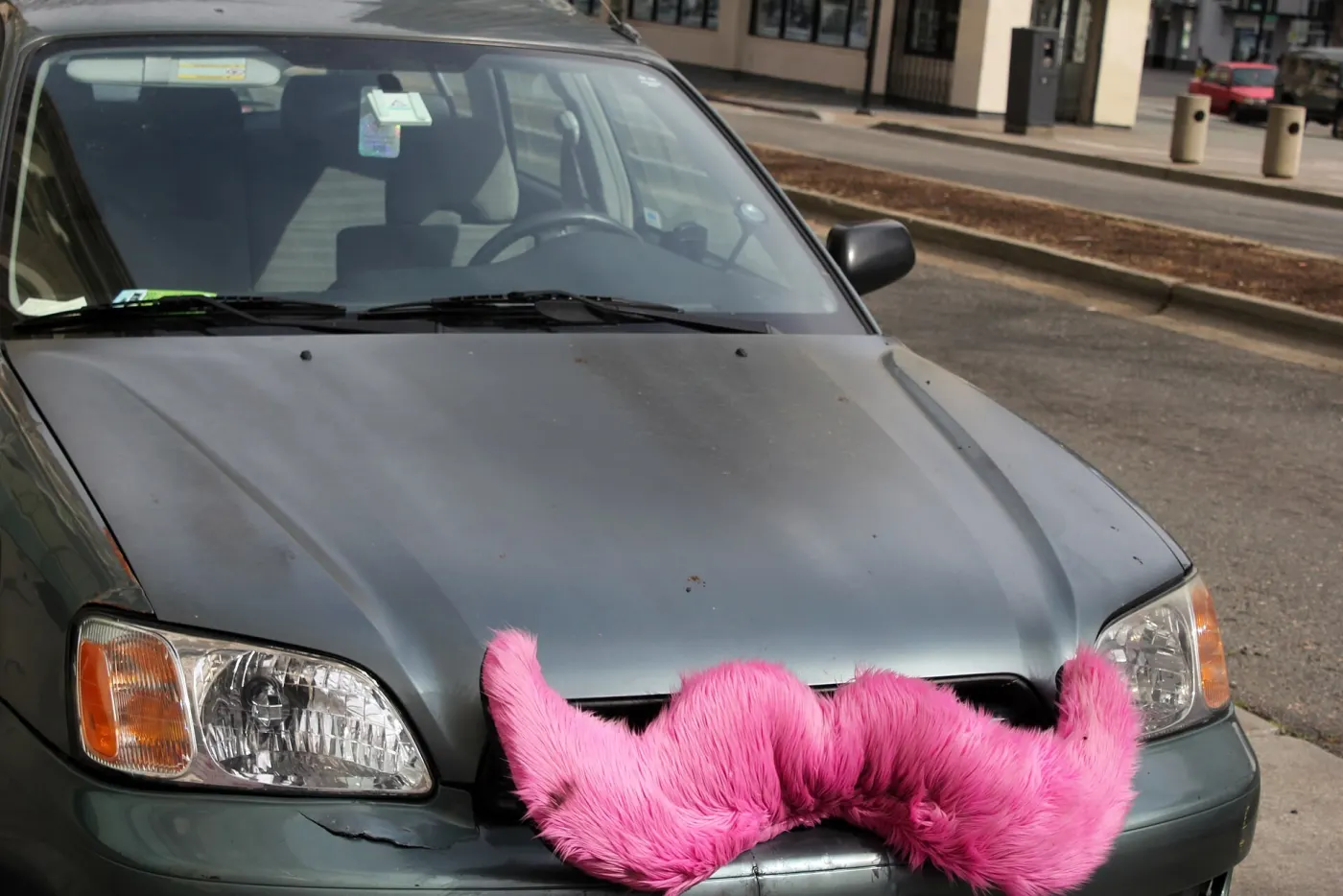
To stand out, Lyft cars wore a big fuzzy pink mustache on the front. It was silly, friendly and impossible to miss.
In 2013, they sold Zimride to Enterprise Holdings so they could put everything into Lyft.
David against Goliath

Lyft's big rival was Uber, which had more money and moved aggressively. For years, the two fought city by city for drivers and riders.
Logan kept Lyft focused on being the friendlier choice. When Uber faced scandals in 2017, many riders switched to Lyft.
On March 29, 2019, Lyft went public on the Nasdaq, just weeks before Uber. It was the first ride sharing company in the United States to go public.
Bikes, scooters and self driving cars
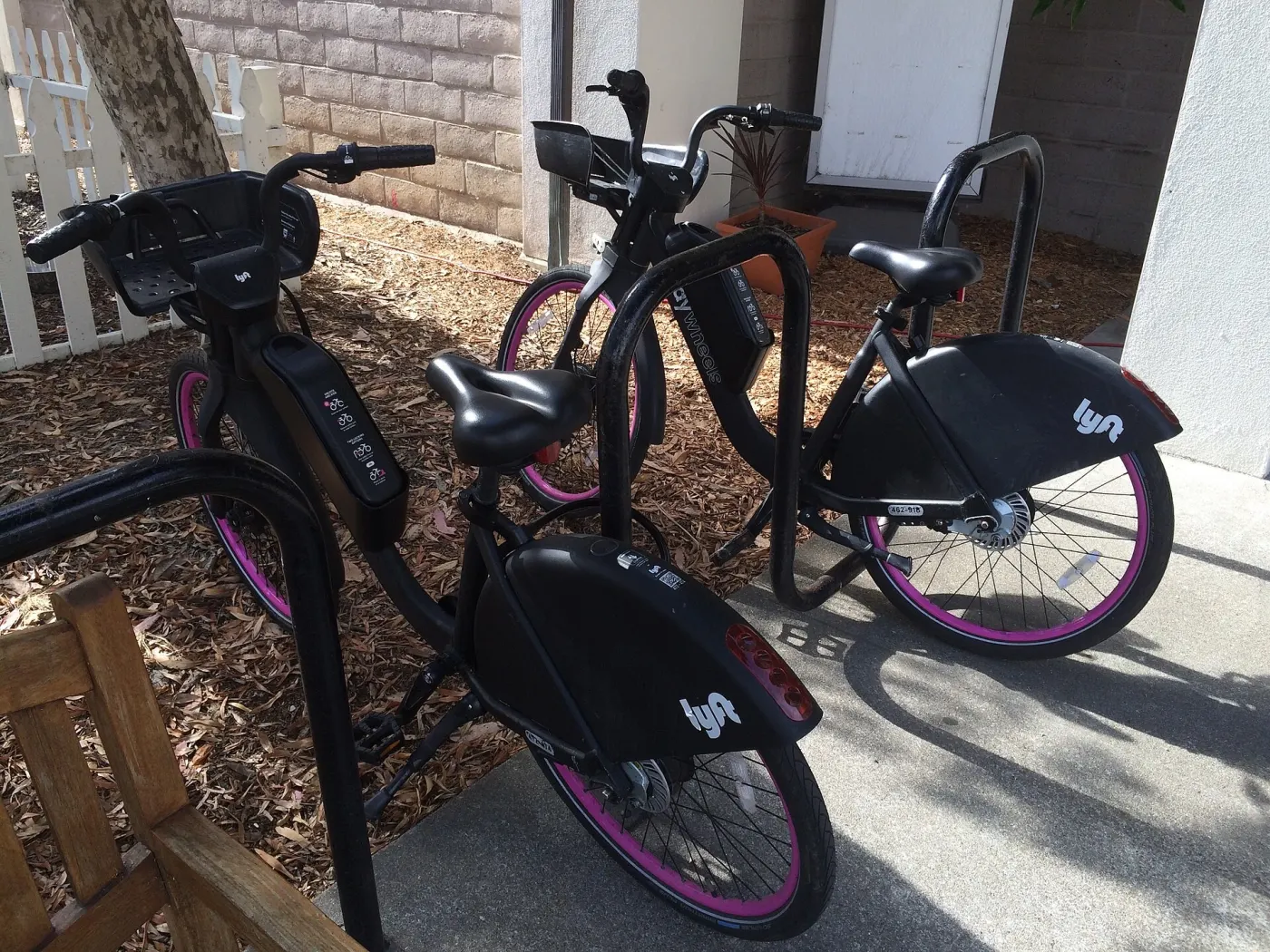
Logan never thought only about cars. Lyft added bikes and electric scooters in many cities. It also tested self driving cars.

Then 2020 hit. During Covid, almost nobody took rides. Lyft's business crashed, and the company had to cut jobs.
Handing over the keys
In 2023, after a tough stretch for the stock, Logan stepped down as CEO. Former Amazon executive David Risher took over. Logan became chair of the board.
In August 2025, Logan and John left Lyft's board, completing a two year plan. They also gave up their special super voting shares, so every Lyft share now gets one equal vote.
Where he is now
Today, Logan Green is a venture partner at Autotech Ventures, a firm that invests in transport and mobility startups. He is still working on the same question he asked as a kid in LA traffic.
Why the story matters
Logan Green's story shows how a small personal problem can become a giant company.
He noticed empty seats. He studied buses in college. He learned from shared taxis in Zimbabwe. He found a partner who was strong where he was not. And he knew when it was time to hand the company to someone else.
For young builders, the lesson is simple. Look closely at what annoys you every day. The fix might be a business.
He did not invent the car. He filled its empty seats.
The Record
From: Los Angeles, California, USA
Studied: Business economics, UC Santa Barbara
Built: Zimride and Lyft (with John Zimmer)
Now: Venture partner, Autotech Ventures
Timeline
2006 Trip to Zimbabwe inspires Zimride.
2007 Launches Zimride for college carpooling.
2008 John Zimmer joins as co-founder.
2012 Launches Lyft in San Francisco.
2013 Sells Zimride to Enterprise.
2019 Lyft goes public on Nasdaq.
2020 Covid crushes ride demand.
2023 Steps down as CEO, becomes chair.
2025 Leaves Lyft's board and ends super voting shares.
Today Invests in mobility startups.