The End of Software, Rewritten
A teenager selling games from Hillsborough. An Oracle vice president who walked out. A CRM that lived in the browser first.
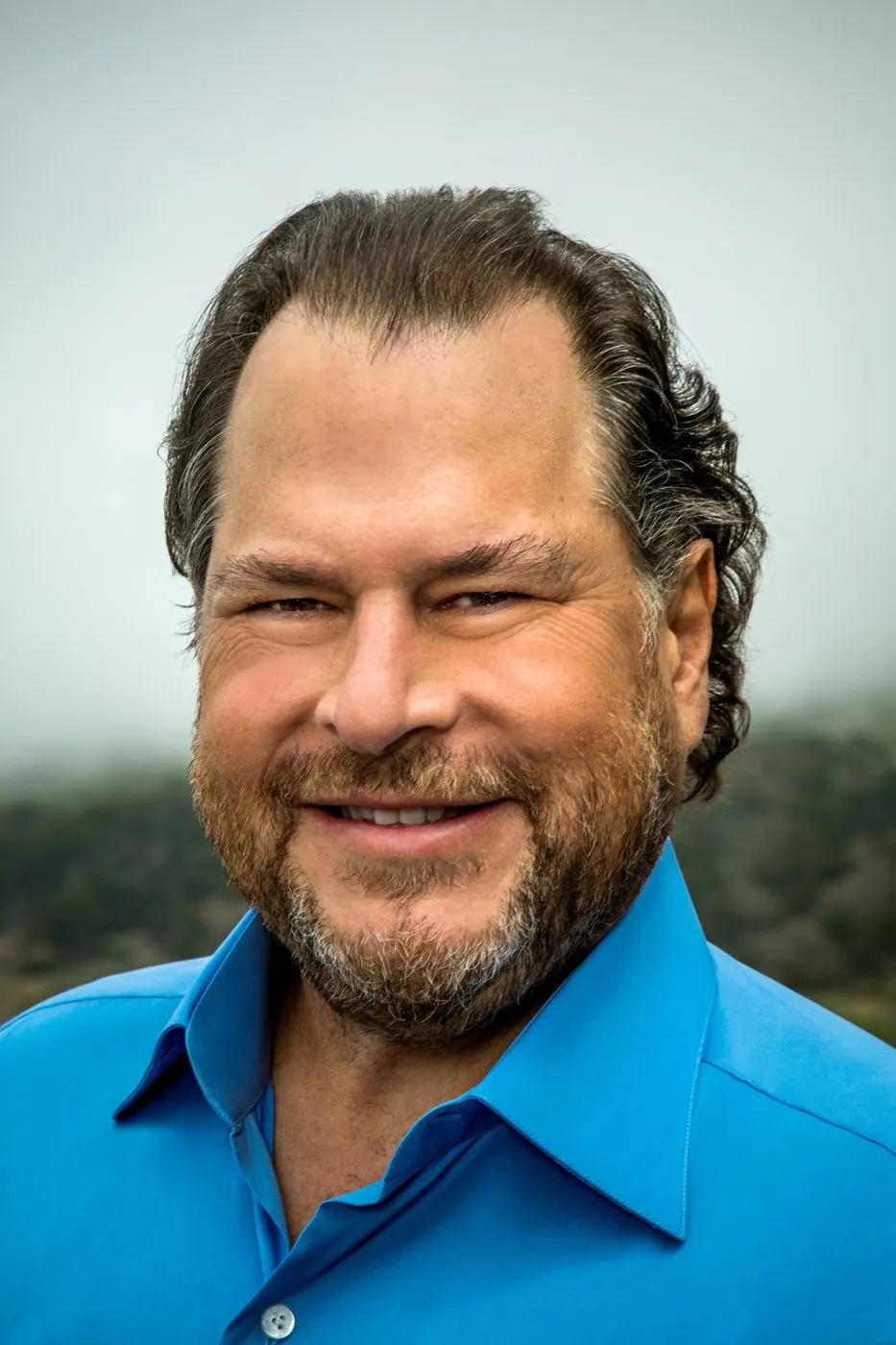
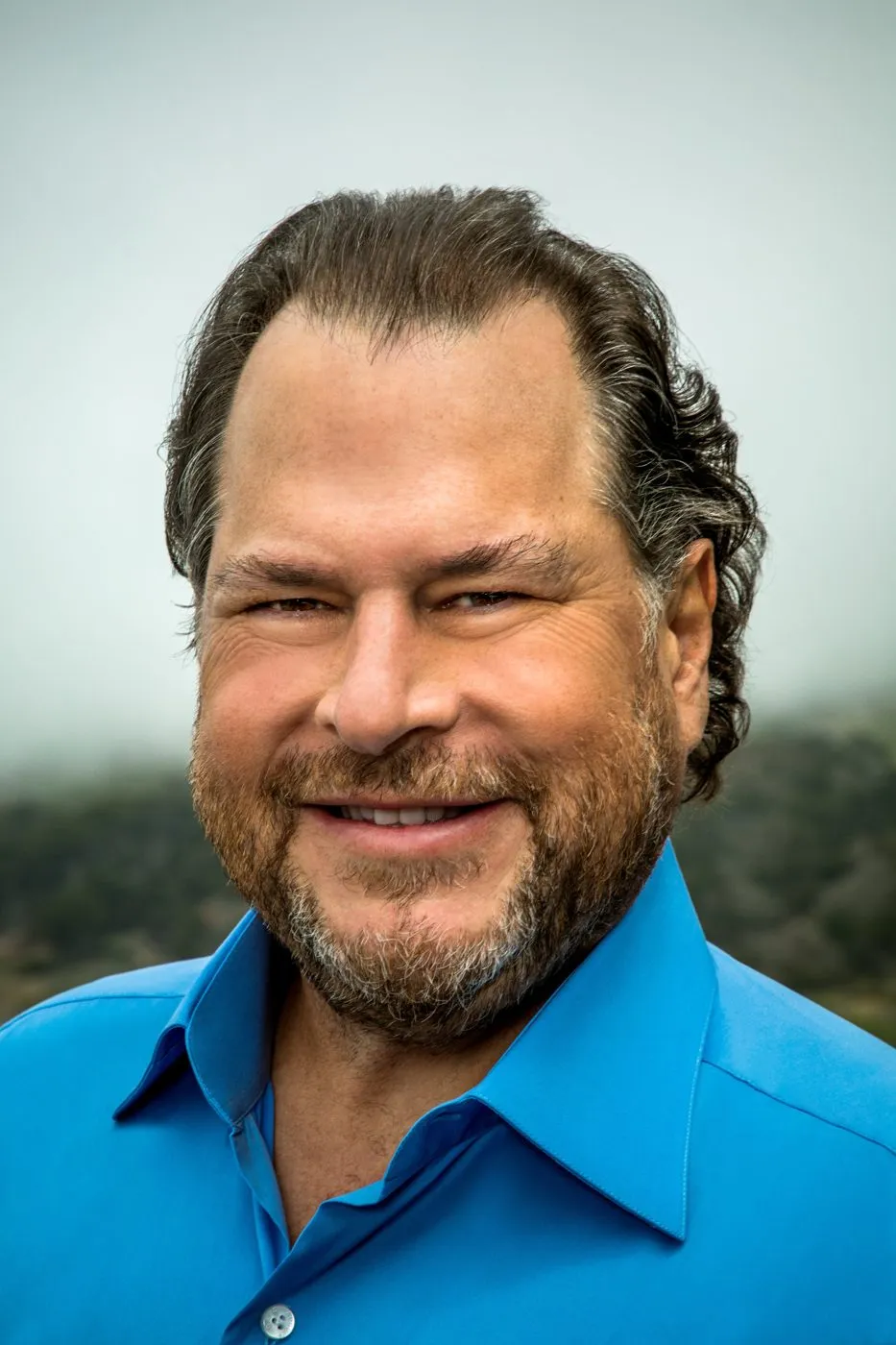
In September 2026, under the lights of another Dreamforce, Marc Benioff stood in front of tens of thousands of customers and said the quiet part like a slogan. Salesforce was still a startup. It was also a Fortune company posting forty-one and a half billion dollars of fiscal 2026 revenue, seventy-two billion dollars of remaining performance obligation, and an AI product line called Agentforce that had already crossed about eight hundred million dollars of annual recurring revenue. The contradiction is the point. Benioff has spent a career selling the next interface for work, then forcing his own giant company to act like the challenger again.
He was born Marc Russell Benioff on 25 September 1964 in San Francisco, grandson of Marvin Lewis, the city supervisor who helped push Bay Area Rapid Transit into existence. He grew up in Hillsborough, graduated from Burlingame High School in 1982, and learned the storeowner grind from his father, Russell, who ran a local department store. The Bay was not a postcard backdrop. It was a workshop. Hardware hobbyists, university labs, and garage companies sat a short drive from his bedroom. On founder podcasts he still sounds proud of that geography. He did not arrive in Silicon Valley. He was already inside it.
Liberty Software and the Mac summer
In high school he sold a simple program called How to Juggle for seventy-five dollars. In 1979, at fifteen, he founded Liberty Software and wrote games for the Atari 8-bit line: Flapper, King Arthur's Heir, and other titles that paid real royalties. Profiles from those years put him near fifteen hundred dollars a month by sixteen, money that later helped cover the University of Southern California. He was not waiting for permission to ship. He was mailing disks and collecting checks while classmates worried about locker combinations.

At USC he studied business administration and joined Tau Kappa Epsilon. After Apple's famous 1984 Super Bowl commercial, he cold-called the company, introduced himself as the chief executive of Liberty Software, and talked his way into a summer internship in the Macintosh group. He wrote assembly language for the Mac. He watched Steve Jobs charge through hallways. He saw a pirate flag and a culture that treated product taste as survival. Decades later, on Lenny Rachitsky's podcast and on founder shows, he still tells the Apple summer as the first time he understood that an entrepreneur could bend a whole room toward a new machine.
The lesson was not code syntax. It was intensity. In the Latchkey Catchers interview he describes programmers grinding on a machine that did not yet have a market, and a founder who believed culture could summon a product into existence. That memory became a template. When Salesforce later needed theater, Benioff already knew what a company felt like when everyone believed the next interface was sacred.
Thirteen years inside Oracle
After graduating in 1986, a professor steered him toward Oracle. He started in customer service, not on a founder pedestal. Over thirteen years he moved through sales, marketing, and product roles. At twenty-three he was Oracle's Rookie of the Year. He later became the youngest vice president in the company's history, with a compensation story often told near three hundred thousand dollars a year. Larry Ellison became mentor, friend, and later a complicated rival once Salesforce began eating the old software model.
Oracle taught him enterprise hunger. It also taught him the pain customers felt installing CD-ROM suites, hiring armies of consultants, and waiting months for upgrades. Sales cycles rewarded the people who could sit in a conference room and make fear of falling behind feel expensive. Benioff learned that language fluently. He also learned how brittle the install model was once networks got fast enough to deliver the same screen through a browser.
By the mid-1990s the internet was no longer a science project. Benioff bought domains the way other people buy notebooks: salesforce.com, and a portfolio that would later include names like appstore.com, bill.com, and you.com. On Lenny's show he laughs about how many of those names still trail him. The habit was serious. He was collecting the words of the next computing era before most executives finished debating whether the web belonged inside a corporate firewall.
In 1996 he took time in Hawaii, rented a small beach house, and tried to clear his head. He has said he was burned out after a decade of Oracle intensity and needed beginner's mind back. The sabbatical did not make him soft. It made him impatient. When he returned, the idea that would become Salesforce was already forming: customer software delivered through a browser, sold as a service, updated without a truck full of installers. Ellison would eventually invest. The friendship would cool as the products collided. Benioff has said in interviews that the Oracle years gave him a map of how enterprise software was sold, and a dare to burn the map.
Telegraph Hill, Hawaiian shirts, End of Software
On 8 March 1999, Salesforce incorporated. Benioff recruited engineers Parker Harris, Dave Moellenhoff, and Frank Dominguez. They rented a one-bedroom apartment at 1449 Montgomery Street on Telegraph Hill. The dress code was Hawaiian shirts. Brunch ran at Mama's. Benioff's dog Koa was jokingly titled Chief Love Officer. The mantra was fast, simple, and right the first time. On the back of an envelope they wrote the first V2MOM, the Vision Values Methods Obstacles Measures planning tool Salesforce still uses to align thousands of employees.
They were not building a feature list for a trade-show booth. They were declaring war on packaged software. The slogan was blunt: The End of Software. Siebel Systems owned the CRM throne with heavy on-premise deployments. Salesforce offered the same category through a login screen. Skeptics called it unsafe, unserious, a toy. Benioff treated the mockery as marketing fuel.
By the end of the first year the company had grown to about forty people and moved into roughly eight thousand square feet at Rincon Center. Philanthropy was not a later press release. The 1-1-1 model pledged one percent of equity, one percent of product, and one percent of employee time to community work from the start. Benioff wanted the company to be a platform for customers and for cities at the same time. Critics would later argue about how clean that mix stayed. The charter was public from day one.
The apartment years matter because they set the emotional temperature. Benioff likes to say Salesforce is a twenty-five-year startup. The line only works if you can still smell the rented carpet and the dog on the org chart. Every later campus, tower, and keynote is trying to bottle that urgency again.
Regency Theater, fake protests, bubble blood
On 7 February 2000, Salesforce launched at San Francisco's Regency Theater with about fifteen hundred guests and a concert by the B-52s. The room was theater, not a quiet enterprise briefing. Weeks later, actors staged a fake protest outside a Siebel conference carrying anti-software signs. Benioff tells Lenny they bought picket materials at a home-improvement store and flooded the sidewalk until television crews interviewed the fake marchers. Tom Siebel, watching from inside the incumbent fortress, suddenly had a media problem that did not fit the old software playbook.
Then the dot-com crash arrived. In 2000 Salesforce cut about twenty percent of its workforce. Revenue for the fiscal year ending January 2001 was only about five point four million dollars. The company was still tiny against the software giants. What mattered was the shape of the bet: recurring subscriptions, multi-tenant architecture, and a sales motion that could expand seat by seat. Investors who wanted fireworks had to learn to like renewals.
In November 2001 Benioff became chief executive and chairman. Customers climbed past three thousand. International offices opened. Fiscal 2002 revenue reached about twenty-two million dollars, then about fifty-one million the next year. In December 2003 Salesforce filed to go public. The first Dreamforce gathered just over a thousand people at the Westin St. Francis. A customer conference was becoming a pilgrimage.
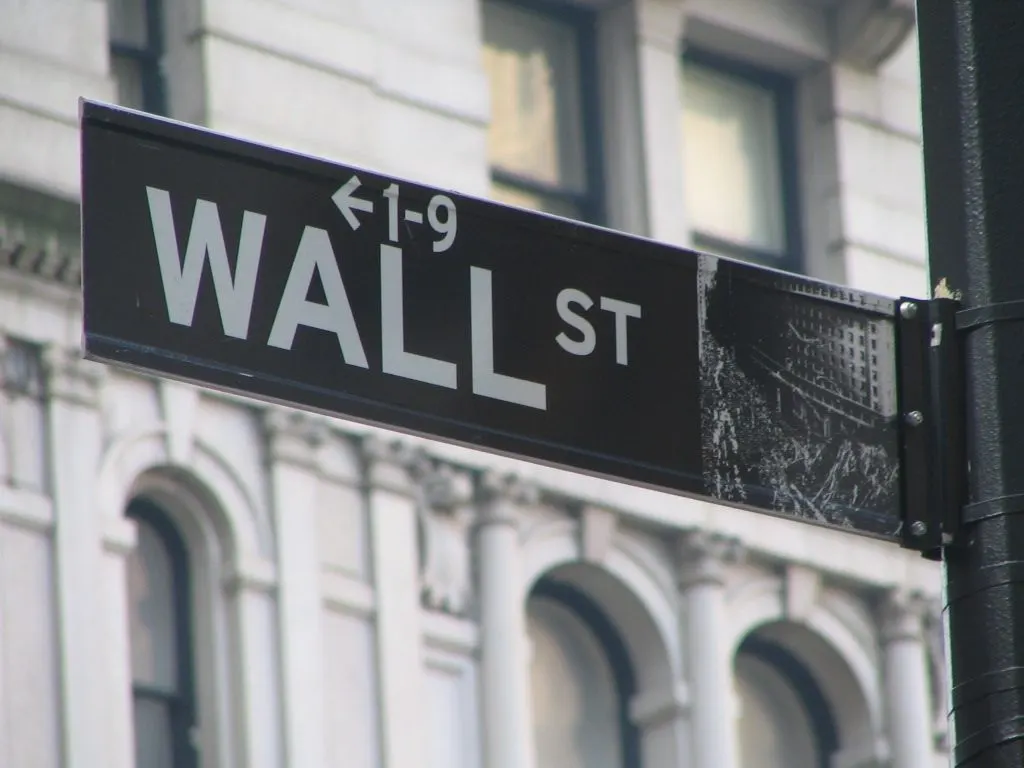
On 23 June 2004, Salesforce listed on the New York Stock Exchange at eleven dollars a share and raised about one hundred ten million dollars. The cloud company that critics said could never win trust had a ticker. Benioff was no longer only a founder with a slogan. He was the public face of a category that would rename itself software-as-a-service.
Jobs on the phone, AppExchange, Force.com
Success created a new kind of stuck. In interviews Benioff describes calling Steve Jobs during an entrepreneur's block. He drove south with teammates and sat through a blunt diagnosis. Jobs told him to make the company ten times larger within twenty-four months, to land a massive customer, and to build an application economy around the product. Benioff says the team treated the transcript of that meeting like scripture, reading it over and over until the third instruction became clear.
That third instruction became AppExchange, launched in 2005 and 2006 as a marketplace where outside developers could publish apps on Salesforce's platform. Benioff had bought appstore.com after the Jobs conversation. Focus groups hated calling a business marketplace an "app store," so Salesforce shipped AppExchange instead. Years later, after Apple unveiled its own App Store, Benioff walked down and offered Jobs the appstore.com domain and related trademark work. He remembers Jobs shrugging that the store might not become huge. The shrug is now comedy. The deeper point is that Benioff was already thinking in ecosystems while most CRM vendors were still thinking in seat licenses.
Force.com followed, letting customers build custom apps on Salesforce's servers. Service Cloud, Marketing Cloud, and later industry clouds stacked on the original sales automation wedge. In fiscal 2009 Salesforce crossed about one billion dollars in revenue, a first among pure cloud peers. Benioff published Behind the Cloud that year, turning the early guerrilla years into a playbook other founders underlined.
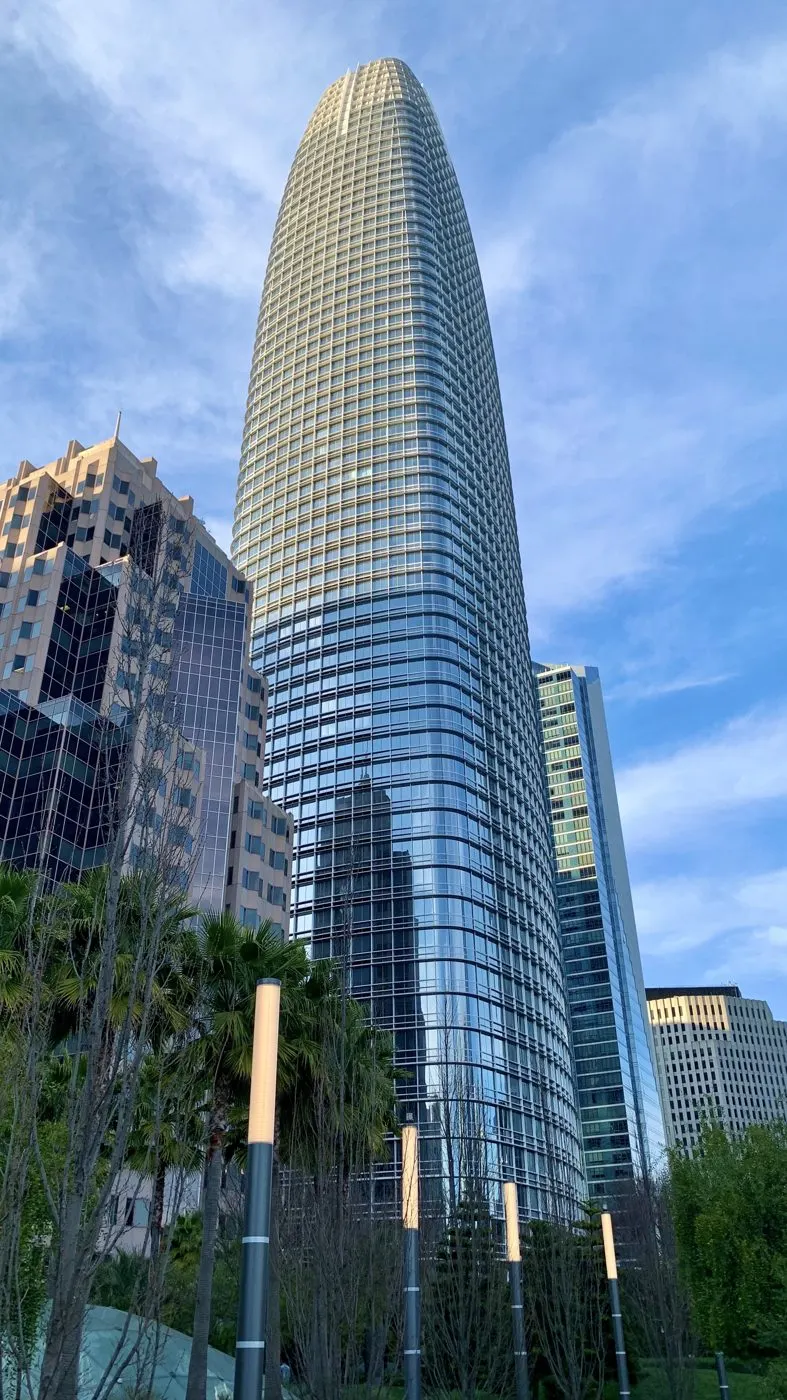
Dreamforce swelled from a hotel ballroom into a city-scale event. Registered attendance stories climbed into the tens and then hundreds of thousands across years, with keynotes that mixed product demos, rock concerts, and civic speeches. Salesforce Tower rose on San Francisco's skyline, about one thousand seventy feet of glass that made the company's name visible from the Bay Bridge. Benioff liked monuments. He also liked arguing that monuments should pay rent to the city through taxes, jobs, and foundation grants.
Platform years: buys, Slack, Tableau, co-CEO experiment
The 2010s were acquisition years. Heroku brought developers. ExactTarget powered Marketing Cloud. MuleSoft, bought for about six and a half billion dollars in 2018, connected stubborn enterprise systems. Tableau, bought for about fifteen point seven billion dollars in 2019, pulled analytics into the family. Slack, announced in 2020 and closed in 2021 for roughly twenty-seven point seven billion dollars, gave Salesforce a chat surface millions of workers already lived inside. Each deal had skeptics on the stock. Benioff sold the story that CRM was becoming the system of engagement, automation, and conversation, not a lonely sales database.
In August 2020 Salesforce joined the Dow Jones Industrial Average. In November 2021 Bret Taylor became co-CEO beside Benioff. The dual seat lasted until January 2023, when Taylor left and Benioff returned to sole chief executive. The experiment showed how hard it is to share a founder throne at a company that still orbits one storyteller.
Culture tools stayed strangely intimate for a giant. V2MOM cascaded from Benioff's annual memo down through managers. Trailhead turned product education into free badges and career paths. Equality and sustainability were written into the value set alongside trust, customer success, and innovation. Benioff wrote Trailblazer to argue that business is the greatest platform for change. Admirers called it stakeholder capitalism with a pulse. Critics called it branding wrapped around power. Both readings traveled with him into every keynote.
During the pandemic Salesforce pushed Work.com tools for reopening workplaces and later helped governments think about vaccine logistics. Dreamforce went virtual, then roared back. Benioff used the crisis to argue that digital headquarters were not a temporary patch. Slack became the proof object. By Dreamforce 2026 he was telling All-In hosts that Salesforce is Slack in a deeper sense: the control plane where work, knowledge, and agents meet. Jason Calacanis, a former Slack director on that stage, needled him about how hard Slack knowledge still was to unlock. Benioff answered with new Slack AI features and the same grin he wears when a skeptic hands him a product roadmap.
Activist CEO, TIME, and the fights he picked
Benioff used the company megaphone on social fights. In 2015 he pressed against Indiana's Religious Freedom Restoration Act over fears it would enable discrimination against LGBT people, canceling events and threatening investment. Similar pressure hit other states. Supporters saw moral clarity. Opponents saw a California billionaire punishing voters. The documentary fact is simpler: he treated corporate travel and event calendars as leverage, and he did it in public.
In September 2018, Marc and Lynne Benioff bought TIME magazine from Meredith for one hundred ninety million dollars in cash as a personal purchase, not a Salesforce subsidiary. They said they would stay out of day-to-day editing. Owning a century-old news brand put the couple inside media politics overnight. TIME kept publishing. The ownership line remained a Benioff family asset through 2026.
Philanthropy scaled with the stock. The Benioffs' gifts to UCSF children's hospitals and related research are widely reported in the hundreds of millions, with Forbes citing a three hundred fifty million dollar pledge figure for hospitals and research. Salesforce's 1-1-1 machine reported cumulative grants, volunteer hours, and nonprofit product seats in the hundreds of millions of dollars and millions of hours by the early 2020s. Hawaii medical and housing gifts added another chapter. None of that erased arguments about how much a billionaire should steer civic life. It did make giving part of the operating identity rather than a retirement hobby.
Benioff's public voice can sound like a mayor without an election. San Francisco homelessness, hospital wings, and national culture wars all drew statements. Some employees loved working for a CEO who would pick a fight. Others wanted quieter software. The tension never fully resolved because Benioff does not treat quiet as a virtue.
Crash diet after the feast
The pandemic years lifted software. They also bloated headcount. In January 2023 Salesforce cut about ten percent of staff, roughly eight thousand roles in widely reported tallies near that band, after earlier smaller reductions. Benioff later told Fortune that a long meeting explaining the layoffs had been a bad idea. Investors who had pushed for efficiency, including high-profile activists in the 2022-2023 window, saw a company finally acting like a mature software firm. Employees felt the cold math of a culture that had sold belonging.
The cuts landed harder because Salesforce had recruited on values. Trailblazer rhetoric does not cushion a severance packet. Benioff's later posture mixed apology about process with insistence on productivity. He talked more about operating discipline, share buybacks, and profitable growth. Robin Washington rose as president and chief financial and operating officer. Margins became an applause line next to innovation. The founder who once measured success mostly in seats and Dreamforce volume now also measured free cash flow.
That austerity set up the AI spend. Salesforce could not preach digital labor while carrying every layer of the old org chart. Benioff began telling interviewers that agents would take tickets and sales follow-ups so humans could move into higher-leverage roles. Inside Salesforce he claimed support volume collapsed as Agentforce answered questions. On CNBC he described human support rolls shrinking while sales hiring expanded, a reallocation story investors wanted to hear.
Hawaii land, local fear, unfinished argument
Parallel to the turnaround, reporters in 2024 detailed large land purchases in Hawaii through limited liability companies, totaling hundreds of acres in rural communities. NPR, KQED, and local outlets captured residents worried about housing pressure and secrecy. Benioff said the land was for family and philanthropy, not a Salesforce campus and not a bunker fantasy. He denied prepper mythology. The dispute remains a live civic argument, not a closed verdict. A careful biography holds both the gift announcements to Hawaiian hospitals and the distrust of neighbors who watch LLCs close on parcels. Power in paradise is never only a postcard.
The Hawaii chapter also loops back to the 1996 beach-house sabbatical. The islands are where Benioff goes to think, give, and own. That overlap is exactly why locals scrutinize deeds. A founder who brands beginner's mind through geography cannot treat acreage as invisible.
Agentforce: the next End of Software
By Dreamforce 2024 Benioff was done treating generative AI as a sidekick chatbot. Agentforce launched as a system for autonomous enterprise agents grounded in Salesforce data and permissions. Through 2025 the company shipped Agentforce 2, 2dx, and 3, then Agentforce 360 at Dreamforce in October 2025, pitching an Agentic Enterprise where humans and agents share one trusted platform. Benioff told rooms that Agentforce was the fastest-growing product in Salesforce history. Internal dogfooding stories claimed sharp drops in support ticket load as agents took first-line work.
On Lenny's podcast he sounds almost manic about focus. He talks about moving the whole help infrastructure onto Agentforce, assigning account executives to sell only that line, and using Disney as a design partner while searching for beginner's mind again. He quotes the Zen line that in the beginner's mind there are many possibilities, and in the expert's mind there are few. For a man who has been an expert on CRM for a quarter century, the quote is a self-dare.
Fiscal 2026, reported 25 February 2026, put numbers under the slogan. Revenue hit forty-one and a half billion dollars, up ten percent year over year, including three hundred ninety-nine million dollars from Informatica. Remaining performance obligation passed seventy-two billion dollars. Operating cash flow reached fifteen billion. The company returned fourteen point three billion dollars to shareholders and authorized fifty billion dollars in fresh buybacks. Agentforce ARR reached about eight hundred million dollars, up one hundred sixty-nine percent year over year, with management citing roughly twenty trillion tokens processed and more than two point four billion agentic work units. Benioff guided attention toward a longer climb, talking publicly about a path toward sixty-three billion dollars of revenue by fiscal 2030.
At Dreamforce 2026 in mid-September, Salesforce unveiled AIforce, an interface layer meant to carry Salesforce context into Claude, Slack, and Lightning through products branded Claudeforce, Slackforce, and Agentforce Coworker. Company stories claimed about one hundred thousand Coworker activations in the first days. Keynote fragments spoke of more than thirty thousand Agentforce customers and billions of agentic work units. Benioff shared stages with AI founders and All-In hosts, still performing the same role he played against Siebel: naming the old world finished, then selling tickets to the new one.
In the Goldman Sachs interview he rejects the lazy headline that AI simply eats software. His counter-frame is the agentic enterprise: every company extends its workforce with agents, and Salesforce wants to be the trusted operating system for that mix. He says half of customer questions in their own support stack were answered by AI agents while humans handled the other half, and that sales now includes agent sellers calling beside fifteen thousand human reps. Whether those ratios travel cleanly to every customer is an open market test. The rhetorical move is classic Benioff. Take a fear story, replace it with a partnership story, and attach a product SKU.
How he actually works
Strip the keynote fog and the operating habits are stubbornly consistent. He writes a V2MOM and expects the company to cascade it. He treats marketing launches as product features, not afterthoughts. He keeps beginner's mind language from Buddhist study and uses places like Kyoto or Marin quiet spots to reset when the enterprise noise gets loud. He still tells Jobs stories when he needs a permission structure to demand ten-times thinking. He still reaches for celebrity and theater when a category needs a villain and a theme song.
He is also a salesman who can pivot into moral vocabulary without changing microphones. That dual channel creates loyalty and fatigue in equal measure. Customers who grew up on Trailhead badges forgive a lot of stagecraft. Investors who want quieter execution sometimes wince. Benioff's answer, repeated across 2025 and 2026 interviews, is that AI is the defining technology of the era and that Salesforce must behave like a startup hunting that wave or become furniture.
Day to day, colleagues describe a founder who still reads customer threads, still rewrites slides late, and still uses Slack as a personal command deck. On stage with All-In he leaned into Slack Today's experimental digest and the idea that knowledge trapped in channels should become actionable. The through line from AppExchange to Agentforce is the same itch: software should compound through other people's work, whether those people are developers publishing apps or agents closing loops at midnight.
What Salesforce changed in the world
Before Salesforce, serious customer software mostly meant installs, change requests, and version lag. After Salesforce, browser login and subscription billing became the default aspiration for a generation of business applications. The company did not invent every piece of cloud computing, but it popularized CRM as the proof that enterprises would put core workflows outside their own server rooms. AppExchange normalized the idea that a platform should host other people's businesses. Trailhead widened who could claim a Salesforce career without a classic computer-science passport.
The acquisitions rewired office life in quieter ways. Tableau changed how analysts argue with charts. Slack changed how teams ping each other into action. MuleSoft stitched systems that hated each other. Agentforce is the bet that the next layer is not another dashboard but software that takes steps on a customer's behalf inside guardrails. If that bet holds, millions of service, sales, and operations workers will share queues with agents. If it stalls, Salesforce still owns a massive CRM franchise and a cash engine. Either outcome reshapes how vendors sell AI into the Fortune 500.
There is also a labor story. Salesforce's own disclosures about agents answering millions of questions are a preview of white-collar task split. Benioff insists the future is humans and agents together, and he points to sales hiring even as support headcount falls. Unions, educators, and policymakers will argue about that bargain for years. The company that once promised the end of software is now promising the expansion of digital labor. The words changed. The appetite to name an era did not.
Money, ownership, and the 2026 scoreboard
Forbes realtime net worth on 24 September 2026 sat near nine point two billion dollars, moving with CRM shares. Benioff owns roughly two percent of Salesforce, enough to steer culture and voting attention without owning the company outright. Institutional holders dwarf him on the cap table, which is why activist seasons can still rattle the building. TIME sits outside that stack as a personal media asset with Lynne. The children's hospitals, Hawaii gifts, and foundation outcomes sit in a third ledger that does not show up cleanly on an earnings slide.
Unverified edges remain. Exact childhood royalty ledgers differ by profile. Some early compensation anecdotes are told in round numbers. Hawaii LLC maps are incomplete in public reporting. Agentforce customer counts and work-unit definitions come from company disclosures that competitors will try to reframe. The solid spine is enough: Atari teenager, Oracle graduate, Telegraph Hill apartment, End of Software theater, NYSE debut, platform acquisitions, 1-1-1 philanthropy, painful 2023 cuts, and a 2026 AI push with forty-one and a half billion dollars of revenue behind it.
On the product scoreboard Salesforce still ranks as a perennial CRM share leader in analyst tallies, a claim the company repeats carefully each year. Competition from Microsoft, HubSpot, ServiceNow, and a swarm of AI startups never sleeps. Benioff's reply is distribution plus data plus trust. Whether that triangle holds through the agent era is the live question hanging over every Dreamforce badge.
Childhood Bay Area, USC, and the itch to ship
Hillsborough in the 1970s was a quiet Peninsula town with San Francisco money and San Francisco proximity. Benioff's grandfather Marvin Lewis had fought for BART as a supervisor, so public systems and civic ambition were dinner-table ideas, not abstractions. Russell Benioff's department store taught a different lesson: inventory, customers, and the daily scoreboard of a register. Marc absorbed both tracks. Civic scale and merchant hustle still sit inside his speeches.
Liberty Software was small, but it was real commerce. Royalties arrived. Games shipped. A teenager learned that a product could pay tuition before a diploma existed. USC then polished the business half of his brain while the Apple internship stained him with product culture. That combination, merchant plus engineer-watcher, is why Salesforce marketing never felt bolted on. Benioff sells like someone who once counted checks from disk mailers.
Oracle years thickened the enterprise muscle. Rookie awards and a young vice presidency can inflate a person. Benioff's own telling is that the title also trapped him inside someone else's dream. Ellison's shadow is long. Leaving required a beach house and a domain portfolio. Returning required recruiting Parker Harris and the other co-founders into a rented apartment that smelled like a dare.
Siebel war, subscription math, and the long IPO climb
The End of Software campaign only worked because Siebel was a worthy villain. On-premise CRM meant consultants, customization forever, and upgrade dread. Salesforce's early pitch was almost insultingly simple: open a browser, log in, manage customers. Security teams hated the idea. Sales teams loved demos that did not require a week of installation. Benioff flooded the gap with theater because theater traveled farther than white papers.
Subscription math is less romantic and more decisive. Monthly or annual seats created predictable revenue if churn stayed tame. Multi-tenant architecture let one engineering team improve the product for everyone overnight. That design choice is why AppExchange and later Agentforce could ride the same rails. The company was not only selling CRM. It was selling continuous delivery as a business model.
The path from five million dollars of revenue to the 2004 IPO was a slog of enterprise credibility. Dreamforce began as persuasion infrastructure: put customers on stage, let peer stories beat cold calling, turn a hotel ballroom into social proof. By the time the NYSE bell rang at eleven dollars a share, the cloud story had enough reference accounts to survive a skeptical analyst. The ticker did not end the fight with on-premise giants. It funded it.
Co-founders, culture artifacts, and the Benioff operating system
Parker Harris remains the technical co-founder most often paired with Benioff in company lore, with Dave Moellenhoff and Frank Dominguez in the original apartment set. Benioff's gift is narrative and market creation. Harris's gift is making the platform real. That split still shapes how Salesforce presents itself: theater up front, metadata and trust layers underneath.
V2MOM is easy to mock as corporate poetry until you watch a huge company try to turn without it. Benioff writes the annual version in public view inside the company. Managers write theirs. Obstacles are named instead of whispered. The tool does not remove politics. It reduces the chance that two teams optimize for different north stars by accident. Trailhead does similar work for skills: publish the path, badge the progress, widen the labor pool beyond traditional engineering pedigrees.
Ohana, the Hawaiian word Salesforce borrowed for company family, sits in the same toolkit. It inspires and it can sting after layoffs. Benioff kept using it anyway. Culture words at Salesforce are not decoration. They are instruments he plays loudly, for better and worse.
World impact beyond the earnings call
Salesforce helped make "cloud" safe for chief information officers who once swore software must live on premises. Entire careers now exist as Salesforce administrators, consultants, and independent software vendors selling on AppExchange. Cities host Dreamforce the way they host large sports weekends, with hotel surges and transit strain. San Francisco's skyline carries Salesforce Tower as a corporate signature that locals argue about as much as they recognize.
The 1-1-1 model influenced other companies' philanthropy templates even when those companies never matched the scale. TIME under Benioff ownership continued as a journalism brand navigating a brutal media market. Agentforce extends the claim further: that enterprise AI should be grounded in customer data with permissions, not floated as a generic chatbot. Whether competitors agree, Salesforce forced the conversation onto its stage.
Labor markets feel the wake. Trailhead-trained workers enter CRM jobs worldwide. Partner ecosystems in India, the United States, and Europe bill billions around implementation. When Benioff says digital labor, he is describing a reallocation already visible in support queues and sales development workflows. The social fight over that reallocation is just beginning.
Closing
Marc Benioff's story refuses a single costume. He is the kid mailing Atari games from the Peninsula, the Oracle climber who quit the safe ladder, the founder who hired actors to heckle a competitor, the CEO who put philanthropy into the bylaws, the executive who laid people off after preaching family, the buyer of TIME, the disputed Hawaii landholder, and the showman insisting in 2026 that a decades-old software giant is once again a startup because agents are rewriting the desk.
The through line is interface. He keeps trying to move the place where business happens: from disk to browser, from browser to app marketplace, from app to chat, from chat to agent. Dreamforce exists to make that move feel inevitable for a week each year. The rest of the year is quotas, integrations, trust reviews, and the unglamorous work of making multi-tenant software boringly reliable.
On the eve of another birthday in late September 2026, Benioff remains chair and chief executive of the company he co-founded in a rented apartment with Hawaiian shirts and a dog on the title slide. Customers still login. Agents now answer beside them. The End of Software was always a provocation more than a literal prophecy. The real ending he is chasing is the end of software that waits to be told what to do.
Watch alongside this story
Short cuts from interviews, keynotes and launches. Each plays only the moment that matters.