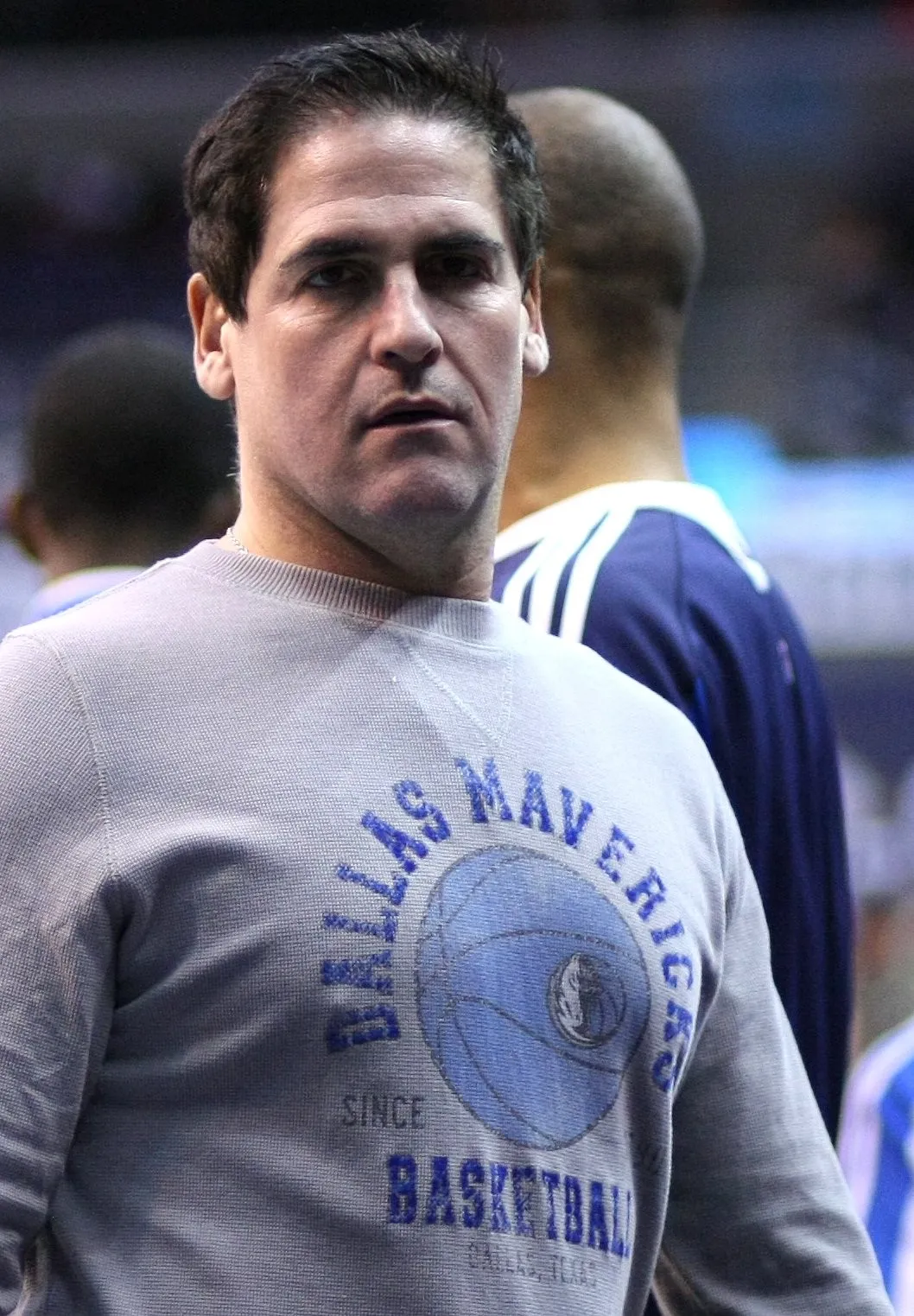
Sweat Equity: The Mark Cuban Story
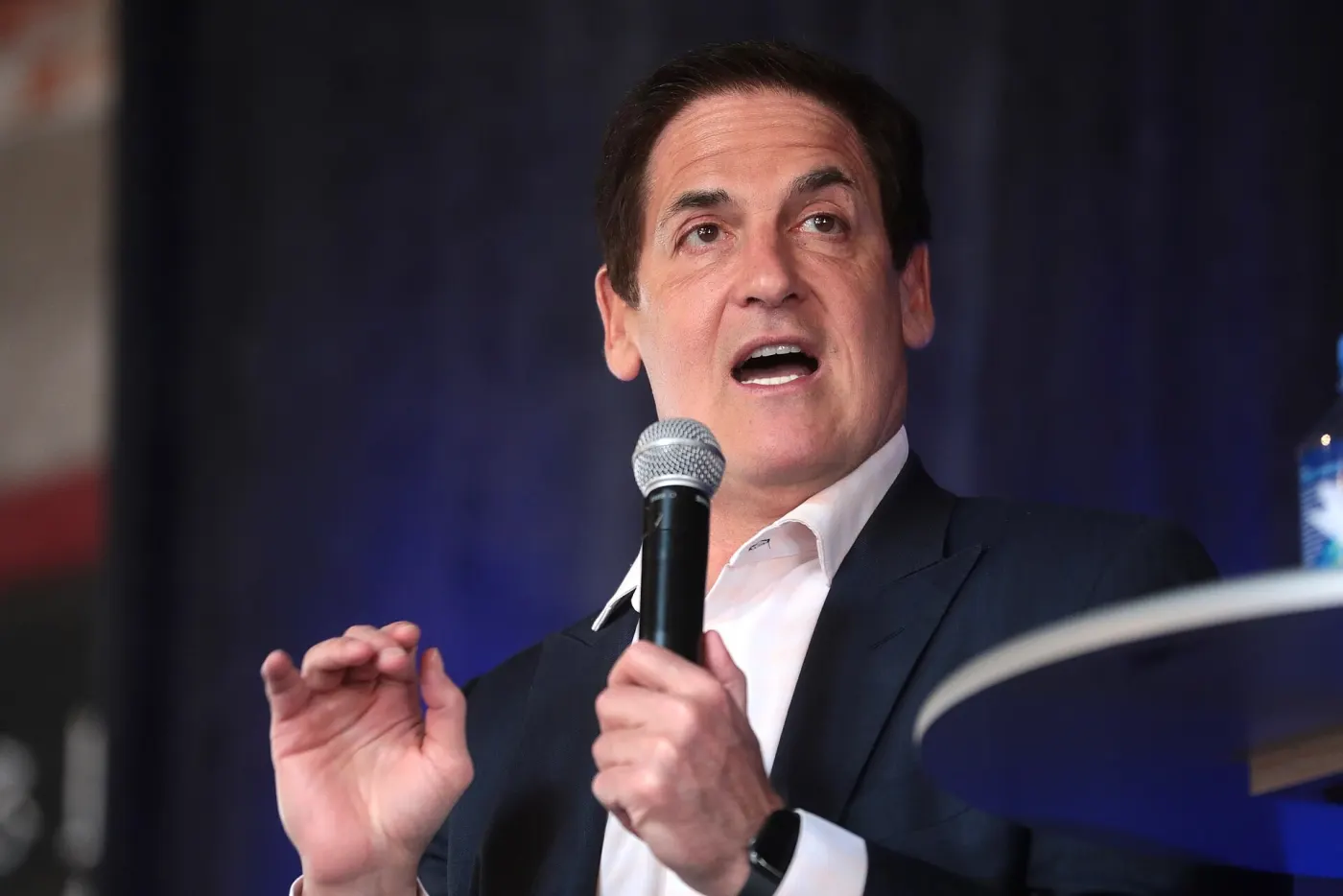
The night of the trophy
On June 12, 2011, in Miami, the final buzzer sounded, and Mark Cuban's Dallas Mavericks were champions of the National Basketball Association.
For eleven years, Cuban had poured money, noise, and heart into the team. He had screamed at referees. He had paid more than a million dollars in fines. Five years earlier, he had watched the same Miami Heat come back and beat his team in the Finals.
Now, on the Heat's own floor, the Mavericks had won.
Cuban stood on the stage with his players. When it came time to accept the trophy, he did something unusual. He asked Don Carter, the man who had founded the Mavericks back in 1980, to take it first. Then he stepped back and grinned like a kid.
Mark Cuban was fifty-two. He was a billionaire. He had become famous as the loud owner in a T-shirt who sat near the court instead of in a fancy suite.
But he had started with a box of garbage bags.
And he was not finished. Years later, he would sell the team, star on television, and then take on one of the most powerful industries in America: the business of prescription drugs.
Mount Lebanon
Mark Cuban was born on July 31, 1958, in Pittsburgh, Pennsylvania. He grew up in Mount Lebanon, a working-class and middle-class suburb south of the city.
His father, Norton Cuban, spent his days installing upholstery in cars. His mother, Shirley, worked a string of jobs. Mark was the oldest of three boys. His brothers were Brian and Jeff.
His grandfather had come to America from Russia as a young man. Family members have said the family name was shortened to Cuban when he arrived. Like many immigrant families, the Cubans believed hard work and education were the way up.
The Cubans were not poor, but money was tight. Mark learned early that if he wanted something, he would have to pay for it.
When he was twelve, he wanted a pair of expensive basketball shoes. His father told him the shoes he had still worked. If he wanted new ones, he needed a job.
Mark said he could not get a job. He was twelve.
One of his father's poker buddies spoke up. He had boxes of garbage bags. Mark could sell them around the neighborhood.
So Mark went door to door. "Hi, I'm your neighbor Mark," he would say. "Do you use garbage bags?"
Everybody used garbage bags. He bought a box of one hundred for three dollars and sold it for six. He came back every couple of weeks when people needed more. He made about twenty dollars a week. He got his shoes.
He also learned something that stayed with him for life. Selling was not about convincing people. It was about helping them. If you found something people needed, the selling took care of itself.
Stamps and newspapers
After the garbage bags came stamps.
Mark started a little stamp business. He liked to say he began with a quarter, bought a stamp, and walked out of a stamp show with fifty dollars. At one point, a neighbor trusted the teenager with five thousand dollars to buy stamps for him in New York.
When Pittsburgh's newspapers went on strike, Mark and a friend drove to Cleveland, bought copies of the Cleveland papers, and sold them back home to people hungry for news.
Each little business taught him the same lesson in a new way. Find what people want, get it to them faster or cheaper than anyone else, and keep showing up.
He was not the best student. He skipped his senior year of high school to start college early at the University of Pittsburgh. After a year, he transferred.
He picked Indiana University, sight unseen. He had never visited the campus. He chose it because it had one of the best business schools in the country and the lowest cost.
The disco teacher
At Indiana, Mark kept hustling.
He taught disco dancing lessons. He threw parties and charged admission. He tried a chain letter scheme. He looked for any way to turn his time into money.
In his junior year, he and two friends bought a bar in Bloomington, the college town. They borrowed money to do it. It became one of the busiest spots in town. People who knew it later said the business ideas Mark used there, promotions, crowds, keeping customers happy, showed up again in everything he did later.
But college bars attract underage drinkers, and trouble with the police followed. The bar did not survive long.
In 1981, Mark graduated with a business degree. He went home to Pittsburgh and took a job at a bank. It bored him.
Six roommates
In 1982, a college friend called from Dallas. The weather was warm, he said, and there were lots of jobs.
Mark packed his old car and drove to Texas. He moved into a three-bedroom apartment with five other guys. Six people in three bedrooms. Mark got there last, so he got no room of his own. He slept on the couch or the floor. He did not have a closet. His clothes piled up.
He worked as a bartender at night. By day he got a job selling software for a company called Your Business Software.
It was the early days of the personal computer. Most businesses had never used one. Mark did not know much about computers either, so he taught himself, reading manuals late into the night.
One day, a customer wanted to buy a big order. Picking up the check meant Mark would be late to open the store. He went to get the check anyway, a sale worth about fifteen thousand dollars.
His boss fired him for not opening the store.
Mark decided he would never again work for someone else.
MicroSolutions
In 1983, with help from a customer who gave him an early order, Mark started a company called MicroSolutions. It sold computers and software to businesses, set up networks, and taught people how to use them.
He was twenty-five. He knew almost nothing about running a company. He learned by doing everything himself.
He read every computer manual he could find. He stayed up until two in the morning learning new programs so he could teach customers the next day. He hired people, including his own brothers, and expected them to learn just as fast. People who worked for him said Mark never handed you anything. You had to earn it.
In the early years, he almost lost the company. An employee stole money that was supposed to pay for supplies. Mark had to scramble to keep going.
MicroSolutions grew anyway. By the end of the 1980s it was bringing in millions of dollars a year.
Around 1990, Mark sold it to CompuServe, then one of the biggest online services, for about six million dollars. After taxes, his share was a couple of million.
He was thirty-one and, by most people's standards, rich.
Retired
Mark did what he had always dreamed of. He retired.
He bought a lifetime pass on American Airlines and flew wherever he wanted. He took acting classes in Los Angeles. He partied. He went to Europe and traveled for weeks at a time.
He also made money trading technology stocks. He knew the computer business, and he watched which companies were growing.
He later said those years taught him something important. Money gave him freedom, but freedom alone was boring. He needed a game to play.
But he got restless. He was not built to sit still.
Listening to the Hoosiers
In 1995, Mark was living in Dallas. One of his friends from Indiana, Todd Wagner, was a lawyer there. Both were huge fans of Indiana University basketball. The problem was, they could not hear the games in Texas.
The internet was just starting to reach homes. Most people connected by dialing in over a phone line. The idea of sending live sound over the internet sounded crazy. It was slow and full of glitches.
A small company called Cameron Audio Networks, started by a man named Chris Jaeb, had been working on the idea of putting sports on the internet. Cuban and Wagner got involved and built it into a company called AudioNet. Years later, Jaeb said he had come up with the concept and ended up with only a small share; Cuban has said he and Wagner built the company. The two sides still tell the story differently.
They started in a spare bedroom. They put a computer there, hooked it up to a radio, and started sending out broadcasts.
At first, few people listened. But Mark kept adding more. Radio stations. Sports teams. Talk shows. Company earnings calls. Any live event that someone wanted to hear from far away.
They paid radio stations to let them put their signal online. They signed sports teams. Soon AudioNet was streaming hundreds of radio stations and sports broadcasts.
It was never easy. Internet connections at home were painfully slow, so the sound often broke up. Listeners had to download special software just to hear anything. The company needed huge amounts of expensive equipment and bandwidth, and Mark and Todd kept raising money from investors to pay for it.
Mark pitched it the only way he knew: loudly and constantly. He told anyone who would listen that one day people would watch and hear everything over the internet. Many people thought he was dreaming. He kept building anyway.
Broadcast.com
In 1998, AudioNet changed its name to Broadcast.com.
The company still lost money. It had to pay for huge amounts of internet bandwidth. But Wall Street had fallen in love with anything connected to the internet.
On July 17, 1998, Broadcast.com sold its stock to the public. The shares were priced at eighteen dollars. On the first day, they shot up to more than sixty dollars. At the time, it was one of the biggest first-day jumps in stock market history.
People at the company stared at the screens. Some thought the numbers had to be a mistake.
In early 1999, Broadcast.com streamed a Victoria's Secret fashion show live. So many people tried to watch that the servers struggled. But it made headlines everywhere, and it proved that big live events could happen online.
Five point seven billion
Then Yahoo came calling.
Yahoo was one of the biggest internet companies in the world. It wanted a piece of streaming video and audio.
In April 1999, Yahoo agreed to buy Broadcast.com for about $5.7 billion in Yahoo stock.
Mark Cuban, who had slept on a floor in Dallas seventeen years earlier, was now a billionaire.
He was also smart about it. He knew internet stocks could crash. So he used a financial deal called a hedge to protect the value of much of his Yahoo stock. When the dot-com bubble burst the next year and Yahoo shares collapsed, his fortune stayed mostly safe.
Many other people who got rich in the bubble lost it all.
For Yahoo, the deal is often remembered as one of the worst in internet history. Broadcast.com faded inside the bigger company. Mark has said he wished Yahoo had kept building streaming. Years later, YouTube and Netflix did what Broadcast.com had tried to do, with far faster internet.
In 1999, Mark bought a Gulfstream jet online for about forty million dollars. It was listed as one of the biggest single online purchases ever made.
Buying the Mavericks
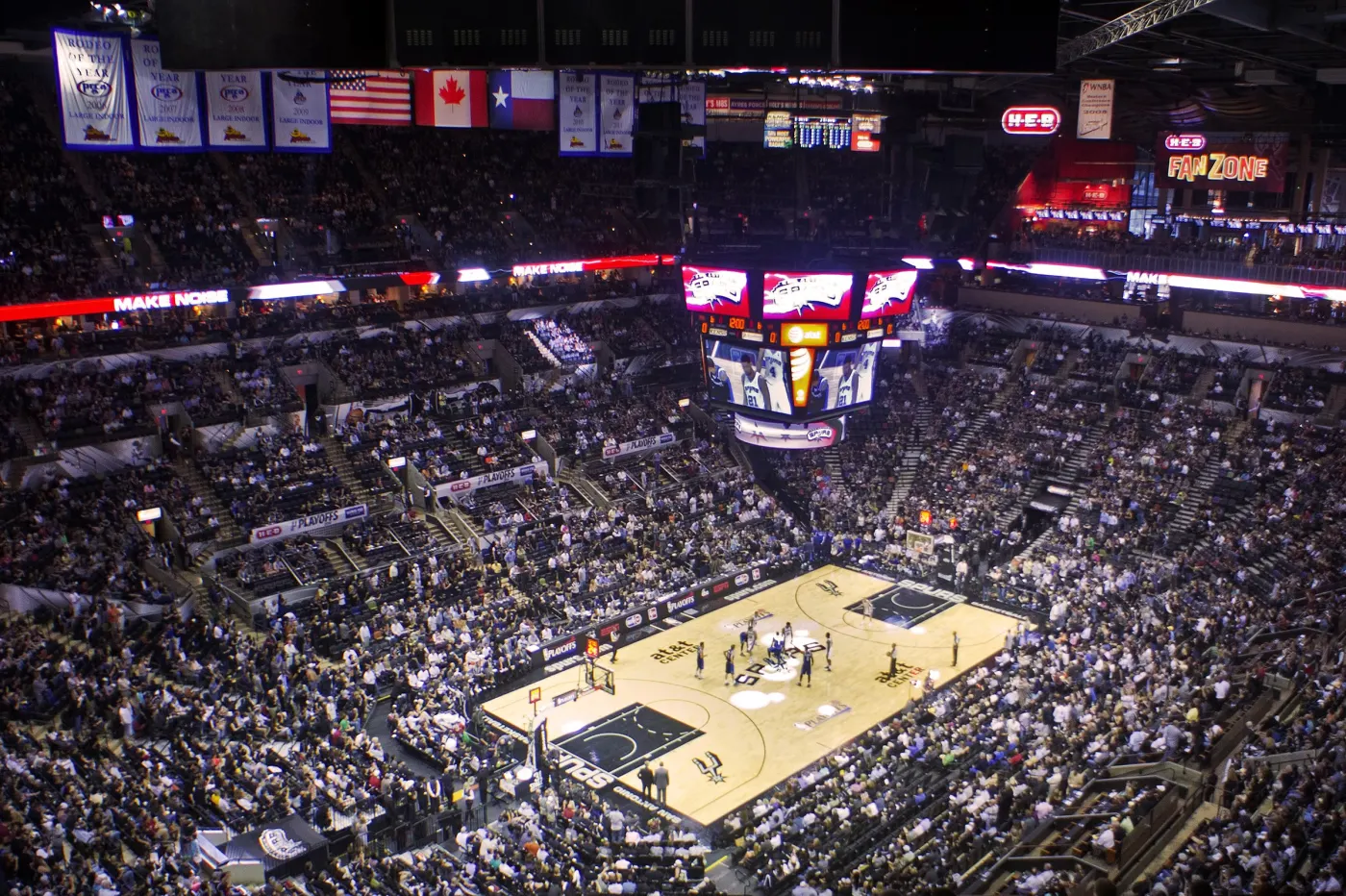
In January 2000, Mark Cuban bought a controlling share of the Dallas Mavericks from Ross Perot Jr. for about $285 million.
The Mavericks were a joke. For much of the 1990s, they were one of the worst teams in the league. Some seasons they won barely a dozen games. The arena was half empty.
Mark had been going to games as a fan. He sat in the stands and watched a team with no energy. After he bought it, he went to work.
He treated the players like the most important people in the building. He put in a new locker room with big-screen TVs, video games, and sound systems. He made the team plane more comfortable. He hired more coaches and trainers than most teams had. He gave out his email address and answered fans' messages himself.
He did not sit in a luxury box. He sat near the bench, in a T-shirt and jeans, cheering, groaning, and yelling.
He also yelled at referees. A lot.
The changes worked quickly. In the 2000 to 2001 season, his first full year as owner, the Mavericks won 53 games and made the playoffs for the first time in more than a decade. In 2001, they moved into a brand-new arena, the American Airlines Center, and Mark made sure it felt loud and packed.
Tickets that had been easy to get became hard to find.
The Dairy Queen
The NBA did not like owners who publicly attacked its officials. In his first full season, Mark was fined again and again.
In January 2002, he said the league's head of referees could not manage a Dairy Queen. The NBA fined him $500,000.
The Dairy Queen company did not like the insult either. Its manager invited Mark to come work a shift and see how hard the job was.
Mark said yes. He put on a Dairy Queen visor and served ice cream at a store near Dallas. Crowds lined up around the block. News helicopters flew overhead. He made Blizzards badly and laughed about it.
That was Mark Cuban. He paid the fine, turned the punishment into a show, and made himself even more famous.
Over the years, he paid millions of dollars in NBA fines. He said standing up for his players was part of his job.
Almost
On the court, the Mavericks got better, fast.
They had a young German star named Dirk Nowitzki. They added Steve Nash, and later Jason Terry and Jason Kidd. They began winning fifty games or more a season, year after year.
Mark spent whatever it took. For years, the Mavericks had one of the highest payrolls in the league, and he paid extra luxury taxes to keep good players together. He hired statistics experts before most teams did, looking for any small edge.
In 2006, the Mavericks reached the NBA Finals for the first time. They played the Miami Heat, led by Dwyane Wade and Shaquille O'Neal. Dallas won the first two games.
Then Miami won four in a row.
Mark was crushed. He was fined again for his behavior after one game. For years, that loss hung over the team.
In 2007, the Mavericks had the best record in the league. They lost in the first round to the Golden State Warriors, one of the biggest upsets in playoff history.
People started saying Dirk and the Mavericks could not win the big games.
Beyond basketball
Mark did not spend all his time on basketball.
In 2001, he started HDNet, one of the first television networks to broadcast everything in high definition, when most Americans still watched fuzzy old TV sets. It later became AXS TV.
With Todd Wagner, he bought Landmark Theatres, a chain of movie houses for independent films, and started Magnolia Pictures, which released small, daring movies. They experimented with releasing films in theaters and at home on the same day, which angered big movie chains at the time. Years later, during the pandemic, the whole industry did it.
In 2007, he competed on the TV show Dancing with the Stars. The former college disco teacher lasted several weeks.
He started a blog called Blog Maverick, where he wrote long posts about business, technology, and whatever made him angry.
HDNet also gave a home to the veteran newsman Dan Rather, who had left CBS News. From 2006 to 2012, Dan Rather Reports aired on Mark's network. Mark said he was a news junkie and wanted serious reporting on his channel, even if it did not draw huge ratings.
The SEC case
In 2008, the Securities and Exchange Commission sued Mark. It said he had sold his shares in a search engine company called Mamma.com in 2004 after learning private information about an upcoming stock offering, and that he avoided a loss of about $750,000 by doing so.
Mark said he had done nothing wrong. He refused to settle. He fought for five years.
In October 2013, a jury in Dallas decided in his favor. It found he was not liable. Mark walked out of the courthouse and called the case a waste of taxpayers' money.
Champions
By 2011, Dirk Nowitzki was thirty-two. Many people thought the Mavericks' chance had passed.
That season, the team was full of veterans who played smart, unselfish basketball. They moved the ball, shot three-pointers, and played a tricky zone defense.
In the playoffs, they swept the defending champion Los Angeles Lakers. They beat Oklahoma City. And then, in the Finals, they met the Miami Heat again. This time Miami had LeBron James, Dwyane Wade, and Chris Bosh, who had joined together to win titles.
Dallas won in six games.
Mark had stayed quiet during the playoffs, refusing most interviews so he would not become the story. When it was over, he finally celebrated. That night the team partied at a Miami nightclub, with a bar bill that was reported to top $100,000. Back in Dallas, he carried the trophy around town so fans could see it and touch it.
He said it was one of the best days of his life.
The Shark
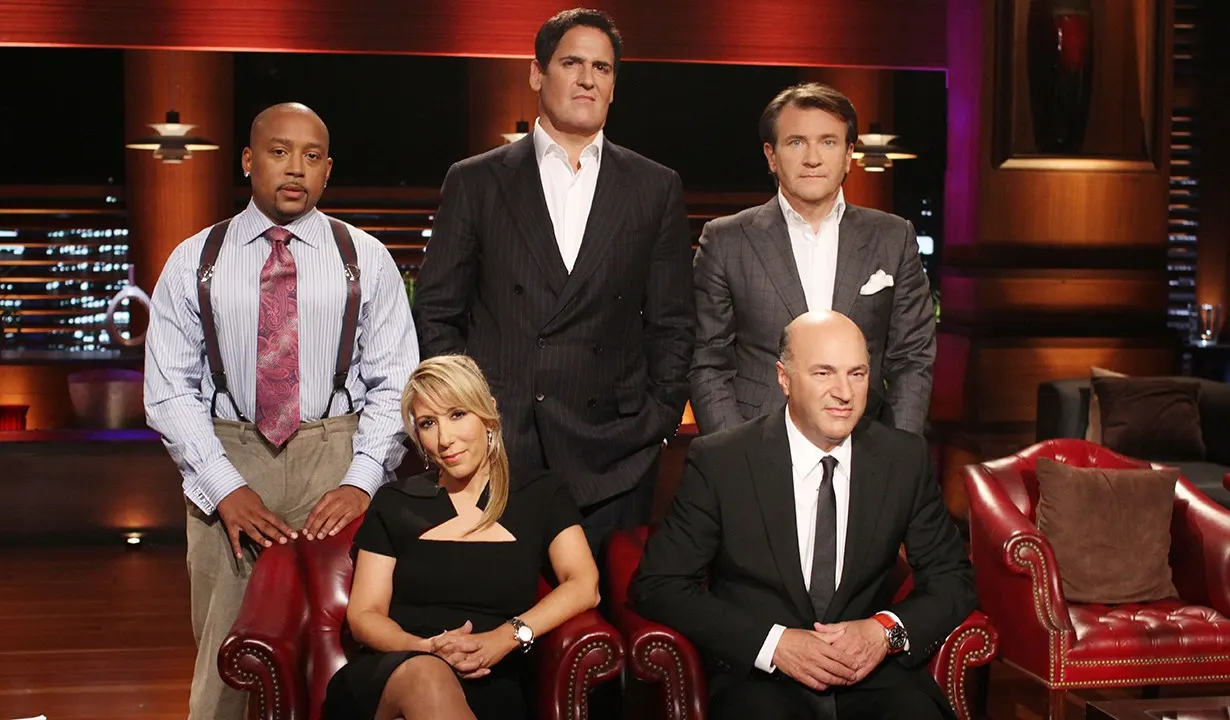
In 2011, Mark appeared as a guest on a new TV show called Shark Tank. Regular people pitched their business ideas to a panel of rich investors, called sharks, hoping one would invest.
The next season he became a regular. He stayed for more than a decade.
On Shark Tank, Mark became a household name for millions of people who had never watched a basketball game. He was blunt. He told people when their ideas were bad. He famously said "I'm out" to many pitches. But when he liked someone, he moved fast, and he invested in hundreds of small companies over the years.
He liked to repeat a few lessons on the show. Know your business better than anyone. Sales cure all. Work harder than your competition, because someone out there is trying to put you out of business.
Some of his deals became big hits. He backed Dude Wipes, flushable wipes for men that grew into a major brand sold in big stores across the country. He invested in BeatBox Beverages, a party drink company started by young friends from Texas. He also put money into many tiny companies that failed. He said that was part of the game.
His final season was the show's sixteenth. His last episodes aired in 2025.
A hard reckoning
In 2018, Sports Illustrated published a report describing years of sexual harassment and a toxic workplace inside the Mavericks' business offices.
Mark said he had not known about much of it, and that he should have. He apologized publicly. An independent investigation later found no evidence that he knew about the misconduct, but it confirmed serious problems in the team's front office.
He hired Cynt Marshall, a longtime AT&T executive, as the team's chief executive. She became the first Black woman to lead an NBA team's business operations. Mark pledged $10 million to organizations that fight domestic violence and support women in leadership.
Marshall rebuilt the culture. Mark later called her one of the best hires he ever made.
Crypto, NFTs, and the next thing
Mark has always chased what is new.
When crypto boomed in 2021, he dove in. The Mavericks began accepting Dogecoin, a joke cryptocurrency, for tickets and merchandise. He bought digital art tokens, called NFTs, and helped start a website where people could show off their collections. He argued that the technology underneath, the blockchain, would eventually change how contracts and royalties work.
When crypto prices crashed in 2022, some investments he had promoted went badly, and critics said celebrities like him had helped pull ordinary people into risky bets. Mark said he had lost money too, and kept talking about the technology.
Later, he turned more of his attention to artificial intelligence. He told audiences that AI would change every business, and that people who learned to use it would have an advantage.
Family
Mark married Tiffany Stewart in 2002. They have three children: Alexis, Alyssa, and Jake.
He says he wants his kids to work, to learn, and not to grow up feeling entitled. He tells them the same thing he learned at twelve, that nobody hands you anything.
Cost Plus Drugs
In 2018, Mark got a cold email from a young radiologist named Alex Oshmyansky.
Oshmyansky wanted to build a factory to make cheap generic drugs that were in short supply. He mentioned something that caught Mark's attention: Martin Shkreli, a drug executive who had raised the price of an old drug called Daraprim by more than 5,000 percent.
Mark was curious. The more he learned about how drug prices worked in America, the angrier he got. Drugs passed through manufacturers, wholesalers, insurance plans, and middlemen called pharmacy benefit managers. Each took a cut. Patients often had no idea what the real cost was.
Mark saw a problem that needed fixing, and a business opportunity.
In January 2022, they launched the Mark Cuban Cost Plus Drug Company. The idea was simple enough for a kid to understand. Cost Plus would buy or make a drug, add a fixed markup of 15 percent, add a small pharmacy fee and shipping, and show the customer the real price.
Some drugs that cost patients hundreds of dollars a month at a regular pharmacy cost only a few dollars through Cost Plus. One leukemia drug that could cost thousands of dollars a month was sold for a small fraction of that.
The company built its own factory in Dallas to make some drugs. It started working with employers and health plans that wanted to stop overpaying.
At launch, Cost Plus offered about one hundred medicines. Within a few years, the list had grown to well over a thousand. Mark put his name on the company, but he said he did not plan to take big profits out of it. He wanted it to grow and force the rest of the industry to change.
Some experts pointed out limits. Cost Plus mostly sold generic drugs, and many patients still used insurance at regular pharmacies. But the company's open price list became a tool that doctors, patients, and reporters used to compare what others were charging.
How he works
Mark Cuban says business is a sport, and he plays it without timeouts.
He reads constantly. For decades, he has spent hours a day reading about technology, business, and his industries, because he believes whoever knows the most wins.
He hates meetings. He prefers email, and he answers it himself, often within minutes, day or night.
In 2011 he collected many of his blog posts into a short book, How to Win at the Sport of Business. He believes in what he calls sweat equity: that effort is the one thing you fully control. He likes to say it does not matter how many times you fail. You only have to be right once.
He is loud about his opinions. He argues with politicians, companies, and critics on social media. That has made him plenty of enemies. It has also made him one of the best-known businesspeople in America.
And he keeps changing lanes. Computers. Streaming. Basketball. Movies. Television. Medicine. When he sees a system that seems broken, he wants to know why.
Selling the team
In December 2023, Mark sold his controlling share of the Mavericks to the families of Miriam Adelson and her son-in-law Patrick Dumont, owners of the Las Vegas Sands casino company. The deal valued the team at about $3.5 billion. Mark kept 27 percent.
Mark explained that he wanted partners who could help build something bigger. The Adelson and Dumont families ran casinos, and Mark hoped Texas might one day allow casino resorts, with a new Mavericks arena at the center of one.
He said at the time he would keep running basketball operations. But the contract did not guarantee it, and his role shrank.
In February 2025, the Mavericks traded Luka Dončić, their young superstar, to the Los Angeles Lakers. It was one of the most shocking trades in NBA history. Mark said he learned about it at about the same time as the fans, and that he would not have made the deal.
Dallas fans were furious. In November 2025, the team fired Nico Harrison, the general manager who made the trade. For a while, Mark was brought back into a group advising on basketball decisions.
2026
By 2026, Mark Cuban's life looked very different from the courtside days.
In May 2026, the Mavericks hired Masai Ujiri, the executive who built the Toronto Raptors' championship team, to run basketball operations. The team parted ways with coach Jason Kidd and hired a new general manager and coach. Mark said he had barely spoken with Ujiri and expected him to run the team his own way. In March 2026, he told ESPN that he regretted who he sold the team to.
In July 2026, companies connected to Mark filed a legal petition in Dallas seeking information about the Mavericks' plans for a new arena on a former mall site, a project he said he learned about from a public filing. The team's owners had not publicly responded in detail.
Mark kept investing in sports. An investment group he helps lead, Harbinger Sports Partners, bought a minority stake in baseball's Athletics, who are moving to Las Vegas.
His biggest focus, though, was Cost Plus Drugs.
In May 2026, Mark stood at a White House event with President Donald Trump. Mark had campaigned for Kamala Harris in 2024 and had often criticized Trump. But when the government's discount drug website, TrumpRx, added more than 600 generic medicines, Cost Plus Drugs was one of the main partners, supplying about 559 listings alongside Amazon Pharmacy and GoodRx.
TrumpRx is not a pharmacy. It is a government website that shows people discounted cash prices and sends them to sellers like Cost Plus. It mostly does not run through insurance, so savings depend on each person's situation. Still, for people without good drug coverage, it made cheap generic prices much easier to find.
Mark said Republicans, independents, and Democrats all wanted cheaper drugs. He said it was about patients, not politics.
He had also stayed out of running for office himself. For years, fans asked him to run for president. He said no, repeatedly, saying he did not want to put his family through it.
What changed because of him
Mark Cuban helped show the world that the internet could carry live sound and video. Broadcast.com was early, clumsy, and ahead of its time. Every livestream today, from sports to concerts to video calls, follows the path it pointed to.
He changed what an owner could be in American sports. He spent on players, facilities, and fans, answered emails, and spoke his mind. Many owners today copy parts of his approach, even if few copy his volume.
He made entrepreneurship feel reachable. On Shark Tank, millions of viewers watched ordinary people pitch their ideas, and learned the language of sales, margins, and equity. Many young founders say the show made them want to start something.
And with Cost Plus Drugs, he pushed Americans to ask a new question: what does my medicine really cost? By printing its prices in the open, Cost Plus put pressure on the middlemen in the drug business. Politicians of both parties, employers, and patients started paying attention.
His Mark Cuban Foundation also runs free artificial intelligence bootcamps for high school students from low-income communities, teaching them skills for a future he believes will be shaped by AI.
Closing
At twelve, Mark Cuban knocked on his neighbors' doors with a box of garbage bags.
He learned then that selling is helping. You find what people need, and you give it to them.
He sold computers to businesses that had never used them. He sold sports fans a way to hear their teams from far away. He sold a city on a basketball team that finally won. And now he is selling something Americans need badly: medicine at a price they can see.
He is not always right. He is rarely quiet.
But he still has not called a timeout.