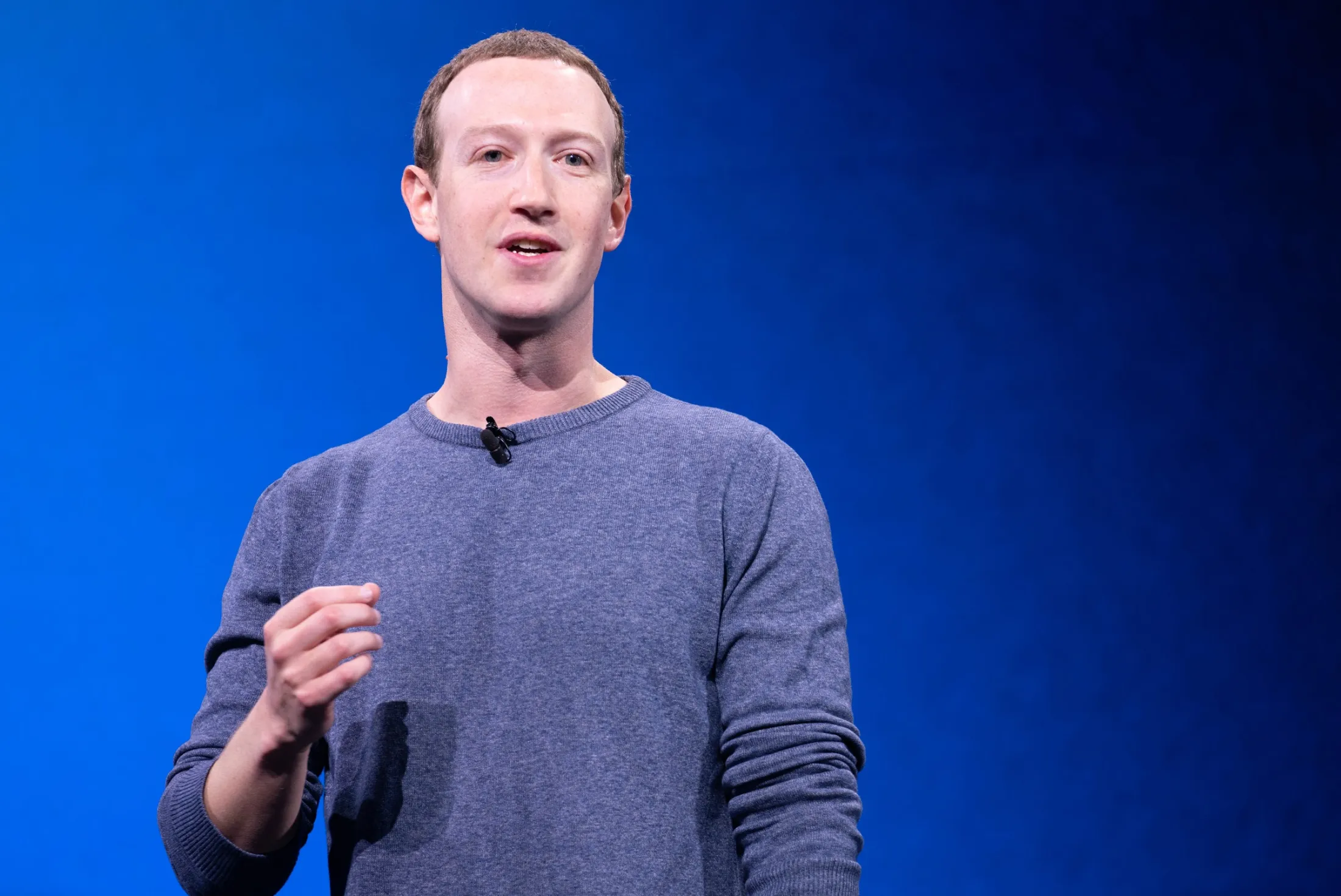
The Dorm That Ate Attention
A Harvard sophomore mapped who you knew. The map became a company that sells attention. Hearings, a rebrand, and an AI race followed.
In 2004, a Harvard sophomore launched a website that asked a simple question: who are you connected to?
Thefacebook spread across dorms in days. Students checked it between classes. They uploaded photos. They poked friends. What began as a campus directory became a company that would reshape news, politics, advertising, and daily attention for billions of people.
Mark Zuckerberg was twenty years old when it started. He is still running the company more than twenty years later, after renaming the parent firm Meta and betting on virtual worlds and artificial intelligence. The path from dorm room to global platform is full of wins, lawsuits, hearings, and rebuilds.
In 2026 the same founder was still CEO, still a controlling owner, and still trying to catch the next platform wave. Meta's apps reached on the order of 3.5 billion daily users. The company's 2025 revenue was reported around $201 billion. Zuckerberg's fortune, tied to about 13 percent of Meta, sat in the $220 billion to $236 billion range depending on the day's stock price. The new public story was no longer only the metaverse. It was Muse, Superintelligence Labs, and data centers billed in the hundreds of billions. The old story had not left. Trust, hearings, and the feed still sat under the new logos.
Childhood near New York and a love of coding
Mark Elliot Zuckerberg was born on May 14, 1984, in White Plains, New York, and grew up in Dobbs Ferry. His father was a dentist. His mother was a psychiatrist. He learned coding young and built programs for fun, including tools for the family and school.

He attended Phillips Exeter Academy, where a printed student directory nicknamed "the facebook" was part of campus life. That paper book planted a mental model: a photo, a name, a web of classmates.
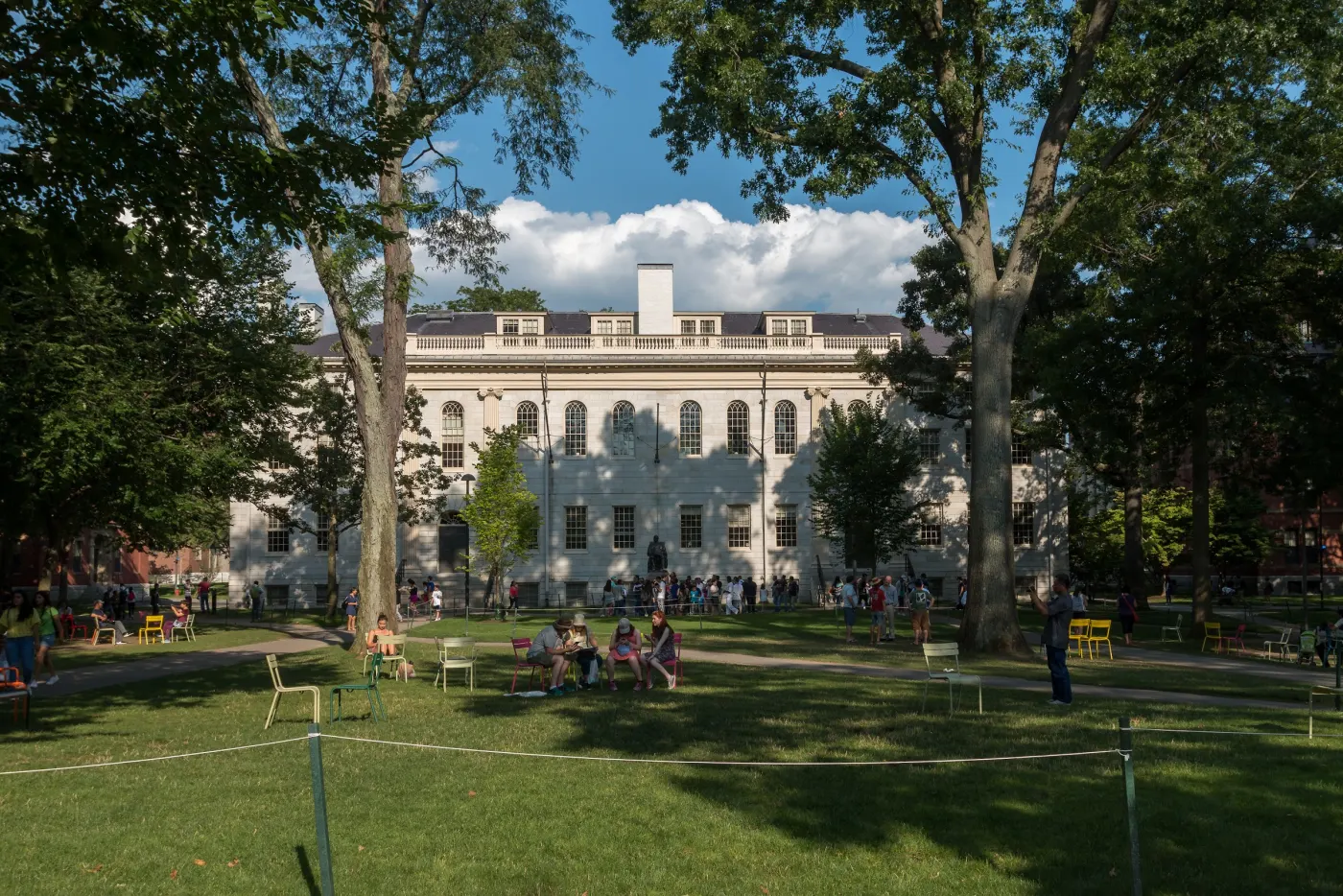
At Harvard he studied psychology and computer science. He had a reputation as a strong programmer who shipped experiments quickly, sometimes faster than rules preferred.
An earlier campus prank site, Facemash, had already shown how quickly attention could explode online, and how quickly institutions could push back. He compared faces. The site crashed. The administration was not amused. The lesson was double: people will click, and institutions will hunt you if you ship without asking.
From dorm-room directory to global square
Mark Zuckerberg did not invent friendship. He invented a fast way to map it online and then scale that map to billions of people. Thefacebook launched at Harvard in February 2004 with roommates and friends: Eduardo Saverin, Dustin Moskovitz, Andrew McCollum, and Chris Hughes among the founding circle. It spread to other colleges, then to the world.
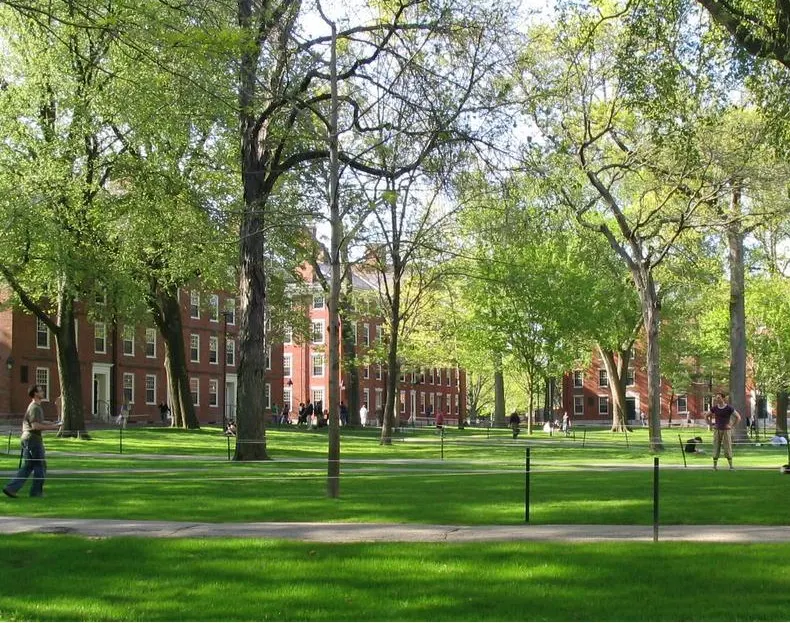
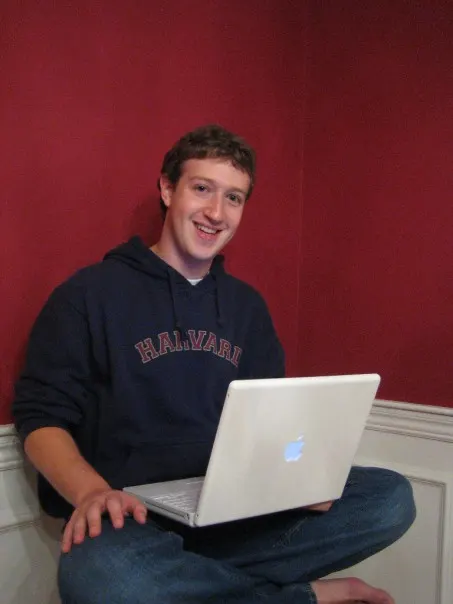
Zuckerberg left Harvard to build the company in California. Early years mixed growth hacks, investor drama, and lawsuits about who deserved credit. The Winklevoss twins and others argued that he had taken their idea. Courts and settlements later put numbers on that fight. The product kept expanding: profiles, friend requests, News Feed, the Like button, the Platform for apps, then mobile apps that had to be rebuilt when phones took over.
Sean Parker connected the young company to Silicon Valley money and swagger. Peter Thiel wrote an early check. Accel and others followed. Zuckerberg kept control through dual-class shares, a decision that would matter every time the public wanted him fired and could not fire him.
He turned down large buyout offers, including from Yahoo, because he believed the social graph would be more valuable than a short exit. That conviction looks brilliant in hindsight. It also locked him to the consequences of scale.
News Feed was controversial at launch. People hated it, then could not stop using it. That pattern repeated: product changes that felt invasive often increased time spent. The company learned to ride outrage into habit.
Money, mobile, and purchases
Facebook's IPO in May 2012 was huge and rocky in the first days of trading. It was, at the time, among the largest technology IPOs ever. Over time the business model clarified: attention turned into advertising.
The IPO year exposed a mobile ad problem. Facebook's desktop business was strong. Phones were the future, and early mobile ads lagged. Zuckerberg forced a mobile reboot. Instagram's rise, and Facebook's purchase of it in 2012, protected the company from a generation that might have left the original app.
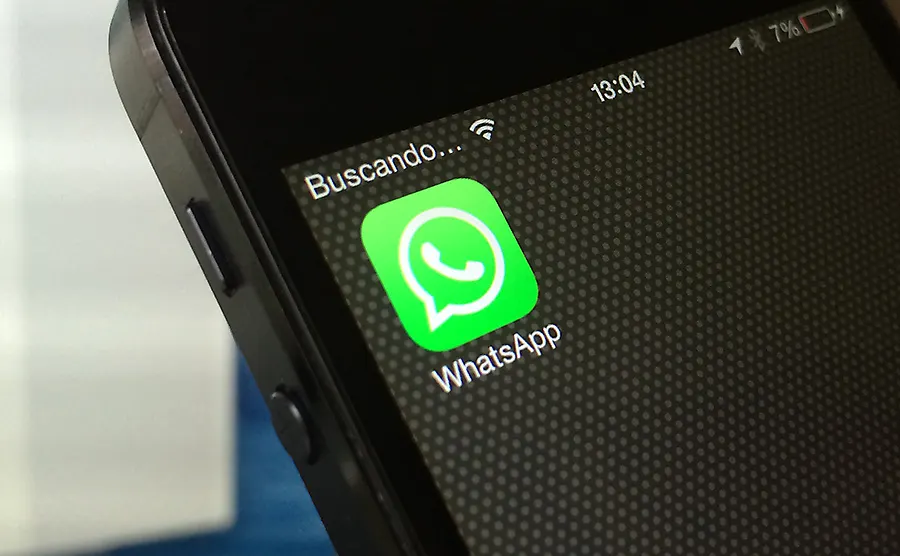
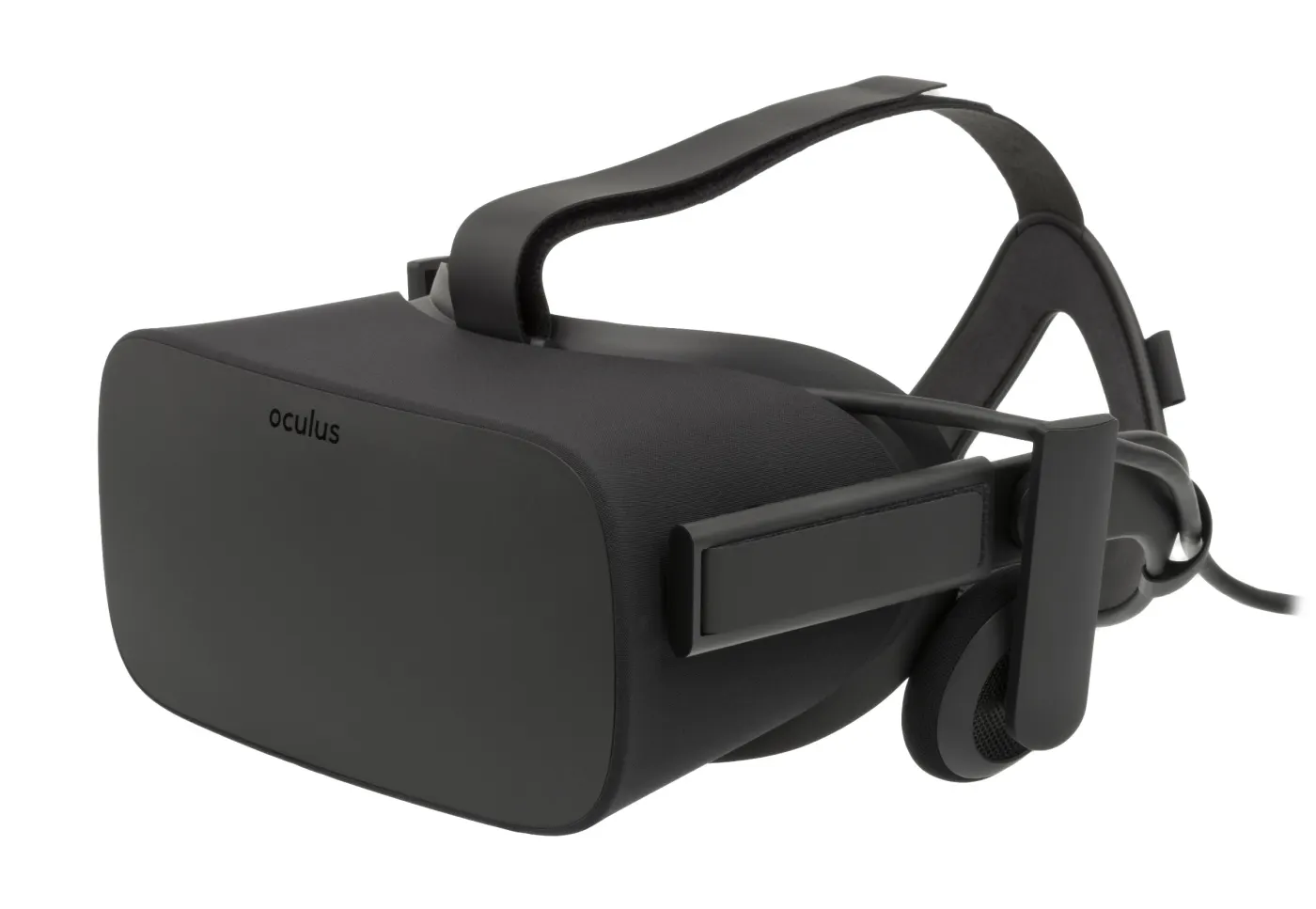
WhatsApp in 2014 solved messaging with a simple, reliable experience across countries. Buying it was expensive and strategic. Oculus brought virtual reality ambitions. Not every bet matured on the schedule investors wanted.
Responsibility arrives on a world stage
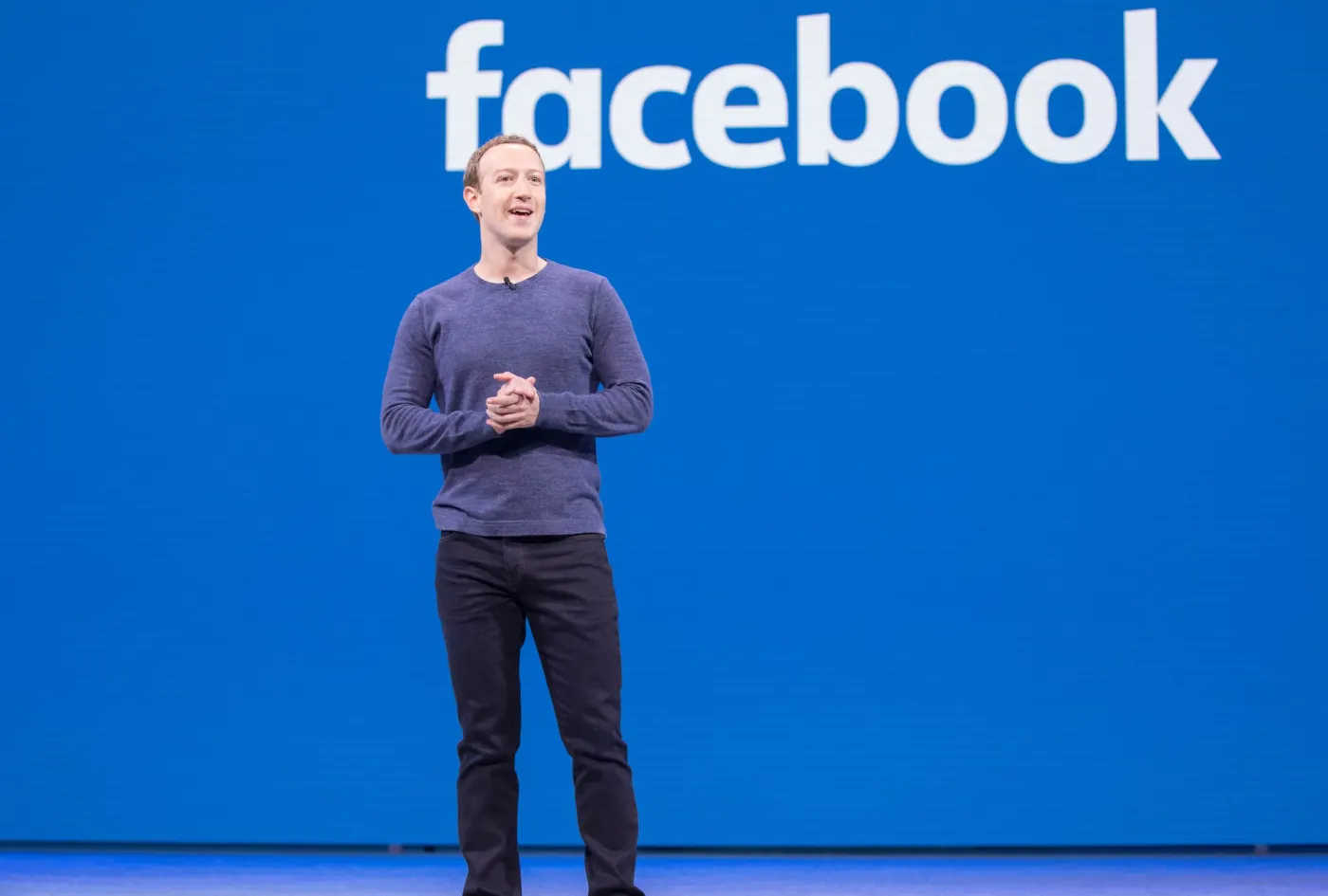
By the mid-2010s, Facebook was not only a product. It was infrastructure for speech, news, and organizing. That scale attracted authoritarian abuse, scams, and targeted political ads. Cambridge Analytica made data misuse vivid for the public. Zuckerberg's hearings became a cultural moment: a founder in a suit saying he would do better.
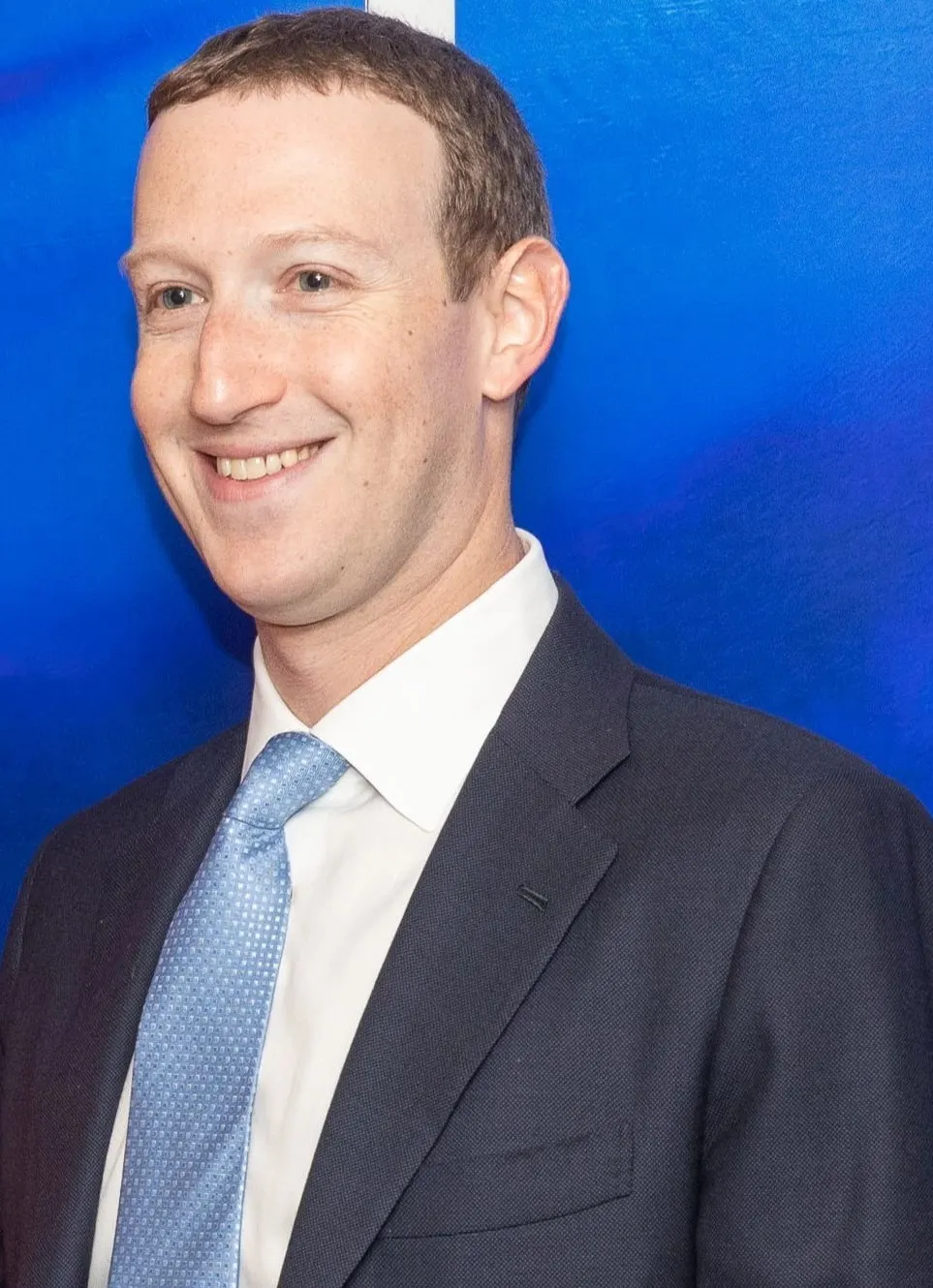
[IMAGE: 14_g8.jpg | Zucker
berg at G8 Summit | Public stage]
He argued the company would do better on privacy and integrity. Critics said incentives still rewarded engagement over safety. Whistleblowers later described internals that matched the public fear: the machine optimized for time spent, and time spent could include harm.
Move fast had been a motto. At global scale, move fast became a liability. Laws, journalists, and families of people hurt by online content demanded a slower, heavier company. Zuckerberg tried to keep the speed and add safety teams. Both sides accused him of faking the part he did not prefer.
Meta, glasses, and the efficiency winter
In October 2021 the parent company rebranded as Meta. Zuckerberg framed the metaverse as the next computing platform after mobile. Reality Labs spent heavily while the core ads business funded the dream. Employees faced layoffs and reorganizations as investors demanded efficiency. The "year of efficiency" was a public admission that the dream had gotten ahead of the P&L.
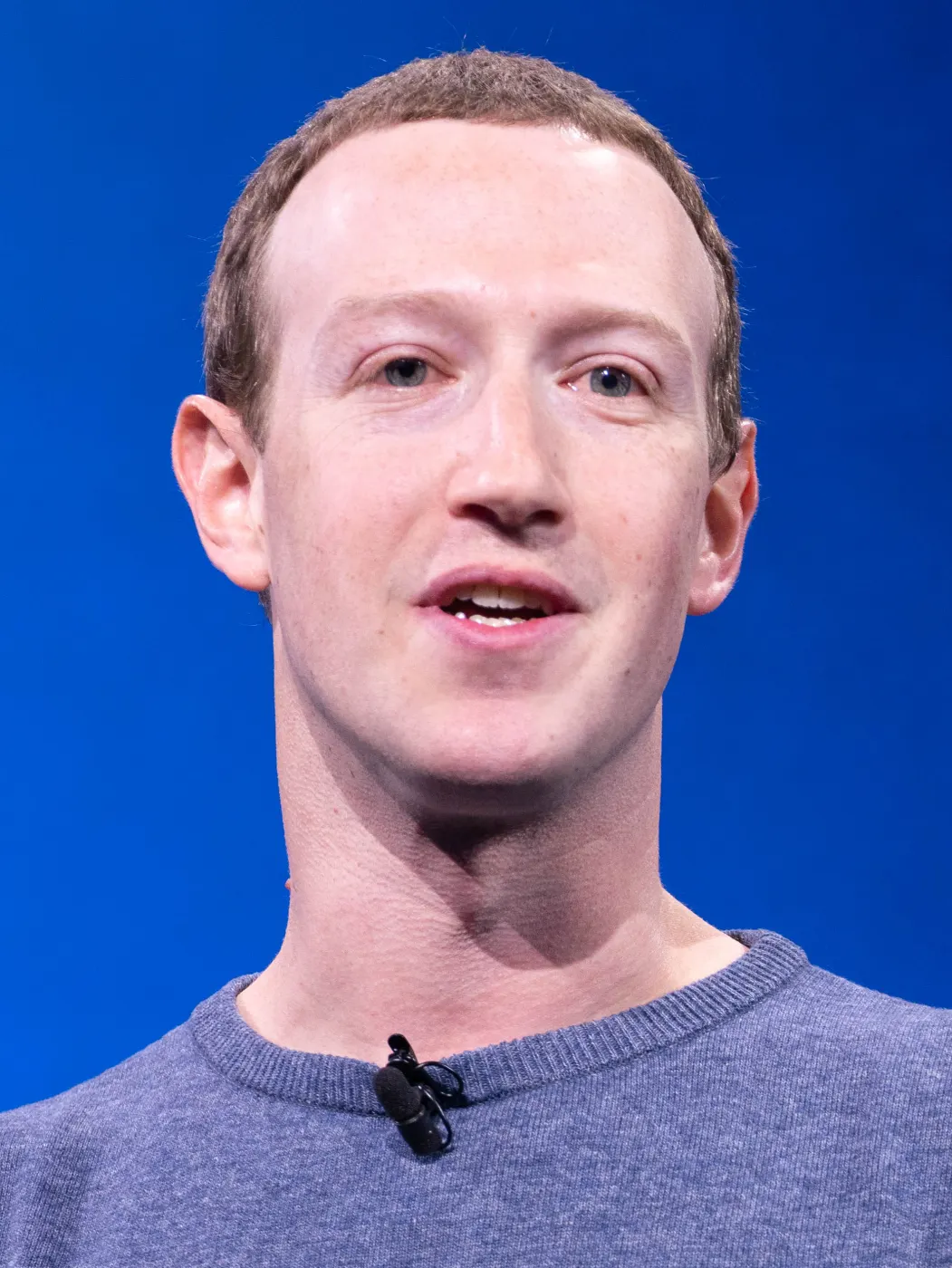
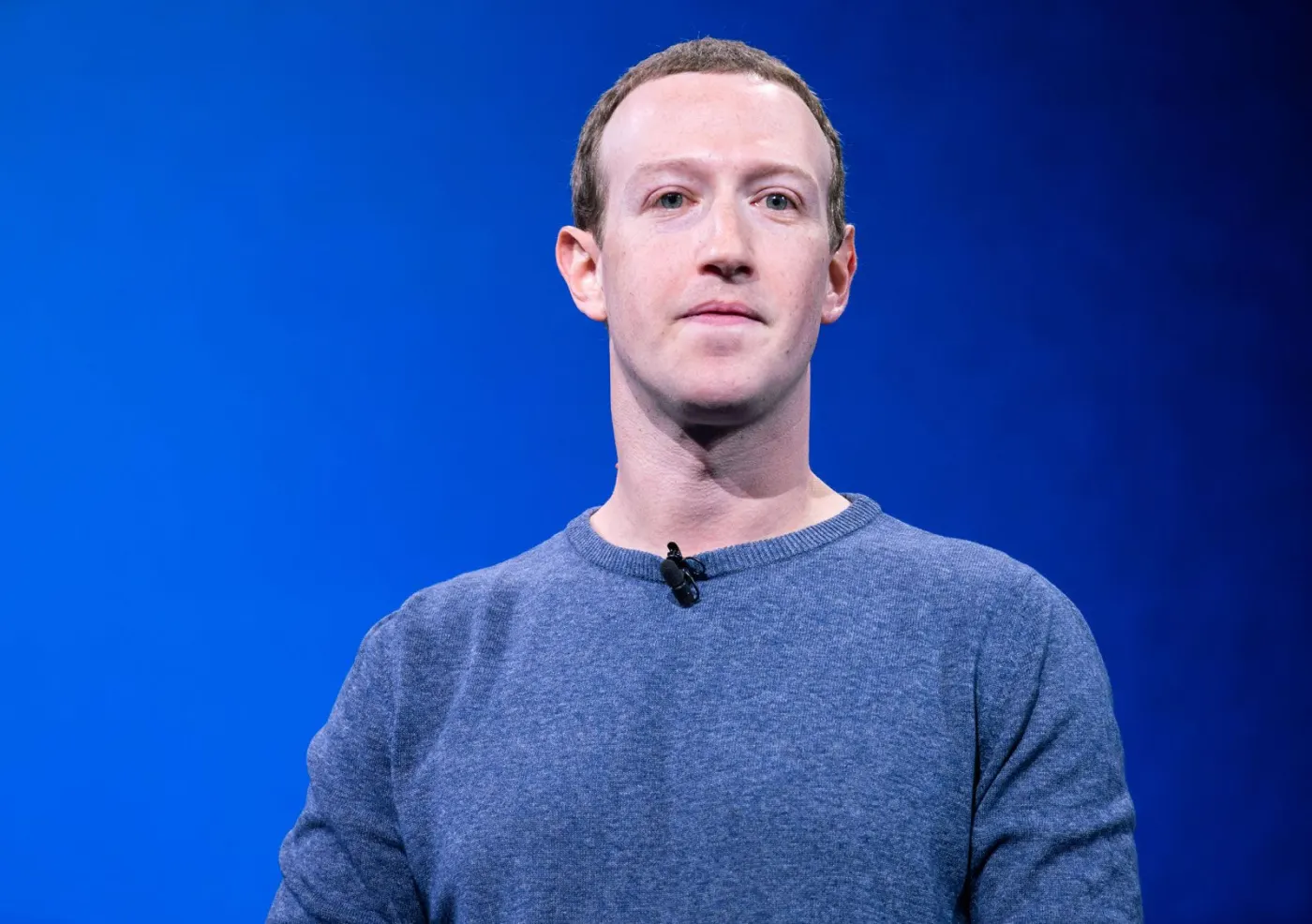
Meanwhile Threads, AI assistants, and new VR/AR hardware kept the company inventing in public. Zuckerberg also became more visible as a personality outside the hoodie stereotype: fencing, martial arts clips, and open letters about speech and technology policy.
Ray-Ban Meta glasses tried to make the next computer look like something you already wear. Display versions pushed further. Critics mocked the look. Product people saw a wedge: cameras and assistants on a face instead of a slab. Whether glasses beat phones is still an open bet. Zuckerberg has always liked bets that look early and weird.
The early growth machine in closer view
Facebook's early advantage was college networks that felt exclusive, then the decision to open to everyone. Each new campus created social pressure to join. Network effects did the marketing. Zuckerberg obsessed over growth metrics and product velocity.
The Platform let outside developers build on Facebook. FarmVille was a joke and a prophecy: attention could be farmed. Then came a crash in trust when apps took more data than users understood. The company tightened. The hunger for growth did not vanish. It moved into ads and into Instagram.
Messenger split from the main app and made people furious, then habitual. WhatsApp stayed spare on purpose. Zuckerberg paid a shocking price for that spareness because messaging is where the social graph hides when the feed gets loud.
Live video, Watch, and groups were later attempts to keep time spent inside the house. Some worked. Some became vectors for harm. The product instinct was consistent: if people gather, build a room, then sell the doorway.
He is not a founder who left. That is rare at this scale. Remaining CEO means every scandal still has the same face. Remaining CEO also means the long bets, including glasses and models, still have a single throat to choke.
Menlo Park as company town
Content moderation became a hidden workforce. People in offices far from Silicon Valley watched the worst of the internet so users would not. That labor is part of the product. Zuckerberg's keynotes rarely linger on it. A documentary should.
Internet.org and later connectivity projects tried to frame Facebook as a public good in places with weak networks. Critics heard a new colony: free access that still ran through one company's pipes. The fight over zero-rating was a preview of later fights over whether Meta is infrastructure or a private club.
The Chan Zuckerberg Initiative put philanthropy next to the product story: science, education, and local housing. It does not cancel the feed. It sits beside it, another attempt to spend the graph's profits on problems the graph did not solve.
Free Basics, election war rooms, and integrity teams were all answers to the same fact. A product used as a public square will be treated as a public square, whether the founder likes the metaphor or not.
How he works
Zuckerberg's method is not mystery. It is control, iteration, and a long willingness to look uncool.
He kept voting control. He ships. He writes long memos. He takes the stage in a T-shirt or a suit depending on which audience he needs to quiet. He hires and fires in waves. He copies rivals when they threaten the graph, as Instagram stories copied Snapchat, and as Threads answered Twitter.
He likes closed loops: measure, tweak, measure. The early growth team was famous for that. The later integrity teams inherited a machine already tuned for engagement. Changing a network mid-flight is the hardest product problem of all. He is still inside that problem.
He also likes physical training as public narrative. The fencing clips and cage-fight talk are easy to mock. They are also a founder trying to rewrite the awkward-hoodie character the internet assigned him after The Social Network. Image is a product too.
Sheryl Sandberg for years ran the ad machine and the Washington face. After she left, Zuckerberg was more alone at the top. The company still printed money. The personality became louder.
What the world changed because of the work
The wealth story is loud. The impact story is in group chats, elections, small businesses, and grief.
Before Facebook scaled, keeping up with distant friends meant email, phone, or losing them. After Facebook, a feed made other people's lives feel close, for better and worse. Families found cousins. Diaspora communities found each other. Scammers found grandparents.
News publishers learned that distribution now lived on a platform they did not own. Headlines were rewritten for clicks. Local papers died faster. Conspiracy pages could look like neighbors. The Arab Spring used the tools to organize. Later years used the same tools to harass and polarize. Holding both truths is the adult version of the story.
WhatsApp became a default telephone for whole countries. That is world change you can feel in a market stall. Instagram became a default identity workshop for teenagers. That is world change you can feel in a school hallway. VR and glasses are earlier. AI agents are t
he 2026 wager that the next identity workshop will be a conversation with a model.
Advertising on the graph let a tiny shop reach a city. It also let political operatives micro-target fear. Cambridge Analytica was a name for a broader fact: if you build a machine that knows who is friends with whom, someone will try to rent that machine for persuasion.
Jobs moved to Menlo Park, London, Singapore, and data-center towns. Content moderators took on trauma as a job. Engineers took on godlike distribution. Zuckerberg took on hearings.
Teen mental health research became a courtroom and legislative fight in the 2020s. Parents argued that Instagram taught their children to hate their faces. Meta argued that the science is mixed and that teens would be on some app anyway. Juries, lawmakers, and researchers will keep arguing. The product remains in pockets while they do.
The 2026 chapter: Muse, money, and a closed superintelligence bet
By 2026 Meta was no longer telling only a metaverse story. It was telling an AI story with a social distribution advantage.
Bloomberg in mid-September 2026 put Zuckerberg's fortune around $236 billion, based on about 13 percent of Meta from an August 2026 filing. Other lists sat a little lower as the stock moved. He still takes a $1 CEO salary. The real paycheck is ownership.
Meta spent about $72 billion on capital expenditures in 2025 and guided to something like $130 billion to $145 billion in 2026, much of it for data centers to train and run models. Investors asked when the return would show. The company answered with Muse, a personal AI agent meant to feel as easy as WhatsApp, and with Muse Spark models that executives claimed could compete with frontier labs on some tasks, including code.
The path was messy. Llama had been Meta's open-source flag. Zuckerberg later said Llama 4 was "off the trajectory." He built Meta Superintelligence Labs, paid a fortune for talent, and took a stake in Scale AI reported around $14 billion to $15 billion to hire Alexandr Wang into the new stack. Muse Spark shipped as a closed model. The company that once preached open weights started charging developers. Zuckerberg still argued that a few labs holding back advanced models was "quite dangerous." Critics noted that Meta's own most powerful model was no longer a free download.
Muse Spark 1.3, in early September 2026, was pitched as Meta's biggest jump yet, "competitive" with leading Anthropic and OpenAI models on the company's own scorecards. Those scorecards are marketing until customers agree. The important fact is the bet size. Zuckerberg is using the cash from the feed to buy a seat at the frontier table, then using Meta's apps to put an agent in front of people who will never visit a developer conference.
He talks about "personal superintelligence," AI for individual use rather than only enterprise dashboards. That slogan fits a man whose first product was a profile. The risk fits too. A company with a trust deficit is asking to be the voice in your ear.
Reality Labs did not vanish. Glasses with displays were still on stage at Connect. The metaverse did not become the new Facebook. It became one more surface. The feed still pays the bills.
Small businesses still swear by the ads. A florist can find brides. A gym can find January. That is real utility. It is also why regulators struggle. Breaking the company would break a cash register that Main Street learned to use.
The 2016 election and later votes around the world turned the feed into a geopolitical object. Zuckerberg first treated the interference story as overblown, then built war rooms. Neither stance satisfied people who wanted the network uninvented. You cannot uninvent a graph. You can only govern it, badly or less badly.
He changed the speech rules more than once. After 2016, more fact-checking. Years later, a turn toward fewer restrictions on some political content, framed as free expression. Allies cheered. Advertisers and safety groups flinched. The founder who once said the graph would connect the world now had to admit that connection is not the same as peace.
Muse will inherit that fight. An agent that knows your chats and photos is more intimate than a feed. Meta's privacy history is the first thing a critic will say. Zuckerberg promises a virtual machine, a memory that stays yours, a product as easy as WhatsApp. Promises are easy. The 2004 site was easy too. The hard part arrived with scale.
If Muse works, Meta will have done it again: take a habit people already have and put a new computer inside it. If Muse fails, the feed will still pay for the next attempt. That is the privilege of owning the town square. It is also the reason the town keeps yelling.
Where he is now
Zuckerberg remains CEO, controlling shareholder, and the face of a company that cannot disappear from daily life even when people say they hate it. He is still married to Priscilla Chan. He is still building a compound and a mythology. He is still the kid who shipped Facemash, now with a supercomputer budget.
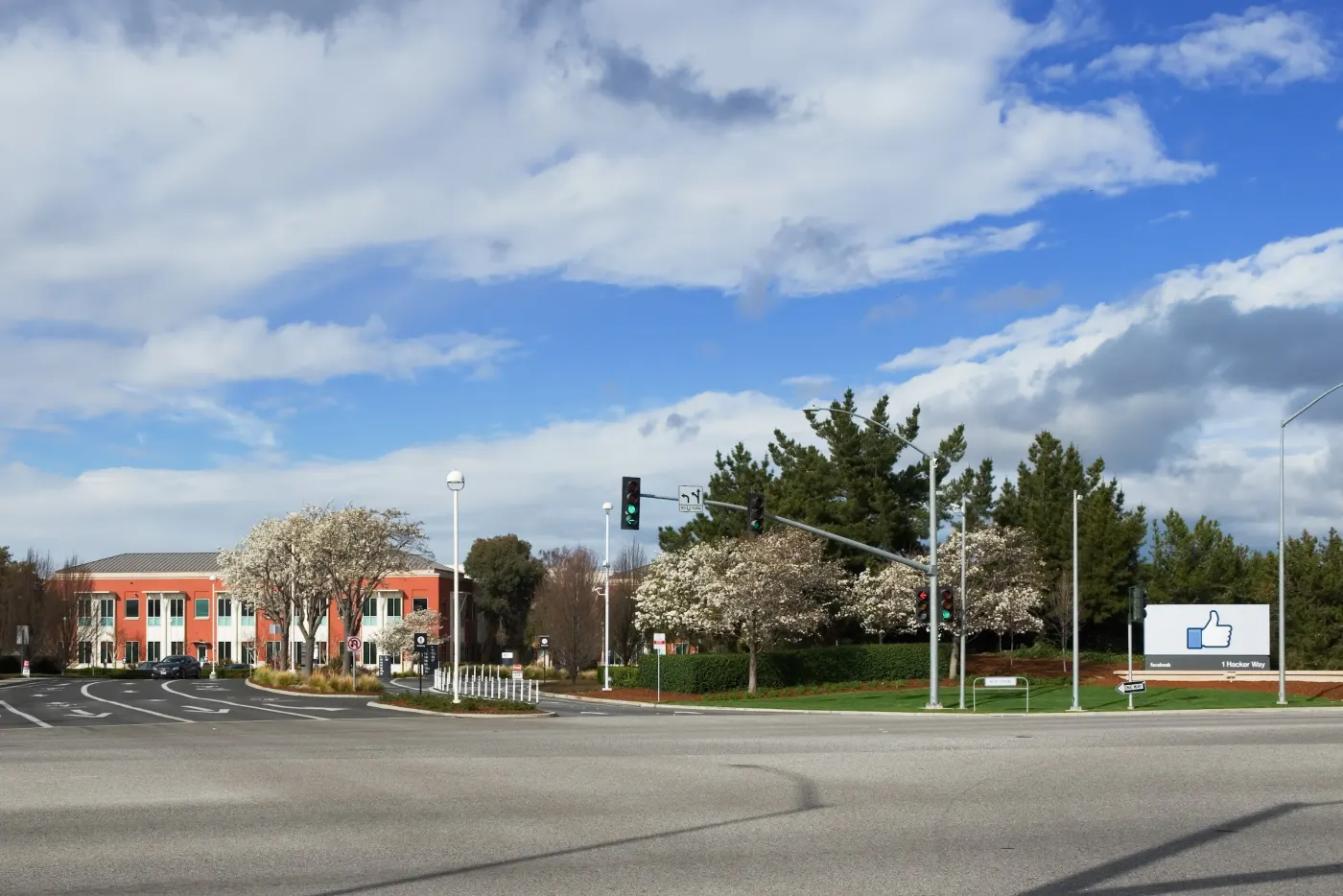
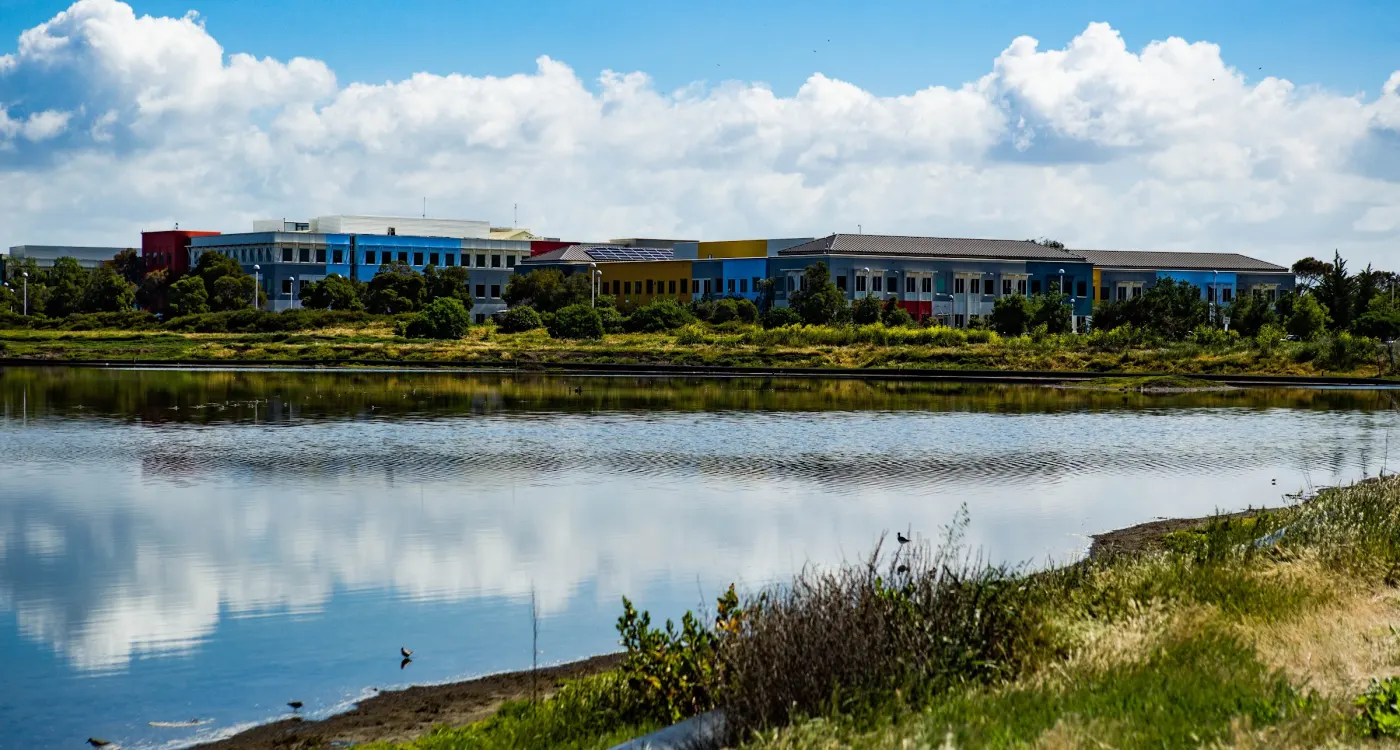
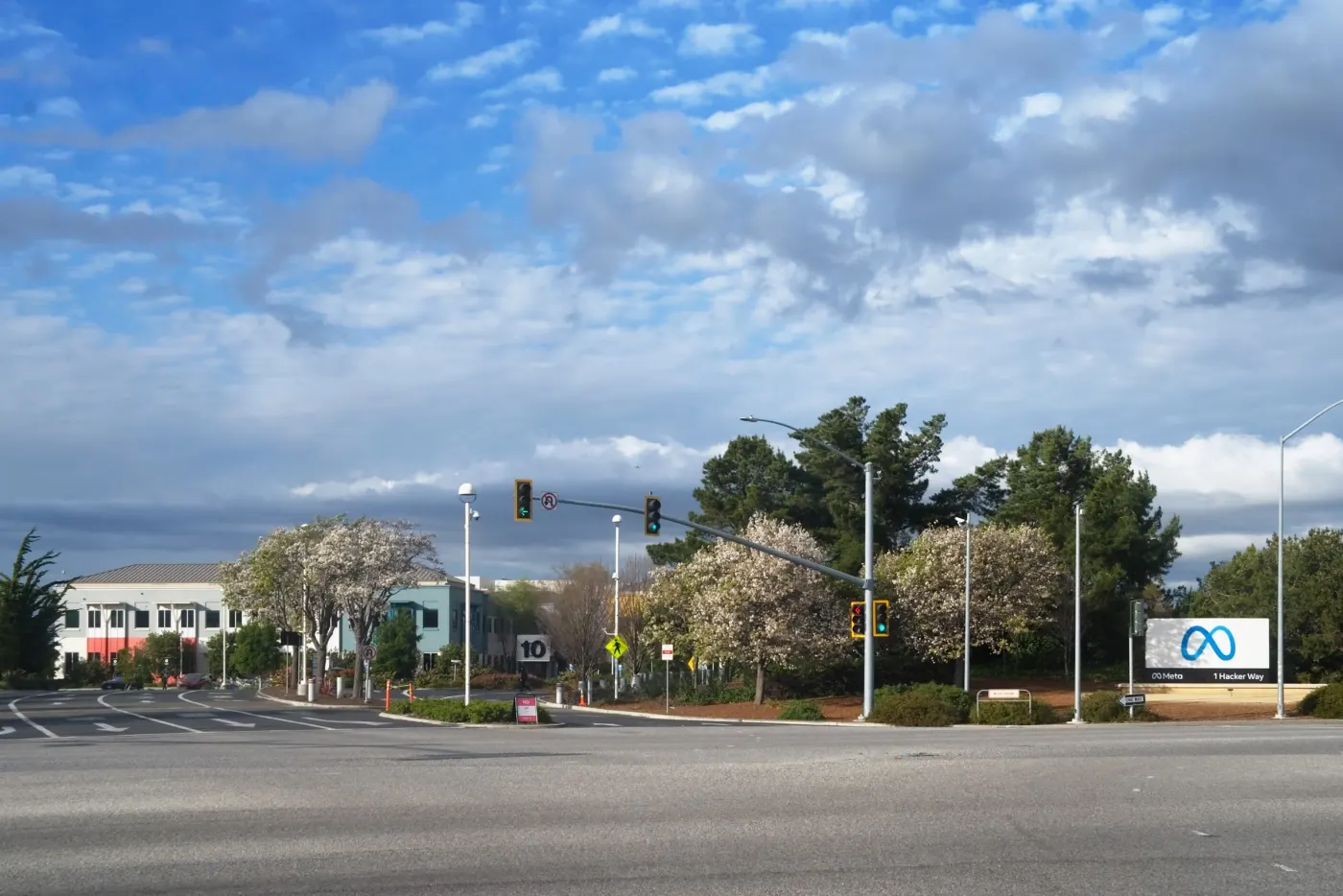
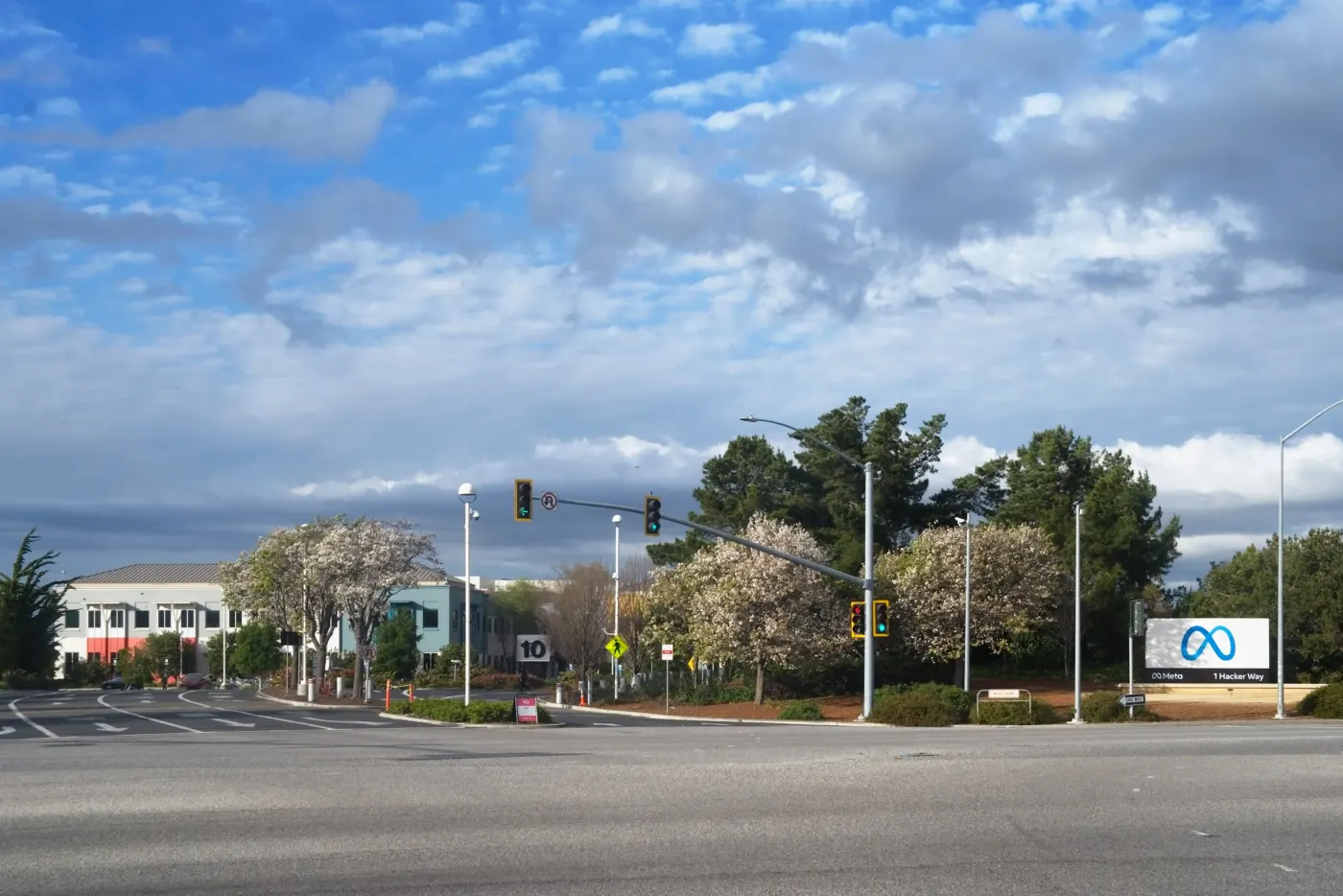
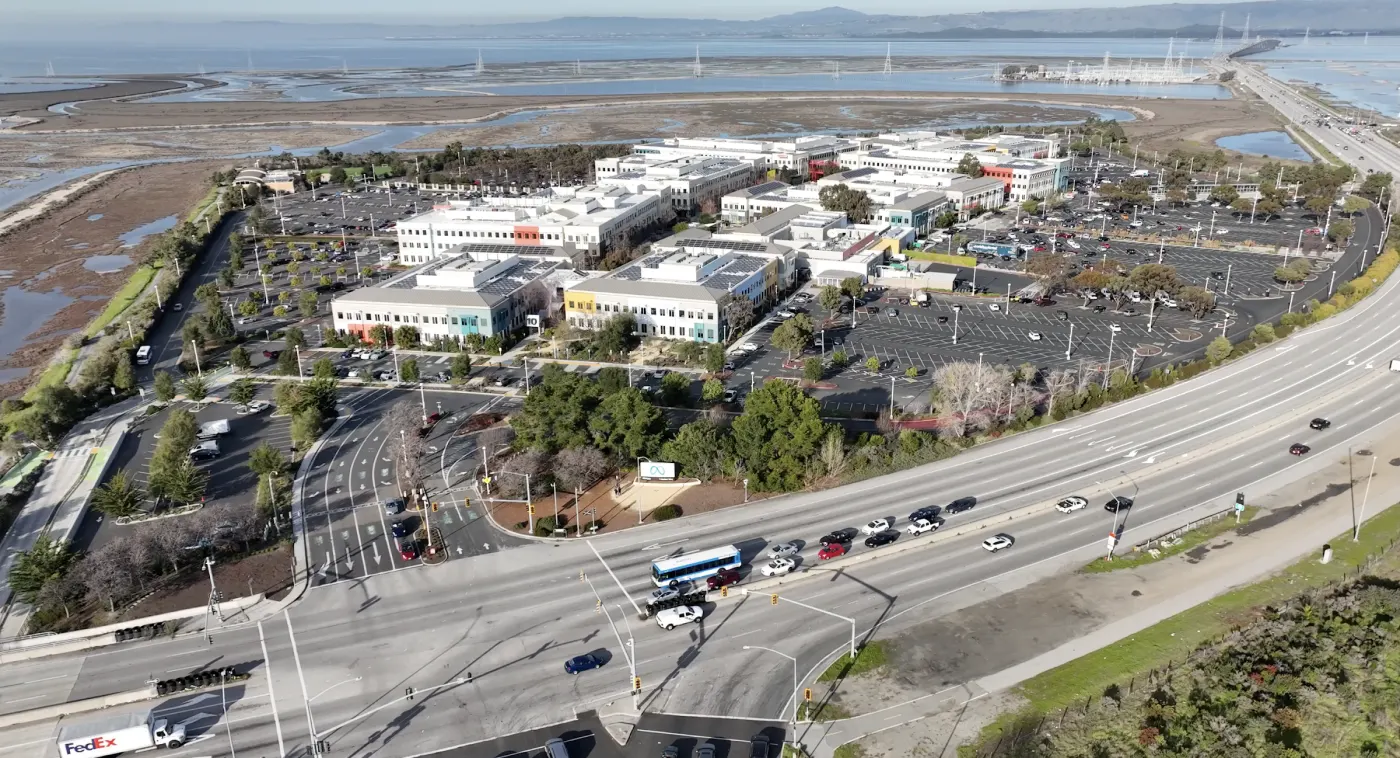
Walk near 1 Hacker Way and you feel a planned campus more than a normal office park. Bikes, shuttles, and badges mark a private city of product teams. Menlo Park absorbed Facebook's growth the way earlier decades absorbed chip makers and search companies. Local life changed. Global life changed more.
He once said the Hacker Way was about continuous improvement and openness. Openness met its limit when the data of hundreds of millions became a political weapon. Improvement met its limit when engagement metrics and safety metrics pulled in opposite directions. The slogans did not die. They got footnotes.
Acquisitions remain the quiet superpower. Instagram was not only a photo app. It was a generation. WhatsApp was not only messages. It was a global SMS replacement. Oculus was not only a headset. It was a claim on the next room after the phone. Even when Reality Labs lost money, it kept Meta in the conversation about what comes after glass slabs.
Competitors tried to copy the graph. Google+. Snapchat. TikTok. Twitter and then X. Some took years of youth attention. None fully replaced the combination of Facebook, Instagram, and WhatsApp under one owner. That combination is why Muse can be launched into an already inhabited world.
Regulators in the United States and Europe kept filing and fining. Antitrust cases asked whether buying Instagram was illegal foresight. Privacy fines asked whether consent was a joke. Zuckerberg paid, appealed, adjusted, and kept shipping. The company is too useful to many people to vanish, and too large for anyone to love without conditions.
He remains, for better and worse, the rare founder who did not hand the company to a professional CEO and walk into a foundation. The product is still his problem. The culture is still his problem. The next platform is still his problem. That continuity is why the documentary does not end. It only pauses between keynotes. The next pause will come when Muse either becomes a habit or becomes another expensive scar on the road to whatever comes after the phone. Either way, the graph he mapped in a dorm will still be the ground under his feet. Friendship was the first product. Attention was the business. Responsibility remains the unfinished feature, and unfinished features are what keep a founder writing code in public for twenty years. The code changed. The hunger to ship the next layer did not. That hunger is the documentary's true subject, more than any single app name on a phone screen or a pair of glasses in any country where the graph already lives today. And the map is still the empire.
Distribution is destiny, until trust becomes destiny.
Why the story matters
Zuckerberg's biography is a story about network effects and responsibility arriving late. A college directory became a town square, then a global media company that did not look like a newspaper. The wins were speed, scale, and product
intuition. The crashes were trust, regulation, and the human cost of feeds optimized for attention.
For builders, the lesson is double-edged. Move fast and you can create a habit the world adopts. Move fast without adequate safeguards and the habit can harm. Zuckerberg is still writing the middle of that lesson in public, with Meta's apps sitting in billions of pockets.
Picture a Harvard dorm printer humming while a new site goes live. Picture a young CEO turning down large buyout offers because he believed the social graph would be more valuable than a short exit. Picture a Senate hearing room where the same CEO answers questions about data that escaped into political consultancy hands. Picture a 2026 keynote where an agent named Muse is asked to be a friend, a clerk, and a programmer.
Those scenes show ambition, conviction, and consequence. Facebook and Meta connected relatives across continents and also amplified rumors at machine speed. Holding both truths is the adult version of the story.
His useful lesson is not "become a billionaire at 23." It is "understand what you optimize." If you optimize only for growth, growth arrives with shadows. If you redesign incentives later, you inherit users who learned habits under the old rules.
Stand in 2004 and the ending looks like a toy. Stand in 2026 and the beginning looks like destiny. Both feelings are traps. The real documentary is the middle: the feed people hated then needed, the IPO that wobbled, the mobile rebuild, the Instagram hedge, the hearing, the rebrand, the layoffs, the glasses, and a fortune that still lives as a slice of other people's attention.
That is the story. Not a clean myth.
A last scene belongs in the film. It is a kid in Dobbs Ferry writing code for the family. Then it is a dorm that cannot sleep because a site is spreading. Then it is a hoodie in a hoodie-hostile hearing room. Then it is a 2026 stage where glasses and agents are asked to replace the phone his company once had to chase.
The through-line is not the hoodie. It is the belief that mapping people is the master problem, and that whoever owns the map can build the next computer on top of it. Sometimes that belief looks like friendship. Sometimes it looks like a mirror too close to the face.
A long bet that mapped friendship, then had to answer for the map.
Watch alongside this story
Short cuts from interviews, keynotes and launches. Each plays only the moment that matters.