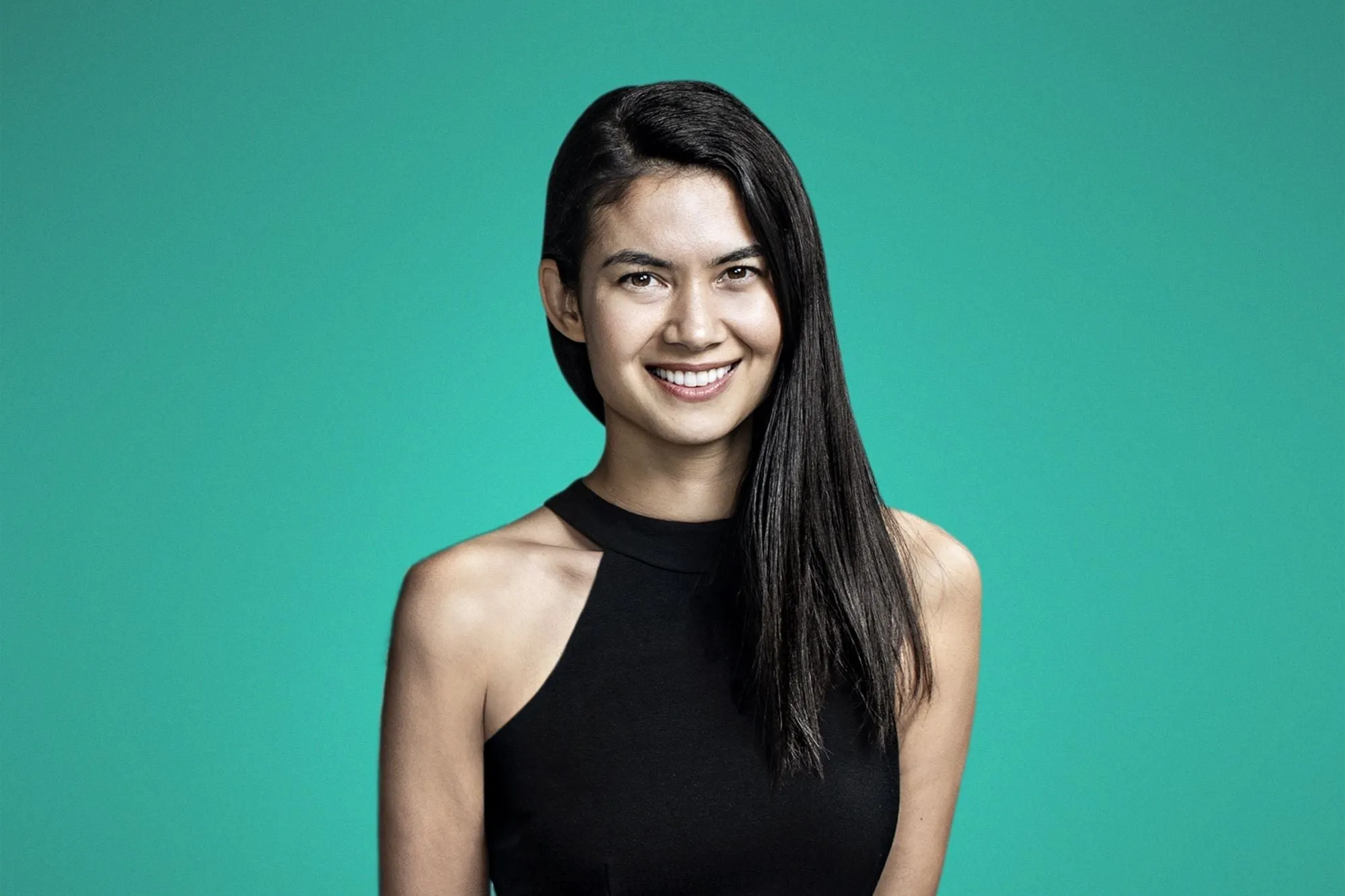
One Hundred Nos and a Drag-and-Drop World
She had three months on a San Francisco visa, a brash deck claiming the future of publishing, and a plan to find a technical co-founder before the stamp expired. Melanie Perkins was sleeping at her brother's place and emailing a venture capitalist named Bill Tai every few days with updates that sometimes led with kite surfing progress, because Bill Tai's world respected people who showed up on the water as well as on the whiteboard.
Years earlier she had been a Perth teenager who sold scarves, debated, figure-skated, and watched her teacher mother run a yearbook. Years later she would run Canva, a design platform used by hundreds of millions of people each month, a freemium engine that turned teachers, social media managers, students, and small businesses into daily publishers. Between those poles sat more than a hundred investor rejections, a yearbook company built with a mother's loan, a rebuild that nearly swallowed the young product, and a philosophy that design should not require priesthood credentials.
This is the documentary of how an Australian founder who never finished the last six months of university helped move visual communication from specialist software into everyday browser habits, and how she is navigating the AI cost storm of the mid-2020s without abandoning the democratization bet.
Perth, yearbooks, and the first product truth

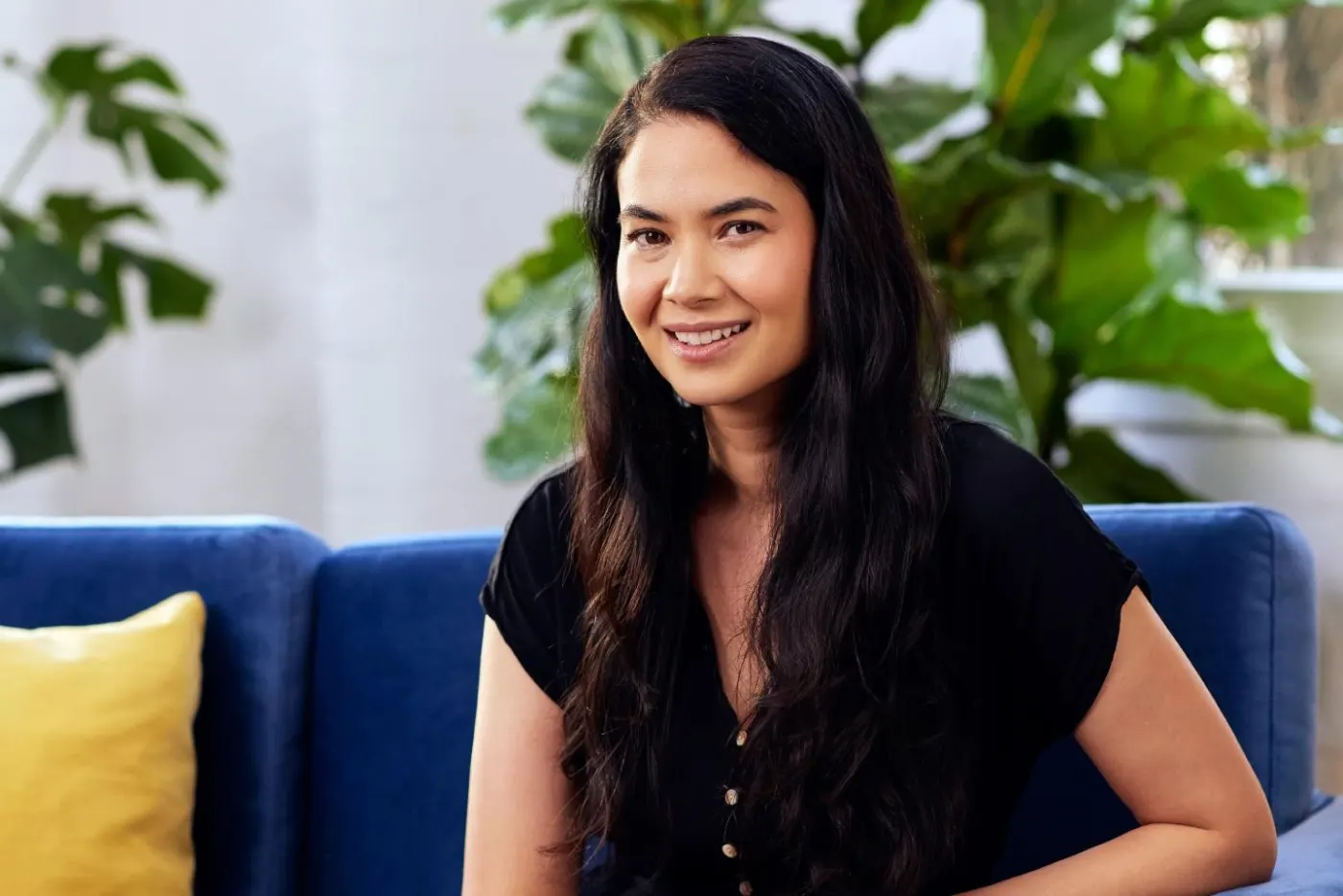
Melanie Perkins grew up in Perth, attending a large high school where grades mattered and her mother ran yearbook operations as a teacher. That household detail is not cute filler. It is the primal scene. Yearbook production is deadline panic plus amateur designers plus the need for templates that prevent disaster. Perkins saw students struggle with complex design tools. The pain was obvious if you were standing beside the printer.
With Cliff Obrecht, whom she met in her freshman year and who later became co-founder and husband, she built Fusion Books, a yearbook business that grew out of her mother's living-room scale into staff, trucks, pallets of paper, and ink-cartridge logistics. They borrowed on the order of fifty thousand dollars with family help, hired developers, celebrated a five-thousand-dollar tax rebate like oxygen, and learned printing the unglamorous way. A French school once sent a hundred-dollar check that felt so real they wondered whether to cash it or frame it. That is what early business joy looks like when you are not yet a unicorn.
Fusion taught them operations, customer intimacy, and the insight that non-designers still need to design. Canva would be that insight expanded from yearbooks to the entire internet.
Silicon Valley: visas, kite surf, Bill Tai
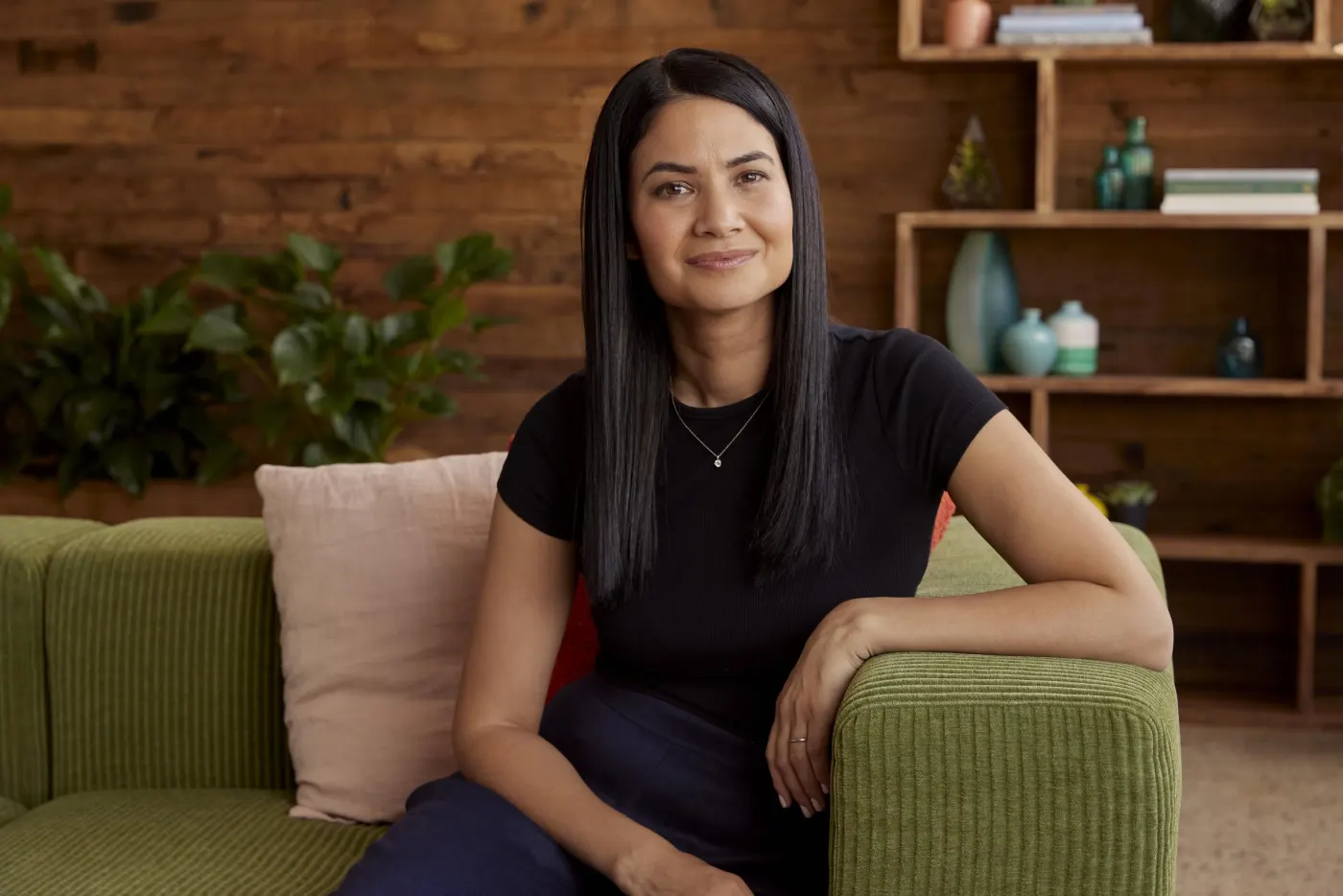
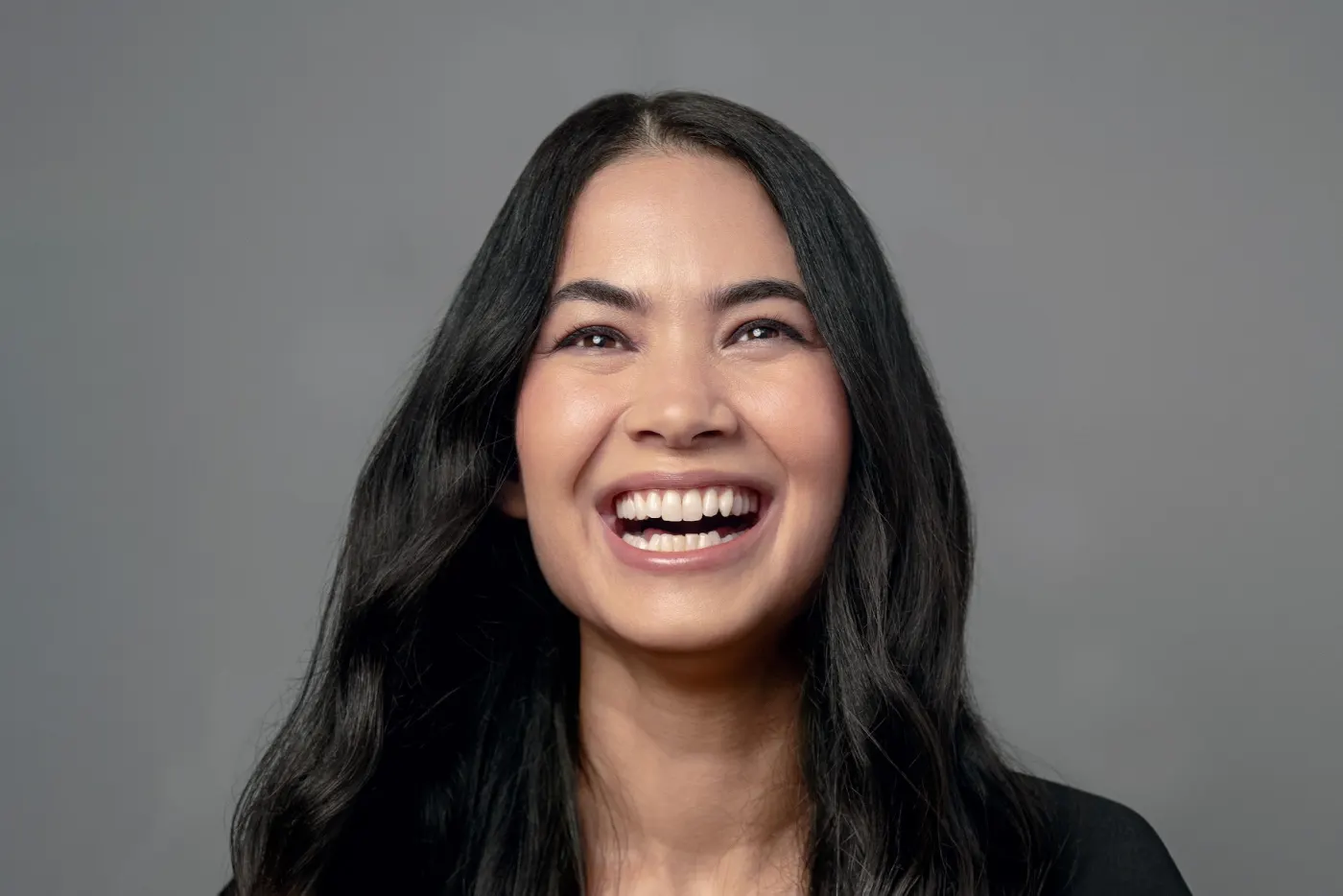
Perkins and Obrecht went to San Francisco hunting a technical co-founder and capital. They were Australian outsiders in a town that often treated geography as destiny. Bill Tai, a kiteboarding venture capitalist, became the hinge. Perkins learned kite surfing partly as relationship strategy, a literal willingness to enter the investor's habitat. Tai introduced her into a network that could take Australian ambition seriously.
They refined the pitch after every rejection. More than a hundred investors said no. Each no became a deck revision. Rejection was not a verdict. It was a product development cycle for the story itself. Eventually capital arrived in structures that mattered beyond cash, including terms that helped them keep building with Australia as a base rather than surrendering location as a precondition of seriousness.
Cameron Adams joined as a technical co-founder. The trio aimed at a browser-based design tool with beautiful templates, fonts, photos, and later video, so a person without Photoshop fluency could still make something that looked intentional.
Canva launches: templates, monkeys, and viral teachers
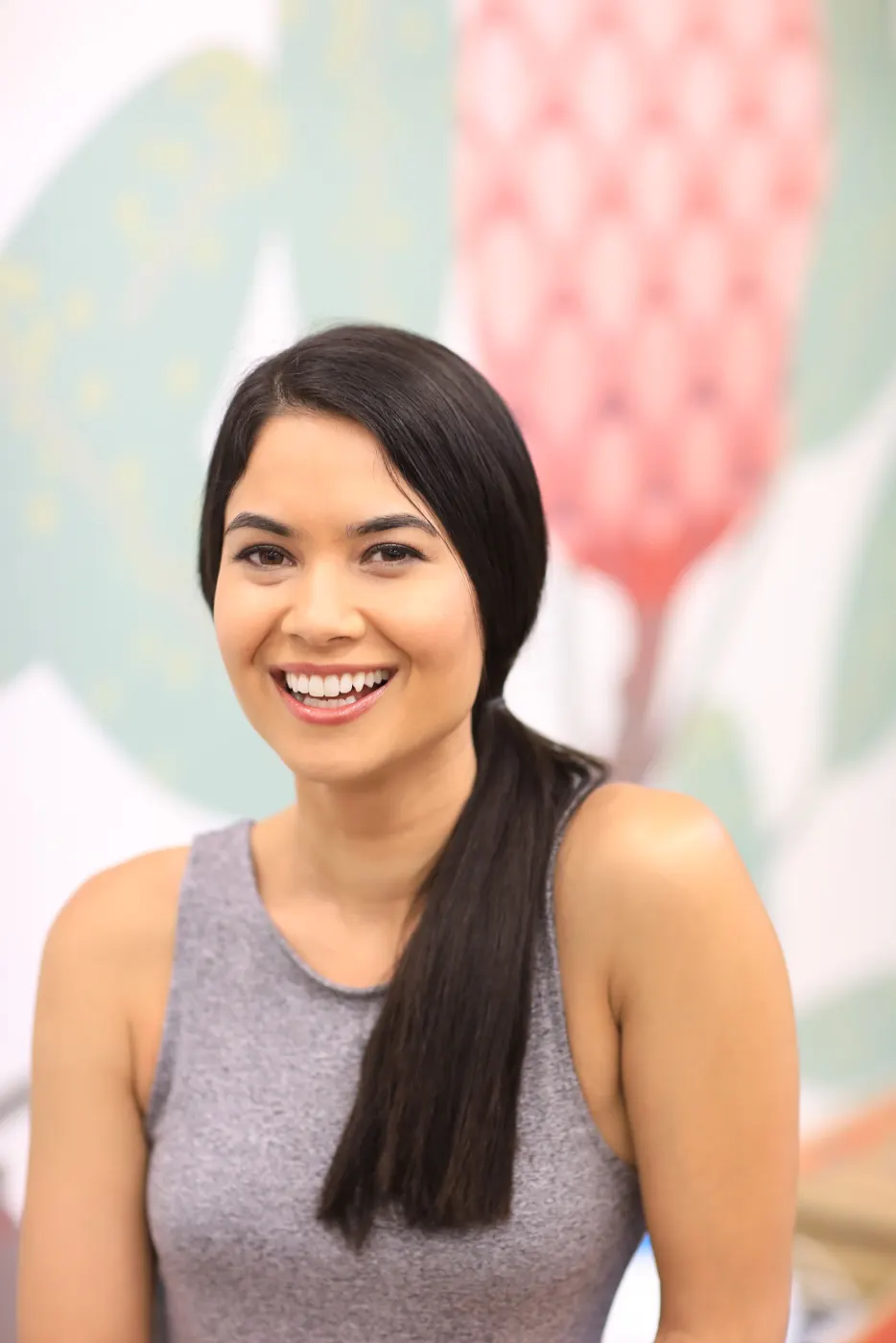
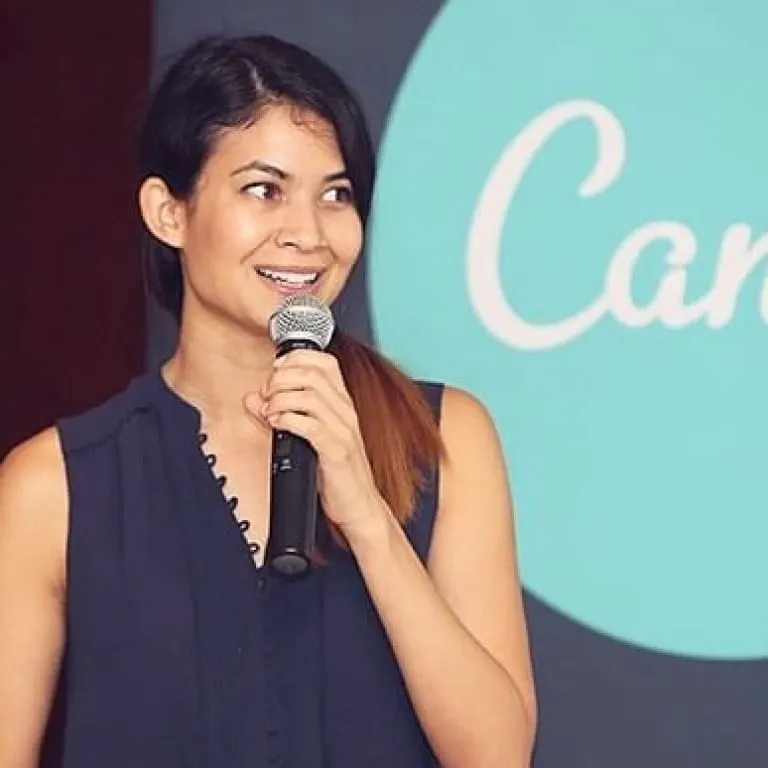
Canva launched in 2013. Early growth leaned on social media marketers and educators, people who had to publish constantly without being trained designers. The product taught with play. Perkins described starter challenges that made onboarding feel like a game: drag, drop, put a hat on a monkey, change a color, feel competent in minutes. Fear of the blank page is a distribution problem. Gamified templates are a solution.
Organic growth did heavy lifting. Investing in a generous free tier made users into evangelists. Teachers told teachers. Marketers told marketers. The flywheel was not only ads. It was relief. When a tool removes embarrassment, people share it.
Under the hood, scale demanded a rewrite. Early architecture could only handle a handful of people in the editor at once. What they hoped might be a six-month investment became roughly two years of rebuilding Canva from the ground up while users still expected the product to feel alive. That rebuild is a classic near-death that does not look like a press-ready crisis. It looks like engineers eating calendar while the founder keeps morale and roadmap from tearing.
Scaling a design democracy

Monthly active users climbed through the millions, then tens of millions, then into the hundreds of millions. Teams at major companies paid for seats. Fortune 500 penetration became a sales proof point. Non-English markets surprised even the founders with how universal visual communication hunger was. Canva localized and localized again because creativity was not an English-only subscription.
The company raised famous rounds, including interest from major Silicon Valley firms after the early skepticism. Valuation headlines arrived. Employee share sales created wealth events without a traditional IPO. Perkins and Obrecht pledged to give more than eighty percent of their stake to the Canva Foundation over time, attempting to hardwire philanthropy into the cap table story rather than treat it as a late epilogue.
Current achievements: valuation weather and the AI cost wall
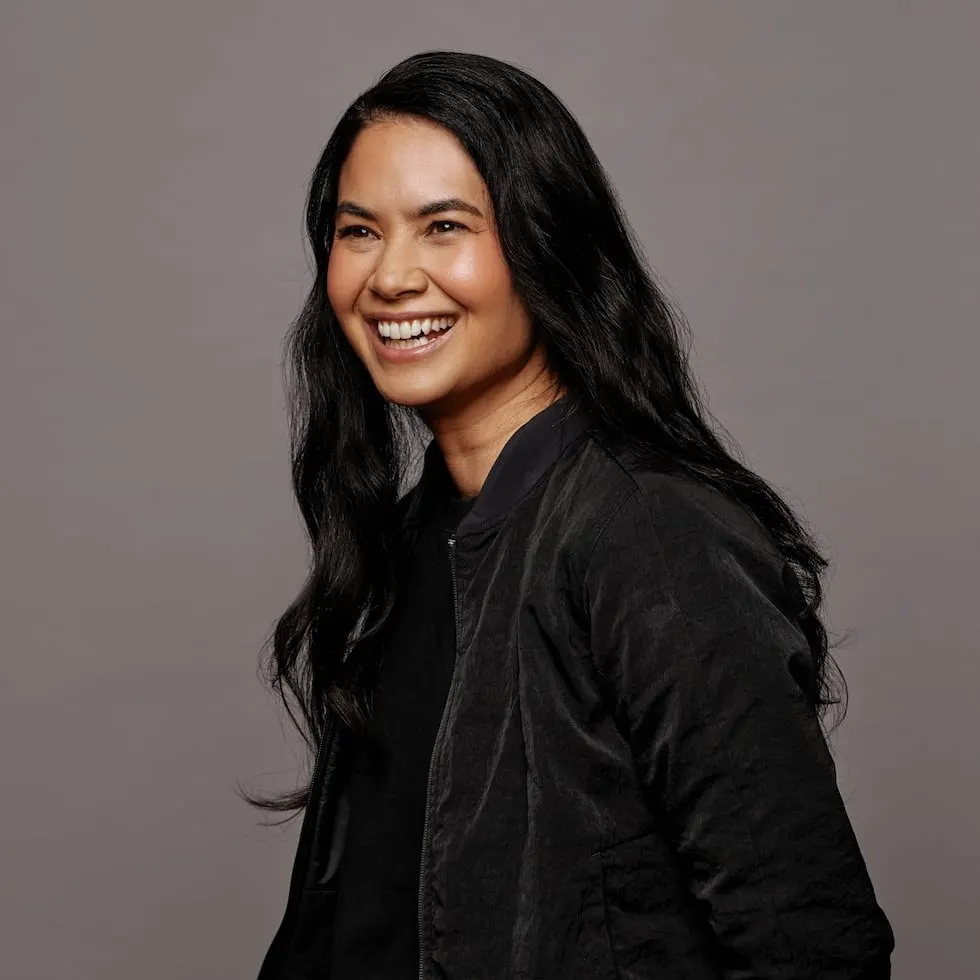
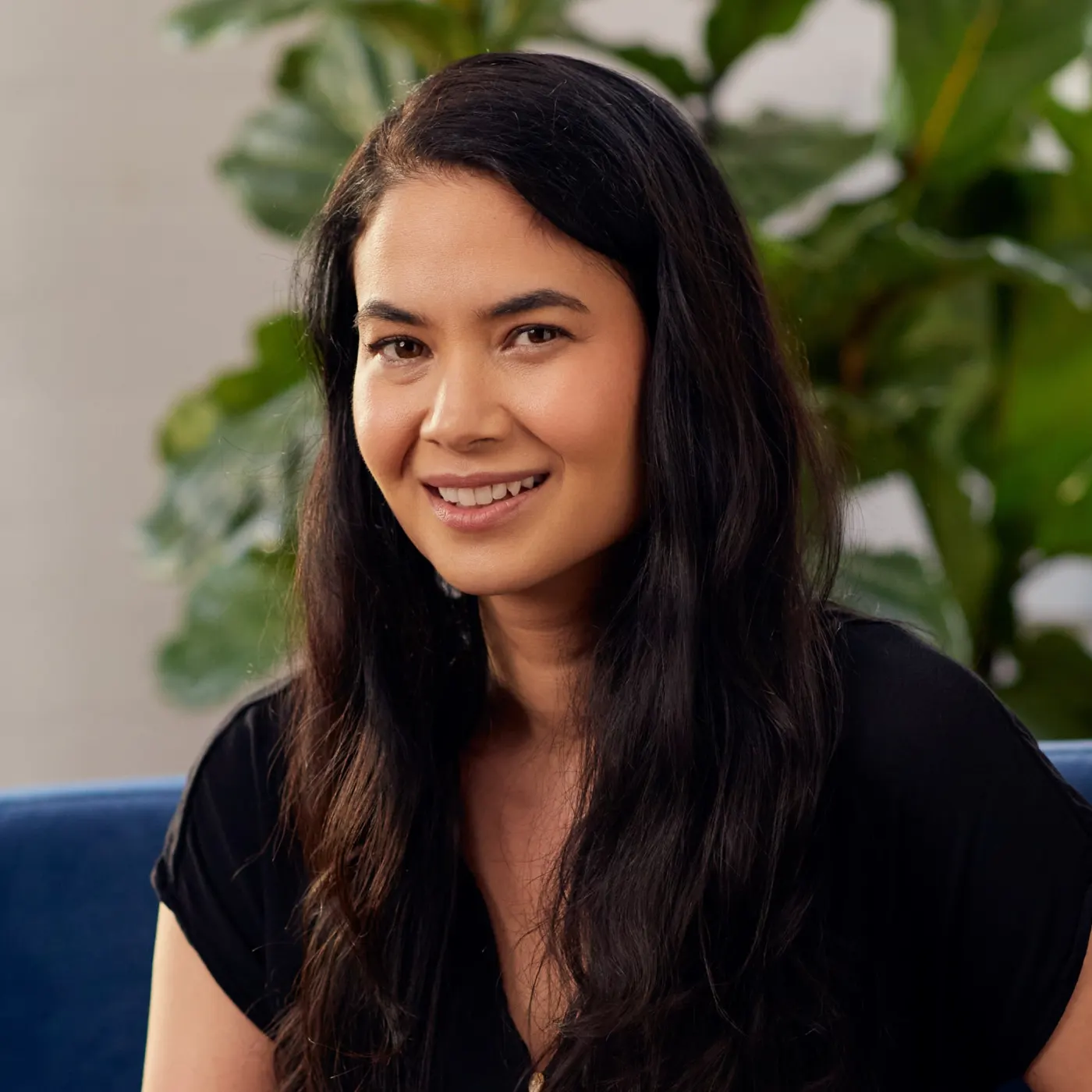
As of 2025-2026, Canva sits in a complicated adulthood. Private investors marked the company around $42 billion in an August 2025 employee share-sale narrative, with Perkins's personal fortune estimated in the multi-billion range on roughly an eighteen percent stake, shared in spirit with Obrecht's similar holding. Then the AI era billed came due. Demand for new AI features exceeded expectations, but the cost of running frontier-model tasks threatened unit economics. Rather than fake a broad rollout, Perkins publicly described slowing the launch, rebuilding architecture, and driving down cost per AI task dramatically, on the order of ~90% reductions from early peaks according to her comments to business press.
By August 2026, backers such as Blackbird and Airtree had marked Canva lower, around the mid-thirty-billion range, while internal valuations used for staff shares were reported near roughly $31 billion. Revenue remained multi-billion annualized with strong paid seats, yet growth guidance cooled as the company balanced AI investment against profit. IPO timing stayed flexible. With substantial cash on the balance sheet, leadership argued they could wait for markets and economics to make sense.
This is current achievement as adult management. The same founder who gamified a monkey hat challenge now has to gamify GPU spend. World-class product taste is incomplete without cost curves. Perkins's willingness to delay gratification on an AI launch is continuous with the Fusion years: do not ship a fantasy that operations cannot survive.
World impact: what actually shifted
Canva changed who is allowed to look professional in public. Before widespread Canva adoption, many small organizations outsourced flyers, social posts, and presentations or accepted clumsy results. After Canva, a teacher in Manila, a pastor in Nairobi, a startup in São Paulo, and a student in Perth could produce coherent visual language in a lunch break. That is soft power with hard consequences: more messages in the world, more campaigns, more classroom materials, more indie brand identities.
It also pressured the design software aristocracy. Complex professional tools still matter for specialists. But the center of gravity for everyday design moved toward templates, lockups, and collaborative browsers. Adobe and others had to answer a market that suddenly expected ease. "Design democracy" is a slogan until you measure hundreds of millions of monthly actives. Then it is infrastructure.
Labor markets shifted too. Some commodity design tasks compressed. New roles appeared around Canva power users, brand kit librarians, and template strategists. Education systems quietly standardized on tools students already use at home. That is institutional impact without a government mandate.
How she works
Perkins iterates pitch and product with the same muscle. She stays close to customer embarrassment points. She uses just-in-time learning rather than waiting for perfect credentials. She still talks about wanting to finish those last university months someday. She builds with Cliff as a long partnership that began before the myth. She treats Australia as a feature when investors call it a bug. She invests in free product as marketing that also is mission. She will enter an investor's weird habitat, even kite water, if that is where trust lives.
Failures, nos, and almosts
A hundred investor rejections. A two-year rebuild. Geographic skepticism. The ongoing risk that AI giants could commoditize design generation and squeeze Canva's differentiation. Valuation markdowns that test employee morale. She has said hard years out loud rather than pretend unicorns never feel gravity. That candor is part of the documentary truth.
Closing beat
Picture a yearbook desk in Perth. Picture a hundred-dollar check from France. Picture a kiteboard session performed as due diligence. Picture a monkey with a hat teaching a stranger to drag and drop. Picture a CEO delaying an AI rollout because the cost curve is honest. Picture two hundred million people making something that used to require permission.
Melanie Perkins did not abolish professional design. She abolished the idea that you needed permission to begin. That is the world she shifted, one template at a time.
Scarves, debate, figure skating
Before Canva, Perkins sold scarves and competed in arenas that reward composure under eyes. Debate trains argument under pressure. Those muscles reappeared in investor rooms. Perth's distance from Silicon Valley became chip and charm at once.
The hundred-rejection forge
Each no refined the deck. Australian GPS coordinates stopped being disqualifying when metrics sang. Bill Tai's kite network was a bridge, not a fairy godmother. She still had to cross it with product.
Freemium as moral and growth technology
A strong free tier made Canva a habit before it was a invoice. Teachers became missionaries. That is world impact as pedagogy: visual literacy without tuition.
Deep documentary chapters for Melanie Perkins
Mother's living room to Sydney scale
Fusion Books taught print logistics. Canva taught cloud logistics. The throughline is empathy for non-experts under deadline. Yearbook night and Instagram morning are cousins.
She kept Australia central when investors wanted relocation as loyalty test.
Enterprise seats and Fortune 500 quiet
Consumer virality opened the door. Team plans and enterprise seats paid for the castle. Design democracy still needs invoices.
AI features now sit on that monetization spine, carefully costed.
Pledge mathematics
Promising over 80 percent of founder shares to a foundation while valuations swing is a living commitment. Dollar meaning moves. Intention is the current public claim under test.
The long echo of Canva
Years after the first breakthrough, strangers still organize their habits around systems Melanie Perkins helped normalize. That is the quiet definition of world impact. Not a trophy case. A changed default. When defaults change, children grow up assuming the new normal was always there. The biography's job is to show the seam where the old normal tore.
Final documentary braid: life, company, world
Return to the first image of Melanie Perkins. Hold it beside the latest image. Between them sits a chain of decisions that looked reversible in the moment and became destiny in hindsight. That is how founder stories actually work. Nobody feels historic while answering email. Historic is what the accumulation becomes when strangers rearrange their lives around Canva.
Consider the customer of year one. Their problem was specific and maybe small. Consider the customer of year fifteen. Their problem is now entangled with millions of other customers, with regulators, with competitors, with employees who need healthcare and meaning. Melanie Perkins had to grow the size of the problem they were willing to be responsible for. Some years they succeeded. Some years they outsourced conscience to teams and hoped. All of that belongs in the record.
World impact, restated without trophy grammar, is this: everyday people publishing visual work without specialist priesthood. Measure it in changed habits, changed shelves, changed apps, changed expectations of what a normal person can demand. Measure it also in harms and critiques that only exist because the thing scaled. Power creates its own opposition. That opposition is part of the biography, not an annex.
Money entered as constraint, then as accelerant, then as scoreboard strangers argue about. Latest wealth estimates move with markets and private marks. They are weather reports, useful and incomplete. The more stable signal is institutional: labels, channels, platforms, foundations, trusts, product lines that continue when the founder sleeps or dies.
If you are reading this to copy a life, do not copy lifestyle. Copy the refusal pattern. Find a broken default. Build a fix people can touch. Survive the years when nothing photogenic happens. Share credit with the people who carried water. Tell the truth about costs. Then let the work become climate for someone who will never learn your name.
That is the documentary ending Melanie Perkins earns: not applause that ends, but a shifted world that keeps going.
One more camera hold
Stay in the room where the first real yes happened. Not the mythologized yes. The awkward one. Maybe a buyer nodded. Maybe an engineer shipped. Maybe a parent signed a loan. The air still smelled like uncertainty. That room is the true headquarters of the biography. Everything afterward is amplification.
Now jump to a recent year. The problems are richer and colder: governance, succession, cost curves, public narratives that refuse to stay flattering. The founder who can remain curious here, not only defensive, extends the arc beyond highlight reels. Curiosity under scrutiny is a current achievement even when markets are loud.
Finally imagine a user who will never read this document. They open the app, buy the garment, watch the channel, swipe the profile, design the flyer, hear the song that funds the company. Their Tuesday improves by a little. Multiply by millions. That multiplication is the only world impact metric that never lies.
Stewardship notes for the present tense
The present tense of a founder story is rarely a fireworks frame. It is maintenance, argument, mentorship, and the humility to let operators improve what the founder can no longer micromanage. It is also the courage to keep a public standard when nostalgia would be easier. Wealth estimates and title changes will keep moving. The stewardship question stays: does the original useful rebellion still live inside the institution, or did success sand it away?
For readers in 2026, that question is the practical takeaway. Copy the rebellion that still serves users. Retire the habits that only served the founder's ego. Build the next default with open eyes about scale's moral weight.
Watch alongside this story
Short cuts from interviews, keynotes and launches. Each plays only the moment that matters.