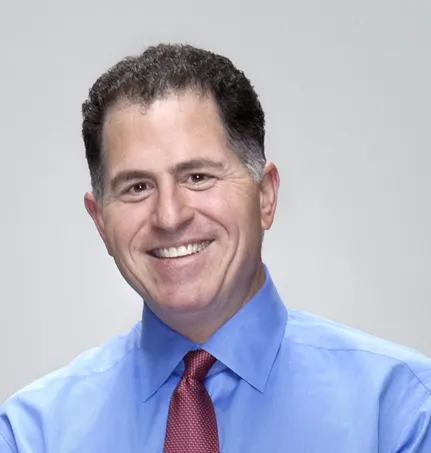
The Dorm Room Was Too Small
A UT freshman sold upgrades from a condo. The direct model shook PC giants. In 2026 AI servers remade his fortune again.
The dorm room was not big enough.
Hard drives, memory chips, and phone orders piled up around a University of Texas freshman who was supposed to be studying medicine. Customers wanted better PCs for less money. Retail stores added cost. He wondered why a buyer could not order a machine built to order, direct from the person who made it.
His name is Michael Dell. With $1,000 and a direct-sales idea, he started a company that grew from PC's Limited into Dell Technologies. He became one of the most important builders in personal computing, then reinvented the firm for a new era of servers, storage, and IT services.
This is the story of a Houston teenager who turned a dorm hustle into a global technology company.
Where he came from
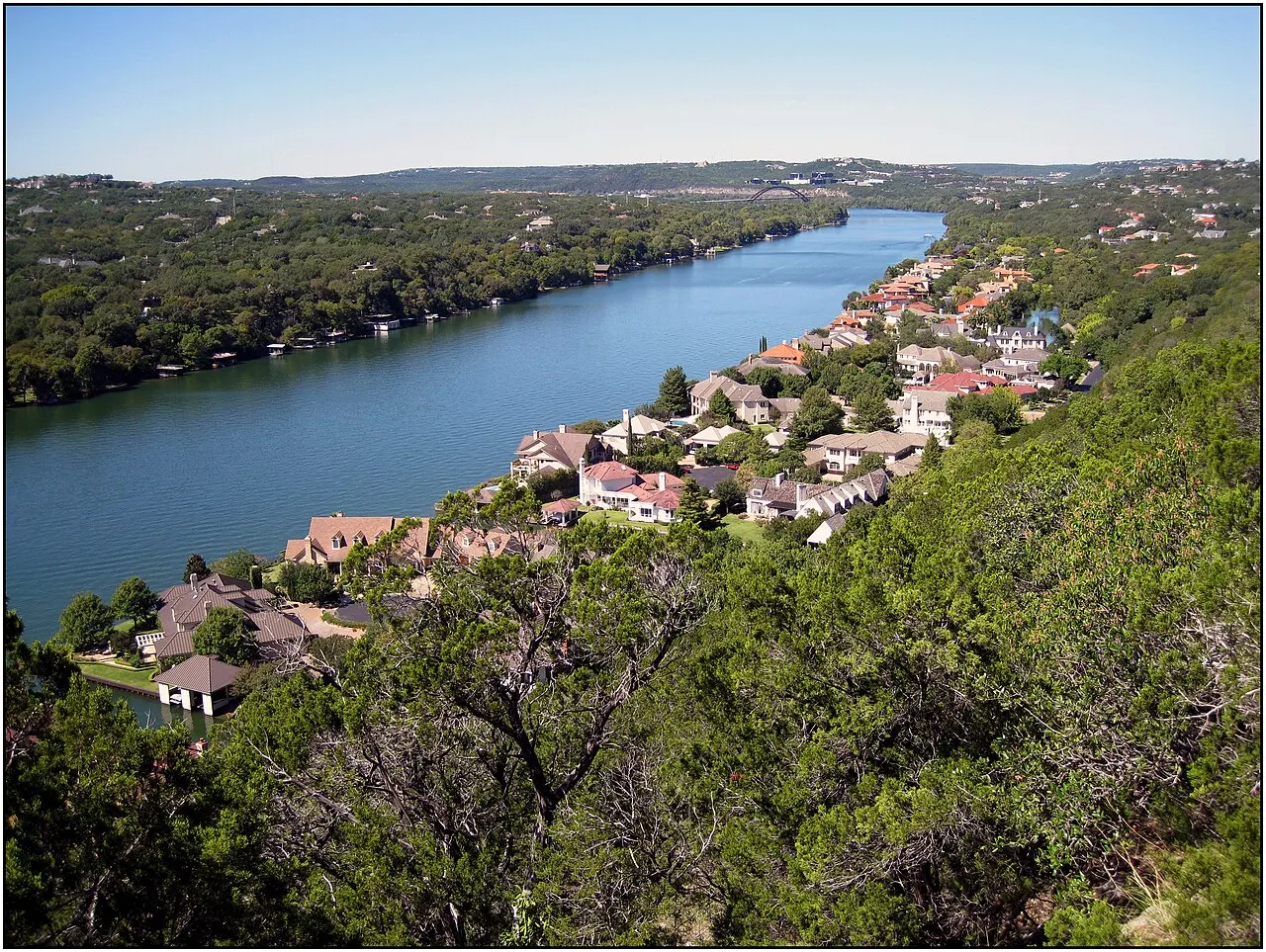
Michael Saul Dell was born on February 23, 1965, in Houston, Texas. He grew up in a Jewish family. His father was an orthodontist. His mother worked as a stockbroker. Dinner-table talk mixed professions, numbers, and ambition.
As a boy he showed an early interest in business and gadgets. In high school he sold newspaper subscriptions with unusual focus, earning serious money for a teenager by targeting likely customers instead of wasting effort. Cause and effect was already his style: find the buyer, remove waste, scale what works.
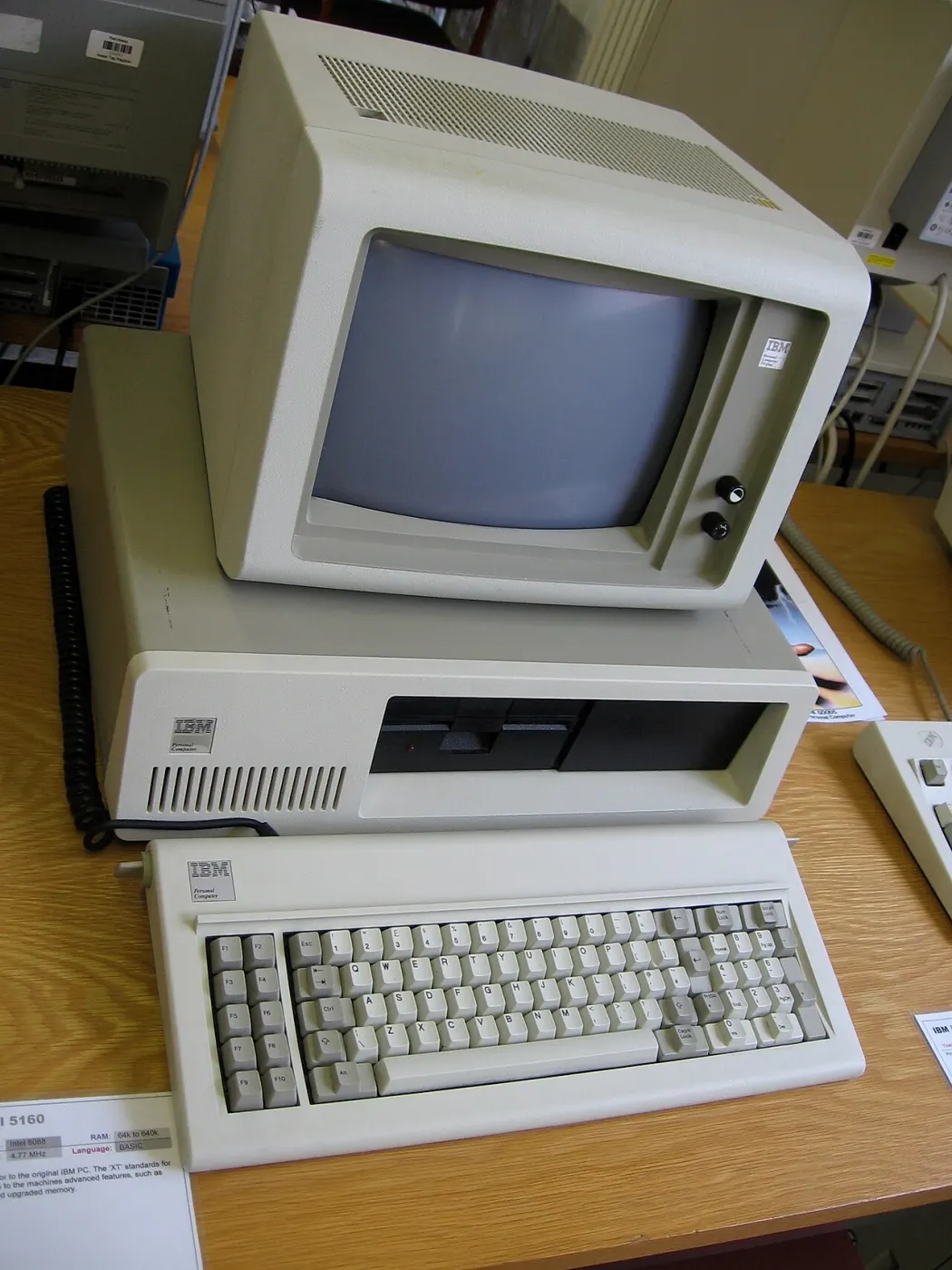
Computers caught him at the perfect historical moment. The IBM PC arrived in 1981 and opened a huge market for compatible machines and upgrades. Early PCs often shipped with little memory and no hard disk by later standards. That gap was an opportunity hiding in plain sight.
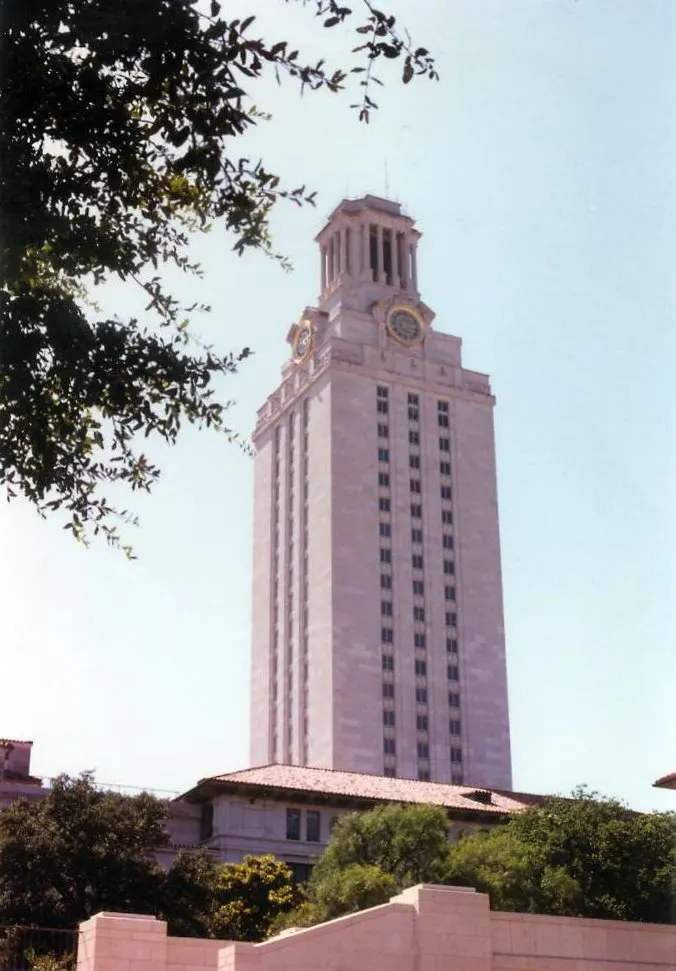
Michael headed to the University of Texas at Austin in 1983, planning a pre-med path. Austin was growing. The university buzzed. So did the personal computer wave. Medicine stayed on the forms. Computers took over the calendar.
The spark in a dorm and a condo
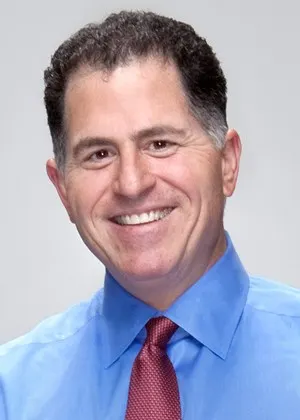
As a freshman, Michael began assembling and selling upgrade kits. Memory. Hard-disk kits. Improvements people needed right away. He operated at first from Dobie Center, then moved into a larger apartment with taller ceilings so boxes could stack like a tiny warehouse.
He got a vendor's license so he could bid on government computing contracts. He learned that businesses and agencies wanted reliable machines and fair prices. Phone orders beat waiting for a retail shelf.
In January 1984 he registered PC's Limited with about $1,000. In May 1984 the business was incorporated as Dell Computer Corporation, doing business as PC's Limited. A lawyer helped with paperwork in exchange for a hard-drive upgrade, according to Michael's later recollections. Even the founding story is a barter loop: skill for skill, product for service.
By the second half of freshman year, sales were already large for a student project. His parents wanted him to stay in school. They made a deal: take time off, and if the business failed, return to class. The University of Texas allowed a pause. The business did not fail.
How Dell started and scaled
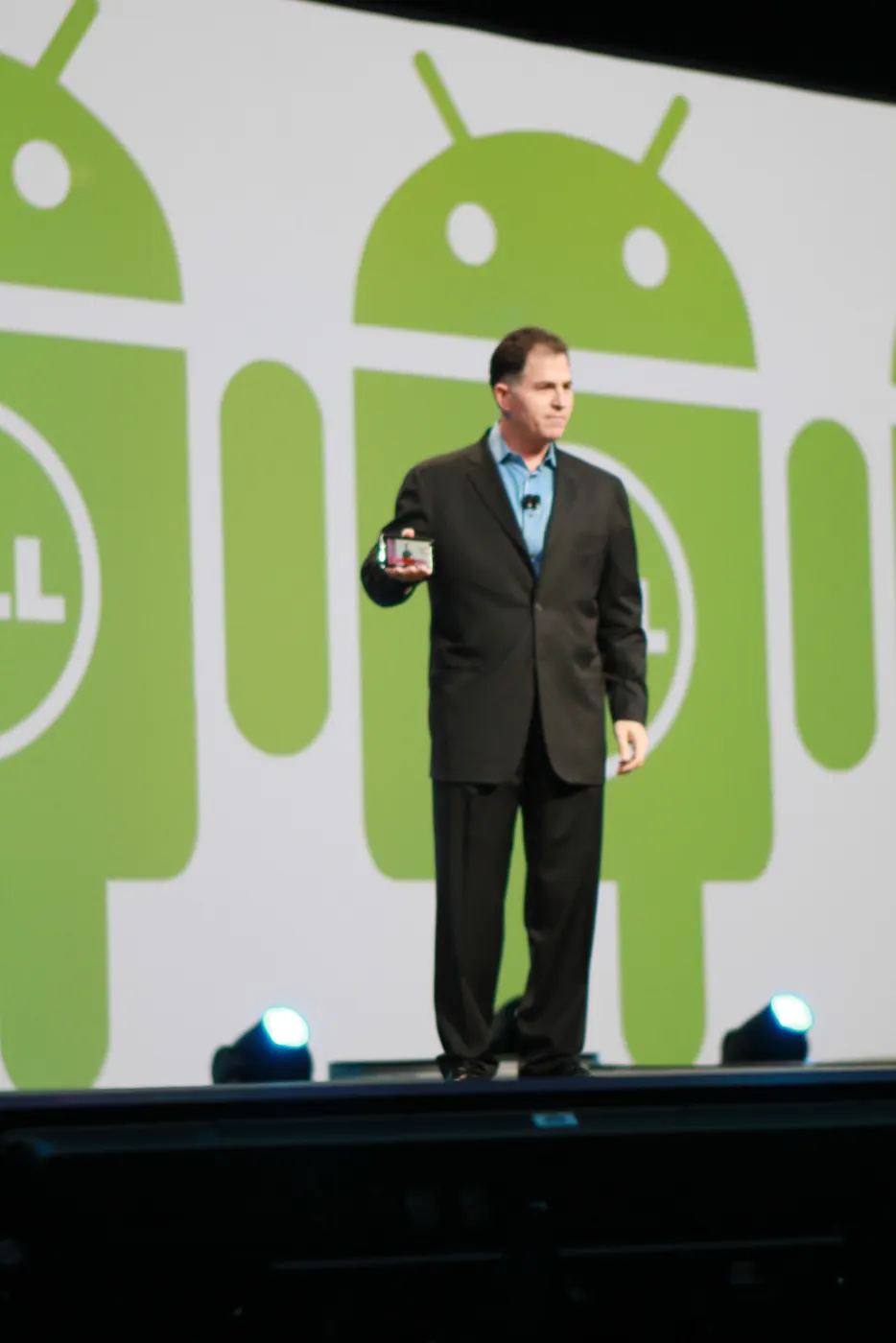
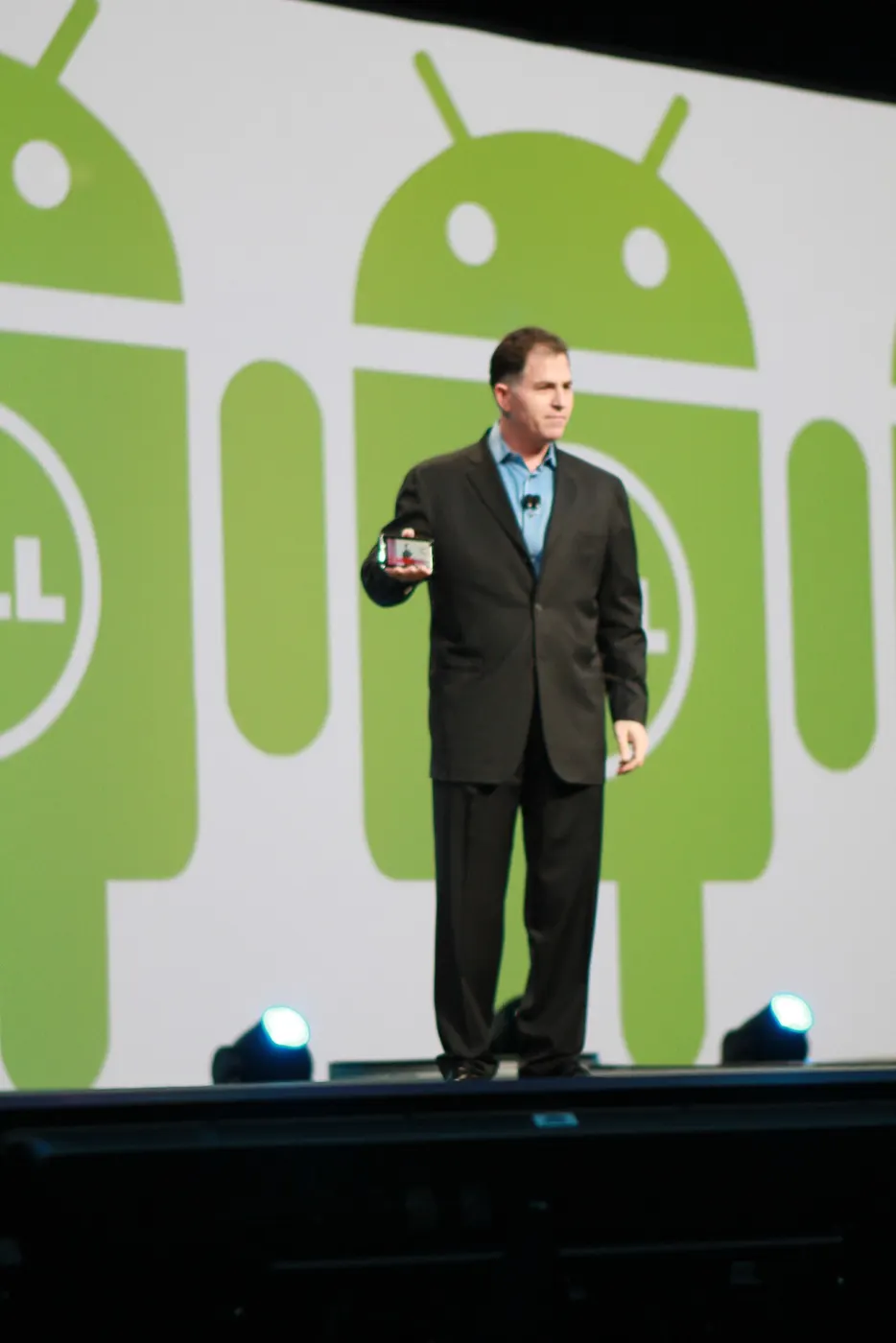
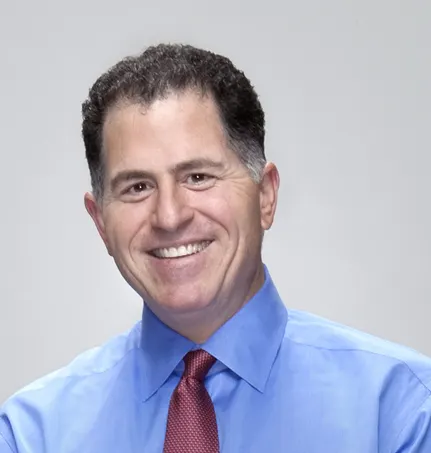
Michael left school after freshman year to run the company full time at nineteen. The model was clear. Build computers to order. Sell direct to customers by phone and later online. Skip retail markups. Keep inventory lean. Pass savings to buyers. Support them after the sale.
In 1985 the company launched the Turbo PC and kept expanding catalogs and services. Sales jumped from millions to tens of millions within a few years. Manufacturing moved into larger Austin facilities. In 1987 the company took the Dell name more fully as Dell Computer Corporation and opened international paths, including a sales office in Britain.
In 1988 Dell went public. Growth continued at a pace that stunned older computer makers. In 1992, when Dell entered the Fortune 500, Michael was only twenty-seven. Age did not matter as much as the system he had built: listen to customers, configure machines to fit, deliver fast, support hard.
The direct model created a data advantage too. Every order taught Dell what customers wanted now, not what a store guessed last season.
What they built
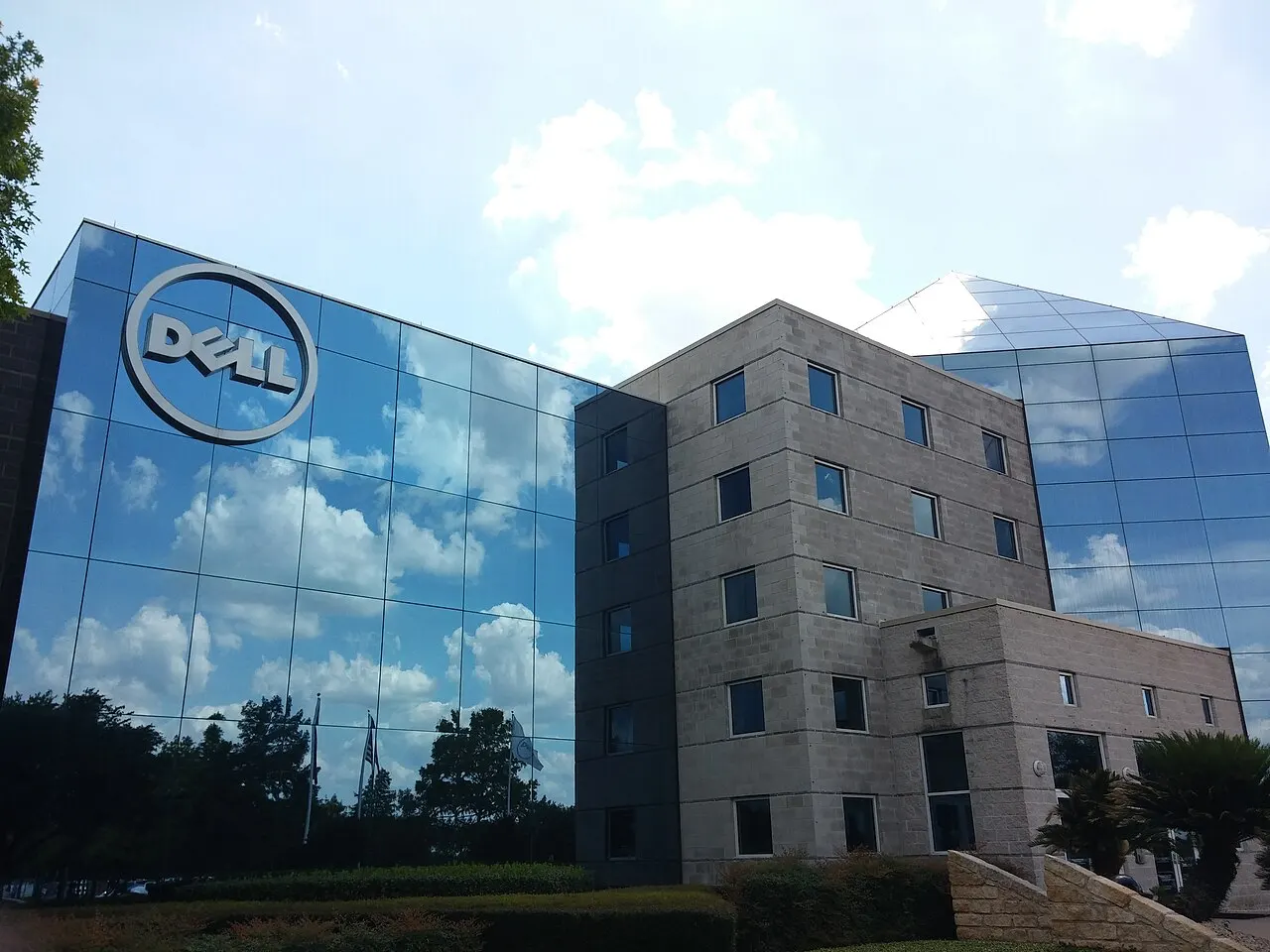
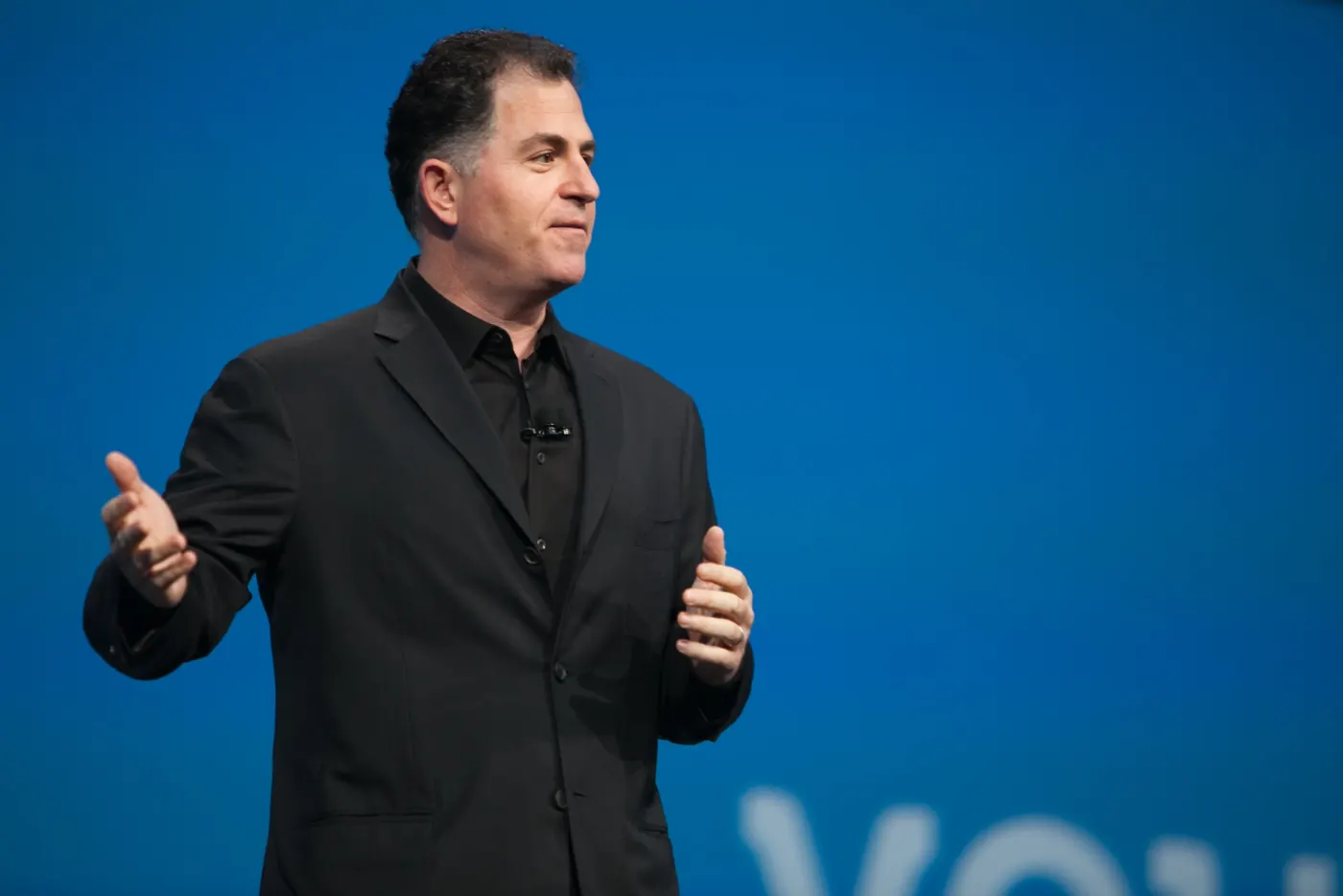
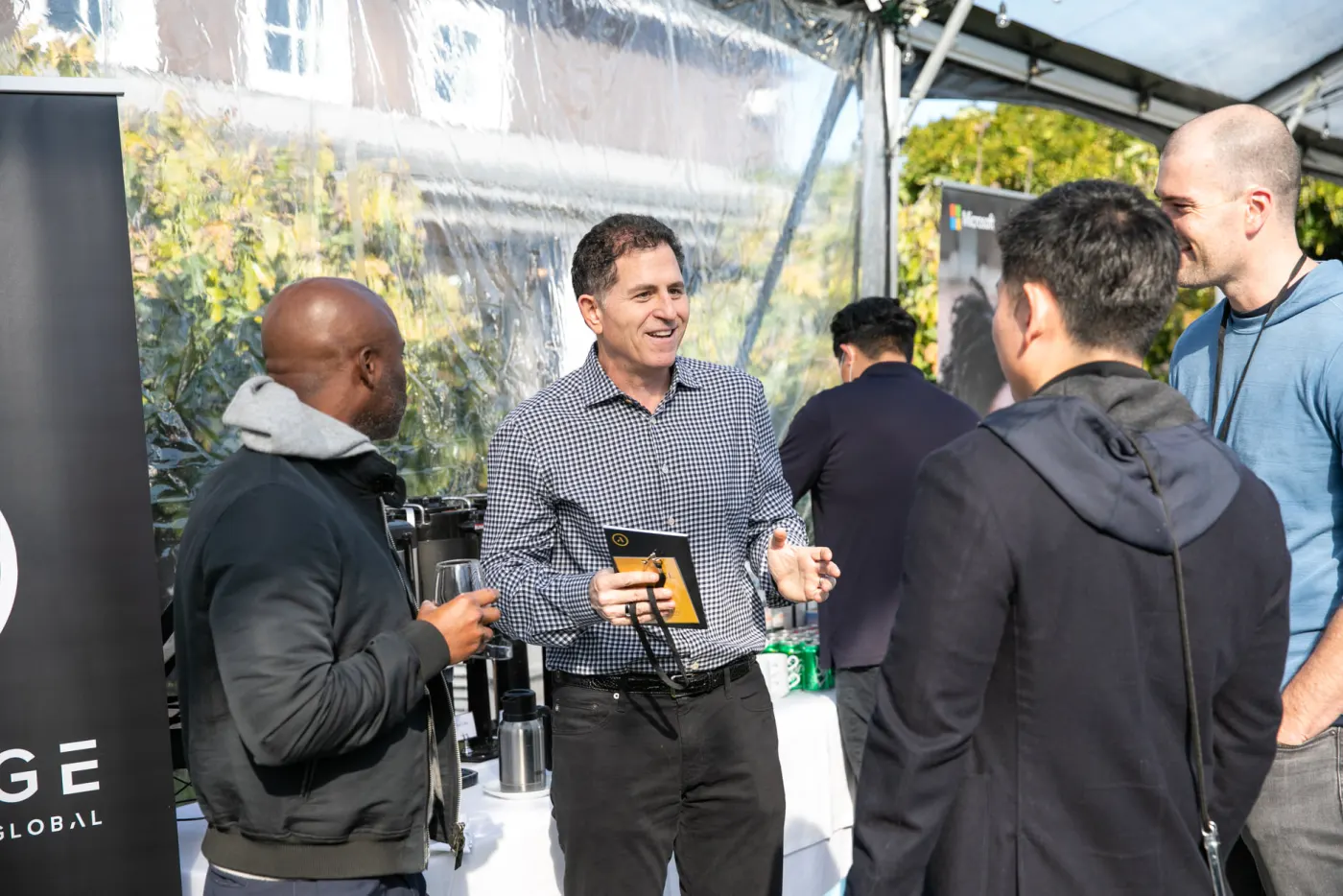
Dell became one of the world's leading PC makers. Desktops and notebooks filled offices and homes. Servers followed as networks grew. The brand stood for price-performance and a supply chain tuned like an instrument.
Michael wrote about the approach in his book Direct from Dell, sharing strategies that had shaken the industry. Competitors tried to copy pieces of the model. Copying a whole system is harder than copying a feature.
Over time Dell expanded beyond PCs into enterprise technology. Storage. Services. Software partnerships. The customer base shifted with the market, from individuals ordering one machine to corporations refreshing fleets and data centers.
Austin remained home base even as factories and offices spread worldwide. The city's tech identity grew alongside Dell's success. A dorm idea had become a regional economic engine.
Hard times and challenges
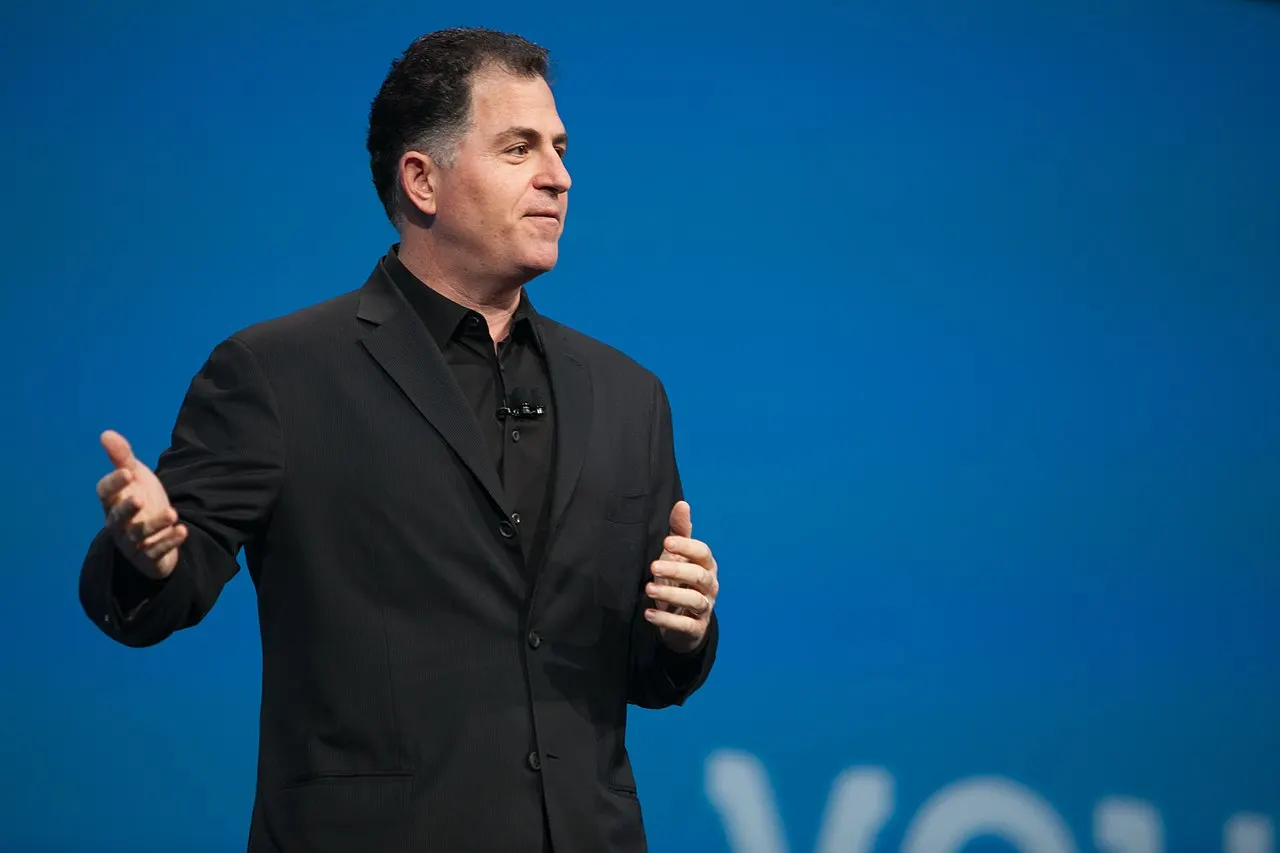
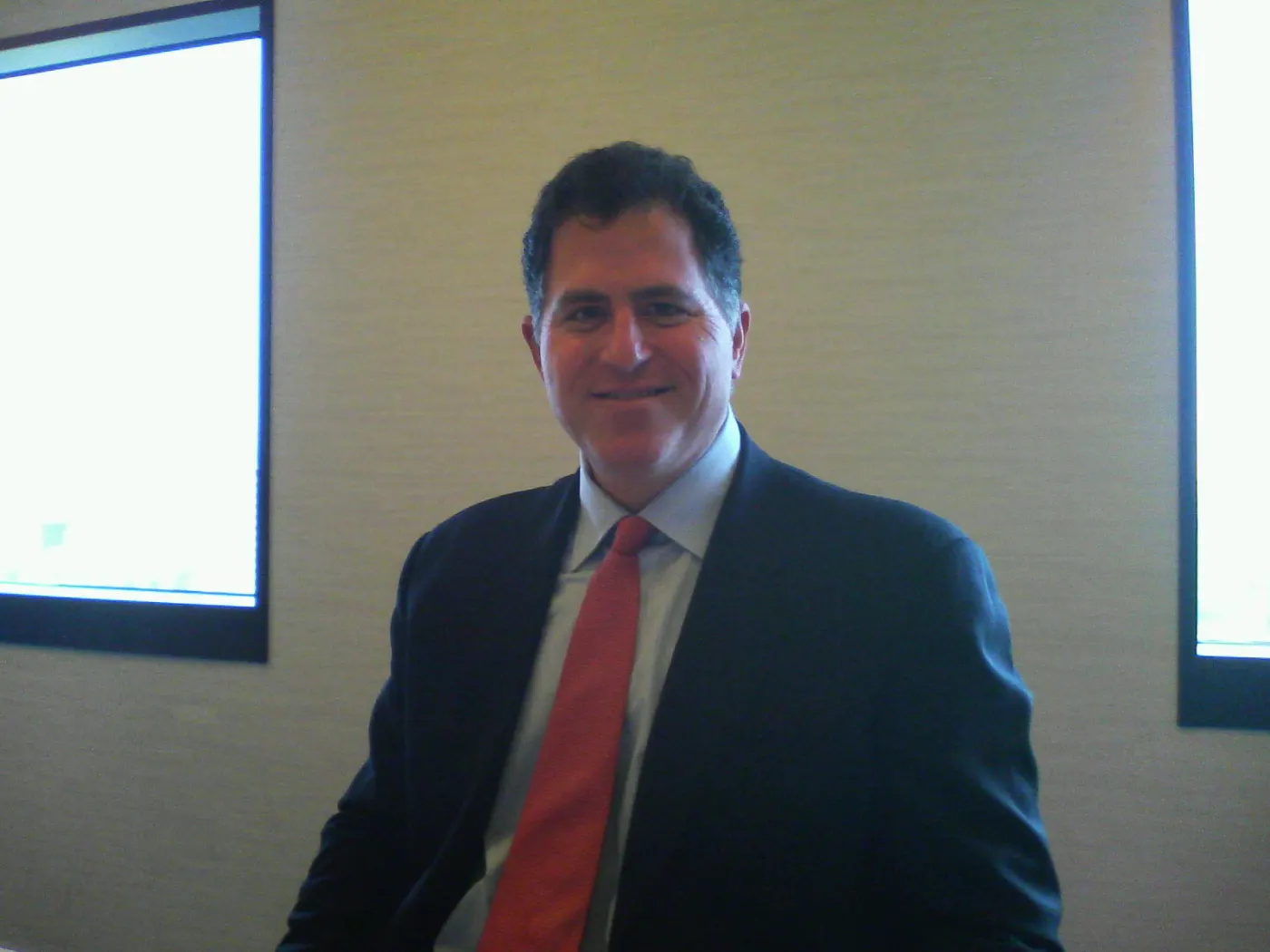
No PC company escapes price wars. In the early 1990s Dell hit inventory and leadership bumps that forced painful fixes. Michael learned that hypergrowth can hide weak processes until the bill arrives.
Later, tablets and smartphones changed how people compute. PC demand softened in cycles. Rivals in Asia pressed costs. Dell had to defend margins while still investing in quality and support.
In 2004 Michael stepped back from the CEO role, remaining chairman while Kevin Rollins served as CEO. In 2007 Michael returned as CEO. The comeback was an admission that the company needed its founder's urgency again.
Going private in 2013 was another hard turn. With partner Silver Lake, Michael took Dell private in a huge leveraged buyout after battles with some shareholders. Public markets had undervalued the long game he wanted to play, he argued. Privacy gave room to rebuild without quarterly theater.
Direct model deep dive
Michael's direct model was more than a discount trick. It was an information system. Each custom order told Dell which components to stock and which designs to drop. Less warehouse dust. More cash flexibility.
Retail competitors had pretty shelves and slower feedback. Dell had phone lines, later websites, and a factory pulse tied to demand. When internet commerce exploded, the company already spoke the language of configure-to-order.
Support mattered as much as price. Buyers who skipped stores still needed help when something broke. Dell invested in telephone support and on-site service partnerships so direct sales would not feel like abandonment.
Leadership loops
Stepping away in 2004 and returning in 2007 taught Michael that founder identity and company needs can drift apart, then snap back. Taking Dell private in 2013 taught him that public markets sometimes punish long rebuilds. The EMC deal taught him that scale in enterprise IT requires stomach for complexity.
Each loop had the same core: listen to customers, remove friction, bet big when the old curve flattens. PC cycles still matter. Servers and storage now matter more for the company's center of gravity.
The Michael & Susan Dell Foundation adds another loop. Capital from technology returns to education and health, especially for children and families who need stronger starts. A founder who left college early still funds classrooms.
Rebuilds and Dell Technologies
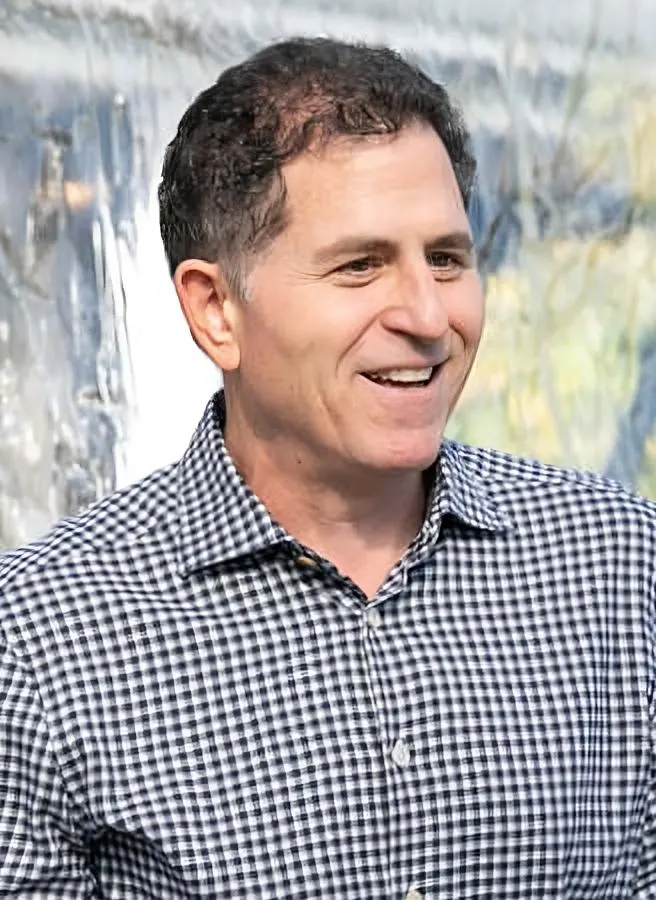
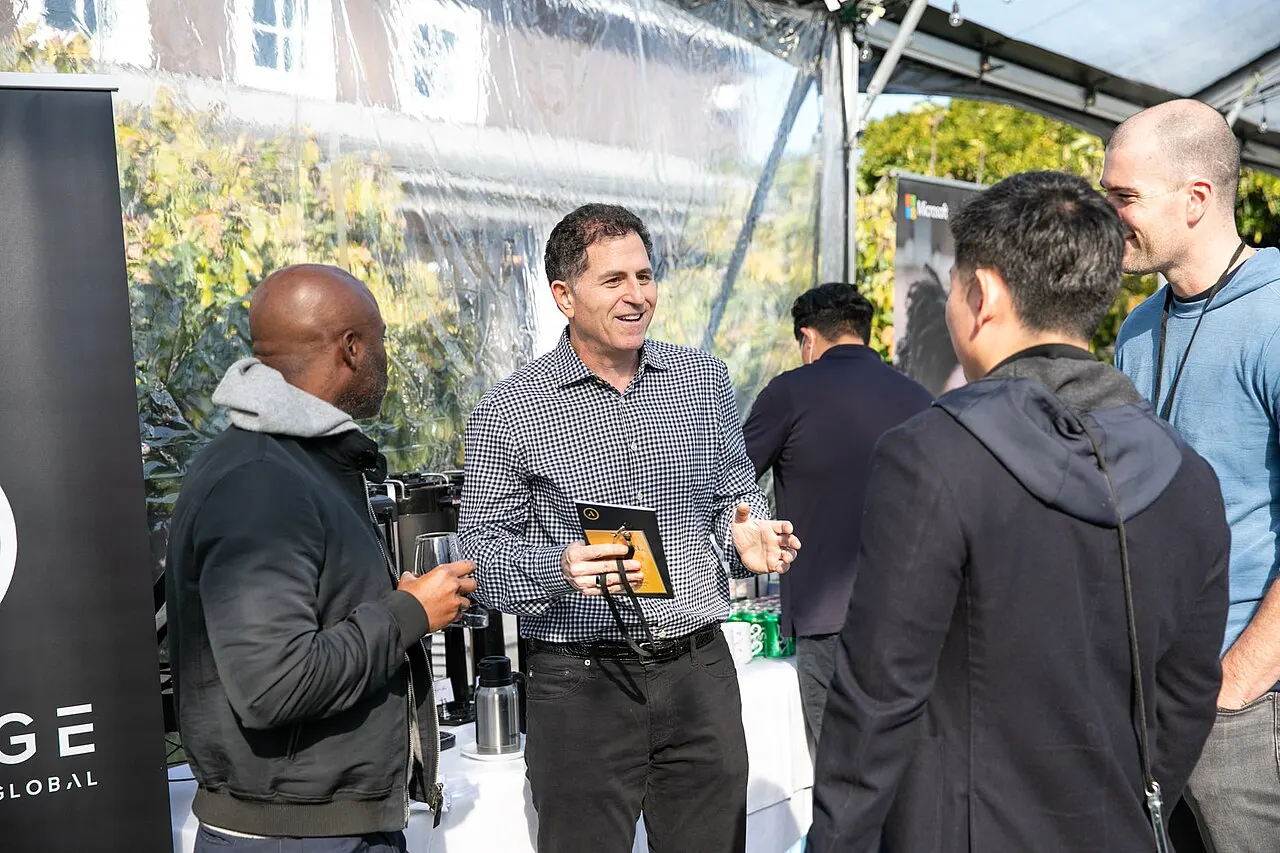
The biggest rebuild came with enterprise ambition. In 2016 Dell acquired EMC in a landmark deal, creating Dell Technologies. The new group combined PCs with powerful storage and infrastructure businesses, including a major stake linked to VMware at the time.
Suddenly Dell was not only a PC brand. It was a broad IT company serving digital transformation projects across the world. The deal was complex and expensive. Integrating cultures and products took years. Michael bet that customers wanted fewer fragmented vendors and more end-to-end systems.
Dell Technologies later returned to public markets. Michael remained chairman and CEO. The company kept navigating PC cycles, server demand, AI-ready infrastructure interest, and supply-chain shocks that hit the whole industry.
Philanthropy also grew. Michael and his wife Susan built the Michael & Susan Dell Foundation, focusing on education, health, and family economic stability in places including the United States and India. Wealth from computers funded ladders for other families.
Where he is now
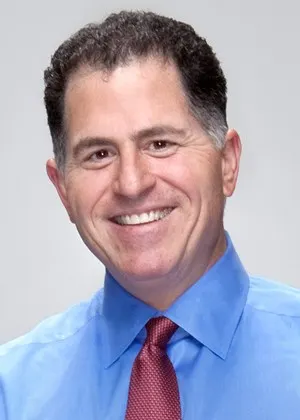
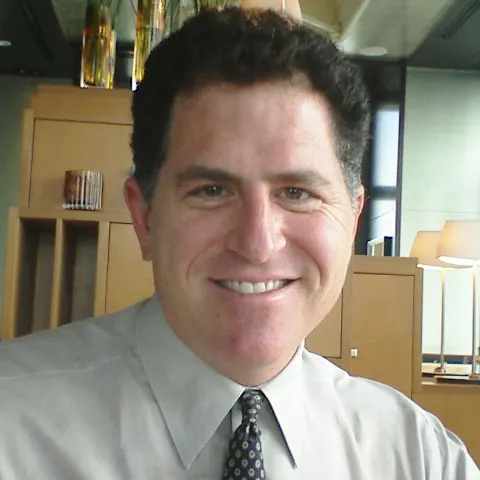
Michael Dell still leads Dell Technologies as chairman and CEO. He remains based around Austin and continues to argue that technology infrastructure (from PCs to servers to edge systems) underpins modern work.
Public wealth rankings place him among the richest people in technology, with fortunes tied to Dell ownership and related holdings. Those estimates change. His operating focus stays on customers and the long arc from direct PCs to enterprise platforms.
He is a husband and father as well as a CEO. The foundation work keeps education and opportunity in view while the company fights in competitive hardware markets.
Lasting work
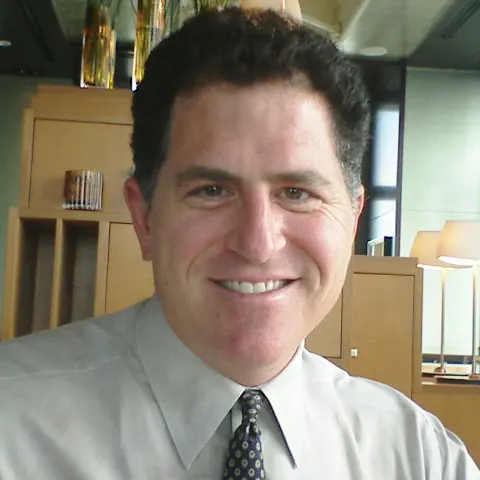
Michael's lasting work is the direct model's proof and Dell's reinvention beyond it.
He showed that a young founder could beat giants by removing waste between factory and buyer. He showed that a PC company could reinvent itself through a bold private period and a giant enterprise acquisition. He showed that listening systems (orders, support calls, feedback) can be as valuable as any single machine design.
Why direct still echoes
Even as Dell sells through more channels than in the pure phone-order years, the founding instinct remains. Know the customer. Build what was requested. Do not worship inventory for its own sake.
In an age of AI servers and complex IT stacks, that instinct looks like configure-to-order infrastructure and services wrapped around hardware. The dorm room is gone. The feedback loop remains.
Michael's life says a teenage experiment can become a multi-decade institution if the founder keeps learning faster than the market changes.
Legacy
For young builders, Michael Dell's story is practical.
Start where you are. Sell something people already need. Reinvest. Leave school only if the customer pull is overwhelming and you have a real plan. When the market shifts, rebuild before pride traps you. Use gains to widen opportunity for others.
He began as a Houston kid who liked business math. He became a UT freshman with a condo full of parts. He became the founder of a company whose name is on offices and data centers worldwide.
The dorm room was too small. The idea was not. He kept asking what customers needed next, then built systems that could answer with speed and care.
Documentary expansion: Houston math and the IBM PC opening
Michael grew up in Houston with a dentist father and a stockbroker mother. Numbers were dinner conversation. Newspaper subscription sales in high school taught targeting: find likely buyers, do not waste motion. That habit became the Dell brain.
The IBM PC in 1981 opened a continent of compatible machines and upgrades. Early PCs shipped hungry for memory and storage. Michael saw a gap between what stores sold and what users needed this week. College was supposed to be pre-med. The condo filled with parts instead.
Parents made a deal: pause school, and return if the business failed. The University of Texas allowed it. Customers did not allow failure. Orders kept coming.
Direct model as information system
Build to order was not only cheaper. It was smarter. Each phone order, then each web order, told Dell which components to stock. Inventory was a signal, not a shrine. Retail shelves guessed. Dell measured.
Support had to match the promise. Skipping stores cannot mean abandoning buyers when a machine breaks. Telephone support and service partnerships made direct sales feel safe enough for businesses and governments.
Competitors copied prices. Copying the whole feedback loop was harder. By the time Dell hit the Fortune 500 with Michael at twenty-seven, the system was the moat.
Near deaths and leadership loops
Early 1990s inventory and leadership bumps proved hypergrowth can hide weak process. Michael learned the hard way that speed without systems creates a bill that arrives all at once.
Stepping back as CEO in 2004 and returning in 2007 showed founder identity and company needs can drift, then snap. Going private in 2013 with Silver Lake was a leveraged bet against public-market impatience. Shareholder fights were loud. The private years bought room to rebuild.
EMC and the enterprise second act
The 2016 EMC acquisition created Dell Technologies at historic scale. Storage, servers, PCs, and a major VMware-linked stake at the time turned a PC brand into an IT stack company. Integration was hard. Culture collisions were real. Michael bet customers wanted fewer fragmented vendors.
Returning to public markets later kept ownership concentrated. Michael remained chairman and CEO. The dorm-room founder never fully left the cockpit.
AI servers and the 2026 fortune shock
In 2025 and 2026 AI data-center demand turned Dell into an unexpected infrastructure winner again. AI-optimized servers, storage attach, and enormous order backlogs re-rated the stock. Public reports described tens of billions of dollars in AI server orders in a single quarter and a backlog near the $100 billion scale, with raised revenue guidance following. Exact figures move with earnings cycles. The direction was unmistakable: configure-to-order thinking applied to AI racks.
Michael owns roughly 40 percent of Dell Technologies. When the stock surged hundreds of percent across stretches of 2026, his net worth estimates nearly doubled into the mid-hundreds of billions of dollars. Forbes and Bloomberg rankings bounced him among the top few richest people on Earth on some days. Treat rankings as weather. Treat ownership plus AI infrastructure demand as climate.
Philanthropy parallel
The Michael & Susan Dell Foundation funds education, health, and family economic stability in the United States and India. A founder who left college early still builds ladders into classrooms. Wealth from hardware returns as opportunity infrastructure.
World impact
Offices filled with Dell PCs. Students learned on Dell notebooks. Enterprises ran fleets refreshed on Dell cycles. Then servers and storage carried databases and virtual machines. Now AI racks carry training and inference loads. Austin's tech identity grew with the company. The direct model influenced how later internet commerce thought about customization and inventory.
How he works
Michael listens harder than he speeches. Customer pull beats competitor obsession. He is willing to change corporate form (public, private, mega-merger) when the old form blocks the next curve. He stays CEO through reinventions that would tempt others to retire into mythology.
Closing beat for Dell
He began as a Houston kid who liked business math. He became a freshman with a condo full of parts. He became the builder of a company whose name sits on offices and AI data centers worldwide.
The dorm room was too small. The feedback loop was not. In 2026 the loop still answers with speed: tell Dell what you need, and the system tries to build it.
More scenes from the Dell machine
Picture Dobie Center and then a condo with boxes stacked to the ceiling. A freshman on the phone configuring memory for a stranger who needs a machine that works Monday. That is customer intimacy before the phrase was corporate.
Picture the IPO morning and a twenty-something learning that public capital accelerates and constrains at the same time. Picture the Fortune 500 list with a CEO younger than many middle managers he competed against.
Picture the private-buyout war rooms. Lawyers. Banks. Shareholder letters. Michael betting his reputation and leverage that Dell could reinvent faster offstage. Picture the EMC integration years: storage cultures meeting PC cultures, customers asking whether one badge could serve the whole stack.
Picture 2026 earnings after AI server orders explode. Factories and suppliers scramble. Backlog becomes a strategic asset. The old configure-to-order instinct returns as rack-scale customization for AI factories. The dorm idea scales into the infrastructure era without losing its first principle: hear the order, build the answer.
Additional builder lessons: start with a painful customer need; measure demand directly; treat support as product; change corporate form when markets misprice your rebuild; use philanthropy to recycle opportunity; stay close to operations even after wealth arrives.
Extended documentary depth: Dell
Michael's high-school newspaper hustle is the seed of Dell math: segment buyers, reduce waste, scale what converts. Houston gave him commercial instincts. Austin gave him a university ecosystem and a city ready to grow with a hardware champion.
The dorm-room myth sometimes erases the vendor license, the government bids, and the operational seriousness of a teenager running real inventory risk. He was not only tinkering. He was operating.
Leaving UT after freshman year was a negotiated risk with his parents, not a romantic runaway. That detail matters for young founders: big leaps still sit inside family and institutional constraints.
Public company life taught him capital markets. Private company life taught him time. EMC taught him complexity. AI servers taught him that a PC company that learns infrastructure can ride a new S-curve without abandoning configure-to-order DNA.
Customer quotes he returns to ("learn more from customers than competition") are not soft slogans. They are anti-rivalry discipline. Obsessing over competitors can make you late to a demand shift. Obsessing over orders makes you early.
The foundation's education work closes a loop. He paused college. He funds schooling for others. American capitalism stories often skip that recycle step. His does not.
In September 2026 media snapshots showed net worth estimates around the mid-200s of billions of dollars on some days, briefly challenging for second-richest globally as Dell stock ripped on AI server momentum. Those headlines will age. The structural point will not: concentrated ownership in a company supplying AI infrastructure creates founder wealth that moves like a commodity ticker.
World impact includes the normalization of buying computers direct, the rise of Austin as a tech hub, and the enterprise shift from PC cycles to server and storage cycles. AI racks are the latest chapter of the same customer question: what do you need built, and how fast can we deliver it?
Builder takeaways: start narrow; instrument demand; support what you sell; reinvent corporate form; bet big when the curve flattens; recycle gains into opportunity for others; stay CEO if you still have unfinished redesigns.
Timeline leverage for Dell
1965: born Houston.
1983: UT Austin freshman; PC upgrades begin.
1984: PC's Limited / Dell founding.
1988: IPO.
1992: Fortune 500 at age twenty-seven.
2004-2007: CEO step-back and return.
2013: take-private with Silver Lake.
2016: EMC deal creates Dell Technologies.
Late 2010s: return to public markets.
2025-2026: AI server order boom remakes valuation and personal fortune estimates.
The dorm room ends early in the timeline. The listening system never ends.
People and process inside Dell
Michael's leadership brand is quieter than Ellison's or Jensen's stage personas. That quiet is strategic. Direct sales rewards listening metrics over keynote combat. Yet when needed he can fight: the take-private battle proved he will use every tool to keep strategic control.
Supply-chain partners, factory managers, and sales teams are the hidden protagonists. Configure-to-order only works if the orchestra plays. Michael's job is to keep the score readable when markets change tempo.
Susan Dell and the foundation staff form the parallel organization. Education grants and health initiatives are not decorative. They are the family's answer to what wealth is for after the company works.
Habit and craft
He returns to customer stories. He prefers operational reviews to mythmaking. He will change channel strategy when customers buy differently. He treats AI infrastructure demand as another configure-to-order problem with bigger racks and tighter component constraints.
Final Dell measure
Remove the billionaire rankings and what remains? Proof that a teenager can industrialize a better path between factory and buyer, then reinvent that company for servers, storage, and AI without abandoning the first principle. That is a complete founder arc that is somehow still in progress.
Competitive scenes that explain Dell
Hypergrowth clips show a younger Michael compressing company lessons into minutes: hire ahead of the curve carefully, keep cash discipline, do not let success invent laziness. The take-private documentary shorts show an older Michael willing to wager reputation on a multiyear redesign.
EMC-era news packages capture industry shock. Could a PC brand swallow a storage giant? The years after answered with integration scars and a broader portfolio. AI-era earnings calls answer again with order books that look like a new company wearing an old name.
Austin scenes matter too. The city and the company co-wrote an economic story. Talent moved. Suppliers moved. A dorm idea became a skyline effect.
For builders, Dell's scenes teach sequencing. First survive as a small direct seller. Then professionalize operations. Then use public markets. Then escape them if they block reinvention. Then buy the missing enterprise pieces. Then ride the next infrastructure wave. Sequence is strategy.
Last mile on Dell and more field detail
Stand in a factory where AI server racks move through configure-to-order stations and the dorm room suddenly feels present. A student once matched parts to a phone request. A global company now matches GPUs, networking, power, and storage to a cloud builder's purchase order. The scale changed. The grammar did not.
Michael's career also shows the cost of reinvention. Leveraged buyouts stress balance sheets and relationships. Mega-mergers stress cultures. AI booms stress supply. He accepted those stresses rather than freezing Dell as a PC museum.
Education philanthropy keeps the story from collapsing into hardware only. Classrooms funded by computer wealth are a deliberate echo of the college path he paused. Opportunity is a system too. He tries to configure that system for families who start with less.
In practical terms, Dell Technologies in 2026 sells PCs and, more importantly for the equity story, infrastructure for AI and enterprise IT. Michael remains the public owner-operator. Few founders keep both titles through this many regime changes. That continuity is itself a product decision.
If you need one sentence: he built a listening factory, and the world kept giving it harder orders to fill.
Additional Dell field notes for documentary length
Customer advisory boards. Regional sales kickoffs. Supplier escalations when a component goes short. These ordinary scenes are where Dell actually lives. Keynotes are rare compared with operational huddles.
International expansion from the late 1980s taught him that direct models must localize support and logistics, not only translate catalogs. Britain was an early beachhead. Global complexity followed.
PC price wars of the 2000s taught margin defense. Tablet and phone eras taught humility about form factors. COVID-era supply shocks taught resilience planning. AI eras teach rack-scale integration and the politics of energy and chips.
Through each, Michael's public voice stays measured. The drama is in corporate structure and order books more than in personal mythology. That makes him easy to underestimate in a culture that rewards loud founders. The equity market in 2026 stopped underestimating him for a while. The better lesson is to watch the order book, not the volume of the speech.
Coda lines for Dell
From newspaper routes to AI racks, Michael Dell kept the same craft: find demand early, remove friction, deliver what was asked. Fortune rankings will flicker. The craft is the durable plot. Austin still feels that plot in its economy. Customers still feel it when a configured system arrives on time. That is enough for a documentary ending that points forward.
He also showed that going private can be a creative act, not only a financial one, if the founder uses the dark years to rebuild the offer customers will need next.
The Michael & Susan Dell Foundation's work in India and the United States deserves more than a sentence because it shows strategy beyond the firm. Urban education, health, and family economic stability are infrastructure too. A hardware founder funding human infrastructure is a coherent sequel.
Dell's AI backlog also teaches a supply lesson: demand can exceed what factories and component vendors can instantly deliver. Michael's teams now sell time as much as machines: when the rack can ship, not only what it contains. Configure-to-order becomes schedule-to-promise under constraint.
The order is still the plot. Michael Dell is still listening for the next one, then building toward it with a company tuned for speed under constraint. That is the dorm room, all grown up, still too busy to be nostalgic.
One more line: a freshman once stacked boxes in a condo; a CEO now stacks AI backlog into factories, and both versions of Michael are solving for the same variable called customer pull.
Hold the final image: a configured rack rolling toward a loading dock while a support engineer answers a call. Direct never meant alone. It meant accountable end to end. That accountability is Michael Dell's lasting product.
The documentary ends in motion, not in marble. Motion was always the point.
Build. Ship. Listen. Repeat forever, without nostalgia, with urgency.
Watch alongside this story
Short cuts from interviews, keynotes and launches. Each plays only the moment that matters.