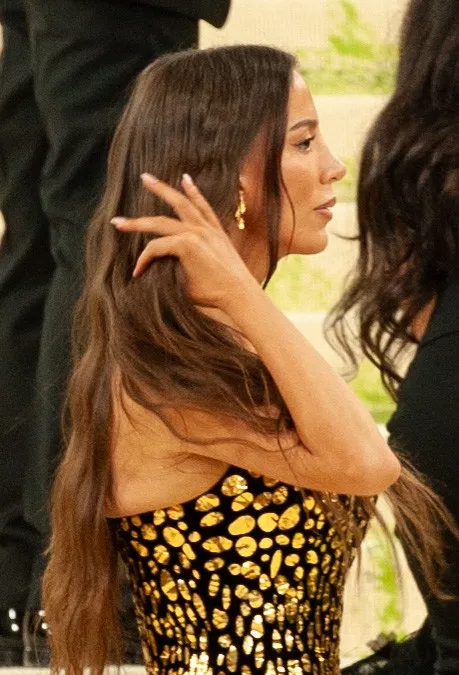
From Albania to AI Leadership
She grew up in Vlorë, Albania. She helped create ChatGPT and DALL‑E. Now she runs Thinking Machines Lab.
Mira Murati was born on December 16, 1988.
She was born in Vlorë, Albania.
She grew up while the country changed after communism.
Her parents taught literature, according to some reports.
Other reports say her father Arben was a civil engineer.
Other reports say her mother Merita was an electrical engineer.
She loved math and physics in school.
She entered many Olympiads and did well.
At 16 she earned a scholarship.
She moved to Canada for Pearson College UWC.
She finished the International Baccalaureate in 2007.
She then studied at two U.S. colleges.
She earned a BA in Mathematics from Colby College in 2011.
She earned a BE in Mechanical Engineering from Dartmouth in 2012.
Early Career
She spent a summer interning at Goldman Sachs in Tokyo.
She worked as an engineer at Zodiac Aerospace.
She later joined Tesla as senior product manager for the Model X.
She became VP of product and engineering at Leap Motion.
OpenAI Years
She became CTO of OpenAI.
She helped build ChatGPT, DALL‑E and Sora.
In 2023 she gave the board internal documents about Sam Altman.
The board used the documents in Altman’s ouster.
She served briefly as interim CEO during the turmoil.
In 2026 she testified in the Musk v. Altman case.
She said Altman created a toxic, dishonest work environment.
Thinking Machines Lab
She left OpenAI in September 2024.
She announced a new AI startup in February 2025.
The startup is called Thinking Machines Lab.
It focuses on AI alignment, multimodal systems and human‑AI collaboration.
The company hired researchers from OpenAI, Anthropic and Google DeepMind.
In July 2025 it raised a $2 billion seed round.
The round was led by Andreessen Horowitz at a $12 billion valuation.
The company released its first product, Tinker, in October 2025.
Tinker lets developers fine‑tune open‑weight models.
In July 2026 the lab bought Workshop Labs.
The lab’s revenue run rate now exceeds $100 million.
It earns most of that from compute fees on Tinker.
The lab plans to deploy 1 gigawatt of Vera Rubin systems by 2027.
Challenges and Criticism
She faced criticism for her role in the Altman ouster.
She faced a leadership crisis in January 2026.
Several co‑founders left to return to OpenAI.
She accused a co‑founder of unethical conduct.
OpenAI leadership disputed the claim.
She also drew scrutiny for saying some creative jobs should not exist.
Personal Life and Vision
She likes literature, music and film.
She named Rainer Maria Rilke’s Duino Elegies as a favorite book.
She named Radiohead’s Paranoid Android as a favored song.
She named Stanley Kubrick’s 2001: A Space Odyssey as a film that stirs her imagination.
She married in a private ceremony in Italy in June 2025.
She says AI safety and capability are linked.
“For capabilities and safety, they're actually not separate domains. They go hand‑in‑hand.”
She compares AI to electricity.
“We have to think about AI like electricity.”
She notes that some creative jobs may disappear.
“Some creative jobs maybe will go away, but maybe they shouldn’t have been there in the first place if the content that comes out of it is not very high quality.”
She promotes responsible, transparent and equitable AI.
Her company is a public benefit corporation.
It aims to serve collective human agency, not just shareholders.
As of September 2026 she is co‑founder and CEO of Thinking Machines Lab.
The lab is negotiating a new $5‑6 billion financing round.
Nvidia is expected to lead the round with about half the money.
Mira Murati’s story shows a rise from a small Albanian city to global AI leadership.
She continues to shape how AI will work for people.
Founding story
Mira Murati left her OpenAI CTO role in September 2024.
She announced a new AI startup in February 2025.
The startup is called Thinking Machines Lab.
Its goal is to improve AI alignment and human‑AI collaboration.
Mira built a team from OpenAI, Anthropic and Google DeepMind.
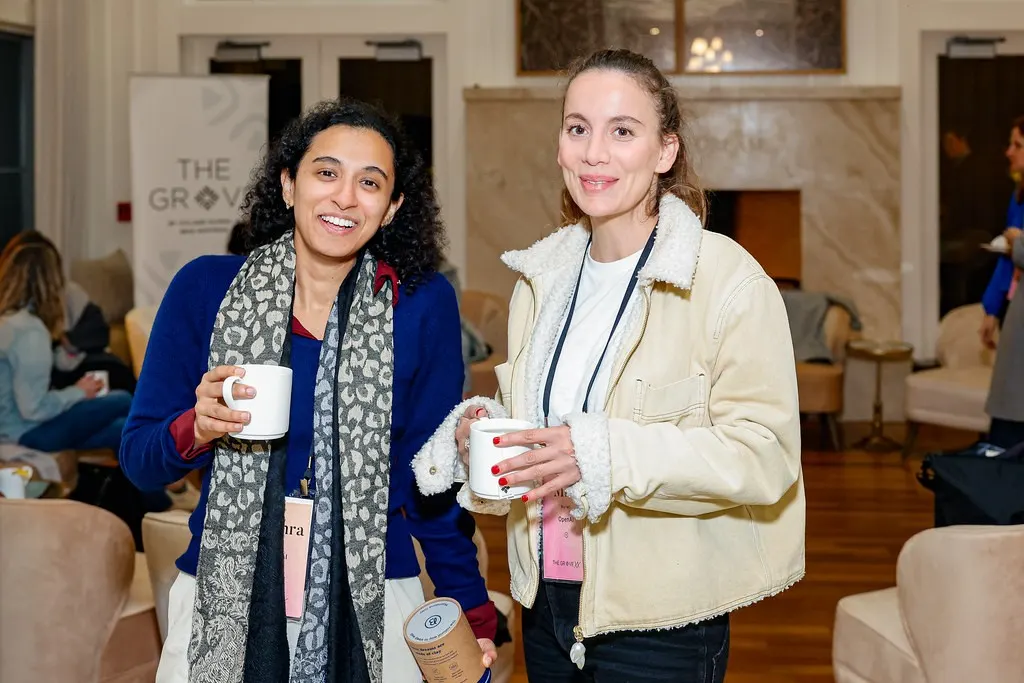
She hired co‑founder Maithra Raghu for the first product.
First product and early customers
Thinking Machines Lab released its first product, Tinker, in October 2025.
Tinker is a developer platform for customizing open‑source models.
Early customers were AI startups needing fine‑tuning tools.
The platform charged compute fees for each model run.
Early struggles
In January 2026 several co‑founders and key staff quit.
They left to return to OpenAI.
The split caused a leadership crisis.
Mira said a co‑founder acted unethically.
OpenAI disputed her claim.
Key turning points
Mira’s testimony in the 2026 Musk v. Altman case raised her profile.
She warned that AI could replace low‑quality creative jobs.
In July 2025 the company closed a $2 billion seed round.
The round was led by Andreessen Horowitz at a $12 billion valuation.
In April 2026 Thinking Machines Lab bought Workshop Labs.
Growth with real numbers
By September 2026 the firm reported an annual revenue run rate over $100 million.
Most of the revenue came from Tinker compute fees.
The company launched its first open‑weight model, Inkling, in July 2026.
Inkling attracted dozens of enterprise clients.
Negotiations in late 2026 aim to raise $5 billion to $6 billion.
Nvidia is expected to invest about half of the new round.
The firm plans to deploy 1 gigawatt of Vera Rubin computing systems by 2027.
Funding, IPO and acquisitions
Thinking Machines Lab raised a total of $2 billion in funding.
The July 2025 seed round valued the company at $12 billion.
Talks for a $50 billion valuation fell apart in late 2025.
New talks in September 2026 target a $40 billion valuation.
The company has made one acquisition: Workshop Labs in April 2026.
There is no IPO plan or filing as of September 2026.
Outlook
Mira Murati runs Thinking Machines Lab as a public benefit corporation.
She says AI should serve human agency, not just shareholders.
The firm’s next milestone is scaling Inkling and Tinker worldwide.
If the new funding closes, the company could double its revenue by 2028.
Mira’s leadership remains under close public watch.
Her story shows how a small team can shape the future of AI.
Setbacks
Mira Murati left OpenAI in September 2024.
She resigned after a turbulent board dispute.
In January 2026 several co‑founders left Thinking Machines Lab.
They returned to OpenAI.
The split was not friendly.
Murati said a co‑founder acted unethically.
OpenAI leadership denied the claim.
The company also lost talks for a $50 billion valuation in late 2025.
Criticism and Controversies
Murati was a key figure in the 2023 removal of Sam Altman from OpenAI.
She gave the board internal documents about his management.
She served briefly as interim CEO during the chaos.
In 2026 testimony in the Musk v. Altman case, she accused Altman of a toxic workplace.
She said he undermined her authority and pitted executives against each other.
At her own startup she drew public scrutiny for saying some creative jobs should not exist.
The comment was taken as dismissive of creative workers.
What Changed Recently
Thinking Machines Lab raised a $2 billion seed round in July 2025.
The round was led by Andreessen Horowitz at a $12 billion valuation.
In July 2026 the lab released its first open‑weight model, Inkling.
Inkling is designed for customizable AI tasks.
The company also launched Tinker, an API platform for fine‑tuning models, in October 2025.
A partnership with Nvidia brings 1 gigawatt of Vera Rubin computing power by 2027.
Murati keeps special voting rights on the board.
Where They Are Now (2026)
As of September 2026 Murati is CEO and co‑founder of Thinking Machines Lab.
The startup is negotiating a new $5‑$6 billion financing round.
Nvidia is expected to lead the round with about half the money.
The firm is valued at at least $40 billion.
Annual revenue run rate exceeds $100 million, mostly from Tinker compute fees.
Thinking Machines Lab acquired Workshop Labs in April 2026.
The company remains a public benefit corporation.
Why the story matters
Mira Murati shows how technical skill can meet bold leadership.
Her career shows that high‑stakes decisions can reshape entire companies.
The setbacks remind us that rapid growth often brings internal conflict.
The recent funding shows investors still trust her vision for open AI.
Her story teaches that accountability and transparency matter in tech.
Bold moves can create new paths for human‑AI collaboration.
Every breakthrough comes with a price tag of responsibility.
The Record
Birth: December 16 1988, Vlorë, Albania
Education: IB, Pearson College UWC (2007); BA Mathematics, Colby College (2011); BE Mechanical Engineering, Dartmouth (2012)
Early career: Goldman Sachs intern (Tokyo); Zodiac Aerospace engineer; Tesla senior product manager; VP at Leap Motion
OpenAI role: CTO until Sep 2024; interim CEO during 2023 board crisis
Thinking Machines Lab: Founded Feb 2025; CEO; $2 billion seed round; $100 M+ revenue run rate; Inkling model (Jul 2026); Tinker platform (Oct 2025)
Funding talks 2026: $5‑$6 billion round, $40 billion valuation target
Timeline
1988 to Born in Vlorë, Albania.
2004 to Moves to Canada for Pearson College UWC.
2011 to Earns BA in Mathematics from Colby College.
2012 to Completes BE in Mechanical Engineering at Dartmouth.
2023 to Involved in Sam Altman board removal at OpenAI.
Sep 2024 to Resigns as OpenAI CTO.
Feb 2025 to Announces Thinking Machines Lab.
Jul 2025 to Raises $2 billion seed round.
Oct 2025 to Launches Tinker platform.
Apr 2026 to Acquires Workshop Labs.
Jul 2026 to Releases Inkling model.
Sep 2026 to Negotiates $5‑$6 billion financing round.