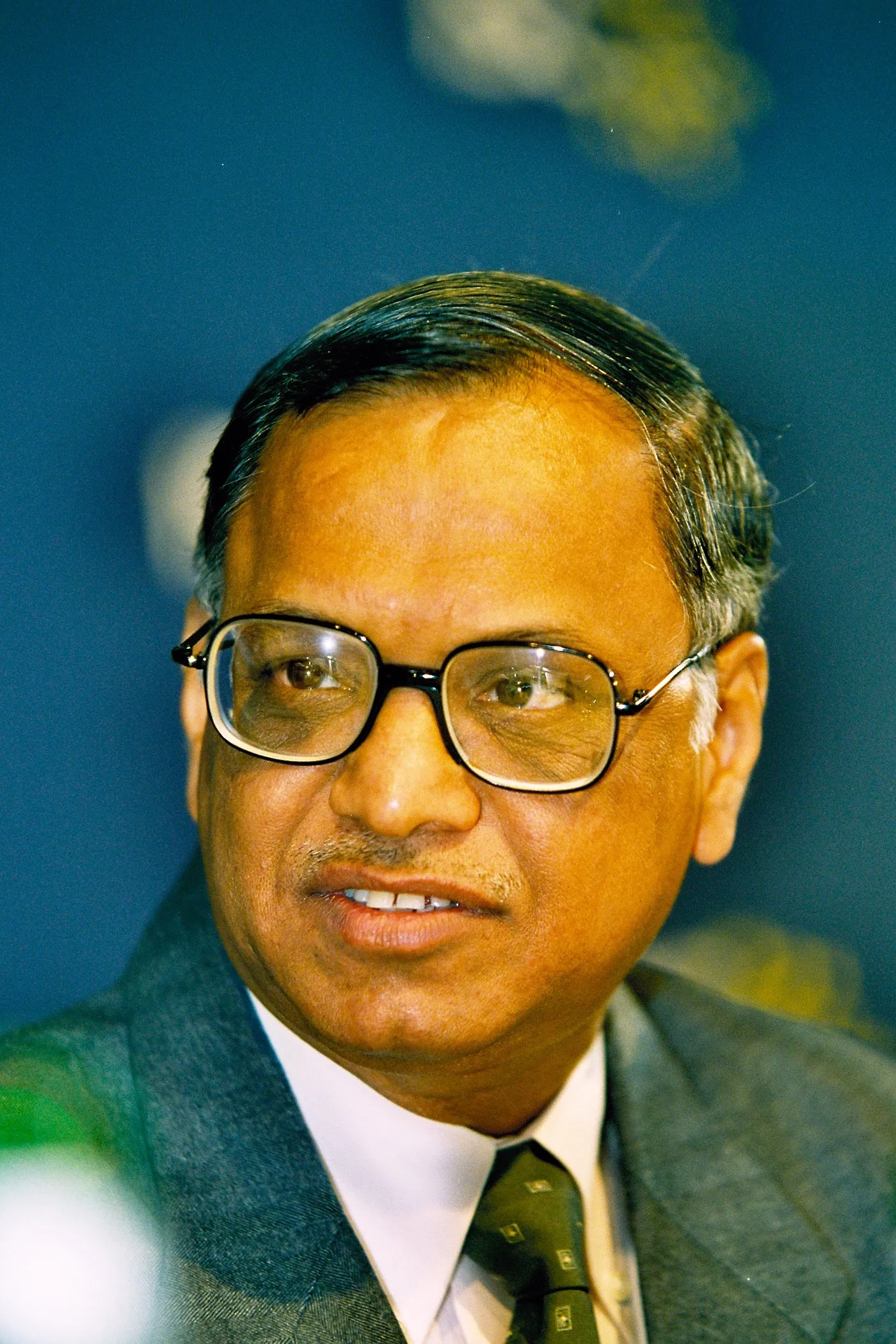
Seven Founders and a Bet on India's Mind
They did not begin with glass towers. They began with trust, process, and the stubborn idea that a software company from India could be both excellent and fair. Global clients had to believe people they had never met. That belief became the product underneath the code.
Company: Infosys. Company value around about $80B. Net worth around about $4.5B. The deeper asset was a template for Indian IT as soft power.
Origin and the making of a standards obsessive
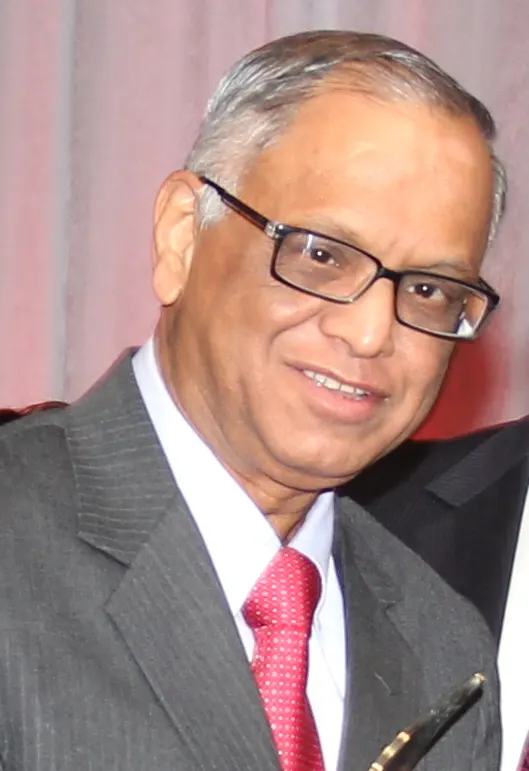
Nagavara Ramarao Narayana Murthy was born on August 20, 1946, in Karnataka. He trained as an electrical engineer and later deepened into computer science just as computing was turning into destiny. Early jobs taught him both technology and the friction of organizations.
He wanted a company that could be excellent without becoming cynical. That desire sounds moral. It was also commercial. Clients buy confidence as much as code.
First company: how Infosys was actually built
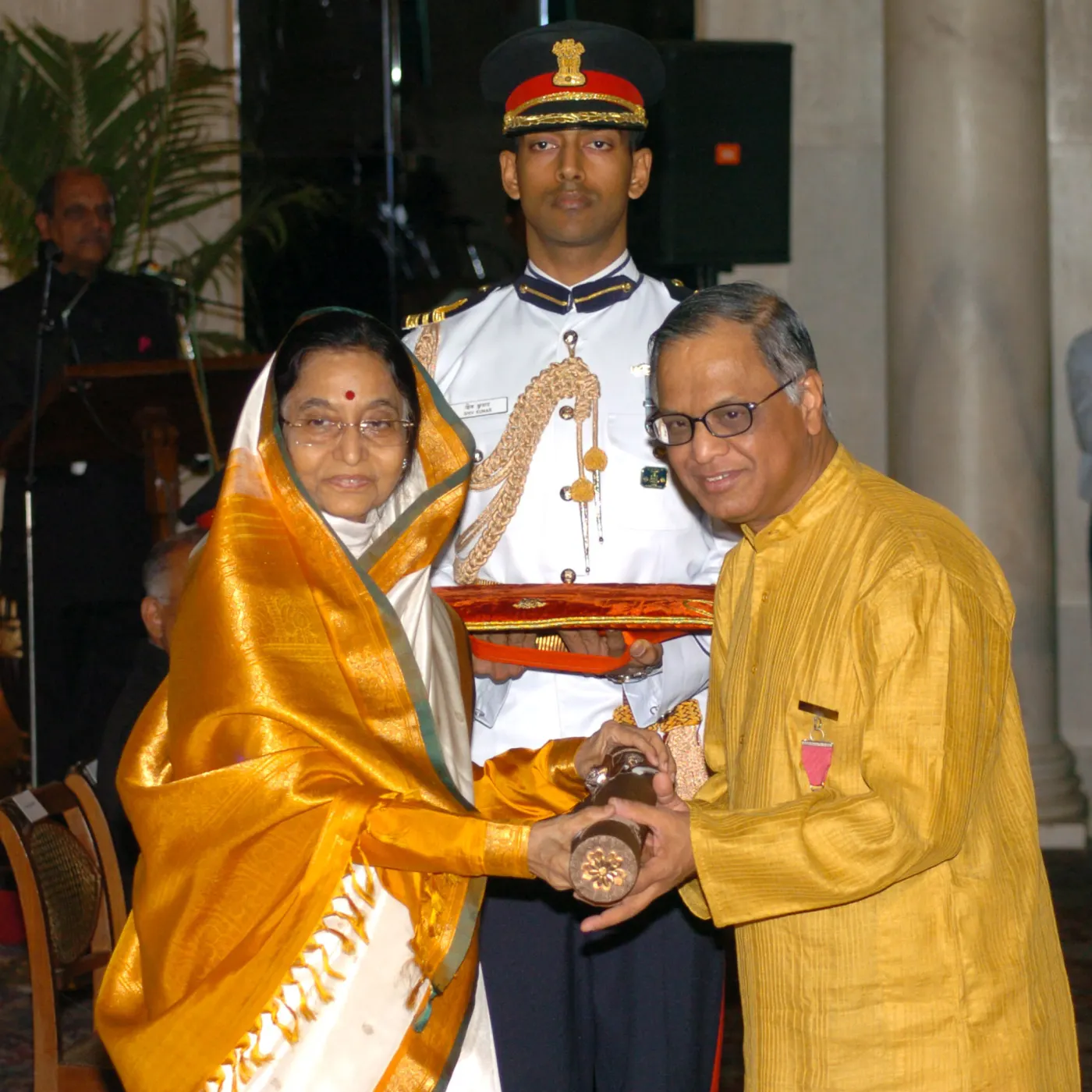
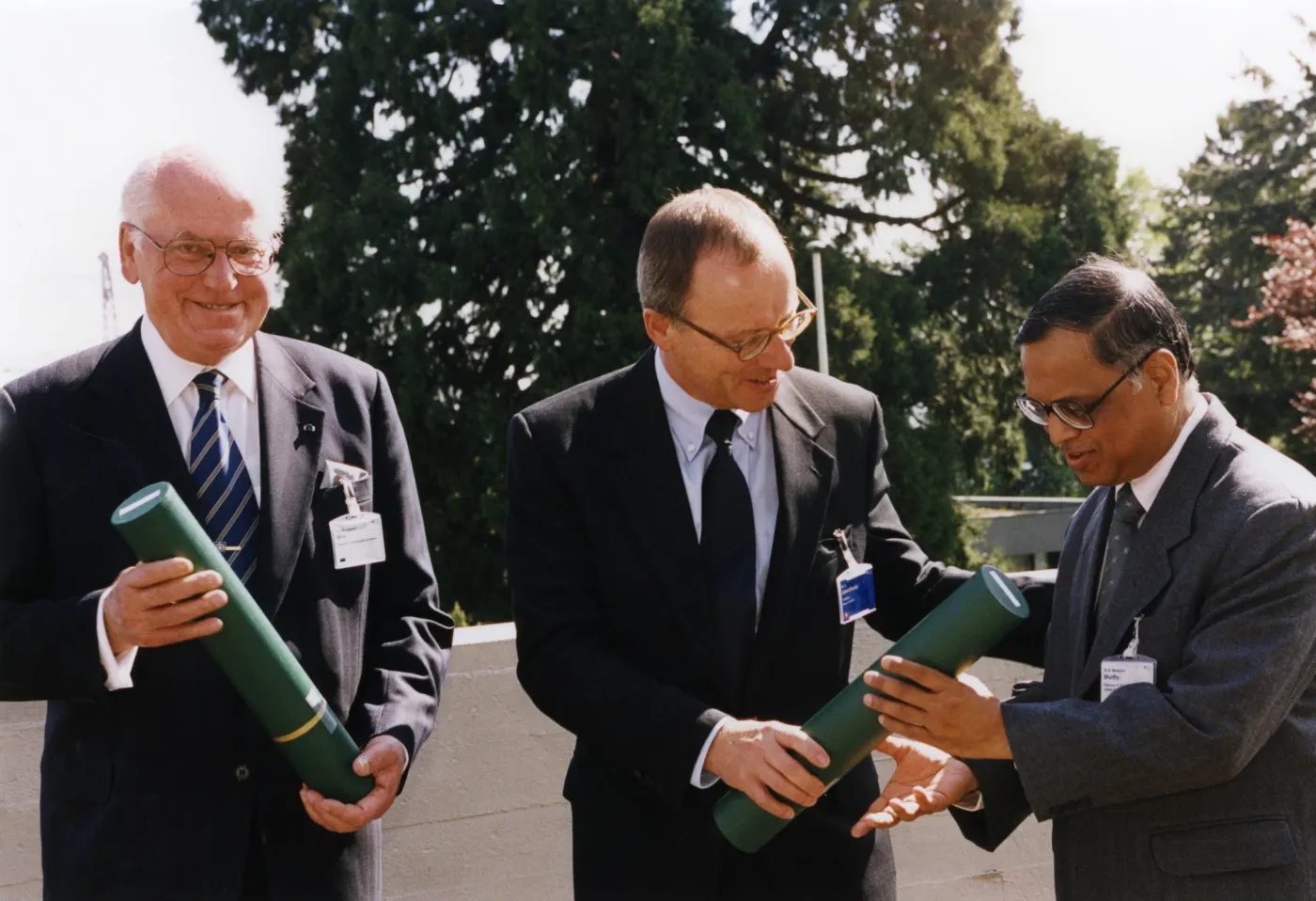
Infosys began with a handful of founders and a culture obsessed with transparency. The early grind was sales across time zones, training talent, documenting quality, and proving that remote delivery could be reliable. Tools were less romantic than discipline: project metrics, review rituals, and a refusal to treat shortcuts as cleverness.
Family support mattered in the lore of lean years, including stories of personal sacrifice and borrowed belief when cash was thin. The point of those stories is not melodrama. It is that Infosys was built before India was branded as an IT superpower.
Breakthrough: global delivery as a trust machine
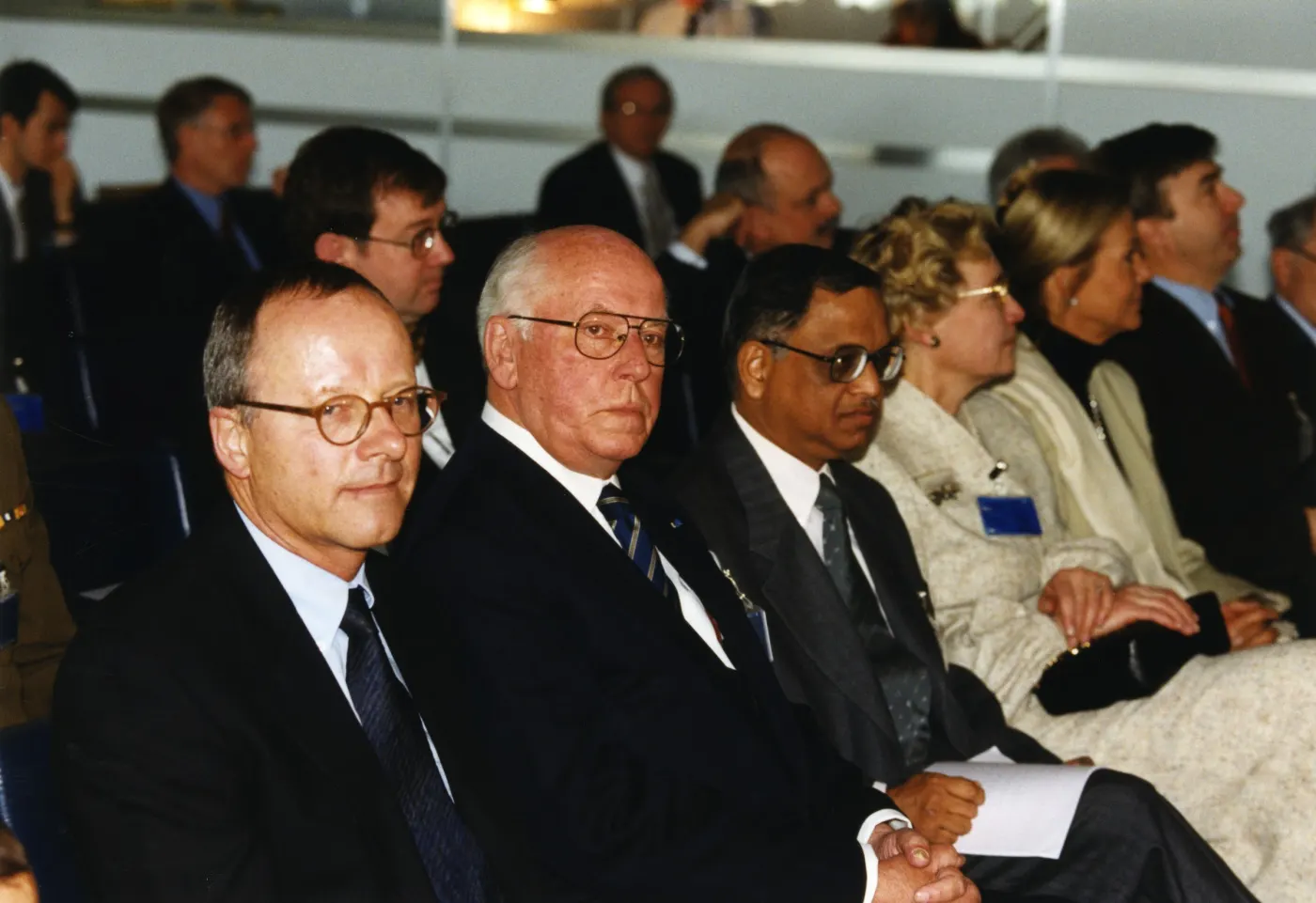
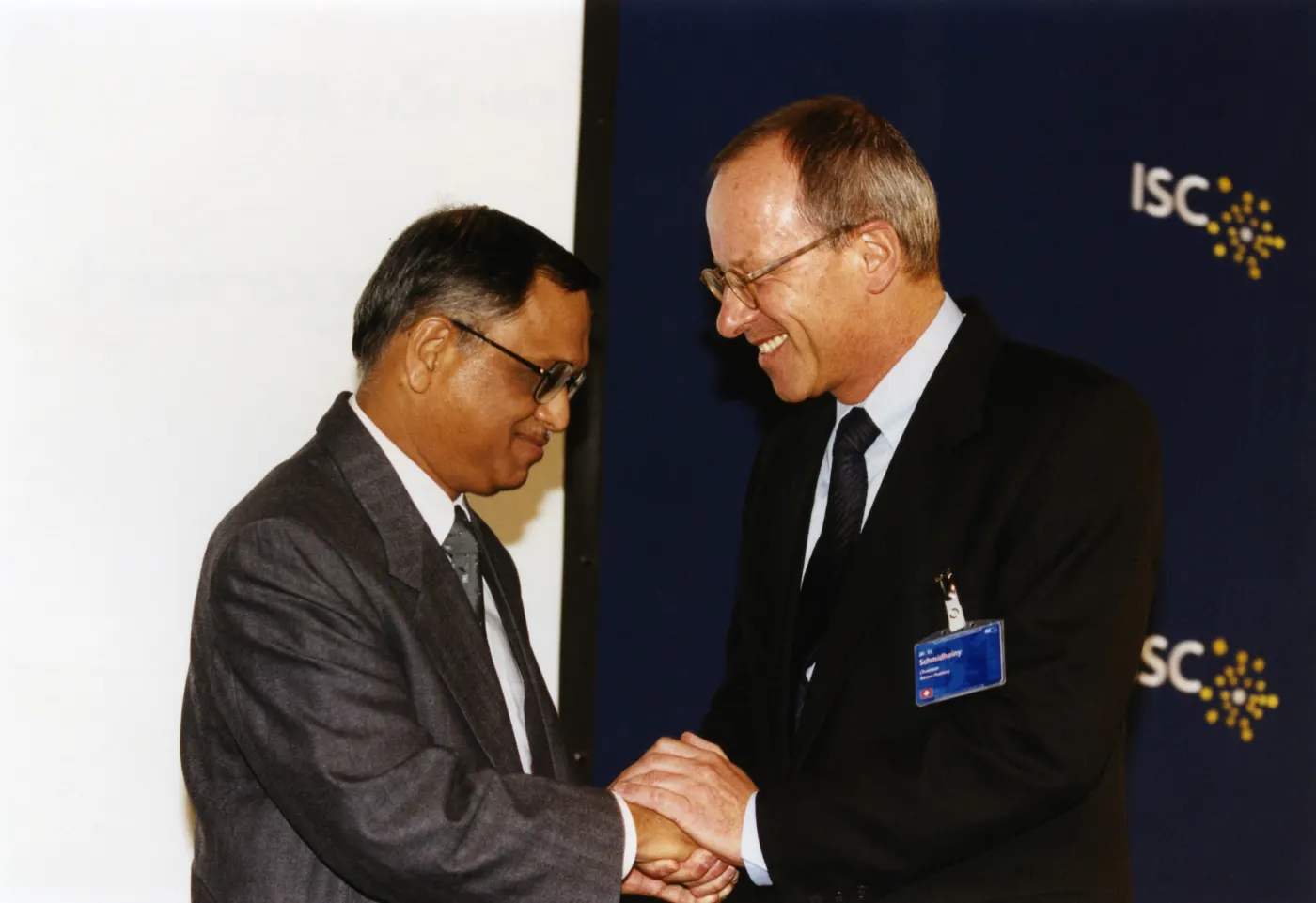
The breakthrough was not a single app. It was a system: hire strong graduates, train them hard, deliver across oceans, and make process visible enough that a CIO in New York could sleep. Infosys helped invent and popularize the global delivery model that remade the industry.
Going public later created wealth for employees and a visible middle-class success story. Stock options were not just compensation. They were a social technology that turned engineers into stakeholders.
Failures, pressure, and the temptation of boom times
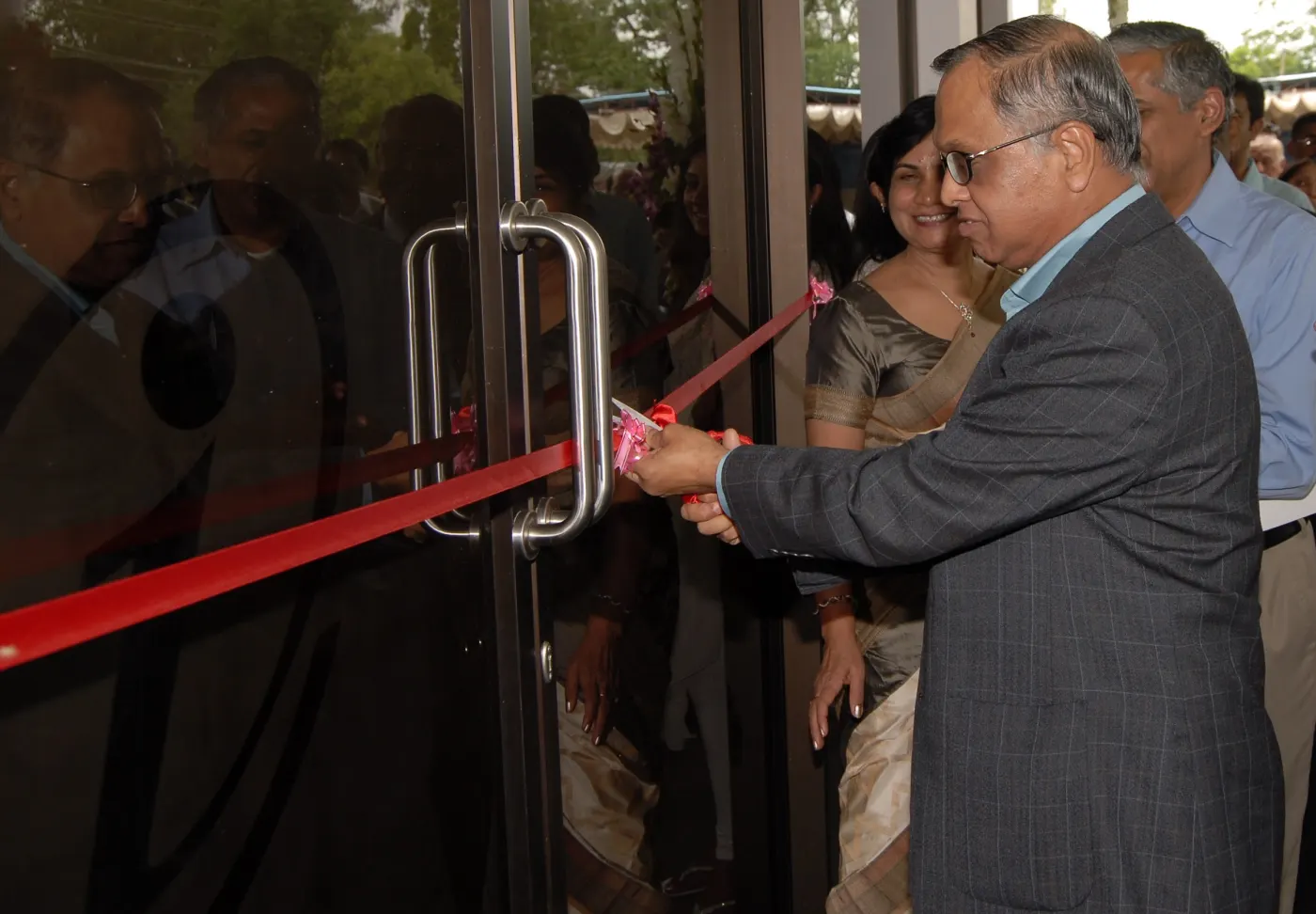
Lean years included visa puzzles, currency swings, and skeptical buyers. Later boom years created a different danger: success theater. Murthy's public voice kept returning to deferred gratification, respect for professionals, and governance. Culture had to be defended when money was easy, not only when money was scarce.
Leadership succession became part of the craft. He stepped back, returned as a stabilizing mentor when the company needed steadiness, and treated the institution as larger than any one heroic season.
How he works
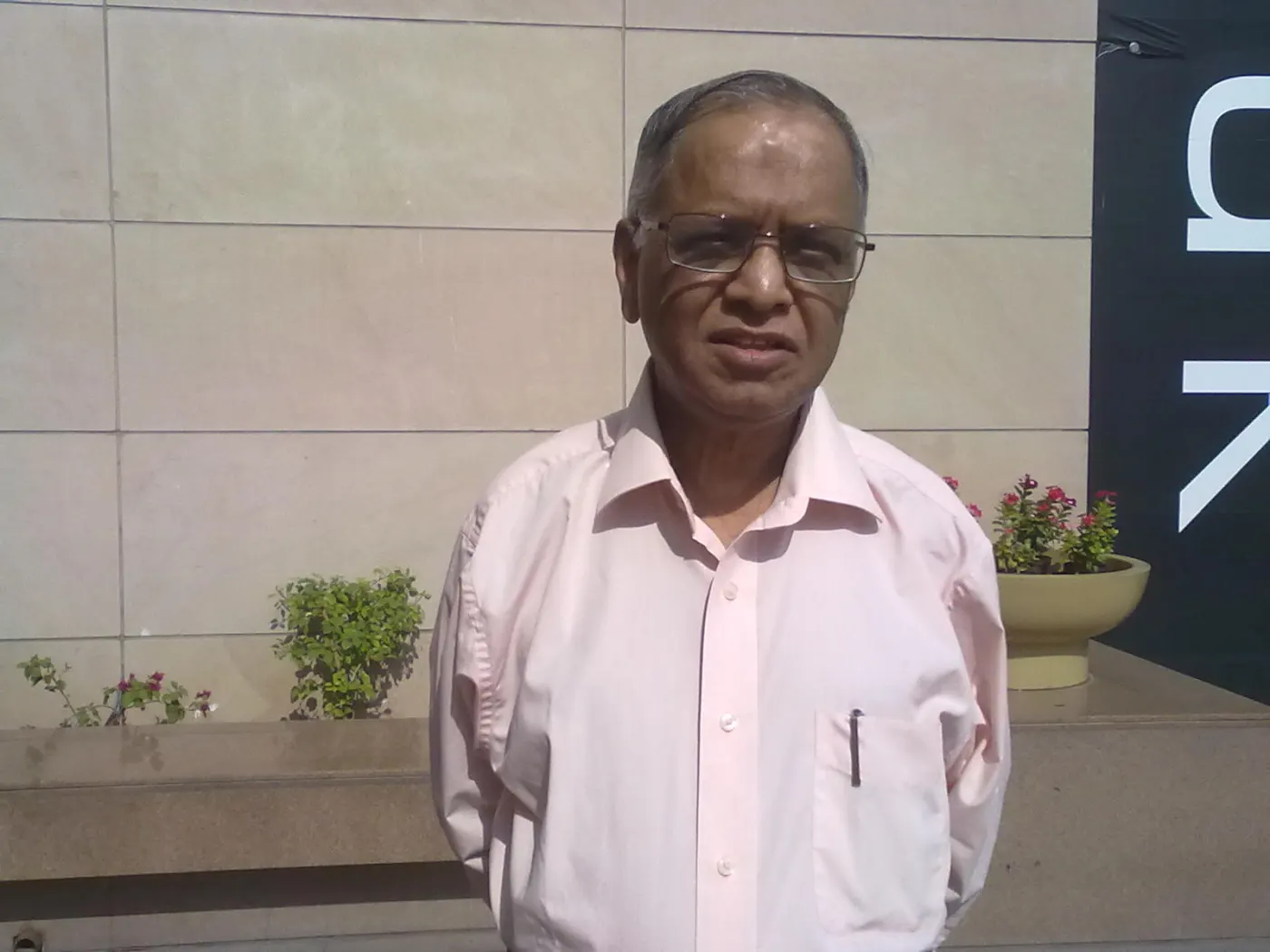
He talks like a standards engineer. Simple ideas repeated until they become operating system: transparency, fairness, long-term thinking. He prefers examples over swagger. In interviews he returns to values not as poetry but as risk control. A company that lies to itself eventually ships that lie to clients.
Current achievements (as of August 2026)
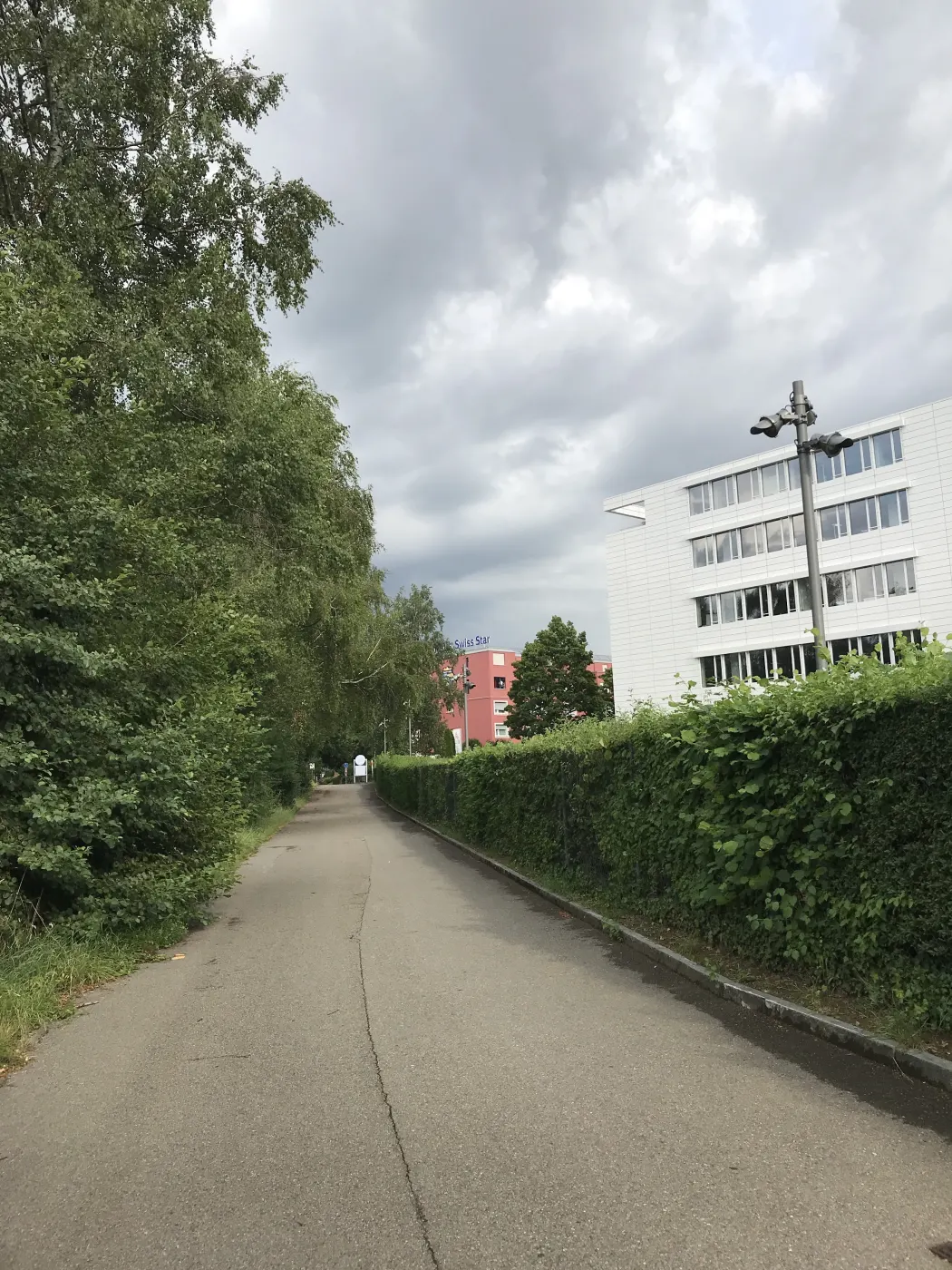
Company: Infosys. Company-value context: major global IT services firm; working list ~$80B class. Personal wealth context: about $3.8B to $4.6B depending on list/date (Forbes 2025 ~$4.6B; other 2026 trackers ~$3.8B).
Current achievement is not a trophy shelf. It is the path still being walked: products shipping, balance sheets tightening or expanding, successors being trained, and public fights that still matter.
Remains chairman emeritus and public voice on governance, education, and work culture while Infosys continues as a global delivery powerhouse.
Wealth still largely tied to Infosys equity and markets; rankings move quarter to quarter.
Institutional continuity decades after founding: Indian firm still competing for Fortune clients on reliability, not only cost.
What shifted inside the business is the real scoreboard. Markets clap late. Operators live in utilization, cash, quality, and whether tomorrow still works.
For N. R. Narayana Murthy, the mid-2020s question is not "did they win once." It is "are the systems they built still rearranging other people's days."
World impact: what actually shifted
World impact is consequence, not applause. It shows up when a habit becomes normal, a price wall cracks, a career path appears, or a country's soft power changes shape.
Consequence 1: Helped invent and normalize global delivery from India: software projects spanning oceans became a trust machine, not a novelty.
Consequence 2: Created a career ladder for hundreds of thousands of engineers and a template other Indian IT firms copied and competed against.
Consequence 3: Soft power: India exported process discipline and on-time delivery as a national brand asset.
None of that arrived as fireworks. It arrived as years of ugly process, then as ordinary life for people who never learn the founder's name.
That is the documentary test for N. R. Narayana Murthy: what changed for customers, workers, industries, and culture after the highlight reel ended.
Standards as a product
Narayana Murthy's founding story is often told as seven people and a tiny capital pool. The deeper product was standards: how you write code, how you speak to a client, how you refuse shortcuts that would stain trust.
Global delivery only works if a customer in New York can sleep while a team in India ships. That sleep is the product. Process manuals, quality systems, and uncomfortable honesty about mistakes became competitive weapons.
He talks about values the way operators talk about tooling. Soft language with hard consequences. An engineer who learns that culture carries it into the next company, which is how Infosys shaped an industry beyond its own payroll.
Money, listing, and temptation
Public markets brought wealth and temptation. Boom years invite arrogance. Murthy's public brand became the counterweight: frugality theater sometimes, governance lectures often, but underneath a real fear that India's IT miracle could rot if ethics became optional.
Failures and almost-quits matter in this documentary. Early sales rejections, visa friction, and nights when payroll felt heavier than pride. The breakthrough was not a single contract. It was repeating trust until the category existed.
How he works now
As chairman emeritus he is not day-to-day CEO. His current stage is influence: education arguments, work-culture provocations that spark national debate, and a living reminder that Infosys was built as a trust machine first.
Young founders hear the listing myth. Operators should hear the Tuesday myth: the day nothing glamorous happened except another kept promise.
Documentary scenes mined from long interviews
These beats are shaped from long-form interview and talk transcripts used in research. Paraphrased into story voice. Not a quote dump.
Scene 1 (infosys): N. R. Narayana Murthy's interviews return to this texture: ...Kind: captions Language: en To do on Legends, ladies and gentlemen, we meet the man who turned a dream into one of India's proudest success stories. The Padma Vibhushan, the Padma Shri awardee, the founder of Infosys, and a leader who has inspired generations to aim high and stay grounded. Please welcome with a huge round of applause Mr. Narayana Murthy in conversation with our editor-in-chief Mr. Arnab Goswami. U
Scene 2 (infosys): N. R. Narayana Murthy's interviews return to this texture: ...I don't think it had much impact. That's what I would say. But does adversity teach you and prepare you better for the future? Does it make you dream harder? Does it make you more hungry? Because when you started Infosys almost 18 years later, you must have been very hungry. You must have been like what, 36 years old? 36 35 years old, 10,000 rupees in your pocket. You had a job. You were by now an IITian. You...
Scene 3 (infosys): N. R. Narayana Murthy's interviews return to this texture: ...audience to relate between the Narayan Murthy who got admission to IIT and could not join because he did not have 60 rupees per month to pay for fees. And the Narayan Murthy who at the age of 35 starts Infosys with 10,000 rupees. Did your early adversity make you more of a risk taker, Mr. Narayan Murthy? You know, in some sense, I have been shaped by the compassion, generosity, and the conviviality of my mother. S
That scene matters because it shows process under pressure, not a trophy. The documentary lives in those textures for N. R. Narayana Murthy.
Scene 4 (pune): N. R. Narayana Murthy's interviews return to this texture: ...days, he came back with a sheepish smile. And he said, "Mr. Murthy, would it be possible for you to come and meet my uncle, Shri Divgi? Shri Divgi He was an entrepreneur who had founded Divgi Metal Works in Pune. He said, "My parents-in-law want me to arrange a meeting between you and Shri Divgi. Divgi wants to talk to you and find out your idea of entrepreneurship." I said, "Most welcome." So, Sudha and I, we wen
Scene 5 (pune): N. R. Narayana Murthy's interviews return to this texture: ...would you know, they would use some of their own stories and communicate to younger people. You know, uh from being from Infosys' first chairman and CEO 1981 to 2002, then executive chairman then 2011, you raised it from a Pune apartment to a hundred billion Nasdaq listed company in that era. And there's one man, one man, one very close friend of yours, one man who's had a great association with you and with Repub
Scene 6 (sudha): N. R. Narayana Murthy's interviews return to this texture: ...had founded Divgi Metal Works in Pune. He said, "My parents-in-law want me to arrange a meeting between you and Shri Divgi. Divgi wants to talk to you and find out your idea of entrepreneurship." I said, "Most welcome." So, Sudha and I, we went to Nandan's grand uncle's house in Worli. And Sudha and Nandan's grand uncle hit it off very well because they were both from the Indian Institute of Science. Of course, di
That scene matters because it shows process under pressure, not a trophy. The documentary lives in those textures for N. R. Narayana Murthy.
Scene 7 (sudha): N. R. Narayana Murthy's interviews return to this texture: ...to arrange a meeting between you and Shri Divgi. Divgi wants to talk to you and find out your idea of entrepreneurship." I said, "Most welcome." So, Sudha and I, we went to Nandan's grand uncle's house in Worli. And Sudha and Nandan's grand uncle hit it off very well because they were both from the Indian Institute of Science. Of course, difference in years was there. Divgi and I went into about two hours of conve
Scene 8 (sudha): N. R. Narayana Murthy's interviews return to this texture: ...it is the human mind that has to primarily be the innovator. And if that happens in the country then everything will happen. That's beautiful, sir. Sir, my very last question today I saw you singing Elvis Presley style for Sudha Murty. She's not here. It's good. Are you a crooner? Are you a crooner, sir? Do you croon? I mean and also uh uh about Sudha Murty we've not spoken much about it. She's amazing, isn't she?
Scene 9 (value): N. R. Narayana Murthy's interviews return to this texture: ...Minister. We all want to create an India of which posterity can be proud proud of." And this is the only way we can give lives to a large number of Indians who still don't have jobs. What is the value of human life unless you can share and care, as my mother used to say. You know, I mean, sometimes youngsters would say, "No, no, what is this? We are already 11 people eating. Why have you brought one...
That scene matters because it shows process under pressure, not a trophy. The documentary lives in those textures for N. R. Narayana Murthy.
Scene 10 (value): N. R. Narayana Murthy's interviews return to this texture: ...beauty of human beings is it has given us the power of thinking and the power to articulate, the power to listen and react. That's unique thing about human beings." And she would say, "If you do not practice these values today, you will not be a worthwhile human being. Your life will be a waste. So, therefore, my view, Arnab, is while I respect the views of all those wonderful youngsters, it's normal at their age,
Scene 11 (value): N. R. Narayana Murthy's interviews return to this texture: ...build that Viksit Bharat. I think that will impress and make sure it is in Hindi, it is in English, it is in Kannada, Bangla uh uh you know, whatever you know, Bengali and all of that because that the value of that will be so extraordinary. Sorry, I took a little bit I will I will certainly I will certainly take that take that at face value uh takes me back when you uh when you were talking...
Scene 12 (trust): N. R. Narayana Murthy's interviews return to this texture: ...and he said, "Look, it is our job to build a new Germany. And that requires all of us to work very hard." And he said, "If you, the leaders of your corporations, work hard, and then people will start trusting your words. So, everybody will work hard." And Germany rebuilt itself in a matter of 7 to 8 years. So, my belief is that at this point of time, thanks to the extraordinary work done by our respected Prime...
That scene matters because it shows process under pressure, not a trophy. The documentary lives in those textures for N. R. Narayana Murthy.
Scene 13 (trust): N. R. Narayana Murthy's interviews return to this texture: ...time when we shouldn't give up. This is the time when we have toned our body. We have toned our mind to run this marathon and complete it. Therefore, it is the responsibility of every leader assembled here to create trust in their words amongst the youngsters, and then say, "We are all running a noble uh marathon. We are all supporting our Prime Minister. We all want to create an India of which posterity can be pr
Scene 14 (software): N. R. Narayana Murthy's interviews return to this texture: ...to facts because I was part of it. Sure. No, what happened was sometime in 1989 I met the head of finance of a large family company at Mumbai Airport. And he said "You know, we are looking at acquiring software business. Would it be possible for you to come and meet me?" I said "You know sure, because I wanted to see his perspective. So that I can understand my business, my opportunities, etc. better. So I went an
Scene 15 (seven): N. R. Narayana Murthy's interviews return to this texture: ...to feed. But my mother believed in a practice that was prevalent in Karnataka at that time called Varanna. That translates to feeding a child from a poorer family once a week. So, in other words, we used to have seven children from seven poorer families for dinner with us. In other words, my mother had to prepare for 12 children. And uh father was a strict disciplinarian. His aspirations were very high. I still re
That scene matters because it shows process under pressure, not a trophy. The documentary lives in those textures for N. R. Narayana Murthy.
Scene 16 (seven): N. R. Narayana Murthy's interviews return to this texture: ...my mother believed in a practice that was prevalent in Karnataka at that time called Varanna. That translates to feeding a child from a poorer family once a week. So, in other words, we used to have seven children from seven poorer families for dinner with us. In other words, my mother had to prepare for 12 children. And uh father was a strict disciplinarian. His aspirations were very high. I still remember when I
Scene 17 (founders): N. R. Narayana Murthy's interviews return to this texture: ...are all frauds. And this fraudulent culture must stop in this country. It makes for good startup television, good 10 minutes of TV viewing, but it's rubbish. The question to you is this. In the late 1980s some of your co-founders were forcing you to sell Infosys. Is that right? It is. Can you tell us the inside story of what happened? Sure. Because because Infosys nearly shut down. Yeah. Nearly shut down. Some of
Scene 18 (founders): N. R. Narayana Murthy's interviews return to this texture: ...some of your co-founders were forcing you to sell Infosys. Is that right? It is. Can you tell us the inside story of what happened? Sure. Because because Infosys nearly shut down. Yeah. Nearly shut down. Some of your co-founders wanted to sell the company. You refused and apparently you went around pleading, "Give me one more chance. Give me one more chance." Is this true, Mr. Narayan Murthy? Can we have the insid
That scene matters because it shows process under pressure, not a trophy. The documentary lives in those textures for N. R. Narayana Murthy.
Taken together, the interview record keeps N. R. Narayana Murthy human: excited, frustrated, stubborn, technical, sometimes lucky, often simply refusing to quit the Tuesday work.
What building actually looked like
Building looked like spreadsheets, arguments, factory floors, customer calls, and rewritten plans. For N. R. Narayana Murthy, glamour was rare. Repetition was the method. The method became the empire.
This is why the biography refuses trophy lists. Lists skip the mechanism. The mechanism is how N. R. Narayana Murthy actually shifted the world around them.
First company: how Infosys was actually built
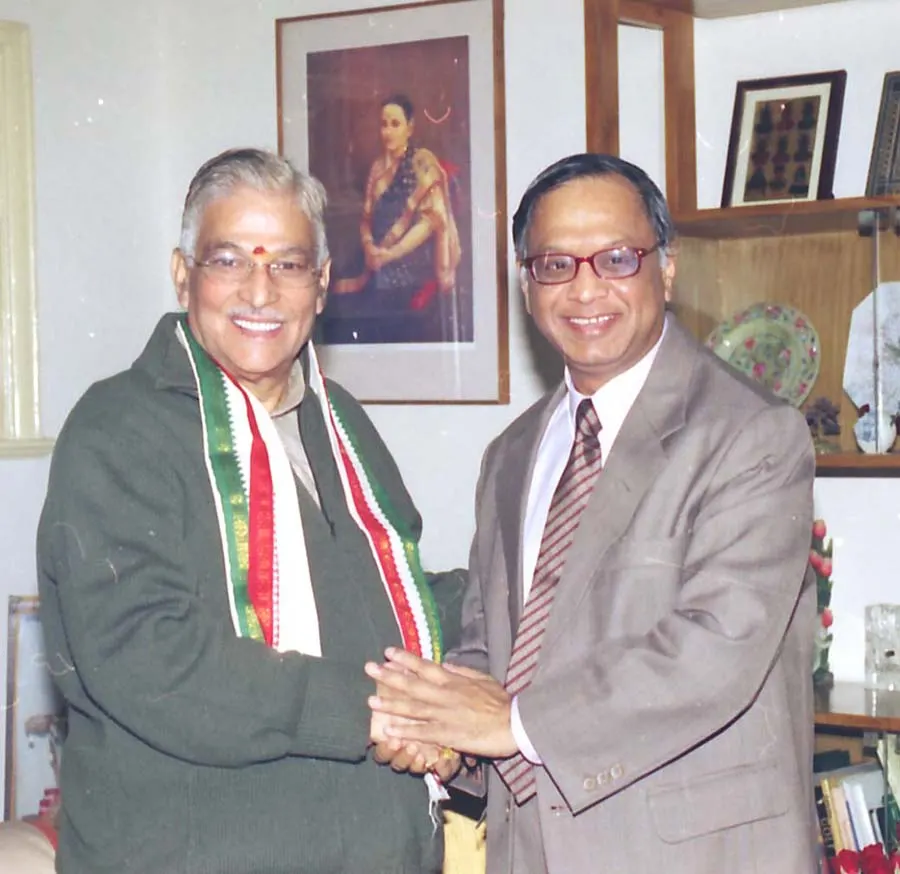
Infosys did not appear as a logo. It appeared as a bet that Indian engineers could deliver complex software to global clients with process rigor. Early capital was small. Early credibility was smaller. The work was sales trips, demos, visas, code reviews, and the stubborn insistence that quality was not optional.
Murthy's leadership brand became inseparable from values talk, but the operating translation was checklists, transparency with clients, and a refusal to treat chaos as creativity. Global delivery needed boring excellence. Boring excellence became India's export.
Breakthrough as a trust machine
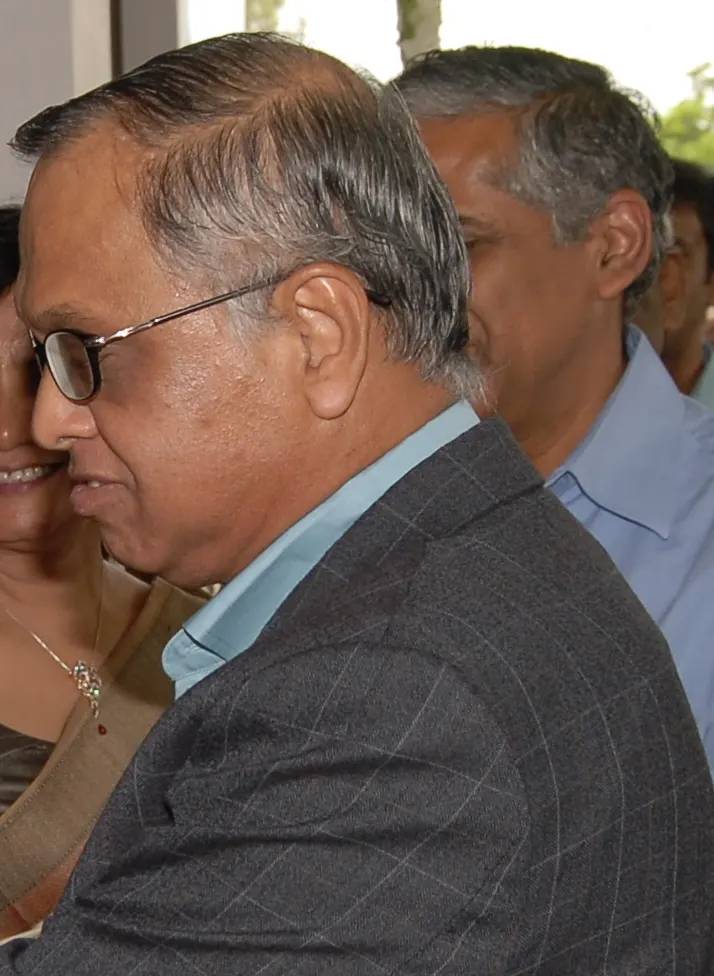
The breakthrough was repeated trust. A client who sleeps while another continent ships is buying a nervous system, not a timesheet. Infosys scaled that nervous system until the category "Indian IT services" became a default option in boardrooms worldwide.
Jobs followed. Training followed. Competitors followed. Soft power followed. A nation's brand gained a new sentence: we can run your systems.
Failures and boom-time temptation
Boom years invite arrogance, hiring bloat, and ethical shortcuts. Murthy's public warnings about governance and work culture are part of the documentary because temptation is part of success. The firm survived eras of scrutiny by treating reputation as an asset on the balance sheet even when it did not look like one.
Current stage
As chairman emeritus, his present tense is influence and institutional memory. Infosys still competes globally. Wealth estimates in the roughly $4B class move with holdings. World impact remains the career ladders and the trust template other firms still race against.
Closing
Murthy's documentary is a bet that character can be a competitive advantage. Software made the money. Trust made it last. Soft power, in this story, looks like a campus, a process chart, and a generation that learned to ship.