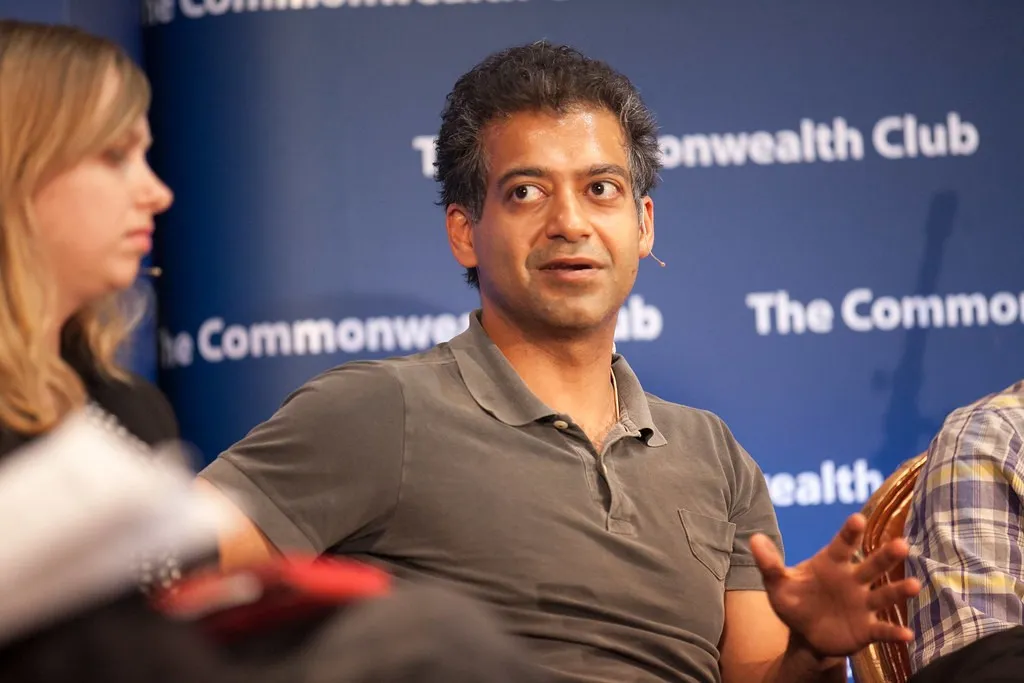
How to Get Rich Without Getting Lucky
He came to New York at nine. He built startups and a platform for investors. Then a tweet thread made him a philosopher.
Naval Ravikant is known for building AngelList.
He also writes about wealth and happiness.
His story starts far from Silicon Valley.
Childhood and Family
Naval was born in New Delhi, India on November 5, 1974.
He moved to Queens, New York at age nine.
He traveled with his mother and older brother, Kamal.
His father, a pharmacist, had moved to the United States earlier.
The family split up soon after arriving.
Naval grew up in a single‑parent home.
His mother took menial jobs and went to night school.
Hometown and School
Naval lived in several Queens neighborhoods.
He spent time in Jamaica and Kew Gardens.
He attended Stuyvesant High School in Manhattan.
He graduated from Stuyvesant in 1991.
Stuyvesant is a specialized public school.
After high school he went to Dartmouth College.
College and Early Work
At Dartmouth he studied computer science and economics.
He earned degrees in both fields in 1995.
While a student he worked in the college computer lab.
He completed a three‑month internship at Davis Polk & Wardwell.
After graduation he joined the Boston Consulting Group.
He later moved to Silicon Valley to work at @Home Network.
First Companies
In 1999 Naval founded his first major startup, Epinions.
Epinions was a product review site.
He later represented Vast.com, a travel search company.
A controversy hit him in 2005.
He and other Epinions co‑founders sued Benchmark Capital and August Capital.
They claimed the investors misled them into a merger that wiped out their stock.
The lawsuit settled in December 2005 for an undisclosed sum.
AngelList and Later Work
In 2010 Naval co‑founded AngelList with Babak Nivi.
They built an email list of curated angel investors.
Startups applied and were screened.
The best deals were sent to the investor list.
Early attempts from 2007 to 2009 failed because of low deal flow.
The 2010 timing helped AngelList grow quickly.
AngelList stayed private.
Key milestones include the 2013 launch of Syndicates.
In 2016 AngelList bought Product Hunt.
In 2023 it acquired Nova to enter private equity.
In 2022 the company raised a $100 million Series B at a $4 billion valuation.
Today AngelList supports over $200 billion in assets.
Naval now chairs the investment committee for USVC, an AngelList venture fund.
USVC lets retail investors put as little as $500 into private AI companies.
He also works on “vibe coding,” using AI agents to build personal software.
He comments on AI policy and argues labs should be liable for model behavior.
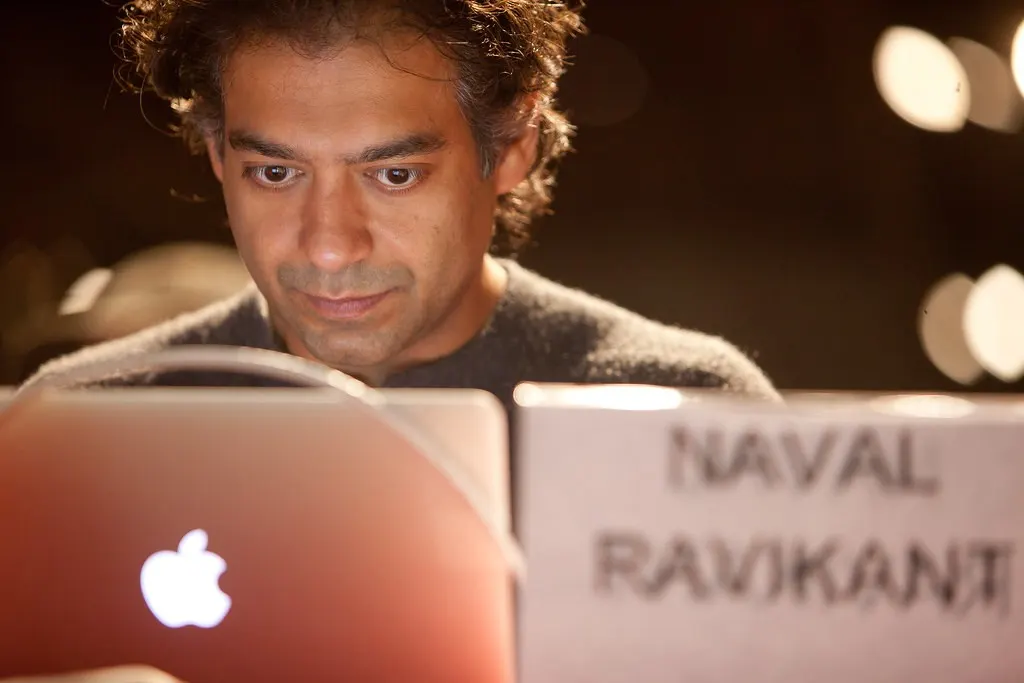
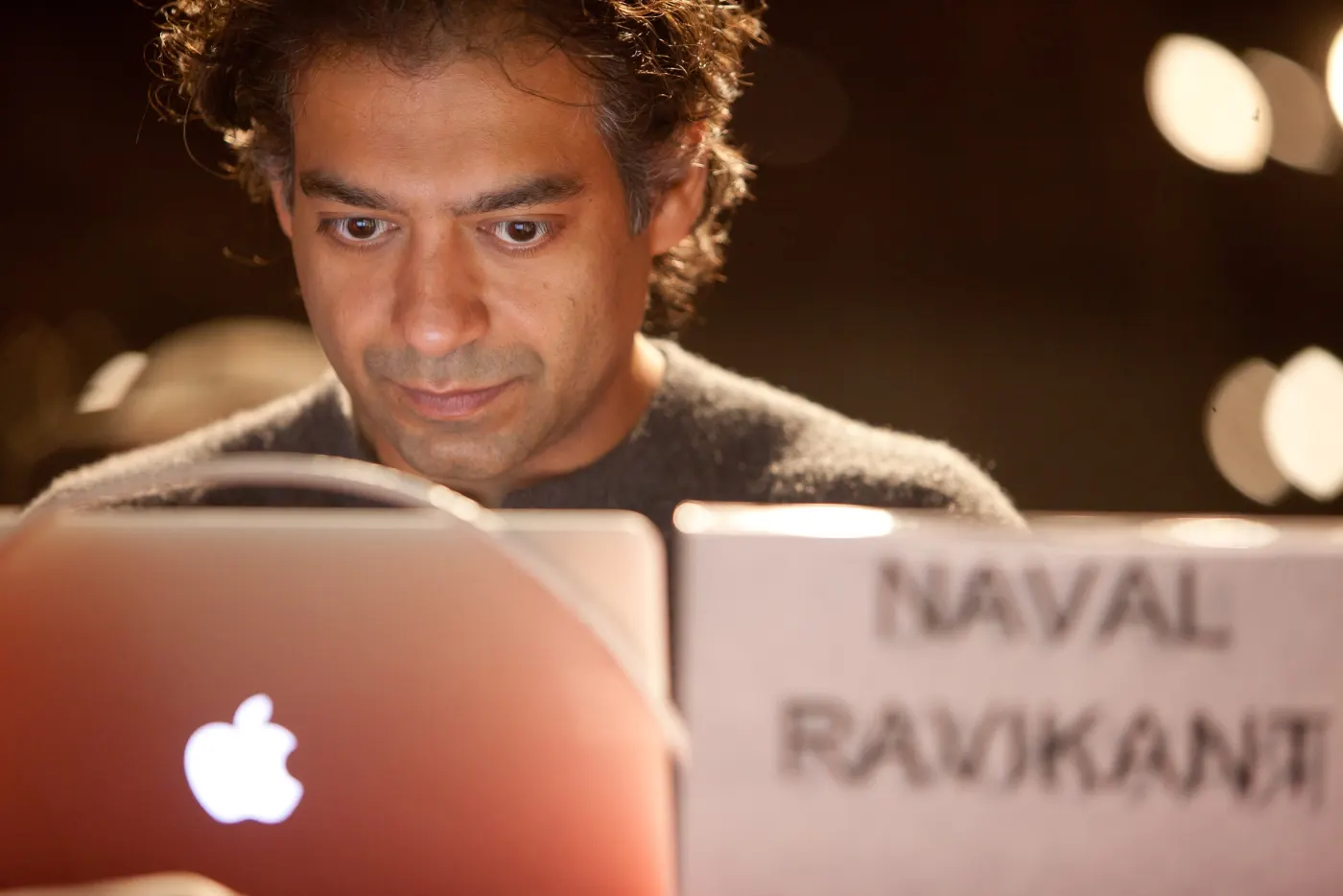
Naval calls reading his “meta‑skill.”
He also practices meditation, exercise, and studies Eastern philosophy.
He says a fit body, a calm mind, and a house full of love cannot be bought.
"Desire is a contract you make with yourself to be unhappy until you get what you want."
"A fit body, a calm mind, and a house full of love. These things cannot be bought, they must be earned."
He rejects macro‑charity.
He prefers personal impact and responsibility.
Naval’s journey shows how an immigrant kid can shape a tech platform.
It also shows how clear thinking can become a valuable product.
Naval Ravikant was born in New Delhi on November 5, 1974.
He moved to Queens, New York, at age nine with his mother and brother.
His father stayed in India as a pharmacist.
Naval grew up in Jamaica and Kew Gardens.
His mother worked menial jobs and went to night school.
He attended Stuyvesant High School and graduated in 1991.
He earned degrees in economics and computer science at Dartmouth College in 1995.
After college he worked at Boston Consulting Group and @Home Network.
He founded his first major company, Epinions, in 1999.
Founding Story
In 2010 Naval started AngelList with Babak Nivi.
They wanted a product version of Venture Hacks fundraising education.
They began by building an email list of curated angel investors.
They screened startups that applied and sent the best deals to the list.
The timing in 2010 helped the idea take off.
First Customers and Product
The first “customers” were angel investors who joined the curated list.
Startups also signed up to be screened for seed funding.
AngelList acted as a matchmaker between the two groups.
It offered a simple online directory instead of cold emails.
Early Struggles
Naval tried similar matchmaking ideas from 2007 to 2009.
Those attempts failed because there was little deal flow.
The market for angels was weak after the 2008 crash.
The platform lacked reach and investor interest.
When 2010 arrived, the environment improved and the service grew.
Key Turning Points
In 2013 AngelList launched Syndicates.
Syndicates let angels pool money and invest together.
In 2016 AngelList bought Product Hunt.
The acquisition added a community of product lovers.
In 2023 AngelList bought Nova to enter private equity.
Naval appeared with co‑founder Jeremy Liew at several events.
Growth with Real Numbers
In 2022 AngelList raised a $100 million Series B.
The round valued the company at $4 billion.
Today the platform supports over $200 billion in assets.
It remains a private company and has not done an IPO.
Funding, Acquisitions, and Outlook
AngelList’s funding history includes the 2022 Series B.
The company has made three major acquisitions: Product Hunt (2016), Nova (2023), and earlier undisclosed deals.
No public stock offering has occurred.
Naval now chairs the investment committee for USVC, an AngelList venture fund.
USVC lets retail investors put as little as $500 into private AI firms.
Naval also focuses on “vibe coding,” using AI agents to build personal apps.
He speaks publicly about AI policy and lab liability.
Naval’s story shows how a simple matchmaking idea can become a market‑changing platform.
It also shows the power of timing, persistence, and clear thinking.
The AngelList journey continues to shape how startups raise money.
Setbacks
Naval faced early failures.
His first big venture, Epinions, launched in 1999.
The market was rough.
Deal flow was thin in 2007‑2009.
Angel matchmaking did not work.
The 2008 crash hurt investors.
Repeated attempts to build a network failed.
He kept trying despite the loss.
Controversies
In 2005 Naval and co‑founders sued Benchmark and August Capital.
They said the investors misled them into a merger.
The merger made their common stock worthless.
Investors profited while founders lost value.
The case settled in December 2005 for an undisclosed sum.
More recently, in 2025 he was criticized for comments on Zcash.
Observers noted his early investment in the project.
They argued his statements could be a conflict of interest.
The debate stayed balanced in public forums.
Recent Changes
AngelList grew fast after 2010.
2013 saw the launch of Syndicates.
2016 added Product Hunt.
2023 added Nova for private‑equity work.
2022 raised a $100 million Series B at a $4 billion valuation.
The platform now supports over $200 billion in assets.
Naval now talks about “vibe coding.”
He builds personal AI agents for software tasks.
He also speaks on AI policy.
He says labs should be liable for model behavior.
He describes a “flywheel” of elite human data in AI labs.
Where He Is Now (2026)
In September 2026 Naval chairs the investment committee for USVC.
USVC is an AngelList venture fund for retail investors.
It offers exposure to AI firms like OpenAI, Anthropic, and xAI.
The minimum investment is $500.
He continues to invest, write, and comment on wealth and happiness.
He still values reading, meditation, and exercise.
He rejects macro‑charity, preferring personal impact.
Why the story matters
Setbacks teach perseverance.
Legal fights show the need for clear contracts.
Criticism reminds leaders to watch conflicts of interest.
Recent pivots illustrate the power of adaptation.
Naval’s 2026 role shows how founders can shape new markets.
His journey proves that ideas can outlast any single product.
The Record
Born: 1974
Origin: New Delhi, India; raised in Queens, NY
Education: Stuyvesant High School; Dartmouth College (Economics, Computer Science)
First company: Epinions (1999)
Major venture: AngelList (2010)
Key milestones: Syndicates (2013), Product Hunt (2016), Nova (2023)
2022 funding: $100 M Series B at $4 B valuation
2026 role: Chair, USVC investment committee
Timeline
1974 to Born in New Delhi.
1983 to Immigrated to Queens, NY at age nine.
1991 to Graduated Stuyvesant High School.
1995 to Graduated Dartmouth College.
1999 to Co‑founded Epinions.
2005 to Sued Benchmark and August Capital; settled in December.
2010 to Launched AngelList with Babak Nivi.
2013 to Introduced AngelList Syndicates.
2016 to Acquired Product Hunt.
2022 to Raised $100 M Series B at $4 B valuation.
2023 to Acquired Nova for private‑equity expansion.
2025 to Faced criticism over Zcash comments.
2026 to Chairs USVC investment committee; focuses on AI policy and vibe coding.