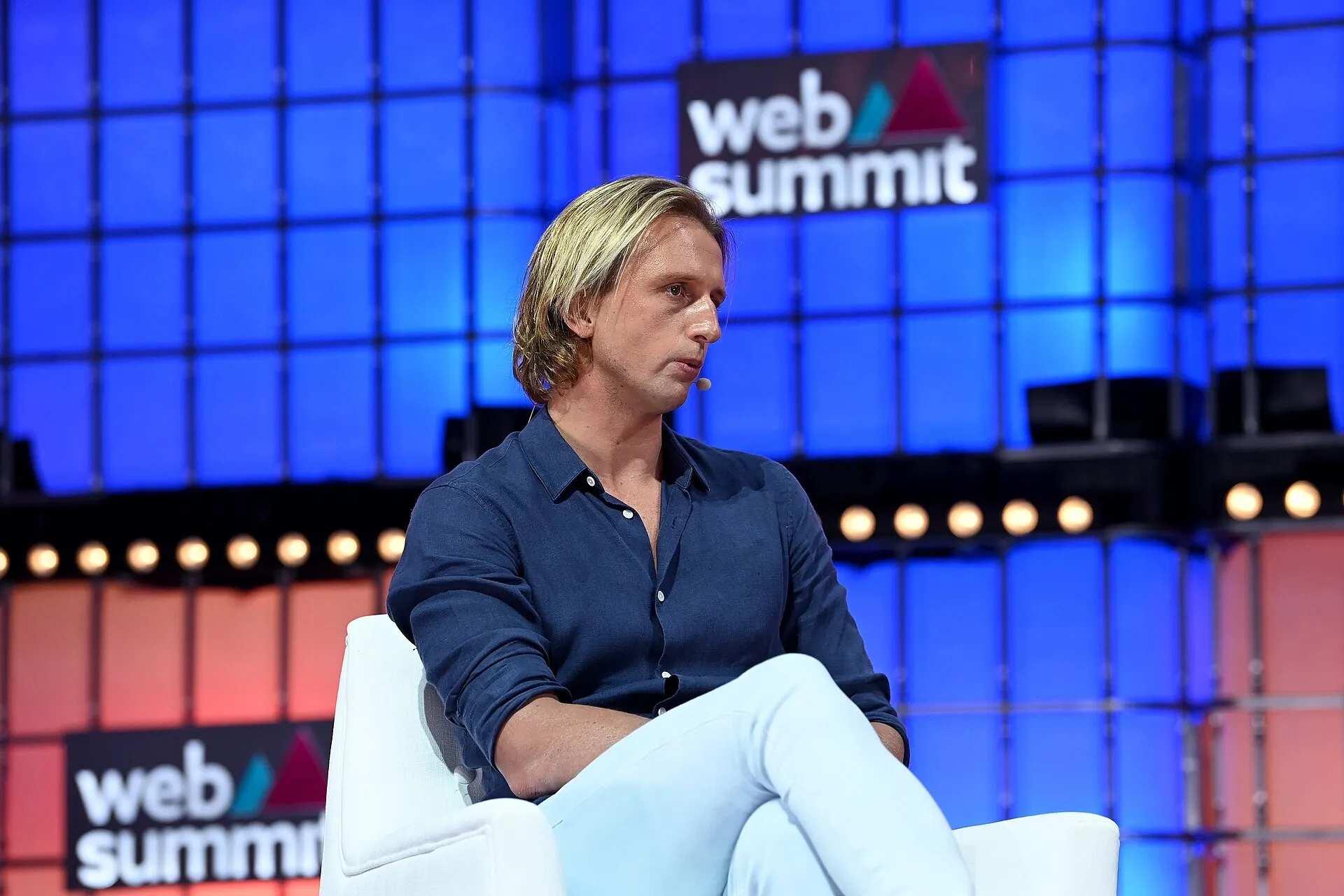
He Hated Bank Fees. So He Built a Bank.
He paid painful fees every time he travelled. He knew the banks were overcharging. So he built the fix himself.
Every time Nik Storonsky travelled abroad, his bank took a bite.
Swap pounds for euros? Fee. Pay with your card in another country? Fee. Take out cash? Another fee.
Nik was a currency trader. He knew exactly how cheap it really was for banks to swap money. The fees made him angry.
So in 2015, he started Revolut, a card and app that let people spend in other currencies at real exchange rates. It grew into one of the most valuable financial companies in Europe.
A boy near Moscow
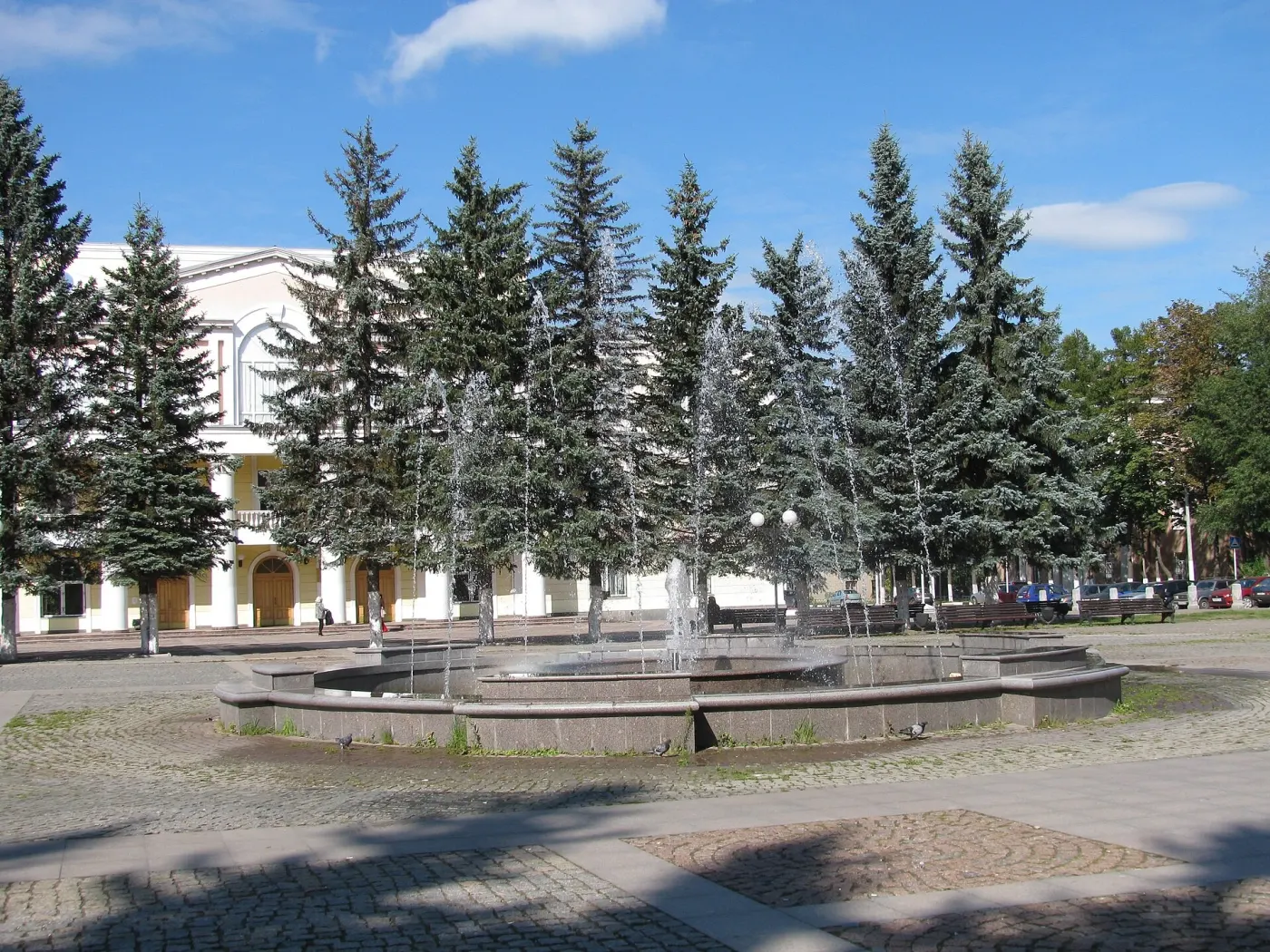
Nik Storonsky was born in 1984 and grew up in Dolgoprudny, a small science town on the edge of Moscow.
As a kid he boxed. As a teenager he became a serious competitive swimmer. Sport taught him discipline and a love of winning.
He studied physics at the Moscow Institute of Physics and Technology, one of Russia's top universities, and also studied economics.
A trader in London
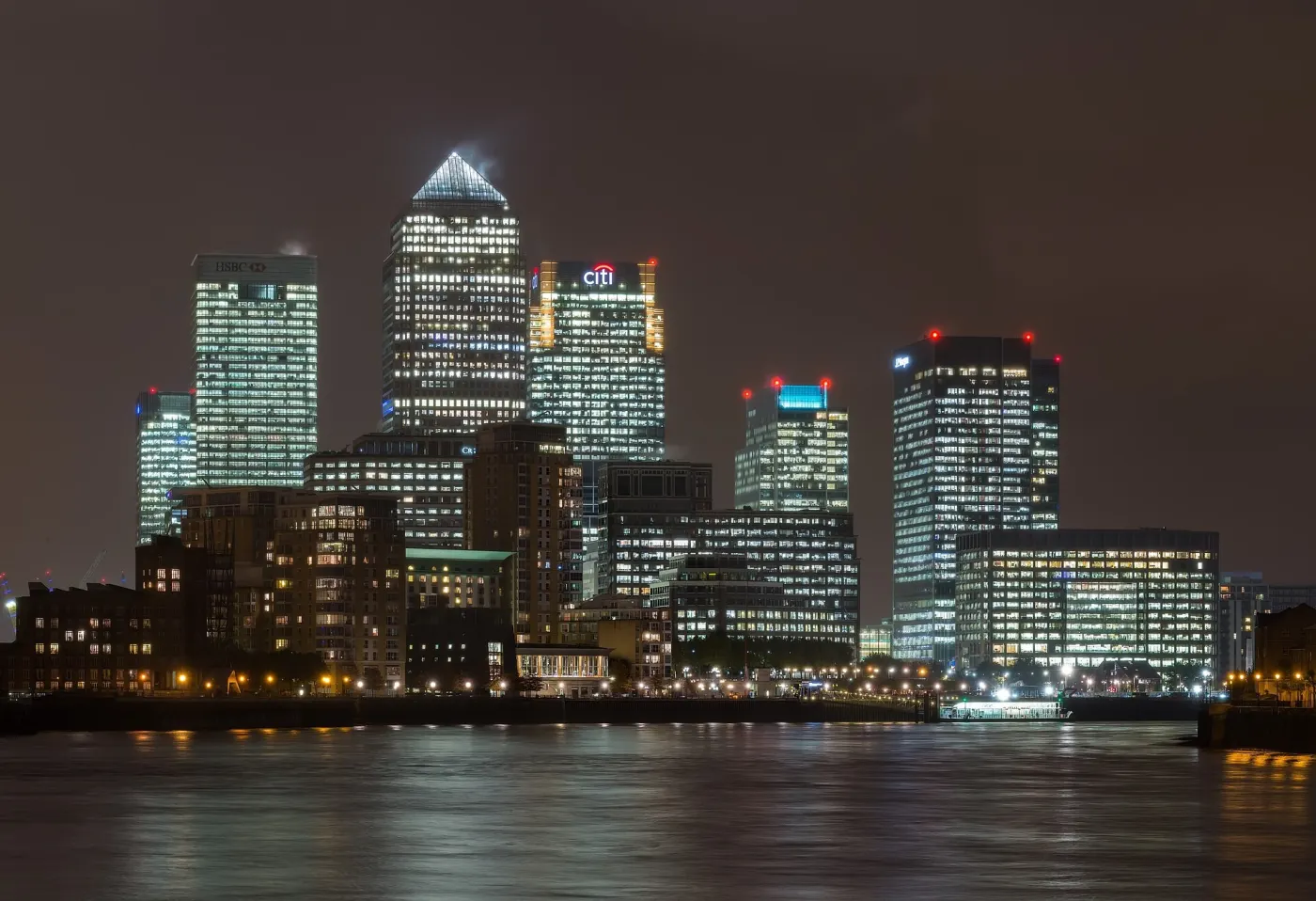
Nik moved into finance. He worked as a trader at Lehman Brothers and then at Credit Suisse in London.
He was good at it. But he did not want to spend his life making money for a big bank. He wanted to build something of his own.
Meeting the builder
Nik had the idea. He needed an engineer to build it.
He found Vlad Yatsenko, a Ukrainian software developer who had built trading systems for big banks. Vlad could turn Nik's idea into real technology.
On July 1, 2015, they launched Revolut in London.
The travel card that took off
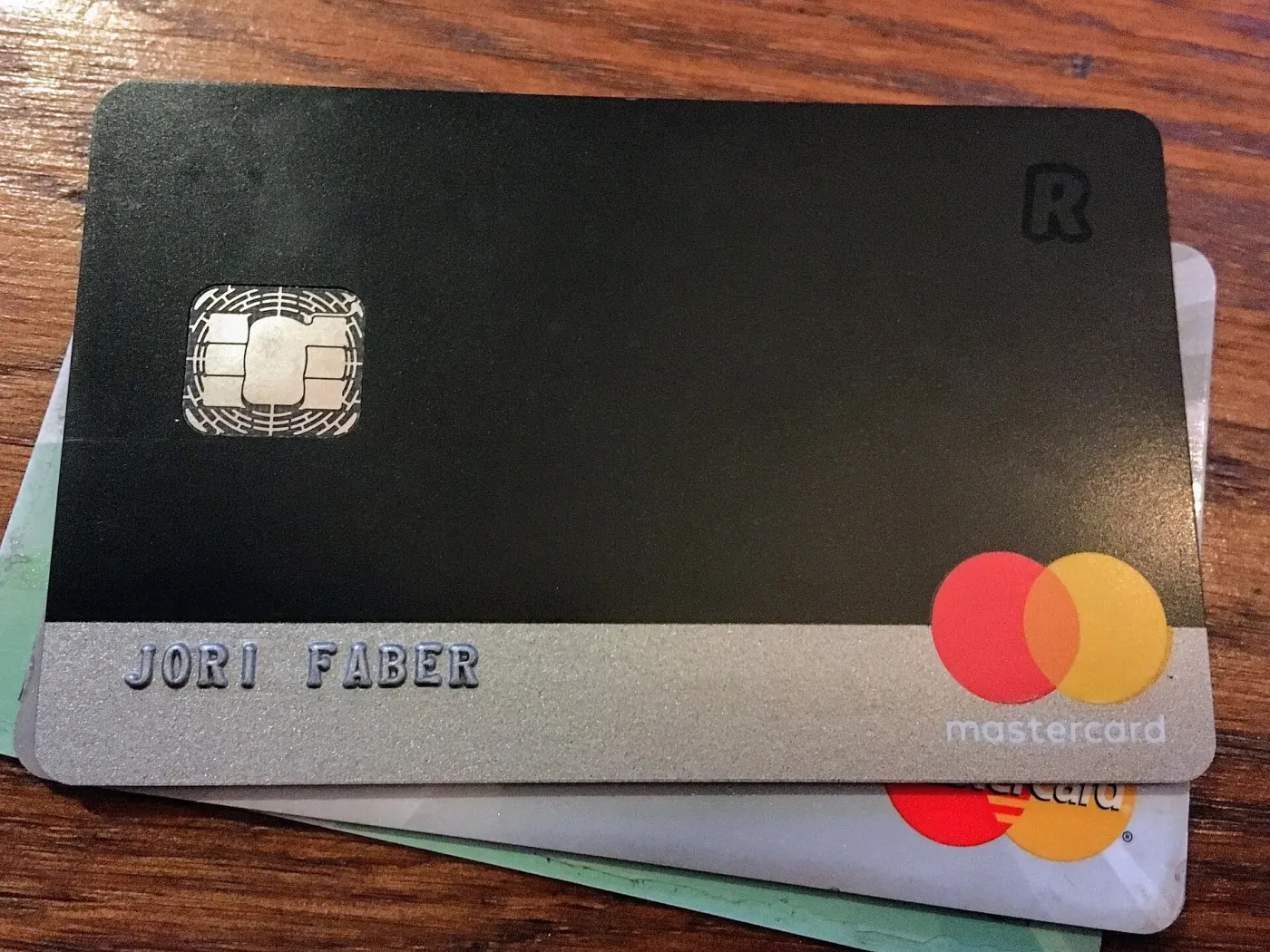
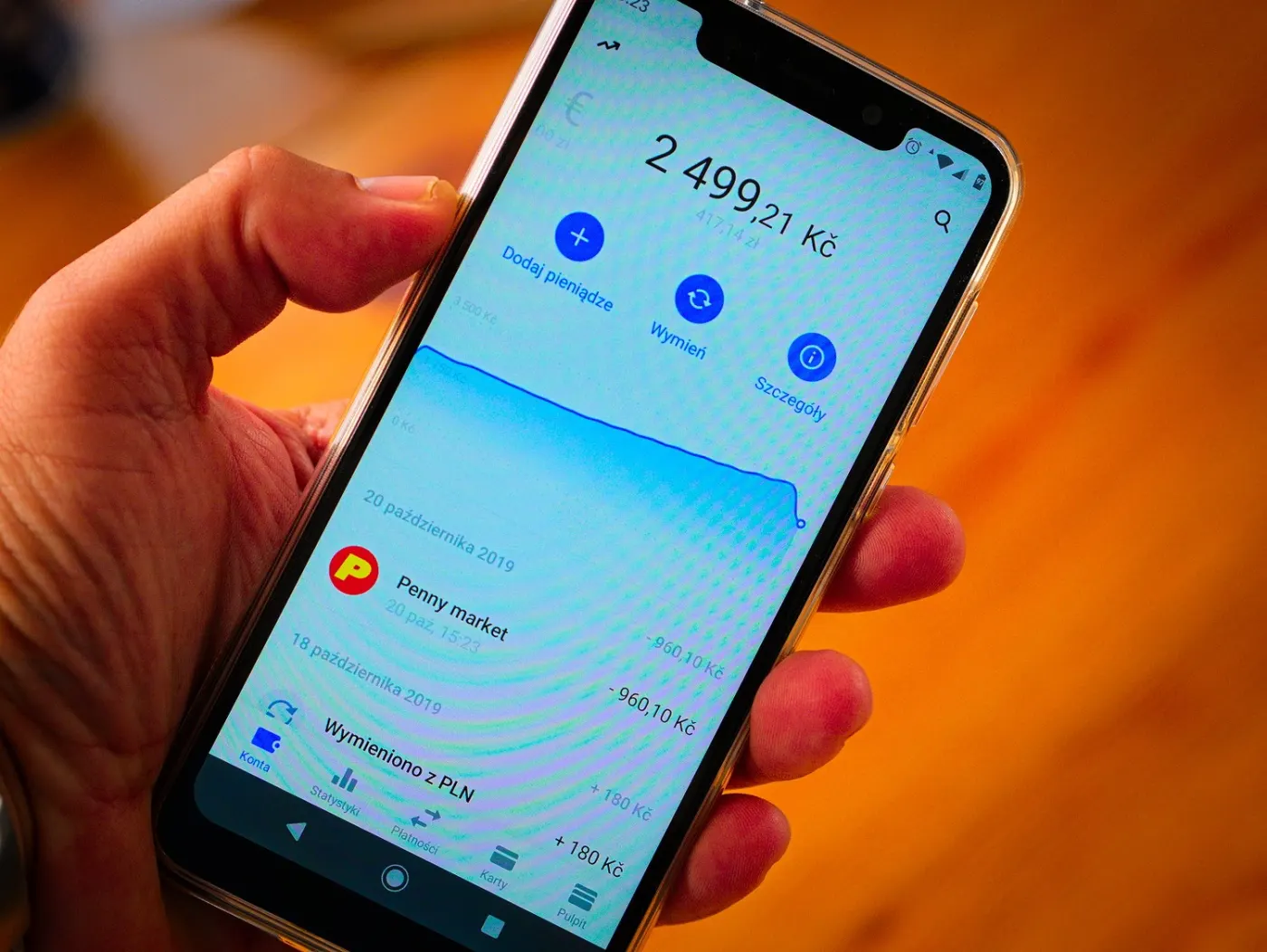
Revolut's first product was simple. A prepaid card and app that let you spend in many currencies with no hidden fees.
Travellers loved it. By 2016, Revolut had around 300,000 users.
Then Revolut kept adding more. Stock trading. Crypto. Insurance. Savings. Business accounts.
Work hard, grow fast
Nik became famous for an intense work culture. He pushed his team hard and set huge goals, like reaching 100 million customers.
That style brought fast growth. It also brought criticism from former staff who said the pressure was too much.
In 2021, Revolut raised money at a $33 billion valuation, making it one of Europe's most valuable startups.
The long wait for a licence
To become a real bank in the UK, Revolut needed a banking licence. It applied in 2021.
The wait was long. In July 2024, it got a licence with restrictions. Finally, on March 11, 2026, Revolut received its full UK banking licence.
"This is a vital step in our mission to build the world's first truly global bank."
Nik renounced his Russian citizenship after Russia invaded Ukraine. He is a British citizen.
Where he is now
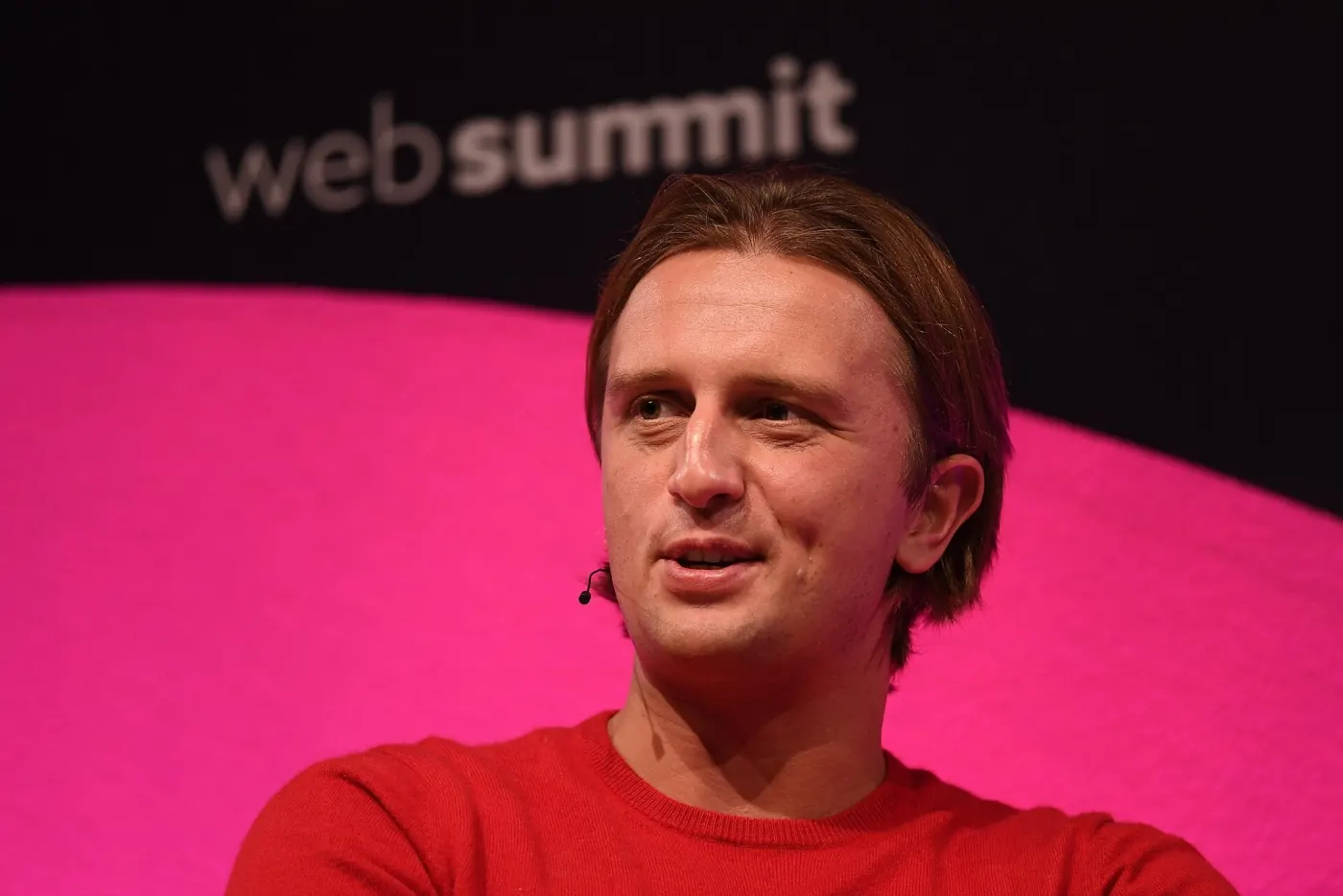
Today, Nik Storonsky is co-founder and CEO of Revolut. The company reported revenue of £4.5 billion in 2025. In November 2025, a share sale valued Revolut at $75 billion, and in July 2026 Bloomberg reported a new valuation of $115 billion.
He has said a stock market listing is still a couple of years away.
Why the story matters
Nik Storonsky turned a small daily frustration into a global company. He did not just complain about bank fees. He used what he knew from trading to beat the banks at their own game.
For young builders, the lesson is simple. The best ideas often come from problems you understand better than most people. And big goals, pushed hard, can take you very far.
He did not want a better bank account. He built a better bank.
The Record
Born: 1984
From: Dolgoprudny, near Moscow; lives in London, UK
Studied: Physics, Moscow Institute of Physics and Technology
Career before Revolut: Trader at Lehman Brothers and Credit Suisse
Built: Revolut (with Vlad Yatsenko)
Timeline
1984 Born near Moscow.
2015 Launches Revolut in London with Vlad Yatsenko.
2016 Reaches around 300,000 users.
2021 Valued at $33 billion. Applies for UK banking licence.
2024 Gets a restricted UK banking licence. Valued at $45 billion.
2025 Revenue hits £4.5 billion. Valued at $75 billion.
2026 Wins full UK banking licence in March.
2026 Reported $115 billion valuation in July.