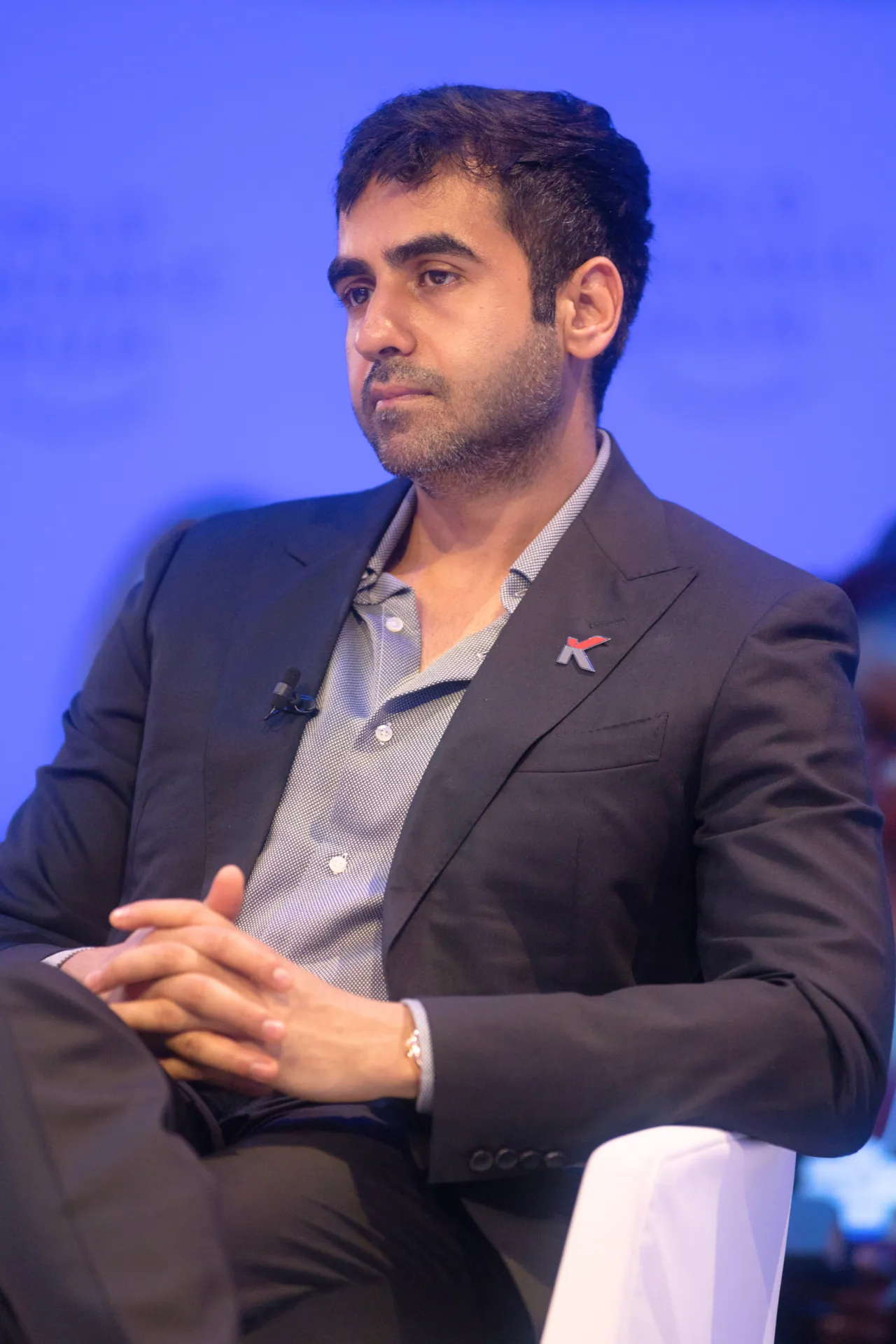
Three Lakhs for a Website
A call-center night shift paid down a blown trading book. A flat twenty-rupee fee rewired Indian brokerage. Sixteen years later the company stays private and cash-rich.
On a day when gold and silver swung hard, Nithin Kamath later told an interviewer that Zerodha lost about fifty crores in a single session. Just metals, he said. Imagine if the same shock had hit across the equity book. The line is not a flex. It is a weather report from a man who has lived inside markets since he was seventeen, and who still speaks about risk as if the screen can turn on him at any hour.
Then he flipped the scale. Back in 2010, he said, the money that went into Zerodha as a business was almost embarrassingly small by unicorn standards: about three lakh rupees for a website and about seven lakh rupees for office computers. That is the founding story he keeps repeating when people ask for a carnival. No endless spray of outside equity. No billboard war. A broker built the way a careful trader builds a position: small, clear, and allergic to theater.
By late 2026 that same private firm was still one of the defining rails of Indian retail investing. Forbes printed Nithin's realtime net worth near about $4.7 billion. The company reported FY26 profit after tax around Rs 4,283 crore even as market activity cooled after the 2024 peak. In his sixteenth-anniversary update he pointed away from the vanity metric of active-client share and toward assets under management near about Rs 9.05 lakh crore, the stickier pile of money that stays when trading heat fades. The drama of Nithin Kamath is not a single IPO night. It is the slower shock of fairness: proving that low fees, clean software, and patient ownership can reshape how a country learns to buy and sell risk.
Shivamogga roots and a teenage terminal
Nithin Kamath was born on 5 October 1979 in Shivamogga, then often spelled Shimoga, in Karnataka, into a Konkani family that did not treat brokerage as destiny. Soft biographical cards say his father, U. R. Kamath, worked as a Canara Bank executive. His mother, Revathi, taught the veena. His younger brother, Nikhil, would later become the better pure trader of the pair and a co-founder of the same brand. Around 1996 the family moved to Bangalore. The city was already mixing engineering colleges, software parks, and a neighborhood curiosity about money that did not wait for a degree.
In school Nithin calls himself a below-average student. He enrolled in an engineering path at Bangalore Institute of Technology and did not fall in love with the syllabus. What caught him instead was the market. He has said he discovered trading by accident at seventeen, living near Marwari families who talked business early. The first love was dangerous and simple: the idea that you could make money quickly. Years later he would call that idea absolutely wrong. The addiction stayed long enough to teach him the other lesson traders learn the hard way.
Futures and options arrived in Indian retail life around 2000 and 2001. Online trading made leverage feel like a video game. Then the bust came. Soft accounts of the early 2000s say he lost what he had made and also money he had borrowed. On his own homepage he writes the sentence without decoration: he borrowed money, blew up his trading account, and worked in a call center for four years trying to make up for the debt while still trading on the side. Night shift. Day charts. The kind of schedule that either ruins you or burns a permanent scar of caution into your hands.
At the call center he met Seema, who would become his wife. The job, he has said, taught life skills that the trading screen never taught. Humility. Listening. The sound of ordinary people trying to solve a problem on a phone line. Those skills later mattered more than any chart pattern when Zerodha had to explain fees and risk to first-time investors who felt ashamed to ask basic questions.
The gym cheque and the Reliance years
Around 2005, according to a Times of India interview he gave after Zerodha was already profitable, an acquaintance at a gym was impressed by his trading summary and handed him a cheque for about Rs 25 lakh to manage. Soft secondary retellings say he quit the call-center job the next day. The exact economics of that first client relationship are soft and private. What is public is the turn: from employee with a blown book to someone trusted with other people's money.
He became a franchisee and sub-broker under Reliance Money so he could run a more formal advisory business with proper terminal access. Nikhil joined. Soft TOI lore says that among roughly a thousand Reliance Money sub-brokers, their desk generated more revenue than the other nine hundred ninety-nine put together. Treat the precise ranking as colorful press, not audited gospel. Treat the shape as real: the brothers were already living as traders who needed better rails than the industry wanted to sell them.
In 2008 Nithin has said he was short the market when the crash arrived and made serious money. Soft secondary lines float returns like eight hundred to nine hundred percent. Then he stepped back from pure trading long enough to build the firm he wished existed. Nikhil kept trading and, in Nithin's telling, became the better trader and the risk mind of the house. Friends from those years stayed in the room. Venu handled operations. Hanan took support. Later Kailash, nicknamed K, would build the tech culture that Nithin jokes should have been called FinKech. Karthik would write Varsity almost alone and turn education into a product that did not beg for an account.
August 2010: flat fees against a percentage world
The Kamath brothers spotted a practical door. The National Stock Exchange was offering brokers a free trading platform called NOW. You did not need a pedigree tech background to start. Soft Blume-podcast numbers say they began with roughly Rs 1.4 to 1.5 crore on the table, about a crore of that locked as exchange membership deposit, leaving a thin operating pile while Nikhil's trading profits acted like informal venture capital. Soft Back Office lines compress the office spend to three lakhs for a website and seven lakhs for computers. The exact stack is soft. The spirit is not: they hustled just enough money, went live in August 2010, and named the company Zerodha, stitching the English word zero to the Sanskrit rodha, barrier.
The product promise was rude to incumbents. Instead of opaque percentage brokerage that grew with trade size, Zerodha sold a flat fee capped around Rs 20 per trade and one transparent plan for everyone. Nithin has written that traders could save up to about ninety percent versus the old percentage world. Soft early press says when they lowered prices, other brokers called and threatened him. That claim lives in his Times of India interview as his experience, not as a court finding. What followed in the market was clearer than any phone call: word of mouth in online communities, referral thank-yous that in early days paid about ten percent of brokerage for as long as a referred customer stayed, and a slow climb that did not need television ads.
They had no famous degrees, no venture deck, no debt facility dressing up growth. They had traders' scars and a refusal to nudge clients into churn. For years the firm stayed small enough that every product decision still felt personal. Then scale arrived anyway, because millions of Indians were waiting for a broker that did not feel like a toll booth.
Kite, Coin, Varsity, and the education wager
Technology became the second founding. When Kailash joined around 2013, Zerodha stopped being only a clever pricing sheet and became a software house that traders could feel in their thumbs. Kite turned order entry into something closer to a modern app than a legacy terminal. Coin opened a door into direct mutual-fund investing. Console tried to make the back office less mysterious. Soft Blume remarks say the firm postponed rewriting its own back office for years because customer-facing work always won, then spent roughly 2017 to 2020 digging out of that technical debt. The delay hurt. The rebuild mattered.
Varsity, written largely by Karthik from 2014 onward, became one of the strangest competitive advantages in Indian brokerage: free capital-market education that Nithin has claimed registered millions of people without once asking them to open a Zerodha account. In the Back Office conversation he uses Varsity as proof that the firm tries not to be a traditional nudging machine of spammy push notifications and trade tips. Education as product is easy to say. Education that refuses to harvest the student is rarer.
Product tradeoffs stayed honest and sometimes annoying. Separate app experiences for trading and mutual funds could feel like clutter. Nithin has defended clarity over convenience when clutter creates shame. Beginners already feel stupid in markets. A broker that piles sixteen menus on one screen is not being generous. It is being lazy.
Bootstrap culture against the valuation diet
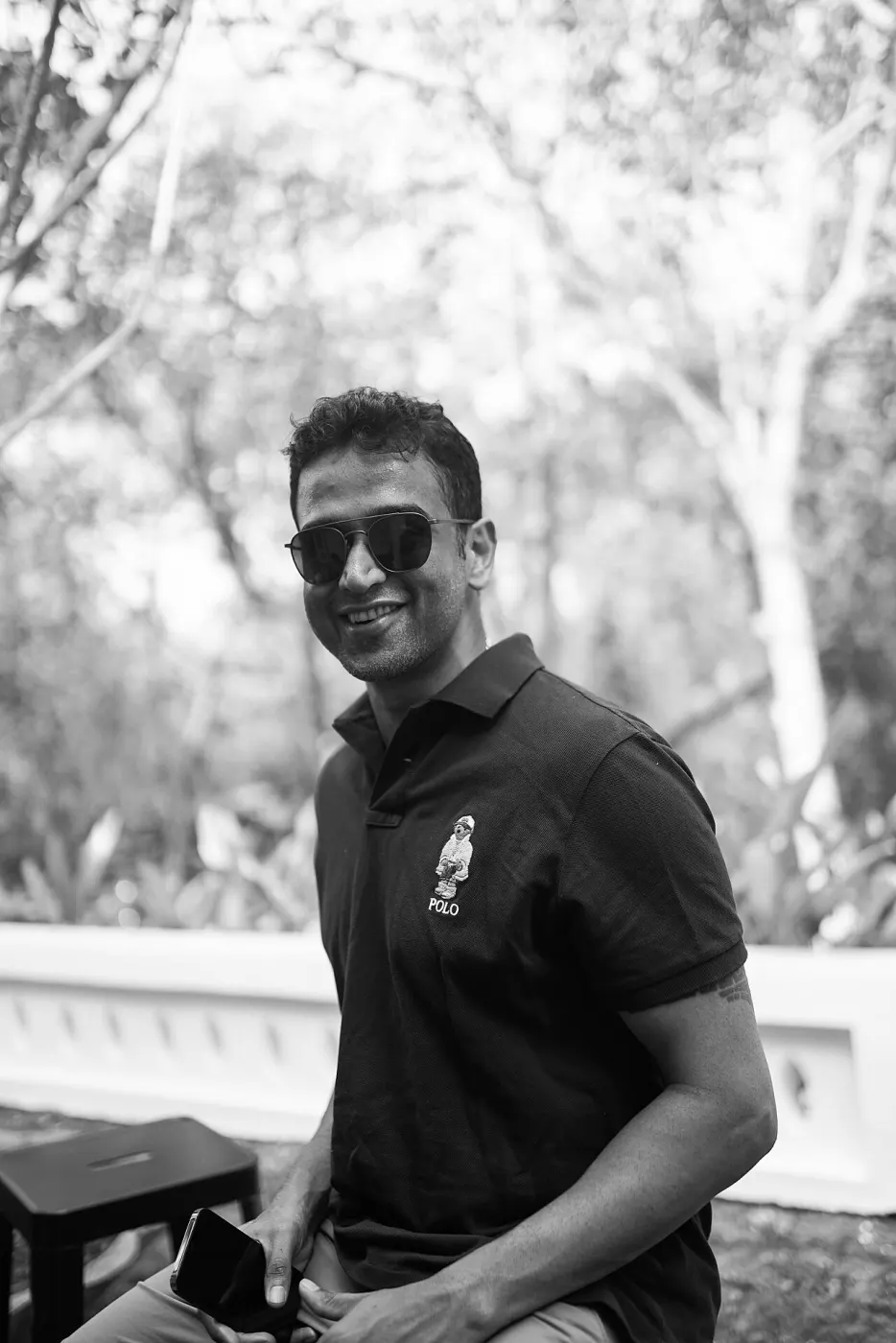
For years after the money arrived, Nithin said he avoided hanging around people who only talked startups, revenue, and profits, because that diet changes you. Friend circles became risk control. In finance everything is quantified. Nothing escapes a number. Staying sane becomes a skill like position sizing. He jokes that having K helps. He jokes that family partners help. Under the jokes is a serious operating system: do not let other people's scoreboard rewrite your own.
That culture is why Zerodha's refusal to raise outside capital became legend in Indian startup media. Soft self-assessed valuation lore around 2020 floated a billion-dollar label the press loved more than the founders needed. Nithin kept pointing at a different scoreboard: profits, customer trust, and the right to stay private. On his homepage he argues that success measured only as notional valuation is a bad teacher, and that it is possible to win by questioning the true cost of revenue and growth. Soft. Countercultural. Extremely hard to copy once your investors demand a different religion.
Competitors eventually copied pieces of the fee sheet. Groww and others fought hard for account openings. Soft 2023 reporting said Groww passed Zerodha on raw client count. Nithin's public answer in 2026 was not panic advertising. It was a shift in the number he watches: AUM over active-client market share, because share of active customers is volatile, can be gamed, and often distracts.
Crashes, regulation, and the broker's moral weather
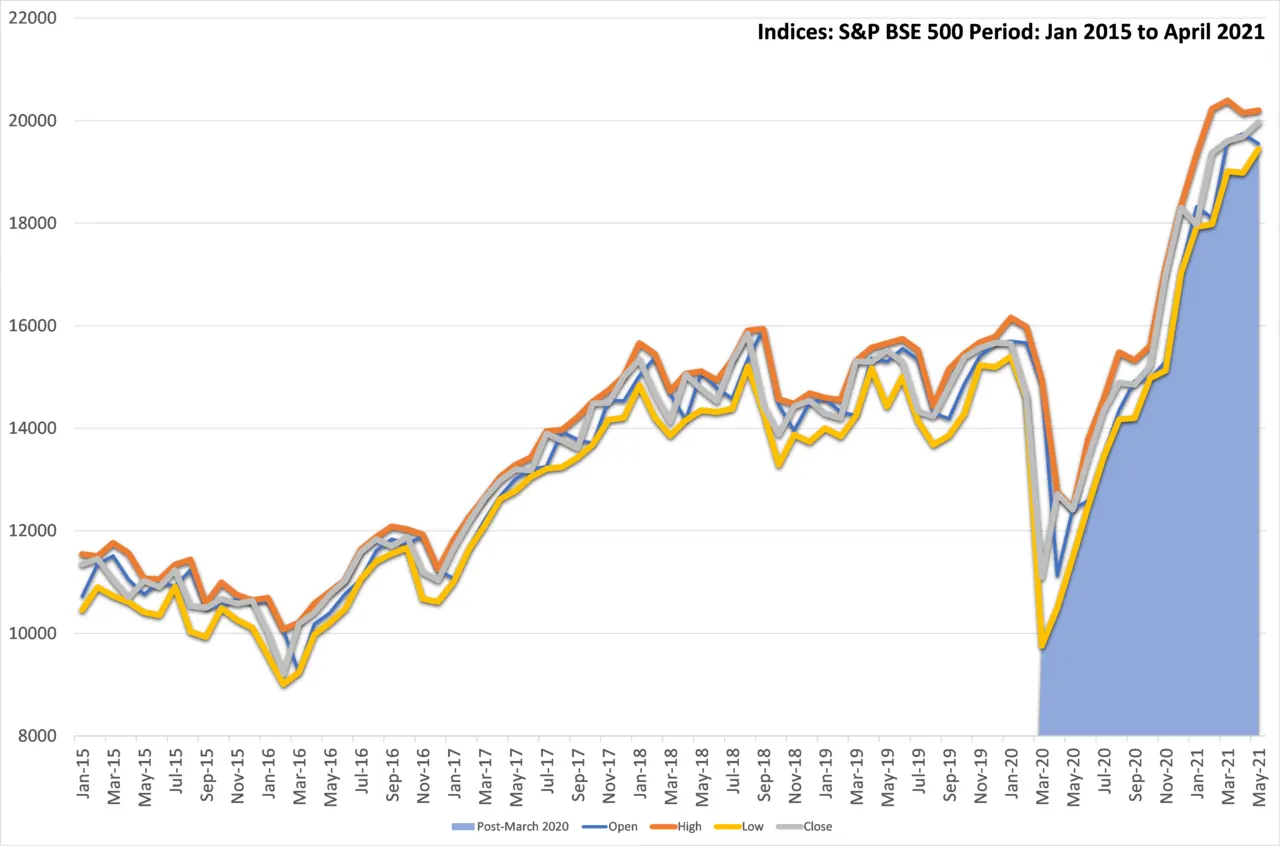
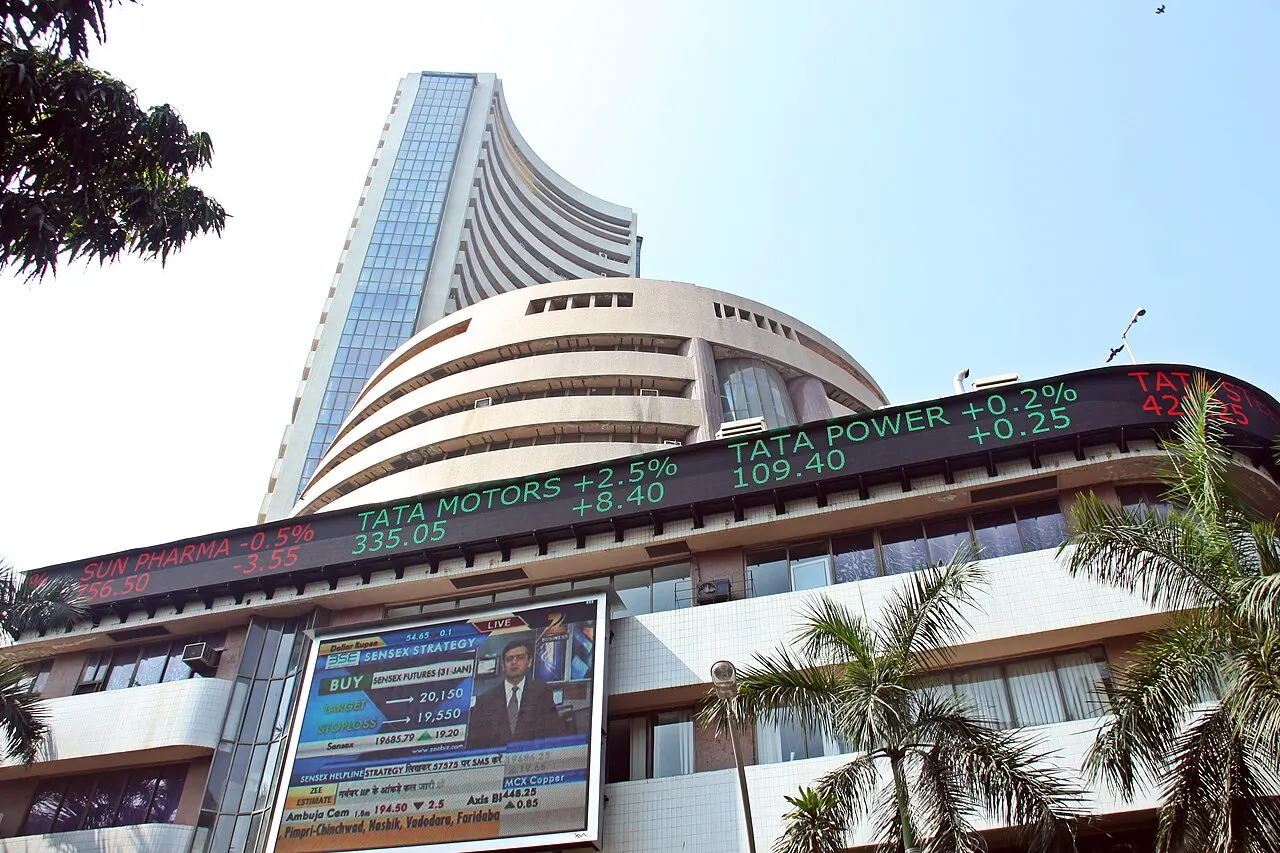
Every broker looks like a genius in a bull market and like a villain when screens go red. Soft chart memory from 2020 shows how fast Indian indices can fall and then climb. Clients rage when systems lag. Regulators rewrite the rulebook. Misinformation travels faster than Varsity modules. Nithin's public style in those seasons mixes product reliability talk with unusually plain speech on social media and podcasts.
November 2024 brought a sharper industry weather system. SEBI tightened rules around futures and options traders, a customer base that Forbes notes as central to Zerodha's business. Soft financial paths show brokerage revenue sliding from roughly Rs 3,600 crore in FY24 toward about Rs 2,738 crore in FY26 in anniversary tables, while net transaction-charge economics also changed. Treat each line item as soft across outlets. Treat the direction as clear: the easy derivatives boom cooled, and a bootstrapped broker had to prove it could stay profitable without pretending the boom was permanent.
In December 2024 Zerodha launched margin trading facility lending. By the FY26 conversation the MTF book had reached about Rs 9,000 crore, with customers borrowing around Rs 6,000 crore, soft-described as about twenty-five percent of Zerodha's net worth as of 31 March 2026. Nithin told the press the growth scared him, because leverage amplifies pain if Indian markets fall hard. That sentence is rare for a CEO sitting on a lending book. It sounds like a trader who remembers the call-center years.
The body keeps the score
In January 2024, around the same season as family gold-allocation comments and market stress talk, Nithin disclosed a mild stroke. His own words listed possible reasons without theatrical blame: his father passing away, poor sleep, exhaustion, dehydration, over-exercising. He described a droop in the face, trouble reading and writing, then a slow return of presence. Forbes and Indian Express amplified the disclosure. Soft recovery timelines of three to six months floated in his updates. For a founder mythologized as the calm fitness guy who runs and cycles and swims, the stroke was a brutal edit. Longevity stopped being a brand line and became a medical chart.
He kept working, but the public story gained a quieter register. Health, sleep, and pace entered the same sentence as AUM and PAT. The man who built a broker for traders who lose sleep now had to treat his own nervous system as part of the risk book.
FY26, AUM, and the second balance sheet
As Zerodha marked sixteen years, Nithin published numbers that refused fairy-tale growth. Soft Hindu Business Line reporting said FY26 net profit rose about 1.2 percent to Rs 4,283 crore while revenue stayed largely flat near Rs 8,847 crore. Some anniversary roundups print a lower revenue figure around Rs 7,464 crore. Soft mismatch across bases. Both stories agree profit stayed enormous by brokerage standards and below the FY24 peak when revenue near Rs 9,973 crore and PAT near Rs 5,495 crore rode a hotter market. New account additions slowed after Indian equities peaked around September 2024. Trading activity cooled. The firm still threw off cash.
The number he said he watches closely is AUM. Soft company-shared figures put Zerodha near Rs 9.05 lakh crore, ahead of ICICI Securities near Rs 8.96 lakh crore in the same snapshot, with Groww and others further back. Active NSE customer share soft-printed around 15.2 percent and declining even as retail AUM share grew. That divergence is the 2026 thesis: stop obsessing over who opened an account this week; obsess over who left money that stays.
Beyond broking, the second balance sheet thickened. Rainmatter invests across fintech and, increasingly, climate and hard-tech bets Nithin argues Indian startups should attempt. Soft secondary tallies float more than Rs 1,500 crore across 160-plus startups since 2016; treat counts as soft marketing math. Rainmatter Foundation extends the give-back language. True Beacon, associated especially with Nikhil, targets ultra-high-net-worth investors on a zero-fee model. Ditto sits in insurance. Zerodha Capital and Zerodha AMC expand the house. Plans for U.S. investing and mutual-fund flows deeper inside Kite show a firm trying not to be only an F&O casino with a clean UI.
Forbes still lists more than seven million clients and flags the November 2024 derivatives tightening as a real hit. Soft May 2026 secondary notes put active NSE clients oscillating, at one print near 6.85 million after higher late-2025 marks. Client wars are loud. AUM and profit are quieter. Nithin keeps choosing the quieter instruments.
How he works
He still talks like a trader who got promoted against his will. Empathy for the person who will click the wrong order type. Respect for engineers who remove friction. Frugality that survived wealth. Candor that sometimes unsettles peers. A deliberate distance from hype herds. Family and long friendships as governance. Guitar nights with his son Kiaan. Workouts with Seema. Running, cycling, swimming, basketball, poker. Soft personal homepage color that humanizes the billionaire card without turning into lifestyle catalog.
Inside the firm he spends time with a young Z-team that debates business and fun, while a much larger operations layer keeps settlements and support alive. Soft headcount language conflicts across sources: his homepage once spoke of about eleven hundred people; a 2026 business-line piece described fewer than one hundred across technology, product, business, and operations, with AI helping a lean build culture. Different scopes, same point: Zerodha tries to stay nimble after it became large.
Day to day, the operating religion is still trader empathy. Do not spam. Do not pretend complexity is intelligence. Do not raise money just because the neighborhood is raising money. When rivals buy influencer attention, hold the line if the product and trust still compound. When regulators rewrite derivatives rules, rebuild the mix toward AUM, mutual funds, and adjacent finance instead of pretending the old F&O tide will return on schedule. When your own body fails for a season, admit it in public and slow down without abandoning the desk.
World impact: DIY investing as national habit
Before Zerodha's fee shock, many ordinary Indians met the stock market through opaque brokerage, branch theater, or tips that felt like gambling advice. Afterward, a generation learned to open demat accounts, read charts, buy index funds, and argue about SIPs on phones. Incumbents had to rethink pricing and digital experience. Financial literacy content became mass media adjacent. Soft: not every new trader became wise. Many lost money in F&O. Regulation had to chase retail harm. The impact is still structural. When brokerage stops feeling like a hidden tax, household finance and entrepreneurship both change shape.
Globally the example matters for emerging-market fintech. You can bootstrap. You can stay private. You can publish education without turning every lesson into a lead form. You can take profits seriously in a culture that worships valuation. Soft Forbes ranks bounce. Soft competition never sleeps. The point that survives the bounce is simpler: fair fees can become infrastructure.
India's DIY investor generation is not only a Zerodha story. Phone KYC, cheaper data, index-fund popularity, and a louder creator economy all pushed in the same direction. Still, the Kamath brothers supplied a missing rail at the exact moment retail India was ready to step onto it. Soft market-share charts will keep oscillating between brokers. The habit change is stickier: millions of households now treat a trading app as normal infrastructure, the way an earlier generation treated a savings passbook.
Bengaluru desk before the brand existed
Long before the word Zerodha meant anything on a billboard, Nithin was already living the unfinished version of the company in chat rooms and messenger groups. Soft Blume-podcast memory places him in the late 2000s running large Yahoo Messenger and Orkut circles about trading. The internet was slower. The hunger was not. Traders swapped charts, complained about brokerage bills, and hunted for a clean online path that did not require knowing a relationship manager by first name.
Those groups were a rehearsal for product sense. You learn what confuses people when you watch the same question arrive fifty times. You learn what fees feel like theft. You learn that support is not a department; it is whether a stranger will trust you with their savings after one bad fill. When Zerodha later built public AMAs and long comment threads, it was continuing a habit that started when the brand was only a username.
Nikhil's arrival changed the division of labor. Soft self-description says Nikhil is the better trader. That sentence is important because it frees Nithin to leave the chair. Many founder myths pretend one genius does everything. The Kamath version is more practical: one brother compounds risk in markets, the other compounds process in a firm. Venu and Hanan, already present in the Reliance Money years, became the early operating spine. Soft homepage photos from 2009 show a small crew that does not look like a future billion-dollar brand. They look like friends who decided the industry was broken and refused to wait for permission.
What flat pricing actually attacked
Percentage brokerage is a quiet tax. Soft. If you trade larger size, you pay more for the same electronic match. Incumbent brokers could defend that tax with research packages, relationship theater, and the claim that advice was bundled into the fee. Many retail clients received neither useful advice nor a clear bill. They received a feeling of being small.
Zerodha's flat Rs 20 ceiling made the bill legible. A student with a tiny order and a professional with a larger order could see the same logic. Transparency itself became marketing. Soft early growth came from forums and referrals rather than celebrity endorsements. In the Back Office interview Nithin describes early referral economics that thanked the referrer with about ten percent of brokerage for as long as the customer stayed. Soft. Unusual. A lifelong thank-you instead of a one-time bounty.
The threats he recalled in the Times of India piece matter as atmosphere, not as courtroom fact. An incumbent industry does not clap when someone cuts the tariff that funds its habits. Bengaluru helped, he suggested in that interview: a big city with enough curious traders and enough distance from older brokerage clubs. Soft geography advantage. Real enough to matter in year one.
Building software without a software pedigree
Nithin has been blunt that the founding team lacked a pedigree tech background. That could have been a permanent ceiling. Instead it became a hiring thesis: bring in people like Kailash who could make trader pain disappear in code. Soft office lore includes playful moments, Monalisa face masks, jam sessions, the refusal to turn the company into a stiff bank floor. Culture is easy to fake in a deck. Harder to keep when profits arrive and outside voices ask why you are not spending like a growth team.
Kite had to feel fast on uneven Indian mobile networks. Coin had to make mutual funds feel as reachable as a stock ticket. Console had to reduce the shame of not understanding contract notes. Soft: every brokerage claims UX. Few are willing to leave money on the table by refusing tip-style nudges that juice short-term turnover. Varsity's no-account-ask policy is the loudest proof of that refusal. Soft millions registered. Soft conversion still happens because trust compounds. The point is sequence: teach first, earn later.
The back-office rebuild story is less glamorous and more true. Soft Blume comments say customer-facing work always won, so technical debt stacked for years. When they finally rebuilt, progress on shiny features slowed. That is the adult version of startup life. You pay for early shortcuts. Zerodha paid in calendar time instead of paying in a distressed sale to a larger bank.
Rainmatter and the wider bet on India
After brokerage cash flows became reliable, Nithin pushed capital outward through Rainmatter. Soft mandate language covers fintech first, then climate and deeper technology problems. The argument he makes in public is almost moral: Indian startups should attempt large problems, not only copycat consumer apps. Soft portfolio counts change. Soft rupee tallies change. What stays is the direction of surplus. A private broker that throws off thousands of crores can either maximize personal consumption or recycle capital into the next layer of infrastructure. Rainmatter is the recycle story. Rainmatter Foundation is the give-back story. True Beacon, especially through Nikhil, is the UHNI adjacent story on a zero-fee frame. Soft. Different instruments, same family allergy to opaque fee stacks.
Ditto in insurance and the AMC/capital arms show a house trying to become a broader financial utility without listing on an exchange. Soft plans for U.S. investing inside Indian apps speak to diaspora and aspiration flows. Soft mutual-fund integration fixes acknowledge places Zerodha slipped. Public admission of product gaps is part of the brand.
Competition without copying the carnival
By the mid-2020s every serious broker wanted a piece of the discount story. Some bought ads. Some bought influencers. Some optimized every funnel for account opening week. Soft. Groww's client-count lead became a media scoreboard. Nithin's counter-scoreboard was AUM and profitability. In anniversary remarks he called active-customer market share volatile and distractible. Soft 15.2 percent NSE active share prints can move. Rs 9.05 lakh crore of AUM is harder to fake for a week.
That choice has world impact beyond one firm. If the industry learns that sticky assets and fair pricing beat carnival acquisition forever, retail investors pay less tax to the system. If the industry ignores him and returns to churn-maximizing nudges, Zerodha becomes a lonely example. Soft. The 2026 public conversation suggests he is still trying to pull the center of gravity toward AUM, mutual funds, and durable trust.
After the stroke: pace as risk management
The January 2024 mild stroke sits in the story as more than medical trivia. Soft possible causes he listed include grief after his father's death, poor sleep, exhaustion, dehydration, and over-exercising. The disclosure mattered because Indian founder culture often treats the body as an unlimited server. Nithin had already preached fitness. Then fitness without recovery became part of the problem. Soft recovery notes described a face droop and difficulty reading or writing, then gradual return. He did not turn the event into a motivational poster. He turned it into a warning.
For readers, the beat connects to how he works. Calm is not a personality garnish. It is an operating requirement in a business where every number can scream. The same man who avoids hype circles also had to learn to avoid heroic overwork. Soft. Ongoing. Human.
Money, luck, and the refusal to mythologize
Nithin returns often to luck. Soft homepage language says success is relative, impermanent, and partly fortune. That is not false modesty theater. A trader who blew up once knows path dependence. If the 2008 short had gone wrong, if NSE had never offered NOW, if Nikhil had not covered risk while the firm was thin, the story could have ended as another failed brokerage experiment. Soft counterfactuals. Useful humility.
He also refuses the opposite myth: that Zerodha's rise was only luck. Pricing clarity, product obsession, education without a funnel knife, and the decision to stay private are choices. Soft competitors could have made the same choices earlier. Many did not, because percentage brokerage felt too profitable to abandon. The Kamaths abandoned it anyway.
By September 2026 the Forbes card still read like a paradox the old industry did not expect: a self-made financial-services fortune near about $4.7 billion built without an IPO party. Soft ranks move daily. The underlying machine is the point. A Bengaluru broker that can print multi-thousand-crore profits after a regulatory winter is not a meme. It is a durable utility wearing a startup story's clothes.
Support lines, settlements, and the unglamorous half of trust
Retail brokerage brands are judged on app screenshots. They survive on settlements, margining, and support queues when a client cannot log in five minutes before the open. Soft. Nithin's early call-center years made that unglamorous half personal. Soft homepage credit also goes to people like Prakash, his first customer, Austin who helped Zerodha get started, and the chartered accountants who kept the books honest while the product story got the cameras.
When markets gap, trust is not a tagline. It is whether funds arrive, whether positions square, whether a human answer appears without a scripted upsell. Soft anniversary culture of long AMAs with Nikhil, Kailash, Venu, and Karthik treats the firm like a knowledge commons. That public willingness to answer plain questions is part of why DIY investing scaled without every user needing a private banker.
Why staying private still matters in 2026
Public markets reward quarterly theater. Soft. A listed broker under earnings pressure might chase F&O turnover even after regulators warn about retail harm. Zerodha's private structure lets Nithin say aloud that MTF growth scares him, that active-client share distracts, that advertising is a trap. Soft. Private is not automatically virtuous. It is a tool. In this case the tool protects a fee philosophy that would be harder to defend if outside shareholders demanded faster top-line optics.
The world impact loops back to households. Soft millions of Indians now rebalance, SIP, and speculate on phones. Some will lose. Education and fair rails cannot abolish risk. They can reduce the tax the industry extracts while people learn. That is the quieter revolution underneath the billionaire ranking.
Closing
Nithin Kamath began as a teenager who thought markets were a shortcut, then as a young man who borrowed, blew up, and answered phones at night to crawl back. He built the broker he could not find: flat fees, cleaner software, education that does not hunt the student, and an ownership structure that still refuses the carnival. In 2024 his body forced a pause. In 2026 his firm still cleared thousands of crores in profit while he told India to watch AUM, not the loudest client counter.
The lasting image is not a listing bell. It is a Bengaluru desk where a former call-center worker keeps choosing the slower compound: trust, cash, and the stubborn idea that a barrier removed is worth more than a valuation announced.
Watch alongside this story
Short cuts from interviews, keynotes and launches. Each plays only the moment that matters.