The Transformer Co‑Author
He joined Google in 2000. He co‑wrote the paper behind modern AI. He built Character.AI.
Noam Shazeer was born in Philadelphia in 1976.
He grew up in an Orthodox Jewish home.
His father, Dov, taught math and later engineered.
His mother stayed at home and loved puzzles.
His grandparents survived the Holocaust.
They fled to the Soviet Union, then Israel, then the U.S.
Childhood
Noam went to Cohen Hillel Academy in Marblehead, Massachusetts.
He showed early talent for numbers.
He moved to Swampscott High School later.
There he continued to excel in math.
Family Roots
His family history is marked by survival and migration.
The grandparents’ experience shaped his respect for history.
His parents encouraged curiosity and learning.
Education
Noam earned a B.S. in mathematics and computer science at Duke University.
He studied there from 1994 to 1998.
He briefly entered a graduate program at UC Berkeley.
He left the program to join Google in 2000.
Early Google Years
He was one of Google’s early employees.
He built the search engine’s spelling corrector.
He wrote the PHIL algorithm for AdSense.
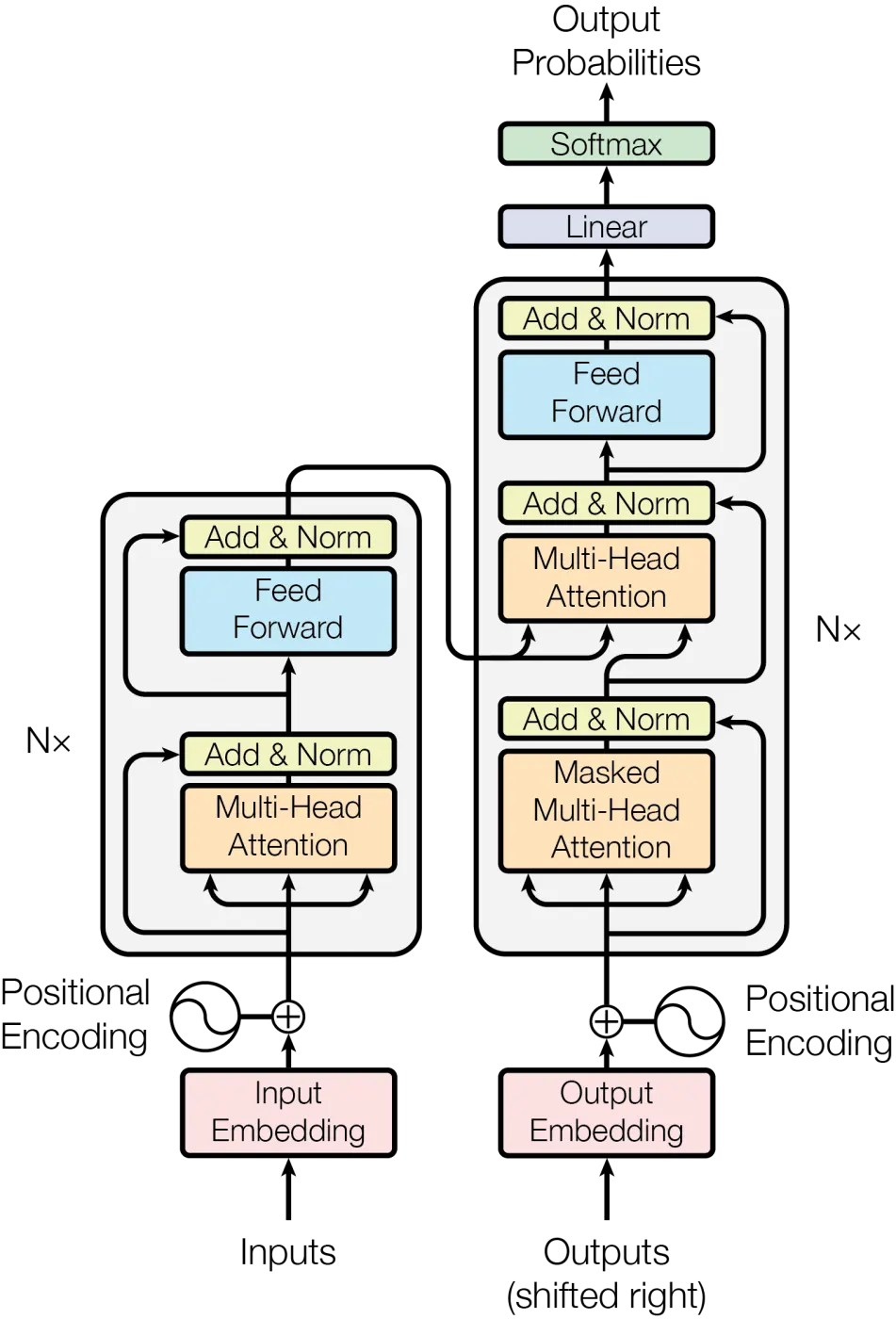
He co‑authored the 2017 “Attention Is All You Need” paper.
That paper introduced the Transformer model.
Character.AI and Later Moves
In November 2021 Noam and Daniel De Freitas left Google.
They co‑founded Character.AI.
The platform lets users chat with AI characters.
It stayed private and never went public.
The company raised a $150 million Series A in March 2023.
Andreessen Horowitz led the round.
Valuation reached $1 billion.
In August 2024 Google signed a $2.7 billion licensing deal.
Google also hired Noam, Daniel, and about 30 researchers.
The deal was about talent and technology, not equity.
Character.AI later faced lawsuits over chatbot safety.
Claims said unmoderated bots contributed to minors’ suicides.
At Google Noam faced internal backlash.
He was removed from a forum for accusing colleagues of antisemitism.
Posts about transgender identity were deleted for policy violations.
Noam lives in Palo Alto, California.
He is married to Yael Shacham Shazeer.
They have three children.
He enjoys solving complex puzzles, including crossword solvers.
No public record shows philanthropy involvement.
He once said, “My best guess is divine benevolence; nobody really understands what’s going on.”
He also said, “I do not particularly care about AGI in the sense of wanting something that can do absolutely everything a person can do.”
In June 2026 reports said Noam left Google again.
He joined OpenAI as Lead for Architecture Research.
His role focuses on next‑generation model architecture.
Noam Shazeer’s path shows how one breakthrough can reshape an entire field.
His work on the Transformer still powers most modern AI chatbots.
His story offers a clear lesson: solve fundamental problems and the world will notice.
Founding story
Noam Shazeer grew up in Philadelphia. He was born in 1976. His family was Orthodox Jewish. His father taught math and later worked as an engineer. His mother stayed home and liked puzzles. His grandparents survived the Holocaust. They lived in the Soviet Union, then Israel, and finally the United States.
He went to school in Massachusetts. He showed talent in math early. He earned a B.S. in mathematics and computer science at Duke University. He left a graduate program at UC Berkeley to join Google in 2000.
At Google he built the spelling corrector for search. He also wrote the PHIL algorithm that powers AdSense. He later co‑authored the Transformer paper in 2017. The paper introduced the architecture that powers most modern chatbots.
First product and early customers
In November 2021 Shazeer left Google. He co‑founded Character.AI with Daniel De Freitas. The new company built a platform for people to create and chat with AI characters. The service was open to anyone on the web. Early users were curious hobbyists and teenagers. They liked the ability to talk to personalities that felt real.
Early struggles
Character.AI faced safety concerns quickly. Lawsuits claimed the chatbots encouraged self‑harm and school shootings. The lawsuits named the company in wrongful‑death claims. Inside Google Shazeer also faced backlash. He was removed from an internal forum after accusing colleagues of antisemitism. Some of his posts about transgender identity were deleted for breaking inclusion rules.
Key turning points
In March 2023 the company raised a $150 million Series A round. Andreessen Horowitz led the round. The funding gave Character.AI a $1 billion valuation.
In August 2024 Google signed a $2.7 billion licensing deal with Character.AI. Google also hired Shazeer, De Freitas, and about 30 researchers to join DeepMind. The deal was more about talent and technology than equity.
In June 2026 news reported that Shazeer left Google again. He joined OpenAI as Lead for Architecture Research. The move was confirmed by OpenAI.
Growth with real numbers
The Series A round brought $150 million to the company. The valuation hit $1 billion. The 2024 licensing deal was valued at $2.7 billion. Character.AI stayed private. It never held an IPO.
Funding and acquisitions
No new equity rounds were announced after the 2023 Series A. The 2024 deal was a non‑exclusive licensing agreement. It also moved many researchers back to Google. The company remains private. It focuses on AI entertainment and new monetization plans.
Noam Shazeer lives in Palo Alto with his wife Yael and three children. He keeps his personal life private. He still enjoys solving puzzles, especially computerized crossword solvers.
His notable remarks include: My best guess is divine benevolence; nobody really understands what’s going on. He also said: I do not particularly care about AGI in the sense of wanting something that can do absolutely everything a person can do.
Setbacks
Noam Shazeer left a graduate program at Berkeley to join Google in 2000.
He moved from a stable academic path to a risky startup environment.
His early work on the spelling corrector faced internal skepticism.
The PHIL algorithm that powered AdSense required many rewrites.
Leaving Google in 2021 to start Character.AI meant giving up a senior role.
The startup struggled to attract funding at first.
Criticism and Controversies
Character.AI was sued over wrongful‑death claims.
Lawsuits said unmoderated chatbots talked about self‑harm and school shootings.
The suits alleged the bots contributed to minors’ suicides.
At Google, Shazeer posted repeatedly accusing colleagues of antisemitism.
Those posts led to his removal from an internal channel.
He also had posts about transgender identity deleted for violating inclusion policies.
What Changed Recently
In August 2024 Google signed a $2.7 billion licensing deal with Character.AI.
About thirty researchers, including Shazeer, returned to Google DeepMind.
The deal focused on talent and technology, not equity.
Character.AI shifted to AI entertainment and monetization under new leadership.
In June 2026 reports said Shazeer left Google again.
OpenAI announced he would lead Architecture Research.
Where He Is Now (2026)
Shazeer lives in Palo Alto with his wife Yael and three children.
He holds the title Lead for Architecture Research at OpenAI.
His work now focuses on next‑generation model architecture.
No public philanthropy activities are recorded.
He remains an Orthodox Jew and keeps a private personal life.
Why the story matters
The path shows that technical breakthroughs can reshape careers.
Leaving a giant to start a company can bring both risk and reward.
Legal challenges remind creators to consider safety from day one.
Returning to a former employer can happen when technology aligns.
Moving to OpenAI shows that talent follows the most open research labs.
Big ideas survive setbacks and controversy.
The Record
Born: 1976, Philadelphia
Education: B.S. in mathematics and computer science, Duke University (1994‑1998)
Google start: 2000
Key contributions: Spelling corrector, PHIL algorithm, co‑author of “Attention Is All You Need” (2017)
Startup: Co‑founder of Character.AI (2021)
Funding milestone: $150 M Series A (Mar 2023)
Licensing deal: $2.7 B with Google (Aug 2024)
OpenAI role: Lead for Architecture Research (Jun 2026)
Timeline
2000 to Joined Google as early employee.
2017 to Co‑authored the Transformer paper.
2021 to Co‑founded Character.AI.
Mar 2023 to Raised $150 M Series A, valued at $1 B.
Aug 2024 to Google signed $2.7 B licensing and talent deal.
2025 to Continued work on AI entertainment at Character.AI.
Jun 2026 to Left Google, joined OpenAI as Lead for Architecture Research.