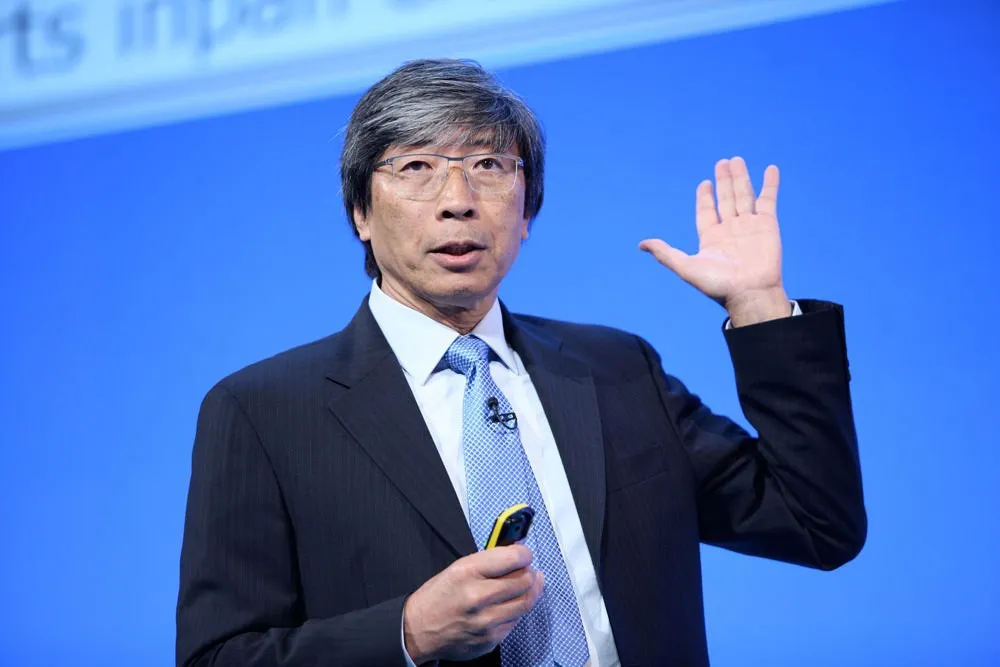
The Surgeon Who Became a Biotech Billionaire
A surgeon from South Africa. A cancer drug that made billions. A newspaper owner and NBA investor.
A quiet boy grew into a global force.
Early Life and Family
Patrick Soon-Shiong was born on July 29, 1952.
His birthplace was Port Elizabeth, South Africa.
The city is now called Gqeberha.
He was one of eight or ten children.
His parents fled China during World War II.
They were Hakka Chinese immigrants.
His father worked as a village herbalist.
He also ran a general store.
The store served a nonwhite neighborhood.
Life was shaped by apartheid rules.
Patrick attended a church‑run school for Chinese students.
He entered university at age sixteen.
Education and Medical Training
He studied at the University of the Witwatersrand.
He earned his medical degree at twenty‑three.
He completed an internship at Johannesburg General Hospital.
He was one of the first nonwhite physicians there.
He moved to Canada for a surgery residency.
The residency was at the University of British Columbia.
He also earned an MSc at the same university.
First Jobs in North America
In 1980 he moved to the United States.
He worked at the Veterans Administration.
He joined UCLA as an assistant professor in 1983.
He taught surgery and conducted research.
Building NantWorks
He founded NantHealth in 2010.
The company aimed to improve patient outcomes.
It was first called About Advanced Health.
He added assets from Abraxis BioScience.
In 2011 he launched the NantWorks umbrella.
NantWorks became a parent for many startups.
The firm stayed in stealth mode for years.
It built a cloud‑based clinical operating system.
The system linked genomic data, EHRs, and mobile apps.
Blue Shield of California became a major partner.
Intel helped create a supercomputer genomics network.
By early 2015 about 70 % of U.S. oncology practices used NantHealth tools.
Public Market and Controversies
NantHealth went public on NASDAQ in June 2016.
The IPO raised roughly $83.2 million.
Before the IPO the company raised at least $680 million.
Investors included Allscripts, Blackberry, and the Kuwait Investment Authority.
In January 2016 the firm bought NaviNet.
The purchase expanded its payer‑provider network.
Other acquisitions added Net.Orange and Harris Healthcare assets.
Revenue grew to $100.4 million in 2016.
That was a 72 % increase from 2015.
Net losses grew to $184.1 million in 2016.
Shareholders sued over alleged inflated results.
The FDA issued a warning to ImmunityBio in 2026.
The warning cited misleading cancer drug claims.
Business partners also sued, claiming a catch‑and‑kill scheme.
A 2015 whistleblower suit alleged billing fraud.
Soon‑Shiong denied all wrongdoing.
Beyond Medicine
He owns the Los Angeles Times and the San Diego Union‑Tribune.
He holds a 4 % minority stake in the Los Angeles Lakers.
He says he will not sell that stake.
He runs the Chan Soon‑Shiong Family Foundation.
He has pledged to give half his wealth.
His philanthropy focuses on health and local hospitals.
He enjoys basketball and keeps an NBA‑standard court at home.
He reads about artificial intelligence and consciousness.
Legacy in Motion
From a small town in apartheid South Africa to a global biotech empire, his path shows how medicine, technology, and media can intersect.
His companies aim to treat patients at scale.
His story continues to unfold as new ventures launch and legal battles rise.
Founding Story
Patrick Soon‑Shiong started NantHealth in 2010. He saw a problem with government EHR programs. He thought they cared more about paperwork than patients. He named the first company About Advanced Health. He later changed the name to NantHealth. In 2011 he added the NantWorks umbrella. This umbrella holds many health, tech, and media startups.
First Customers and Product
NantHealth built a cloud based clinical operating system. The system links genomic data, electronic health records, and phones. By early 2015 the tools were used by about 70 % of U.S. oncology practices. Blue Shield of California signed a partnership. Intel joined to help build a super‑computer genomics network. These deals gave the company early credibility.
Early Struggles
The company stayed in stealth mode for years. It spent a lot of money on R&D. Revenue was low at first. The firm also faced legal claims from shareholders. Critics said the firm misled investors. These challenges slowed growth.
Key Turning Points
A big turning point came in 2015. NantHealth bought NaviNet in January 2016. The purchase added a payer‑provider network. It also gave access to 450,000 active users. The deal helped the firm reach over 100 million lives.
Another turning point was the partnership with Intel. The super‑computer helped speed up genomic analysis. This made the platform more attractive to doctors.
Growth with Real Numbers
In 2015 NantHealth earned $58.3 million in revenue. In 2016 revenue rose to $100.4 million. That is a 72 % increase. The company also grew its user base. By the first quarter of 2016 it reported 450,000 active users. It could reach over 100 million lives through its platforms.
Despite higher revenue the firm posted losses. Net loss was $72.0 million in 2015. Loss grew to $184.1 million in 2016. The losses showed the high cost of building new tech.
Funding and IPO
Before going public NantHealth raised at least $680 million. Investors included Allscripts, Blackberry, and the Kuwait Investment Authority. In June 2016 the company listed on NASDAQ. The IPO brought about $83.2 million in net proceeds.
The IPO gave the firm cash to buy more companies. It also raised its public profile.
Acquisitions and Expansion
The NaviNet purchase in 2016 was the biggest deal. It added a strong payer‑provider network. NantHealth also bought Net.Orange, Inc. and assets from Harris Healthcare Solutions. These moves expanded the firm’s data reach.
Quote
“At the end of the day, I’m a doctor. My calling is to treat patients at scale. To think across scales, from the nano to the whole human. To cross silos, question dogma, and refuse to be confined to one path. That’s not success, necessarily. It’s just the way I live.”
Summary
Patrick Soon‑Shiong built NantHealth to fix health IT. He used partnerships, big data, and cloud tools. Early struggles gave way to big deals and an IPO. The firm grew revenue fast but kept losing money. Funding and acquisitions kept the company moving forward. The story shows how a surgeon turned biotech billionaire can reshape health care.
Setbacks
Patrick Soon‑Shiong’s companies have lost money many years.
NantHealth posted a $184.1 million loss in 2016.
The loss followed a $100.4 million revenue gain.
He has faced lawsuits from shareholders.
Shareholders say the company inflated results.
A 2015 whistleblower suit claimed fraudulent billing.
Criticism and Controversies
The FDA sent a warning letter to ImmunityBio in 2026.
The letter said the bladder cancer drug claim was misleading.
Critics say the claim suggested the drug could treat all cancers.
Legal battles have named his charitable foundation.
Investigators say some grants may have funneled money back to his firms.
Sorrento Therapeutics sued him for a catch‑and‑kill scheme.
He denies every allegation.
What Changed Recently
In September 2026 he joined PDS Biotech’s board.
The deal was led by Nant Capital.
His company Anktiva received Saudi Arabia FDA approval in 2026.
He keeps his 4 % Lakers stake.
He plans to take the Los Angeles Times public around 2027.
He pushes the paper toward a media‑entertainment model.
Where He Is Now (2026)
Soon‑Shiong runs a network of health, tech, and media firms.
NantWorks is the umbrella for those businesses.
He owns the Los Angeles Times and the San Diego Union‑Tribune.
He remains a minority owner of the Los Angeles Lakers.
He continues to fund health research through his foundation.
Why the story matters
Stories of big wins can hide big risks.
His losses show that rapid growth can cost a lot.
Legal fights remind leaders to be clear with investors.
The recent drug approval shows that science can still move forward.
His media plans show how business and journalism can mix.
Understanding his path helps future innovators stay honest.
The Record
Birth: July 29 1952, Port Elizabeth, South Africa
Education: MD, University of Witwatersrand; MSc, UBC
First company: Abraxis BioScience
NantHealth IPO: June 2016, $83.2 million raised
Lakers stake: 4 % (as of 2026)