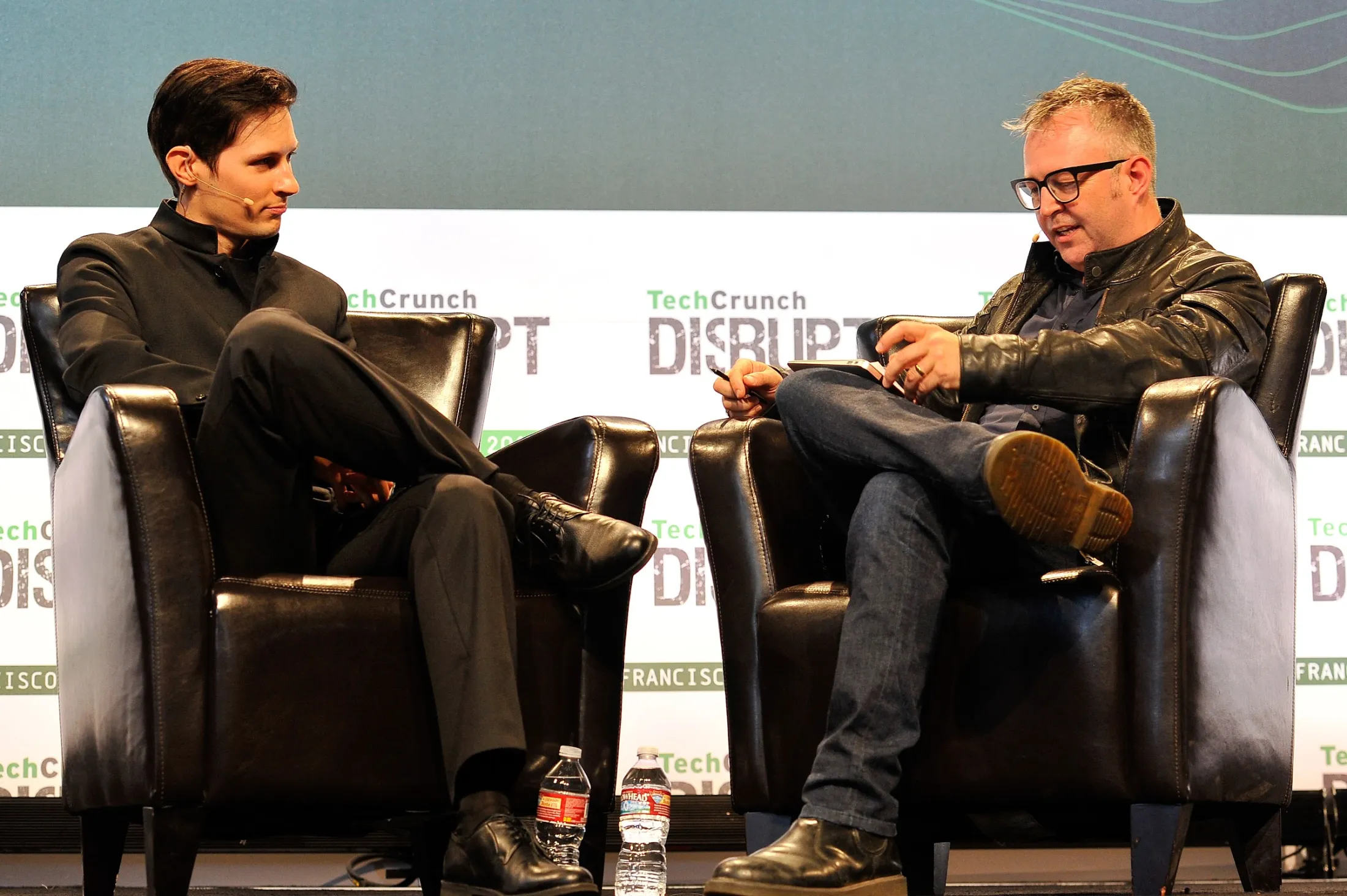
The Messenger Who Would Not Hand Over the Keys
A boy who saw Italy after the Soviet Union. A social network that outgrew Russia. A messenger that governments cannot quietly control.
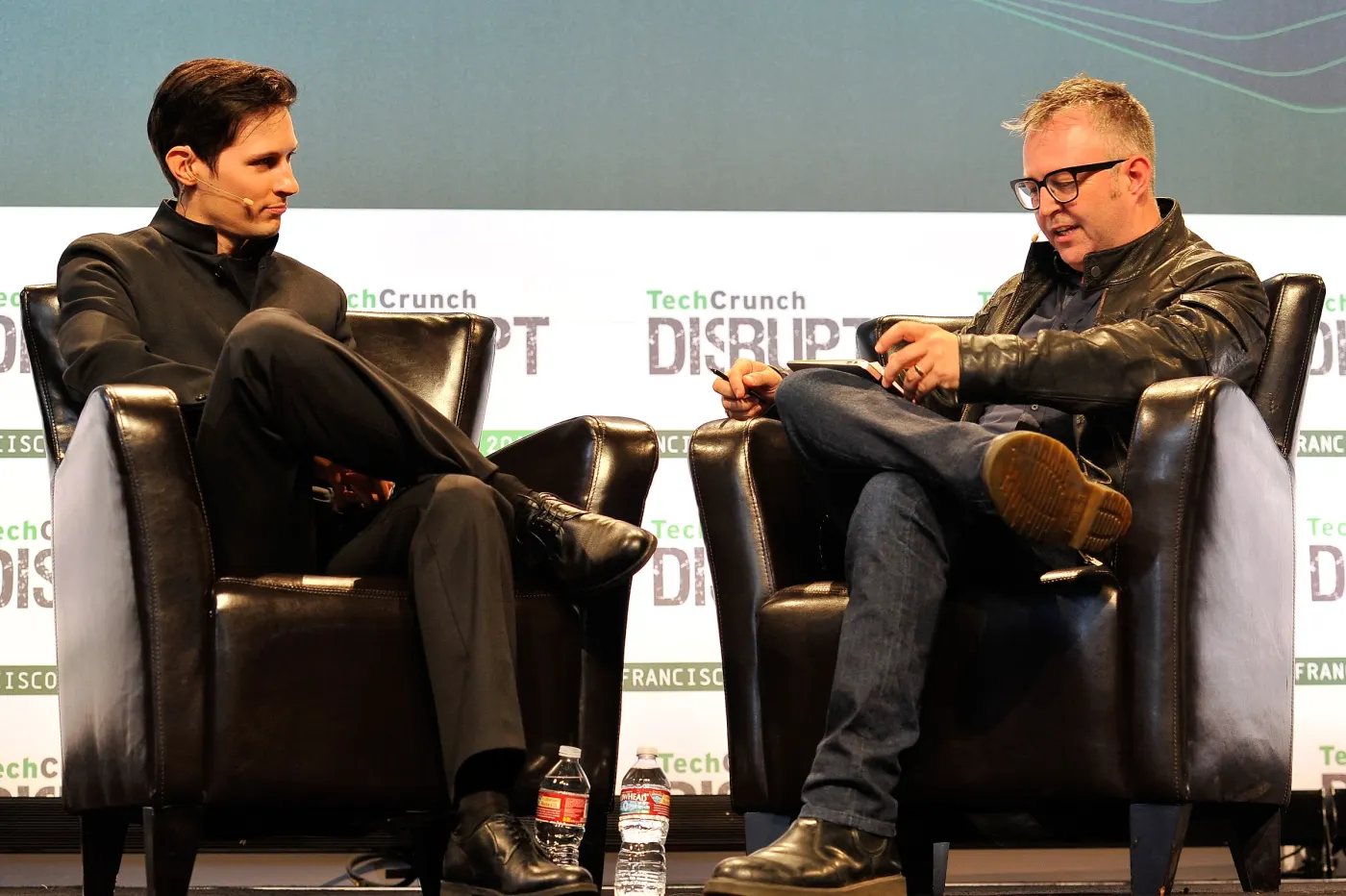
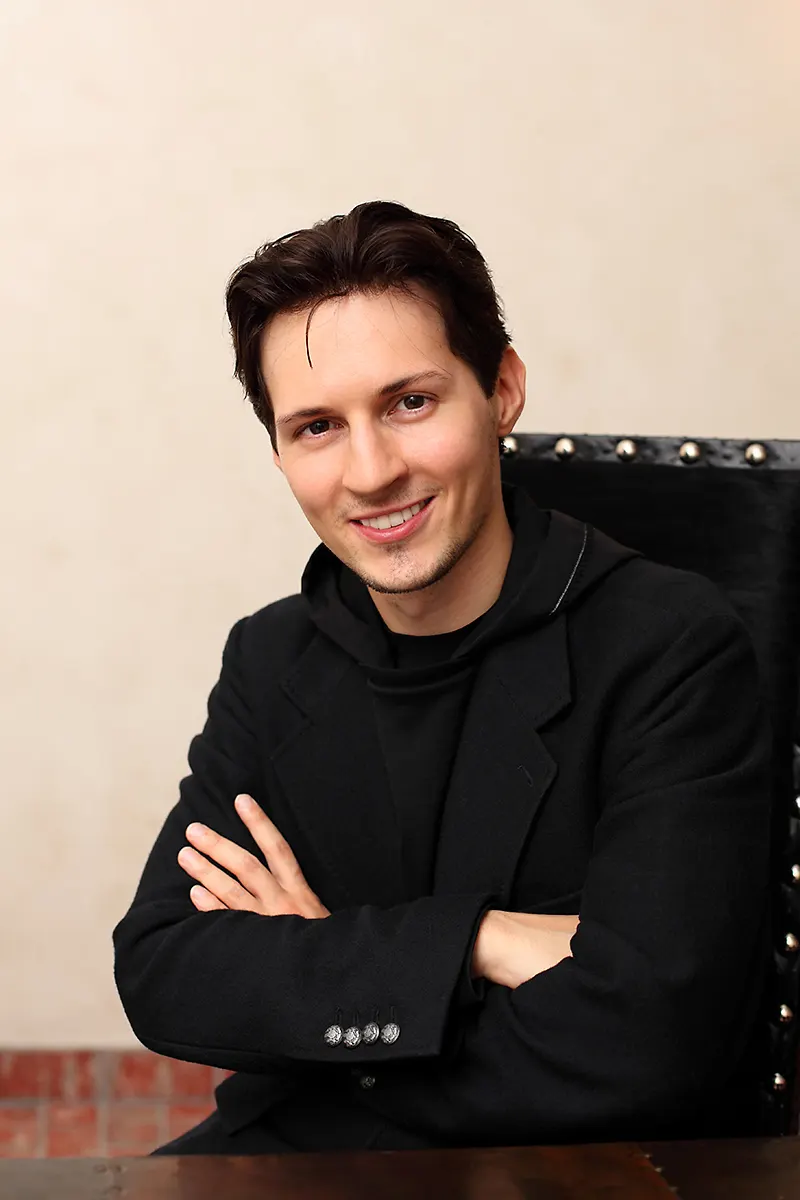
On a Saturday night in late August 2024, a private jet landed at Le Bourget, the small airport north of Paris that usually means money and quiet arrivals.
Armed police were waiting.
Pavel Durov, the Russian-born founder and owner of Telegram, was taken into custody. French prosecutors would place him under formal investigation over alleged failures to police criminal activity on his messaging app and alleged noncooperation with judicial requests. Reports listed roughly a dozen preliminary counts. He posted bail of five million euros. For days he sat in a small room with a concrete bed and no windows while investigators asked how Telegram worked.
He was thirty-nine. He held French citizenship as well as other passports. He had built two of the largest consumer platforms in the Russian-speaking and then global internet. He owned Telegram outright. None of that stopped the handcuffs.
What followed was not a closed story. It was an open case. Through 2025 and into 2026 French judges kept investigating. Travel restrictions tightened, then eased, then, in November 2025, the travel ban was fully lifted according to judicial sources close to the file. Durov denied wrongdoing, said Telegram answered properly filed requests, and called the arrest a blow to France's image as a free country. His lawyers contested the legality of parts of the probe. As of September 2026 he had not been convicted. The investigation continued. He spent most of his time again in Dubai, where Telegram is based.
That airport night is one hinge of his life. The other hinges came earlier: a childhood that split between Soviet scarcity and Italian abundance, a social network that made him famous inside Russia, a forced exit in 2014, and a messenger that somehow kept growing while governments tried to bend it.
This is the long arc, told as a documentary, not a press release.
Leningrad, Turin, and the first lesson about freedom
Pavel Valeryevich Durov was born on 10 October 1984 in Leningrad, then part of the Soviet Union. His father, Valery, was a scholar of classical philology. His mother taught history. The household valued languages and books more than toys.
When Pavel was about four, the family moved to northern Italy. His father taught Russian in Turin. For a young child the contrast was not abstract politics. It was ice cream flavors, cartoons, shops, and the feeling that opinions and goods could multiply when a society allowed them to. Years later he would tell Lex Fridman that this early split between a closed system and an open one fixed his idea of freedom before he had the words for it.
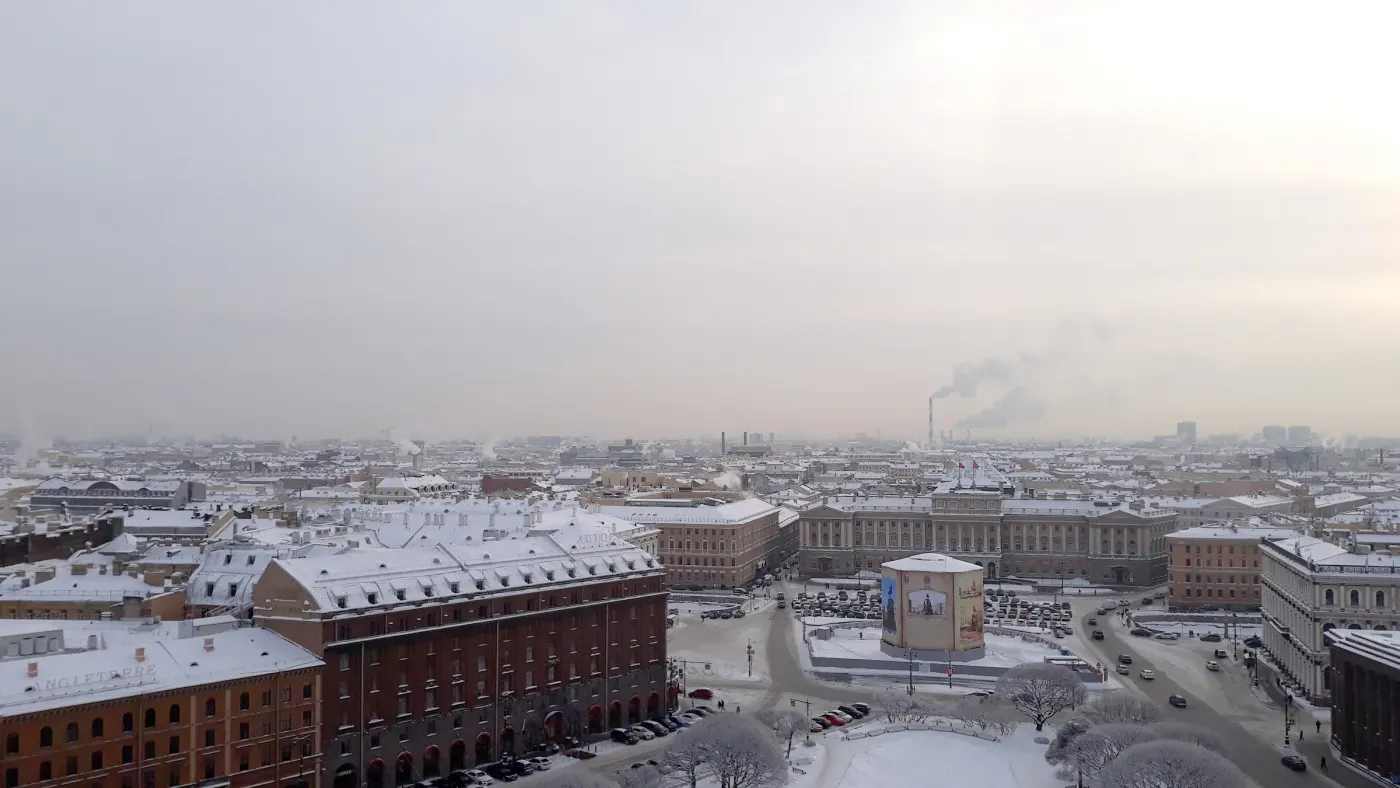
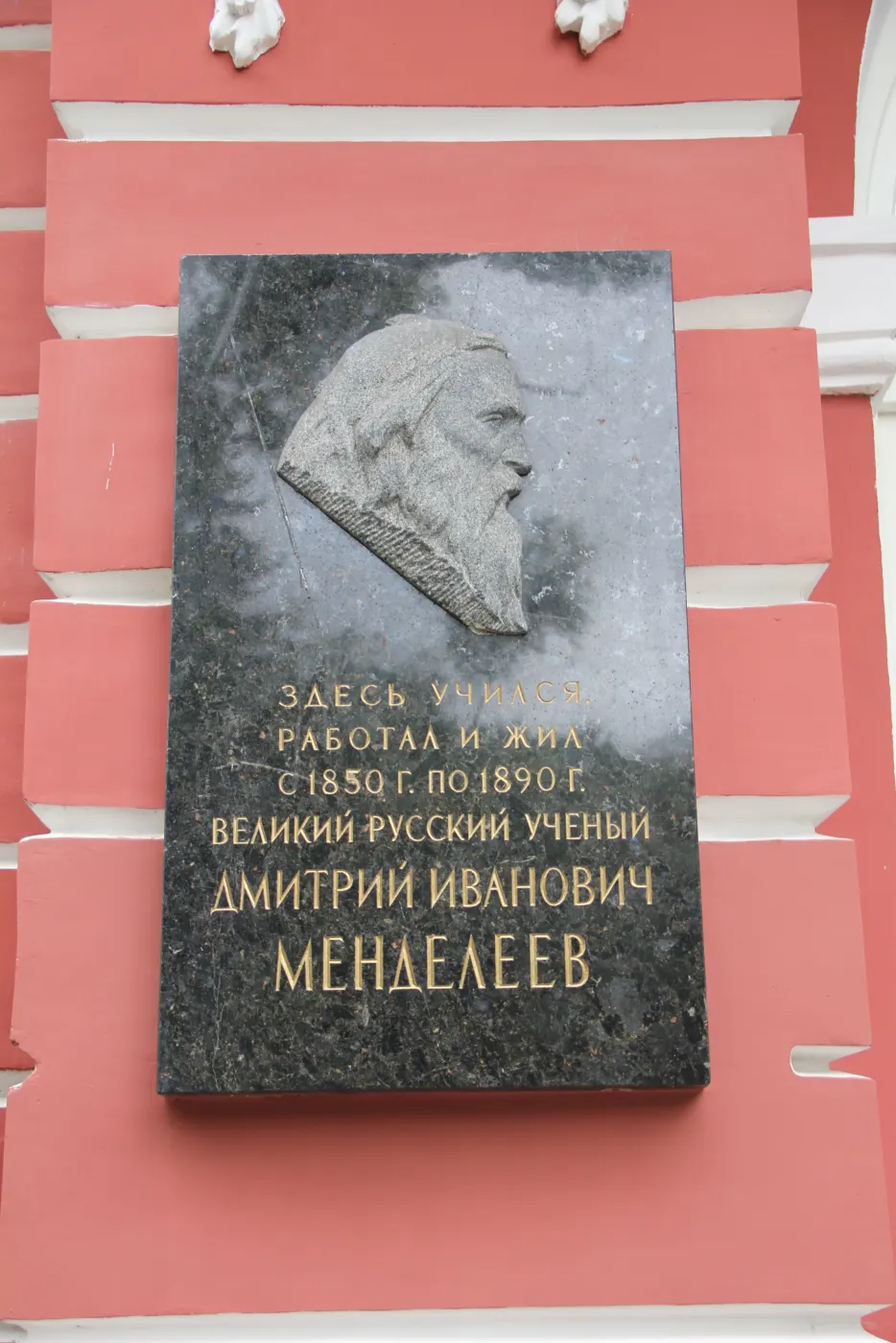
They returned to St. Petersburg in the early 1990s. The city was renaming itself and reinventing its economy. Pavel went through demanding schools, including St. Petersburg's Academic Gymnasium, and later an experimental class that piled mathematics together with Latin, English, French, German, and stretches of ancient Greek, biochemistry, and evolutionary psychology. The design was brutal on purpose. Nobody was expected to be excellent at everything. The point was to stretch a teenage brain until ordinary subjects felt small.
He was a strong student and a bad subject. He challenged teachers in class, pointed out mistakes, and got pushed out of schools that wanted quiet rows. The experimental program left more room for argument. He used that room. At one point, bored with teenage drift, he decided to try something almost silly: earn the top mark in every subject even though the schedule made it nearly impossible. He studied through breaks. He got the marks. The exercise taught him that will could be trained like a muscle.
His older brother Nikolai was already a different kind of prodigy. Nikolai read early, inhaled astronomy books as a small child, and would go on to win gold medals at the International Mathematical Olympiad three times and dominate world programming contests. Pavel has said that before the internet, Nikolai was his Wikipedia. The partnership that later built Telegram started as a bunk-bed classroom.
Student forums, then Russia's Facebook
At St. Petersburg State University he studied English philology and translation, graduating in 2006. Classes felt easy. He built what he needed instead. First came a faculty site with digitized lectures and exam answers. Then a forum. Then friend lists, photo albums, profiles, blogs. Tens of thousands of students joined. The product was not yet a company. It was a habit of solving his own coordination problems with code.
A former classmate, Vyacheslav Mirilashvili, showed him Facebook after reading about Pavel's student projects in a local paper. Mirilashvili had seen the American network while studying abroad. Together with Lev Leviev, they decided to build a Russian social network. Family capital helped. Pavel became the public founder and CEO. Nikolai, already a world-class programmer, joined the hard engineering.
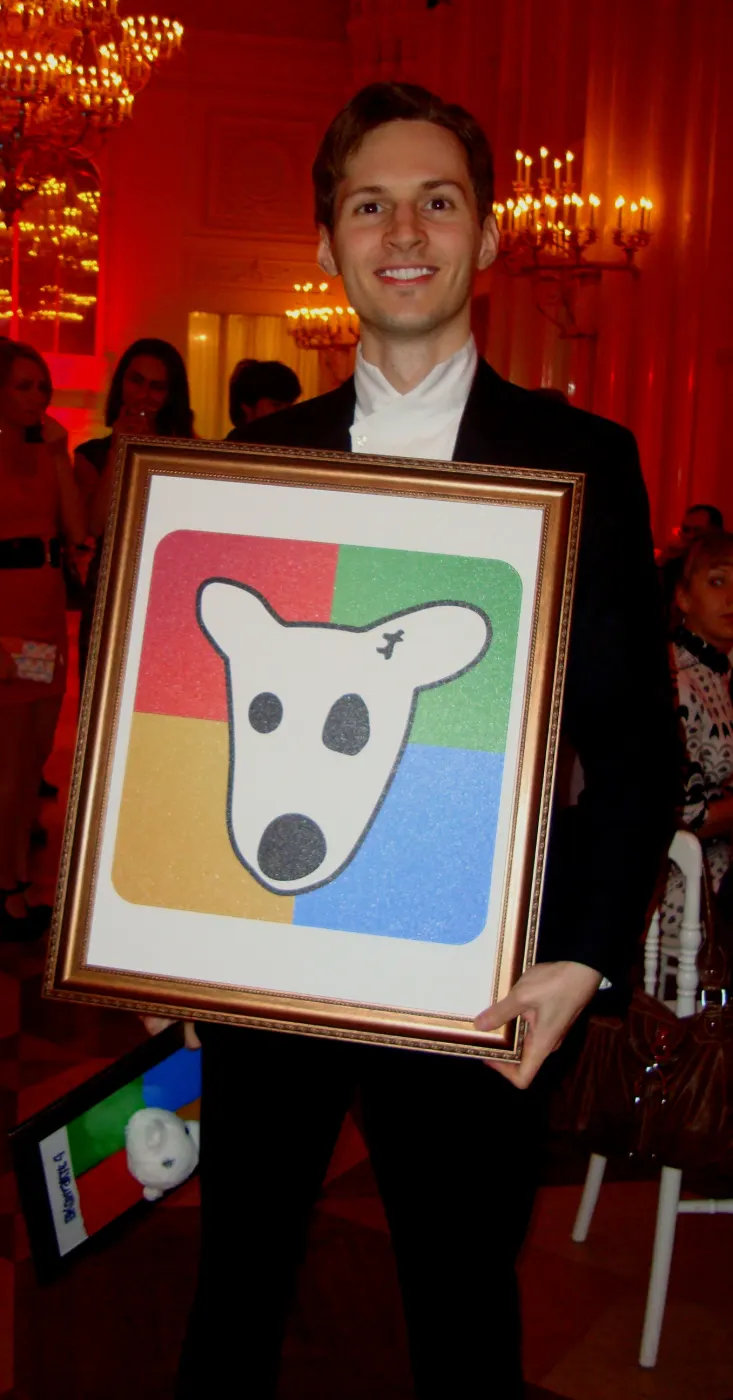
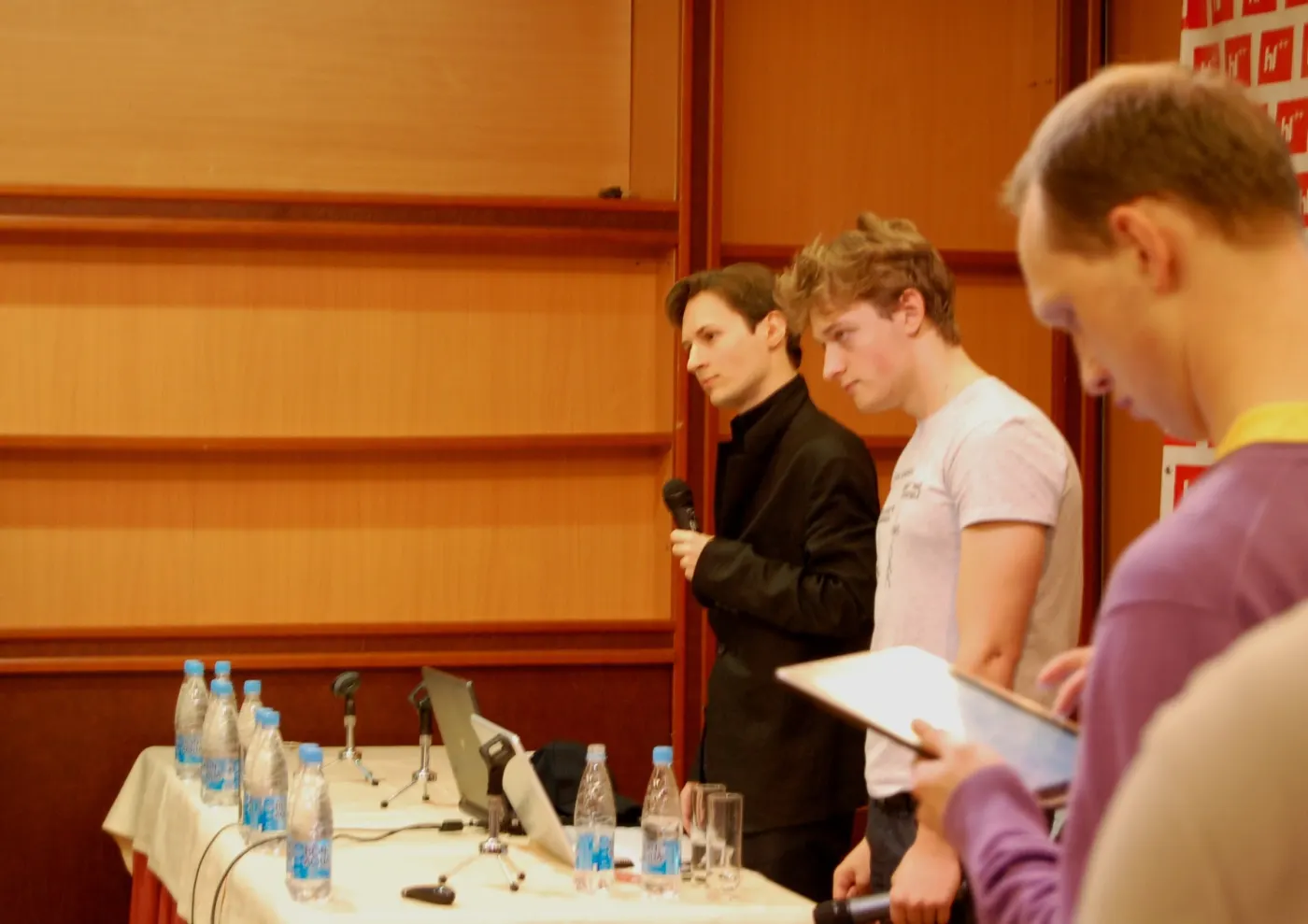
VKontakte, "in contact," opened for registration in late 2006. The domain Vkontakte.ru was registered that October. The company incorporated in January 2007. For nearly the first year Pavel was the only employee: backend, frontend, design, customer support, marketing copy. He wrote in PHP and MySQL on Debian, then learned Memcached and nginx under fire. When traffic exploded he called Nikolai in Germany and begged him home. Nikolai and contest-champion friends rewrote critical engines in C and C++. Search, ads, messaging internals got leaner. Users noticed the speed. In Silicon Valley visits, Facebook staff asked how the Russian site loaded so fast even from California.
Growth was violent in a good way. One million users by July 2007. Ten million by April 2008. By December 2008 VK had passed Odnoklassniki as Russia's top social network. Features piled up: music, video, apps, targeted ads. Valuation talk in later retellings reached into the billions of dollars. Pavel was still in his mid-twenties, still allergic to alcohol and cigarettes, still treating the product like a personal instrument.
Pressure, sale, exit
Success invited the state. During the 2011-2012 protest wave, VK hosted opposition pages. Durov publicly refused some takedown demands, including pressure related to activist communities. In 2014, as Ukraine convulsed and Russian security services pressed for user data, the conflict hardened. Durov has said he refused FSB requests that he viewed as illegitimate. Shareholders and power shifted. In early 2014 he sold his remaining stake, reported around twelve percent. In April he was pushed out as CEO. He left Russia.
He later published reasons not to return, citing courts and laws he did not trust. He secured other citizenship options, including through investment in Saint Kitts and Nevis, and parked capital abroad. The myth that followed called him a digital exile. The practical truth was sharper: he had lost the company that made his name and kept the scars that would shape the next one.

Telegram: a messenger built like a bunker
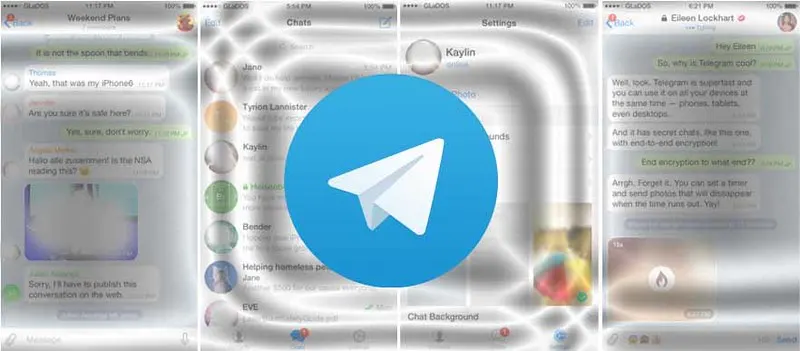
Telegram launched in August 2013, while VK was still in the storm. Pavel and Nikolai designed it for speed and privacy. The origin story Pavel tells is personal: when security forces came near his life in Russia, he wanted a channel to coordinate with his brother that he believed ordinary phones and apps could not protect. Whether every detail of that anecdote can be independently filmed does not erase the product choice. Telegram shipped cloud chats that were encrypted at rest across a distributed infrastructure, plus optional Secret Chats with end-to-end encryption. The protocol family became known as MTProto. Servers spread across jurisdictions. Decryption material was split so that no single friendly government office could casually unlock the store.
The company stayed tiny on purpose. Years later Pavel told Fridman the core engineering team was about forty people, managing on the order of a hundred thousand servers through automation instead of armies of operators. He owns one hundred percent of Telegram. No board of growth investors can force a pivot toward ads-at-all-costs or quiet cooperation deals. That ownership is not a footnote. It is the governance model.
Telegram moved through Berlin and settled its headquarters in Dubai, drawn by tax and regulatory climate and by distance from Moscow. Features arrived in a rush that messaging rivals often copied later: massive channels, bots, stickers, huge groups, voice and video, Premium subscriptions from 2022, advertising that finally produced serious revenue. Durov said 2024 was Telegram's first profitable year, with about 547 million dollars in profit. In March 2025 he announced that monthly active users had passed one billion. Secondary trackers in 2025 and 2026 put daily actives near five hundred million and Premium near fifteen million. Those figures move with company disclosures; the direction does not. WhatsApp still leads globally. Telegram became the stubborn second place outside China's WeChat world, especially strong where users wanted channels, large communities, and a founder who advertised defiance.
Russia tested that defiance. In April 2018 a Moscow court ordered Telegram blocked after the company refused to hand encryption keys to the FSB. The block was leaky. Workarounds spread. In June 2020 the ban was lifted. Telegram had survived a nation-state attempt to erase it from its home market.

How he works
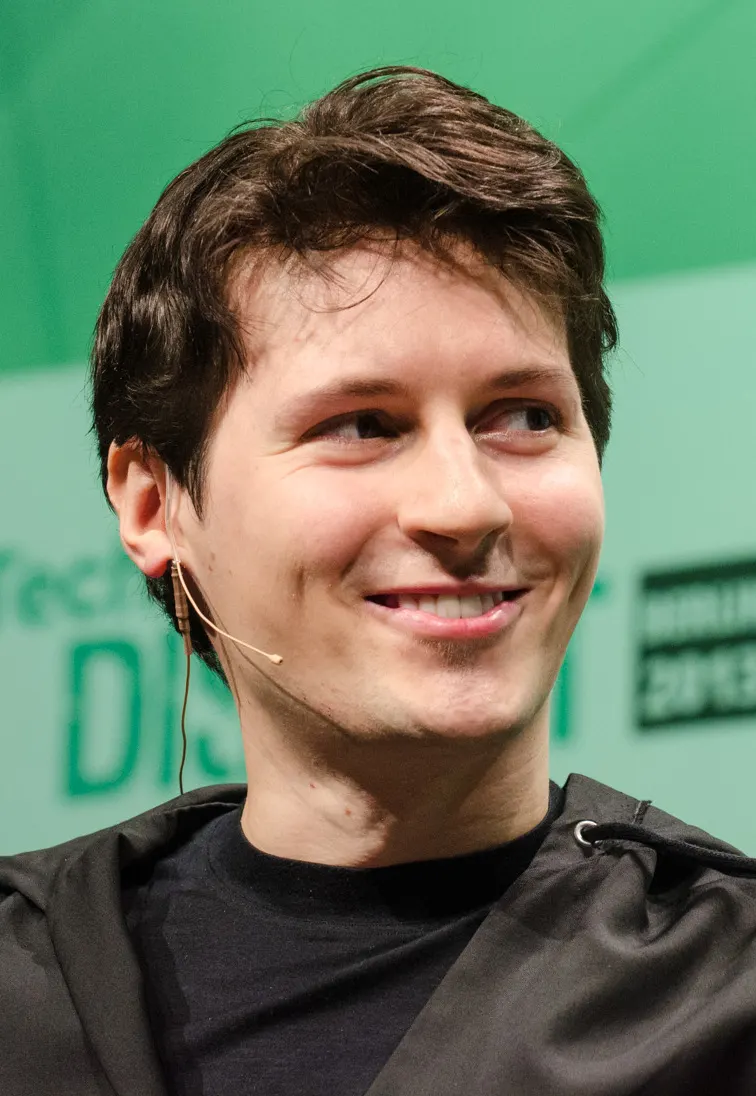
People who spend time around Durov describe a controlled life that looks extreme until you hear the reasoning. He says he has avoided alcohol, tobacco, coffee, pills, and illegal drugs for more than twenty years after reading a biochemistry book as a boy that framed addiction as brain damage. He eats in a narrow daily window, favors seafood and vegetables, and dropped red meat long ago because it made him feel heavy. Mornings often start with three hundred push-ups and three hundred squats before a long gym session. He uses banya heat and ice plunges. He swims for hours across lakes when he can, treating distance as patience training.
He barely uses a phone as a consumer. He wants mornings without algorithmic feeds deciding his agenda. He sleeps long windows even if he does not sleep all of them, using the quiet for ideas. Inside Telegram he pushes short deadlines because he remembers building the first VK alone. He hires for contests and measurable skill. He talks about self-discipline as the real muscle.
None of this makes him gentle in disputes. It makes him hard to bargain with using ordinary corporate levers: parties, status, fear of missing a market.
Platforms, crime, and the forever argument
Every large messenger hosts criminals. The fight is over duty, tools, and where liability sits. Telegram publishes moderation stats for public channels tied to terrorism and child sexual abuse material and says it removes huge volumes of violating public content. Critics, including French investigators in 2024, argue the platform was too slow or too uncooperative on criminal networks, drug markets, and illegal files, and that leadership bears responsibility. Telegram answers that it complies when requests are filed correctly and that encryption and privacy are features, not crimes.
This argument has no neat cinematic ending. Autocracies want keys. Democracies want exceptions. Users want both safety and secrecy. Durov's public position is that he would rather leave a market than build a master key. Governments reply that scale without enough policing is itself a harm. Jurors and judges, not magazine essays, will decide the French case if it reaches trial.
Le Bourget to Nice to Dubai again
After the August 2024 arrest, French media and world wires filled with the same sequence: custody, preliminary charges, bail, a ban on leaving France, twice-weekly police check-ins at first. President Emmanuel Macron said the case was judicial, not a political stunt, and that speech freedoms still sit inside law. Free-speech groups and some authoritarian voices both complained for opposite reasons. The optics were global because Telegram's user base was global.
Through late 2024 and 2025 Durov was questioned multiple times. Reporting in 2025 described him acknowledging that criminal use on the platform had grown as a fraction and pledging stronger oversight, while still denying the core accusations and attacking how French requests were made. In mid-2025 judicial control loosened enough for limited Dubai stays. On 13 November 2025, according to judicial sources cited by France 24, Politico, and others, France fully lifted the travel ban and dropped the Nice reporting duty, noting a year of compliance. The underlying investigation did not vanish. French and international outlets continued to cover further questioning into 2026.
Separately, in July 2026, Russia's FSB publicly alleged that Durov had facilitated terrorism through Telegram's tools and announced charges and an international wanted notice. Those claims are allegations from a state that previously fought Telegram over encryption. They remain unproven in open court and sit beside a long history of mutual hostility. A careful biography records the claim without treating it as settled fact.
What Telegram changed in the world
Strip away the founder myth and the product still moved culture. Journalists, diaspora communities, open-source developers, protesters, scammers, hobby clubs, and governments all learned to run megaphone channels on the same app. In wars and crises, Telegram became a rumor engine and a document dump and a coordination layer. In markets from India to Brazil to Eastern Europe it became daily infrastructure. Competitors copied channels, status features, and compression tricks. Advertisers finally found a path in. Crypto experiments around The Open Network brought both ambition and regulatory collision; parts of that saga forced redesigns and distancing moves that still echo in 2026 coverage.
The world impact is double-edged by design. A tool that resists easy surveillance also resists easy policing. Durov markets the first half. Prosecutors emphasize the second. Users live in the middle every time they forward a file.
2026: still building, still contested
As of 2026 Telegram sits above one billion monthly users on Durov's last major public count, with engagement and monetization far above the zero-revenue bond years. Forbes has estimated his wealth around 6.6 billion dollars, a number that floats with private-company assumptions. He remains CEO and sole owner in Dubai. He still frames the company as lean, independent, and unwilling to create encryption backdoors.
He is also still a defendant-in-investigation in France, still a target of Russian state messaging, still a symbol onto which strangers project either libertarian heroism or reckless platform negligence. The documentary truth is narrower. A boy from Leningrad learned early that closed systems feel poor. He built VK until the state and shareholders made the cost of staying higher than the cost of leaving. He built Telegram as a second life with his brother, kept the cap table empty of outside bosses, automated a planet of chats with a small team, and refused, again and again, to become an easy partner for intelligence services. In August 2024 that refusal met French criminal procedure on an airport tarmac. By November 2025 he could travel again. By September 2026 the chats kept going, the case kept going, and the man who hates phones still ran one of the phones' most important apps.
Contests, hiring, and the small-room culture
Telegram's public face is privacy. Its internal face is contests. For years the company has recruited through programming and design competitions that publish problems the way math olympiads do. Winners get jobs or contracts. The method fits Nikolai's contest background and Pavel's distrust of resume theater. A shortlist of people who can ship under pressure beats a campus brand.
That culture shows up in the product cadence. Stickers that feel like a language. Compression that makes video cheap on weak networks. Channels that turn one writer into a broadcast station. Bots that act like tiny programs glued to chats. Folder systems, translation experiments, premium uploads, business tools. Not every feature is loved. The pattern is clear: ship, measure, refuse to grow the payroll just because a rival hired a thousand more product managers.
Pavel has said idle employees invent politics. Busy employees automate. With nearly a hundred thousand servers, automation is survival. Humans are attack vectors in his framing. The fewer humans who can touch private data paths, the smaller the surface for bribes, warrants served on the wrong person, or a single sysadmin gone wrong. Whether every listener accepts that philosophy, the architecture follows it.
Snowden, Apple, and the outside pressure years
After Edward Snowden's disclosures, encrypted messaging left the hobbyist corner and entered mainstream fear. Telegram rode that wave without becoming a cypherpunk monastery. Most chats still live in the encrypted cloud so users can switch devices. Secret Chats exist for people who want the stricter mode and accept the limits. Security researchers have argued for years about protocol choices and audit timing. Telegram open-sourced clients and parts of the stack while keeping server operations closed. The debate never fully settles. Users vote with installs anyway.
Governments and platforms applied other levers. Iran and Russia tried blocks. Apple's App Store rules periodically became a battlefield for update timing and feature wording. Intelligence services, in Durov's telling on long interviews, probed for cooperation that would look routine on paper and fatal in principle. He says Telegram has never handed over private message content. Skeptics note that metadata, public channels, and phone-number discovery create other risks. Both statements can be true at once: no message plaintext to a policeman does not mean a platform is invisible.
In 2018, while Russia tried to choke Telegram at the network layer, Durov later told Fridman a story he had kept private for years: an alleged poisoning attempt. He presents it as part of the cost of the fight. Independent forensic proof has not been laid out in a courtroom for the public. A responsible biography records that he said it, treats it as his account, and does not upgrade it into settled history.
Money without a conventional IPO story
Telegram raised visibility and capital in unusual ways, including bond issues when the product still had little or no advertising revenue. Holders bet on growth and on the scarcity of a large messenger outside Meta. As users crossed hundreds of millions, then toward a billion, monetization caught up through Premium and ads. Durov's 2024 profit claim and 2025 half-year revenue figures reported by trade press mark a shift from pure ideology product to cash-generating network. He still rejects the idea that profit requires surrendering the encryption story.
Personal wealth estimates around six to seven billion dollars in 2026 Forbes tallies depend on private marks. They move. What does not move is the control: one owner, one veto.
The Open Network detour
Telegram once pushed a blockchain project known as TON, designed to settle payments and apps near the messenger. U.S. regulators challenged the token sale. Telegram stepped back from the original launch plan under legal pressure, paid penalties, and left community developers to carry versions of the technology forward. The episode matters because it shows a limit. Defiance that works against a telecom block does not always work against securities law. Durov still talks about crypto and Bitcoin as tools of autonomy. The corporate lesson was that some arenas punish speed.
Brothers at the whiteboard
Any honest telling puts Nikolai near the center. Pavel is the product voice, the negotiator, the man who says no on stages. Nikolai is the mathematician who turns constraints into protocols and engines. Their childhood roles reversed the usual founder myth. The younger brother became the public CEO. The older brother remained the quiet force multiplier. When Pavel describes hiring, he describes people who can survive Nikolai's standards. When he describes Telegram's reliability under load, he is describing systems his brother helped invent.
That bond also explains the lean headcount. Two brothers who built under scarcity do not romanticize bloated offices. They romanticize working code.
Users who needed a channel
In Belarus and Iran, in wartime Ukraine and Russia, in diaspora groups from the Caucasus to South Asia, Telegram became the place where news, rumor, fundraising, and black humor shared a scroll. Independent journalists escaping local censorship parked audiences there. Scam rings and extremist recruiters did too. City governments posted weather alerts. Schools posted homework. The same feature set served a clinic and a cartel storefront. Moderation teams and classifiers chase the worst public material in a forever race. Private chats remain harder by design.
This dual use is why Durov draws both sanctuary praise and prosecutorial heat. A biography that only prints the sanctuary half is marketing. A biography that only prints the heat half is a brief. The lived product is both.
France in procedural detail, kept neutral
French law allows an investigative judge to lead a probe with powers that surprise outsiders used to pure police-prosecutor splits. After Le Bourget, Durov was not immediately a convicted defendant. He was a person under formal investigation, a status that signals serious suspicion while leaving room for further inquiry. Bail, travel limits, and reporting duties are tools of judicial control, not proof. Lifting those tools in November 2025 after reported compliance did not equal dismissal. It equaled a change in constraint.
Durov used interviews to claim that some French officials tried to leverage his temporary immobility for political moderation requests in other countries, including stories he told about Romania and Moldova. French authorities have framed the core case around criminal content and cooperation duties, not around foreign elections. Readers should hold both narratives as contested claims inside an unfinished case. What can be said cleanly: Telegram is a major platform; France opened a major investigation; the founder was detained and charged on a preliminary basis; he denies the charges; travel freedom was restored in late 2025; as of September 2026 no public conviction had closed the file.
Rivals, copies, and the long game with WhatsApp
Durov likes to needle WhatsApp as a late copyist. The rivalry is real in features and in geopolitics. Meta's messenger benefits from Facebook's graph and from regulatory attention of a different flavor. Telegram benefits from being the option people open when they want channels, when they distrust mainstream moderation, or when a local network effect already lives there. Neither app is morally pure. Both are infrastructure. Telegram's bet is that independence and pace can offset a smaller address book.
By 2026 that bet had produced profitability claims, bond strength stories on his channel, and a user base large enough that shutting him out of one country no longer kills the network. The bet had also produced the French case, the loudest Western legal clash of his career.
Body, mind, and the refusal to be interrupted
The physical routine is not lifestyle content for him. It is governance. If stress rises when training stops, then training is part of running Telegram. If phones dissolve agenda control, then phones stay away. If alcohol blurs judgment, then parties happen without him drinking. Founders often perform discipline for cameras. Multiple long-form witnesses, including Fridman's weeks with him, describe the same pattern off camera. That consistency matters more than any single push-up count.
It also explains his negotiation style. A person who has already imagined losing the company, the country, or his life is expensive to threaten. Governments still try. Markets still try. The technique is always the same: make the next yes feel smaller than the last no. His published ethic is to refuse the first yes that breaks the private-messages promise.
What 2025's billion-user mark actually meant
Crossing one billion monthly active users is a vanity number until you translate it. It means teachers in secondary cities, traders in gray markets, opposition radios, aunties posting recipes, mercenary channels, open-source release notes, and dating scams sharing one home screen. It means customer support for a planet with a staff that would look small inside a single Meta building. It means every policy mistake scales. It means every successful compression trick saves megawatts.
Durov announced the mark while still navigating French constraints, which turned the milestone into a political signal: the product outgrew the custody room. Growth does not acquit anyone in court. It does change leverage.
St. Petersburg habits that never left
Even in Dubai heat, the founder story keeps returning to St. Petersburg winters, university forums, and the first night a login page printed a name after a password. He still talks about deleting features to help new users understand a product. He still treats competition in schools as healthier than soft grading. He still distrusts majority taste at parties. Those are not random quirks. They are the operating system underneath VK and Telegram.
When he says freedom costs more than money, he is translating a childhood comparison between systems into a corporate charter. Investors usually dilute that charter. He structured Telegram so they could not.
Negotiation days and the DDoS weather
During VK's rise, traffic spikes were not only fans. Durov has described waves of distributed denial-of-service attacks that intensified on days when ownership talks heated up. Whether every attacker wore a suit is unknowable from the public record. The operational lesson was knowable: if your social network cannot stay online under hostile packets, you do not have a business. Nikolai's engines and careful sharding were not academic neatness. They were flood walls.
Those nights also trained Pavel for Telegram. A messenger that vanishes when a country blinks fails its users at the exact moment they need it. Survival under block and survival under packet flood are cousins. Both reward paranoia about single points of failure.
Dubai as operating base
Dubai offered Telegram a headquarters city with international flights, tax simplicity, and distance from Moscow's security services. Durov became part of the UAE's roster of high-profile tech residents. Forbes Middle East ranked him among the emirate's richest people in 2026 lists. The city is not a morality tale. It is a jurisdiction choice. From Media City, a small team ships clients used in countries that will never grant Telegram a friendly regulator.
Living there also shaped the post-arrest logistics. When French judges relaxed control in 2025, Dubai was the home he asked to reach. When the ban lifted fully in November, the return was not a victory parade. It was a founder walking back into the building that keeps the chats moving.
The magazine problem of living men
Writing a founder still in the arena forces a discipline magazines sometimes skip. You cannot treat allegations as trophies. You cannot treat the subject's own podcast lines as sworn proof. You can stage the scenes that are documented: the airport, the user counts, the block in Russia, the travel-ban lift, the ownership structure, the brother who writes the hard code. You can show how he works. You can show what changed for ordinary people who gained a channel. You leave the courtroom work to courts.
That discipline is part of why this biography spends pages on Turin ice cream and PHP login screens. The ideology is louder than the craft. The craft is what actually scaled.
Citizenships as tools, not souvenirs
Durov collected legal identities the way engineers collect failover paths. Russian birth. Caribbean investment citizenship after the VK exit. French naturalization in 2021. UAE life as the daily base. Each passport is a door and a vulnerability. France could detain a French citizen at Le Bourget precisely because he belonged there on paper. Russia could denounce him in 2026 as an outsider who still carries a Russian origin story. The paperwork never made him safe. It only changed which office could reach him.
He kept publishing product notes and user milestones through the legal fog, including the March 2025 billion-user claim and commentary on bond prices and profit. Critics heard spinning. Supporters heard proof that custody had not captured the roadmap. The quieter fact is operational: release trains continued while lawyers worked.
Closing
Pavel Durov's life is a sequence of locked doors and the tools he built to route around them. Italy taught him freedom as abundance. VK taught him scale. 2014 taught him that a social network inside one country can be captured. Telegram taught the planet that a messenger with a stubborn owner can reach a billion people without a conventional Silicon Valley cap table.
The French investigation that began with the Le Bourget arrest remains, as of 2026, an open legal process, not a closed verdict. Russian allegations in 2026 remain allegations. What is not in dispute is the product's reach and the founder's pattern: prefer exit to obedience when the demand is keys, source code, or quiet political censorship.
He still starts days with push-ups. He still sleeps without a feed in his hand if he can help it. Somewhere in Dubai the servers keep moving messages for people who will never read this biography. That may be the ending he wants. The messages outlive the myth.
Watch alongside this story
Short cuts from interviews, keynotes and launches. Each plays only the moment that matters.