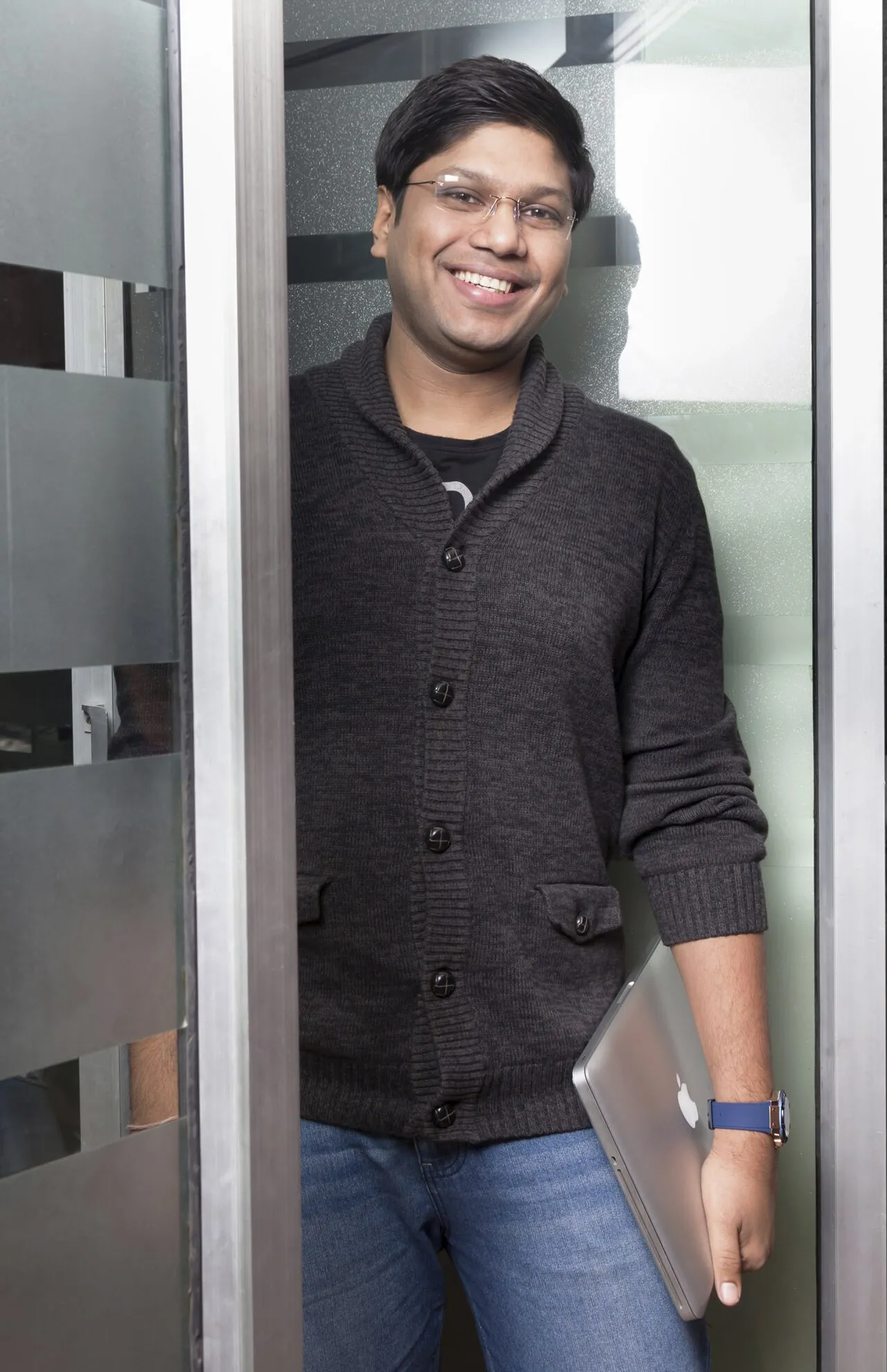
The Engineer Who Made Glasses Contagious
Company: Lenskart. Company value: about $10B. Net worth: about $1B.
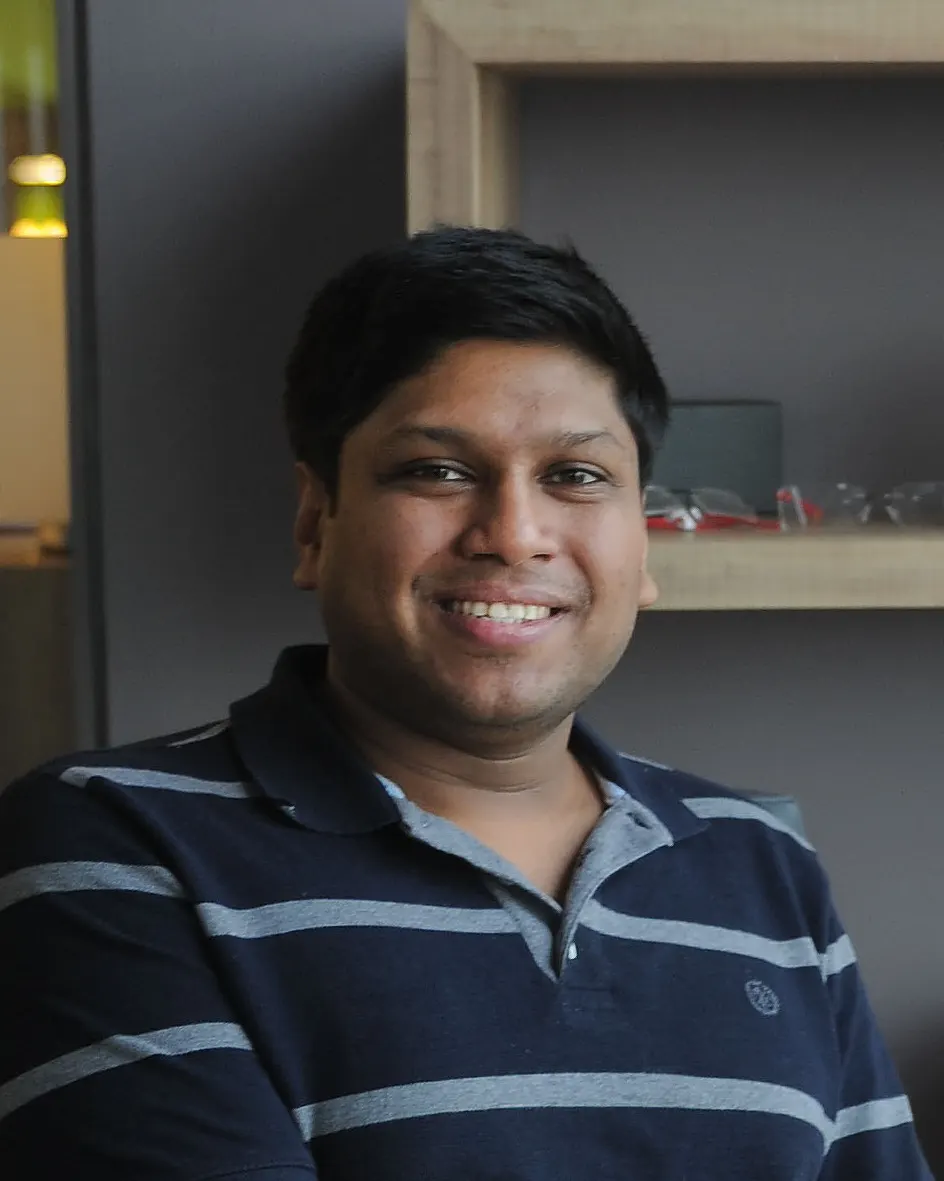
On the first day of a shoot, the contract was still unsigned. Peyush Bansal's first instinct was to say no.
That small hesitation says a lot about him. He distrusts easy advice theater. In long interviews he says advice is overrated and can damage good entrepreneurs. He would rather talk about contagious brands, living up to a "why," and the ugly truth that many Indians avoid eye tests because someone says "touchwood" as if clear vision were a jinx.
Lenskart grew from that stubbornness into one of India's defining consumer companies, with company value near about $10B and his net worth near about $1B on widely cited estimates. The product is intimate. Frames sit on faces. Lenses sit in front of the world. Getting that wrong is not a cute bug. It is a headache and a trust break.
This documentary follows an engineer who treated eyewear like a consumer movement, not a dusty optical counter.
Origin and the garage before glasses
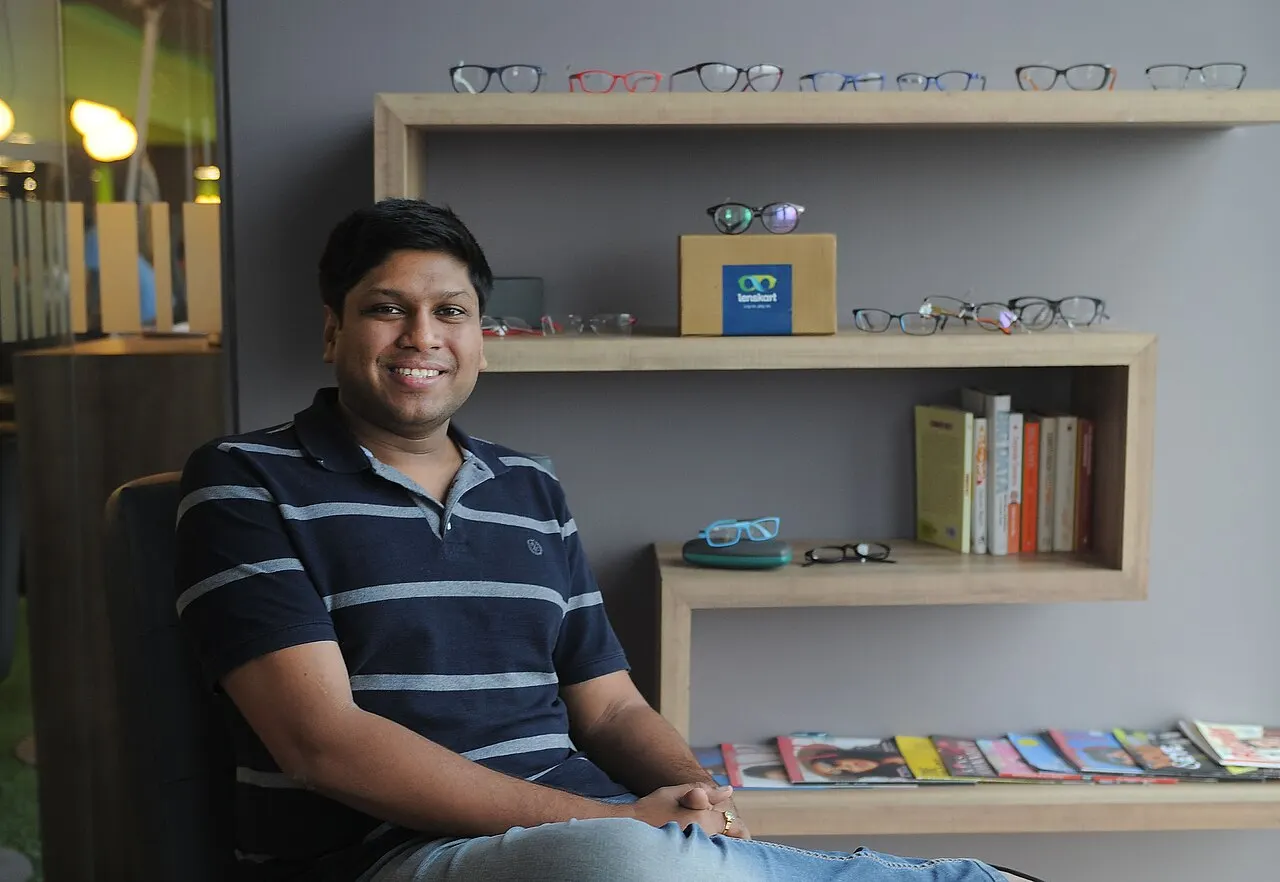
Peyush's path includes the classic competitive exam climb and tech-world exposure, then a restless attempt to build. Before Lenskart fully owned his legend, he has described earlier hustles, including a student housing problem pursued with a small garage team of roughly twenty to twenty-five people in his house garage. The philosophy was customer problem first.
Right place and right time matter, and he admits timing as a factor. But timing without obsession is just weather. He was already inside startup friction when eyewear took over the plot.
He noticed how broken buying glasses felt: slow lenses, weak style, fear of eye tests, and a category stuck between clinic and afterthought fashion. Fashion brands ignored optics. Optical shops ignored delight. That gap was the door.
Breakthrough: start with why, then earn contagion

Peyush talks about beginning with why, not only with what. When Lenskart explained honest value at the price it sold, the message hit. He calls that alignment a super hit because customers could feel the promise matching the invoice.
Home try-on became a famous mechanic: send frames, let people decide in their own mirror, reduce the terror of buying wrong. Stores, eye tests, and faster lens delivery layered on top. Each layer had to survive India's spread of incomes and cities.
He likes the word contagious for brands. If people talk, listen to what they say. Sometimes they invent a better positioning than your ads. Contagion without trust is a fad. Contagion with delivered prescriptions is a company.
Building factories of trust

Lenskart's deeper build is vertical ambition: retail, tech, and manufacturing muscle so cost and speed are not hostages to distant suppliers alone. Peyush's public story includes market domination tactics, but the private story is SKU discipline, quality checks, and optometrist networks.
Marketing made glasses feel like sneakers for the face. Ops still counted like a serious retailer. That double brain is why the brand could be playful without becoming careless.
Shark Tank India amplified his voice. Fame recruited talent and customers. It also tempted people to think TV is the business. He keeps returning to unit economics and whether a founder can survive bad weeks.
Hard seasons and cultural enemies


The cultural enemy is superstition and delay. He challenges "touchwood" avoidance of eye tests. If people fear prescriptions, they postpone clarity. Lenskart's mission includes normalizing checks, not only selling frames.
Operational enemies include returns, fit issues, and price wars. Copycats can mimic home try-on language. They cannot easily mimic integrated supply and brand trust.
Community versus individual decision cultures across India also shape adoption. Peyush has reflected on how metro individualism and community-driven choices change how people trust new behaviors. The company had to speak both languages.
Current achievements (2025-2026)

As of the mid-2020s, Lenskart stands as a consumer tech and retail powerhouse with valuation conversations near about $10B and Peyush's wealth near about $1B per batch estimates. IPO discussions and public narratives have kept the company in financial headlines. The living achievement is scale across stores, app, and production with a brand that still means eyewear for millions.
Current greatness is also cultural: a Shark who asks founders hard questions while running a real operations machine. Visibility without delivery would collapse. He knows that.
World impact

What shifted? Eyewear moved from postponed chore toward expressive, accessible retail. Eye tests gained consumer marketing muscle. Indian consumer companies gained another proof that full-stack brand plus supply can win.
Globally, the template matters for other emerging markets where optical retail is fragmented and stigma or neglect delays care. Lenskart showed a smartphone generation will buy glasses like lifestyle goods if trust is engineered.
Jobs followed: store associates, lab technicians, logistics teams, designers. Standards rose; rivals had to improve experience or lose the young customer.
How he works


He distrusts generic advice, hires for reality, and watches whether a brand's story matches customer sentences. He can be blunt on television and patient in process. Right place right time is acknowledged without erasing grind.
The student who hated opaque markets
Peyush did not begin as a glasses merchant. He began as someone who noticed when systems wasted human time. Competitive exams taught him endurance. Tech work taught him how software could remove friction. The early housing experiment taught him that twenty people in a garage can still feel like a company if the customer problem is sharp enough.
He has said timing mattered. Being early to a category wave can look like genius later. In the moment it looked like unpaid nights and relatives asking when he would take a normal job. The garage years were not cute. They were cramped, loud, and full of debates about what to build next.
Eyewear won because the pain was intimate. A bad book order is annoying. A bad pair of glasses sits on your face all day. The category mixed medicine and fashion and somehow delivered neither well for huge parts of India. That insult to the customer became his map.
Home try-on as a trust machine
Home try-on sounded like a marketing gimmick until you watched a family open a box of frames in their living room. Suddenly the purchase was not a clinic ritual. It was a home decision with mirrors and siblings arguing about style. Peyush understood that reducing return terror was more valuable than another discount banner.
The mechanic forced logistics excellence. Boxes had to arrive. Frames had to be tracked. Returns had to be painless. Each successful try-on taught the company which styles moved and which sat. Data became a quiet co-founder.
Stores did not kill the app. Stores became showrooms and eye-test hubs that fed the same brand promise. Omnichannel was not a buzzword for him. It was the only way to serve a country where trust still often needs a human in a white coat and a room with a chart on the wall.
Contagion, why, and the sentences customers invent
Peyush talks about brands that become contagious. Not merely viral for a week, but talked about because the product creates sentences people want to repeat. When customers invent a better positioning than your ads, you listen. That humility is rare in founder theater.
He also returns to starting with why. Price honesty only works if the invoice matches the promise. When Lenskart sold value people could feel, the message stuck. When companies sell theater, contagion turns into backlash.
Advice culture bothers him. He has said advice is overrated and can damage good entrepreneurs. The point is not arrogance. The point is that generic slogans ignore context. A founder in Tier-2 India facing optical stigma does not need a Silicon Valley slide. They need systems that survive bad weeks.
Manufacturing muscle and the unglamorous empire
Marketing can make glasses feel like sneakers for the face. Manufacturing decides whether that feeling survives the first scratch and the first wrong power. Lenskart's deeper ambition went vertical: retail, tech, and production so cost and speed were not permanent hostages to distant suppliers.
Lens labs, quality checks, SKU discipline, and optometrist networks do not trend on social media. They decide whether a billion-dollar narrative is real. Peyush's public persona can be playful. The private company counts like a serious retailer.
Speed to deliver prescription lenses became a competitive weapon. In a country spread across incomes and climates, speed without accuracy is cruelty. Accuracy without speed is the old optical shop. Winning meant both.
Shark Tank fame and the temptation of television
Shark Tank India made Peyush a household face. Founders wanted his money and his bluntness. Viewers learned his catchphrases. Fame recruited talent and customers. It also created a shadow risk: people mistaking television for the business.
He keeps returning to unit economics. A Shark who cannot run stores and labs is just a celebrity. The durable story is that the same person asking hard questions on TV still obsesses over whether a prescription arrived correct in Indore.
Celebrity ads, including high-glamour campaigns, pushed eyewear into entertainment culture. One exclusive conversation about an ad featuring him with Karan Johar showed how deliberately Lenskart chased cultural heat. Style was not decoration. Style was distribution.
Touchwood, fear, and the cultural enemy
Peyush names a cultural enemy that sounds small until you measure lost decades of blurry vision: the habit of avoiding eye tests while saying touchwood, as if clear sight were a jinx. Fear and superstition delay care. Delayed care becomes normalized struggle.
Lenskart's mission includes normalizing checks, not only selling frames. That is world-impact language dressed as retail. If a brand can make the eye test feel routine rather than ominous, public health improves one appointment at a time.
Community-driven decision cultures and metro individualism both shape adoption. In some homes, buying glasses is a family committee. In others, it is a solo app tap. The company had to speak both languages without sounding fake in either.
Bill Gates, leadership envy, and learning from extremes
Peyush has told the story of meeting Bill Gates and studying what separates certain leaders from the pack. The scene matters less as name-dropping and more as a mirror. He looks for patterns in people who built systems that outlived moods.
What he takes from such encounters, at least in public tellings, is not cosplay of another founder's personality. It is respect for long attention spans. Eyewear is a long game. Prescription trust compounds slowly. Leaders who chase only quarterly applause break that compound interest.
Hard seasons: returns, copycats, and price wars
Returns are not a footnote in eyewear. Fit issues, power mismatches, and style regret can flood a warehouse if the front-end promise runs ahead of ops. Peyush's teams had to treat returns as product feedback, not as customer disloyalty.
Copycats can mimic home try-on language in a week. They cannot easily mimic integrated supply, brand trust, and a store-plus-app network that already taught millions what Lenskart feels like. Price wars still hurt. Discount addiction can train customers to wait. The company had to defend value without sounding greedy.
Capital markets and valuation chatter create their own weather. Conversations about multi-billion dollar company value can intoxicate a team. Peyush's healthier instinct is to point back at the product on a nose. If that fails, the spreadsheet eventually fails too.
How he works when the cameras are off
He hires for reality. He watches whether a brand's story matches the sentences customers actually say. He can be blunt on television and patient inside process. He acknowledges right place and right time without erasing grind.
He distrusts founder advice as a product category. That stance shapes culture: fewer slogans, more experiments with feedback loops. Teams are expected to survive bad weeks, not only celebrate launch weeks.
Designers, optometrists, store leads, and engineers have to share one customer. That cross-functional tension is where Lenskart either becomes a real company or a collection of departments with logos.
Current achievements in 2025-2026: how the numbers happened
As of the mid-2020s, Lenskart stands in public narratives as a consumer tech and retail powerhouse with company value conversations near about $10B. Peyush's personal wealth sits near about $1B on widely cited batch estimates. Those figures move with markets and private funding rounds. The path underneath is clearer than the ticker mood.
First, Lenskart turned a fragmented optical market into a branded consumer journey. Home try-on, app commerce, and stores created repeat behavior. Repeat behavior creates enterprise value more reliably than a single viral campaign.
Second, vertical integration and manufacturing ambition improved unit economics over time. When a company controls more of lens production and fulfillment, margins and delivery promises stop being permanent hostages. Investors pay for that control when they believe it is real.
Third, brand heat from Shark Tank, celebrity campaigns, and cultural marketing expanded the top of funnel while ops had to keep the bottom of funnel honest. Fame without fulfillment would have destroyed trust. Fulfillment without fame would have grown slower. The combination produced scale.
Fourth, IPO discussions and public-market storytelling kept Lenskart in financial headlines, which matters for talent, vendor trust, and future capital. Even before any single listing day, the optionality of going public can reshape how a company is valued.
Current greatness is also operational: thousands of touchpoints across stores and digital, a brand that still means eyewear for millions, and a founder who remains a visible operator rather than a retired mascot. Visibility without delivery would collapse. He knows that, which is why the current achievement is durability after fame, not fame itself.
Wealth near about $1B, if those estimates hold across market swings, is a consequence of ownership in a scaled consumer platform, not a prize detached from product. The deeper scoreboard remains prescriptions delivered correctly and customers who stop fearing the eye test.
World impact: what actually shifted
What shifted is bigger than one founder's net worth.
Eyewear in India moved from postponed chore toward expressive, accessible retail. Young customers began treating frames like identity, not only medical devices. That cultural shift pulls care forward. People who want to look good may finally get their eyes checked.
Eye tests gained consumer marketing muscle. When a private company spends to normalize checks, public health rides along for free. The touchwood taboo did not vanish overnight. It weakened wherever Lenskart and rivals made testing feel ordinary.
Indian consumer companies gained another proof that full-stack brand plus supply can win against fragmented local shops and lazy global assumptions. The template matters for other emerging markets where optical retail is broken in similar ways: stigma, weak style, slow lenses, and little trust.
Jobs followed the model: store associates, lab technicians, logistics teams, designers, optometrists in branded settings. Standards rose. Rivals had to improve experience or lose the young customer. That competitive pressure is a public good even when it hurts incumbents.
Globally, Lenskart showed a smartphone generation will buy glasses like lifestyle goods if trust is engineered. That lesson travels. Any market with young phones and old optical habits is a candidate for the same redesign.
None of this means every Indian now sees clearly. Rural gaps, affordability gaps, and quality variance still exist. World impact is a raised floor and a new default expectation: glasses can be fast, stylish, and less frightening to buy. Once customers taste that default, the old counter feels broken.
Scenes from the early grind that still explain today
Imagine the first home try-on routes when the process still felt fragile. A courier, a box, a family mirror, a return label. Each success whispered that India would accept a new behavior. Each failure screamed that logistics is the product.
Imagine a store opening where an eye test converts a skeptical parent. The child wants stylish frames. The parent wants a correct power and a fair price. Lenskart had to win both in one visit. That scene repeated across cities until it became a system.
Imagine a factory floor where lens cutting errors are treated like trust crimes. Marketing slogans cannot polish a wrong prescription. The culture that survives is the culture that fears that error more than it fears a quiet week of sales.
Rivals, copycats, and the fight for the face
Every successful consumer mechanic attracts clones. Home try-on language spread. Discount wars flared. International players and local chains adjusted. Peyush's answer was not only louder ads. It was deeper ownership of experience: brand, stores, labs, and data.
Competition forced clarity about who Lenskart is for. If everyone claims style and speed, the winner is whoever survives the boring months. Inventory discipline, hiring, and training become the moat people forget to photograph.
Money, power, and the meaning of about $10B
Company value near about $10B is a story markets tell about future cash flows and brand power. It is not a vault of cash sitting in a room. Peyush's roughly about $1B wealth estimate is similarly a story about ownership stakes and mark-to-market moods.
The useful way to read those numbers is as evidence that eyewear, once treated as a sleepy category, can support a modern consumer enterprise in India at global-scale ambition. The dangerous way to read them is as permission to stop sweating the next wrong lens.
Power in this story is quieter than television. Power is setting the default for how a generation buys glasses. Power is making rivals rewrite their playbooks. Power is turning an eye test into something a teenager might not dread.
Failures and almost-quits, without makeup
Not every experiment worked. Early hustles before Lenskart fully owned the legend taught expensive lessons about focus. Inside Lenskart, categories, campaigns, and hiring bets will have missed. Founders who claim otherwise are selling fiction.
The almost-quit moments in consumer hardware-ish retail often look like cash crunches, vendor fights, and weeks when returns spike. Public interviews sand those edges. The documentary truth is that endurance is a product feature.
Peyush's skepticism about advice may come from watching people fail by following glamorous scripts. The surviving script was narrower: solve for trust on the face.
What he actually built
He built a consumer brand that made glasses desirable.
He built a distribution system that mixed digital convenience with physical trust.
He built manufacturing and fulfillment muscle so promises could be kept at scale.
He built a media presence that recruited talent and normalized founder bluntness in India.
He built, imperfectly and continuously, a cultural nudge against delaying eye care.
That inventory matters more than any single valuation headline.
Where he is now
Today Peyush remains both operator and public Shark. Lenskart continues expanding the idea that India can have modern eyewear retail at population scale. Current milestones to hold in one frame: company value conversations near about $10B, personal wealth near about $1B on common estimates, a national brand presence across stores and app, and a founder still arguing about systems more than slogans.
He still sounds mid-build. That is healthy. Eyewear trust is never finished. Every new city is a new chance to fail the prescription.
Closing beat
If you want a single scene, imagine a living room mirror and a family arguing about frames while a child secretly hopes the eye test will be painless. Then imagine warehouses, labs, stores, and a television stage stacked on top of that small domestic moment.
Peyush Bansal bet that India would care about seeing well and looking good in the same purchase. He built the rails until the bet looked obvious. It was not obvious in the garage years. It is obvious now only because the packages kept arriving correct, and because fear of the eye chart lost a little power every time someone booked a test without whispering touchwood.
A day in the company, told slowly
Morning begins with exceptions. Wrong powers. Delayed couriers. A store that needs another optometrist. Peyush's leadership fingerprint shows up in whether those exceptions are treated as noise or as the real product dashboard.
Midday is brand and math in the same meeting. A campaign wants more emotion. Finance wants cleaner contribution margins. The healthy fight is the one that refuses to pick only one side.
Evening can still be founder mode: a message about a customer story, a worry about a new city launch, a note about a rival's discount. The work does not clock out cleanly when your product sits on faces.
India as a thousand markets
Calling India one market is laziness. Language, income, fashion speed, and medical trust change across neighborhoods. Lenskart had to localize without fracturing the brand into confusion.
Metro customers might buy frames like fashion drops. Smaller cities might need more hand-holding on eye tests and financing. Both are valid. The company that insults either loses.
Logistics seasons change too. Monsoons, festivals, exam seasons when students suddenly need glasses, wedding seasons when style demand spikes. Retail is a calendar sport.
The engineer mind inside a consumer brand
Peyush's engineer streak shows in how he talks about systems. Contagion is a system outcome. Trust is a system outcome. Advice fails when it ignores systems.
That mind can be a weakness if it underweights emotion. Eyewear is emotional. Looking good is emotional. He bridged the gap by letting marketing be playful while ops stayed strict. The bridge is the company.
Talent, culture, and the Shark paradox
Hiring people who want to work with a celebrity Shark can attract ambition and vanity in the same resume. Culture has to separate performers from builders.
Training store teams matters as much as hiring app engineers. The customer meets a human more often than they meet a founder. Peyush's fame sets expectations those humans must fulfill.
Second-order effects on Indian startup culture
Shark Tank did not only sell equity moments. It taught a generation to pitch, to hear no, and to watch operators ask about numbers. Peyush became part of that classroom.
The risk is performative toughness. The gift is higher standards for what counts as a real business. Lenskart's existence as a serious company behind the TV face keeps the lesson from becoming empty.
The long bet on a billion eyes
A billion eyes is not a slogan you complete in a funding round. It is a multi-decade public health and consumer project. Even approaching that ambition requires partnerships, pricing ladders, and presence far beyond rich postcodes.
If Lenskart only won fashion metros, the world impact claim would be thin. The harder chapters are affordability, awareness, and quality at the edges. Current achievements include the platform to attempt that, not the finished utopia.
Emotional landing before the credits
Parents remember the day a child stopped squinting at the blackboard. Adults remember the first frames that made them feel modern instead of medical. Those memories are the brand's true balance sheet.
Peyush can list valuation markers. The country remembers clearer mornings. That is why the documentary ends on a face, not on a spreadsheet.
Inventory of proof, spoken plainly
By the mid-2020s the proof stack looked like this.
A national eyewear brand that millions recognize.
A mix of digital commerce and physical stores that made buying less frightening.
Labs and supply efforts aimed at speed with accuracy.
A founder voice that made entrepreneurship feel practical on television without abandoning the factory floor.
Wealth and company value markers near about $1B and about $10B that, however approximate, signal the category became serious capital.
World impact that shows up when a teenager books an eye test without shame, when a rival renovates its store experience, and when a parent treats glasses as possibility rather than punishment.
That is the ledger. Everything else is commentary.
Why this story still moves
The reason Peyush belongs in a founder documentary shelf is not that he became famous on a reality show. Plenty of people become famous. Few turn a neglected medical-fashion hybrid into a national consumer habit while still sounding allergic to empty advice.
Watch a first-time customer leave a store with frames that fit their face and their budget. Watch a parent relax when the power is right. Watch a rival store add better lighting and faster lens promises because the old way lost the young. Those scenes are the impact.
Valuation markers near about $10B and wealth near about $1B are the loud instruments. The quiet instruments are clearer blackboards, fewer headaches, and a generation that treats eyewear as part of self-respect.
If the company keeps earning that quiet music, the loud numbers will have meant something. If it ever stops, the numbers will become trivia. Peyush's best instinct has always been to fear trivia more than he fears hard weeks.
Timeline of pressure and proof
Early years: garage hustles and the search for a problem sharp enough to survive indifference.
Formation years: Lenskart finds the gap between clinic dullness and fashion blindness, then invents rituals like home try-on to lower fear.
Scale years: stores, labs, logistics, and brand campaigns turn a clever mechanic into a national network.
Fame years: Shark Tank and mainstream television multiply attention while operations must absorb the new demand without breaking trust.
Current years: company value conversations near about $10B, personal wealth near about $1B on common estimates, and a still-unfinished mission around making clear vision ordinary.
Each era left scars. Each era left tools. The documentary is the stack of those tools under one human face.
Final inventory for the cutting room
Keep the living room mirror.
Keep the touchwood warning.
Keep the lab that treats a wrong power as a broken promise.
Keep the Shark who asks for numbers because he knows theater is cheap.
Keep the courier route that made home try-on real.
Keep the metro store and the smaller city store in the same brand sentence.
Discard the myth that advice decks build companies.
Discard the myth that fame is the product.
What remains is Peyush Bansal's actual work: making glasses feel like a consumer right in a country that too often treated them like an afterthought.
One more walk through the why
Why glasses? Because eyes are how people claim the world.
Why India? Because the gap between need and delight was wide enough to build an empire inside it.
Why systems over advice? Because systems still work on mornings when motivation fails.
Why stay visible? Because a public founder can recruit trust if the product keeps him honest.
The why is not a poster. It is a daily argument with entropy. Peyush wins the days when correct lenses leave the lab and incorrect fears lose a little ground.
The last frame is simple. A pair of glasses on a face that can finally read the fine print of its own future. That is the company. That is the founder. That is the shift.
Clear vision is not a luxury story. It is a dignity story that learned how to scale nationally.
Watch alongside this story
Short cuts from interviews, keynotes and launches. Each plays only the moment that matters.