The Crazy Idea That Would Not Stop
A miler from Portland wrote a Stanford paper about Japanese shoes. He sold Tigers from a car trunk with his old coach as partner. Then he built Nike into a brand the whole planet could read without words.
On a morning in 1962, a twenty-four-year-old Oregon runner told himself a private sentence while his lungs burned. Let everyone else call your idea crazy. Just keep going. Do not stop. Do not even think about stopping until you get there. Half a century later, in the memoir he finally wrote, Phil Knight called that advice the best he ever gave himself. The sentence did not sound like a billionaire's slogan then. It sounded like a young man trying not to choke on doubt.
By September 2026, Forbes's realtime list put Phil Knight and family near twenty-five billion dollars, still Oregon's defining fortune, still tied to a company whose swoosh needs no caption in airports from Portland to Lagos. Nike's fiscal year ended May 31, 2026, with about forty-six point four billion dollars in revenue, flat against a hard reset year, while Elliott Hill's leadership team talked about a "Sport Offense" and "Win Now" after a bruising slide. Knight was no longer CEO. He was Chairman Emeritus, eighty-eight years old, a quieter presence than the brand he grew. The drama of his life is not that he got rich. It is that the company almost died, over and over, before the world decided the swoosh was inevitable.
Portland miles and a coach who hated heavy shoes
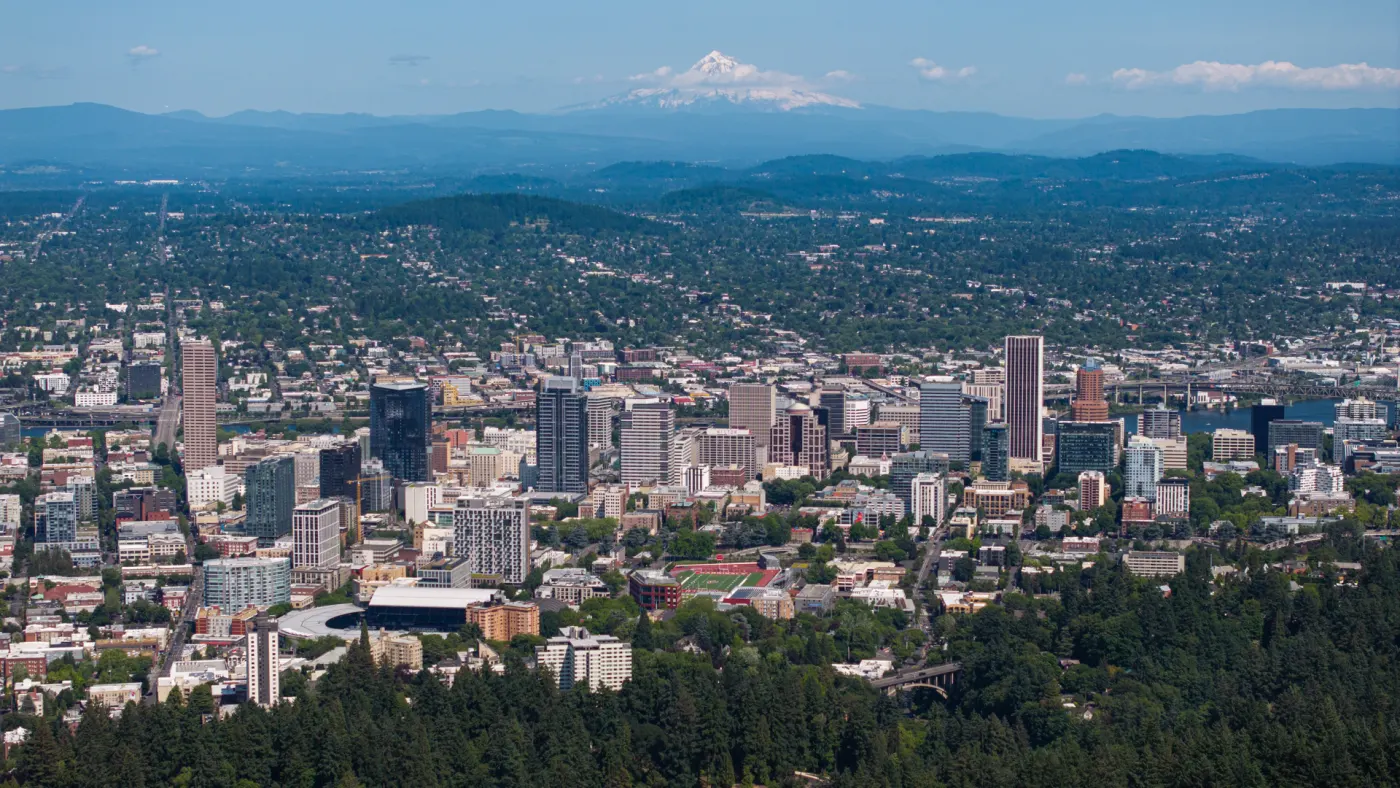
Philip Hampson Knight was born February 24, 1938, in Portland, Oregon. His father, William Knight, moved from law into newspaper publishing. The house was not poor in the mythic sense, and it was not soft either. Phil ran. At the University of Oregon in Eugene he joined Bill Bowerman's track program as a middle-distance man, good enough to belong, not good enough to be protected from experiments.
Bowerman was already a legend of Oregon sport and a restless tinkerer. He believed an ounce in a shoe mattered the way a second mattered on a stopwatch. Knight later told interviewers that Bowerman would try ideas on the expendable athletes first. "He didn't want to screw up the good guys," Knight joked on late-night television, which is another way of saying the coach treated shoes as equipment that could be improved by force of will. Otis Davis and other Oregon stars wore homemade Bowerman pairs that felt lighter. The seed was not "start a global brand." The seed was "German factories do not own the laws of physics."
Knight finished Oregon and went to Stanford Graduate School of Business, class of 1962. Undergraduate life had been track-centered. Stanford, he said later, was a turning point. In Frank Shallenberger's entrepreneurship class he wrote a paper that would become company scripture. The American athletic shoe market was dominated by German brands. Shoemaking was labor intensive. Japan had already rewritten the camera industry. Why not running shoes?
Kobe, a fake company name, and fifty borrowed dollars
After graduation Knight did not march into a safe corporate ladder. He borrowed money from his father and set out on a world trip that included Japan. In Kobe, in November 1962, he found Onitsuka's Tiger shoes. Quality looked high. Cost looked low. He arranged a meeting and, when the conversation turned practical, invented a company on the spot so he would sound like a real distributor. He called it Blue Ribbon Sports. By the end he had western United States distribution rights for Tiger shoes he did not yet hold in his hands.
The samples took more than a year. Knight worked as an accountant in Portland and later taught business classes at Portland State University. When the Tigers finally arrived, he mailed pairs to Bowerman, hoping for a sale and a coach's blessing. Bowerman ordered shoes and then offered partnership. On January 25, 1964, they shook hands. Each put up about five hundred dollars. Blue Ribbon Sports was real.
Knight's sales office was the trunk of a Plymouth Valiant, often remembered as lime green. He drove to track meets, opened the hatch, and talked to runners and coaches. First-year gross sales were about eight thousand dollars. The work was humiliating if you measured it against Stanford classmates in suits. It was oxygen if you measured it against the crazy idea. Knight later said the shoes were the one essential piece of equipment for a runner the way a bat and mitt matter in baseball. That clarity kept him from wandering into knee socks and sweaters.
Blue Ribbon misfits and a goddess of victory
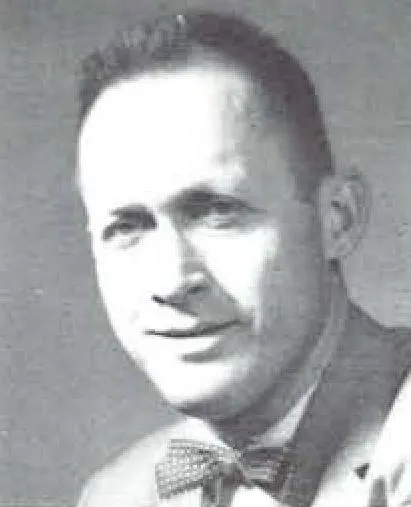
Growth came in ugly waves. Cash was always late. Orders were always early. Knight hired runners and odd talents who could live inside uncertainty. Jeff Johnson became the first full-time employee and the kind of believer startups survive on. When Blue Ribbon needed a name for its own brand, as the Onitsuka relationship frayed, Johnson suggested Nike, after the Greek goddess of victory. The name stuck harder than any committee could have designed.
Carolyn Davidson, a graphic design student at Portland State, drew options for a mark. One curved shape looked like motion itself. Knight's verdict became corporate folklore: he did not love it, but maybe it would grow on him. He paid her thirty-five dollars for the work. Years later, after Nike's success made the bargain look absurd, he gave her Nike stock. On Oprah in 2011 he said it was a few hundred shares. The swoosh, registered in the mid-1970s after first use in 1971, eventually became a symbol people could recognize without the word NIKE beside it.
Bowerman kept inventing. The Cortez line, born from Tiger-era collaboration and then reborn under Nike, became a street and track classic. Later came the waffle outsole story, the kitchen experiment that turned rubber into a gripping pattern runners could feel. Whether every retelling gets the kitchen timeline perfect, the pattern is true: Oregon coaching culture and factory learning fed each other.
War with Onitsuka and nights when the bank said no
Blue Ribbon's marriage to Onitsuka did not end politely. By 1971 the Japanese maker pushed for control. Knight's camp prepared its own line while still distributing Tigers. When the break came around 1972, lawsuits and bitterness followed. Nike had to become a manufacturer and a brand at the same time, with thin capital and thick fear.
American banks liked Nike's growth less than they disliked Nike's borrowing. Knight's memoir and later interviews describe a company living on float, forever one refused credit line from extinction. Japanese trading company Nissho Iwai became a strange savior, extending financing when domestic bankers flinched. Secondary accounts of Shoe Dog describe a 1975-era scare when loans nearly got called, and a later customs and duties crisis in which a multi-million-dollar assessment threatened to swamp the company's net worth. Exact ledger lines differ across summaries. The emotional fact does not: for more than a decade, Nike's famous future was not obvious to the people signing checks.
Knight taught during the day and sold at night. He married Penelope "Penny" Parks, whom he met while teaching. They built a family in Oregon while the company tried not to drown. Friends asked why he kept going. On CNBC years later he shrugged toward something deeper than a spreadsheet. People told him to write about perseverance as if it were a slogan. He had lived it as a sequence of near endings.
December 1980: public, still scared of losing the wheel
Nike went public on December 2, 1980. Knight told CNBC he had not wanted to. Control mattered. The board debated for years. Going public the same week as Apple became a trivia line that still delights interviewers; Knight pushed for a share price that felt like a statement. Secondary histories often put early market value near one hundred seventy-eight million dollars. What mattered inside the building was oxygen. Public capital ended the purest form of the cash panic that had defined Blue Ribbon's youth.
The 1980s then tested whether Nike could stay interesting after survival. Aerobics and Reebok punished complacency. Nike answered with product and theater: Air technology, the visible Air Max, a Beatles "Revolution" commercial that made lawyers and marketers sweat for different reasons, and then the line that ate the culture.
Jordan, Just Do It, and a brand that outran shoes
In 1984 Nike signed a young Chicago Bull named Michael Jordan. Critics said the deal overpaid. Knight later walked Stanford audiences through the early economics with a smile that said hindsight is a cheap coach. Jordan became more than an endorser. Air Jordan became a second sun inside Nike's sky, a basketball empire with its own gravity, later measured in hundreds of millions and then billions of dollars of branded product over time.
In 1988 the advertising firm Wieden+Kennedy gave Nike "Just Do It." Three words did what years of product specs could not. They turned a shoe company into a permission structure. Bo Jackson cross-training spots, athletes mid-grimace, ordinary people dared to start. The swoosh stopped needing a caption.
Nike bought and sold adjacent brands over decades. Converse arrived in 2003, a canvas history folded into the Beaverton machine. Cole Haan, Umbro, and Hurley came and went in other chapters. The through-line was distribution muscle, athlete relationships, and a willingness to spend on story.
The factory fight and a speech that admitted the stain
Success invited a harsher spotlight. Through the 1990s journalists, activists, and labor researchers documented harsh conditions in some Asian contract factories that made Nike products. Pay that looked impossible next to Western retail prices, long hours, and reports of abuse became a moral referendum on the swoosh. Nike's first public instinct, Knight later admitted in a Stanford conversation about the era, was defensive: we do not run sweatshops, you are wrong.
On May 12, 1998, at the National Press Club, Knight changed tone. He said the Nike product had become synonymous with slave wages, forced overtime, and arbitrary abuse. He announced reforms on minimum age, factory monitoring, and related standards. The company later published more supply-chain information and worked through multi-stakeholder efforts such as the Fair Labor Association. Critics said the changes were incomplete. Supporters said a global footwear model without contractors was a fantasy. In 2000, when the University of Oregon joined the Worker Rights Consortium, Knight revoked a large pledged gift in a public clash over which monitoring model he would fund. Relationships with Oregon later thawed through enormous later philanthropy, but the scar belongs in the biography. A true Nike story cannot only be victory goddess lighting.
Legal care matters here. Factory conditions were documented by reporting and audits with varying methods. Criminal guilt is not what this magazine asserts. What is firm is the public controversy, Knight's own 1998 admission about the brand's reputation, and the long remediation fight that followed.
Matthew, the chair, and stepping out of the daily fire
In May 2004, Knight's son Matthew died at thirty-four while scuba diving in El Salvador. Public reports pointed to an undetected congenital heart defect. The loss hollowed the family. Later that year Phil Knight stepped down as CEO after four decades, remaining a powerful chairman and largest-family shareholder presence while professional managers ran day-to-day Nike.
He stayed chairman until 2016, fifty-two years after the Blue Ribbon handshake, then took the Chairman Emeritus title. Mark Parker and later John Donahoe and then Elliott Hill carried the operating baton through different eras: digital boom, pandemic distortion, China complexity, and the mid-2020s demand hangover. Knight's public role shifted toward memoir, Oregon philanthropy, and the long defense of a culture he still felt in his bones.
Shoe Dog arrived in 2016 and did something rare for a billionaire book. It read like a novel about fear. Robin Roberts, Stephen Colbert, Jim Cramer, and Stanford audiences heard him retell the Valiant trunk without sanding off the panic. He said he wrote it partly so the record would not be left only to other people after he was gone.
How Knight worked when the lights were off
Knight was not a perpetual keynote machine. Associates described a shy intensity, a runner's private scoreboard, and a bias for people who could tolerate chaos. He hired athletes and weird specialists. He obsessed over inventory and bankers. He let Wieden+Kennedy pick fights in public while he often preferred the edge of the frame. He protected voting control structures that kept the company from becoming a pure Wall Street toy. He could be stubborn to a fault, as the labor years showed, and then capable of a public turn when the brand's meaning was at risk.
The Oregon loyalty never really left. Beaverton's campus became a city of sport. University of Oregon athletics and facilities carry Knight names and Knight money. Stanford Graduate School of Business does too. The geography of his life stayed stubbornly Northwestern even as the supply chain spanned continents.
Philanthropy at Oregon scale
Forbes estimates that Phil and Penny Knight have given about four and a half billion dollars to charity, much of it through their foundation, ranking them among America's major living donors. They have pledged more than five hundred million dollars each to the University of Oregon and to Stanford. In 2023 they pledged about four hundred million dollars to help rebuild Portland's historically Black Albina neighborhood through the 1803 Fund's Rebuild Albina work, a bet on place and racial equity in the city that raised him.
Cancer research became a defining second act. After earlier nine-figure gifts, the Oregon Health and Science University institute that bears their name received another two billion dollar pledge in 2025, with cumulative OHSU-related giving cited in the multi-billion range across years. Knight's business career extracted value from global labor markets and consumer desire. His later checkbook tried to push some of that value into hospitals, campuses, and a Portland neighborhood trying to recover stolen economic ground. Those facts can sit beside each other without a Hallmark ending.
2026: flat revenue, living swoosh, unfinished argument
Nike in fiscal 2026 was not a fireworks chart. Revenue of forty-six point four billion dollars was roughly flat. Net income of about three point one billion dollars was down a few percent. Wholesale showed signs of life under Hill's reset while digital and full-price discipline remained a project. Rivals in running and lifestyle had eaten into the aura. Yet the swoosh still structured childhood birthday wish lists, World Cup dugouts, and city-street uniform codes. Jordan Brand remained a cultural printer. Converse still sold rebellion in canvas.
Forbes's 2026 profile said Knight and family still owned about twenty-one percent of Nike. Exact beneficial ownership through trusts and dual-class shares is a moving legal picture; the soft truth is that the founding family's economic and voting shadow remains large even when Phil is not in the CEO chair. Net worth prints swing with Nike's share price. A March 2026 Oregon newspaper citing Forbes 400 numbers put the family near thirty-five point seven billion dollars on that list vintage, while September 2026 realtime prints sat lower near twenty-five billion. Paper wealth is weather. The company is the climate.

World change you can lace up
Knight's impact is underfoot and overhead. School kids who never heard of Onitsuka know the swoosh. Distance running's popular boom, aerobics fights, basketball sneaker culture, women's training lines, and athlete empowerment ads all ran through Nike's megaphone. "Just Do It" escaped the category and became American secular scripture, for better and for worse, including the way it can paper over structural barriers with personal grit talk.
Supply chains Nike helped scale also exported a model of contractor manufacturing that other apparel giants copied. The 1990s backlash forced an industry conversation about codes of conduct, audits, and transparency that remains unfinished. Oregon's research hospitals and athletic stages look different because Knight money landed there. Albina's rebuild will take years to judge. Laika, the stop-motion studio associated with Travis Knight, is a separate creative legacy branching from the same family impatience with ordinary. Portland creative industries and Oregon athletics both wear Knight fingerprints that are not measured in quarterly footwear units, and that softer infrastructure may outlast any single sneaker cycle.
The first employees and the meeting that felt like a cult
Early Nike people liked to say the company was a cult that sold shoes. They meant it as praise. Knight collected athletes who understood pain and accountants who could improvise. Del Hayes, Rob Strasser, and others appear across Nike lore as the people who turned Knight's private intensity into schedules and ads. The Beaverton culture prized "there is no finish line," a phrase that sounds like marketing until you remember the company's actual cash history.
Knight's management style mixed distance and sudden clarity. He could go quiet in a room and then make a bet that rearranged the decade. He disliked losing control more than he disliked looking weird. That preference shaped dual-class share thinking later and shaped why the IPO felt like a necessary surrender rather than a victory lap.
Jeff Johnson's early retail experiments and employee-athlete hybrid roles created a feedback loop: people who ran in the shoes also sold them. Bowerman's track remained an unofficial lab. Oregon rain and Oregon stubbornness leaked into the brand voice long before the world called it brand voice.
Waffle iron, Cortez, and the day product became myth
Bowerman's waffle story is told so often it risks becoming cartoon. The useful version is practical. He wanted better traction and less weight. Household experiments and rubber poured into patterns produced an outsole idea that factories could scale. The waffle trainer helped Nike feel like an inventor company, not only an importer with a new logo.
The Cortez did something else. It escaped the track and entered ordinary life. A shoe designed with serious running intent became a street object. That crossover is one of Nike's deepest tricks: performance credibility that civilians want to wear to class. Knight understood, sometimes late, that culture distribution matters as much as biomechanics. Jordan would later prove the point at planetary scale.
Nissho Iwai and the art of not dying on a Tuesday
When Bank of California and other lenders tightened, Knight's Japan instincts mattered again. Trading companies could finance inventory flows in ways ordinary commercial banks would not. Nissho Iwai's involvement, as Knight later framed it through memoir and interviews, was less romance than survival engineering. A representative willing to believe in Blue Ribbon's future kept credit alive when audits looked ugly.
Those years trained Nike's institutional paranoia. Inventory was destiny. A wrong season could erase a year. Knight's teams learned to negotiate with factories, freight, and Customs as if they were opposing defenses. The 1977-era duties fight, cited in secondary Shoe Dog summaries as a bill large enough to threaten the company's net worth, sits in the biography as a near-death even when exact dollar citations vary. Knight's lesson was not "banks are evil." It was "never assume oxygen continues."
Munich trials energy and the first Nike line under lights
Nike's early brand launch leaned on track legitimacy. Olympic Trials atmospheres, elite footfalls, and Bowerman's coaching network gave the young company a stage money could not fully buy. Putting the swoosh on feet that serious people watched was a distribution strategy disguised as sport. Knight's salesman years at meets were the prototype: go where belief already exists, then upgrade the equipment.
That athlete-first reflex later scaled into endorsement empires. It also created dependency on stars and the moral exposure that comes with them. Nike learned to ride controversy as attention, then learned that some controversies do not recycle into cool.
Reebok shock and the cost of missing a craze
In the mid-1980s Nike stumbled while soft aerobics fashion exploded. Reebok took the cultural moment. Knight's shop had to admit it had misread the room. The response was not a quiet product tweak. It was Air Max visibility, Revolution advertising, and then Just Do It as a reset of meaning. Failure, in Knight's pattern, becomes the pretext for a louder second try.
That pattern matters for 2026 readers watching Nike fight On, Hoka, and fashion-cycle fatigue. The company has been here: behind, then suddenly everywhere again. Hill's Win Now language echoes older Nike recoveries even if the channel math is new.
Air Jordan as a company inside the company
Signing Jordan required believing a rookie could carry a universe. Nike's basketball people and Knight's willingness to look irrational created a signature line that eventually behaved like a separate nation-state of desire. Retro releases, cultural debates over who gets to wear what, and revenue that outgrew many standalone brands all grew from that 1984 wager.
Knight's Stanford retelling lingered on early skepticism about the size of the check. The deeper point is governance of myth. Nike had to keep Jordan Brand special without letting it eat the parent, and it had to survive player retirements, scandals, and taste shifts. For Knight personally, Jordan proved the thesis that athlete emotion is a scalable asset if you build product rituals around it.
Beaverton campus and the theater of work
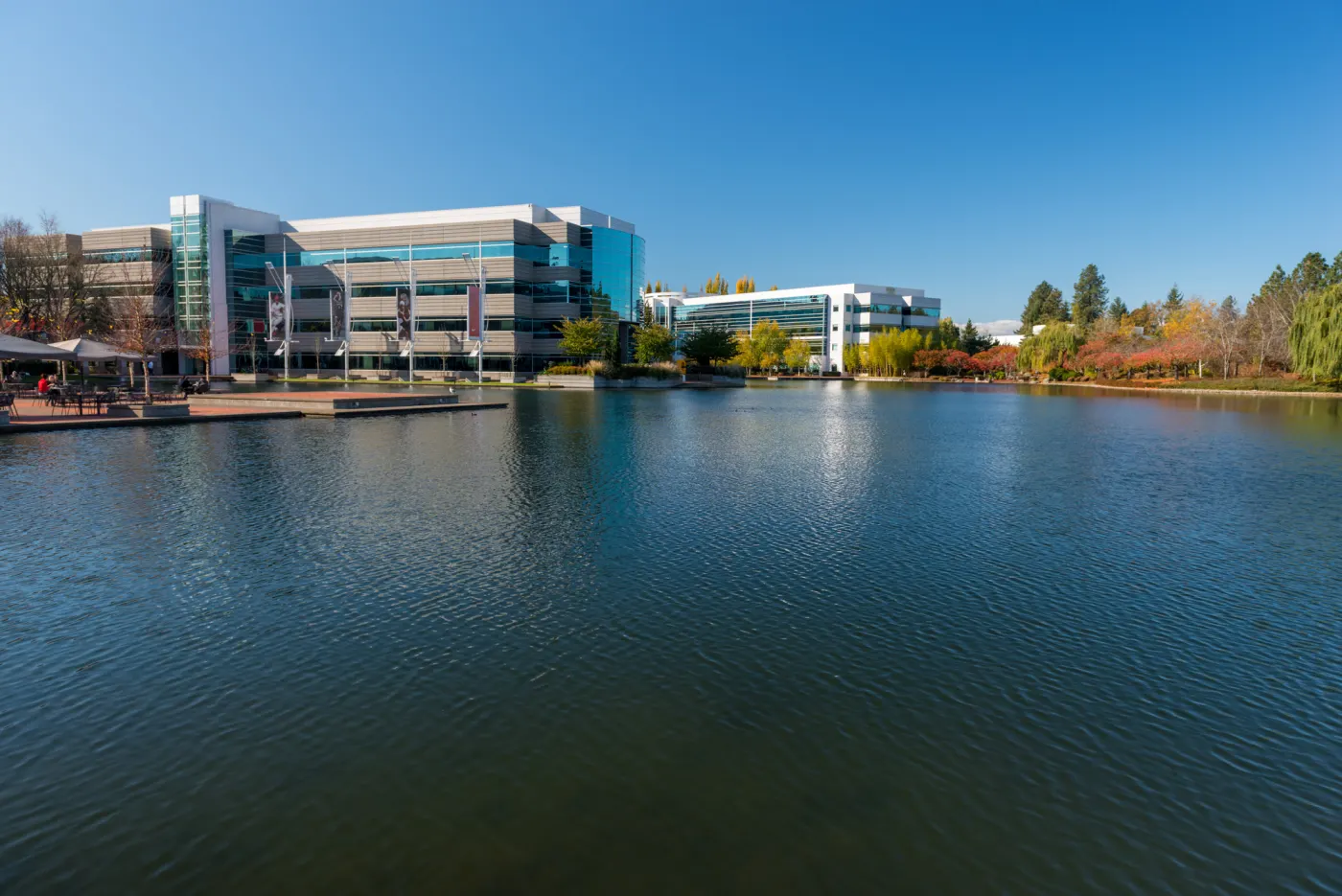
Nike's World Headquarters in Beaverton became a pilgrimage site for sport business. Buildings named for athletes, running trails between meetings, and a campus that performs Nike-ness to visitors all express Knight's belief that place shapes culture. Employees were meant to feel inside the brand even when answering email. Critics can call it corporate theme park. Supporters call it coherence. Either way, it is part of what Knight built beyond SKUs.
Portland and Hillsboro remained home base while factories lived oceans away. That geographic split is the moral geometry of modern apparel: design and story in one climate, assembly in another. Knight's later Albina gift and OHSU checks can be read as attempts to thicken the local ledger after decades of global extraction. They do not erase the split. They acknowledge it with concrete and labs.
Penny Knight and the private half of the public fortune
Penny Knight is not a side note. Phil met her while teaching. Their marriage is the long domestic continuity behind the chaotic company years. Philanthropy branding often says "Phil and Penny" for a reason. Major Oregon gifts carry both names. The family's next creative generation includes Travis Knight's Laika studio, a different kind of obsessive craft company. Matthew's death in 2004 remains the biography's hardest silent room. Knight's exit from the CEO chair that year braided grief with succession.
Donahoe years, Hill's return, and founder shadow
John Donahoe's CEO tenure pushed digital and marketplace logic hard, then met a consumer revolt against constant discounting and a wholesale retreat that competitors exploited. Bringing Elliott Hill back in October 2024 was a signal: restore Nike people who remember wholesale relationships and performance product primacy. Fiscal 2025's revenue drop and fiscal 2026's flat forty-six point four billion dollars mark the trough Knight's generation never wanted to see, and also the kind of trough Nike has climbed before.
Knight's shadow in such moments is cultural more than operational. He is not pricing inventory in Slack. He is the reminder that Nike was once a trunk and a handshake. That reminder can inspire or freeze a company. The best reading of Chairman Emeritus status is stewardship without daily veto: protect the weirdness that made the swoosh matter, without pretending 1964 tactics fit 2026 TikTok cycles.
What "crazy idea" means after you win
Knight's phrase risks becoming poster glue. In context it was anti-poster. It meant ship the next order when the bank is angry. It meant fly to Japan again. It meant pay a designer thirty-five dollars and live with a logo you do not yet love. It meant sign Jordan. It meant stand at a press club and admit the brand's darkest public synonym.
For founders reading this magazine, the usable lesson is not blind stubbornness. Blind stubbornness bankrupts people. Knight's stubbornness was paired with partners (Bowerman, Johnson, Nissho allies, ad minds, athletes) and with a willingness, late but real, to change factory policy when reputation and conscience collided. The race metaphor only works if you also change shoes when the soles fail.
Sources of power that were not shoes
Knight's real product, late in the arc, was belief distribution. Nike learned to attach meaning to foam and mesh until teenagers could feel identity in a colorway. That power built fortunes and also built backlash when factory floors contradicted the freedom ads. Holding both truths is the adult version of Just Do It.
He also built a template other founders still copy: start with a distribution hack (import what incumbents ignore), add a design partner (Bowerman), add a cultural amplifier (advertising and athletes), then defend the mark like territory. Blue Ribbon's trunk was a go-to-market strategy before the phrase existed. The Stanford paper was a thesis memo before memos became pitch decks.
Oregon itself became part of the operating system. Rain, tracks, university pride, and a chip about coastal elites shaped Nike's voice. When Knight gave to Albina and to OHSU, he was still arguing with Oregon's unfinished business: who gets health, who gets land, who gets to stay. The swoosh went global. The checks came home.
Advertising as a second factory
Wieden+Kennedy did not merely decorate Nike. The agency became a parallel production line for meaning. Revolution, Just Do It, and later athlete films taught consumers to feel Nike before they checked a price tag. Knight's gift was knowing when to trust creatives who were not shoe engineers. His risk was letting brand heat outrun factory truth, which is exactly how the 1990s moral crisis caught flame.
That advertising muscle also exported American sport psychology worldwide. Kids in cities without American football still absorbed Nike's grammar of grit. The global language of the swoosh is one of Knight's largest non-financial inventions. It is also why critics could weaponize the logo so effectively: a symbol that promises freedom looks worse when stitched above a story of exhausted hands.
Boardrooms after the founder
Succession at Nike was never a clean fairy tale. Knight's long chairmanship after the 2004 CEO handoff meant the founder shadow stayed in the room while Mark Parker scaled the modern company and while later CEOs wrestled digital channels. Dual-class voting traditions and family holdings (Forbes's about twenty-one percent family figure remains the public shorthand) kept outsider drama limited compared with fully dispersed firms. Still, public markets punish nostalgia. Fiscal 2025 and 2026 showed that even a sacred brand can feel heavy when product seasons miss and promotions train shoppers to wait.
Knight's useful late role is memory with limits: tell the trunk story, fund the hospital, refuse to pretend every quarter is 1988.
Money prints versus the durable scoreboard
Readers who chase exact billionaire rankings will notice Knight's Forbes number move week to week with Nike's stock. That is not a character flaw. It is what concentrated equity wealth does. The durable scoreboard is different: a company still standing after bank refusals, a logo drawn for thirty-five dollars that outlived fashion cycles, a labor argument that forced disclosure norms, and a philanthropic ledger measured in billions rather than press releases alone. Knight's life sits on that scoreboard whether Tuesday's realtime list loves him or not.
Knight's interviews return to the same motor: a private dare made on a run, kept through decades when the rational move was to fold. The dare did not make him gentle. It made him persistent enough to build a machine that still needs reinventing in 2026.
Closing
Phil Knight's biography is a long race with too many near DNFs to count as destiny. He was the Oregon miler who let Bowerman experiment on him. He was the Stanford student who wrote that Japan could remake shoes the way it remade cameras. He was the young man who invented Blue Ribbon Sports in a Kobe meeting so he would not look empty-handed. He was the trunk salesman in a Valiant, the accountant who taught at night, the partner who shook Bowerman's hand for five hundred dollars each. He was the executive who almost lost the company to banks, to Onitsuka, to customs math, to Reebok's moment, to moral revolt over factories. He was the signer who bet on Michael Jordan when the bet looked expensive. He was the chairman who said Just Do It to the culture and later said the brand's name had been dragged through abuse accusations he could no longer dismiss with a shrug.
In 2026 the company he co-founded still sells tens of billions of dollars of sport and style while fighting to feel inevitable again. Knight's fortune still tracks that fight. His gifts try to outrun mortality through cancer labs and neighborhood concrete. If you lace a Nike shoe, flick a swoosh on a jersey, or walk past OHSU buildings stamped with the Knight name, you are inside the unfinished argument of his life: that a crazy idea, pursued past reason, can remake what people put on their feet and what they believe effort is for. He never promised it would be clean. He only promised, to himself first, that he would not stop.
Watch alongside this story
Short cuts from interviews, keynotes and launches. Each plays only the moment that matters.