White Shirt on Dalal Street
A college dropout traded ball bearings, then stocks. He bet against a bubble, then walked away at the peak. Then he taught India to shop for less every day.
On listing day in March 2017, Avenue Supermarts did something Indian retail stocks almost never do. The company that runs DMart came to market at an issue price of Rs 299 a share. When the stock opened, the screen printed a premium of about one hundred two percent. By the end of the session the chain was being talked about as a forty-thousand-crore market-cap story that had leapt past older rivals in a single trading day. Television desks scrambled for explanations. Fund managers argued about thirty-times and fifty-times earnings. The founder stayed mostly where he preferred to stay: off camera, in white shirt and white trousers, letting the cash registers speak.
By the end of March 2026 that same company had crossed a different kind of number. Avenue Supermarts told exchanges it had reached five hundred DMart stores, with about twenty point six million square feet of retail area stretched across Maharashtra, Gujarat, the southern cluster states, the north, and a widening map of new markets. Full-year standalone revenue for FY26 stood at Rs 66,968 crore. Consolidated revenue reached Rs 68,821 crore. Profit after tax on a standalone basis was Rs 3,224 crore. The drama of Radhakishan Damani's life is not a product launch with fireworks. It is the harder theater of price: knowing when a share is too expensive, when a grocery aisle is cheap enough to trust, and when to sit still while the rest of the market needs noise.
One room, a dropped year, and ball bearings
Radhakishan Shivkishan Damani was born in Bikaner, Rajasthan, into a Maheshwari Marwari Hindu family, and raised in Mumbai in a one-room apartment that later profiles never romanticize into luxury. Public bios disagree on the exact calendar date. Wikipedia commonly lists 12 July 1955. An Economic Times profile card has printed 1954. Soft secondary lines wander toward 1956. What does not wander is the texture: a middle-class Marwari household, a father who worked the stockbroking world of Dalal Street, and a son who did not finish the degree path that Indian respectability prefers.
He enrolled in commerce at the University of Mumbai and left after the first year. The dropout was not a Silicon Valley myth about garage destiny. It was a practical exit into work. Soft sources say he traded ball bearings through his twenties and into his early thirties, a thin-margin business that taught him how small rupees disappear between purchase and sale. Then his father died. Soft accounts place Damani around age thirty-two when that loss pushed him toward the family craft on the Street. He joined his brother's stockbroking world and began the second education of his life: reading price, volume, and human greed in a ring that still shouted.
On Dalal Street he earned a nickname that stuck longer than most business cards. Traders called him White and White for the stubborn uniform of white shirt and white trousers. The clothes were not a brand campaign. They were a refusal to perform wealth. Decades later, when an Economic Times reporter finally coaxed him into an evening meeting at Dalamal Estate in Nariman Point, Damani tried to shrink the story on purpose. Write about D-Mart, he said. I am too small a person. The line works as character because it is also strategy. Small people who compound quietly are hard to short.
Learning to short a bubble
In the late 1980s and early 1990s Indian equities were still a physical theater. Brokers shouted. Operators built legends. Soft Economic Times reporting places a young Damani at the outer edge of the ring, watching veterans such as Manu Manek, nicknamed the Cobra, spoil bull parties with shorts. Damani learned the craft of being early against a crowd. He also learned how expensive early can become before the thesis pays.
The defining market fight of his trading life arrived with Harshad Mehta, the Big Bull whose buying pushed prices into fantasy. Soft contemporaneous lore says Damani and allies shorted counters that looked absurd on valuation, including names such as ACC in the folklore. Mehta bought more. Prices rose further. Damani sold more. Someone was going to be ruined. When it emerged that Mehta had been siphoning funds through the banking system, the market broke, and the shorts that had looked suicidal suddenly looked like the only honest math in the room.
Secondary channels later circulate a Damani line about lasting only a few more days before ruin. Treat that wording soft. The verified pattern does not need the flourish. He had risked being crushed by timing while being right about value. The experience burned a permanent rule into him: being correct about price is not the same as surviving long enough to collect. Years later Rakesh Jhunjhunwala, who would be called India's Big Bull of a later era, spoke of Damani as a mentor and guru. Soft on exact apprenticeship years. The Street's memory is clear enough. Damani had already made the jump from clever trader to someone younger men studied.
From punter to patient owner
After the crash years Damani did not stay a pure punter. Soft profiles say he drew inspiration from value investor Chandrakant Sampat. He began buying the kinds of businesses a trader ignores because they look boring: razors, toothpaste, soap, packaged food. Indian Express's 2025 Damani playbook lists the familiar set. Gillette. Colgate. Hindustan Unilever. Nestlé. Brands with pricing power, distribution moats, and cash that arrived every year without needing a heroic story.
He also found quieter compounds. CRISIL looked like a niche credit-rating shop until India's credit system thickened and ratings became infrastructure. 3M India looked like an unexplainable catalog until you saw premium pricing, global intellectual property, and margins that did not need volume theater. Soft exact entry prices. The philosophy is the story. Damani underwrote durability while the market chased rumor steel and speculative infrastructure.
HDFC Bank became the parable other investors retell. Soft lore says Damani began buying when the bank's market cap was still tiny compared with the public-sector giants. When asked why he preferred the small private bank to lumbering PSU franchises, market memory attributes a line about Dharavi and Pedder Road: neighborhoods do not become each other just because both sit in the same city. Soft on exact wording and date. What is not soft is the outcome. The bank compounded into one of Asia's most watched private lenders, and Damani was repeatedly described as among the largest individual shareholders after the 1995 listing era.
He did not only buy gentle consumer names. Through Bright Star Investments he accumulated a large stake in VST Industries, the Hyderabad cigarette maker linked to British American Tobacco. In February 2001 Bright Star disclosed roughly fifteen percent and sought more. Soft open-offer drama with ITC in the background. Damani did not walk away with control. He did something rarer. He held. Soft sources say dividends alone repaid much of the cost while the stock multiplied over decades. In 2019 and 2020 he also built a large position in India Cements during a dirty part of the cycle, then sold a roughly twenty-three percent stake in a mid-2024 block to UltraTech. Soft exit proceeds near Rs 1,900 crore in press estimates. The trade showed another face of the same man: patient when cash flows pay you to wait, decisive when a strategic buyer arrives.
Apna Bazaar homework and the Powai bet
By the late 1990s Damani had already made the money most traders spend a lifetime chasing. Soft Economic Times reporting says he became less active on the market between about 2001 and 2004 because he was busy building something slower. In 1999 he and Damodar Mall, who later became a senior retail executive elsewhere, took an Apna Bazaar franchise in Nerul, Navi Mumbai. The cooperative department store was not glamorous. It sold food, general merchandise, apparel, and footwear under one roof at prices middle-class families could trust. Damani used it as a classroom. He studied inventory turns, vendor credit, and the psychology of a shopper who will travel for a real discount and will not return for a fake one.
He was unconvinced by the cooperative model as a permanent home. In 2000 he incorporated Avenue Supermarts and stepped back from the daily heat of trading. Soft profiles say he quit the stock market. Soft is the right word. He never stopped being an investor. He stopped letting the trading ring define his primary work. On 15 May 2002, in the Powai neighborhood of northeast Mumbai, the first DMart opened. The promise was simple enough to print on a price strip: everyday low cost in the back room so the store could deliver everyday low price on the shelf.
Soft lore says Damani scouted locations in a Fiat Uno, logging twelve to fourteen hour days, hunting corridors where land was still misunderstood. The model that followed looked almost insulting to fashion retail. Own the real estate or lock very long leases. Avoid paying forever for someone else's land appreciation. Put stores where catchment math works, often outside the glossiest high streets. Keep the rooms efficient rather than theatrical. Turn inventory fast. Pay suppliers on time so they give you the cost edge that becomes the customer's edge. Soft Finshots and Indian Express figures later floated ownership rates near ninety percent of stores. Company disclosures vary by year and lease mix. The direction is what matters. Damani built DMart the way he bought stocks: do not overpay for the asset under the earnings.
Slow years while loud rivals spent
The first decade did not look like a blitz. Soft company and press timelines put about twenty-five stores by 2010. Meanwhile louder Indian retail brands filled television and malls with square footage and debt. Big Bazaar and other formats taught urban India the supermarket habit, then struggled under the cost of theater. Damani kept opening only when unit economics cleared his private bar. Soft Economic Times reporting from 2014 noted that DMart had not shut a single store since opening, a claim that mattered in a sector famous for closures. Soft later exception: the FY26 company note that one Navi Mumbai store was closed to customers for reconstruction while still counted in the five-hundred landmark.
Cluster logic did the compounding. Maharashtra and Gujarat first. Then Telangana, Andhra Pradesh, Karnataka, Tamil Nadu. Shared warehouses. Shared vendor relationships. Managers who already knew the playbook. By the IPO year of 2017 the chain had on the order of one hundred eighteen stores across roughly ten states in contemporary reporting. By April 2020 Business Standard counted about two hundred fourteen locations while lockdown chaos was rewriting grocery demand. Damani's fortune rose even as markets panicked, because the business sold what households refuse to postpone: rice, oil, soap, school notebooks, and the boring basket that pays rent on a balance sheet.
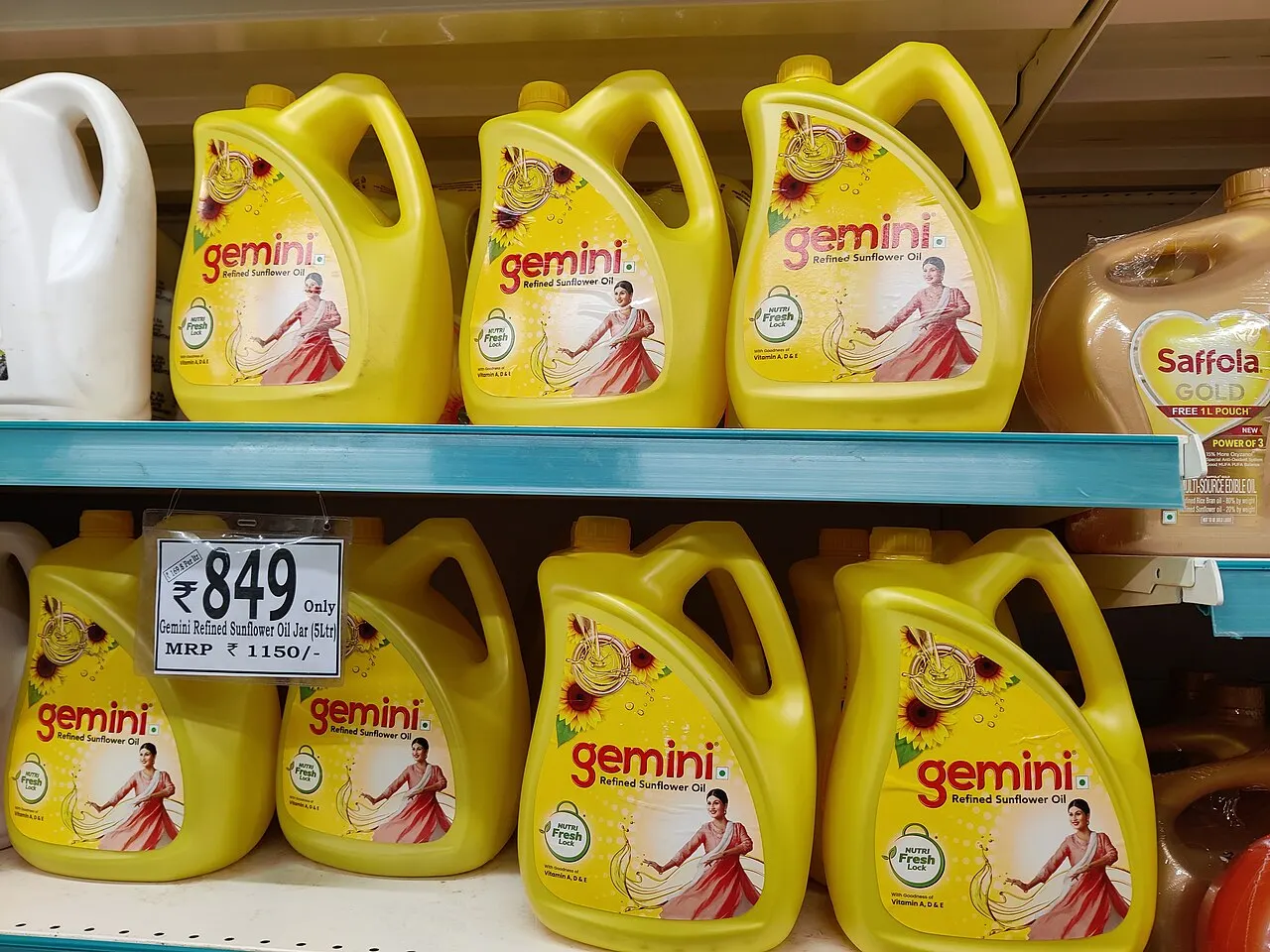
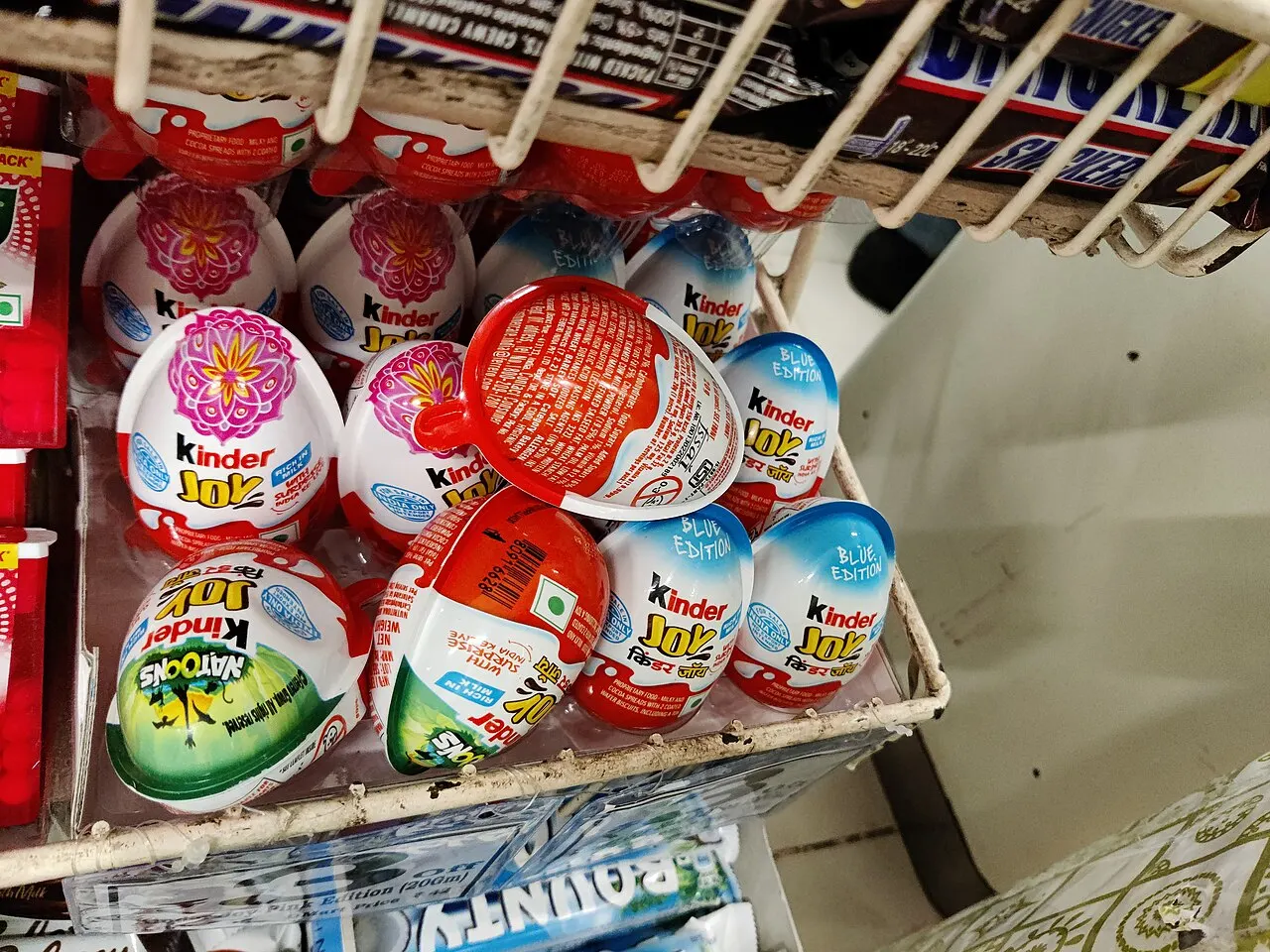
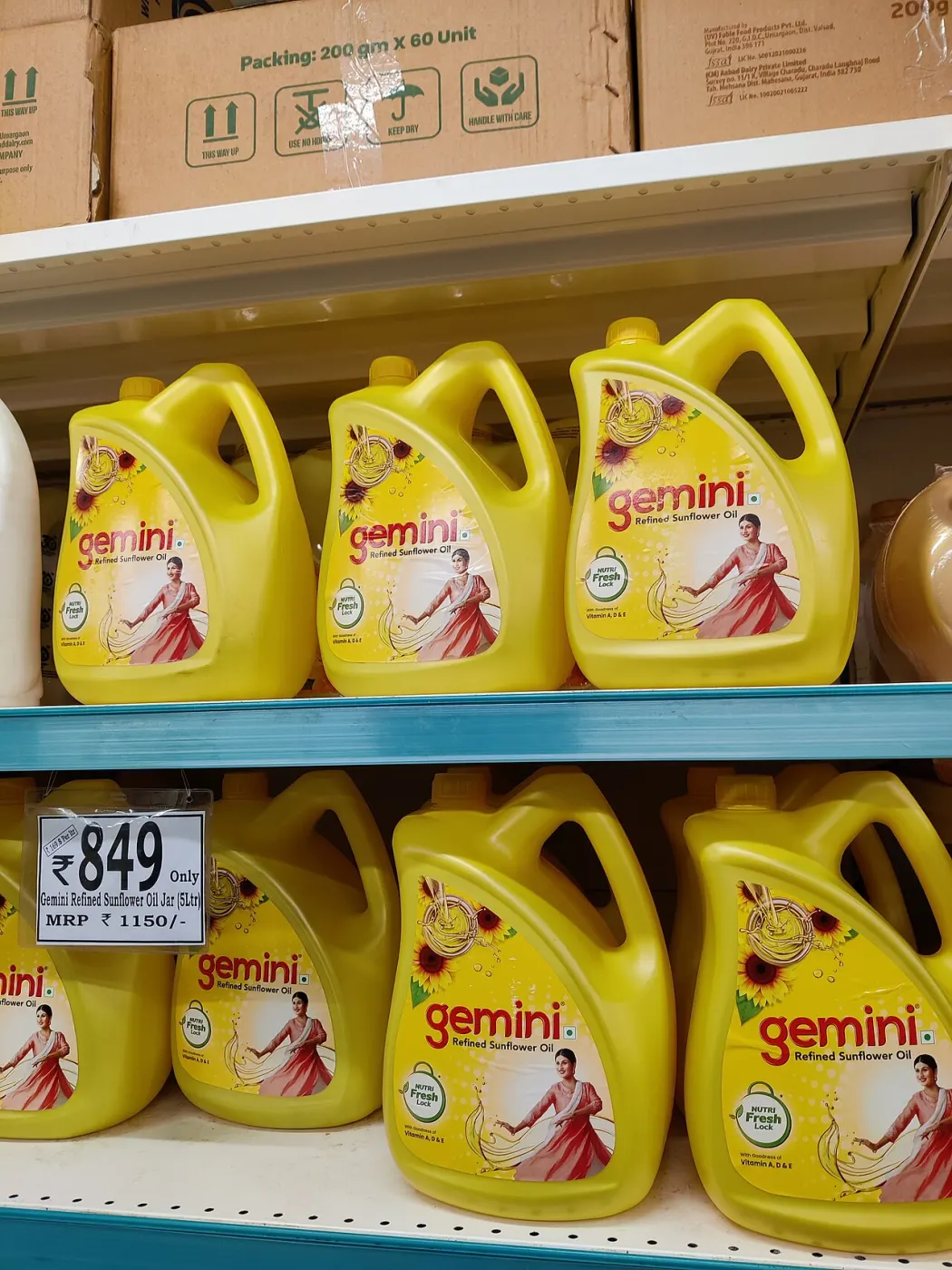
Inside the aisle the customer experience was never meant to feel like a luxury lobby. Soft Finshots analysis jokes that shoppers complain about travel time, parking friction, and plain finishes, then fill the cart anyway because the price strip is honest. Gemini sunflower oil jars tagged hundreds of rupees under MRP. Kinder eggs and Snickers at eye level near impulse racks. Apparel and plastics without boutique lighting. The theater is the discount, not the marble.
March 2017: the market prices the patience
When Avenue Supermarts filed to list, scarcity and performance collided. The IPO raised on the order of Rs 1,870 crore in period reporting. Subscription ran near one hundred five times. Soft Forbes Asia coverage said Damani and his brother together controlled on the order of eighty-two percent around listing, with only a thin float for the public. On 21 and 22 March 2017 the stock listed near Rs 604 against the Rs 299 issue price. Day-one market value stories clustered around Rs 35,000 to Rs 40,000 crore depending on the desk and the minute. A retailer had briefly become more valuable in public imagination than older industrial names that had spent decades on the exchange.
Damani's personal wealth prints leapt. Soft Forbes Asia language put him near $2.3 billion before the debut heat and roughly $6.4 billion as the stock re-rated. Soft later peaks pushed him into India's top richest lists during 2020 and 2022 with double-digit billions. Soft September 2026 prints sit lower again as the stock and rupee move: Forbes near $14.8 billion in one Wikipedia citation, Bloomberg near $14.3 billion on 8 September 2026. Treat every wealth number as a soft ticker, not a salary. The durable fact is concentration. Damani kept a promoter's grip while still meeting regulatory float rules. Soft March 2025 shareholding snapshots put promoters near three-quarters of the company, with Radhakishan Damani personally near twenty-three percent, Bright Star near fourteen percent, brother Gopikishan near six percent, and family trusts filling more.
Television wanted a founder speech. Damani mostly refused the costume. The listing ceremony video runs long with officials and executives. Soft news clips show analysts explaining why HNIs who were subscribed hundreds of times still held in the first hour. The more interesting scene is quieter: a man who had shorted a bubble now watched the market overpay, briefly, for the business he had built to be underpriced forever. Soft jokes on the Street said Damani himself might have shorted the stock if it were not his own. Soft is required. The joke reveals the brand. Even at celebration he is imagined as a skeptic of froth.
How he works when nobody is filming
Damani's operating style is easier to describe by what he refuses. He refuses perpetual lease inflation as a growth drug. He refuses opening stores for press releases. He refuses personal celebrity as a marketing channel. Soft profiles say he relies on his own reading more than armies of sector analysts. Soft ET reporting from his rarer interviews shows weekends reserved for DMart even while the Street still wanted his views on stocks. The investor and the retailer are the same mind wearing two hats: one guesses swings, the other underwrites cash flows that survive swings.
Capital allocation stays conservative by Indian retail standards. Soft narratives emphasize low debt and reinvestment of cash into owned stores. Soft is needed around any week's leverage print. The pattern across two decades is restraint. When competitors leased glamorous boxes in city centers, DMart bought or locked land where tomorrow's catchment would arrive. When e-commerce promised to erase stores, DMart still printed profits from physical turns and later built DMart Ready as a controlled experiment rather than a slogan war.
Leadership succession stayed professional even while ownership stayed family. Neville Noronha long served as the public operating face through the IPO years. Soft Economic Times coverage in the 2025 and early 2026 cycle described his exit and the appointment of Anshul Asawa, from Unilever, as managing director and CEO effective around 1 February 2026. Soft exact handoff language. By the May 2026 results call Asawa was the voice explaining nineteen percent quarterly revenue growth, same-store strength in older stores, and the five-hundred-store landmark. Vikram Dasu spoke for the e-commerce arm, noting eighteen cities and a tighter focus on home delivery after rationalizing channels and exiting one city. Damani remained chairman in the corporate grammar: present as owner-steward, scarce as celebrity.
Brothers, trusts, and the float that almost was not
Soft shareholding tables are dry until you remember what they protect. Damani and his brother Gopikishan appear again and again across promoter lines, sometimes personally, sometimes through Bright Star Investments, sometimes through beneficiary trusts with poetic names that still vote like family. Soft March 2025 snapshots put the promoter group near three-quarters of Avenue Supermarts. Soft individual slices move with gifts, compliance sales, and restructurings. The strategic meaning is steadier than any quarter's PDF: control stays concentrated enough that a founding philosophy cannot be voted away by a single hot money season.
That concentration was also why the 2017 IPO felt scarce. Soft Forbes Asia noted how little stock the public could actually buy relative to demand. Scarcity plus clean retail math is rocket fuel for listing day. Soft later years required the promoter group to dilute toward regulatory minimums. Soft on exact sale calendars. What matters for the biography is that Damani accepted the public market without accepting the public market's hunger for a founder who performs. He listed the company. He did not list his personality.
What five hundred stores changed in Indian life
World impact, for Damani, is not a software protocol. It is the weekly budget of a middle-class household that can buy oil, detergent, schoolbags, and rice without feeling cheated. Soft Finshots framing says DMart trained shoppers to travel farther for a real price and trained vendors to prefer a buyer who pays. That flywheel is cultural as much as financial. Kirana stores still dominate Indian grocery. Online apps still promise thirty-minute theater. DMart proved a third path: large-format value retail that compounds without needing a unicorn narrative.
The FY26 company map lists presence across Maharashtra, Gujarat, Telangana, Andhra Pradesh, Karnataka, Tamil Nadu, Madhya Pradesh, Rajasthan, Punjab, NCR, Chhattisgarh, Uttar Pradesh, Daman, Goa, Odisha, Uttarakhand, and Haryana. Soft employment prints from earlier annual reporting counted tens of thousands of contractual workers beside a smaller permanent base. Soft exact 2026 headcount. The labor story is ordinary and huge: cashiers, floor staff, warehouse hands, and managers whose shifts move national staples.
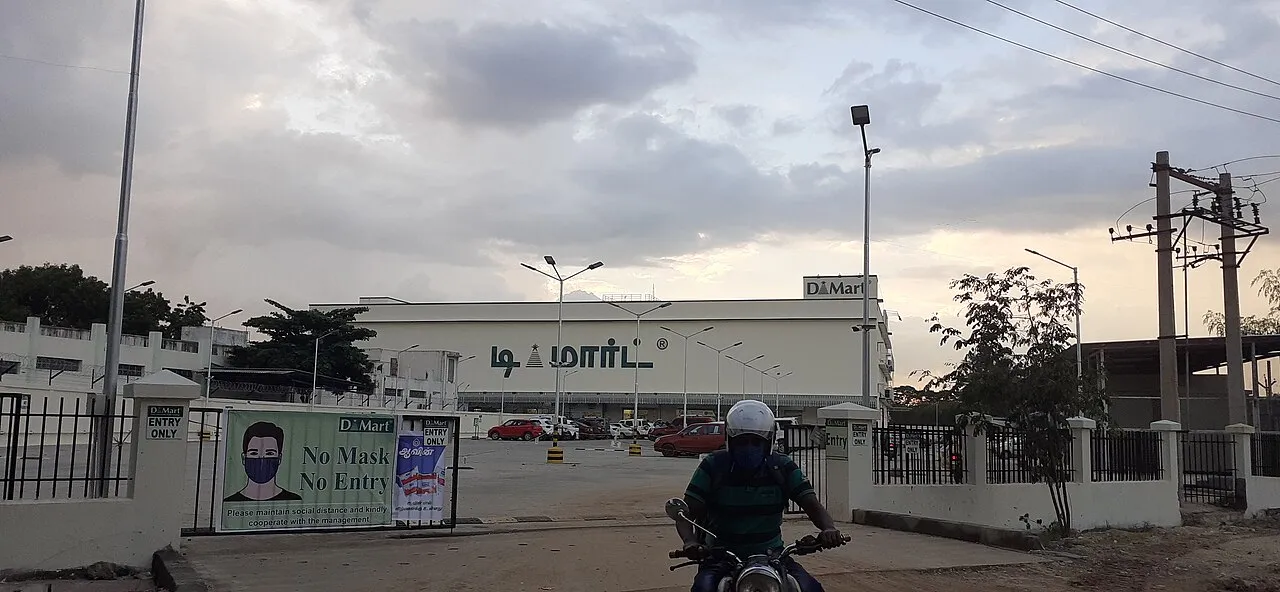
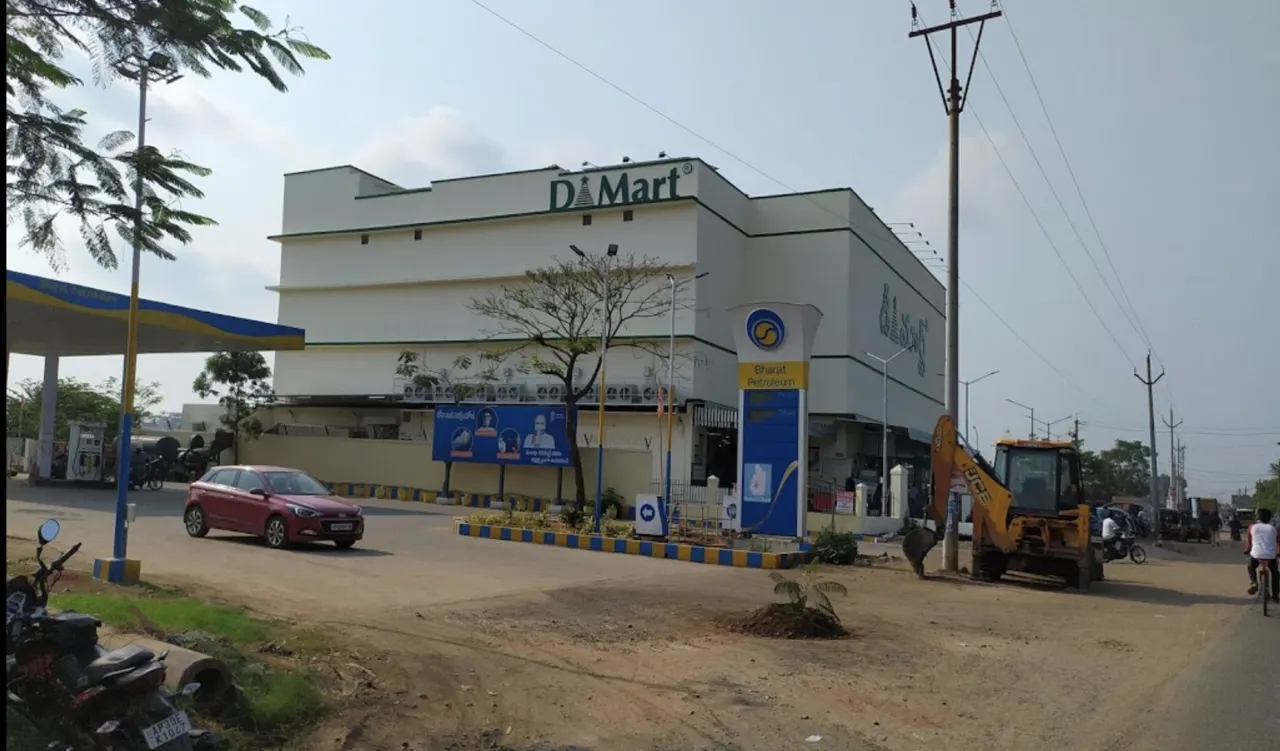
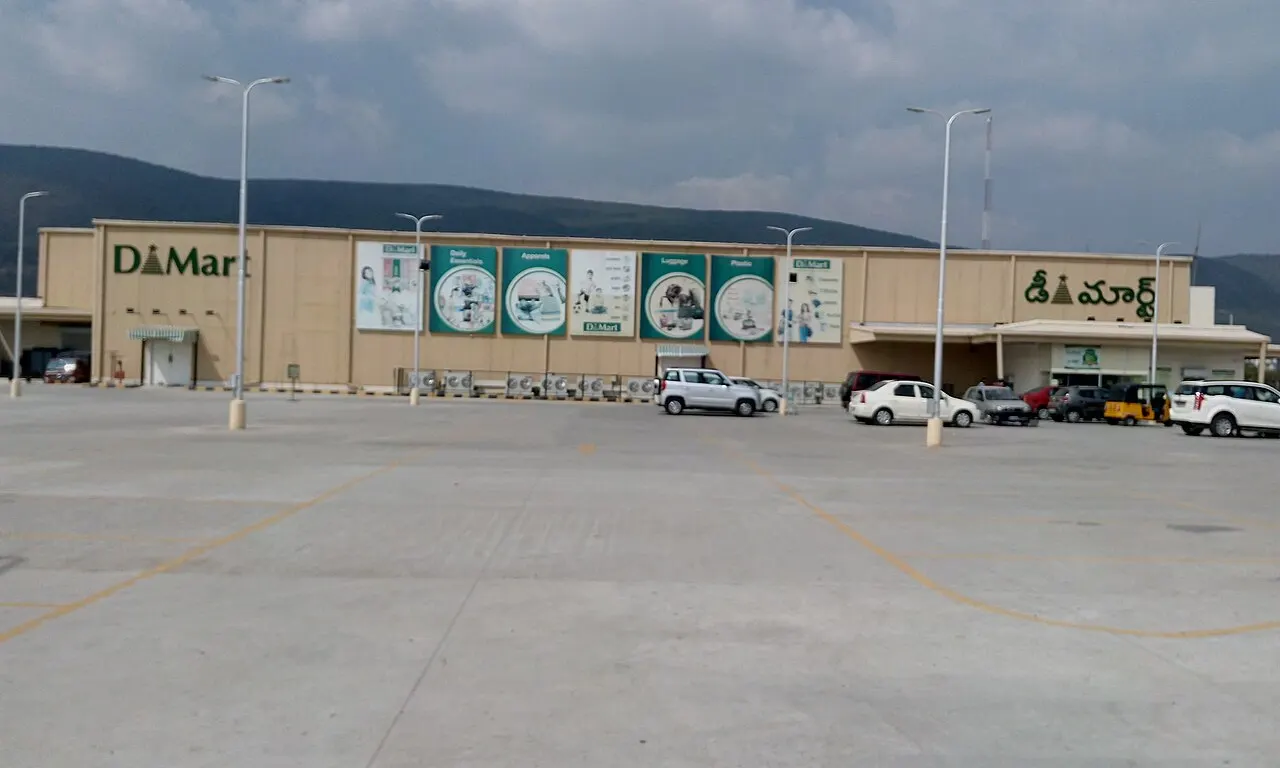
During COVID the chain's relevance sharpened. Soft Business Standard writing in 2020 noted Damani growing richer while lockdowns scrambled other fortunes, because grocery demand does not pause for a virus. Store photos from the period show mask mandates on gates and Tamil or Telugu scripts above parking lots. Soft on any single store's sales spike. The institutional fact is durability. Households remembered who kept shelves stocked and prices sane.
Critics of modern retail can still argue about vendor power, kirana displacement, and the carbon cost of large boxes. Those debates belong in the open. What cannot be argued away is comparative survival. Formats that spent harder on theater left scars on Indian retail history. Damani's chain kept printing positive unit math. Soft profitability claims should always be checked against the latest filings. The filings through FY26 still show a retailer that grows while remaining recognizably itself.
Money after the aisle: cement, cigarettes, and silence
Even after DMart became the headline, Damani's portfolio mind never fully retired. Soft Indian Express reconstruction of the India Cements trade shows cycle literacy: buy when the industry looks broken, own hard assets, exit to a consolidator when the strategic premium appears. Soft VST history shows the opposite skill: hold a cash machine through social and regulatory weather because the dividend math works. Soft United Breweries and hotel lore, including a Radisson Blu resort interest in Mumbai, appear in older ET profiles. Soft current residual stakes. The point for the documentary is character. He is not a one-trade myth. He is a repeated pattern of asymmetric patience.
Ashoka University's trustee materials list him among seed backers of serious education bets, with daughter Madhu Chandak representing the family on the board and managing CSR threads around DMart. Soft exact donation figures. The public posture matches the private man: capital placed where compounding is measured in decades, not launch weeks.
Family remains deliberately underexposed. He is married to Shrikantadevi. They have three daughters. Brother Gopikishan Damani appears in promoter filings. Soft personal anecdotes beyond the one-room origin and the white uniform. Living-person care means the story does not invent dinner-table dialogue. The silence is part of the brand. In a culture that rewards founders for podcast confession, Damani's refusal is itself a product.
The supplier handshake and the cart math
Soft Finshots-style breakdowns of DMart keep returning to a boring miracle: if you can buy a little cheaper, waste a little less, and turn stock a little faster, the customer discount does not have to be a charity event. Slotting fees and delayed payments are temptations in retail. Soft secondary narratives say DMart preferred the opposite reputation with manufacturers: pay cleanly, take volume, pass the edge through. Soft on any one vendor contract. The visible proof sits on the teal shelf edge where a five-liter oil jar prints hundreds of rupees under MRP without needing a festival sticker to justify the cut.
Cart math is where philosophy becomes floor wax. A shopper who travels farther arrives with intention. Intention raises basket size. Basket size spreads fixed store costs across more rupees of revenue. Soft same-store growth comments in the May 2026 release said two-years-and-older stores grew 10.8 percent in Q4FY26 versus 8.1 percent a year earlier. That is not a viral app metric. That is households deciding the trip is still worth petrol and time. Damani's early insistence on catchment discipline shows up decades later as a growth rate that does not require inventing a new customer every quarter.
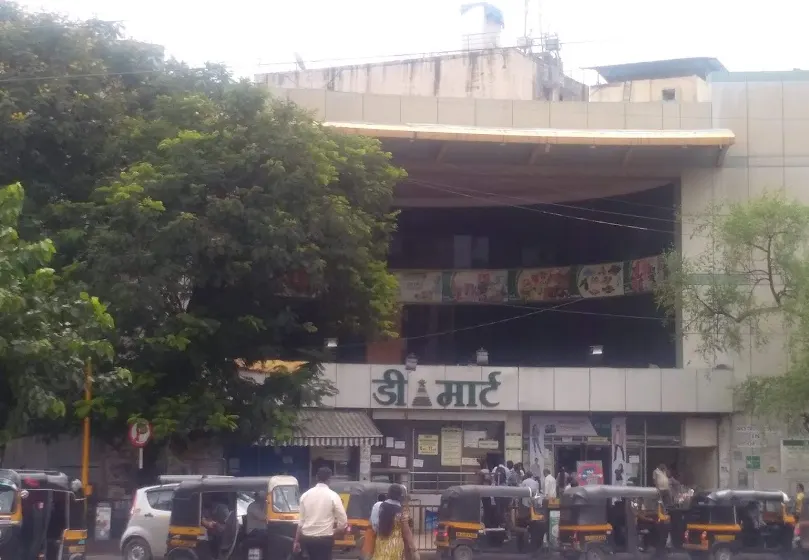
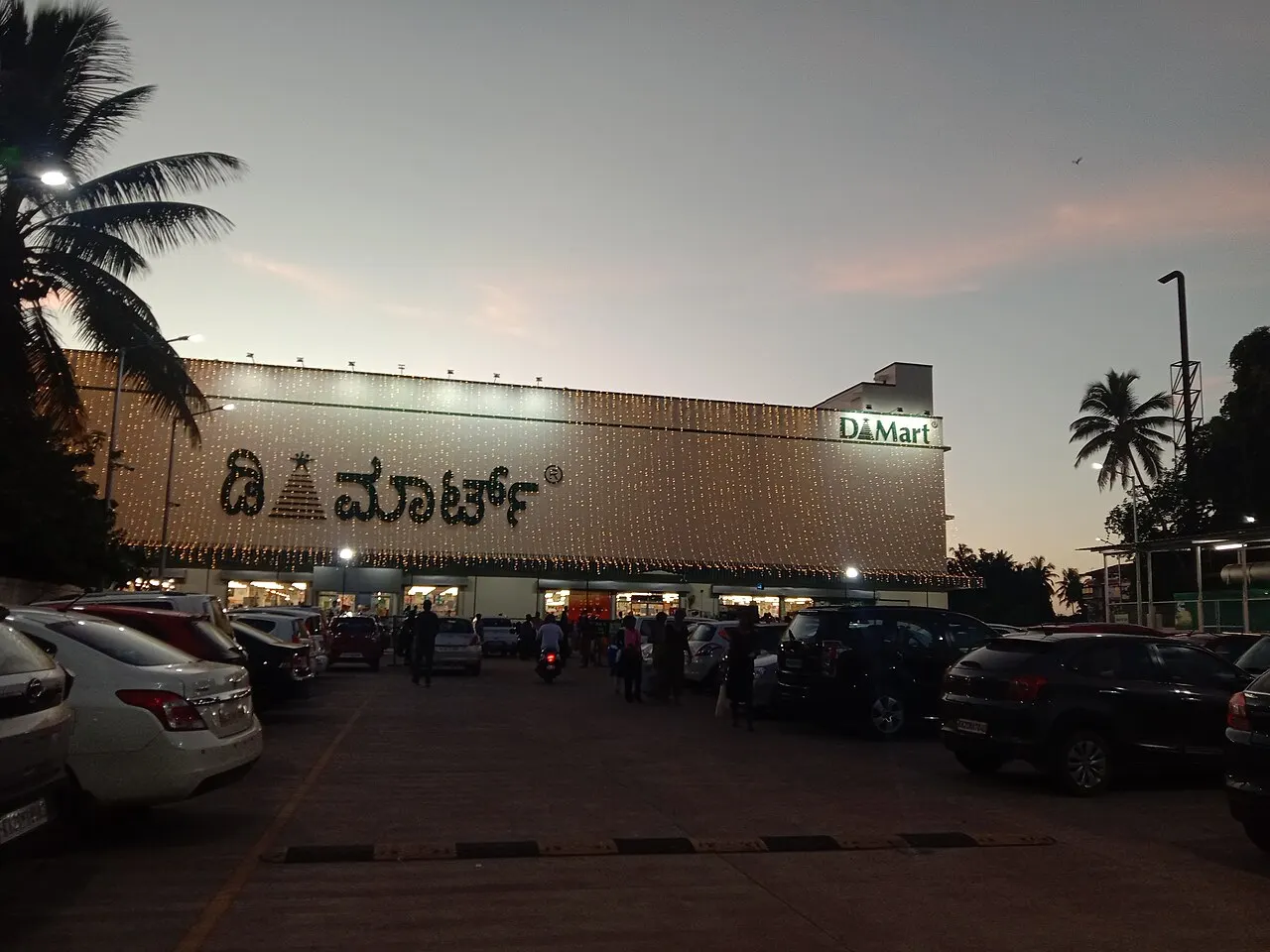
General merchandise and apparel inside DMart are not fashion weeks. They are margin helpers and trip expanders: plastic buckets, schoolbags, bedsheets, footwear that a family can grab while already standing in the staples queue. Soft category mix percentages belong to filings. The customer experience is familiar across states. The language on the facade changes from Tamil to Telugu to Devanagari. The green bag logo stays. Consistency is a soft power. A migrant worker who learned the store in Pune can decode the aisle in Hyderabad without a tutorial.
E-commerce without surrendering the box
DMart Ready is the chapter where Damani's company had to answer the internet without abandoning the physics of nuts and soap. Soft company comments through FY26 describe a metro-focused service, a preference for home delivery after channel rationalization, and a willingness to leave a city when the unit story fails. Eighteen cities as of 31 March 2026 is not a conquest map. It is an admission that grocery e-commerce is a cost battlefield where vanity pin codes destroy margin.
The deeper point for Damani's biography is restraint under FOMO. Soft years of Indian retail discourse insisted that physical stores were already dead. Avenue Supermarts kept opening boxes anyway, then used digital as an adjacency rather than a religion. When geopolitical tension briefly spiked March 2026 buying, Asawa's commentary noted the surge and the normalization without claiming a permanent new normal. Soft on supply-chain drama. The company said it had largely not seen disruptions thus far. Calm language is itself a Damani cultural export: do not narrate a crisis into existence if the trucks still arrive.
Mentorship as a shadow curriculum
Rakesh Jhunjhunwala's public affection for Damani matters because it places the quieter man inside India's loudest modern market mythology. Soft clips show Jhunjhunwala crediting Damani's judgment. Soft dinner-circuit stories put the two in long conversations about businesses rather than tips. Soft Economic Times friendship triangles also include Ramesh Damani, no relation, as another decades-long peer. The point is not gossip. The point is that Damani's classroom was never a YouTube channel. It was proximity, argument, and example.
Younger investors studying Damani today often want a checklist. Soft Indian Express lessons translate cleanly enough: buy simplicity, invest like an owner, concentrate when odds tilt, let compounding work, exit without theater. Those lines risk becoming posters. Damani's life adds the missing cost. Concentration without preparation is gambling. He sized up in VST and India Cements and Avenue Supermarts after years of reading, not after a thread went viral. Soft percentages in filings still show a promoter willing to keep skin thick enough that agency problems stay expensive for him if he errs.
Land, leases, and the anti-mall
Soft Bloomberg notes that Damani bought cheap land around Navi Mumbai while exiting the trading spotlight. Soft ET scouting lore puts him in ordinary cars looking at ordinary plots. The anti-mall thesis follows. If rent is ten percent of sales forever, the customer discount has a ceiling. If you own the land, tomorrow's rent inflation becomes tomorrow's equity. Soft exact ownership ratios fluctuate with lease accounting and new formats. The strategic preference is stable: control the ground under the fluorescent lights.
That preference also shaped store size. Soft Ken reporting in 2021 noted newer DMart boxes stretching toward fifty or sixty thousand square feet, roughly double older averages. Bigger boxes raise absolute inventory risk and absolute opportunity. Damani's answer was still cluster density and turns, not marble atriums. Parking lots look barren in some afternoon photos and jammed at dusk in others. Soft on any one store's peak hour. The architectural message is utility. The building is a machine for moving tons of packaged demand at a visible saving.
What the numbers looked like before the landmark
Before five hundred stores became a press-release sentence, the staircase mattered. Soft timelines: first store 2002; about twenty-five by 2010; aggressive openings into the mid-2010s; one hundred plus by IPO; two hundred plus by lockdown; three hundred plus in the early 2020s; four hundred-plus through 2025 provisional updates; five hundred by 31 March 2026 after eighty-five net additions in FY26 and fifty-eight in the final quarter alone. Soft Wikipedia and exchange notes sometimes lag each other by a few dozen stores depending on the snapshot month. Use the company press for the landmark.
Financially the arc is less about a single miracle year and more about refusing to lose money while growing. Soft ET 2014 figures showed revenue climbing from a few hundred crore mid-decade-2000s to several thousand crore by early 2010s with strong per-store productivity versus flashier peers. Soft FY25 Wikipedia table prints put revenue near Rs 59,358 crore with net income near Rs 2,707 crore. FY26 company numbers step that forward again. Soft margins compressed slightly year on year in the latest release, which is honest retail weather, not a morality play. Damani's culture tolerates hard margin talk better than it tolerates fake growth talk.
Personal myth versus verified silence
Magazine profiles love to invent a saint of frugality. Damani's public record supports restraint without needing fairy tales. Soft: he rarely appears at social gatherings. Soft: he asks reporters to write about the stores. Soft: his clothing trademark became a Street meme. Soft: family CSR and education capital flow through named vehicles and daughters' board roles rather than founder TED talks. What remains unverified should stay unmarked as fact: childhood dialogues, exact ball-bearing ledgers, private net-worth ledgers beyond index estimates, and any claim that he never erred on a stock.
Legal care also means narrating disputes as processes. Soft open-offer tension around VST was a market event with filings, not a soap opera villain turn. Soft India Cements accumulation and UltraTech exit were block deals and disclosures. Soft promoter holding changes are regulatory tables. Living billionaires attract rumor. This documentary keeps to dated public rails.
Rivals, luck, and the near-death that was a short squeeze
Every Damani legend returns to the Harshad years because that was the near-death. Soft lore insists the trade could have destroyed him if the scam had stayed hidden a little longer. Whether or not the begging-bowl sentence is exact, the structural truth holds. He learned that markets can punish the correct thesis for longer than a balance sheet can breathe. Building DMart was, in that light, a way to own the cash flows instead of merely predicting them.
Luck still mattered. India's middle class thickened. Formal retail was under-penetrated. Competitors made expensive mistakes. Land in the right corridors appreciated under stores he already owned. Soft on how much of the fortune is skill versus timing. Soft is honest. Skill shows in what he refused while luck was available: he refused to lease his future to landlords, refused to grow only for vanity store counts, and refused to become a television oracle.
By 2022 soft Forbes rankings had placed him near the top of Indian wealth lists. By late 2025 and 2026 the prints cooled with the stock. Soft family wealth tallies in October 2024 Forbes India tycoon coverage floated figures near $31.5 billion for the broader Damani family complex. Soft again. The aisle did not care about the ranking week. It cared about whether five liters of oil still undercut the printed MRP enough to justify the trip.
Closing
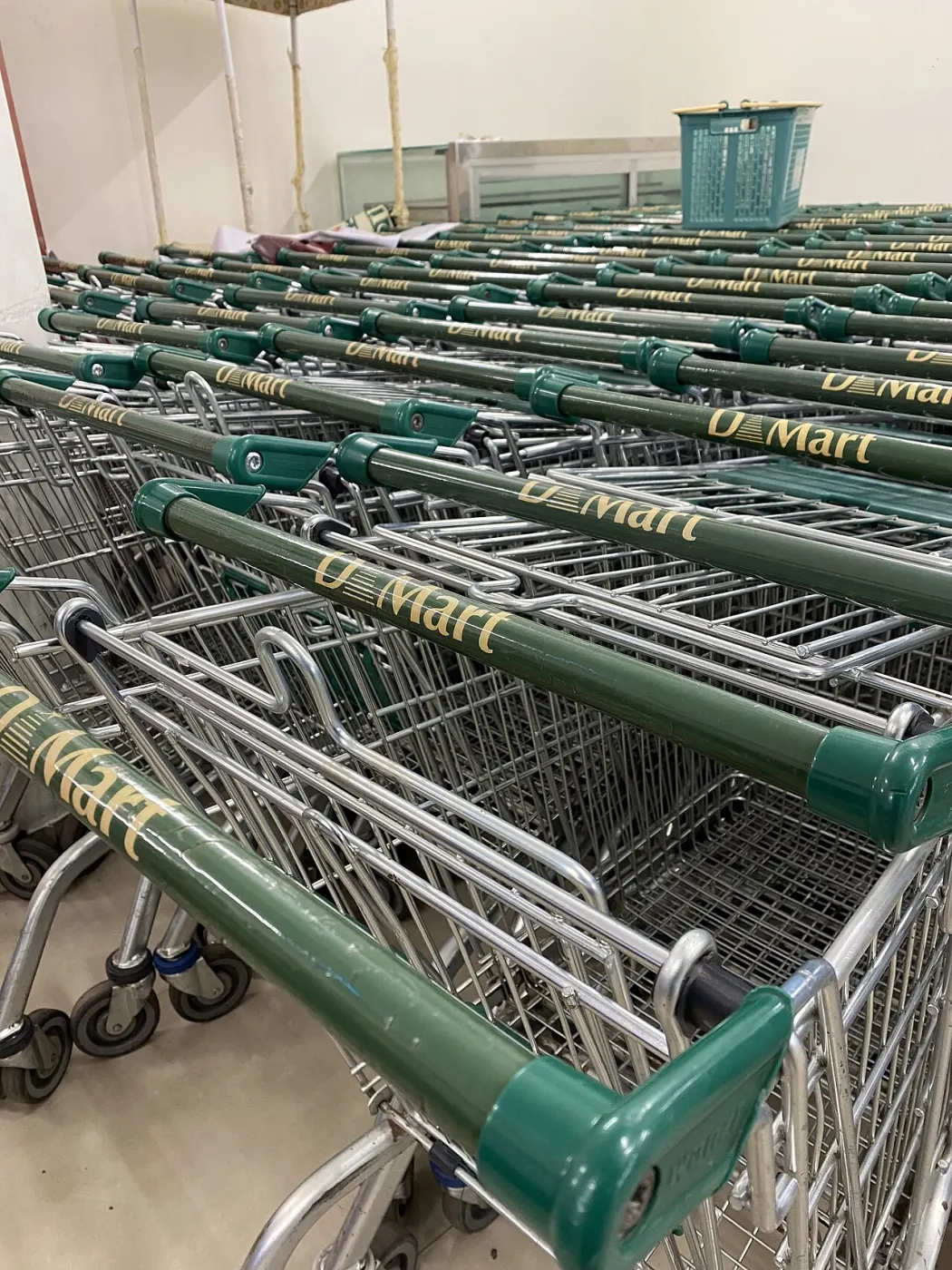
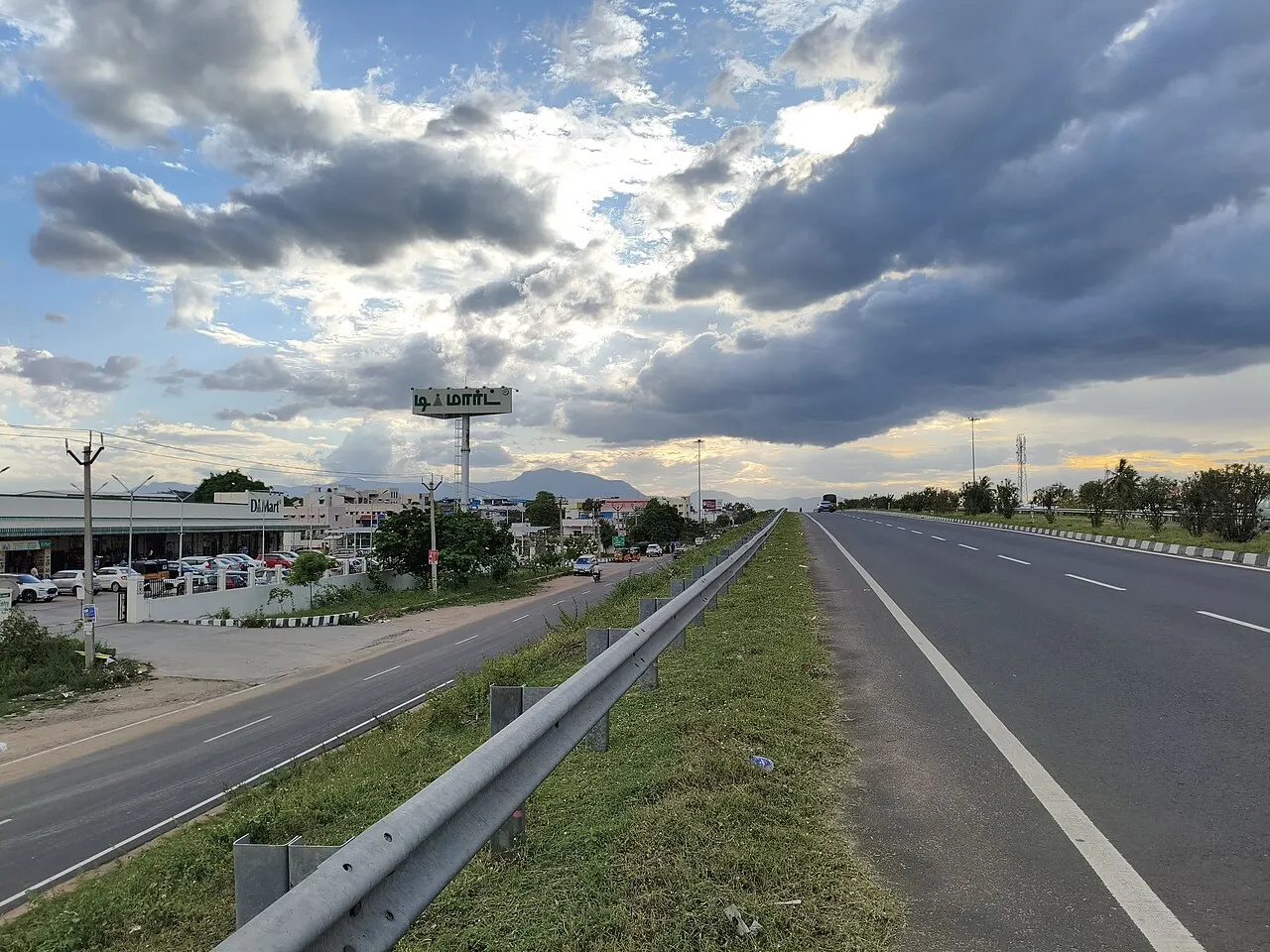
On an ordinary evening somewhere on the edge of an Indian city, a DMart parking lot fills with hatchbacks and two-wheelers while the sky goes the color of watered tea. Inside, the carts nest in green-handled rows. The price tags do the talking Damani will not do on camera. Somewhere far from the fluorescent light, a man who once stood at the outer ring of Dalal Street still owns the thesis he always trusted: buy what is mispriced, hold what compounds, and never confuse a loud price with a true one.
He is still living. That means every realtime net-worth print, every exact promoter percentage, and every colorful trading anecdote must stay softer than the audited store count. The durable spine is enough. Bikaner roots and a Mumbai one-room childhood. A dropped commerce year. Ball bearings, then the Street. A short against a bubble. Long years in HDFC Bank, consumer franchises, VST, and later a cement exit. Apna Bazaar homework. Powai in 2002. Twenty-five stores by 2010. A March 2017 listing that doubled on day one. Five hundred stores and roughly sixty-seven to sixty-nine thousand crore rupees of FY26 revenue by the spring of 2026. White shirt. White trousers. Few interviews. A country that learned, aisle by aisle, that patience can be stacked on shelves.
The last image that belongs in this story is not a yacht and not a keynote stage. It is a bilingual fascia over a concrete box, a security guard checking a mask rule in a pandemic year, a parent comparing two oil tags, and a promoter who already did his talking in the purchase order. Damani turned market skepticism into retail trust. He turned retail trust into a balance sheet. He left the balance sheet mostly quiet. In an age that confuses volume of speech with volume of value, that quiet is the plot.
Watch alongside this story
Short cuts from interviews, keynotes and launches. Each plays only the moment that matters.