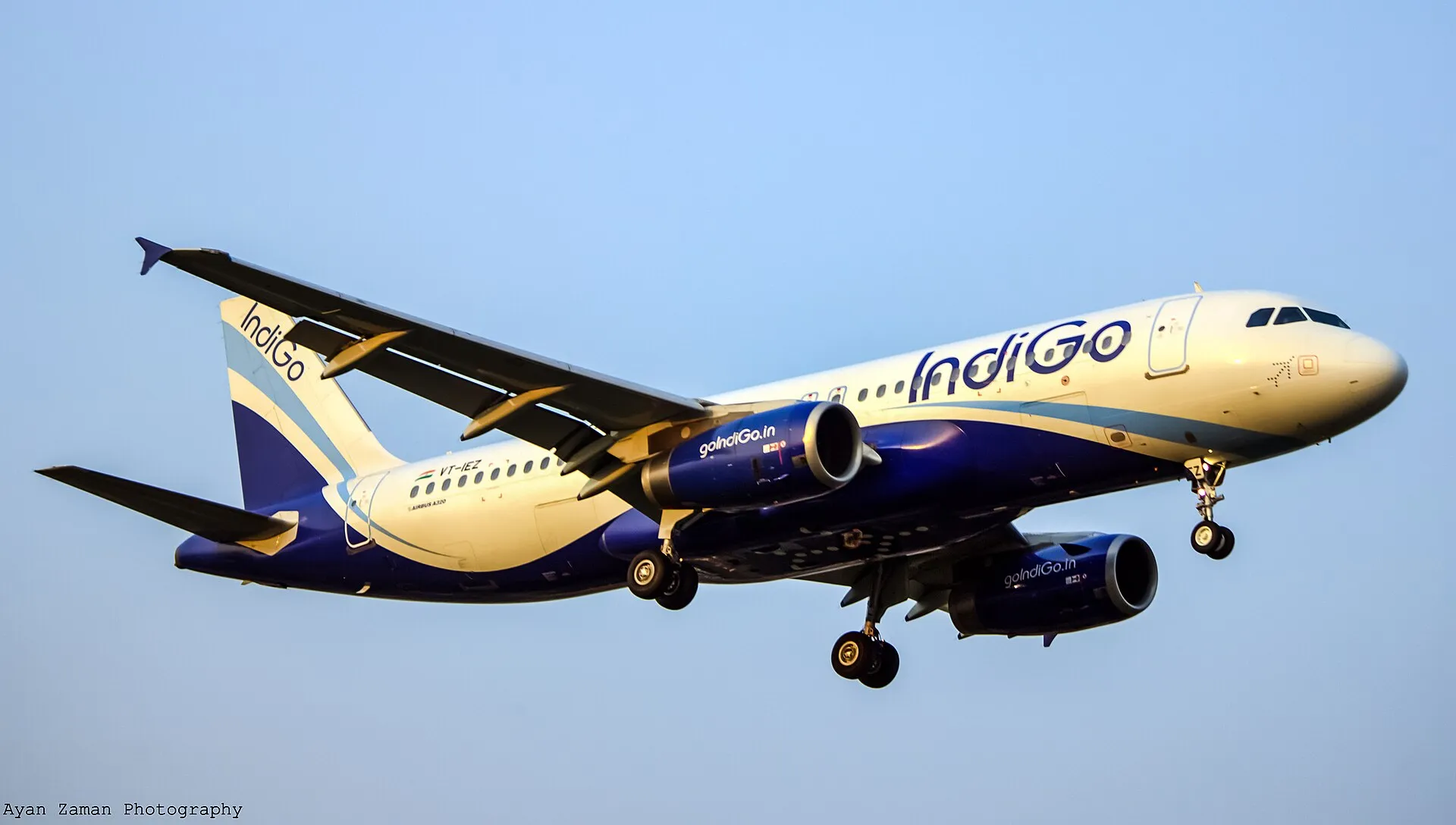
The Quiet Man Who Built IndiGo
A Kolkata-born engineer learned airlines inside United and Air France. He ran US Airways through a boom and a crash. Then he helped turn India into a flying country.
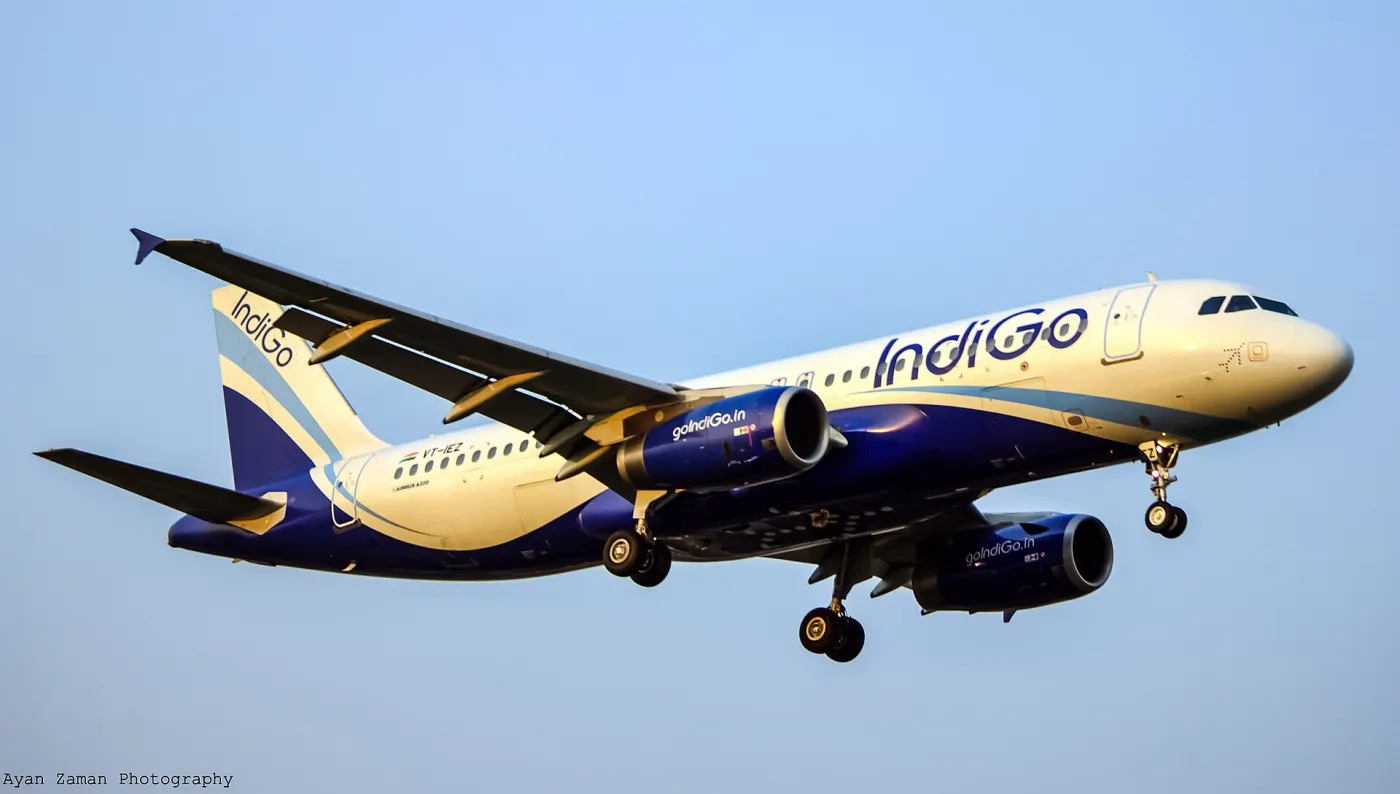
On a summer day in June 2005, two men asked Airbus for one hundred airplanes. India had just buried enough airline dreams to make the request sound like a joke. Kingfisher was still a wine-colored fantasy. Jet Airways still looked like the grown-up. Low-cost carriers elsewhere had taught Wall Street that cheap seats could print money, but India was a graveyard of fuel bills, politics, and broken schedules. Airbus executives later admitted the order sounded like nonsense. Rakesh Gangwal did not treat it as nonsense. He treated it as inventory math.
By March 2026, the airline that grew from that bet, IndiGo, reported a fleet of about four hundred forty-one aircraft and more than one hundred twenty-three million passengers in a single fiscal year. InterGlobe Aviation's operating revenue sat near eight hundred fifty billion rupees. Domestic travelers who once measured distance in overnight trains now measured it in ninety-minute hops painted indigo blue. Gangwal was no longer on the board. He had sold most of the stake that made him a billionaire. Forbes's realtime list on 24 September 2026 still put him near six point one billion dollars, a number that moved with every block trade and every Southwest Airlines print. The drama of his life is not that the fortune exists. It is that he built the operating system that made India fly, then chose an exit as carefully as he once chose engine reserves.
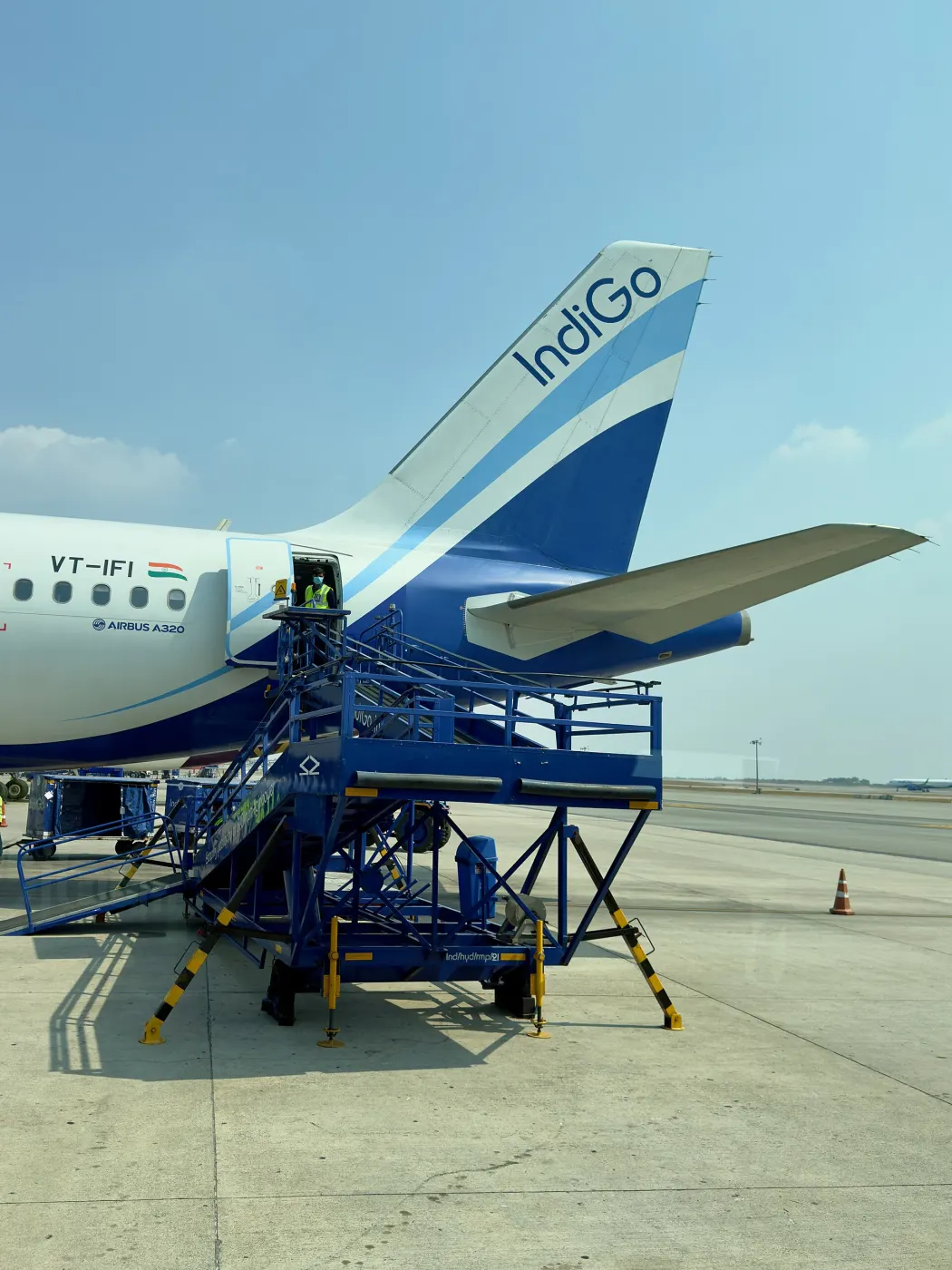
Kolkata nights and an IIT drawing board
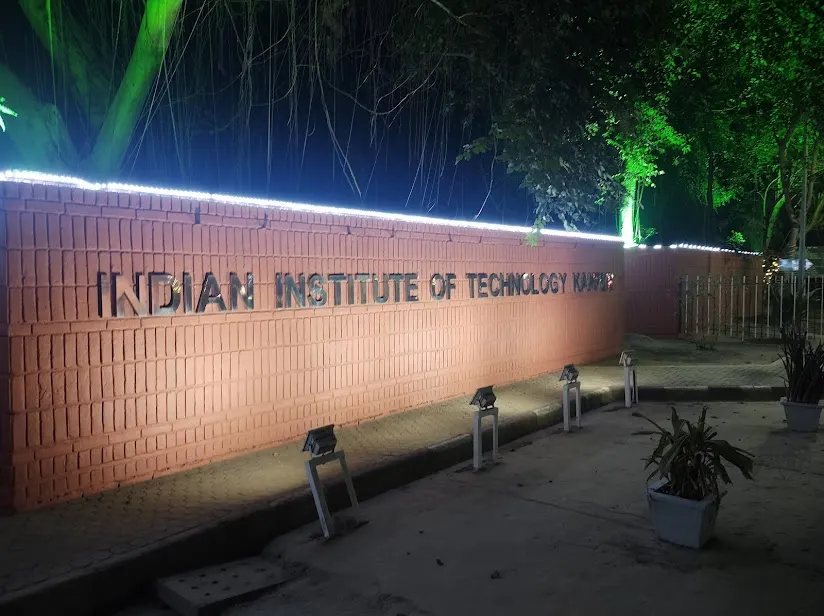
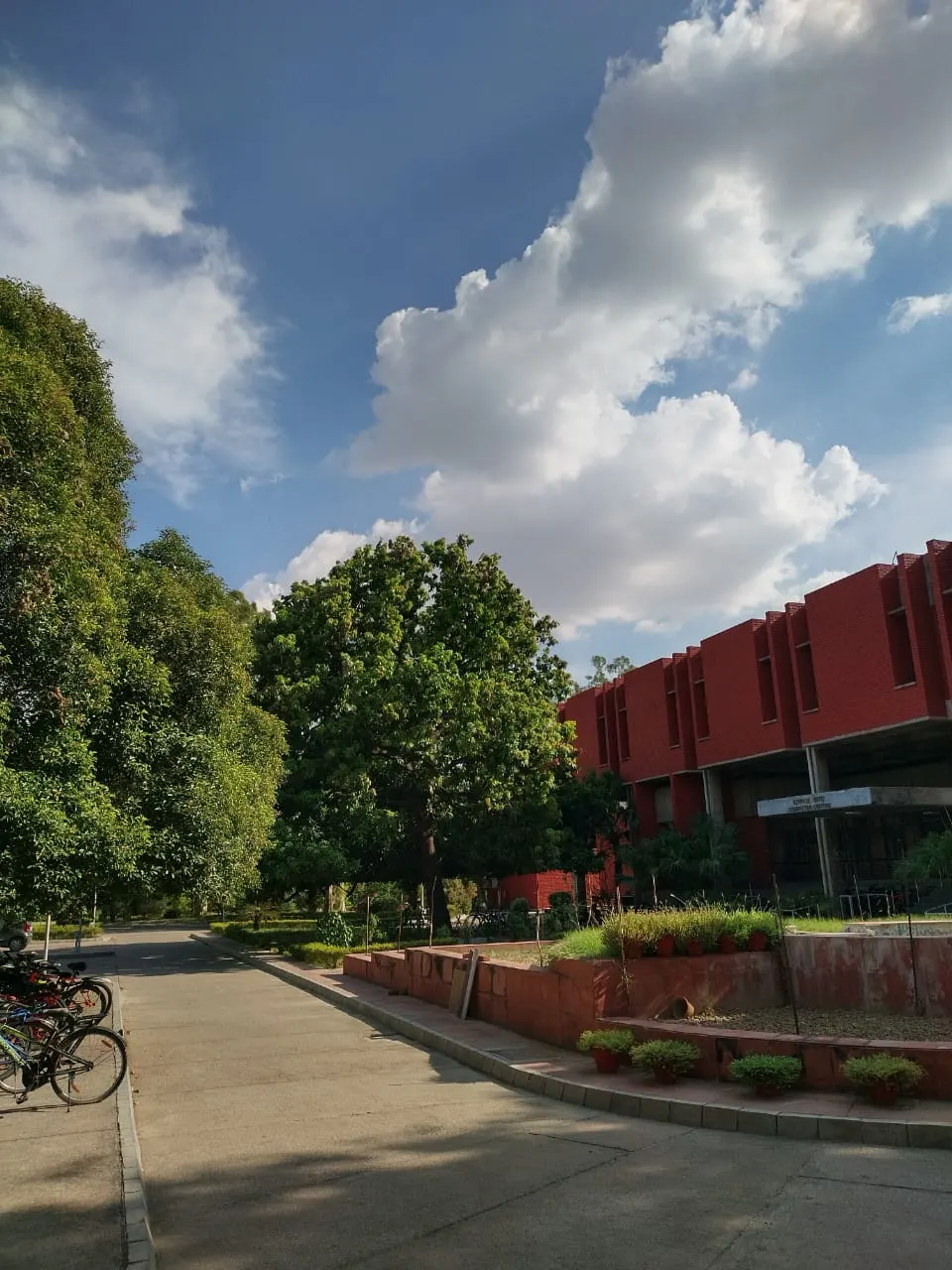
Rakesh Gangwal was born on 25 July 1953 in Kolkata, then still called Calcutta in English papers. The city taught density, monsoon timing, and the habit of sharing space. Public profiles describe a Jain family background and schooling that prized exams over theater. He left for Kanpur and the Indian Institute of Technology, where mechanical engineering was less a romantic calling than a craft of tolerances. Graduating in 1975 meant entering an India that still rationed foreign exchange and treated airlines as state pageants. Gangwal's generation of IIT graduates often left. He left for the United States and for Wharton.
The MBA, completed in the Wharton class associated with 1979 in alumni materials, did not make him a banker. It made him bilingual: equations and P&Ls. Early work included time around Ford and consulting desks that sent young analysts into client war rooms. The assignment that mattered was airlines. When a consulting project put him next to United Airlines, the industry's gravitational field took over. United hired him into planning. For roughly eleven years he lived inside schedules, hub math, and the cruel physics of an airplane that earns money only when it is in the air.
Labor rooms at United taught him that a schedule is a social contract. Pilots count legality. Flight attendants count turns. Mechanics count cycles. A planner who ignores any of those clocks produces a pretty map that dies at pushback. Gangwal's reputation inside airline corridors was not theatrical. It was the quieter reputation of someone who could sit with a Gantt chart until the lie in the plan confessed itself.
Crossing to Air France added language and politics. A European network does not forgive an American habit of treating secondary cities as afterthoughts. Alliance seats, long-haul bank structures, and state shareholders create a different gravity. Gangwal's short Paris chapter still matters because IndiGo later had to talk to Toulouse and Hamburg as a peer, not as a tourist. The man across the table had already lived inside a flag carrier's planning temple.
United desks, Air France maps, and the East Coast turnaround
Airline planning in the 1980s and 1990s was a sport of maps and egos. Gangwal's United years trained him to see a route as a machine with turn times, crew legality, and maintenance clocks. He left as a senior planning executive and crossed the Atlantic to Air France for a planning and development role that lasted on the order of a year and a half in contemporary profiles. Paris added alliance politics and long-haul complexity to a mind already fluent in domestic hubs.
In 1996, US Airways brought him in as president and chief operating officer. The carrier was an East Coast organism with high costs and low morale. A 1998 Wharton Magazine profile, written when Gangwal had just become CEO, described a company that had felt finished. Market capitalization figures quoted then ran from roughly eight hundred million dollars toward eight billion across the rebound years, with stock prices climbing from the mid-teens toward the high seventies in that boom tape. Treat those prints as period color, not a sworn ledger. What matters for the biography is the method: product quality, on-time obsession, accountable managers, new airplanes, renegotiated labor frameworks, and a low-cost product branded MetroJet that chased leisure markets with fast turns and fewer frills.
Gangwal told the magazine that collaborative task forces, including union voices, beat dictatorial airline theater. That sentence is easy to frame on a wall. Living it inside a cockpit-and-picket culture is harder. He tried. Then history arrived with box cutters.
September 2001 and the end of a CEO chapter
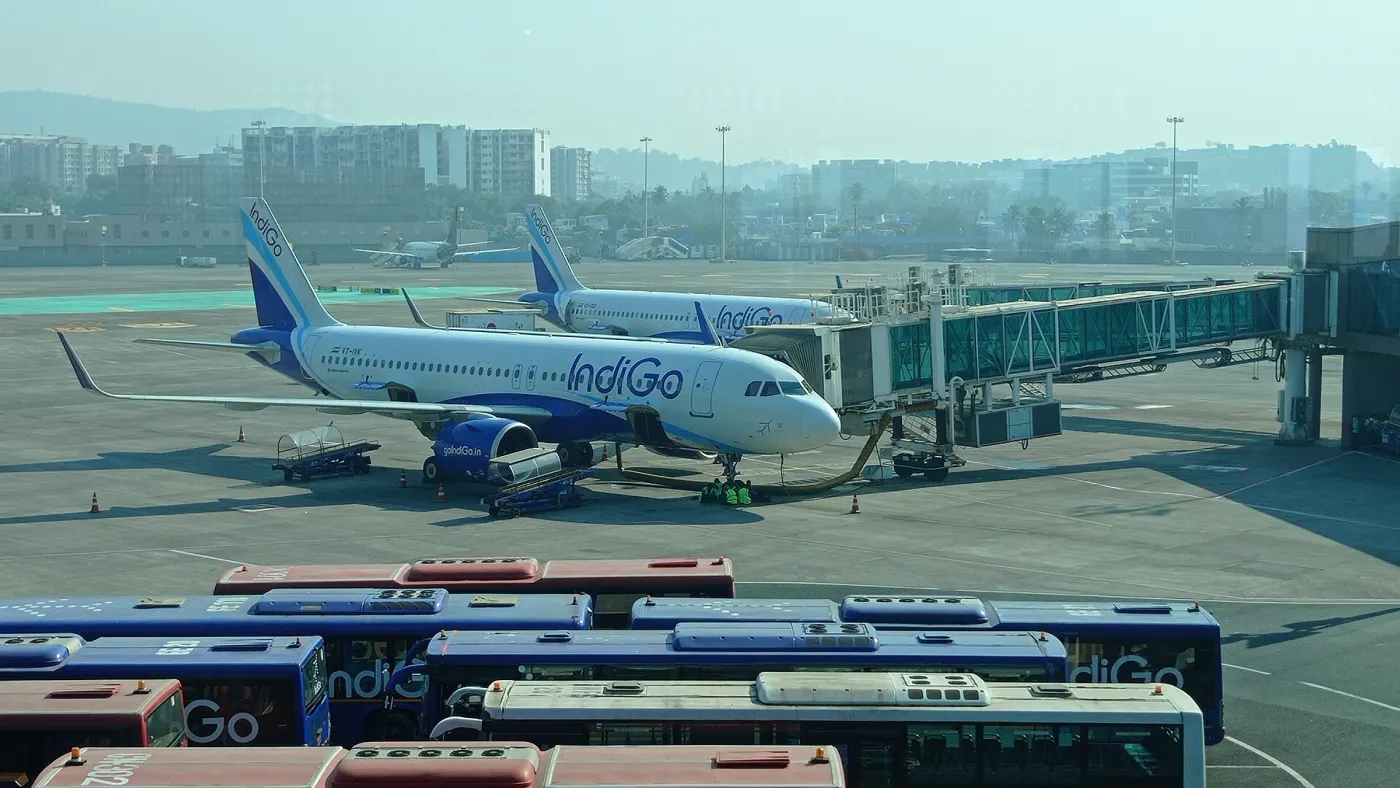
US Airways, like every American major, was ripped open by the attacks of 11 September 2001. Demand collapsed. Security costs exploded. Balance sheets that had looked clever in 1999 looked thin in October. Gangwal resigned as chief executive and chairman on 27 November 2001. Contemporary coverage framed the exit inside industry free fall, not as a victory lap. For a man whose reputation rested on operational control, watching an entire network become a national trauma ward was a kind of professional earthquake.
The months after the attacks were a clinic in impossible tradeoffs. Cash burned. Airports became fortresses. Passengers flinched at every gate announcement. Gangwal's exit in late November 2001 closed a CEO chapter that had begun with turnaround applause and ended in industry triage. He did not write a revenge memoir. He shifted into private work and then into Worldspan, where the product was not a seat but the invisible path a booking takes through global distribution systems.
Worldspan's customers were agencies and airlines who needed reliability more than poetry. Running that company from 2003 into 2007 kept Gangwal fluent in the commercial nervous system of travel while India quietly prepared for an aviation boom. When he and Bhatia later designed IndiGo's go-to-market, they were not guessing how tickets move. They had scars and manuals.
He did not vanish into a yacht. From 2002 he took on private projects. From June 2003 to August 2007 he led Worldspan Technologies as chairman, president, and chief executive, sitting on the plumbing of tickets and travel distribution. The Worldspan years matter because they kept him close to how seats are sold, not only how they are flown. When India later needed a distribution-aware low-cost carrier, that fluency mattered as much as any cockpit story.
A friendship, a spreadsheet, and one hundred Airbuses
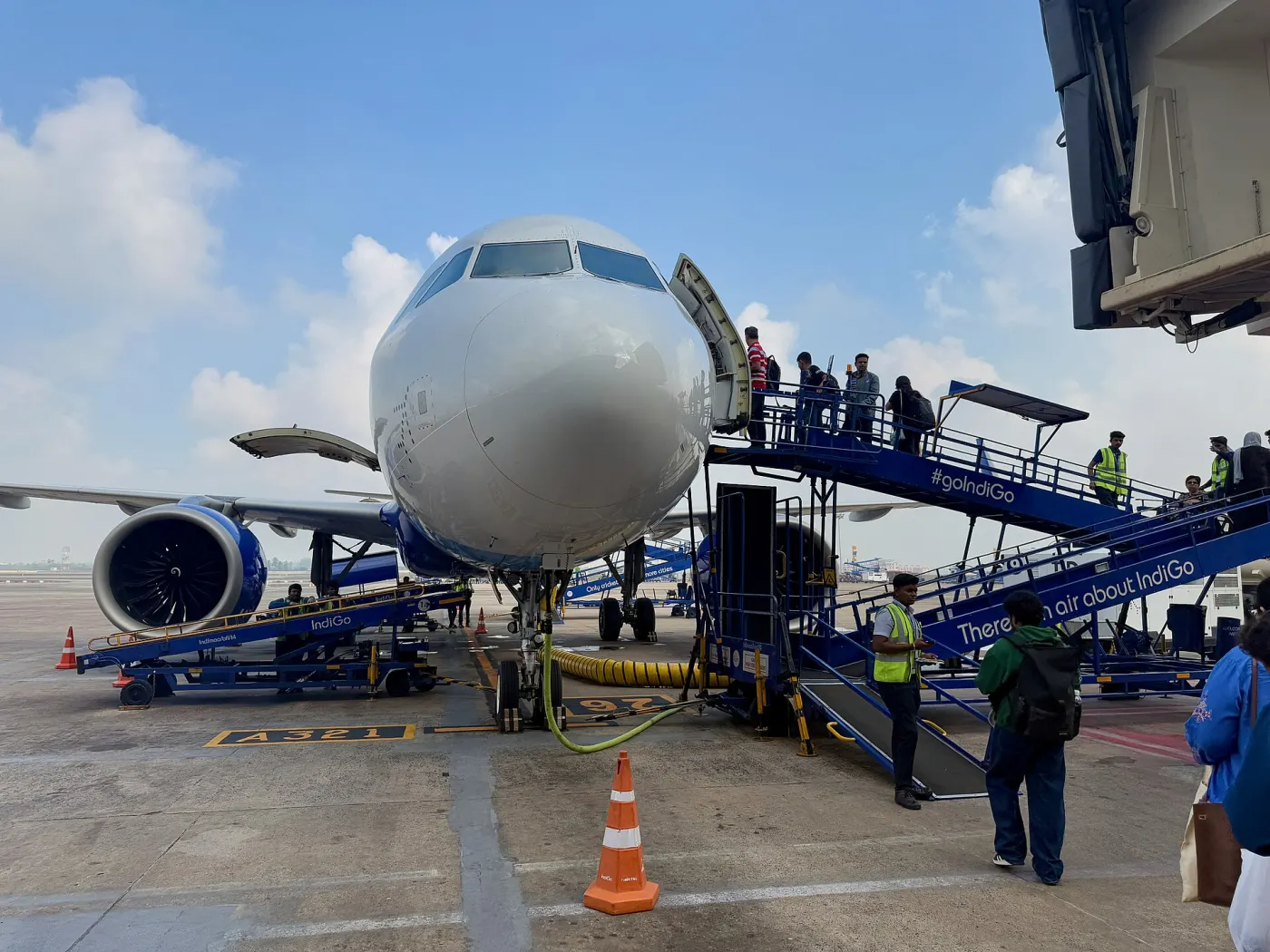
Rahul Bhatia of InterGlobe Enterprises understood Indian travel agencies, hotels, and the ground game. Gangwal understood fleet finance and airline operating systems. Their friendship became InterGlobe Aviation. Public reporting around IndiGo's IPO materials has been cited by Mint and others for an early Gangwal investment on the order of fourteen point seven crore rupees for a large minority near half the holding company, later diluted through listing and sales. Soft on exact dollar conversion day by day. Hard on the audacity: they ordered one hundred Airbus A320-family aircraft in June 2005 before the airline had become a household verb.
Sale-and-leaseback is easy to caricature as financial engineering. In Gangwal's hands it was closer to inventory hygiene. An airline that owns old metal too proudly can wake up inside a maintenance mountain. An airline that leases forever without discipline can wake up inside lessor handcuffs. The IndiGo trick, described again and again by Indian business reporters and by Gangwal's own investor explanations, was to negotiate like a giant before you looked like one, then keep the fleet young enough that reliability stayed a habit rather than a prayer.
Boeing still mattered in India. Airbus needed a beachhead. One hundred narrowbodies from a newborn carrier forced both manufacturers to recalculate who India would belong to for a generation. Soft on the precise discount off list price. Hard on the outcome: IndiGo became an Airbus country inside a Boeing memory.
Sale-and-leaseback logic sat under the romance. Negotiate a bulk buy hard. Take delivery. Sell the metal to lessors. Lease it back. Keep cash flexible. Maintain a young fleet. Gangwal's name attaches to that discipline in Indian business press the way Bowerman's name attaches to waffle soles in Oregon lore. Aditya Ghosh, who later ran IndiGo as president, told interviewers that Gangwal underplayed his role while staying relentless on aircraft deals. The first airplane arrived in 2006. Commercial service began on 4 August 2006. The early network looked modest. The cost religion did not.
On-time as a product, not a slogan
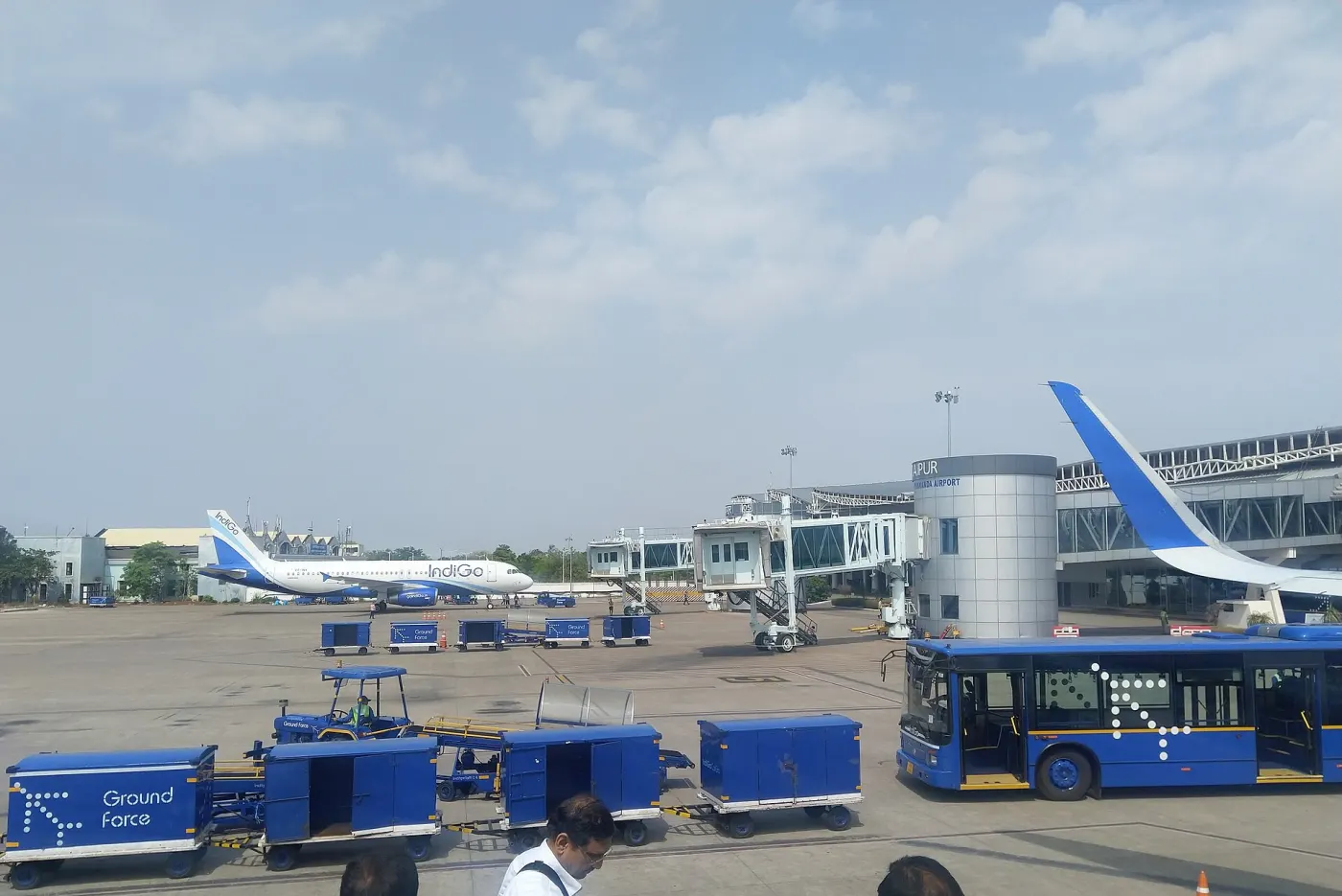
IndiGo's public voice was cheerful. Its internal voice, in Gangwal's investor-facing language, was colder. In a long Q&A preserved on YouTube, he defined a world-class airline three ways: customers who felt they got more than expected, employees who felt proud, and shareholders who got paid when cash was truly excess. He hammered a distinction Indian travelers learned in their bones. Low fare is easy. Low cost is the game. He walked through cost per seat-kilometer comparisons, supplementary rentals for heavy maintenance, and the refusal to pretend that major engine shop visits were free just because accountants could hide them.
He argued India's seats-per-capita figures were tiny next to mature markets, which meant growth if someone could stay solvent long enough to catch it. He wanted short leases that returned assets before ugly maintenance cliffs, not eighteen-year hugs that felt safe and then detonated. He liked dividends that arrived when cash was real, not a marketed yield that attracted the wrong owners. He said excess cash belonged to shareholders, not to management club rooms. Whether every rival deserved that jab is a separate argument. The sentence explains the culture he wanted: suspicious of theater, loyal to turnaround minutes.
Punctuality at IndiGo was not a marketing sticker. It was a chain of boring decisions: how long a board takes, how fast a cabin can be cleaned, how spare parts sit in the right city, how crews are rostered so legality does not ambush the afternoon bank. Gangwal's Q&A voice returns to the same drum. Customers remember delay in their bodies. Employees feel chaos as disrespect. Shareholders eventually pay for both.
He liked to separate the Indian cost curve from European low-cost heroes by stripping fuel out of the comparison and then looking at what remained. The point was not that IndiGo copied Ryanair. The point was that India could support a carrier that treated cost like engineering, not like a slogan shouted at a fare sale. Competitors who bought fancy seats and skipped the cost religion learned the lesson in bankruptcy court.
While others burned, the blue fleet compounded
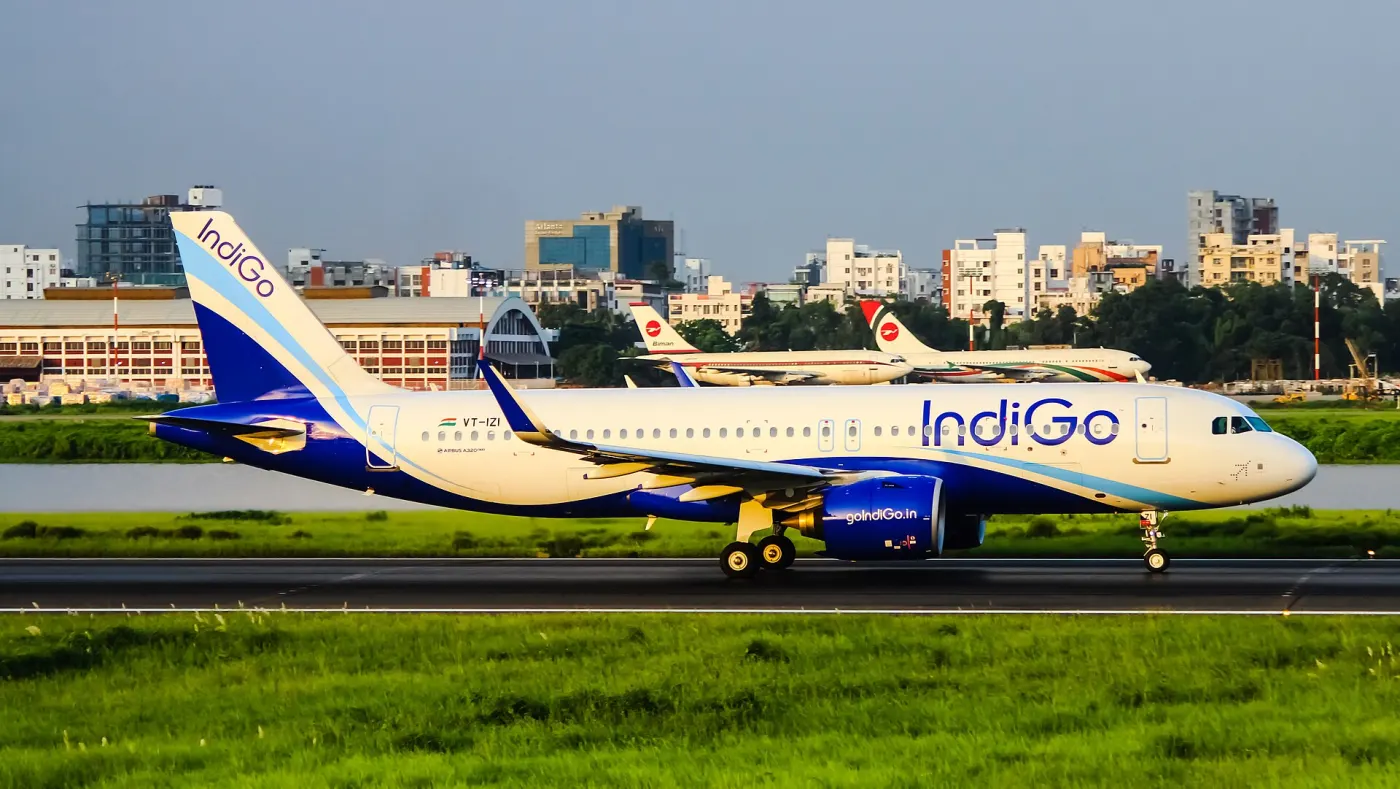
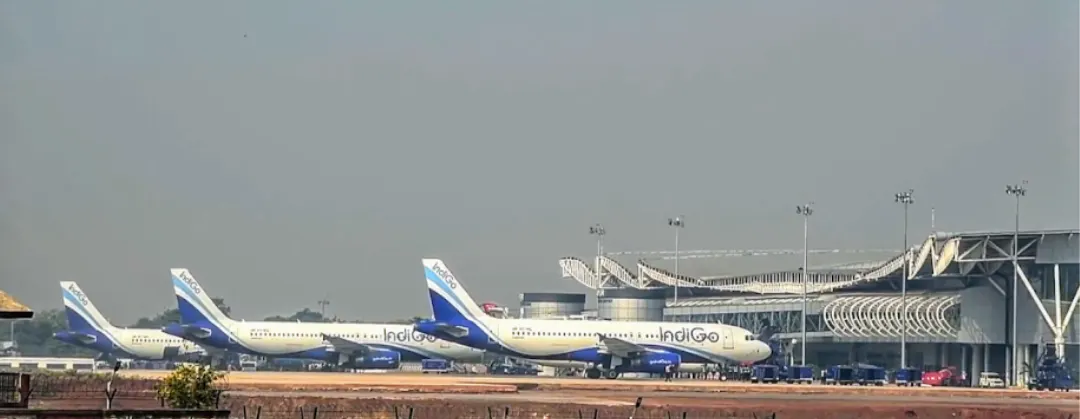
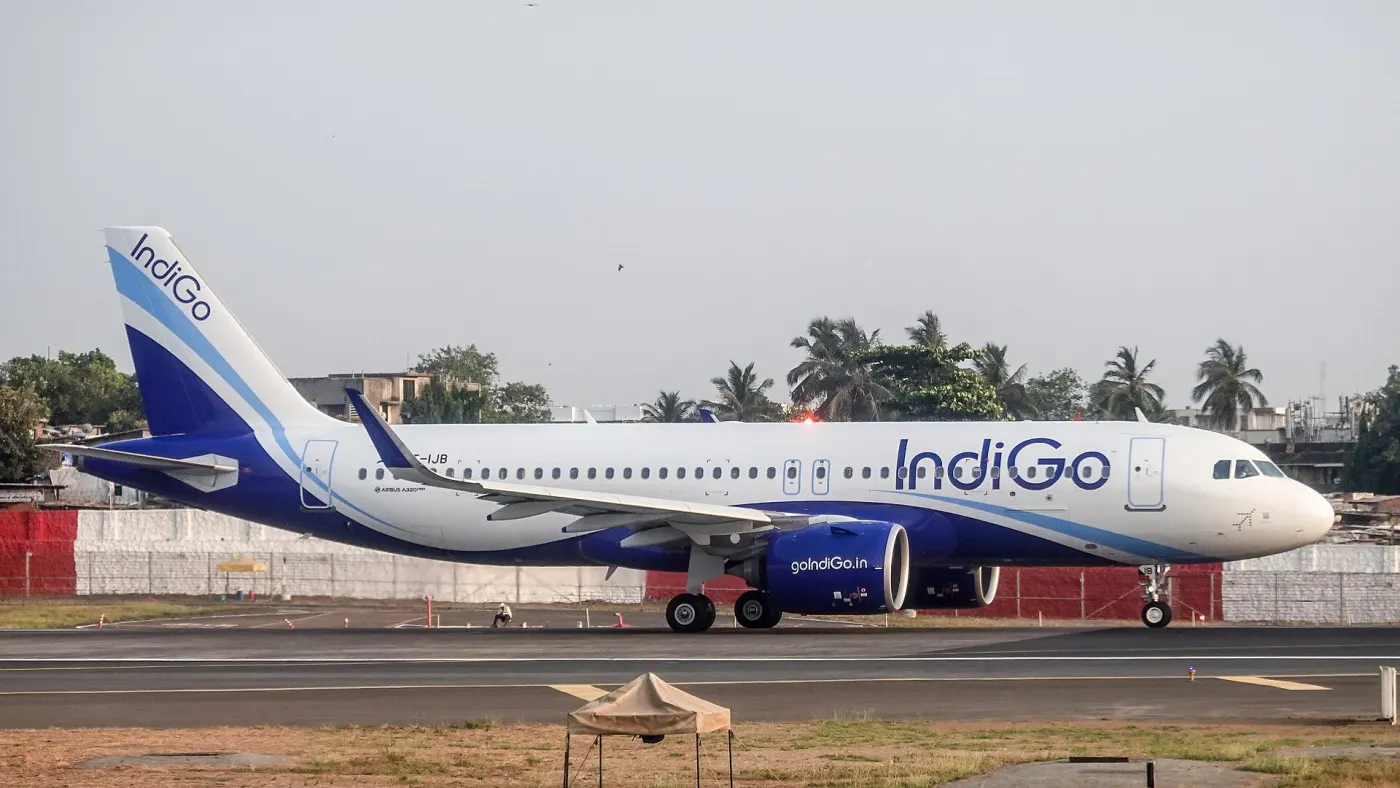
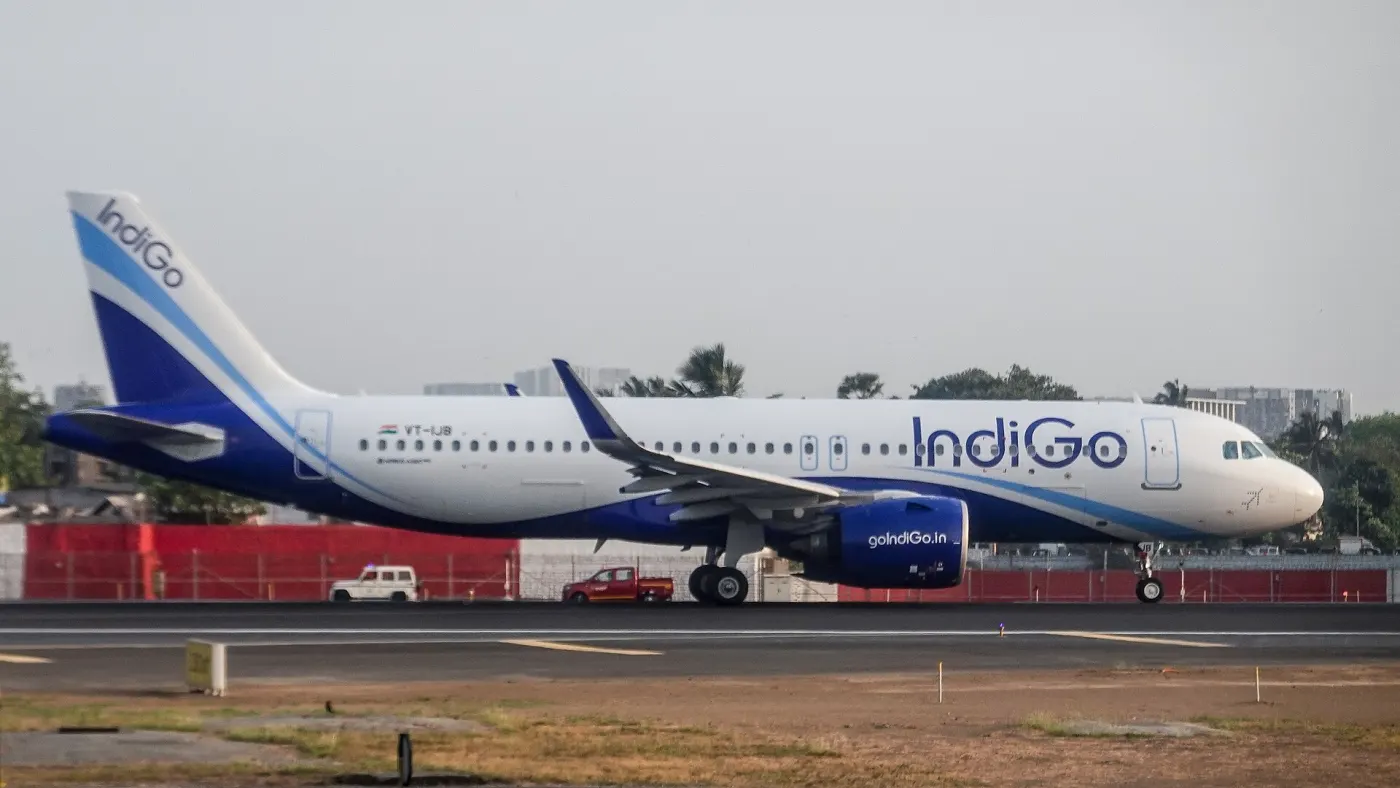
Indian aviation from 2006 to 2015 was a morality play with wreckage. Kingfisher rose on champagne and fell on unpaid salaries. Jet Airways fought premium wars and later collapsed into a grounding that still scars crews. SpiceJet lurched. GoAir came and went. IndiGo kept adding A320-family metal, kept preaching punctuality, and kept treating aircraft utilization like a religion. The company's 2015 IPO made the private bet public. Gangwal remained a promoter with a vast stake. Bhatia remained the India-facing steward through InterGlobe. For a while the dual-key system worked because the market was forgiving and the operational edge was real.
What they built was not merely an airline logo. It was a domestic mobility layer. Wedding traffic, exam traffic, small-business traffic, and the first flight a family took instead of a twelve-hour train all moved onto IndiGo metal. On-time performance became a consumer expectation that punished rivals who treated delay as weather. Uniforms stayed simple. Food stayed buy-onboard. The brand joke wrote itself: on time is the luxury.
How Gangwal actually worked
People who sat near him describe a man who preferred numbers to microphones. He lived in the United States while IndiGo's daily theater played in Delhi and Mumbai, which meant influence traveled through fleet strategy, board papers, and standards rather than through terminal handshakes. He could negotiate with Toulouse because he had bought airplanes before and because airframe makers bet on people as much as on PowerPoints. He cared about maintenance reserves the way a good CFO cares about covenants. He cared about employee pride enough to name it as a pillar, not because airline CEOs are soft, but because bitter crews destroy on-time math.
He was not the public face. That was strategy. In Indian media he was the invisible aircraft carrier while Bhatia and operating presidents took more cameras. The arrangement worked until trust thinned.
The fight that went public
Around 2018 and 2019, the promoters' private disagreement became a national business story. Gangwal raised concerns about governance and related-party dealings involving entities linked to the Bhatia side, including letters that reached the board and, according to multiple contemporaneous reports, market regulators and even the Prime Minister's Office channel. He argued that a critical national airline should not feel like a personal fiefdom and pushed for a stronger independent board voice. Bhatia's camp answered that related-party totals were a tiny share of turnover and that transactions were at arm's length. Each side accused the other of bad faith in board letters that leaked into television studios.
Shareholders watched value swing with every headline. SEBI's shadow hung over the quarrel. Arbitration moved through the London Court of International Arbitration. Reporting on the award described a split outcome: directions that unlocked share-transfer restrictions in the articles, alongside modest defamation-related payments Gangwal was directed to make to Bhatia and an IGE entity in some accounts. Delhi High Court enforcement skirmishes followed. This biography does not adjudicate who was right on every invoice. It records that two friends who had ordered one hundred airplanes together could no longer share a cockpit of control, and that Indian corporate law became their runway.
In a CNBC conversation during the fight, Gangwal said he was not hunting for control and was not shopping the stake, while still insisting governance had to change. Markets heard both the patriotism and the threat. IndiGo kept flying. That fact is easy to forget inside promoter war coverage. Planes still pushed back while letters still circulated.
For readers outside India, the promoter fight can sound like a soap opera. For passengers it was background noise behind a boarding group call. For governance students it was a stress test. Can a critical airline survive a public war between its two largest promoters without losing its operational religion? IndiGo mostly did. That success does not prove either man's every allegation. It proves the machine had depth beyond personalities.
Arbitration documents and court summaries, as reported in Business Standard, Outlook, and financial television, sketch a split decision rather than a fairy-tale winner. Share-transfer friction eased. Defamation-related amounts in some reports were modest relative to the empire at stake. SEBI's attention reminded promoters that listed infrastructure is not a living-room argument. Gangwal's February 2022 board resignation was the human punctuation mark. The sell-down was the financial one.
Resignation, sell-downs, and a five-year door
In February 2022, Gangwal resigned from InterGlobe Aviation's board. He signaled a gradual reduction of his promoter holding over about five years. Articles of association fights had already loosened right-of-first-refusal knots that made an exit legally awkward. From September 2022 onward, exchange filings show a drumbeat of block deals and open-market sales by Gangwal, family accounts, and related trusts.
Mint's August 2025 reconstruction counted on the order of fifteen transactions selling roughly thirty-two and a half percent for about forty-five thousand one hundred forty-six crore rupees, nearly ninety percent of his original stake, with a further sale print leaving him near four percent and a notional leftover near nine thousand five hundred eighty crore rupees at then market cap. Soft on the exact remaining percentage on any later week. Hard on the shape: one of the largest founder cash-outs in modern Indian business, achieved not by selling the company to a foreign buyer in one shot, but by feeding stock into public markets while the airline kept compounding.
AirInsight and other aviation writers framed a possible endgame near seven billion dollars of cumulative proceeds if markets cooperated through 2027. Markets can punish that fantasy. The operating truth remains: IndiGo's machine outlived the dual-promoter romance.
Southwest's chair and a second American act
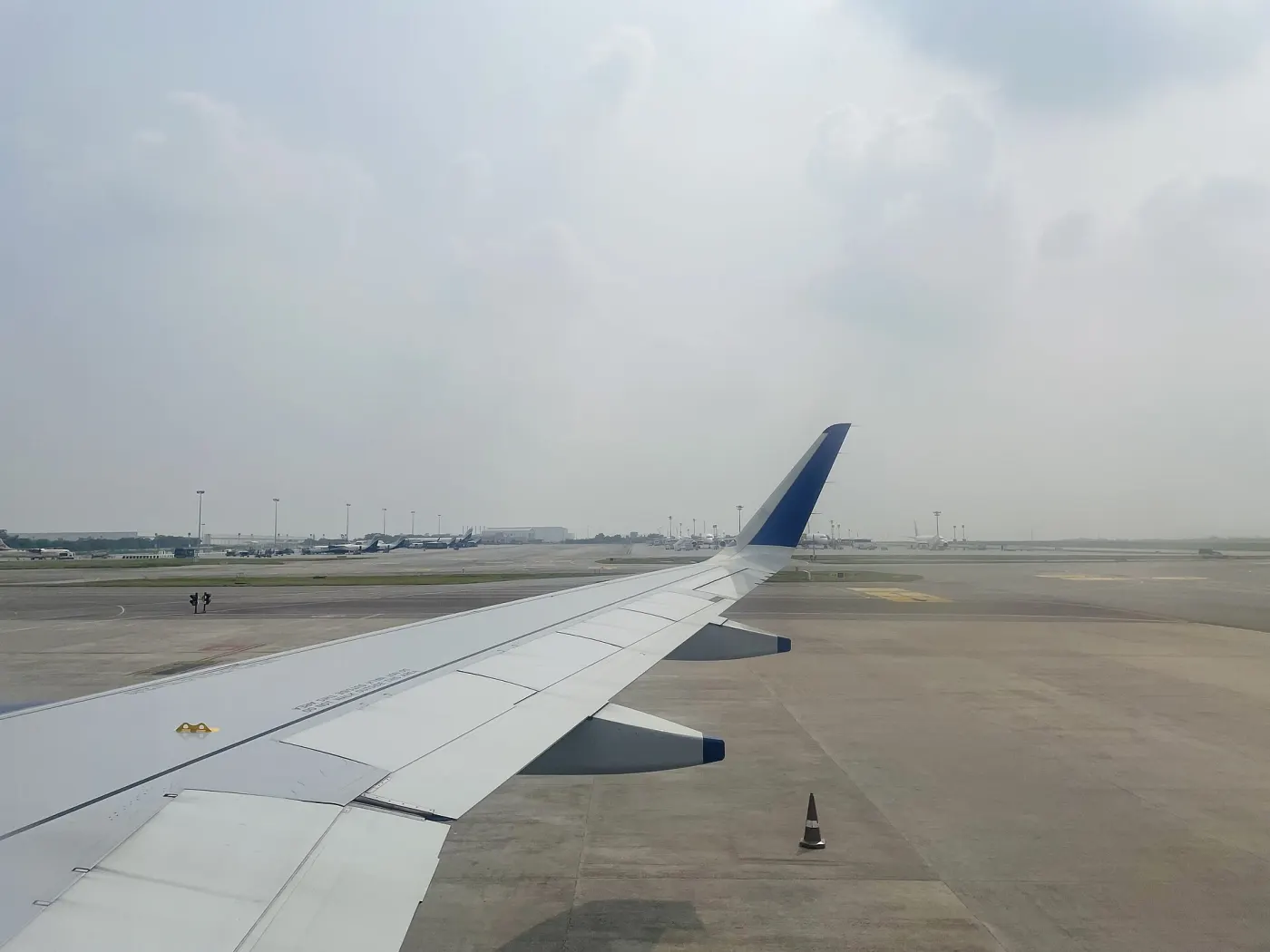
In July 2024, Southwest Airlines appointed Gangwal to its board. He bought on the order of one hundred eight million dollars of Southwest shares, a conviction purchase large enough to make Dallas notice. In November 2024, as Southwest settled a governance fight with Elliott Investment Management, the board named Gangwal chair. The symbolism was loud. America's most famous low-cost carrier was asking an Indian-born builder of India's low-cost giant to referee its next chapter.
He did not keep the gavel long. Southwest announced he would step down as chair effective about 1 August 2025 because of time commitments unrelated to the airline, while remaining a director. Company materials pointed to continued work including fleet oversight responsibilities. Soft on exact committee naming across releases. The short chairmanship still matters. It closed a circle from US Airways trauma to a blue-plane philosophy exported back into American boardrooms.
Southwest's culture myth is American gospel: humor, point-to-point simplicity, bags that once flew free. By 2024 the gospel was under activist pressure and operational strain. Bringing Gangwal onto the board, then into the chair, was a statement that low-cost excellence is a global craft. He arrived with capital of his own in the stock and with scars from building a denser, busier low-cost machine in a harder regulatory maze.
Stepping down as chair in 2025 while remaining a director looks, from the outside, like a man protecting his calendar without abandoning the fight. Fleet oversight is where his biography snaps into focus. Aircraft choice, delivery timing, and maintenance philosophy are the chapters he has been writing since United planning rooms. Soft on how much of Southwest's future fleet plan is personally his. Hard on why the board wanted that brain in the room.
2026: the airline without its quiet co-founder
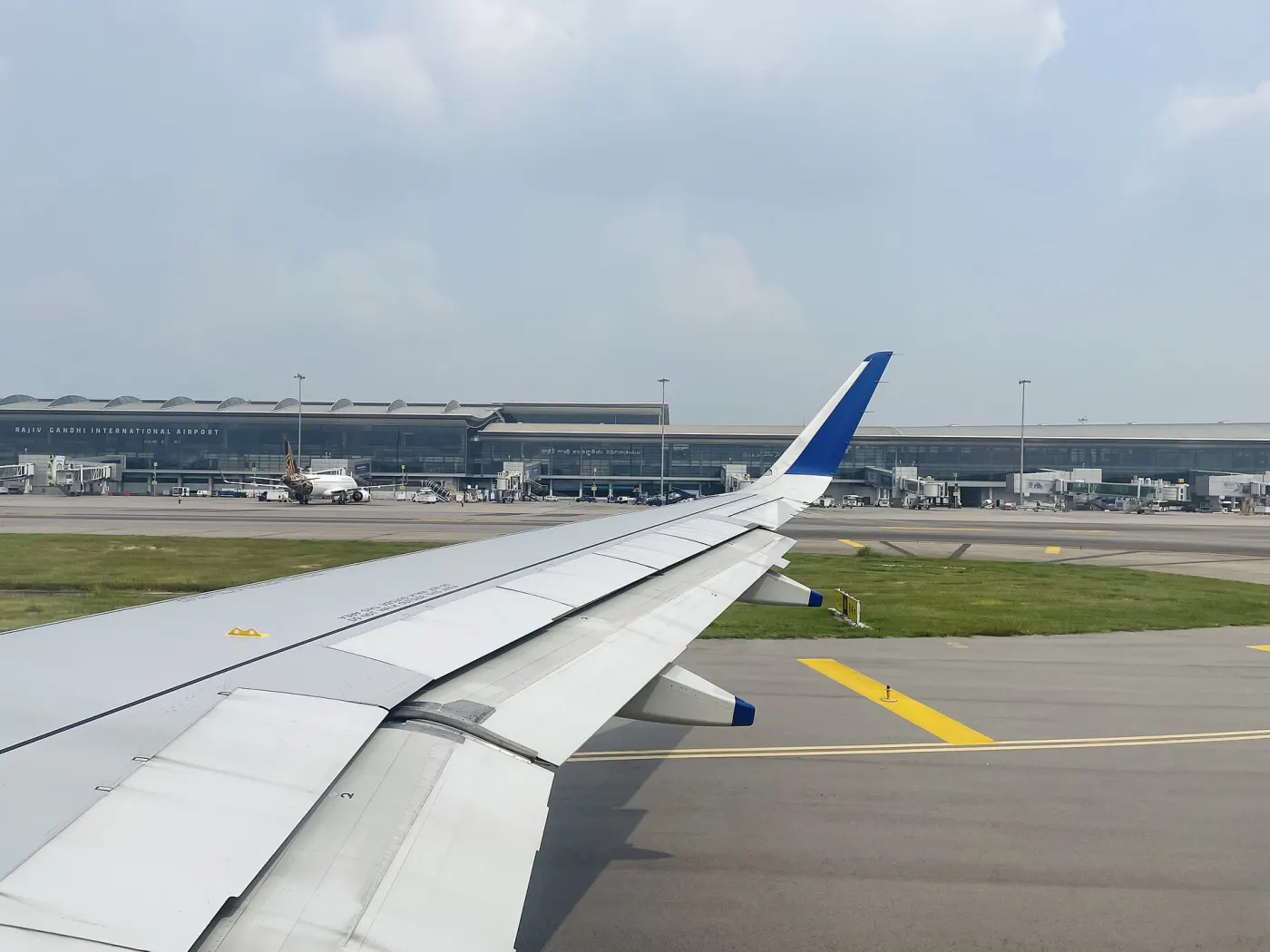
IndiGo in fiscal 2026 was no longer a cute upstart. Company results described about one hundred twenty-three point four million passengers, capacity near one hundred seventy-two billion available seat kilometers, revenue from operations near eight hundred forty-nine point six billion rupees, and a fleet of roughly four hundred forty-one aircraft at year end, spanning A320-family jets, ATRs, freighters, and damp-leased widebodies for longer arms. Domestic share figures in secondary strategy notes still clustered around the low-to-mid sixties depending on the month. International routes thickened. A321neos and experiments with farther metal showed an airline trying to grow without abandoning the cost religion.
Gangwal's absence from the board did not erase his fingerprints. Single-type muscle memory, lease discipline, and punctuality as brand all predate the quarrel. Rahul Bhatia remained the promoter face. Professional managers ran the day. The founder question shifted from "who signs the Airbus letter" to "can the culture survive success." Every dominant carrier eventually fights that fight.
Forbes's 24 September 2026 realtime card listed Gangwal near six point one billion dollars, Miami resident, US citizen, self-made airline fortune, philanthropy score still low on Forbes's own scale relative to some peers. Soft: the number will be wrong again next week. The durable scoreboard is seats that leave on time and a middle class that plans weekends around flight apps.
A carrier with more than four hundred aircraft is a national system wearing a paint job. When IndiGo sneezes, Indian business calendars catch cold. That power is Gangwal's ambiguous legacy. He helped create a company so useful that its dominance becomes a public-policy subject. Fares, slots, pilot supply, and airport expansion all orbit the blue fleet. Founders who win this large stop being only founders. They become weather.
Gangwal's choice to monetize rather than wage a forever war for control is itself a management lesson. Some founders die in the chair. Some get thrown out. He negotiated a path that turned paper into diversified cash while the airline continued under professional managers and the remaining promoter. Admirers call it disciplined. Critics call it abandonment. The passenger boarding at six in the morning does not adjudicate. The passenger wants the door closed on time.
Money back to Kanpur
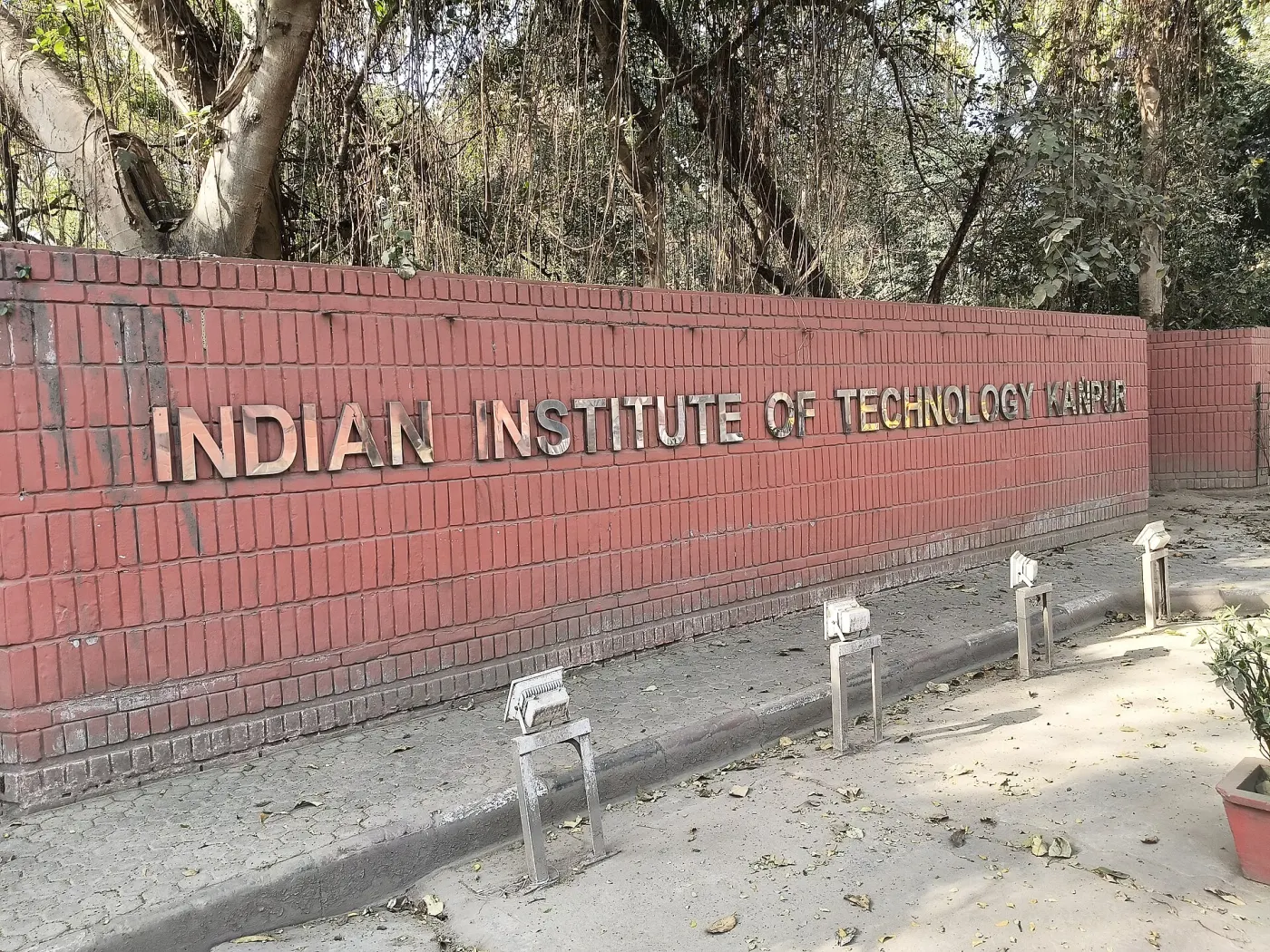
In 2022, Gangwal gave one hundred crore rupees to help establish the Gangwal School of Medical Sciences and Technology at IIT Kanpur. In August 2026, Indian papers reported an additional three hundred crore rupee commitment, taking his announced support to about four hundred crore, with matching pledges described up to another three hundred crore if others gave. Plans spoken around the gift include a large specialty hospital footprint and cancer-care ambitions. Soft on final bed counts and build timelines. Hard on the gesture: the engineer who left Kanpur for Wharton was funding medicine on the same soil where he learned tolerances.
That arc is cleaner than airline politics. It is also incomplete until steel and staffing match press releases. Gangwal's operating habit suggests he will care whether the hospital turns patients the way he once cared whether an A320 turned at a gate.
World change you can board with a bag
What changed because Gangwal and Bhatia won? India's aviation map grew a blue center of gravity. Competitors were forced to match punctuality or lose the passenger who now had a choice. Airbus won a historic foothold in a market Boeing had once dominated. Airports had to expand or choke on IndiGo banks. Millions of first-time flyers learned that a plane could be ordinary. Ordinary is a revolution in a country that once treated flight as aristocracy.
There were costs. Concentration risk sits inside any sixty-percent domestic share. Labor stress, pilot supply, and cascading delays become national news when one airline is the system. The 2019-2022 promoter war showed how personal trust can become systemic risk. Gangwal's own letters used the language of public infrastructure, not private toy. Holding him to that standard is fair. Holding the entire Indian state to airport capacity is also fair.
Soft edges and honest blanks
Some beloved anecdotes refuse to harden. Secondary videos claim billion-dollar negotiations over Chipotle burritos. Treat that as color unless better primary sourcing appears. Exact beneficial ownership percentages move with every trust filing. Wife and daughter's private careers are not the public story. US Airways MetroJet financials from the late 1990s live best as illustrations of method, not as precise modern KPIs. Where this documentary says "about" or "on the order of," it is refusing to invent precision.
The cancelled flight that never made the advertisements
Every airline sells dreams of reunions. Gangwal sold the absence of chaos. The cancelled flight that never happens is harder to film than a celebrity safety video, yet that absence is what middle-class India purchased when it chose indigo blue. Competitors who mocked the dullness of the product discovered that dullness, done rigorously, is a moat. Wedding seasons, exam seasons, and festival banks all reward the carrier that does not improvise with passengers' lives.
Capital as a weather system
His fortune, printed near six point one billion dollars on Forbes's 24 September 2026 realtime card, behaves like weather over InterGlobe's stock price and over Southwest marks. Soft on any single day's print. Hard on the formation process: an early crore-rupee bet, a hundred-plane negotiation, years of lease discipline, a public listing, a governance rupture, then a measured sell-down that turned promoter paper into diversified cash without a fire sale of the airline itself. Few industrial founders in India have exited this cleanly while the operating company kept compounding.
Reading the silence
Gangwal almost never performs founder nostalgia on stage. That silence is part of the method. He lets the load factor speak. He lets the on-time percentage speak. He lets the arbitration order speak when friendship fails. In a media age that rewards founders who narrate themselves constantly, his refusal is either arrogance or craft. IndiGo's passengers, who mostly cannot name him, still live inside his preferences every time a door closes early.
He kept a planner's suspicion of stories that were too smooth. Airlines die from smooth stories that hide deferred maintenance, optimistic load factors, and labor peace that was only a pause. His public silence was not emptiness. It was a refusal to turn fleet strategy into stand-up comedy. When he did speak, in investor halls or rare television sit-downs, the sentences sounded like checklists: cost, cash, culture, governance. The romance was left to the passengers looking out the window at a country that finally felt smaller. That smaller country remains his loudest and most lasting public work today.
Training the market to expect the ordinary
Before IndiGo, delayed domestic flight was a shrug. After IndiGo scaled, delay became an insult customers could punish by walking to another counter, or by posting a video that reached millions. Gangwal did not invent customer anger. He helped invent a competitor dense enough that anger had somewhere to go. That is market design disguised as airline management.
The ordinary seat also changed family geography. Grandparents began appearing for two-day visits. Job interviews moved from overnight trains to morning flights. College students learned airport logic before they learned sleeper-class logic. When people say IndiGo changed India, they sometimes mean brand. More often they mean calendar math.
Risk that never sleeps
Fuel spikes, rupee slides, pilot shortages, engine grounding directives, fog at Delhi, and political slot fights never stop. Gangwal's bet assumed a team that could absorb those shocks without rewriting the religion every season. Fiscal 2026 results showed growth with the usual scars. The machine still moved more than a hundred million people. Soft on any single quarter's profit print as destiny. Hard on the persistence of the network.
A founder who audited friendship
The cruel reading of the promoter war is that Gangwal audited a friendship the way he audited a lease. The kind reading is that he refused to watch a public airline inherit private habits. Both readings can be true in parts. The documents are public enough for readers to weigh tones. What the documents cannot capture is the private cost of losing a partner who once made a ridiculous Airbus meeting feel possible.
What the next decade will test
IndiGo's next decade will test whether a post-Gangwal promoter structure can keep the cost nerve while chasing international breadth and widebody complexity. Gangwal's Southwest years suggest he believes low-cost craft is portable across oceans. His Kanpur cheques suggest he wants a legacy that is not only measured in available seat kilometers. The man who asked Airbus for one hundred jets is older now, richer, and quieter. The blue planes are not quiet. They still leave the gate in a bank, and they still teach a crowded country what on time feels like.
Closing
Rakesh Gangwal's biography is an airline timeline with a human temperature. He was the Kolkata-born mechanical engineer who left IIT Kanpur for Wharton and then for the planning floors of United. He was the executive who tried to rebuild US Airways with on-time pride and MetroJet turns, then resigned into the ash of September 2001. He was the Worldspan CEO who stayed close to the pipes of travel. He was the friend who sat with Rahul Bhatia and asked Airbus for one hundred jets when the request sounded insane. He was the cost priest who told investors that low fare is easy and low cost is the job. He was the promoter who wrote angry governance letters, fought through arbitration, resigned a board seat in 2022, and sold down a fortune measured in tens of thousands of crores. He was the Southwest director who briefly chaired an American low-cost icon and then handed the gavel back while keeping a seat at the table. He was the alumnus writing nine-figure rupee checks so Kanpur could build a medical school.
In 2026, IndiGo still paints the sky blue for more than a hundred million passengers a year while Gangwal's remaining stake shrinks toward an exit he announced years earlier. If you stand at a domestic gate in India and watch a narrowbody push back within minutes of schedule, you are looking at the unfinished argument of his life: that aviation is a spreadsheet with wings, that friendship can build a carrier and still fail as a governance model, and that the quietest person in the terminal can still be the reason the door closes on time.
Watch alongside this story
Short cuts from interviews, keynotes and launches. Each plays only the moment that matters.