The Drawer in the Empire State Building
A house painter's son in the Bronx. A bag of ties and a hard no to Bloomingdale's. Then a lifestyle the world could wear.
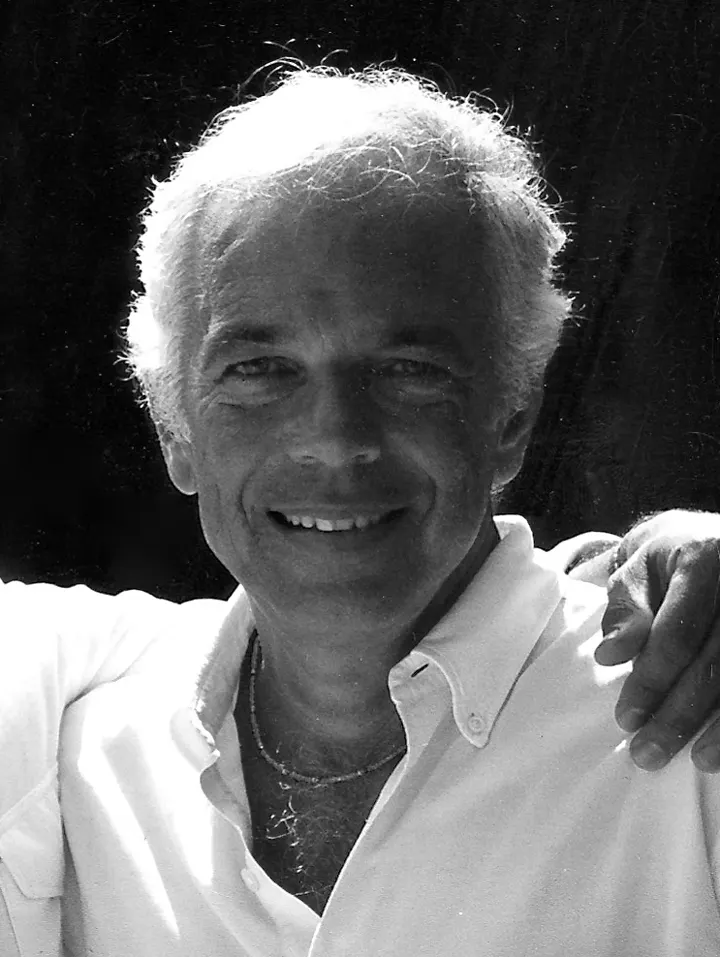
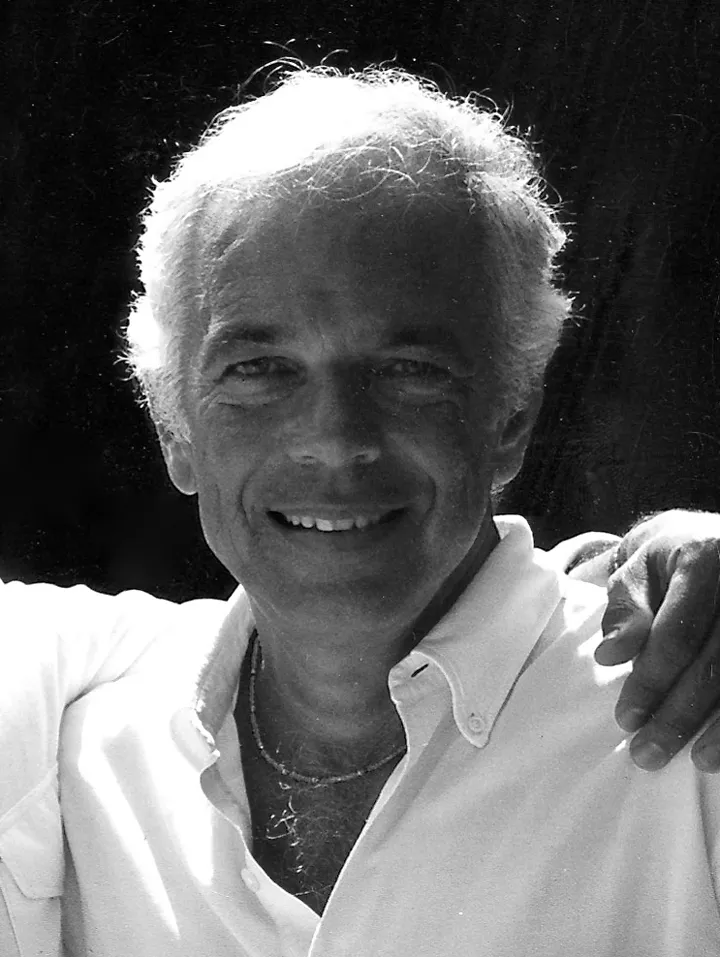
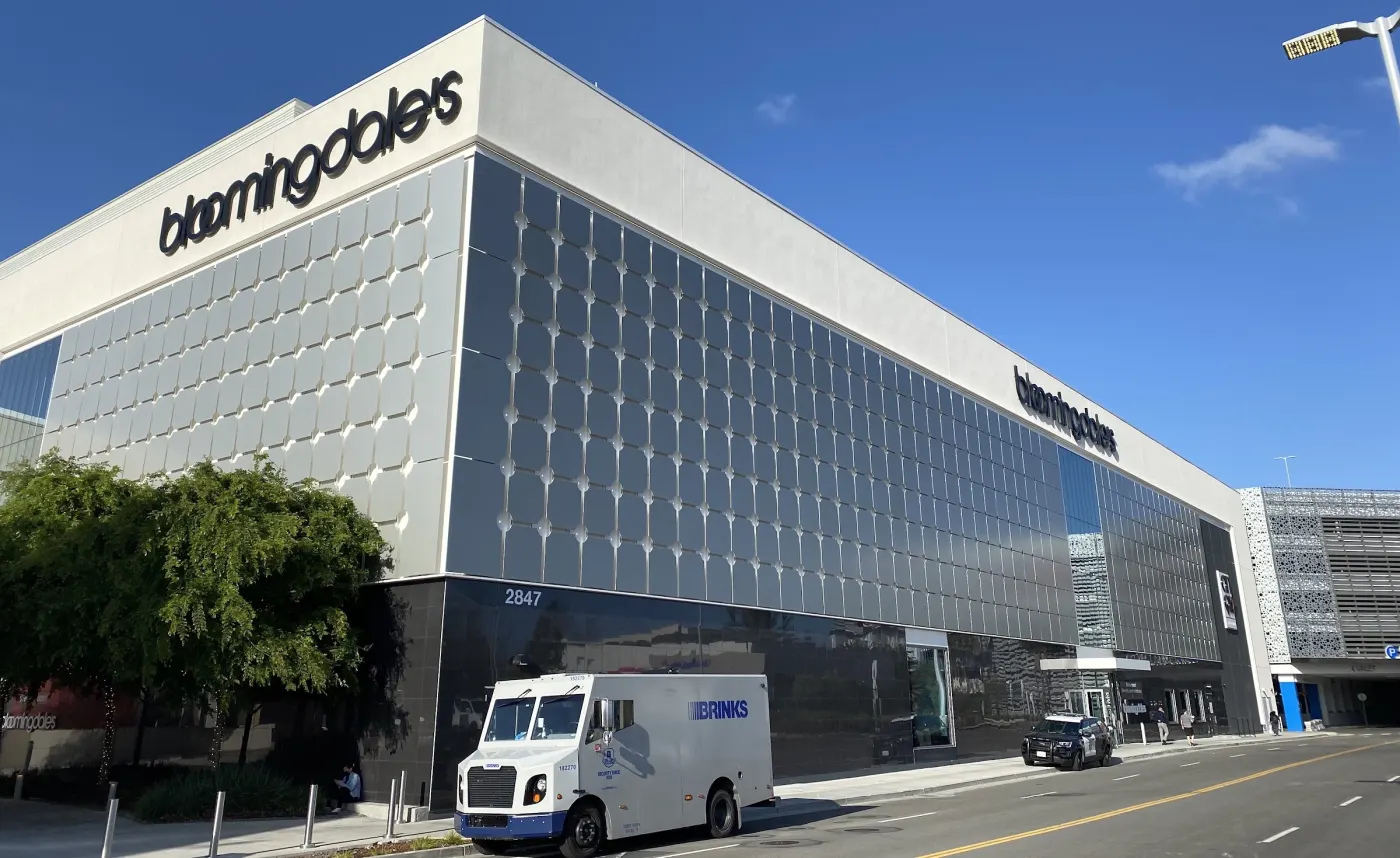
In 1967 a young salesman walked into Bloomingdale's with a bag of ties that did not look like anyone else's ties.
They were wider. The fabrics were stranger. The label said Polo, not the store's house name.
The buyer liked the product and hated the label. Take your name off, the store said. Put ours on. We will order.
Ralph Lauren closed the bag.
He was in his twenties. He had no design degree and no family factory. He had a drawer in the Empire State Building, a wife who believed him, and a stubborn sense that the dream he was selling had to carry his name.
Bloomingdale's came back. The ties kept their name. Within a short stretch of years the same stubbornness would turn a necktie line into one of the most recognized lifestyle brands on earth.
That is the hinge of his life. Not a runway. A refusal.
Bronx windows and borrowed heroes
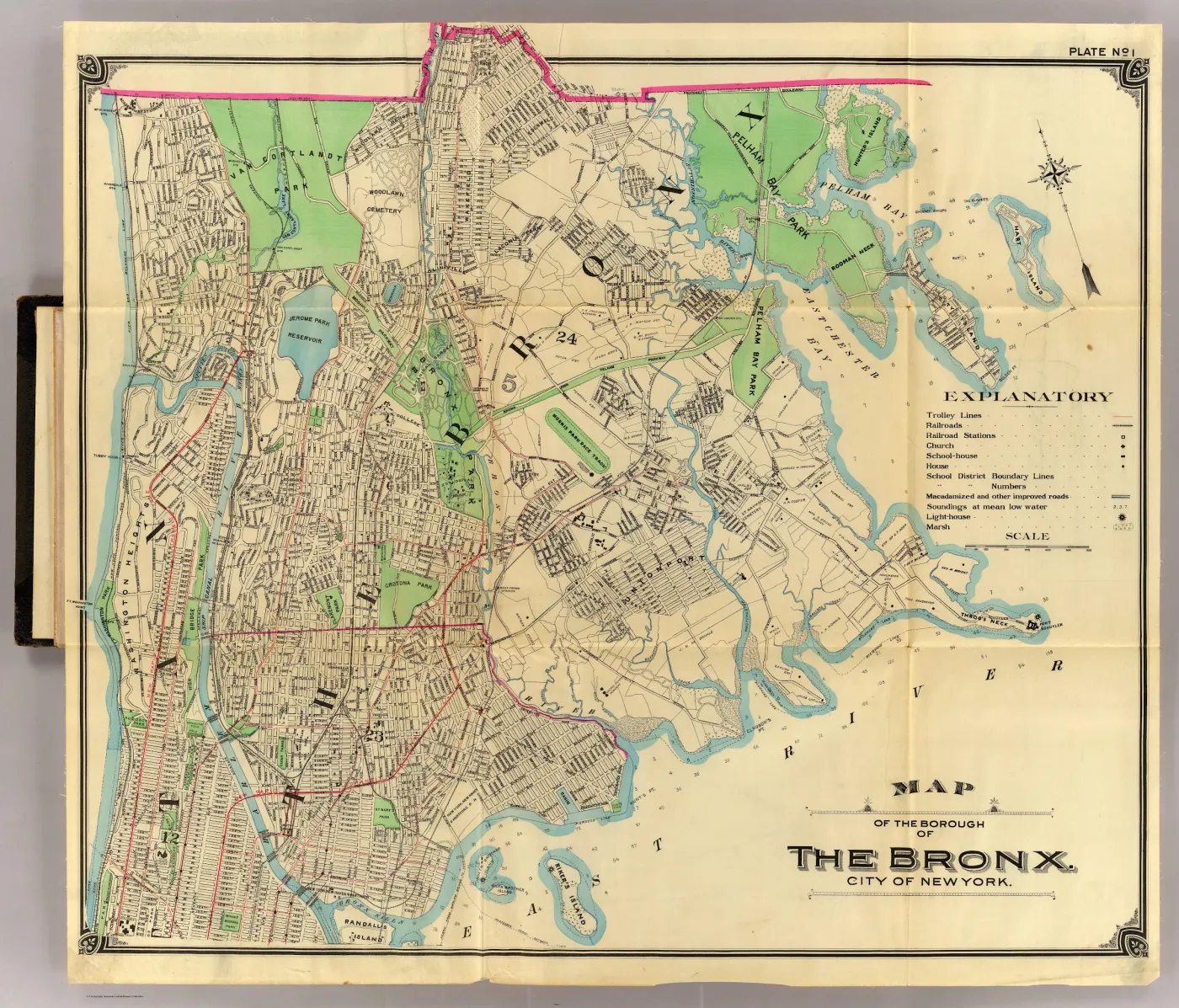
Ralph Lifshitz was born on 14 October 1939 in the Bronx. His parents were Ashkenazi Jewish immigrants. Frieda Cutler Lifshitz kept the home. Frank Lifshitz, born Efraim, painted houses and made art on the side. The family came from the world of Pinsk. In the Bronx they lived close to a schoolyard. Ralph could look out a window and see who was playing basketball. Baseball was across the park. Rock and roll was arriving. Leather jackets and Earth Angel shared the air with school and synagogue.
He was the youngest of four. Money was not glamorous. Style still found him early. He watched movies the way some kids watch sports. Cary Grant. Fred Astaire. Later he would say he dressed like the man he wanted to be, not only like the man he already was.
Schoolmates made the last name Lifshitz a weapon. At sixteen he and his brother George changed it to Lauren, following their brother Jerry, who had already done so after bullying in the Air Force. The new name was not a costume. It was armor that let him keep moving.
He went through day school and the Manhattan Talmudical Academy, then graduated from DeWitt Clinton High School in 1957. He tried business classes at Baruch College of the City University of New York. About two years in, he left. Books were not the room where his ambition lived.
Army, Brooks Brothers, and the dead trade of skinny ties
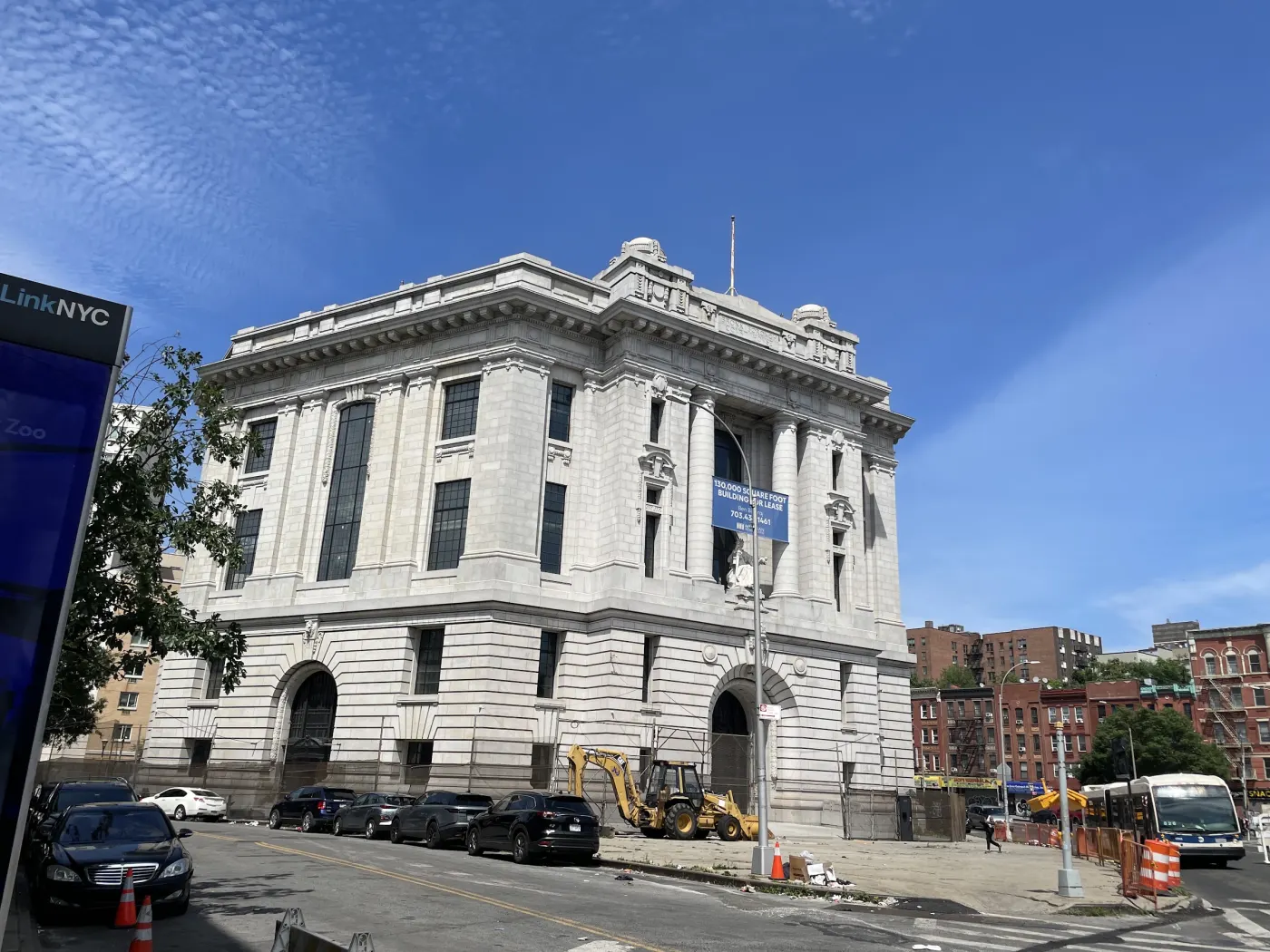
From 1962 to 1964 he served in the United States Army. The hitch mattered. It pulled him out of campus drift and into adult time. After discharge he worked briefly at Brooks Brothers as a sales assistant. Then he sold neckties for Rivetz. The men's accessories business of that era was full of older men in hats. Ties were narrow. The industry felt asleep.
Ralph did not feel asleep. He liked tweed. He liked country clothes. He liked the history teacher look of gumsole shoes and suede elbow patches. He liked sportswear energy inside formal pieces. He drove to stores with a bag and sold what he believed.
On 20 December 1964 he married Ricky Ann Loew-Beer. They had met in a doctor's office where she worked as a receptionist and, on other days, taught dance. Ricky became partner, muse, and ballast. Decades later a bestselling Ralph Lauren bag would carry her name. Their three children would grow up inside the brand without being reduced to it. David Lauren would later help shape the company's modern story. Dylan Lauren would build her own candy empire. The marriage itself became one of the rare long fixtures in fashion's churn.
The drawer that became a company
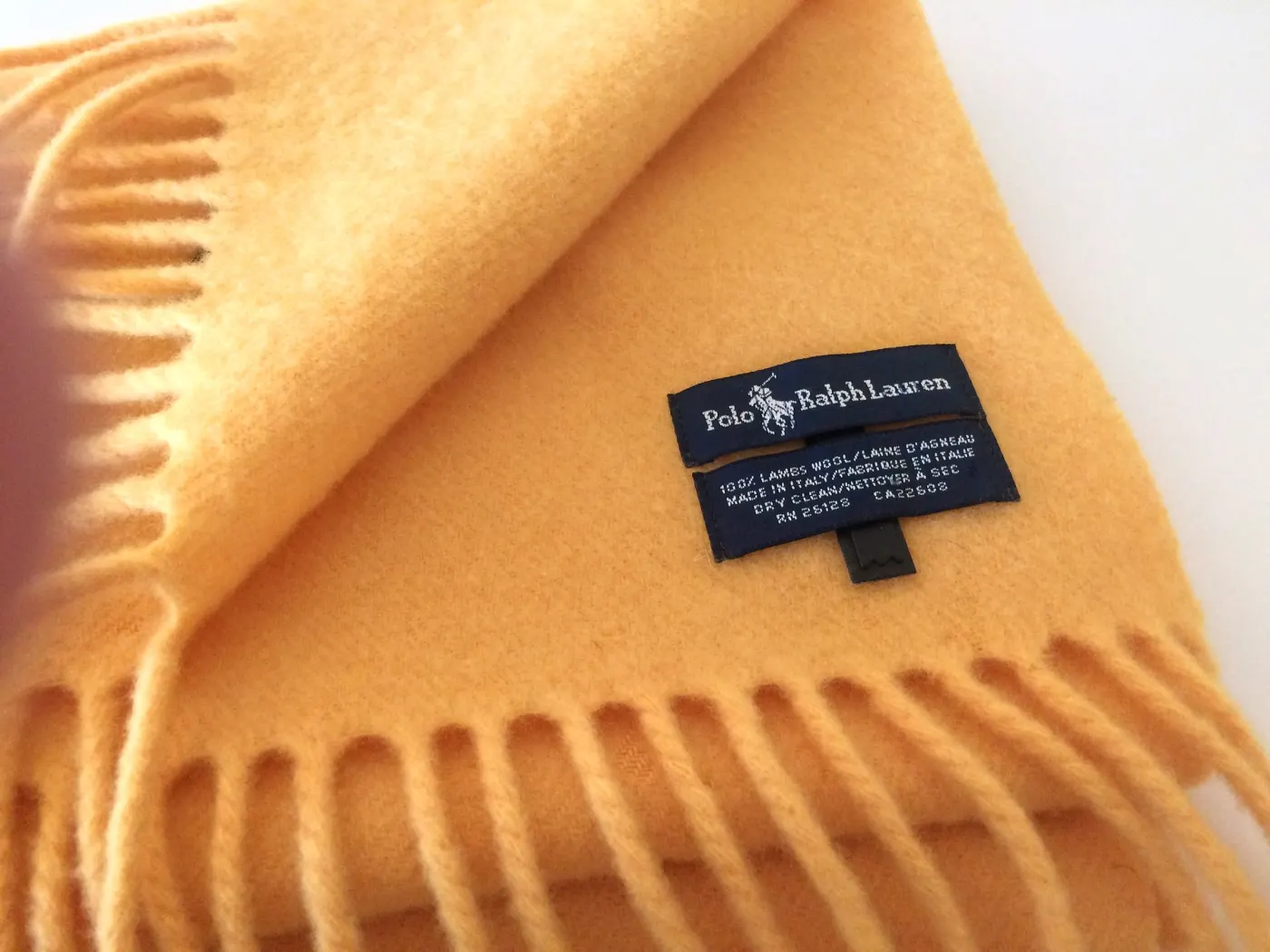
At Beau Brummell, still in his twenties, he asked for permission to make his own line. The boss said no one would wear what he wanted. He made the ties anyway: wider, bolder, pricier, cut from unexpected fabrics. He called the line Polo, a word that held sport, money, grass, and old world leisure in four letters.
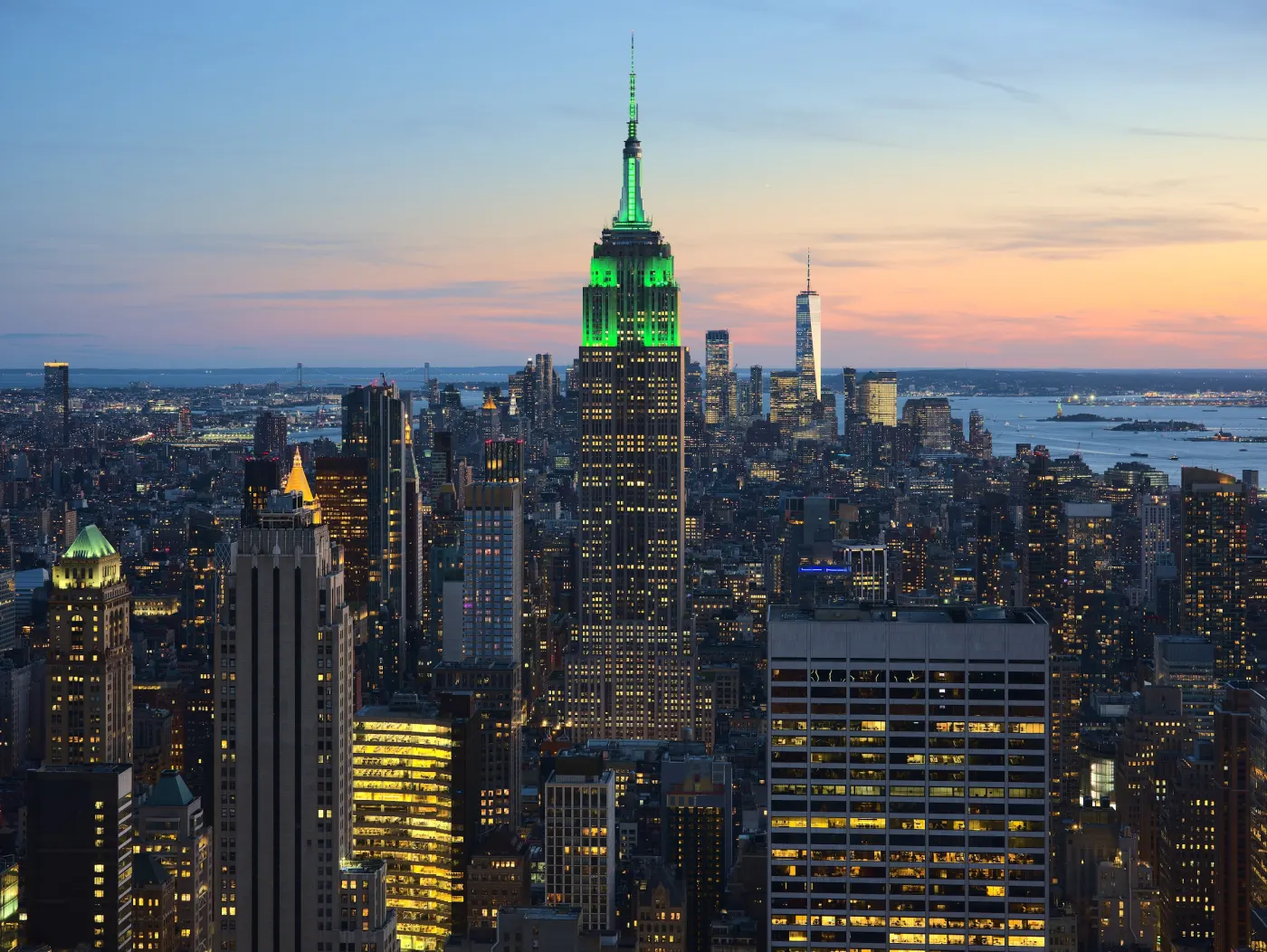
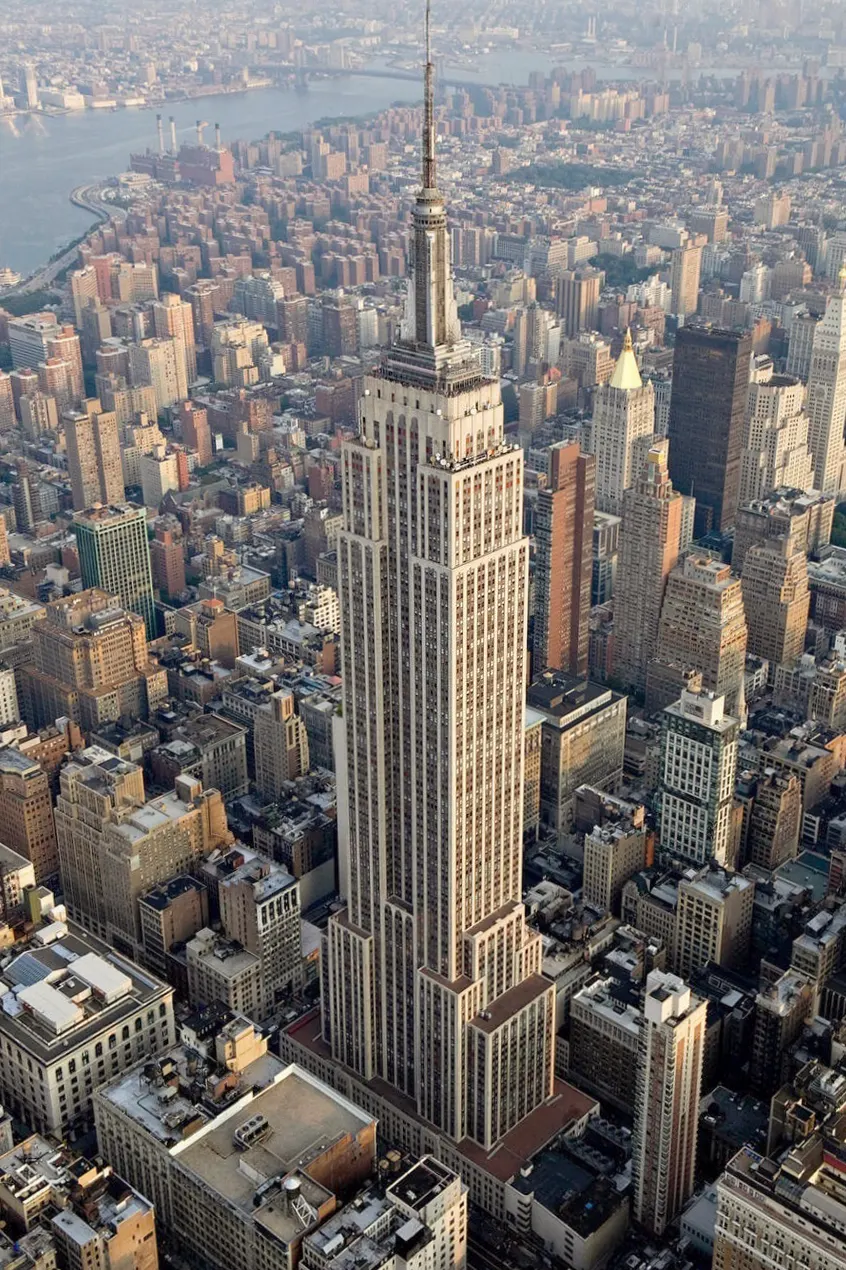
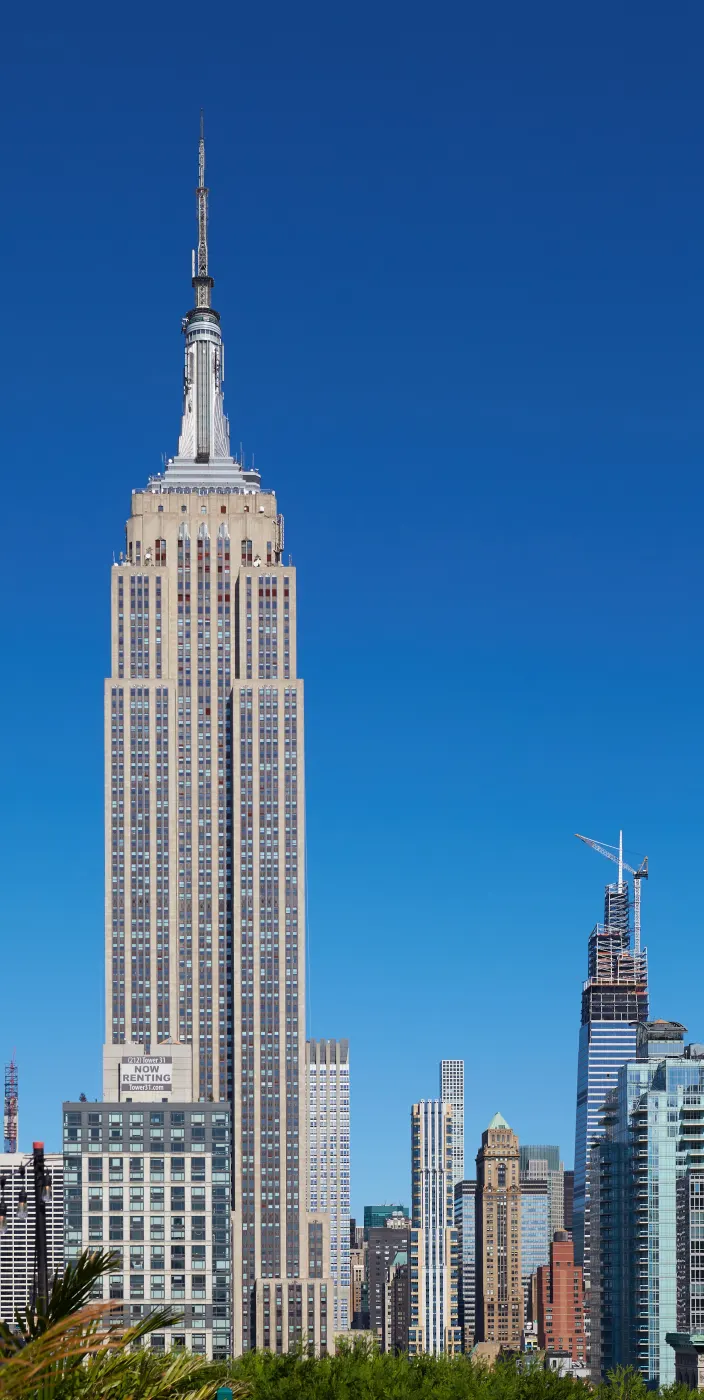
He worked from a one-room office in the Empire State Building. Inventory lived in a drawer. Ricky and her parents sewed labels. Ralph sold and delivered. He hailed cabs with bags of ties until he could buy a vintage Morgan and make rounds with the top down.
Stores said the ties moved. Then they asked for more. What else can you do? Shirts. Suits. Lapels had to widen to match the ties. Collars had to spread. The look was not loud for its own sake. It was a complete world, piece by piece.
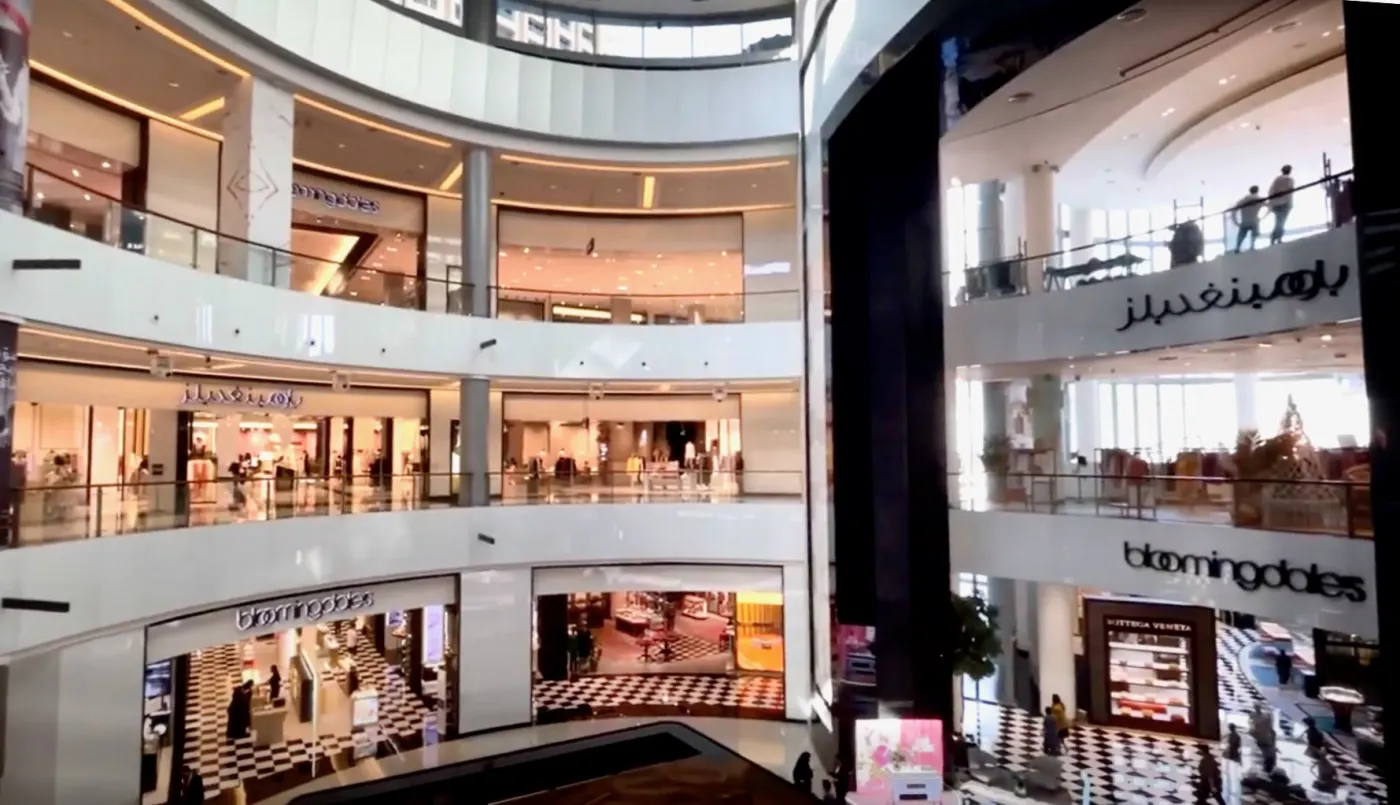
By 1968 the menswear line carried the Polo name in full. By 1969 Bloomingdale's, the same store that had demanded a private label, built a Polo shop-in-shop. The refusal had become a boutique.
Secondary accounts often say the first year of ties sold on the order of half a million dollars. Exact early ledgers are hard to pin from public sources alone. What is not hard to see is the speed of acceptance. In 1970 he won the Coty Award for menswear creativity. The industry that had looked half dead had a new center of gravity.

Women, Rodeo Drive, and seventeen colors
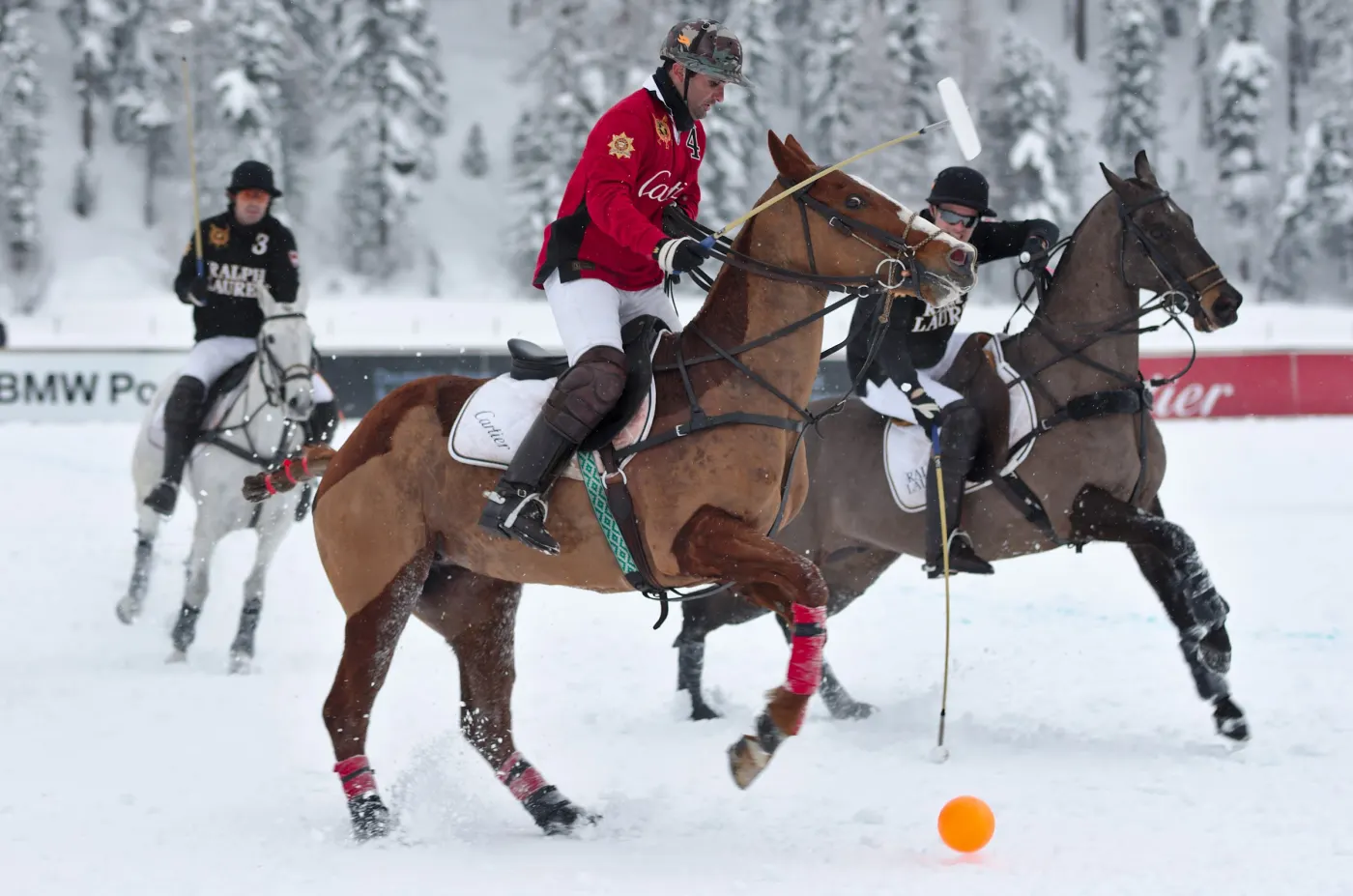
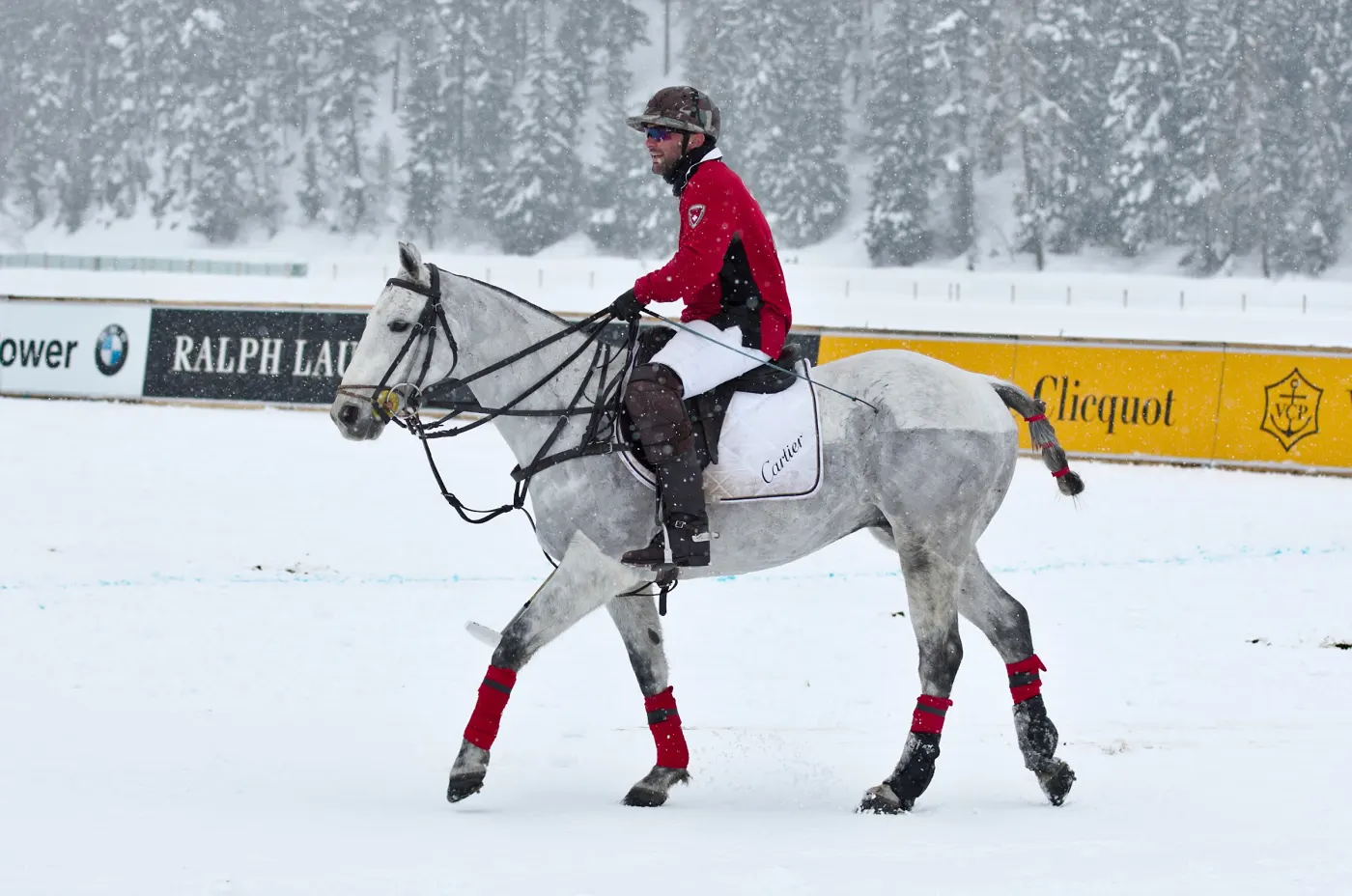
In 1971 he launched tailored shirts for women and put the polo player emblem on a cuff. The little horseman would become one of the most copied marks in clothing. That same year he opened a store on Rodeo Drive in Beverly Hills, the first freestanding store for an American designer. In 1972 came a full women's collection and the cotton mesh Polo shirt in a run of colors. The campaign line was clean enough for a child to remember: every team has its color, Polo has seventeen.
He was not inventing cloth from zero. He was editing American and British fantasy into something a kid from the Bronx could sell at scale. Preppy. Equestrian. Hollywood. New England rusticity. Western open land. The mix should have felt fake. On his racks it felt like memory.
Hollywood noticed. In 1974 he outfitted the male cast of The Great Gatsby. Robert Redford's Jay Gatsby wore Lauren's 1920s dream, including a pink suit made for the part. In 1977 Diane Keaton and Woody Allen wore his clothes through Annie Hall. Suddenly millions of people who never entered a fitting room had seen his silhouette on a screen.
Fragrance arrived in March 1978 at Bloomingdale's through Warner-Lauren. Lauren for women and Polo for men launched within two weeks of each other. It was rare then for a designer to push two scents at once. The brand was no longer only fabric. It was atmosphere you could spray.
Building a world, not a season
European doors opened. In 1981 a freestanding store landed on New Bond Street in London, another first for an American designer in that form. In 1986 he took the Rhinelander mansion on Madison Avenue and Seventy-Second Street and turned it into a flagship that felt like a movie set you could shop. With designer Naomi Leff he rebuilt opulence into retail theater. Customers did not only buy a sweater. They walked through a story about how life might look if money and taste arrived together.
Home goods followed. Furniture. Linens. Paint. The company kept adding rooms to the dream house: Polo Sport in 1992, Purple Label in 1995, Lauren Ralph Lauren in 1996, later Double RL, RLX, children's lines, Chaps, and more. Some experiments misfired. American Living for JCPenney in 2008 was huge in ambition and messy in brand tension. Club Monaco would later be sold. Growth at that scale always includes wrong turns. The through line stayed intact: one imaginary America, sold worldwide.
Restaurants became physical chapters. RL opened in Chicago in 1999 beside a major flagship. Ralph's opened in Paris in 2010. The Polo Bar opened in New York in 2015. Hospitality let customers sit inside the fantasy after they finished shopping.
On 12 June 1997 Ralph Lauren Corporation listed on the New York Stock Exchange. The house painter's son had taken a necktie drawer public.
Fear, illness, and the cost of the dream
Success did not erase fear. He has spoken across interviews about passion as the thing buyers could feel, and about how close early careers come to ending before they begin. Fashion is a graveyard of gifted people who could not finance the next season.
In April 1987 he had surgery for a benign brain tumor and recovered fully. The episode stays in the public record as a scare, not a long disability. It also sharpened the later philanthropy that would define part of his second act.
Cancer work became a major channel for the money and the fame. In 1989 he helped found the Nina Hyde Center for Breast Cancer Research at Georgetown after the death of Washington Post fashion correspondent Nina Hyde. He helped create Fashion Targets Breast Cancer with the Council of Fashion Designers of America. In 2003 he backed a cancer care center in Harlem with Memorial Sloan Kettering. Later came support for the Royal Marsden in London and, in 2023, a Ralph Lauren Center for Cancer Prevention at Georgetown's Lombardi Comprehensive Cancer Center. The Pink Pony campaign pushed awareness and access in underserved communities. This was not a side hobby. It was a decades-long second product line made of clinics and funds.
He also put ten million dollars toward saving the Star-Spangled Banner for the Smithsonian. The brand that sold American myth helped preserve one of America's literal flags.


How he works
Ralph Lauren does not talk like a trend forecaster chasing the next micro-season. He talks like a film director who casts clothes. He designs for himself first. If he wants a wide tie, he makes a wide tie. If the store wants the label removed, he leaves. That sound simple until you watch how rare it is inside wholesale power.
He builds worlds. A ranch in Colorado on the order of seventeen thousand acres. A stone manor in Bedford, New York. A car collection of roughly a hundred machines, including a Ferrari 250 GTO and a Bugatti Type 57SC Atlantic, with Best of Show wins at Pebble Beach in 1990 and 1993. The cars are not separate from the clothes. They are the same appetite for weathered perfection, for objects that get better with age.
He is an Anglophile who says England taught him non-fashion: weathering, heritage, things cherished instead of replaced. American fashion often hunts the new. His bet was timelessness sold as aspiration. Critics sometimes called the dream exclusionary or nostalgic for a WASP fantasy. Supporters called it optimistic theater that anyone could enter with a polo shirt. Both readings exist in the culture he helped shape. The sales figures show that millions of people, across races and countries, bought a ticket.
Family stayed close to the company. Ricky remained a presence in the women's imagination of the brand. David Lauren became a public face for marketing and storytelling. The business trained executives who could run systems while the founder protected the dream.
Handing the CEO chair without leaving the room
On 29 September 2015 the company announced that Stefan Larsson would become CEO that November. Ralph Lauren would remain executive chairman and chief creative officer. It was a hard sentence for a founder who had been the face and the final taste for decades. Later Patrice Louvet, a Procter & Gamble veteran, became president and CEO in July 2017 and stayed in that seat into 2026.
The structure mattered. Ralph did not vanish into retirement mythology. He kept the creative veto and the symbolic center. Professional managers ran the operating machine: inventory, margins, digital, international expansion. The founder kept asking whether the dream still looked like Ralph Lauren when you walked into the room.
The years around the handoff included rough patches common to mature fashion houses: promotions that diluted aura, wholesale cleanup, and the need to court younger customers without burning older ones. Louvet's era leaned into a plan the company branded in stages, including the Next Great Chapter strategy. Elevation. Direct-to-consumer muscle. Key cities. Full-price selling over endless discounting.
On 8 September 2018 the brand marked fifty years with a Central Park fashion show at Bethesda Terrace. Oprah Winfrey, Hillary Clinton, Robert De Niro, and a long list of cultural power sat in the audience. It was a victory lap that also functioned as a statement: the house still belonged to its founder even when the org chart had a separate CEO.
2025 and 2026: medals, Olympics, and eight billion dollars
In January 2025 President Joe Biden awarded Ralph Lauren the Presidential Medal of Freedom. Reporting called him the first fashion designer to receive it. The citation sat on decades of design and philanthropy, not on a single collection. In November 2025 he won the CFDA American Womenswear Designer of the Year award, proof that the industry still scored him as a working force, not only a monument. He already held an honorary Knighthood (KBE) for services to fashion, formally recognized in Britain after appointment in 2017.
Fiscal 2026, ended 28 March 2026, became a landmark ledger year. Ralph Lauren Corporation reported about 8.11 billion dollars in revenue, up roughly fifteen percent, and about 941 million dollars in net income. It was the first time company revenue surpassed eight billion. Cash and short-term investments finished near 2.1 billion dollars. The firm returned more than 700 million dollars to shareholders through dividends and Class A buybacks and then raised the quarterly dividend by ten percent. Direct-to-consumer comps were strong. Asia led growth rates. Europe and North America contributed. Average unit retail rose as full-price selling improved.
Brand theater stayed loud. The company sponsored Team USA for the 2026 Milan Cortina Winter Olympics and used that stage, along with Lunar New Year activations and major fashion shows in New York, Milan, and Paris, to recruit millions of new direct customers. Handbags, women's apparel, and outerwear were called out as high-potential categories. New stores opened across cities from Chengdu to London.
As of mid-2026, Forbes estimated Ralph Lauren's personal net worth around 15.2 billion dollars. That number moves with markets and with the value of his stake. What does not move as fast is the cultural fact underneath it: a Bronx kid sold a portable American dream so successfully that airports, malls, and main streets on several continents still recognize the horseman without reading the word underneath.
What changed in the world because he built this
Before Polo's rise, American designer power often meant copying Europe or living as a niche. Lauren helped make American lifestyle itself exportable: the lawn, the stable, the convertible, the cabin, the city apartment with good sheets. Competitors from Tommy Hilfiger to countless fast-fashion knockoffs swam in water he helped fill.
He also changed retail grammar. Shop-in-shops. Mansion flagships. Restaurants attached to stores. A website that tried to be a magazine and a shop at once. The idea that a tie company could own home paint and Olympic uniforms in one lifetime.
For workers and suppliers the empire meant factories, stores, and logistics across continents, with all the labor and sourcing debates that follow any apparel giant. For customers it meant a shortcut to belonging. Put on the logo and you borrow a story about success, leisure, and care. That story can feel warm or it can feel like pressure. Either way, it reshaped closets.
Philanthropy shifted cancer infrastructure in concrete buildings, not only in gala photos. The Star-Spangled Banner conservation put a fashion fortune into national memory. Those are world effects you can point to on a map.
Almost lost, then listed
Secondary biographies and documentary interviews describe stretches when the company felt overextended. Fashion houses die from inventory and ego as often as from bad taste. In the early public years around the late 1990s, pressure mounted to grow, to open, to license, to keep the dream funded. People close to the business later described a perfect storm feeling: too much product in the wrong places, a brand so popular it risked becoming wallpaper.
Ralph was not eager to go public. Associates pressed. Wall Street offered capital and a scoreboard. On 12 June 1997 the company listed anyway. The IPO solved some money problems and created new ones. Now the dream had quarterly earnings calls. Now short sellers and analysts could grade the polo player.
He kept a founder's distrust of becoming only a retailer who rings a cash register. In one recounted exchange, someone congratulated him on retail power and he bristled at the shrink of identity. He wanted to remain a designer of worlds. That tension never fully left. Every discount rack and every outlet door tested whether timelessness could survive modern clearance culture.
Licensing made the logo ubiquitous and sometimes cheapened it. Later cleanups pulled categories back in house or raised the bar on partners. American Living at JCPenney showed both the reach and the risk of stretching the name into every aisle. Club Monaco came and went from the portfolio. The company learned, sometimes the hard way, that a lifestyle brand can smother itself with its own distribution.
Sport, film, and the editor's eye
Lauren's method is closer to film editing than to sketch worship. Collaborators describe endless tweaks. Bring it back. Fix it. Age it. Make it look lived in. He pulls from the past into the future so a jacket can feel inherited on day one.
Sport gave him living myth. Polo was the name. Later came deeper ties to tennis, golf, sailing, and Olympic teams. A Wimbledon partnership put the logo beside white grass tradition. Team USA kits turned the brand into national costume for global television. When Milan Cortina 2026 arrived, the company treated Olympic dressing as both patriotism and customer acquisition. Millions of new direct-to-consumer customers in Fiscal 2026 did not appear from nowhere. They arrived through spectacle attached to product.
Film remained a quiet teacher. Gatsby and Annie Hall were not product placement in the modern influencer sense. They were proof that his silhouette could carry character. Once cinema agrees that your jacket means something, department stores stop arguing about collar width.
He has said in late career interviews that he still designs for what he likes. Tweed jackets he will not give away. Cowboy boots beside city polish. Western open space beside New York ambition. The contradiction is the brand. Critics who wanted pure irony missed the sincerity. Believers who wanted pure aristocracy missed the Bronx.
People, culture, and the shop floor
Inside the company he pushed hard. Documentary voices describe vast teams and a founder who could still obsess over a cuff. The culture mixed glamour with grind. Store architects, fabric buyers, window dressers, and marketers all had to serve one imaginary America without making it a cartoon.
On casting and imagery, later remembrances credit the brand with showing a wider America in campaigns when that was less common in luxury advertising. Those claims belong to participants and critics in the documentary record. They sit beside the older charge that the core fantasy idealized a narrow WASP dream. Both can be true in one archive: a Jewish immigrant son sells an East Coast fantasy, then slowly opens the photograph to more faces because the market and the conscience move.
Wholesale partners felt his stubbornness first. Bloomingdale's learned it in 1967. Later buyers learned that Ralph would rather lose an order than lose the name. That habit built trust with customers who could feel authorship. It also created friction with retailers who wanted private labels and faster markdowns.
Ricky's eye stayed in the women's story. Mentions of muse and marriage recur in interviews not as soft filler but as operating system. He designs for a life he actually lives with someone. That is different from designing for a board deck persona.
Money, power, and rivals
By the 1980s and 1990s the competitive set included Calvin Klein, Tommy Hilfiger, Giorgio Armani, and a rotating cast of European houses. Klein shared Bronx Jewish roots and a different erotic minimalism. Hilfiger rode logo culture Lauren had normalized. Armani offered Italian soft power against Lauren's American cinematic pastoral. The fight was not only hemlines. It was which country got to dress global aspiration.
Lauren's advantage was coherence. A customer could buy sheets, paint, a blazer, a fragrance, and dinner reservations that all felt like the same movie. Few rivals matched that full-stack lifestyle early. The disadvantage was ubiquity. When everyone owns a polo knockoff, the original must climb again toward rarity. Purple Label, Double RL, and mansion retail were answers to that problem: higher tiers, rugged authenticity, temple stores.
Personal wealth followed equity. Exact billions ebb with the stock. What matters for the biography is control and continuity. Dual class and founder stature let him remain creative center long after many designer brands became orphan logos owned by conglomerates.
Cars and ranches look like toys until you notice they are research. A Bugatti Atlantic teaches surface and proportion. A Colorado ranch teaches landscape and denim. He converts appetite into inventory.
Digital chapters and city ecosystems
The internet forced a second literacy. RL Media with NBC built polo.com in 2000. Buying out the partner in 2007 and relaunching ralphlauren.com put the brand in direct conversation with customers. Digital commerce later became a growth engine inside the Next Great Chapter plan. In Fiscal 2026, online comps in several regions outran stores. Average unit retail rose as discounting eased.
Management talk of "key city ecosystems" sounds like consultant language. Underneath it is a Lauren instinct: make a city feel like it has a Ralph Lauren neighborhood, not only a rack. New stores in Chengdu, Sydney, Bangkok, Newport Beach, West Palm Beach, New Delhi, and London during the Fiscal 2026 year were bricks in that idea. Asia's roughly twenty-three percent reported revenue growth showed the dream traveling without needing English.
Artificial intelligence and analytics appear in modern earnings language as tools for inventory and engagement. The founder story still sits above the tools. Software can forecast a size run. It cannot invent why a kid from the Bronx wanted a wide tie in 1967.
World impact, stated plainly
Closets changed. The polo shirt became a global uniform of soft status. Generations learned to signal belonging with a small embroidered horseman. Schools, clubs, and offices absorbed the look until it felt native.
Retail changed. Lifestyle flagships and shop-in-shops spread as methods. Competing brands copied the movie-set store.
Culture changed. American heritage style became an export with British country DNA inside it. Hollywood kept borrowing the silhouette.
Health systems changed in specific zip codes where his centers operate. That is not metaphor. That is buildings and research funding.
Labor and environment debates also followed, as they do for every apparel multinational. A honest biography notes the shadow without turning the whole life into a prosecution. The company publishes sustainability goals and faces the usual gap between goal and supply chain reality. Readers can weigh that like adults.
Childhood materials and the making of a taste
Before the company, there was collecting. Not museum collecting. Kid collecting. He cared how a jacket sat on a shoulder in a movie frame. He noticed teachers' shoes. He noticed who in the Bronx dressed like they had somewhere better to be. That attention became a lifelong habit of editing reality into wardrobe.
His father's painting mattered more than outsiders guess. An artist who also painted houses teaches a child that beauty and labor can share one pair of hands. Ralph's later stores look expensive, but the discipline underneath is closer to a tradesman's perfectionism than to aristocratic ease. Someone sanded the dream until it looked inevitable.
Synagogue and Jewish immigrant seriousness sat beside Hollywood fantasy without canceling it. Commentators later called the WASP idealization a Jewish Hollywood notion as much as an Anglo one. He sold belonging to people who, like him, had stood outside the country club window and memorized the clothes.
DeWitt Clinton High School did not make him a scholar of note. It made him a young man who already knew his idols lived on screens and in magazines. Baruch College business classes felt like a hallway to a door he did not want. Leaving was not romance. It was triage. He needed hours in stores more than hours in lectures.
Army service then Brooks Brothers then Rivetz were apprenticeships in how men actually buy. You learn more about shoulders from fitting rooms than from sketchbooks. By the time Beau Brummell let him try Polo ties, he had already failed the conventional path and survived it.
Ricky, children, and the private firm inside the public one
The Laurens' marriage is part of the operating history. Ricky was not a logo. She taught dance, worked a desk, sewed early labels, and modeled a kind of natural elegance the women's collections kept chasing. Naming a handbag after her made the private muse public without turning her into a corporate mascot only.
Raising David, Dylan, and their sibling inside extreme visibility required boundaries the public only glimpses. David married Lauren Bush in 2011, tying the family into another American political and style lineage. Dylan built Dylan's Candy Bar as her own founder story. The point for this biography is not celebrity adjacency. It is that Ralph's company stayed a family company in culture long after it became a public company in law.
Bedford and Colorado were not only escapes. They were product laboratories with kitchens, barns, and dirt. Lookbooks borrow light from real rooms he funds. That circularity is how the lifestyle claim stays denser than a mood board.
The long marriage of taste and commerce
What makes Ralph Lauren unusual among fashion billionaires is duration at the center. Many founders sell and leave. Many creative directors rotate every few seasons. He is still executive chairman and chief creative officer approaching ninety. He still talks about leaving on top while continuing to show up.
The 2018 Central Park anniversary and the 2025 Medal of Freedom bookend a late style of recognition: the culture admitting that the dream salesman built infrastructure. Not only clothes. Infrastructure for how people imagine a good life.
Fiscal 2026's eight billion dollar year under Louvet's operating leadership and Lauren's creative chairmanship suggests the dual structure can work when both sides respect the dream. Mid-single digit growth guided for Fiscal 2027 is not a rocket story. It is a mature luxury story: protect aura, expand carefully, return cash, keep the horseman legible.
Why the 2026 chapter still belongs in the origin story
It would be easy to end this biography in 1997 at the IPO, or in 2015 at the CEO handoff, or in 2018 under the Central Park lights. Fiscal 2026 forces a longer ending. Revenue past eight billion dollars. Olympic dressing for Team USA. A dividend increase. Millions of new customers who may never know the Empire State drawer story and still buy the feeling it created.
That is the strange victory of lifestyle brands. The founder becomes infrastructure. People inherit the dream the way they inherit a proverb. They do not need the Bronx chapter to wear the shirt. The biography exists so the shirt does not pretend it came from nowhere.
Ralph Lauren's answer to nowhere was always somewhere imagined: a better room, a better weekend, a better way to stand in ordinary light. In 2026 that answer still prints money and still funds cancer centers and still puts a horseman on chests from New Delhi to New York. The kid who closed his sample bag rather than surrender his name would recognize the stubbornness. He might even smile at how large the bag became.
The numbers will move again. Stocks do. Seasons do. What endures is the pattern: invent the missing garment, refuse the erasure of your name, then build every adjacent room until strangers can walk through your imagination without an invitation.
Closing
Ralph Lauren's life runs from a Bronx schoolyard window to an Empire State Building drawer, from a refused Bloomingdale's private label to shop-in-shops, movie wardrobes, mansion flagships, a public company, Olympic uniforms, and a Presidential Medal of Freedom. He married Ricky in 1964 and kept building a shared myth of taste for more than sixty years. He survived a brain tumor scare, handed the CEO title to professional managers, and stayed executive chairman and chief creative officer while Fiscal 2026 pushed corporate revenue past eight billion dollars.
He did not win by predicting every trend. He won by refusing to erase his name, then expanding one coherent dream until clothes, scent, home, food, and sport all felt like rooms in the same house. The wide tie was never only a tie. It was the first brick.
As of 2026 the horseman still rides on chests in cities Ralph Lifshitz never saw as a boy. The drawer is gone. The stubbornness is not.
Watch alongside this story
Short cuts from interviews, keynotes and launches. Each plays only the moment that matters.