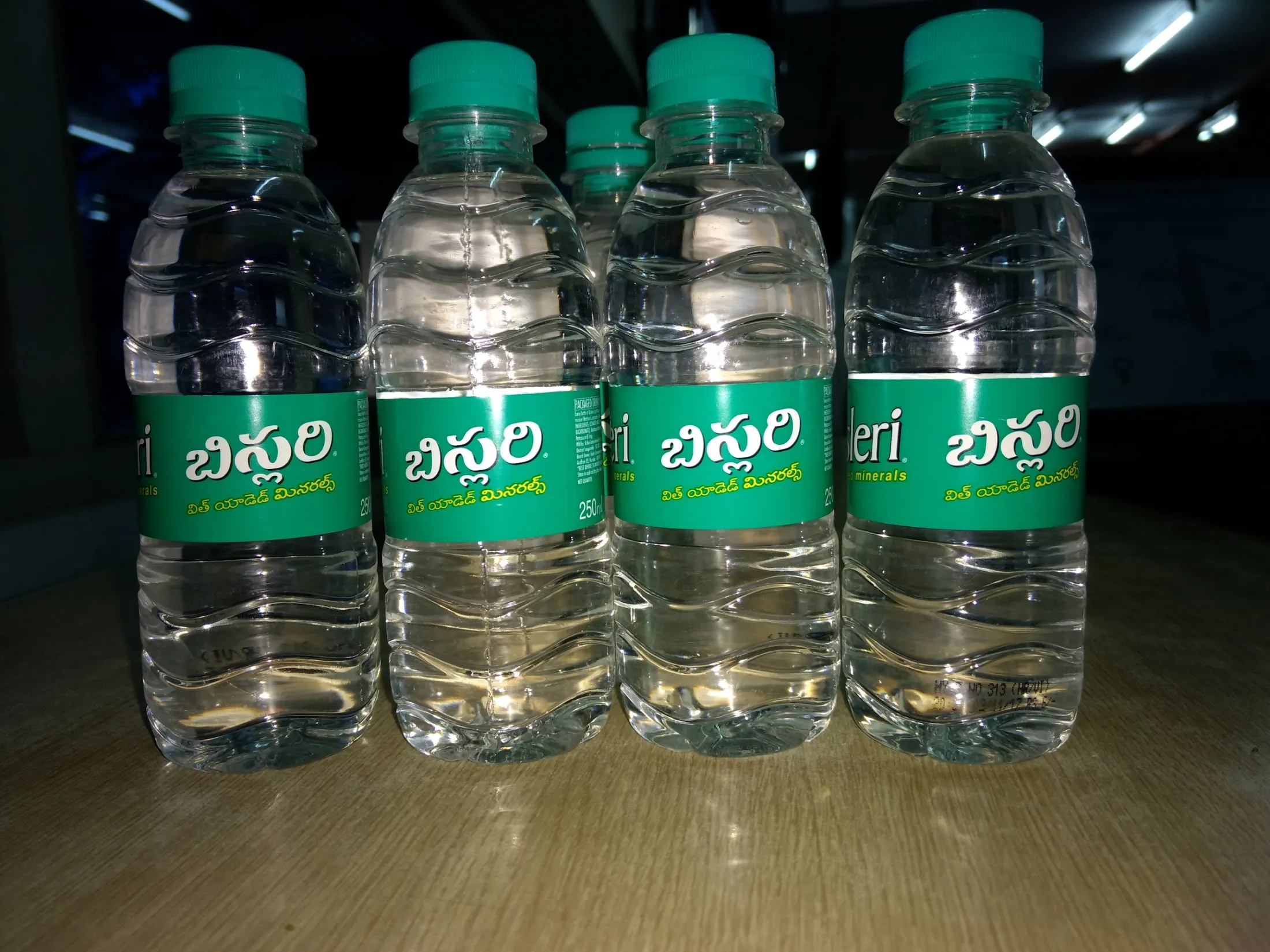
He Sold Water to a Country That Had Water
He was 28 when he bought a tiny Italian brand. People laughed. Who pays for water? Now India asks for water by his brand's name.
Walk into almost any shop in India and ask for a bottle of water.
Many people do not say "water." They say "ek Bisleri dena."
A brand name turned into the everyday word for a whole product. Very few businesspeople ever pull that off.
The man behind it is Ramesh Chauhan. And the strangest part of his story is this: when he bought Bisleri, he did not even want the water.
He wanted the soda.
A young man in a drinks family
Ramesh Chauhan grew up inside the drinks business. His family ran Parle, the Mumbai group known for soft drinks. Parle Exports, the part of the family business he led, already sold drinks like Gold Spot.
But in the late 1960s, something was missing. Five star hotels wanted soda water, and Parle had no soda brand.
There was a small company in India selling soda and bottled water under an Italian name: Bisleri. It had been brought to India by an Italian businessman, with a Mumbai partner named Khushroo Suntook. It was not doing well.
In 1969, Parle bought it for just ₹4 lakh. Ramesh Chauhan was only 28 years old.
Years later he explained why.
"Bisleri Soda was popular, which is why I bought out the company."
He added that they did not even look at the water business then. Nobody did. Why would anyone in India pay for water?
Coca-Cola leaves. Thunder arrives.
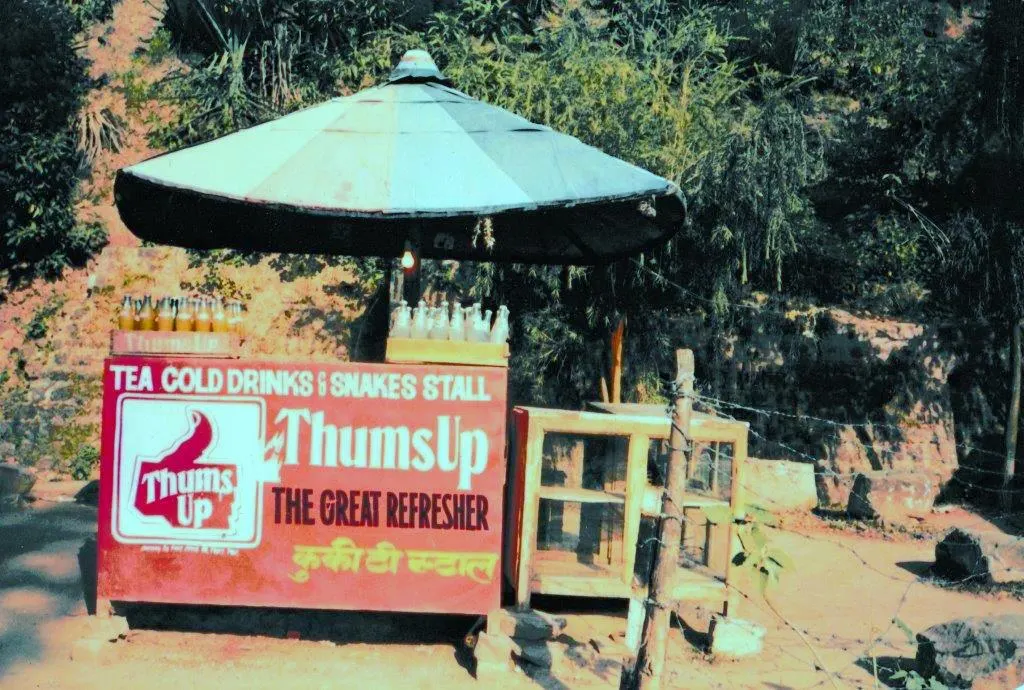
In 1977, India's new government made strict rules for foreign companies. Coca-Cola refused to follow them and left India.
Suddenly, a whole country had no Coke.
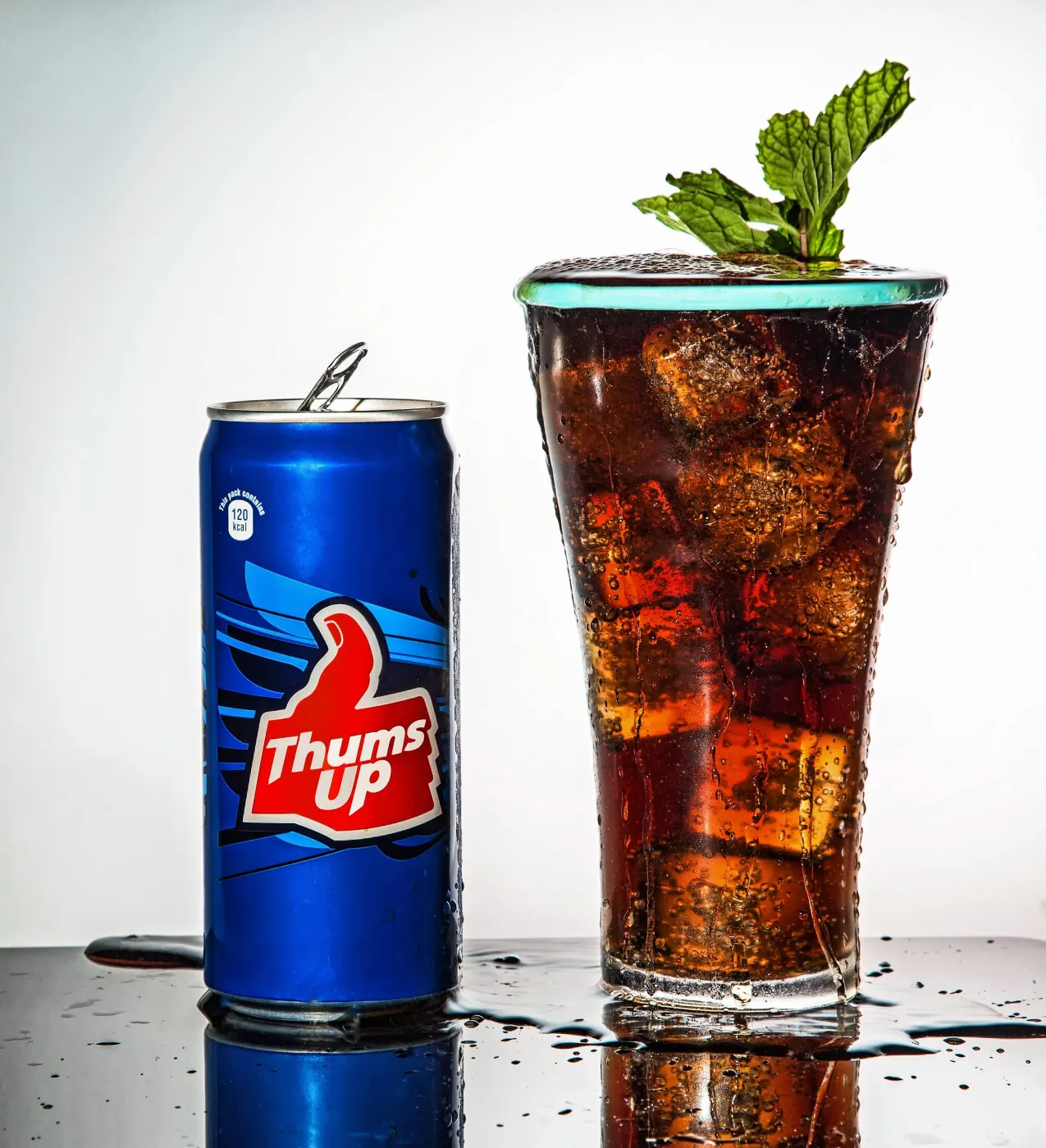
Ramesh Chauhan saw the gap. That same year, Parle launched Thums Up, a strong, fizzy Indian cola. It became a monster hit.
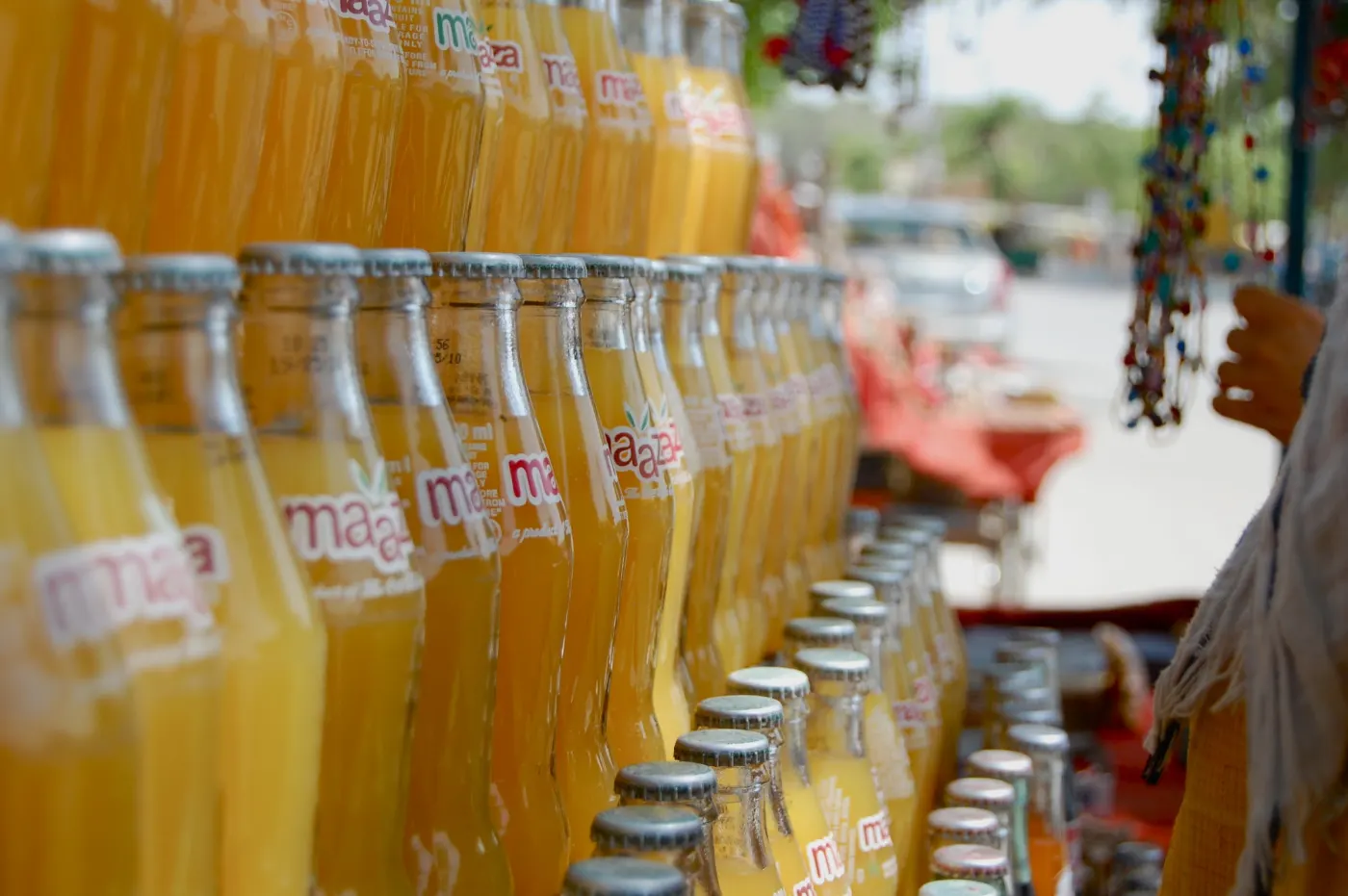
It was not his only winner. Parle's shelves were full of his drinks: Limca, the lemon lime soda launched in 1971; Maaza, the mango drink launched in 1976; Gold Spot, the orange soda; plus Citra and RimZim.
For a whole generation of Indians, these were not just drinks. They were childhood.
The giant comes back
In 1991, India opened its economy. Big global companies rushed in. Coca-Cola and Pepsi both wanted India.
By 1993, Thums Up was ruling the market. Reports say it held about 85 percent of the soft drinks market.
But Chauhan had a weak spot. Parle owned only a few of the bottling plants that made its drinks. Most belonged to partners. Coca-Cola had deep pockets and could tempt those bottlers away.
Chauhan had to make a painful choice: fight a war he might lose, or sell.
He sold.
In 1993, Parle sold Thums Up, Limca, Gold Spot, Citra, RimZim and the Maaza brand in India to Coca-Cola. Reports put the price between ₹125 crore and ₹200 crore, or about $40 to $60 million. The deal stopped Parle from making rival fizzy drinks for 15 years.
In one move, Coca-Cola became the biggest soft drinks company in India.
And Ramesh Chauhan turned his full attention to the brand he had almost ignored.
Selling water to a country full of water
Now Chauhan faced a hard question. How do you make people pay for something they get for free?
He did it one smart step at a time.
First, he kept the Italian name. He believed it added a dash of class.
Second, he changed the bottle. Bisleri moved from glass to plastic, and in the mid 1980s to clear PET bottles. People could see the clean, sparkling water inside. Seeing felt like trusting.
Third, he solved delivery. Transport companies did not want to carry water. It was heavy and cheap, so it paid badly. Chauhan decided Bisleri would move its own water. Over time, the company built a huge network of distributors and trucks.
Fourth, he sold safety. As more Indians travelled by train and bus, a sealed bottle meant you would not get sick from unknown water.
In 2001, he pulled all the Bisleri businesses together into one company, Bisleri International. It became the leader in India's packaged drinking water market.
The fizz comes back
After the 15 year promise to Coca-Cola ended, Chauhan was free to make fizzy drinks again.
He did. Bisleri launched new drinks, including a range of flavoured sodas under the name Bisleri Pop.
The man who once gave India Thums Up was back in the soda game, this time under the brand he had bought for its soda in the first place.
The sale that did not happen

In November 2022, Ramesh Chauhan surprised India again.
At 82, he said he was in talks to sell Bisleri to Tata Consumer Products. Reports said the deal could be worth ₹6,000 to ₹7,000 crore. That is thousands of times the ₹4 lakh he paid in 1969.
He gave two reasons. His health, and the fact that his daughter was not keen to run the business. For him, the buyer mattered more than the price.
"It was not just about the value."
He said he wanted a home that would look after Bisleri the way he had.
But in March 2023, the talks ended. Tata would not buy Bisleri.
Bisleri stayed in the family.
Where he is now
Today, Ramesh Chauhan remains Chairman of Bisleri International. His daughter, Jayanti Chauhan, is Vice Chairperson and a public face of the company, appearing in major business media.
The company that started as a small soda purchase is now one of India's most recognised brands.
Why the story matters
Ramesh Chauhan built India's favourite fizzy drinks. Then he sold them to his biggest rival. Most people would call that the end of the story.
For him, it was the middle.
He took a brand he bought by accident and created a whole new habit for a country. He did not wait for customers to ask for bottled water. He taught them why they needed it, with clear bottles, trusted delivery and a name that felt special.
For young founders, there are three big lessons. When a giant leaves, move fast and fill the gap. When a giant returns, know when to sell and keep your best card. And sometimes the side product in your hands is the real business.
He did not sell water. He sold trust in a bottle.
The Record
From: Mumbai, India
Family business: Parle (Parle Exports)
Bought Bisleri: 1969, for ₹4 lakh, at age 28
Created: Thums Up, Limca, Maaza, Gold Spot, Citra, RimZim
Built: Bisleri International
Timeline
1969 Parle buys Bisleri for ₹4 lakh. Chauhan is 28.
1971 Limca launches.
1976 Maaza launches.
1977 Coca-Cola leaves India. Thums Up launches.
Mid 1980s Bisleri moves to clear PET bottles.
1993 Sells Thums Up, Limca, Gold Spot, Citra, RimZim and Maaza to Coca-Cola.
2001 Bisleri International is formed as one company.
2008 The 15 year soft drink non compete ends.
2022 Announces talks to sell Bisleri to Tata.
2023 Tata talks end. Bisleri stays with the Chauhan family.
Watch alongside this story
Short cuts from interviews, keynotes and launches. Each plays only the moment that matters.