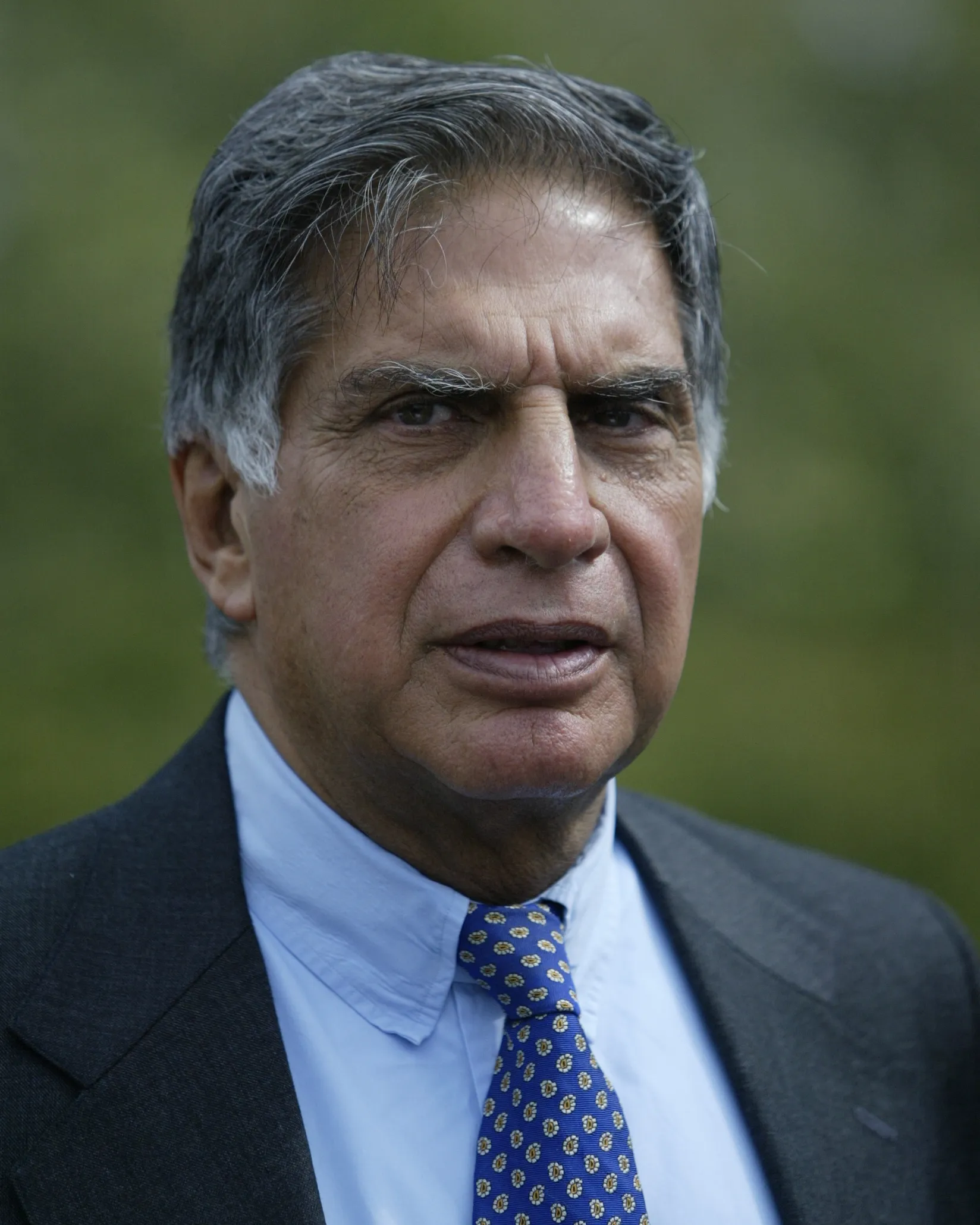
The Quiet Captain of the Tata Empire
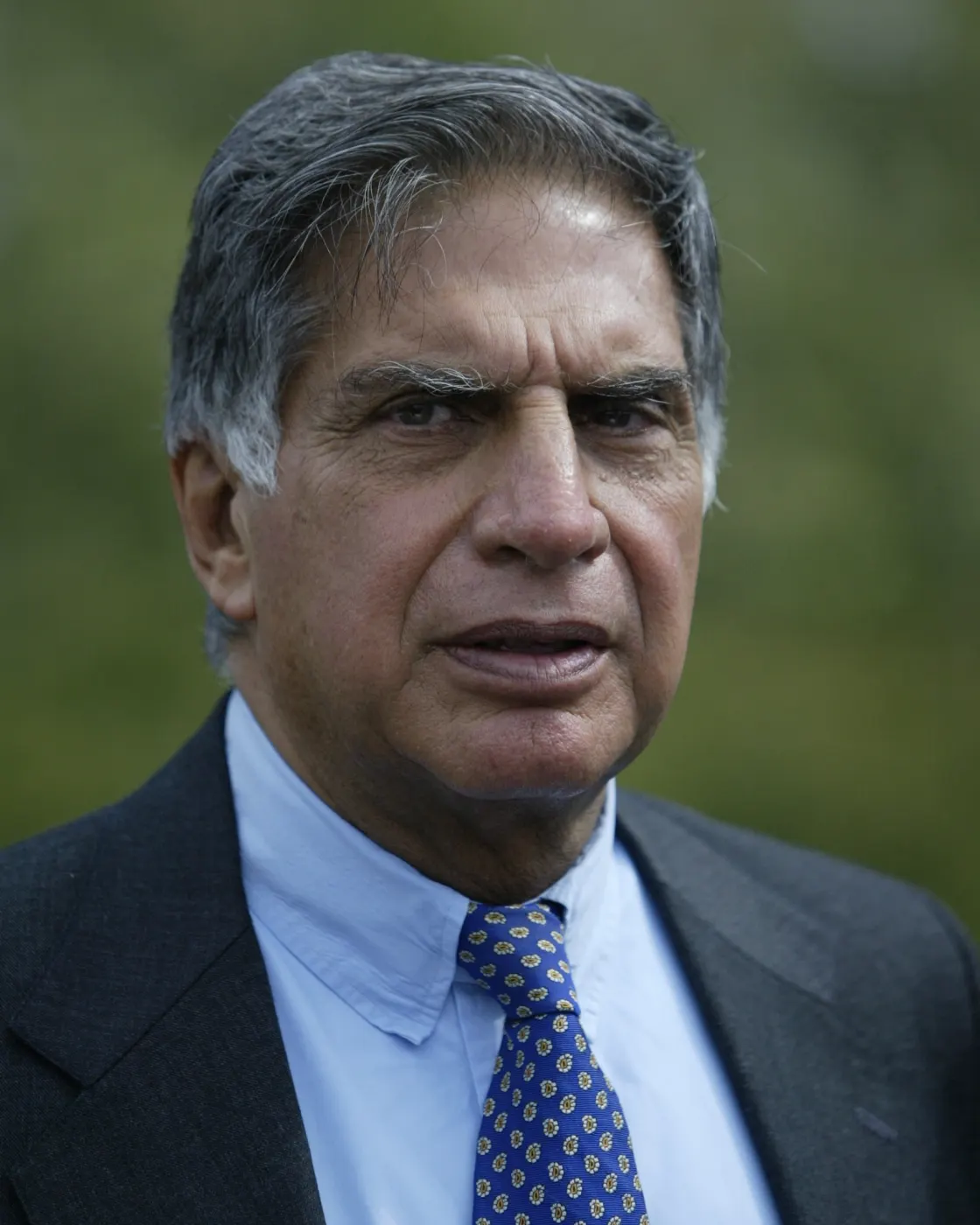
Born December 28, 1937, he studied architecture at Cornell and trained in management thinking abroad. He returned to work on shop floors and in group companies, learning from low glamour upward. Oral histories capture a man shaped by duty as much as ambition.
Taking the chair in a liberalizing India
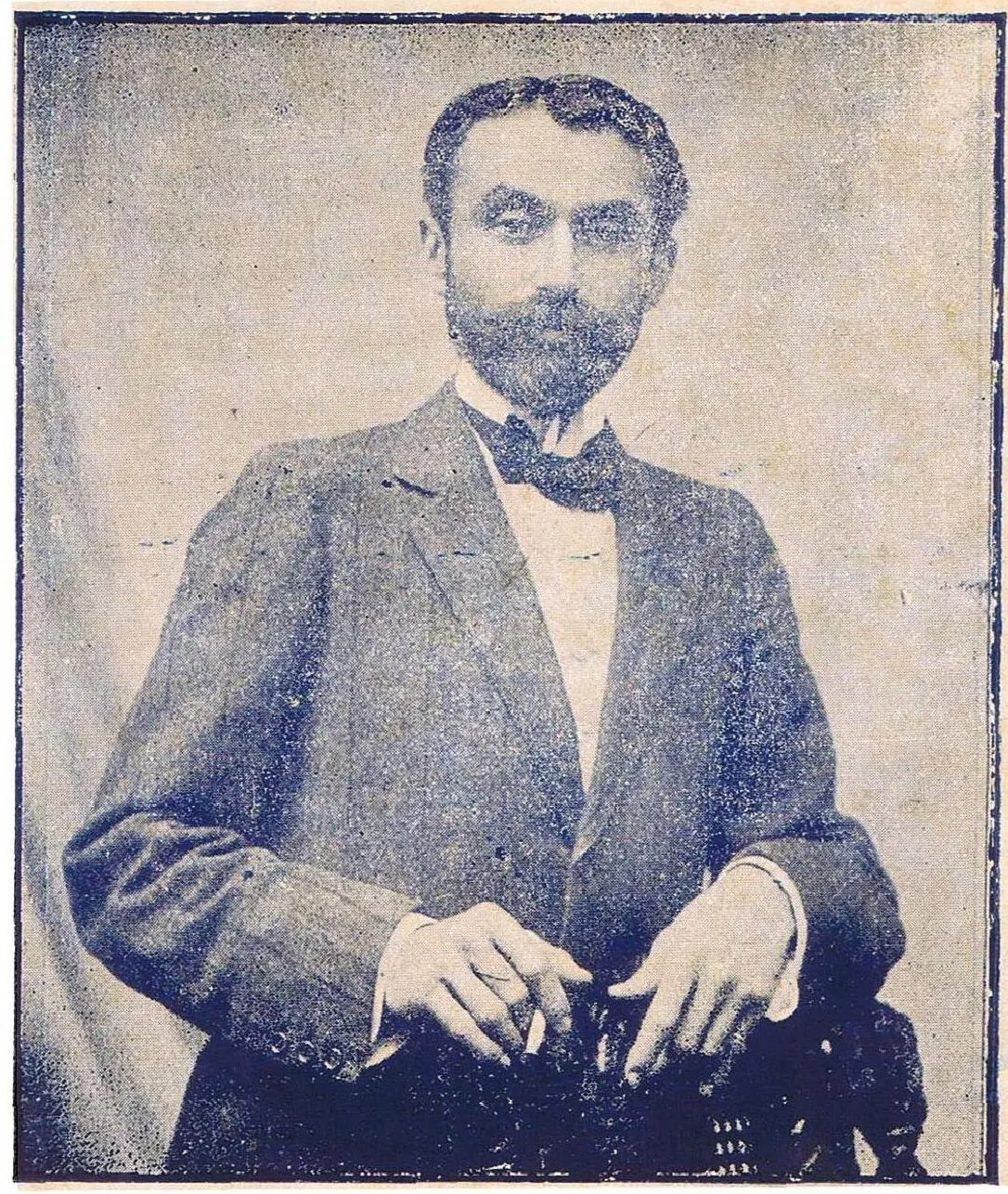
In 1991 he became chairman as India opened. He reorganized, professionalized, and prepared the group for global competition. Internal resistance was real. Change finds enemies inside successful old systems.
Global leaps
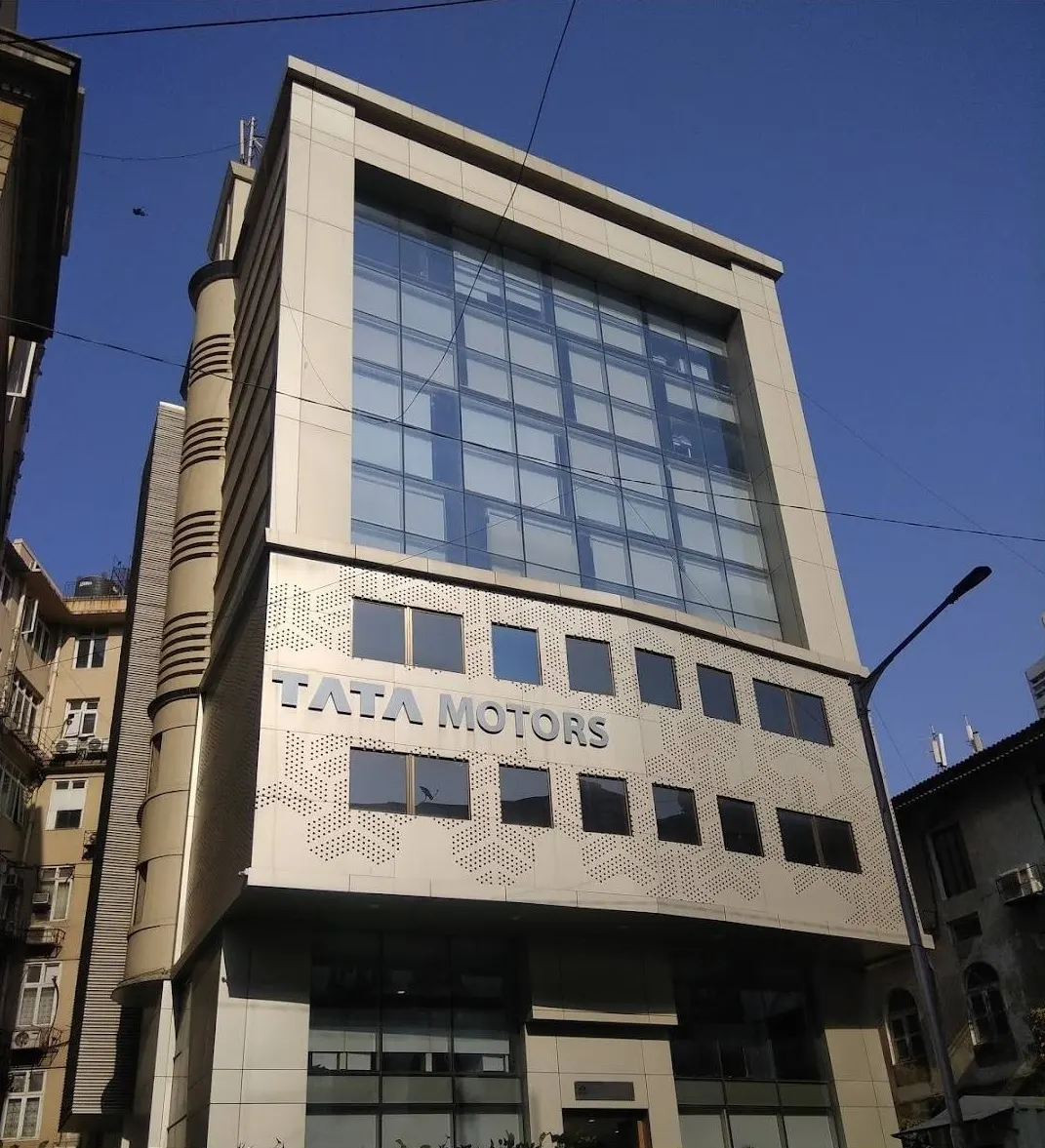
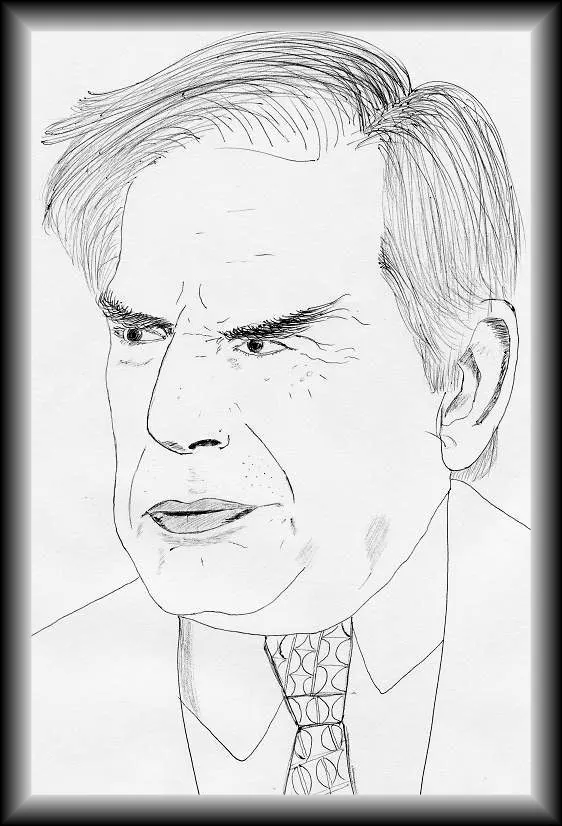
Acquisitions like Tetley, Corus, and Jaguar Land Rover announced that Indian industry could buy globally. Some deals brought stress. JLR later proved strategic. Corus taught hard lessons about timing and cycles.
The Nano bet
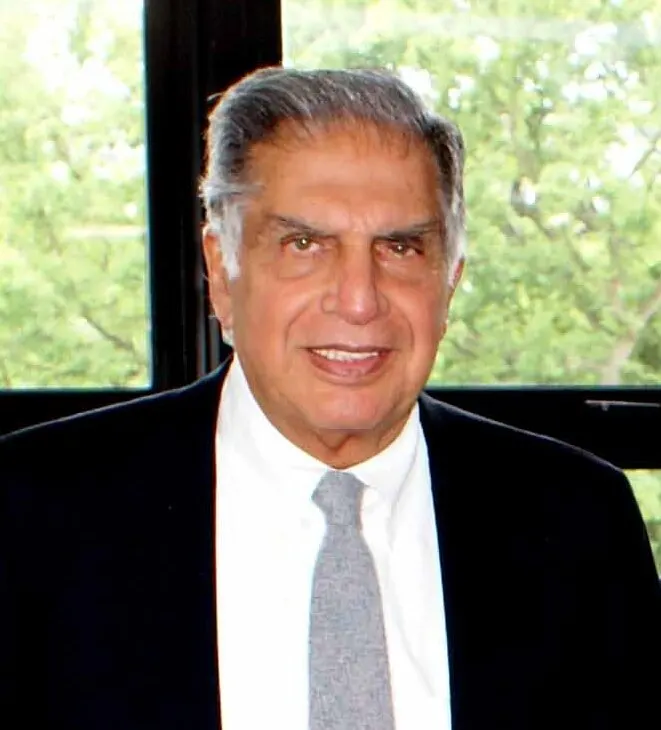
The Nano aimed to give families a safer alternative to risky two-wheeler travel with children. The dream was humane. Market reception was complicated. Price, positioning, and perception collided. Even incomplete victories reveal values.
Culture, trusts, and conscience
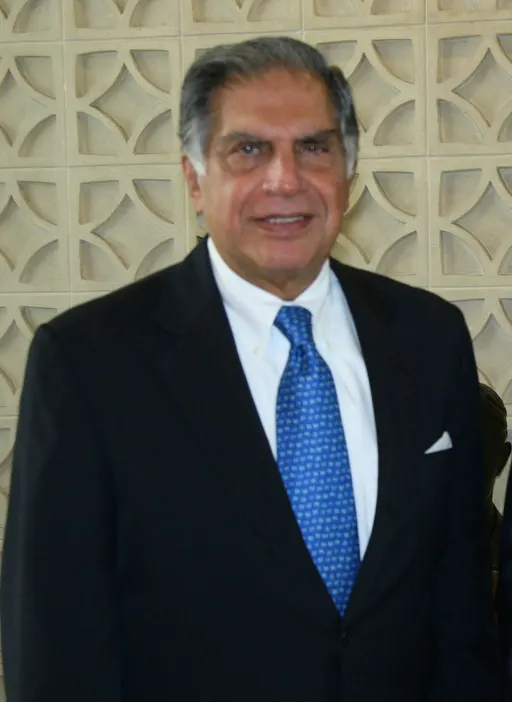
Tata Trusts and group ethics were part of the brand. Employees often described respect as his style. He could disagree without humiliating.
Crisis return and final years
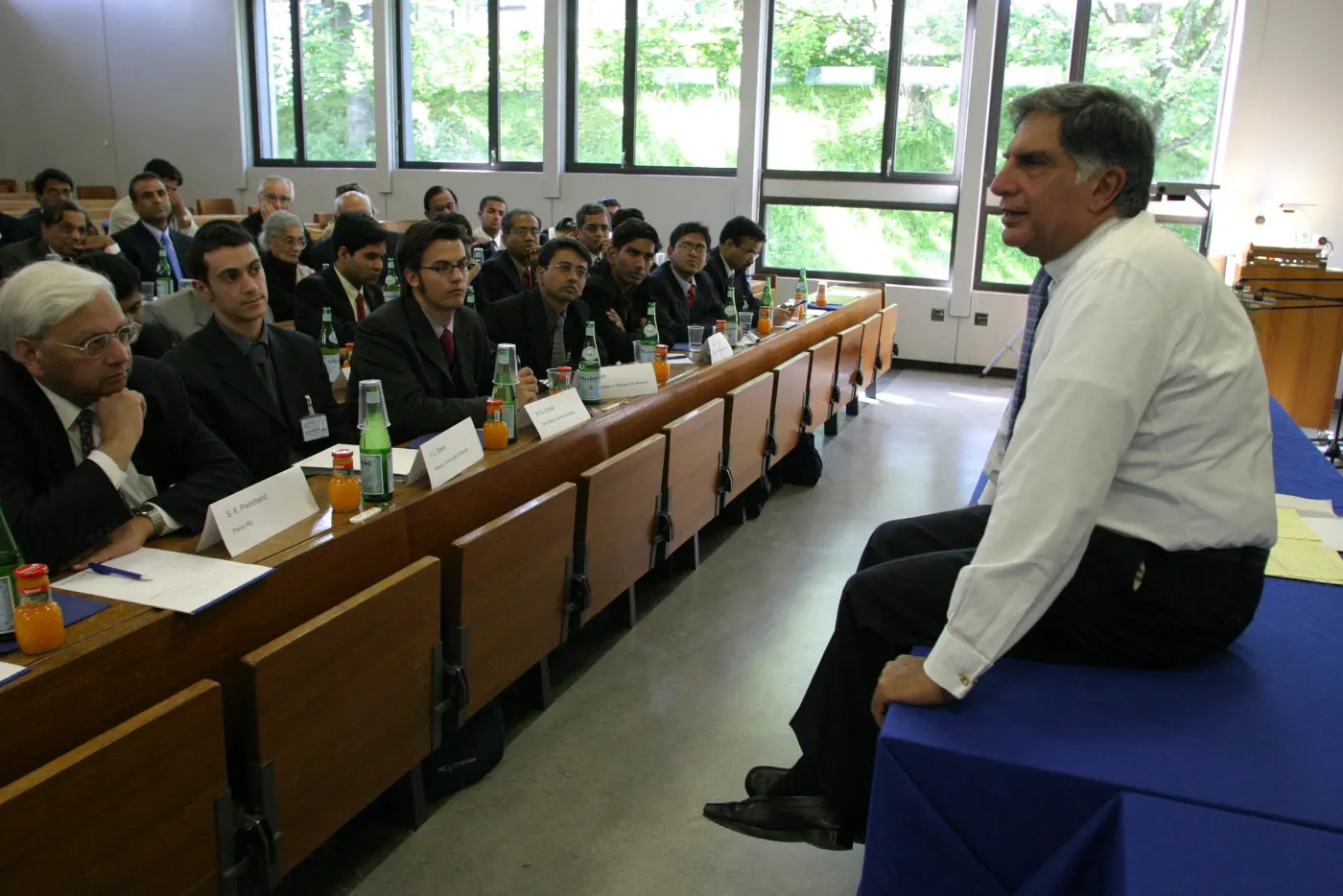
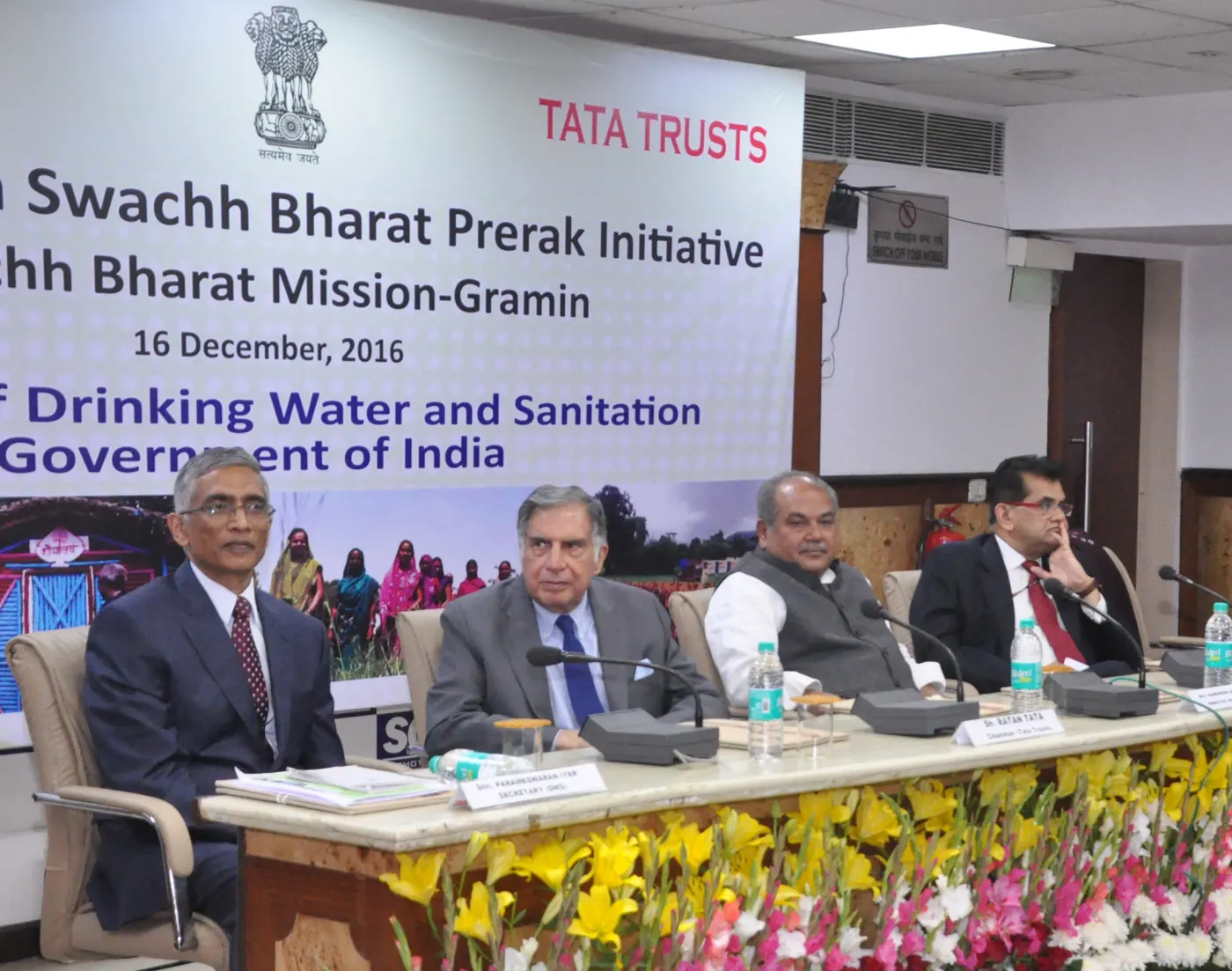
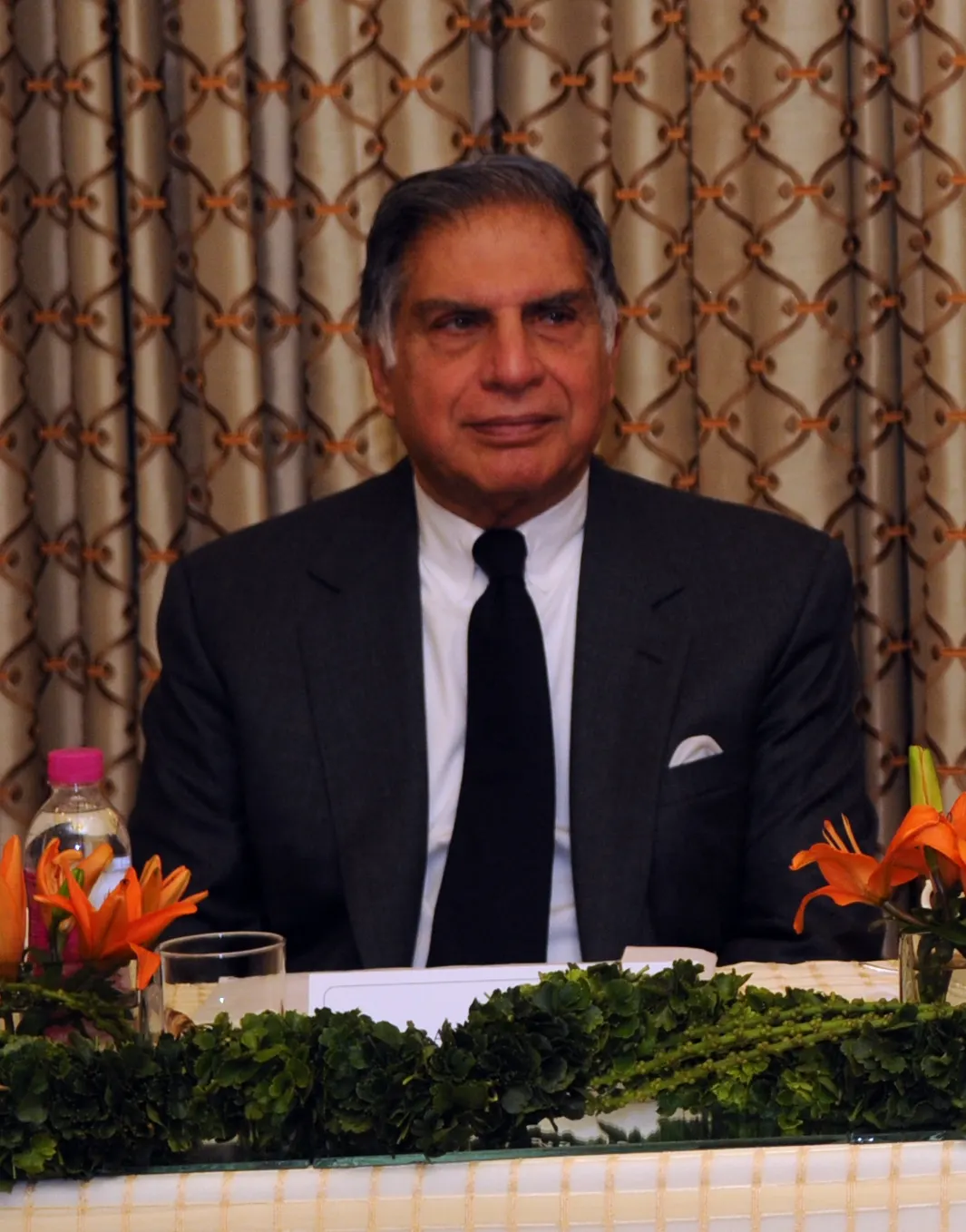
After retiring in 2012, he returned briefly as interim chairman during a leadership crisis. Later he mentored entrepreneurs and remained a symbol of restrained leadership. Padma Bhushan and Padma Vibhushan marked national respect. He died October 9, 2024. Mourning crossed class lines.
Current achievements (as of legacy after Oct 2024 death; remembered through 2026)
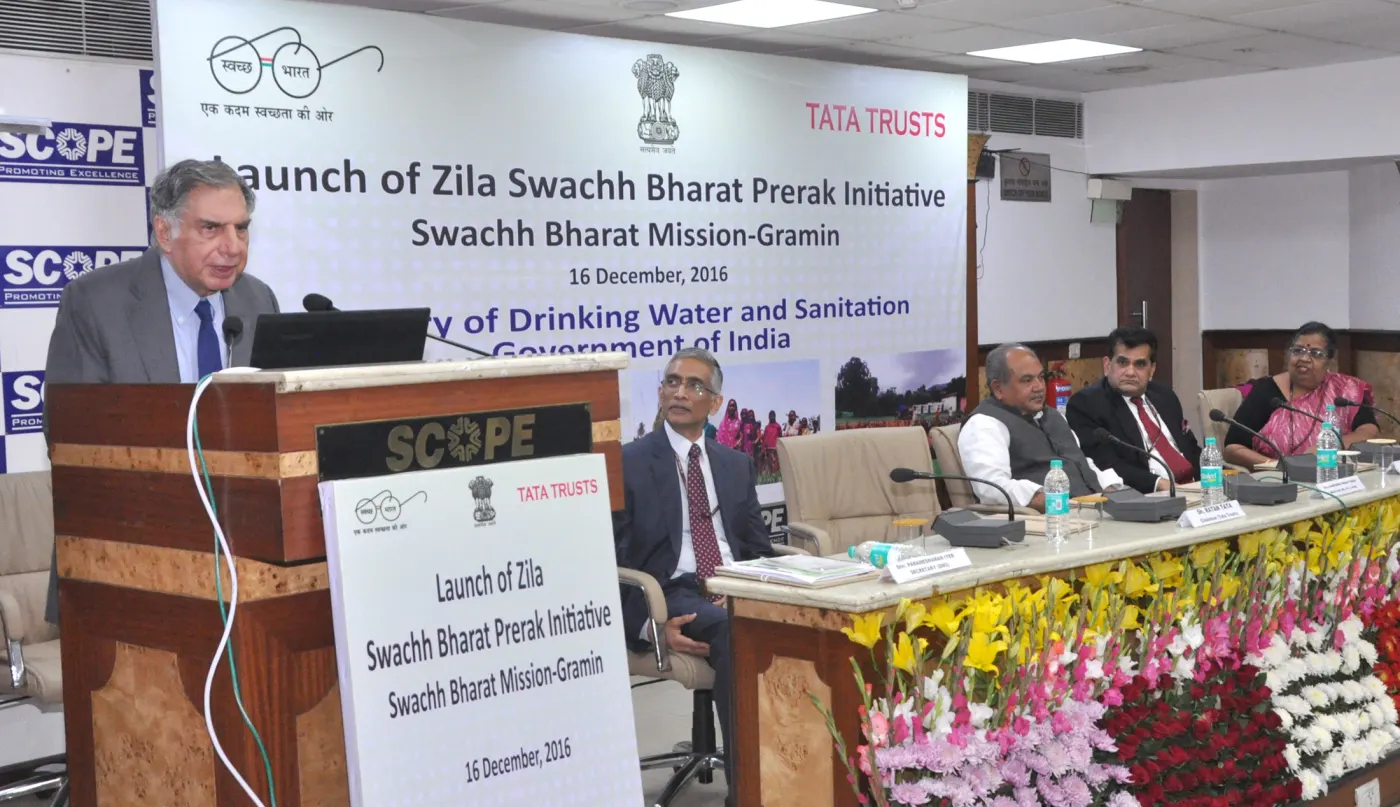
Company: Tata Group / Tata Sons stewardship era. Company-value context: group spans steel, auto, IT, consumer, aviation and more. Personal wealth context: Hurun India ~Rs 7,900 Cr (~$1B) near death; estate largely to charitable foundations; Tata Trusts hold ~66% of Tata Sons.
Current achievement is not a trophy shelf. It is the path still being walked: products shipping, balance sheets tightening or expanding, successors being trained, and public fights that still matter.
Died October 2024; will directed majority of estate to Ratan Tata Endowment Foundation and Trust.
Leadership legacy: global acquisitions (Jaguar Land Rover, Corus era), Nano ambition, Air India return chapter, and trust-driven ownership model.
Present tense is cultural: stewardship and conscience as a reference for Indian business education.
What shifted inside the business is the real scoreboard. Markets clap late. Operators live in utilization, cash, quality, and whether tomorrow still works.
For Ratan Tata, the mid-2020s question is not "did they win once." It is "are the systems they built still rearranging other people's days."
World impact: what actually shifted
World impact is consequence, not applause. It shows up when a habit becomes normal, a price wall cracks, a career path appears, or a country's soft power changes shape.
Consequence 1: Normalized Indian capital as a global buyer, not only a low-cost seller.
Consequence 2: Kept ethics and trust language attached to a national industrial brand competitors had to answer.
Consequence 3: Nano framed frugal innovation debates worldwide even where the product struggled.
None of that arrived as fireworks. It arrived as years of ugly process, then as ordinary life for people who never learn the founder's name.
That is the documentary test for Ratan Tata: what changed for customers, workers, industries, and culture after the highlight reel ended.
Taking the chair
Ratan Tata inherited a chair, not a blank page. Liberalizing India demanded global ambition without abandoning the trust architecture that made Tata a social brand as much as an industrial one.
Global leaps and the Nano bet
Jaguar Land Rover and steel-era bets announced Indian capital as buyer. Nano announced empathy for first-time car families, then taught hard lessons about regulation, safety perception, and distribution.
Failure and courage sat in the same garage. Documentary honesty keeps both.
Conscience and return
Crisis returns and Air India chapters showed a stewardship reflex. After his 2024 death, estate flows to endowment vehicles underscored that private wealth was never the main Tata story. Trusts owning Tata Sons keep philanthropy and industry braided.
World impact is a group that still carries trust as a market asset across continents, and a leadership vocabulary other Indian houses still argue with.
Documentary scenes mined from long interviews
These beats are shaped from long-form interview and talk transcripts used in research. Paraphrased into story voice. Not a quote dump.
Scene 1 (jaguar): Ratan Tata's interviews return to this texture: ...that we shouldn't we we should be open to inorganic growth to making Acquisitions or mergers which at that point in time was very significant cuz we in we bought chorus which is uh old British steel and we bought jaguar and Land Rover right right so that has uh really paid dividends in terms of growth Jaguar landro has paid dividends choruses the steel industry has been in the dold drums in Europe yes yes it's a c
Scene 2 (jaguar): Ratan Tata's interviews return to this texture: ...at that point in time was very significant cuz we in we bought chorus which is uh old British steel and we bought jaguar and Land Rover right right so that has uh really paid dividends in terms of growth Jaguar landro has paid dividends choruses the steel industry has been in the dold drums in Europe yes yes it's a challenge yes yeah so um in terms of the performance overall performance of the group uh you certain
Scene 3 (jaguar): Ratan Tata's interviews return to this texture: ...multinational conglomerates with larger than 65% of income from overseas and about 100 operating companies spread across 56 countries in six continents you had spent close to $8 billion on acquiring 22 companies worldwide as you mentioned uh dley chorus Jaguar Land Rover and the hotels New York's spear Hotel uh and uh it has so has a excellent track record also Innovation you were the company was uh nominated was
That scene matters because it shows process under pressure, not a trophy. The documentary lives in those textures for Ratan Tata.
Scene 4 (chairman): Ratan Tata's interviews return to this texture: ...is UD Kapur and I am a volunteer in the oral histories program at the Museum the world's leading institution in preserving and presenting the history of computing semiconductor technology entrepreneurship and more recently software Mr rattin Tata was the chairman of Tata Suns the holding company of the Tata group from 1991 till his retirement on December 28th 2012 his 75th birthday when he was conferred the honora
Scene 5 (chairman): Ratan Tata's interviews return to this texture: ...and more recently software Mr rattin Tata was the chairman of Tata Suns the holding company of the Tata group from 1991 till his retirement on December 28th 2012 his 75th birthday when he was conferred the honorary title of chairman Meritus of tataa suns data Industries tataa Motors TARTA steel and Tata chemicals during his tenure the group's revenues grew manifold totaling over1 billion in 2011 to 2012 he has rec
Scene 6 (chairman): Ratan Tata's interviews return to this texture: ...title of chairman Meritus of tataa suns data Industries tataa Motors TARTA steel and Tata chemicals during his tenure the group's revenues grew manifold totaling over1 billion in 2011 to 2012 he has recently returned to his leadership role as chairman of Tans temporarily Mr tataa serves on the board of directors of Alcoa and is also on the international advisory Boards of Mitsubishi Corporation JP Marg Chase Rolls
That scene matters because it shows process under pressure, not a trophy. The documentary lives in those textures for Ratan Tata.
Scene 7 (trust): Ratan Tata's interviews return to this texture: ...temporarily Mr tataa serves on the board of directors of Alcoa and is also on the international advisory Boards of Mitsubishi Corporation JP Marg Chase Rolls-Royce and the monetary authority of Singapore he's a chairman of the sir ran Tata trust and Sir durabi Tata trust two of the largest private sector promoted philanthropic trust in India he's a chairman of the Council of management of tataa Institute of fundam
Scene 8 (trust): Ratan Tata's interviews return to this texture: ...the board of directors of Alcoa and is also on the international advisory Boards of Mitsubishi Corporation JP Marg Chase Rolls-Royce and the monetary authority of Singapore he's a chairman of the sir ran Tata trust and Sir durabi Tata trust two of the largest private sector promoted philanthropic trust in India he's a chairman of the Council of management of tataa Institute of fundamental research is also serves O
Scene 9 (trust): Ratan Tata's interviews return to this texture: ...on the international advisory Boards of Mitsubishi Corporation JP Marg Chase Rolls-Royce and the monetary authority of Singapore he's a chairman of the sir ran Tata trust and Sir durabi Tata trust two of the largest private sector promoted philanthropic trust in India he's a chairman of the Council of management of tataa Institute of fundamental research is also serves On The Board of Trustees of Cornell Universit
That scene matters because it shows process under pressure, not a trophy. The documentary lives in those textures for Ratan Tata.
Scene 10 (cornell): Ratan Tata's interviews return to this texture: ...trust and Sir durabi Tata trust two of the largest private sector promoted philanthropic trust in India he's a chairman of the Council of management of tataa Institute of fundamental research is also serves On The Board of Trustees of Cornell University and the University of Southern California the government of India honored Mr Tata with his second highest civilian award the Padma vibhushan in 2008 he has been ap
Scene 11 (cornell): Ratan Tata's interviews return to this texture: ...significant role in my early life I continued to go to school in Bombay uh and when I graduated from high school I went to the US and I was in the US for about 10 years I went to Cornell from where I graduated as an architect and then moved to Los Angeles because I never got used to the cold weather so uh moved to Los Angeles and worked there in an architect's office for about 3 years...
Scene 12 (cornell): Ratan Tata's interviews return to this texture: ...did you also learn flying in Bombay or was it yes I I learned flying in Bombay but was too young to solo I was 14 years old and I had to stop nice uh then when I went to Cornell I started flying again the the uh legal age to get a license was 17 and on my 17th birthday I soloed and right and I've been flying ever since right right interesting so in 1938 sir naroi suddenly...
That scene matters because it shows process under pressure, not a trophy. The documentary lives in those textures for Ratan Tata.
Scene 13 (steel): Ratan Tata's interviews return to this texture: ...of Tata Suns the holding company of the Tata group from 1991 till his retirement on December 28th 2012 his 75th birthday when he was conferred the honorary title of chairman Meritus of tataa suns data Industries tataa Motors TARTA steel and Tata chemicals during his tenure the group's revenues grew manifold totaling over1 billion in 2011 to 2012 he has recently returned to his leadership role as chairman of Tans t
Scene 14 (steel): Ratan Tata's interviews return to this texture: ...a little bit about your perspective on his contributions well I from what I'm able to gather and and just a little side I I lived six years in jamshedpur right which is very much Jam's major creation the Tata steel yes so much of what I'm about to say I would have picked up in my six years in Jam SHP apart from my own uh guess at what Jam was like to me he seemed to be a...
Scene 15 (steel): Ratan Tata's interviews return to this texture: ...mill it was also the first uh company to have public shareholding right so he did this uh then that was didn't fulfill fill his quest for uh establishing industry right I think the next one he did was either steel or or hotels yes in the case of Steel I think that's very well documented he produced a steel plant uh which the British thought could never be done right and uh he did it yeah yes he picked...
That scene matters because it shows process under pressure, not a trophy. The documentary lives in those textures for Ratan Tata.
Scene 16 (jaguar): Ratan Tata's interviews return to this texture: ...he got his Mercedes, he kept bugging all of us. He wanted to uh act like he was the chauffeur, and he even got a this little blue chauffeur's cap. Oh, when Ratan was a student, I had a convertible Jaguar that he seemed to like and uh so we would talk occasionally about sports cars because he had quite an interest in sports cars. And so I went up to him and I said, "Sir, I apologize for intruding...
Scene 17 (ford): Ratan Tata's interviews return to this texture: ...to be treated as such. Rotten had a used MercedesBenz. I had never seen a MercedesBenz before and uh Rotten was very particular about how you close the door on the Mercedes-Benz in those days. Uh I was partial to Ford Motor Company products and when you in the this was in the ' 50s and uh the uh uh in those days uh you really slammed the four door shut to make sure that it was shut. Uh that...
Scene 18 (ford): Ratan Tata's interviews return to this texture: ...real statesman uh he has been. Um and that was just and for me that was just I was so thrilled to be there and I know Rotten Tata because we served together for more than a decade on the Ford Foundation board of directors. He is a man of extraordinary humility and humanity. When Ratan would talk to and interject uh at a director's meeting, um he was always listened to with uh very closely. I um came to...
That scene matters because it shows process under pressure, not a trophy. The documentary lives in those textures for Ratan Tata.
Taken together, the interview record keeps Ratan Tata human: excited, frustrated, stubborn, technical, sometimes lucky, often simply refusing to quit the Tuesday work.
Money stakes and what fear felt like
For Ratan Tata, money was never only a scoreboard. It was payroll nights, interest rates, dilution dread, and the fear that one delayed shipment could erase a year. Capital markets clap for outcomes. Founders live inside cash calendars.
This is why the biography refuses trophy lists. Lists skip the mechanism. The mechanism is how Ratan Tata actually shifted the world around them.
Rivals who forced sharper craft
Rivals did Ratan Tata a harsh favor. Competition exposed weak processes, lazy pricing, and soft quality. Some rivals were companies. Some were imports, regulators, or customer habits that refused to change. Craft sharpened because someone else was hunting the same hunger.
This is why the biography refuses trophy lists. Lists skip the mechanism. The mechanism is how Ratan Tata actually shifted the world around them.
People who carried the weight
No founder documentary is honest if it erases the operators. Scientists, drivers, merchants, engineers, plant workers, teachers, and nameless night-shift hands carried Ratan Tata's bets into reality. Equity myths forget them. World impact includes their rearranged days.
This is why the biography refuses trophy lists. Lists skip the mechanism. The mechanism is how Ratan Tata actually shifted the world around them.
Habits under pressure
Under pressure, Ratan Tata's habits mattered more than slogans. Who gets called first. What gets measured. Whether bad news travels fast. Whether quality loses to speed. Culture is what happens when the founder is tired.
This is why the biography refuses trophy lists. Lists skip the mechanism. The mechanism is how Ratan Tata actually shifted the world around them.
The long middle after fame
Fame arrives as a headline. The long middle arrives as maintenance: systems, succession, repair, and the refusal to believe the story is finished. Ratan Tata's later chapters are where institutions either deepen or decay.
This is why the biography refuses trophy lists. Lists skip the mechanism. The mechanism is how Ratan Tata actually shifted the world around them.
What building actually looked like
Building looked like spreadsheets, arguments, factory floors, customer calls, and rewritten plans. For Ratan Tata, glamour was rare. Repetition was the method. The method became the empire.
This is why the biography refuses trophy lists. Lists skip the mechanism. The mechanism is how Ratan Tata actually shifted the world around them.
Stewardship under liberalization
Ratan Tata led while India opened. Global acquisitions announced arrival. Domestic bets like Nano announced empathy. Not every bet landed cleanly. Leadership included absorbing criticism without abandoning the trust grammar of the group.
After 2024
Death in October 2024 moved the story into memory and institutions. Estate flows to endowment vehicles. Tata Trusts' ownership of Tata Sons keeps social purpose braided into group profits. Current achievement is a living reference for conscience capitalism that other leaders still cite, argue with, or imitate.
Closing
You can lead a giant without fireworks. Build trust like factory output. Use global tools without losing local duty. Quiet footprint. Loud consequences.