
The Man Who Mapped Careers Online
Long before "personal brand" became a buzzword, he argued that careers are networks of trust. Help someone. Share information. Build weak ties into strong ones. Then he built LinkedIn so millions of professionals could do that in public, at scale.
LinkedIn sold to Microsoft for about $26 billion. Hoffman's own wealth is often estimated near $2.5B. Those headlines miss the quieter point: he helped turn the job hunt from a stack of paper into a living graph of skills, companies, and introductions.


Where he came from
Reid Garrett Hoffman was born on August 5, 1967, in Palo Alto, California, right in the heart of what would become Silicon Valley. His parents valued ideas. He grew up comfortable with debate, books, and big questions about how societies work.
He studied at Stanford University, focusing on symbolic systems, a mix of computer science, philosophy, psychology, and linguistics. That blend mattered. Hoffman never saw software as only code. He saw it as a way to redesign human cooperation.

After Stanford he went to Oxford University as a Marshall Scholar and studied philosophy. Friends sometimes joked that a philosophy student seemed an odd fit for startups. Hoffman disagreed. Startups, he said, are applied philosophy: What is a company? What do we owe users? How should power and ownership work?

Those years trained him to write clearly and argue carefully. Later, when he wrote business books, the tone still carried that classroom habit: define the problem, then choose a principle.
First companies and PayPal
Hoffman co-founded an early social networking company called SocialNet in the late 1990s. The idea was ahead of the market. Timing hurt. He learned a lesson he would repeat for years: being early is another way of being wrong if the world is not ready.
He joined PayPal as an executive during its fierce growth years. PayPal was a pressure cooker of fraud fights, product pivots, and strong personalities. Hoffman handled partnerships and corporate development. He watched how network effects turn a payments tool into a default.


When eBay bought PayPal, many alumni scattered into new companies. Hoffman left with capital, scars, and a sharper thesis: the internet would rebuild professional identity the way it rebuilt media and money.
How LinkedIn started
In 2002, Hoffman co-founded LinkedIn. The early product looked simple. Create a profile. List where you worked. Connect with people you actually knew. Ask for introductions through mutual contacts.
Skeptics shrugged. Why would busy adults put their careers online? Hoffman believed professionals needed a public layer of reputation. Recruiters needed better signal. Founders needed trusted hiring paths. The "address book" of the industrial age was dying. Something had to replace it.
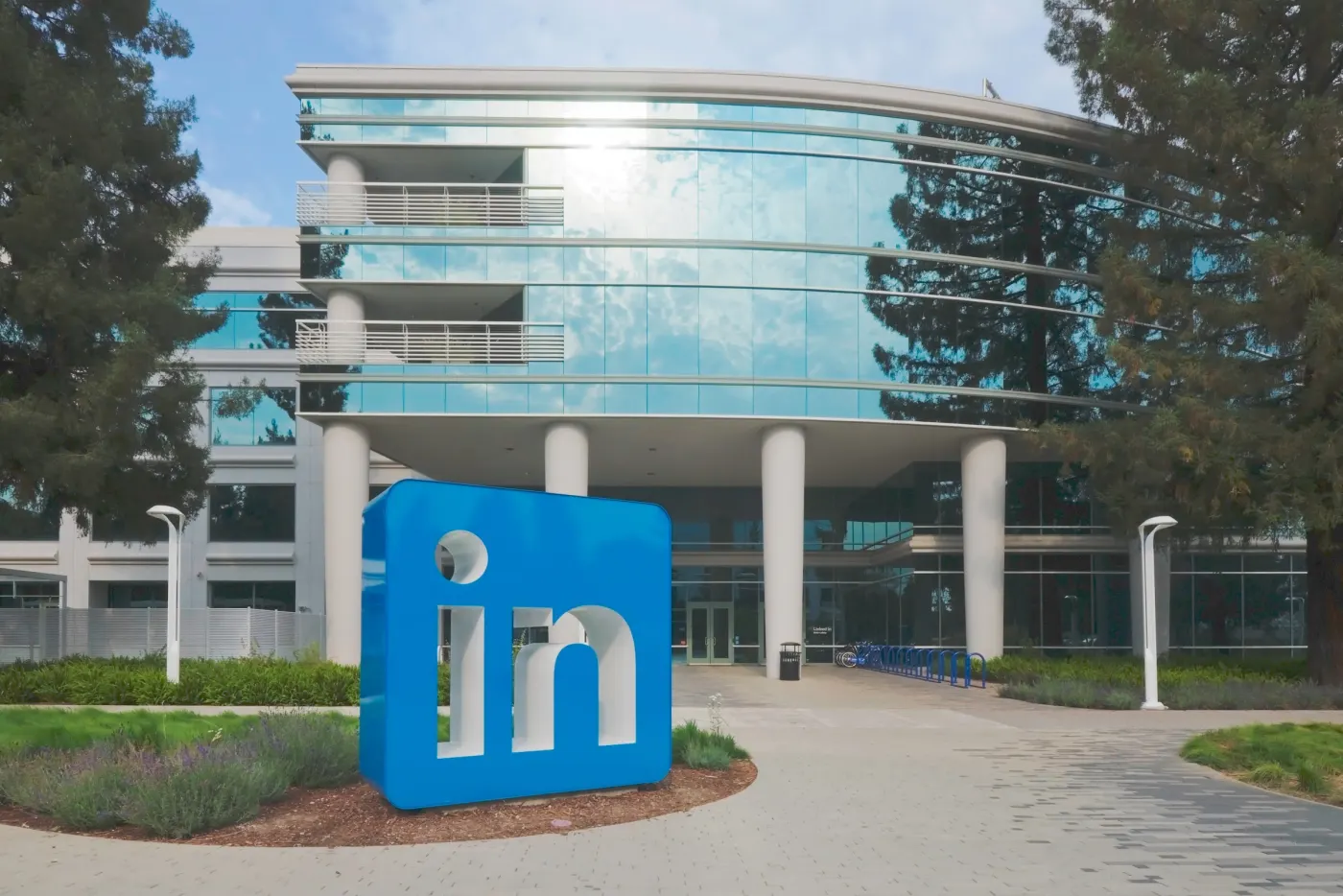


Growth was not instant magic. LinkedIn had to earn trust, fight spam, and prove value beyond novelty. Features like job listings, company pages, and news feeds thickened the product. The company went public in 2011. In 2016, Microsoft acquired LinkedIn for about $26 billion in cash. Hoffman joined Microsoft's board and kept advocating for the network's mission inside a larger empire.


What he built beyond LinkedIn
Hoffman became one of Silicon Valley's most important investor-operators. As a partner at Greylock Partners, he backed companies and coached founders on blitzscaling: growing fast when speed matters more than tidy efficiency.
He co-wrote books such as "The Start-Up of You," "The Alliance," and "Blitzscaling." The books translate his core idea into advice: manage your career like a startup, treat employment as a mutual alliance, and know when to pour fuel on a fire.




He also invested early in consumer and enterprise companies across waves of social, mobile, and artificial intelligence. Not every bet won. Enough did that his name became shorthand for thoughtful network-powered growth.
Hoffman hosts conversations with other builders in public interviews and podcasts. He likes long-form talk where ideas can breathe. That habit matches his philosophy roots: better to explore a hard question than to sell a slogan.
Hard times and criticism
LinkedIn was not always loved. Some users found the feed noisy. Some recruiters abused InMail. Privacy debates followed every social platform, including professional ones. Scaling identity data means carrying responsibility for spam, scams, and misuse.
Hoffman has also faced the usual venture-world critique: that "blitzscaling" can excuse chaos, and that network power concentrates advantage. He answers by pointing to tools that widen opportunity if people learn to use them. Reasonable people still argue about the tradeoffs.
Inside companies he helped build, there were product misses and cultural stresses. Hoffman tends to talk about those moments as tuition. Pay for the lesson. Update the model. Keep shipping.
Where he is now
Reid Hoffman remains a major figure in technology investing and public idea life. He is associated with LinkedIn's long arc, Microsoft's board era, Greylock, and a stream of writing about AI, careers, and entrepreneurship. Wealth estimates around $2.5B shift with markets and private holdings.


Lessons and legacy
Hoffman's lasting work is the professional graph. LinkedIn made careers searchable and relationships explicit. That changed hiring, sales, journalism, and fundraising. It also changed how people tell the story of themselves at work.
His second legacy is intellectual. He gave founders a language for networks, alliances, and high-speed growth. Whether you agree with every tactic, the clarity helps teams decide faster.
For students, his path is unusual and useful. Study systems that mix humans and machines. Try something early and fail. Join a hard company. Found again with sharper timing. Then teach what you learned without pretending it was easy.
Reid Hoffman did not invent friendship. He industrialized professional trust on the internet, then spent the next decades explaining why networks are a craft, not a party trick.
Networks as a daily practice
Hoffman likes to say you are the average of the alliances you maintain. That does not mean collecting business cards like trophies. It means doing useful favors before you need a return. It means introducing two people who should know each other. LinkedIn turned that social craft into buttons and search boxes.
In practice, the product changed how hiring managers hunt. It changed how sales teams map accounts. It changed how journalists find sources. It also created new anxieties: the polished profile, the performative post, the fear of a public career gap. Hoffman rarely claims the tool is pure good. He claims it is leverage, and leverage needs skill.
Blitzscaling without cartoon villainy
"Blitzscaling" became a buzzword and a punchline. Hoffman's fuller point is narrower. Sometimes a market has a winner-take-most shape. In those windows, speed can matter more than tidy process. The risk is real: culture cracks, customer support buckles, debt piles up. The method is not "always grow recklessly." It is "know when the window is open, and know what you will break."
Founders who skim the slogan miss the warning labels. Hoffman puts the warning labels in the same books as the fuel.
Philosophy still shows
Oxford did not make him a professional philosopher. It made him allergic to fuzzy terms. When he invests, he asks what game is being played. Is it a network-effect game? A regulation game? A brand game? Clear naming helps teams stop arguing past each other.
That habit also shows in his public talks about artificial intelligence. He wants democratic societies to adopt powerful tools fast enough to stay competitive, while still building guardrails. People disagree with his emphasis. The disagreement itself is the point of a public intellectual founder: put the tradeoff on the table.
After the Microsoft check
A $26 billion acquisition can freeze a person in amber. Hoffman kept moving. Board work. Investing. Writing. Hosting conversations. He treats LinkedIn as a chapter that still matters, not a trophy that ends the book. For younger founders, that model is healthy. Build a defining company. Then keep being useful.
Building LinkedIn day by day
Early LinkedIn did not look like a media company. It looked like a database with manners. Profiles had to feel professional enough for a hiring manager and human enough for a real person. Hoffman pushed for real-name culture and visible pathways of introduction. The product taught users a new etiquette: ask through a mutual connection when you can, and give before you take.
Growth teams later added virality loops, but the core remained reputation. A network without trust is just spam with better fonts. LinkedIn's long game was becoming the default layer for work identity. Once enough recruiters lived there daily, professionals had to show up too. That is how network effects feel from the inside: optional, then necessary.
Mentoring a generation of founders
Hoffman spends unusual amounts of time teaching. Not in a classroom with grades, but in board meetings, walks, and long emails. He asks founders to name the constraint. Is it distribution? Trust? Capital? Timing? Clear diagnosis beats motivational posters.
He also warns about "permanent beta" careers. In a fast economy, skills expire. Alliances refresh them. The Start-Up of You idea is not that everyone should quit for a garage startup. It is that everyone should manage learning and relationships with intention.
Wealth, responsibility, and unfinished work
Wealth near $2.5B creates options and scrutiny. Hoffman has used some of that platform for political giving and civic arguments about technology's role in democracy. Supporters call it engagement. Critics call it elite influence. He tends to answer by writing longer, not shorter.
The unfinished work he cares about includes AI adoption, founder education, and keeping professional networks from rotting into empty performance. LinkedIn already changed the world of work. The next question is whether those networks help people adapt when jobs transform again.
Field note 1
Teams under stress reveal culture. The founders who survive keep a few people who can disagree without theater. Applied to reid hoffman, this means treating each growth spurt as a systems test: support, security, hiring, and messaging must scale together. When one lags, trust leaks. The biography above shows moments when those systems held and moments when they strained. Readers should track those moments carefully, because they are the transferable curriculum.