
The Email That Taught Tech to Hunt
A Linkydink list went out on a November morning. Makers showed up. Hunters kept score. Then Silicon Valley learned a new daily ritual.

On the morning of November 6, 2013, Ryan Hoover sat down with a simple problem. He loved new products. His friends loved new products. Twitter and Hacker News scattered the good stuff across timelines that moved too fast. He wanted one place where curious people could show each other what just shipped.
He did not open a design tool. He opened Linkydink, a collaborative email product he had noticed weeks earlier, and built a shared list in about half an hour. He named it Product Hunt after a thesaurus pass at Philz Coffee. He invited a few dozen founders, investors, and friends. He posted the experiment on Twitter and on Quibb. People forwarded it. Within days the qualitative signal was loud even if the subscriber count was still small. Hoover later told Mercury he was not sure the list ever cleared a thousand early on. What mattered was that strangers emailed him to say the digest was useful, and that he woke up wanting to tend it.
By September 2026 that half hour had become infrastructure. Product Hunt remained a daily launch stage for makers worldwide after its 2016 sale to AngelList. Hoover had stepped down as CEO in 2020. His second company was not another consumer feed. It was Weekend Fund, an early-stage firm that began as a comically small AngelList vehicle and, by Fund IV in 2026, publicly talked about a twenty-five million dollar pool with operator limited partners and a USVC path for smaller checks. The drama of his life is not a trillion-dollar industrial empire. It is the proof that a curious night-and-weekend builder can invent a habit for other builders, sell it without killing it, and keep hunting.
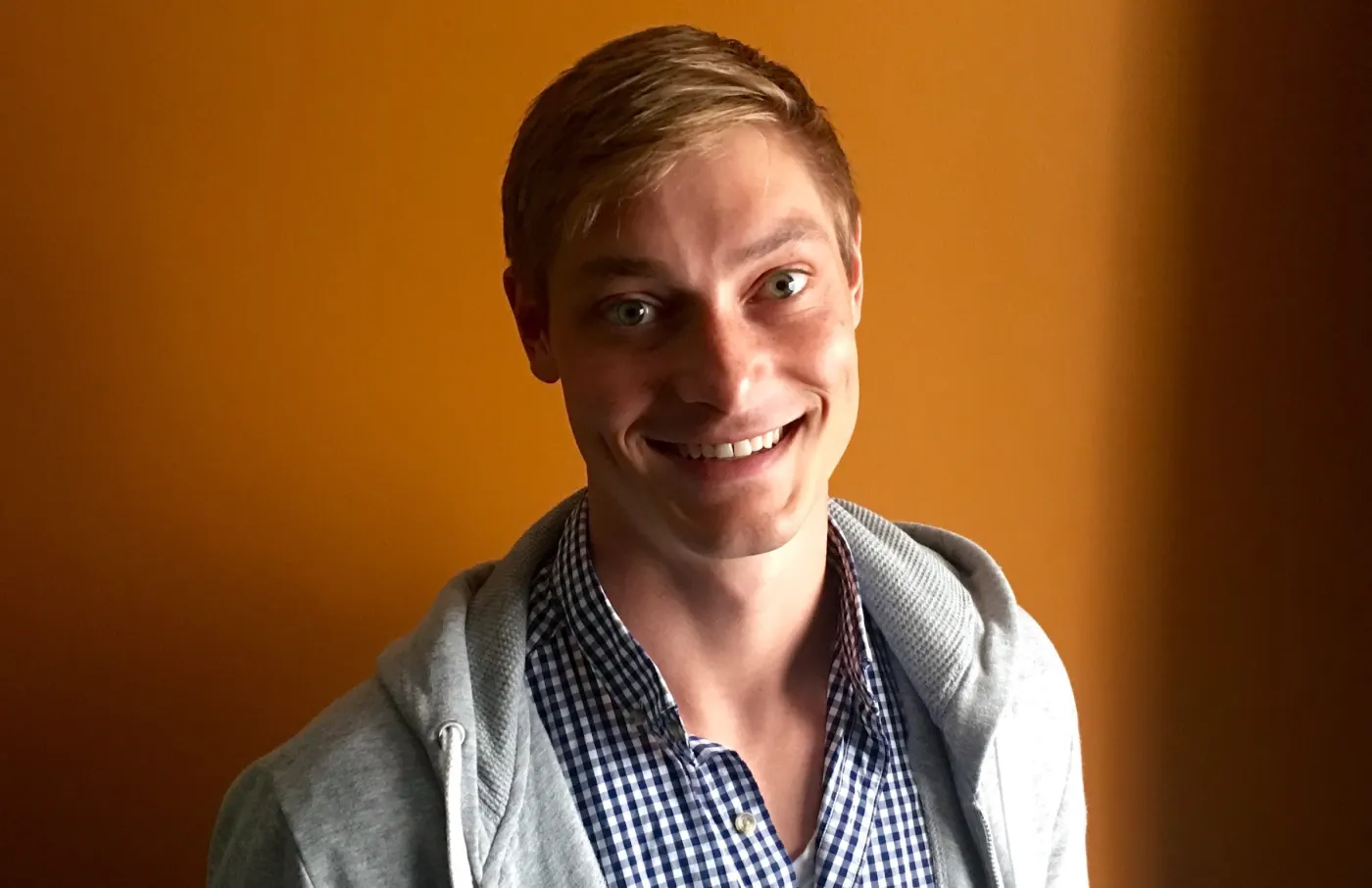
Eugene shelves and a store that sold newness
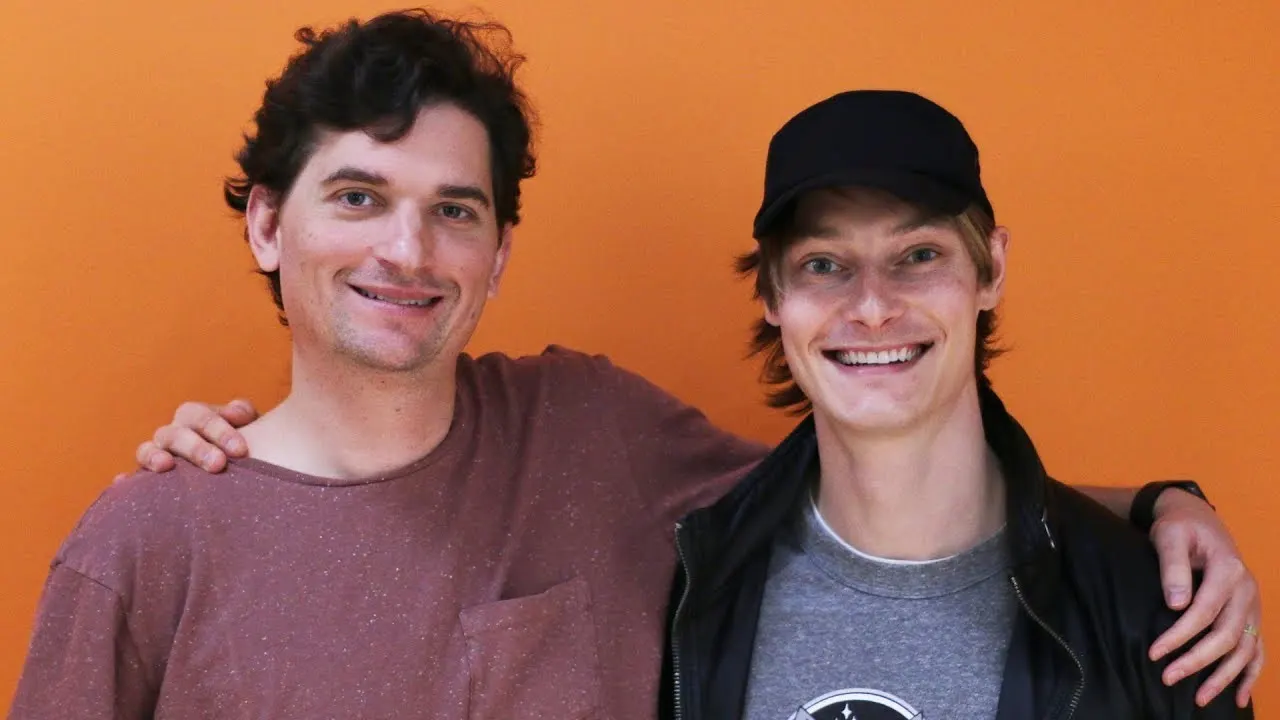
Ryan Hoover was born in 1987 in Eugene, Oregon. Public profiles put his childhood inside his parents' video game store. He stocked shelves, watched customers argue about what was worth buying, and felt the small theater of a new release arriving in a box. Exact store branding and his precise birth date stay soft in secondary sources. The pattern does not. Long before Silicon Valley taught him the word launch, he lived inside a retail calendar of drops, buzz, and disappointment.
He studied business with an entrepreneurship focus at the University of Oregon's Lundquist College of Business, finishing around 2009. Some secondary bios mention a computer information technology minor. Treat that as soft. What he says repeatedly in interviews is simpler. He wanted to be near people who made things, and Eugene's tech scene was thin.
Senior year he chased an unpaid marketing internship at InstantAction, a local company trying to put rich games in browsers. The internship turned into real work. He migrated from marketing into product because he kept proposing features more than campaigns. InstantAction taught him how hard ambitious software is when money, technology, and timing refuse to cooperate. The company did not become the Oregon game giant some hoped for. Hoover left with scars and a taste for product craft.

Portland, then the Bay, then PlayHaven
After InstantAction he spent time in Portland, then moved to San Francisco in 2010 because he felt he was missing his people. In Mercury's 2024 interview he described the Bay's ambition as almost foreign before he arrived. He joined PlayHaven, a mobile games platform, as roughly employee number ten. Over roughly three years he became Director of Product. For the first stretch he was often the only product manager, which meant writing specs, sitting with engineers, and living inside metrics that did not care about his title.
PlayHaven also gave him a front-row seat to how games hook attention. In parallel he wrote. He published product deconstructions, including essays on why apps like Snapchat or Tinder worked. He ran small Twitter brunches so online friends could become offline allies. He helped Nir Eyal research and edit the book that became Hooked. Marketing copy sometimes calls Hoover a co-author. Primary publishing credit stays with Eyal. The honest line is collaborator and research partner, a distinction that matters for a living person.
By mid-2013 the company felt heavier. Process thickened. Learning slowed. Hoover gave notice without a clean next job. He interviewed elsewhere and missed offers. He thought about venture and then rejected the associate path because the coffee-meeting calendar looked like a trap for an introvert. In that gap, the email list idea landed.
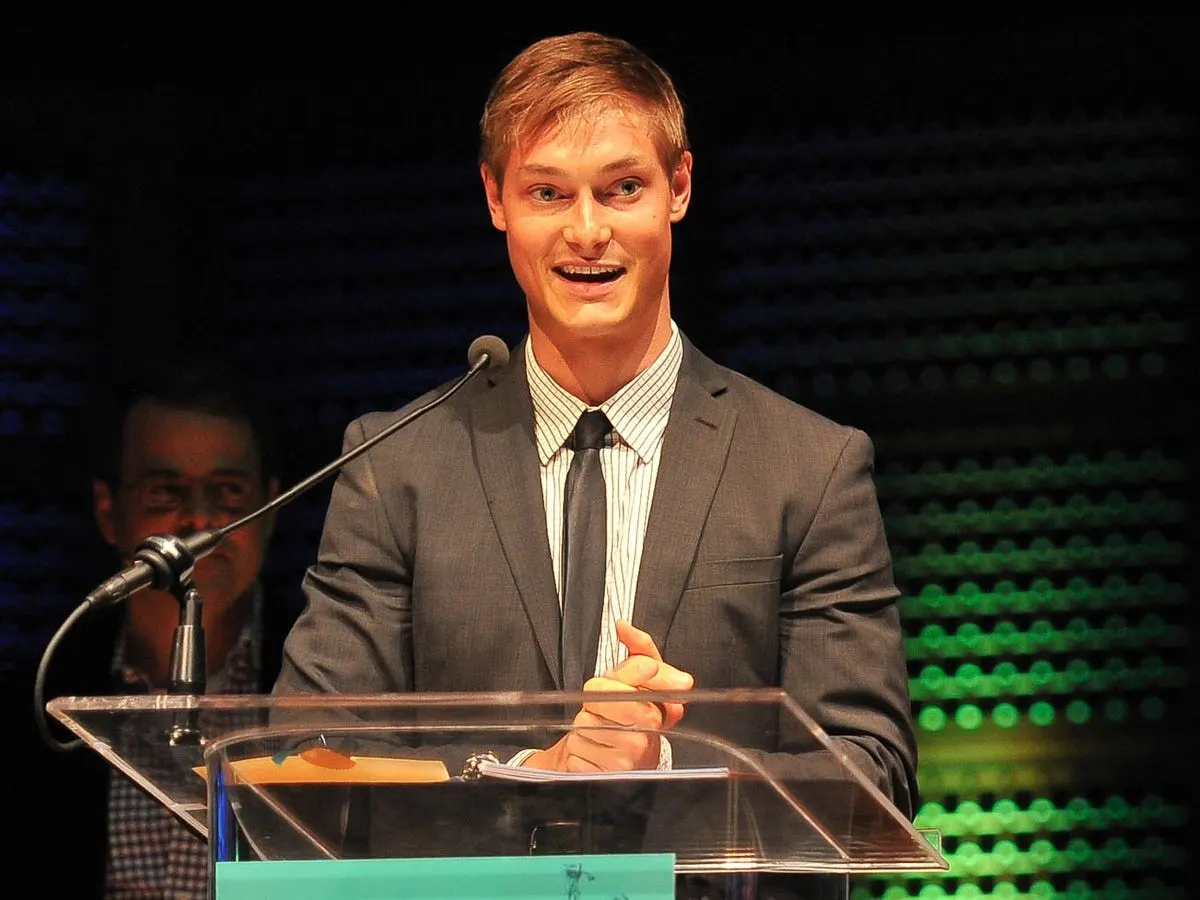
Thanksgiving code and a community with manners

Nathan Bashaw, an engineer friend, built the first Product Hunt website over Thanksgiving 2013 in roughly four or five days. Hoover has told the story on multiple podcasts. The site borrowed grammar from Reddit and Hacker News without copying their culture wholesale. Products of the day rose by votes. Comments invited makers into the thread. A green maker badge later signaled when a founder showed up to answer. The feed reset daily so the habit had an edge. Miss today and you missed the conversation.
Hoover moderated like a host. He emailed makers. He tweeted hunters. He pulled relevant people into threads. First Round Review later documented the manual work: personal outreach, invite scarcity, brunch tables in New York and San Francisco, Invision mockups shared with influential users before features shipped. Growth was not only SEO. It was hospitality at internet scale.
The community developed status games, including hunter leaderboards that some founders later criticized as popularity contests. Hoover's public posture stayed consistent. Product Hunt was for discovery first. Rankings were fuel and also a hazard if they rewarded networking over quality. The tension never fully vanished. It is part of why the product mattered. Real communities argue.

Y Combinator, a16z, and the launch as ritual

By spring 2014 Product Hunt was no longer a toy. Algolia reached out. YC partners circulated the product. Hoover applied with traction already showing. Product Hunt joined Y Combinator's Summer 2014 batch. Hoover has said he wrestled with whether accepting meant he had to raise a huge venture round and stop treating the project like a side experiment. The batch forced the question into the open. This was a company.
In October 2014 the company announced a Series A of about six point one million dollars led by Andreessen Horowitz. Press framed Hoover, then in his late twenties, as a tastemaker founders needed to impress. The ritual hardened. Ship on Product Hunt. Court hunters. Answer every comment. Ride the upvote wave into TechCrunch, Twitter, and investor inboxes. For years the phrase launched on Product Hunt worked like a stamp on a passport.
Hoover kept writing in public about what he learned. He argued that launches are not a single spike. They are a sequence of emails, betas, and conversations. On Lenny Rachitsky's podcast years later he still sounded like a product manager who had watched thousands of launches fail because founders treated day one like a finish line.
AngelList, twenty million dollars, and the fear of being shut down

In 2014 Hoover met Naval Ravikant on a walk near AngelList's old Maiden Lane office. Both men were wary. AngelList helped startups raise money and hire. Product Hunt helped products get found. Each could have invaded the other's lane. Instead Ravikant invested. Talks about a deeper combination continued for months while Product Hunt also explored a fresh raise in the high single-digit millions, according to TechCrunch's contemporaneous reporting.
On December 1, 2016, AngelList announced it had acquired Product Hunt. Multiple outlets reported a price around twenty million dollars, roughly the prior valuation frame after the a16z round. Product Hunt declined to confirm a number. Hoover wrote that the platforms would stay independent in brand and spirit, keep the emojis, and keep serving makers. He stayed CEO and said he would report to Ravikant. Most of a small team, on the order of a dozen people, moved under the AngelList umbrella while Product Hunt kept its voice.
The deal solved cash pressure and opened distribution into AngelList's founder network. It also created a new identity problem. Was Product Hunt still a quirky clubhouse, or an acquisition inside a finance machine? Hoover's job for the next four years was to answer that without draining the joy that made the site work.
Ship, kits, and the hard middle years
Inside AngelList, Product Hunt shipped kit tools for makers, job boards, newsletters, live events, and experiments that sometimes worked and sometimes stalled. Hoover told Mercury that startups are a series of inflection points where a tactic works until it does not. The team took swings. Some gained traction without becoming the next main act. By 2020 the emotional math changed. He no longer woke up with the same charge. After roughly seven years he stepped down as CEO in October 2020.
Leaving was not a scandal narrative in the press. It read like a founder admitting the season had ended. Product Hunt continued under AngelList. Hoover kept a public affection for the community without pretending he should run the daily feed forever.

Weekend Fund: the smallest fund, on purpose
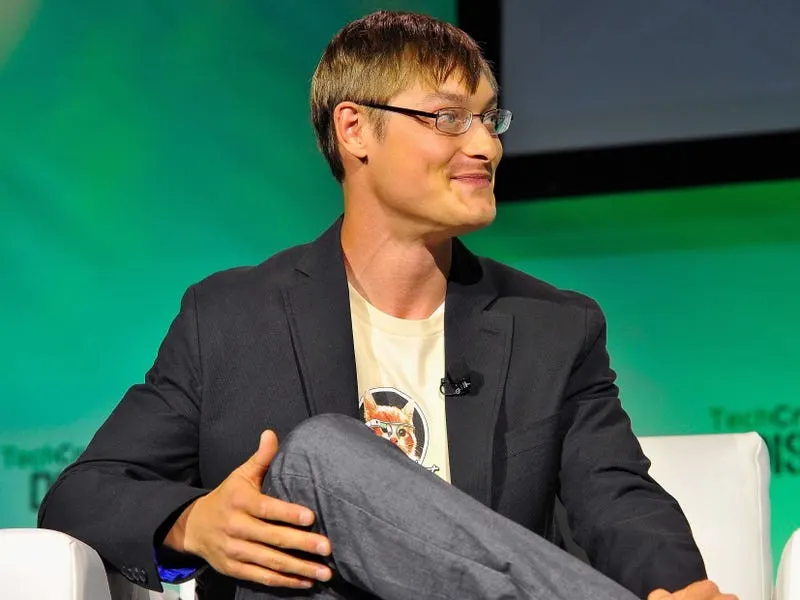
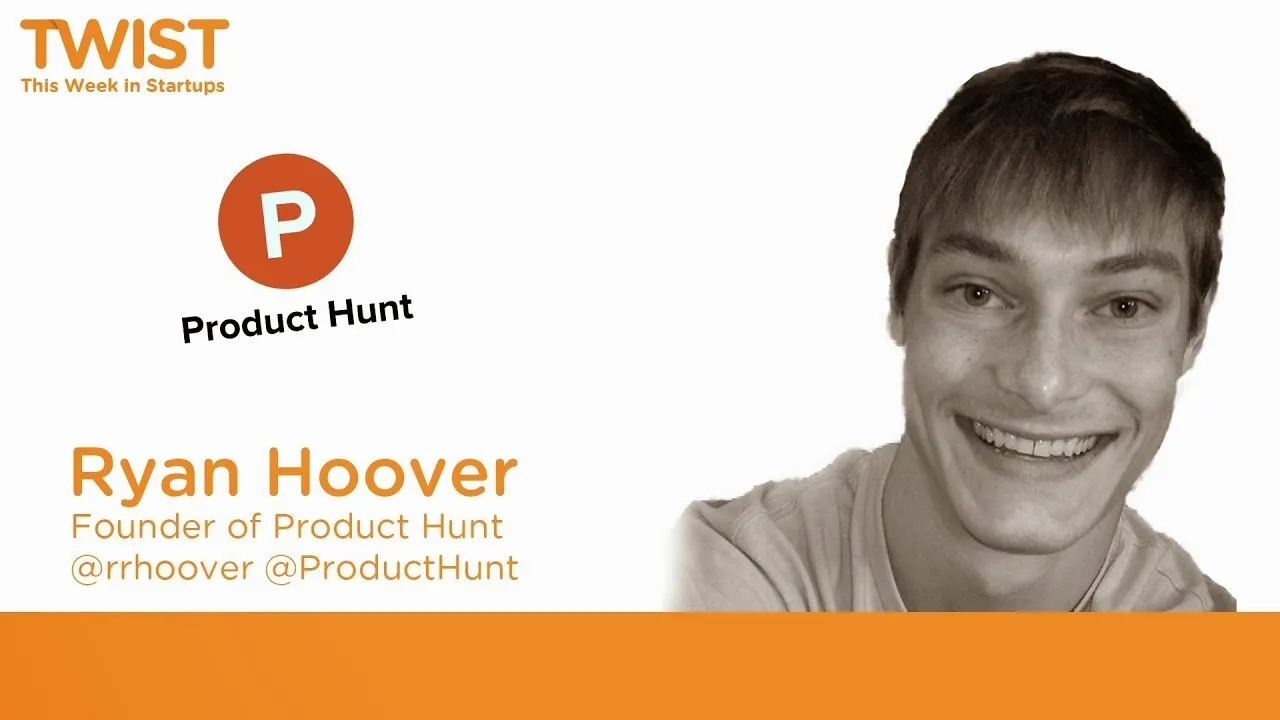
In September 2017 Hoover published a Medium essay announcing Weekend Fund. The name carried stacked meanings. He had started Product Hunt while still adjacent to a day job. Chris Dixon's line about the next big things being built on nights and weekends sat in the manifesto. AngelList's culture after the acquisition made personal investing easier. He aimed at a one million dollar fund on AngelList's platform. It grew to about three million. He later joked it was the smallest fund of all time, then admitted even three million still looked comically small.
Fund II landed near ten million dollars around 2019. Fund III, in the early 2020s, is widely described around twenty-one million dollars with a large operator LP base. Pitch materials from the Fund III era describe dozens of early checks, heavy pre-seed and seed focus, and a non-lead style. Soft numbers on exact closes and markups move with marketing decks. What is stable is the posture. Hoover did not want a two hundred million dollar fund that forced him to lead every round and live on the coffee circuit. He wanted many specialist LPs, small checks, and room to stay curious.
Portfolio companies cited across Seedlist, firm pages, and press include Deel, Pipe, MoonPay, Intercom, HeadSpin, InVideo, Mindbloom, and others. Some became unicorns on paper. Some were acquired, including design tools and consumer apps. Firm-reported return multiples in LP marketing should be read as firm-reported, not as audited personal wealth. Hoover is an investor with carried interest and reputation, not a Forbes industrial billionaire, and this documentary will not invent a net worth.
In May 2026 he announced Weekend Fund IV at about twenty-five million dollars with partner Vedika Jain, highlighting a USVC partnership meant to open early-stage exposure to a wider set of Americans at low minimums. The marketing claimed the firm still reviewed on the order of two thousand companies a year and invested in a thin slice of them. Whether those funnel numbers stay exact is soft. The intent is clear. He is still trying to productize access the way Product Hunt productized discovery.
How Hoover actually works
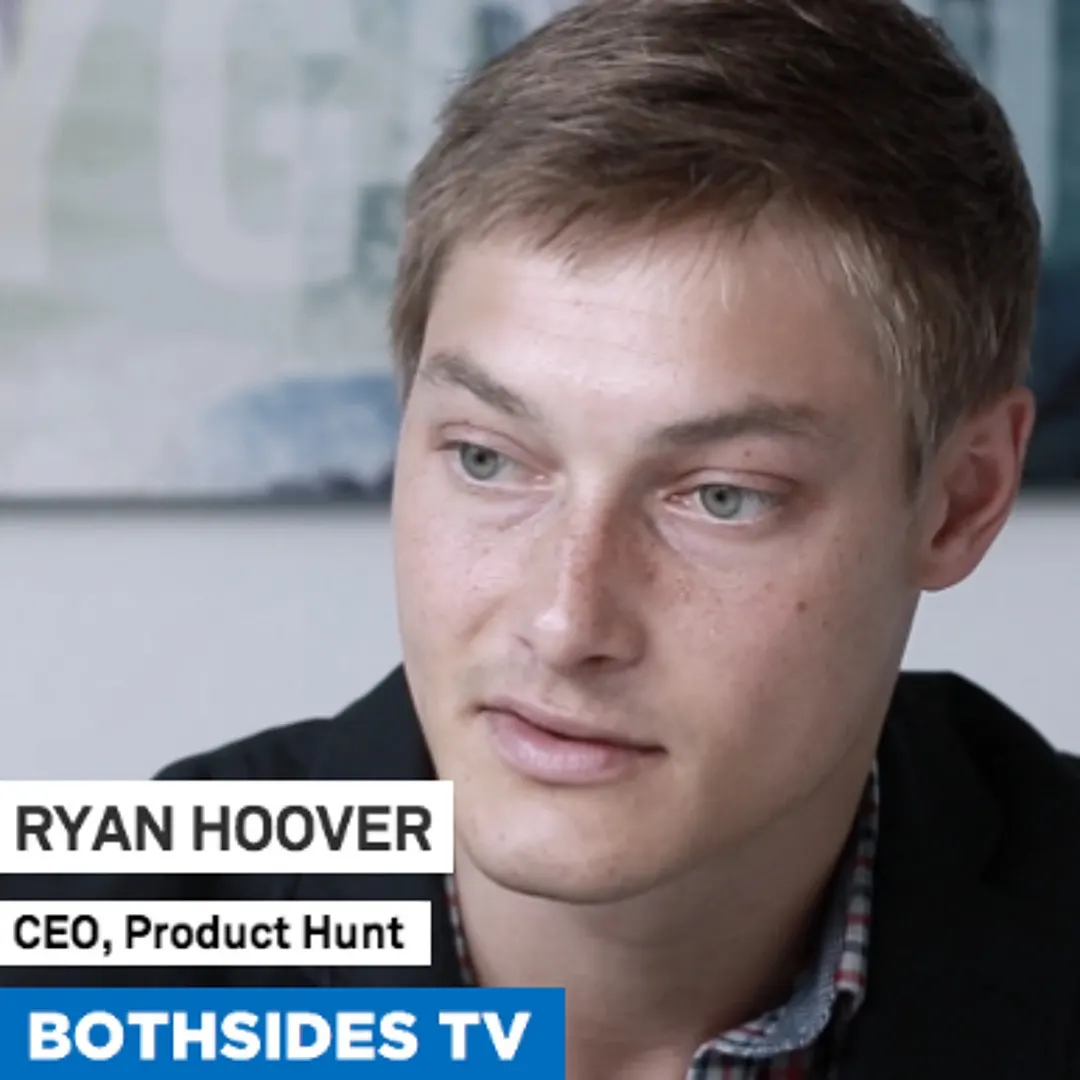
Hoover calls himself an introvert in interviews and then spends an hour sounding open, funny, and specific. The contradiction is the method. He prefers systems that scale hospitality: email digests, scheduled launches, LP networks, written essays, small gatherings. He distrusts whiteboards that try to invent startups from slogans. He trusts tinkering. As a product manager he downloaded top apps, studied onboarding, and even switched his App Store country to Japan to feel unfamiliar patterns he could not read as text.
He writes to think. In 2013 he later estimated something like a hundred fifty short pieces in a year of morning writing. The audience was never huge like a celebrity account. It was dense enough that when Product Hunt needed a first hundred users, they already knew his name.
He invests like a product person. He asks whether a founder has an earned secret from a shift in technology, culture, or regulation. He likes meeting builders who could be his own customers. He has said he would rather have dozens of supportive co-investors than control a board seat at all costs. That preference shapes Weekend Fund's non-lead identity.
He also talks about energy as a dashboard. When Product Hunt stopped giving him energy, he left. When investing restored the morning pull he felt in 2013, he leaned in. Soft self-help language shows up in his interviews. Underneath it is an operator's rule. Recurring dread is data.
Ship days, kits, and the maker middle class
Product Hunt did not only crown consumer apps. It became a morning roll call for developer tools, design systems, no-code experiments, hardware gadgets, and chrome extensions that would never lead the evening news. That breadth mattered. It created a maker middle class on the internet: people who shipped small things frequently and needed a stage sized for them. Hoover talked about that audience as the point. Not every product needed to become a unicorn. Every product needed a first honest public.
Ship, the maker toolkit Product Hunt developed, tried to extend that stage backward in time. Before launch day, makers could collect emails, shape a landing story, and practice the conversation they would later have in comments. The feature set evolved under AngelList. Some makers loved it. Some ignored it. The strategic idea matched Hoover's email-first instinct from 2013. Meet people before you ask the whole internet to clap.
Live events and virtual meetups added heat. Product Hunt meetups in city after city turned upvotes into handshakes. Hoover had always believed that online status becomes healthier when it can collide with offline kindness. The events were uneven, as community events always are. They still pushed the brand from a website into a social scene.
What AngelList wanted and what makers kept
AngelList's public case for buying Product Hunt was distribution and discovery for the founder journey: raise, hire, launch. Hoover's public case was continuity for makers. Both could be true at once. The years after 2016 tested the blend. Job posts and fundraising adjacency appeared near the hunt feed. Purists sometimes grumbled. Pragmatists used the tools. Hoover's job was to keep the feed feeling like a clubhouse even as the parent company optimized a network.
He also had to manage his own attention. Running an acquired product means meetings that did not exist when the product was a Thanksgiving website. Spikes of joy still arrived on big launch days. The baseline got heavier. By 2020 the baseline won. He handed off the CEO seat and kept goodwill toward the community.
Weekend Fund as a product, not a costume
Hoover likes to productize things. Weekend Fund is venture capital treated like a product: clear check size bands, operator LPs as a feature, applications and warm intros as channels, public writing as marketing. Fund I's tiny size was not only humility. It was a constraint that forced focus. A three million dollar fund cannot pretend to lead every round in a hot market. It must choose a role. Hoover chose the helpful specialist check.
As funds grew to ten, then about twenty-one, then about twenty-five million dollars, the constraint loosened without vanishing. Fund IV's USVC path is another product experiment: can early-stage exposure be packaged for people historically locked out by accreditation rules? Soft on legal mechanics and future returns. Clear on ambition. Hoover is still asking whether the rails around startup capital can be redesigned the way Product Hunt redesigned launch rails.
The soft facts that stay soft
Some details remain soft even after careful research. Hoover's exact birth date is not consistently published. The precise legal consideration of the AngelList deal beyond press estimates is private. Exact ownership stakes in Weekend Fund portfolio companies are private. Hooked credit is collaborator and research partner, not a fact to inflate into full co-authorship. Childhood store branding is secondary-source soft. Miami move timing is secondary-source soft. Firm-reported TVPI and cash-on-cash figures in LP marketing are firm-reported. This documentary prefers those hedges over fake precision.
Controversies, criticisms, and legal care
Product Hunt's hunter leaderboards and upvote dynamics drew recurring criticism that popularity and clique behavior could crush quieter makers. Journalists and forum threads argued about gaming the rankings. Some founders said a launch day could feel like a high-school popularity contest dressed up as product discovery. Hoover's responses in public interviews usually returned to moderation, community norms, and the discovery mission rather than claiming perfection. He did not pretend the scoreboard was neutral physics. He treated it as a living culture that needed hosting.
The AngelList acquisition raised questions about independence and monetization. Would Product Hunt become a funnel for fundraising and hiring at the expense of playful discovery? Hoover's contemporaneous writing stressed continuity: keep the brand, keep the tone, keep serving makers. Later years brought the normal friction of any acquired consumer product inside a larger network. This documentary treats those tensions as reported business history, not as hidden scandal.
As an investor, Hoover benefits when portfolio companies rise and looks wrong when they fall. Soft marketing claims about multiples and unicorn counts should stay labeled as soft. Living founders in his portfolio deserve the same care. Deel's growth, for example, is a public company story with its own complex record. Hoover's role was early capital and introductions, not day-to-day operations. HeadSpin and other names in older firm lists similarly require careful language: portfolio inclusion is not a guarantee of permanent success.
The craft of a Product Hunt launch day
A launch day on Product Hunt became a craft with its own folklore. Makers prepared galleries, concise taglines, and maker accounts ready to answer. Hunters lined up posts. Friends were asked, sometimes too aggressively, to upvote. The best launches felt like open houses. The founder showed up in the comments and treated strangers like guests. The worst launches felt like spam raids. Hoover publicly coached the first pattern and discouraged the second.
He argued that a launch is a beginning. The email list before the site, the beta before the public day, the follow-up posts after ranking, the conversations with early users: those were the real product. On podcasts he returned to the same warning. Founders who chase a single spike often ignore the quieter work of retention. Product Hunt could send traffic. It could not invent a reason for users to return on Friday.
Ship, a Product Hunt toolkit for makers, tried to formalize some of that pre-launch work: collecting emails, gathering feedback, and giving makers a home base before the big day. It was one of several experiments in the AngelList years. Some tools stuck in the culture. Some faded. The company's willingness to try was part of Hoover's product personality. Curiosity meant shipping experiments even when some would stall.
Gumball machines, retail instinct, and the earned eye
Hoover has written about childhood entrepreneurship, including gumball and candy machines, in essays about encouraging kids to try small businesses. Soft on exact dollars and dates. The important residue is retail instinct. He learned early that people vote with attention and with cash, and that newness is a feeling you can stage. A video game store is a museum of launches. Boxes arrive. Hype peaks. Some titles rot on the shelf. That education does not show up on a pitch deck, but it shows up in Product Hunt's DNA: every day is a release calendar.
At PlayHaven he sharpened a different skill: looking at other people's products until patterns appeared. He changed app stores by country to study flows he could not read as language. He reverse-engineered onboarding. He wrote the findings in public. That habit later became Weekend Fund diligence. If a founder could not explain an earned secret, Hoover was less interested. Trend surfing without a scar did not excite him.
San Francisco brunches and the network before the network
Before Product Hunt had a company, Hoover had a calendar. Small brunches and meetups turned Twitter handles into people who would answer a text. First Round Review described how those relationships became the first hunters and the first amplifiers. The lesson is unfashionable in an age of growth-hack mythology. Sometimes the scalable system begins as an unscalable table for eight.
He also learned the cost of that work. Hosting is labor. Moderating comments is labor. Personal emails at midnight are labor. Product Hunt's early magic was not only the upvote algorithm. It was Hoover and a tiny set of collaborators acting like night managers of a global shop. When the community later felt colder or more gamed to some users, part of what they were missing was that early hospitality.
Money, valuation frames, and what twenty million bought
The reported twenty million dollar AngelList acquisition sits in a specific 2016 context. Product Hunt had raised on the order of seven million dollars total across its life before the sale, including the a16z Series A. Selling near the prior valuation frame was not a SoftBank-style fireworks exit. It was a continuity deal: keep the product alive, keep the team building, plug into a larger founder network. Hoover's public letters emphasized mission fit over price theater.
For a founder who started with an email list, twenty million dollars reported was life-changing capital and also a responsibility. Employees needed a future. Users needed the site to keep feeling like theirs. AngelList needed a reason the deal was more than a trophy. The years from 2017 to 2020 were the test of whether those three needs could share one roof.
Portfolio stories without fairy tales
Weekend Fund's early check into Deel is often told as a pattern story: Hoover had run a distributed team at Product Hunt, so payroll for global contractors felt like an earned insight rather than a fad. Soft on exact check size and ownership. What can be said carefully is that Deel later became one of the most visible global HR and payroll companies of its generation, and Weekend Fund cites it among breakout names. That does not mean every Weekend Fund check becomes Deel. Pipe, MoonPay, Intercom, and others appear in firm and secondary lists with their own arcs, markups, and risks.
Hoover's non-lead style means his name is often one of many on a cap table. The value he advertises is product help, community help, and introductions into a dense LP network of operators from companies like Stripe, Figma, and Airbnb. Soft on exact LP rosters. The structural idea is clear. A small fund can punch above its dollars if its limited partners answer founders' emails.
Los Angeles, Miami, and the geography of second acts
In August 2019 Hoover publicly said he had moved to Los Angeles after nine years in San Francisco. Secondary profiles later place him in Miami. Soft on exact timing of the Miami shift and household details. The geographic moves track a broader founder migration after the late 2010s, and also track his own energy dashboard. He has described himself as someone who needs environments that refill curiosity. California remained part of his network gravity even when his suitcase moved.
Remote work, which Product Hunt practiced early, made those moves easier. It also fed his investment interest in tools for distributed teams. The personal life and the portfolio sneaked into each other, which is often how earned secrets form.
2026: what he sits on top of now
By late 2026 Hoover's public center of gravity is Weekend Fund, writing, and network brokerage. Fund IV's twenty-five million dollar frame with partner Vedika Jain and a USVC experiment put him inside a live argument about who gets to fund startups. Accreditation rules historically kept most people out. Hoover's LP base of operators was already a partial answer. USVC is a more aggressive product move. Outcomes will take years.
Product Hunt still runs as a launch habit for a global maker audience under AngelList's wider company story. Hoover no longer captains that ship. His fingerprints remain on the ritual. New founders who never read his 2013 tweets still inherit the choreography he popularized: gallery, tagline, maker comments, hunter etiquette, day-one nerves.
He continues to show up in interviews as a teacher of launches and a defender of optimistic builders. In the Mercury conversation he pushed back against what he saw as a fashionably pessimistic tech mood. Soft on whether that mood diagnosis is fair. Clear on his preference. He wants to spend his time around people who try to turn ideas into things.

World change you can upvote
Before Product Hunt, a young maker's launch path often ran through press relationships or noisy general forums. After Product Hunt, an entire generation practiced a shared choreography. Prepare assets. Line up hunters. Answer comments in public. Accept that a bad day on the leaderboard is not the same as a bad company. That choreography spread beyond San Francisco. Universities, Indian SaaS teams, European indie hackers, and hardware tinkerers used the same stage.
The deeper change is cultural. Hoover bet that builders deserve an audience that is neither pure media nor pure finance. Product Hunt became a third place. Investors lurked there. Reporters lurked there. Makers met customers before a sales team existed. Weekend Fund extended the same bet into capital markets: the next favorite thing might be an earned secret funded by operators who still remember shipping on a Tuesday night.
Critics can fairly say upvote culture creates anxiety and herd behavior. Both things can be true. A tool that matters usually grows teeth. The world's software industry learned a daily habit from a Eugene-born product manager who thought an email list might be enough. That habit changed how attention is allocated to newborn products. Attention is not everything. Without it, many products die before they can learn.
Operators as limited partners
Weekend Fund's LP base is part of the product. Hoover recruited operators who could answer a founder's Slack message about pricing, hiring, or launch copy. Soft on exact headcount in any given year. Public materials have described hundreds of limited partners across vehicles, with many coming from product and engineering leadership roles. That design turns a small check into a larger packet of help. It also creates governance complexity. Many LPs means many opinions. Hoover's answer was systems: clear communication, selective intros, and a culture that treats operators as collaborators rather than distant capital.
The USVC experiment in Fund IV pushes the same logic outward. If operators inside the club can help, maybe a broader public can at least participate financially at small minimums. Soft on regulatory details and long-run results. The philosophical continuity is obvious. Product Hunt widened who could get attention. Weekend Fund is trying to widen who can get a piece of the upside when attention turns into a company.
Letters to makers
Hoover's public writing often reads like letters to makers rather than proclamations to markets. He writes about launching with humility, about asking users questions before polishing slides, about the difference between a spike and a habit. That voice traveled from Quibb comments into Medium essays and podcast green rooms. It is part of why operators became Weekend Fund LPs. They had already met him as a teacher on the internet before he asked them for capital.
In 2026 that teacher voice still matters. Tools change. Distribution rails change. The need for someone to say, ship something small and listen hard, does not. Product Hunt was that sentence turned into a website. Weekend Fund is that sentence turned into a checkbook. The biography in between is a man from Eugene learning, over and over, to err on the side of curiosity.
Curiosity remained the brand
Across roles, Hoover's public brand stayed oddly consistent. He was the person who asked what was new, then asked whether it mattered. That stance can look soft next to empire builders. It is also a discipline. Curiosity without shipping is tourism. Shipping without curiosity is spam. Product Hunt and Weekend Fund both sit on the hinge between those failures.
Closing
Ryan Hoover's biography is a proof about curiosity under constraint. A kid from a Eugene game shop learned that newness is a feeling you can merchandise. A product manager at PlayHaven learned that hooks and habits can be studied without losing the plot. A thirty-minute email list proved that distribution for makers was a product waiting to happen. Y Combinator and Andreessen Horowitz accelerated it. AngelList bought it for a reported twenty million dollars and left the brand alive. When the CEO seat stopped giving energy, he left. When investing looked like the same hunt with different tools, he built Weekend Fund from a tiny pool into a multi-fund vehicle still writing small checks in 2026.
He never claimed to invent making. He built a morning habit around it. That is a quieter kind of power. It does not always show up on billionaire lists. It shows up every time a first-time founder refreshes a launch page and waits for the first comment that says, I tried this, here is what I think.
Watch alongside this story
Short cuts from interviews, keynotes and launches. Each plays only the moment that matters.