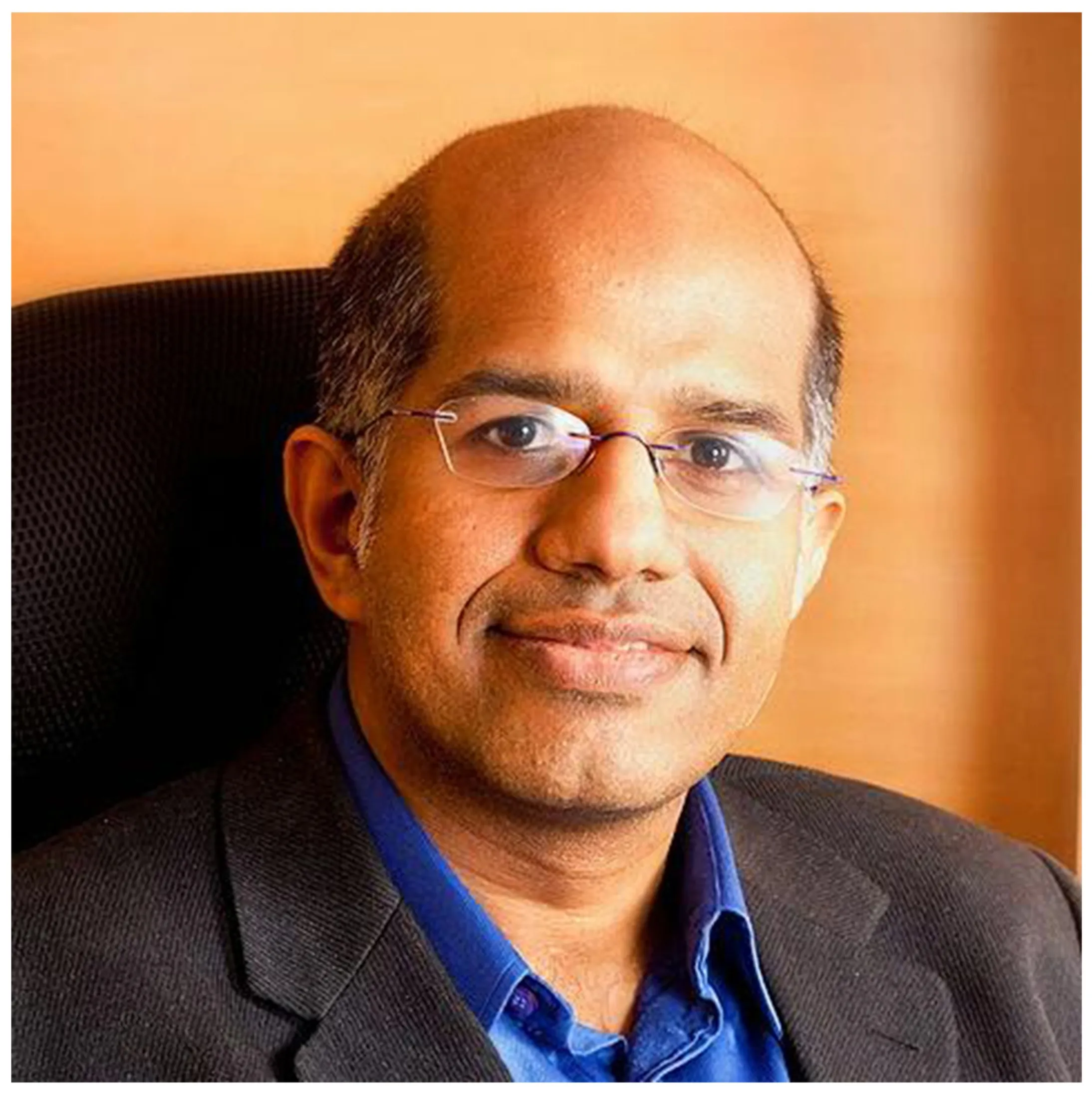
The Operator Behind India's Digital Boom
Early Life and Education
Sameer Mehta was born and raised in Mumbai, the commercial capital of India. He grew up in a family that has been involved in the manufacturing and distribution of business products for almost a century. The family’s flagship enterprise, Kores India Limited, was founded in 1936 and has remained a privately held company that supplies stationery, office supplies and related accessories across the Indian sub‑continent.
From 1984 to 1992 Sameer attended St. Xavier’s School in Mumbai, a Jesuit institution known for its emphasis on academic rigor and extracurricular development. The school’s environment exposed him to a blend of disciplined study habits and a culture of teamwork that later influenced his approach to building businesses.
After completing his secondary education, Sameer enrolled at Narsee Monjee College of Commerce and Economics, one of Mumbai’s premier commerce colleges. He pursued a Bachelor of Commerce degree, graduating with a solid grounding in accounting, finance, and business management. The coursework, combined with the practical exposure he received through family visits to Kores’ manufacturing units, gave him an early appreciation of supply‑chain dynamics, cost control and product development.
No public records detail the names or occupations of his parents, but the continuity of the Kores business across generations suggests that Sameer grew up in an environment where entrepreneurship and operational discipline were part of daily conversation.
Career
Early Years at Kores India Limited
Following his graduation, Sameer entered the family business, Kores India Limited, as a management trainee. Over the next several years he rotated through key functions including production planning, sales, and distribution. His performance earned him a promotion to Executive Director, a role in which he oversaw the launch of new product lines and the expansion of the company’s dealer network in western India.
During this period Sameer learned to negotiate with raw‑material suppliers, manage inventory turnover, and maintain quality standards that met both domestic and export requirements. These experiences later proved critical when he faced similar challenges in the consumer electronics sector.
Redwood Interactive and the RedGear Brand
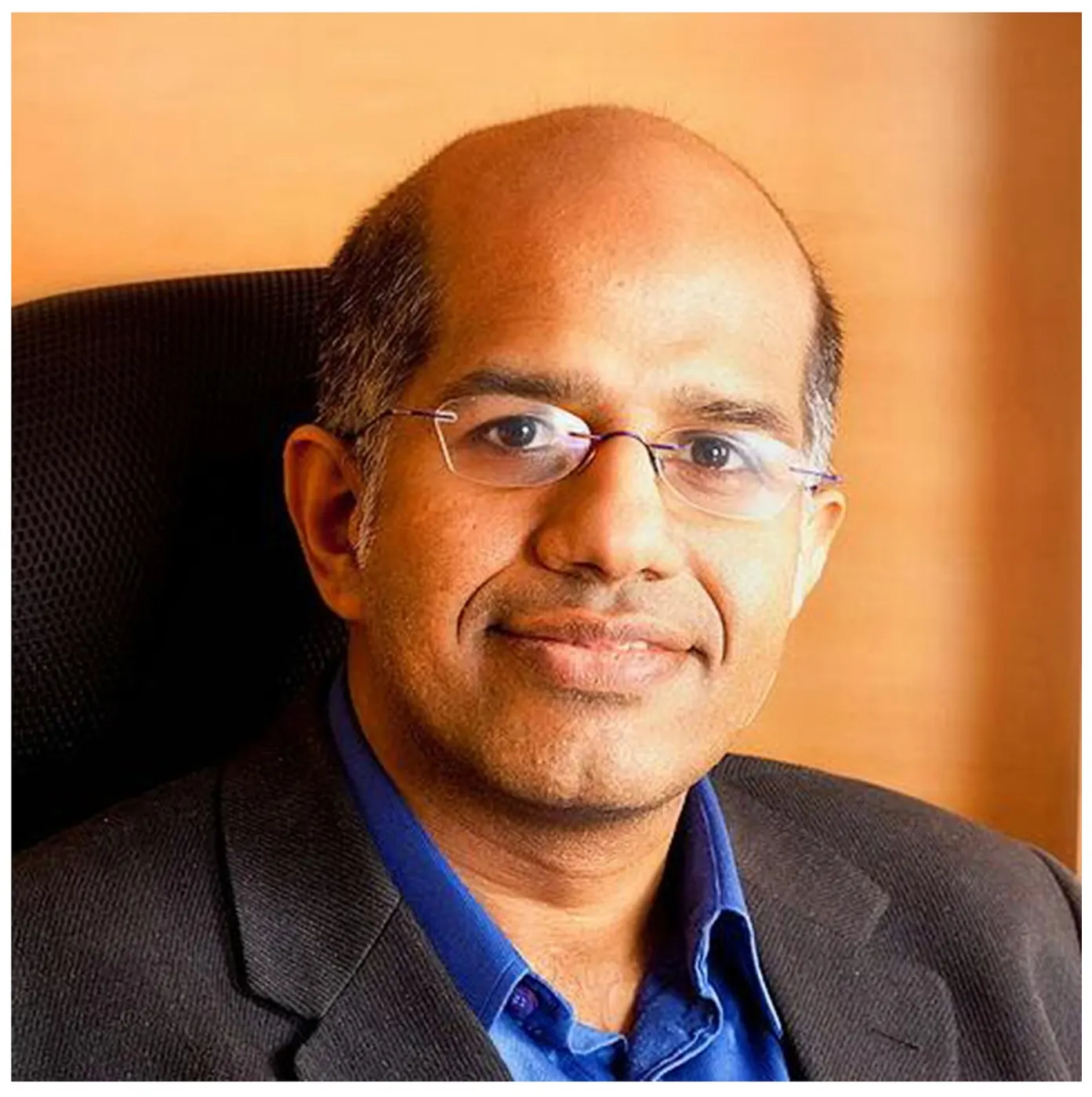
In parallel with his responsibilities at Kores, Sameer co‑founded Redwood Interactive, a technology‑focused venture that owned the RedGear brand. Redwood’s primary business was the design and distribution of computer peripherals such as keyboards, mice and gaming accessories. The venture gave Sameer exposure to the fast‑moving consumer electronics market, where product cycles are short and brand perception is heavily influenced by design aesthetics and price competitiveness.
RedGear’s success in securing shelf space in major Indian e‑commerce platforms and its ability to source components from overseas manufacturers sharpened Sameer’s skills in vendor management, a competency that would later become a cornerstone of boAt’s supply‑chain strategy.
Co‑Founding boAt
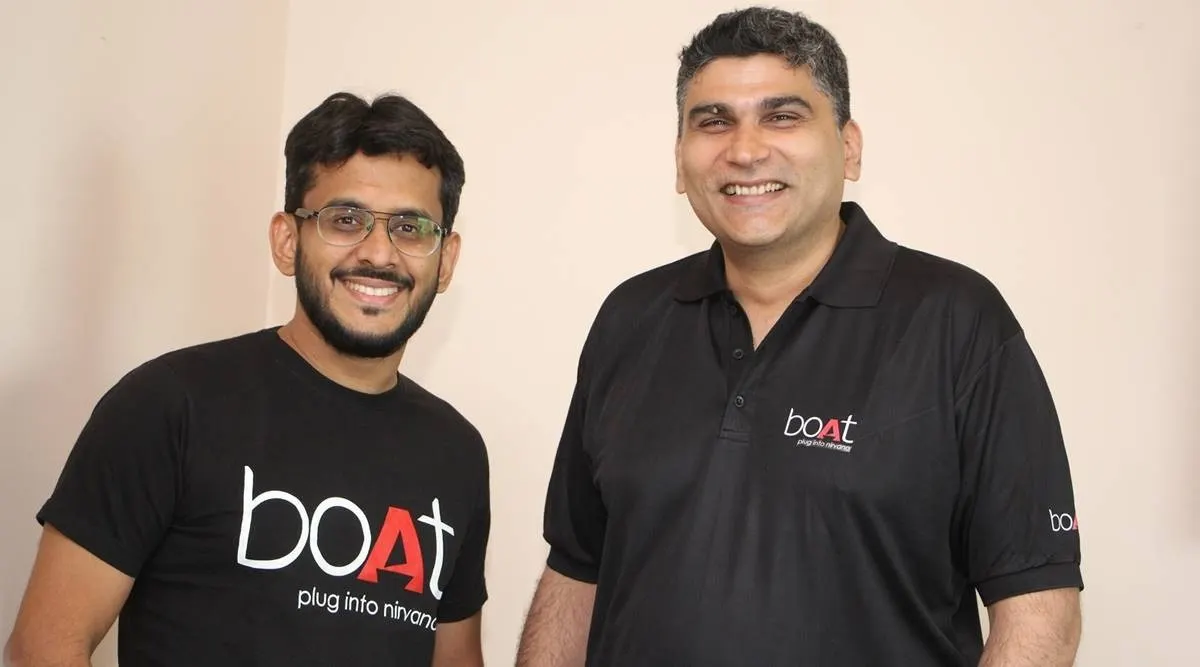
In 2013 Sameer met Aman Gupta through a mutual business acquaintance. The two shared a common belief that India’s audio accessories market was underserved, especially in the segment that combined affordable pricing with design that resonated with Indian youth. After several months of informal discussions, they decided to formalise their partnership.
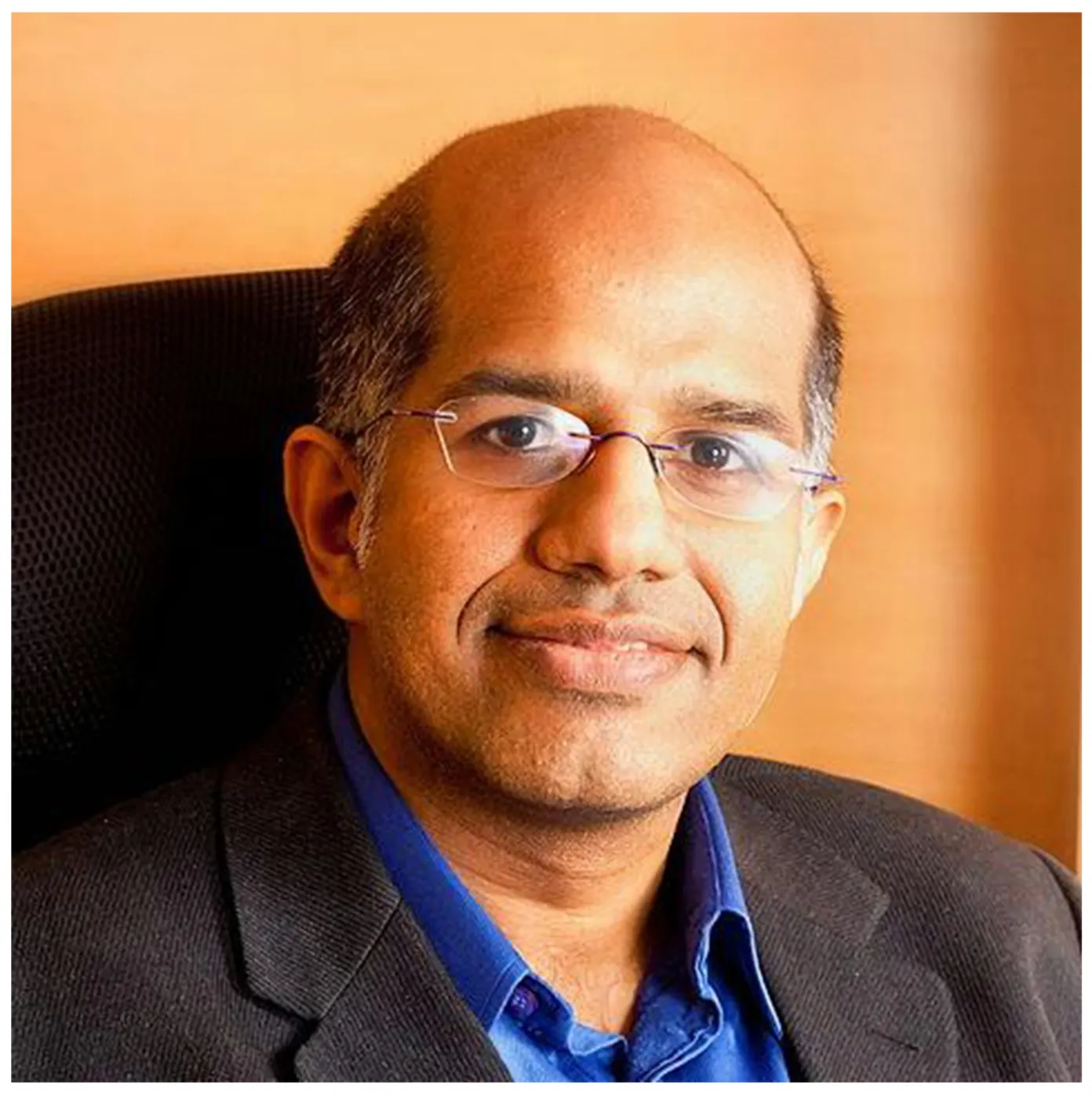
In 2014 they launched Imagine Marketing Private Limited, the legal entity that would later be rebranded as boAt Lifestyle. Their first operational step was to act as distributors for House of Marley, an American brand known for its eco‑friendly audio products. By handling the distribution of House of Marley, Sameer and Aman gained practical insights into inventory management, online marketplace dynamics and the importance of after‑sales service in building consumer trust.
The founders bootstrapped the venture with ₹3 million of personal savings. This modest capital base forced them to adopt a lean operating model: they sourced a small batch of braided Apple charging cables from a Chinese manufacturer, negotiated a minimum order quantity that matched their limited cash flow, and sold the product exclusively through online channels such as Flipkart and Amazon India.
Early challenges were significant. Chinese manufacturers were reluctant to produce low‑volume orders, fearing that the setup costs would not be recouped. To overcome this, Sameer personally travelled to Shenzhen, built relationships with factory owners and offered personal guarantees that tied his own assets to the production contracts. Simultaneously, venture capital firms were hesitant to invest in a consumer‑electronics startup without a proven track record, which led the founders to secure a short‑term bank line of credit by signing personal guarantees.
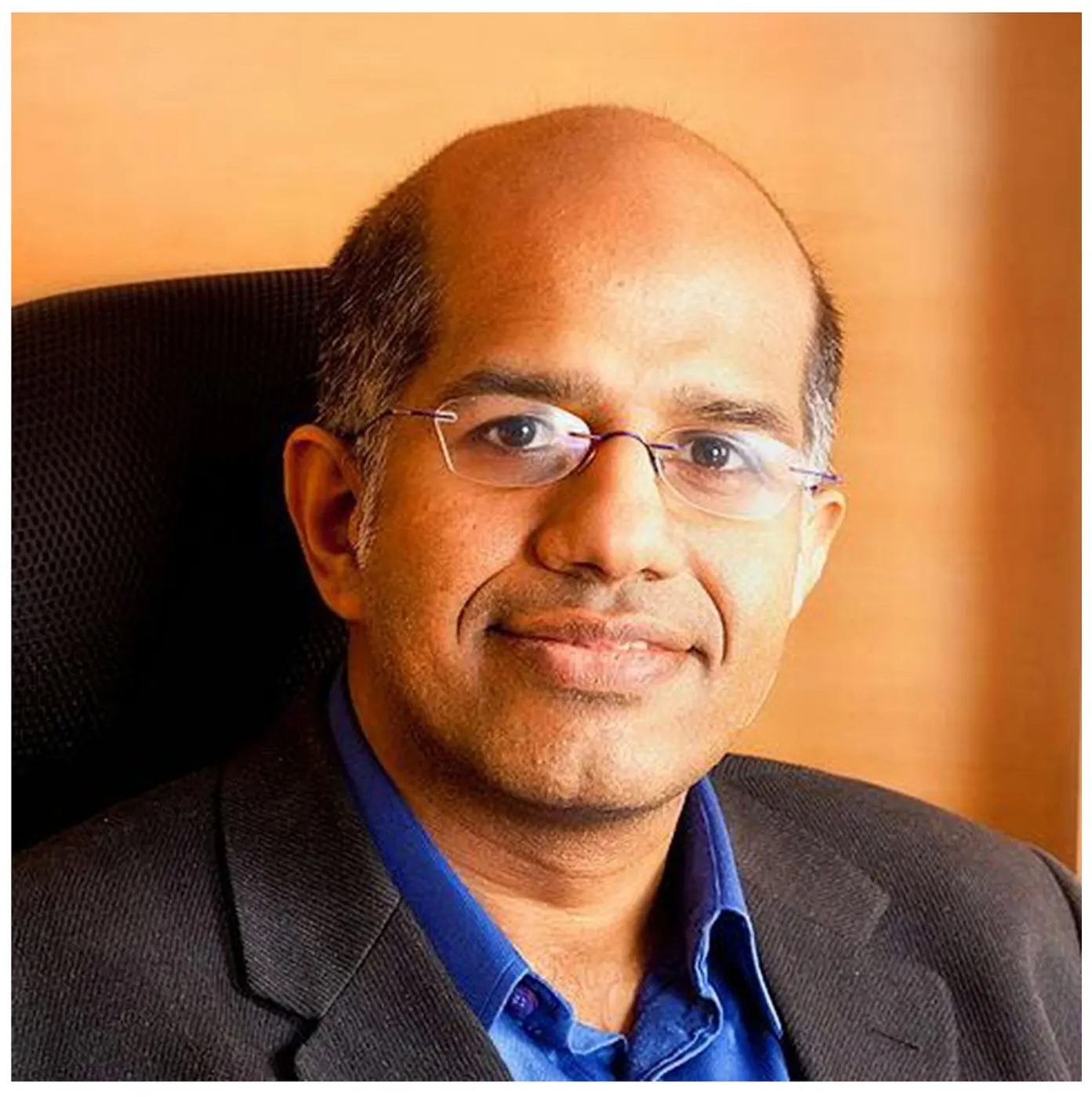
The first product that achieved market traction was the indestructible braided charging cable, marketed as a durable alternative to the fragile cables that were common at the time. Its success validated the hypothesis that Indian consumers were willing to pay a modest premium for reliability. Building on this momentum, Sameer led the development of the BassHeads earphones, a product specifically tuned to the bass‑heavy music preferences prevalent among Indian listeners. The BassHeads line combined a sleek design, aggressive marketing and aggressive pricing, and it quickly became a bestseller on e‑commerce platforms.
Growth of boAt
From 2016 onward boAt pursued a digital‑first strategy. The brand relied heavily on social media, influencer collaborations and celebrity endorsements to create buzz around each product launch. Sameer’s operational expertise ensured that the supply chain could scale rapidly to meet spikes in demand generated by these marketing campaigns.
By 2020 boAt had expanded its portfolio to include wireless earbuds, over‑ear headphones, Bluetooth speakers and wearables. The company’s design language, bold colours, matte finishes and a focus on “Indian bass”, differentiated it from global competitors that often offered minimalist aesthetics.

Financially, boAt’s growth was remarkable. Between 2018 and 2022 the company raised approximately $171 million across nine funding rounds, attracting investors such as Titan Capital, Bessemer Venture Partners and Sequoia Capital India. In 2022 boAt achieved unicorn status, with a valuation exceeding $1 billion.
The company’s revenue trajectory continued upward, reaching ₹3,097.8 crore in FY25. After a period of aggressive expansion that temporarily eroded margins, boAt returned to profitability in FY25, posting a net profit of over ₹60 crore. The turnaround was driven by improved cost efficiencies, higher‑margin product introductions and a focus on direct‑to‑consumer sales that reduced reliance on third‑party retailers.
Strategic acquisitions also played a role in consolidating boAt’s market position. The firm acquired RedGear, bringing in a portfolio of gaming accessories and an established distribution network. It later purchased COVE, a startup specialising in waterproof audio devices, and KaHa Pte, a Singapore‑based audio‑technology firm that added research capabilities in acoustic engineering.

In 2025 boAt filed an updated IPO prospectus with the Securities and Exchange Board of India, targeting a raise of ₹2,000 crore. Although the 2022 IPO attempt was withdrawn due to market volatility, the company’s preparation for a public listing demonstrates confidence in its long‑term growth prospects.
Personal Life and Philanthropy
Outside the boardroom, Sameer Mehta leads a relatively low‑profile personal life. He is an avid padel player and can frequently be seen at the Andheri Sports Complex in Mumbai, where he participates in weekly matches with friends and fellow entrepreneurs.
His philanthropic interests focus on children’s arts and sports education. He has supported campaigns that provide underprivileged children with access to musical instruments, painting supplies and sports equipment, believing that early exposure to creative activities builds confidence and teamwork skills.

In addition, Sameer has partnered with animal‑welfare foundations to rescue stray dogs. One notable initiative involved collaborating with Jinx, a local animal‑rights group, to fund the adoption and medical care of dogs rescued from municipal shelters.
Sameer is a vocal advocate for decentralized leadership and the principle of “skin in the game”. He frequently writes about the importance of founders being directly involved in product development, supply‑chain decisions and customer service, arguing that this hands‑on approach creates brands that are both high‑quality and widely accessible.
Other Ventures
Two executives share the name Sameer Mehta, each leading distinct businesses.
Sameer Mehta to Los Angeles: He is the Co‑Founder and CEO of Smash Kitchen, a food‑and‑beverage company that produces organic condiments, pantry staples and ready‑to‑cook sauces. Based in Los Angeles, he focuses on scaling the brand through national retail partnerships with Walmart, Sysco and food‑service collaborations such as supplying meals for American Airlines.
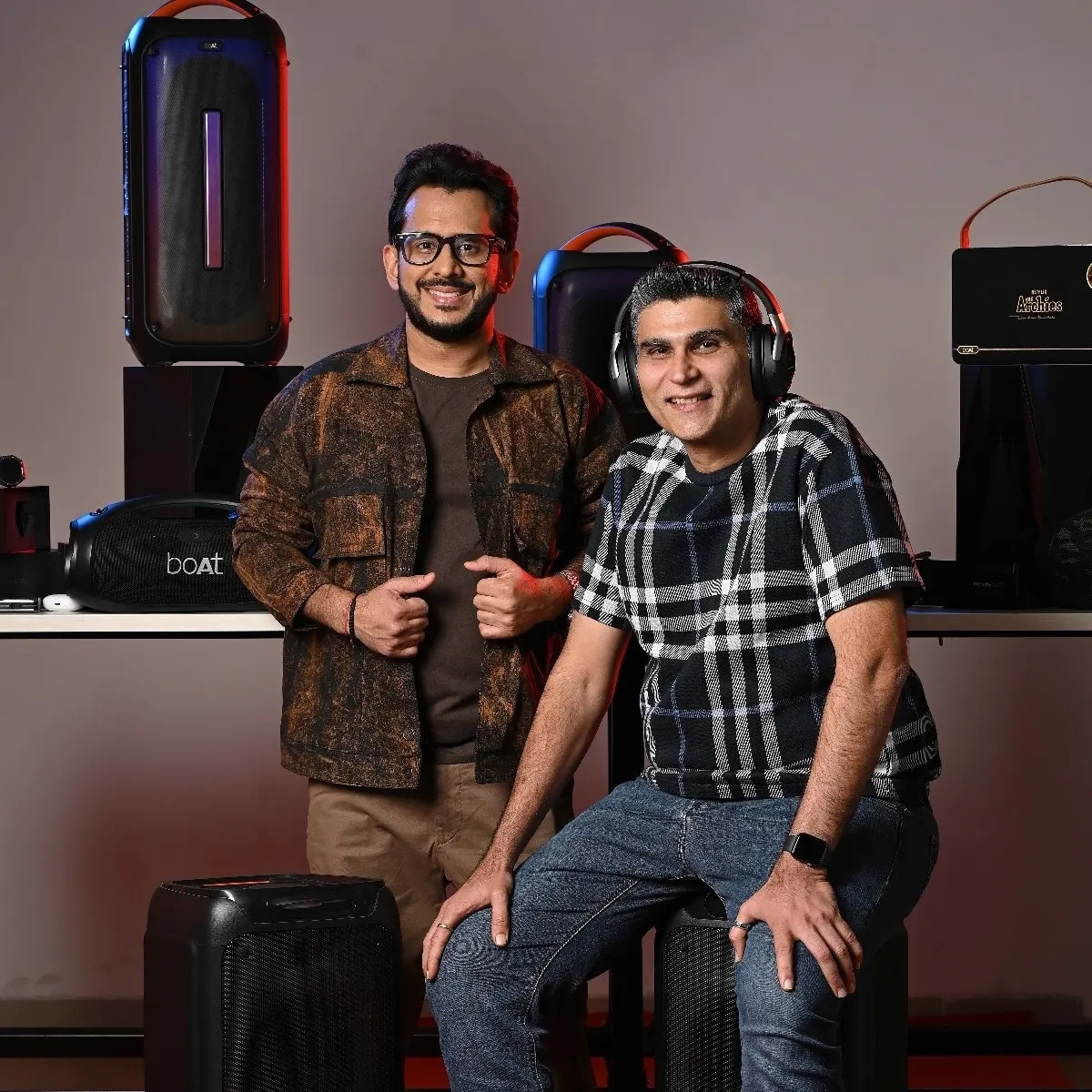
Sameer Mehta to Mumbai: He is the Co‑Founder, Executive Director and Chief Product Officer of boAt Lifestyle. As of August 2026 he continues to drive product innovation, most recently overseeing the launch of Crest AI, an artificial‑intelligence‑powered audio‑tuning platform developed in collaboration with Google Cloud. This initiative aims to personalize sound profiles for individual listeners using machine‑learning algorithms.
Both individuals are unrelated in terms of corporate affiliation, but each exemplifies a hands‑on, growth‑oriented leadership style.
Why the story matters
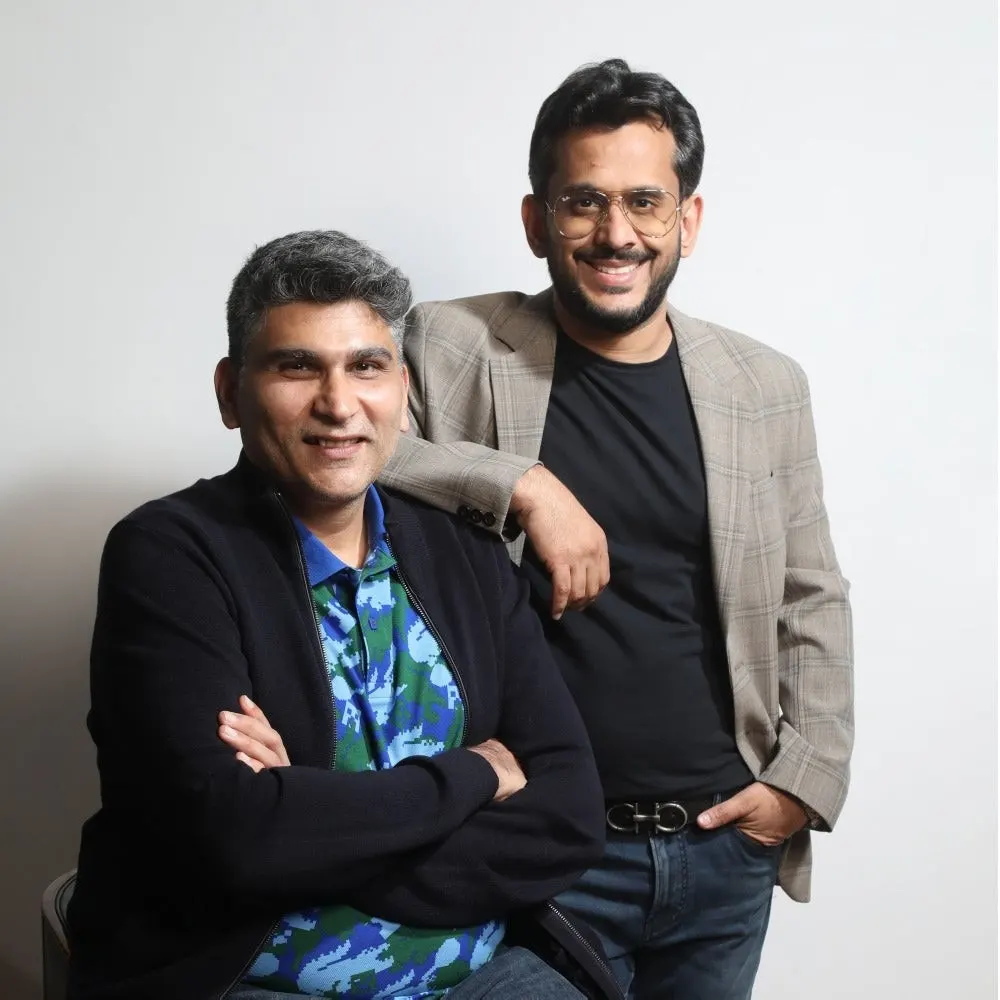
Sameer Mehta shows that every famous brand needs a strong builder behind the scenes. For young builders, the lesson is simple. Great partnerships combine a public face with strong operators. He did not chase the spotlight. He built what it shone on.
The Record
Built: boAt (with Aman Gupta)
Role: Co‑founder
Timeline
1. 2016 to Co‑founds boAt.
2. 2020s to boAt becomes a leading audio brand in India.
3. 2025 to boAt files updated IPO draft.