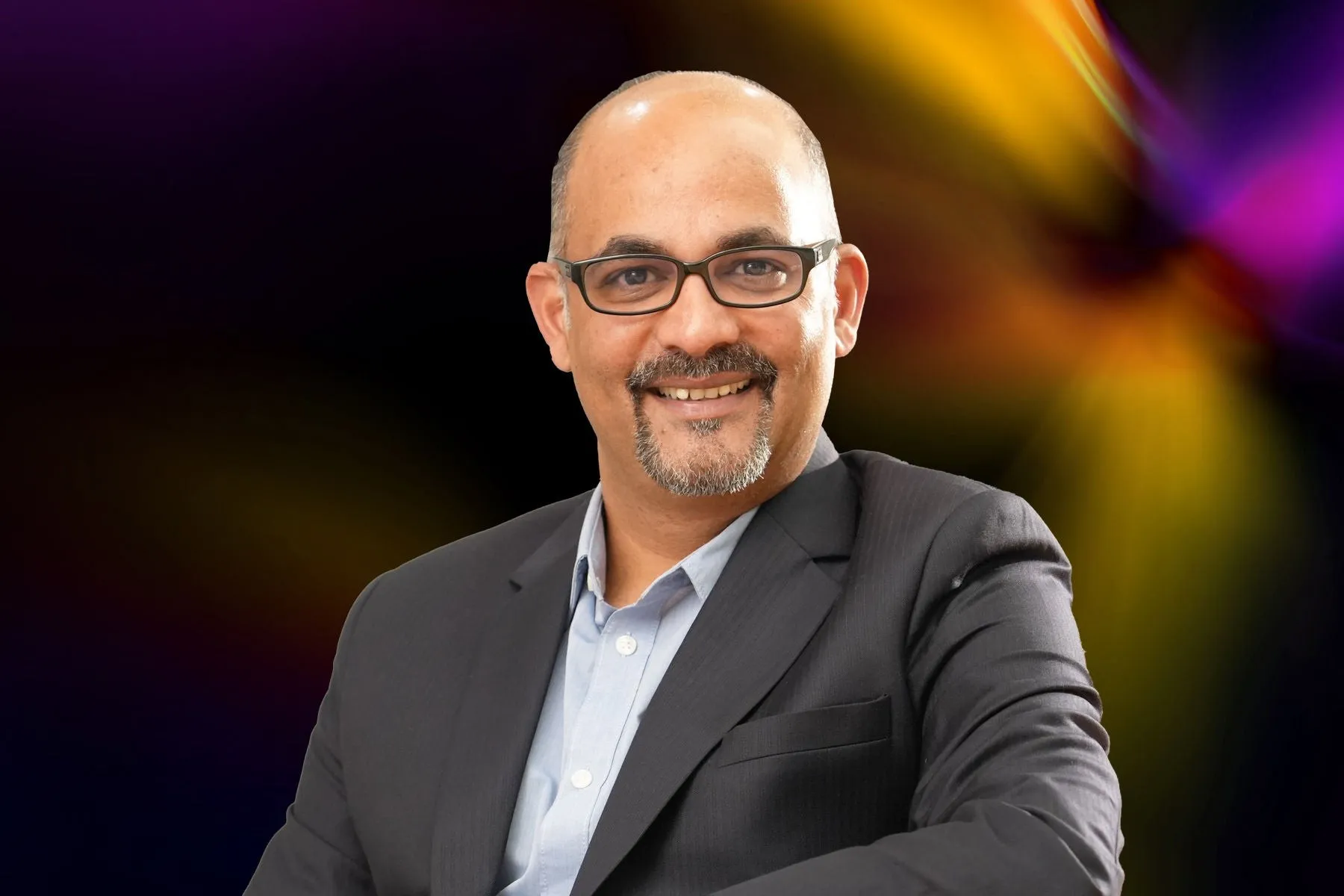
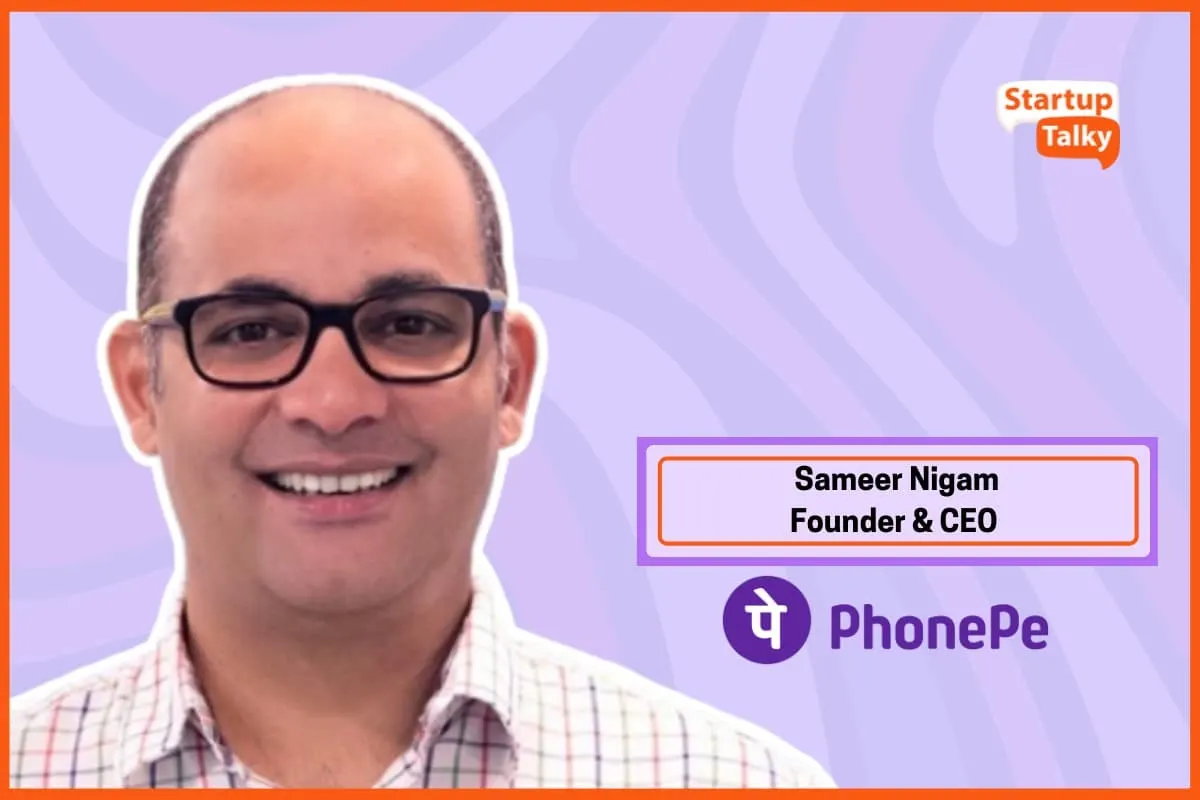
The Man Behind India's Biggest Payments App
He sold his first startup to Flipkart. He co‑founded PhonePe. Now India pays with it every day.
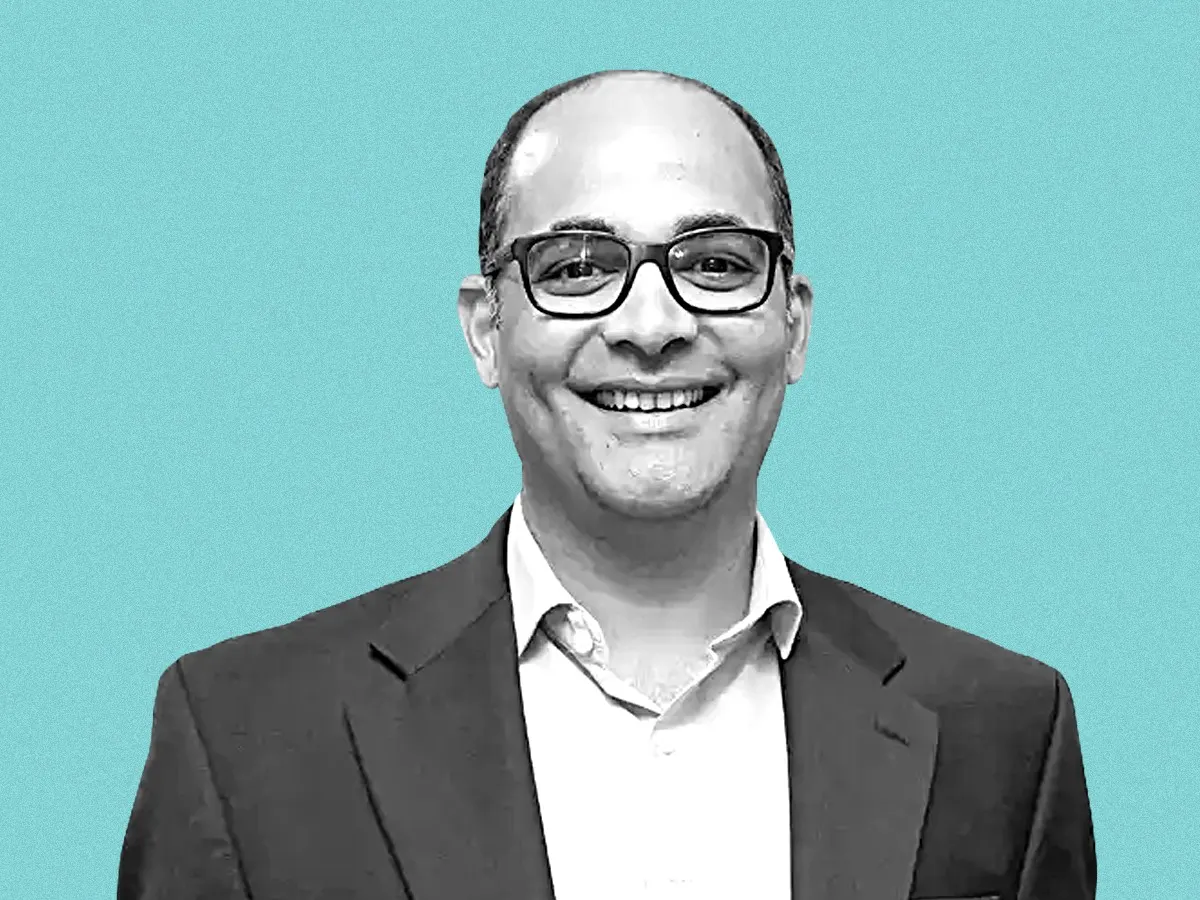
Sameer Nigam grew up moving across India.
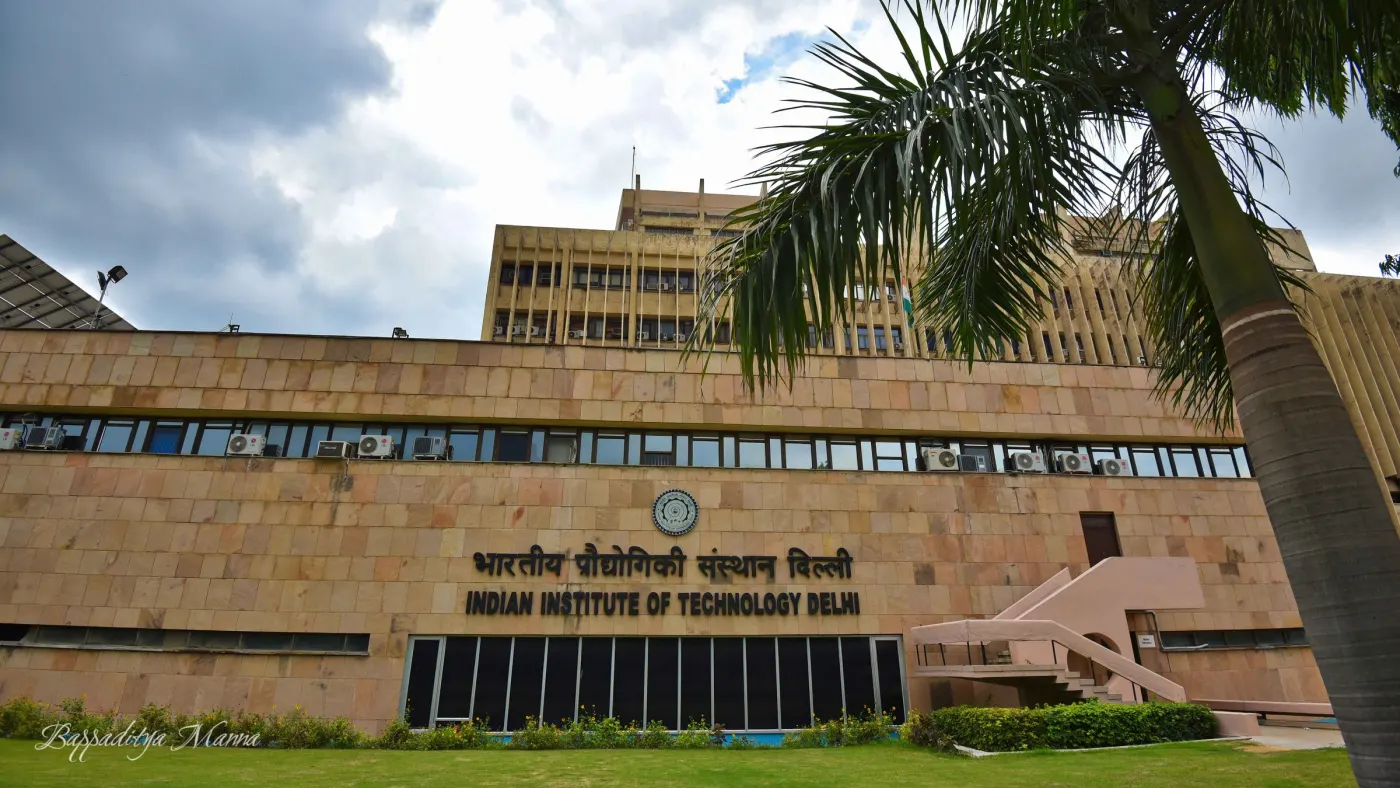
His father was a naval officer and an IIT graduate.
His mother was a self‑taught computer scientist and former IAS officer.
They lived in Delhi and Noida for most of his childhood.
Childhood and Family
His father worked on projects like INS Arihant and Chandrayaan.
His mother earned a PhD and started several businesses.
Both parents valued education and hard work.
These values shaped Sameer’s future path.
School Years
He attended Delhi Public School in Noida.
The school gave him a strong base in math and science.
He loved computers from an early age.
Higher Education
He earned a Bachelor’s in Computer Engineering from the University of Mumbai.
He then completed a Master of Science in Computer Engineering at the University of Arizona.
Later he added an MBA in Entrepreneurship from Wharton.
Early Career
In 2001 he became Director of Search Product Development at Shopzilla.
He stayed there until 2007.
In 2009 he founded Mime360, a digital media distribution platform.
Flipkart bought Mime360 in 2011.
The sale led him to senior roles at Flipkart.
PhonePe and Leadership
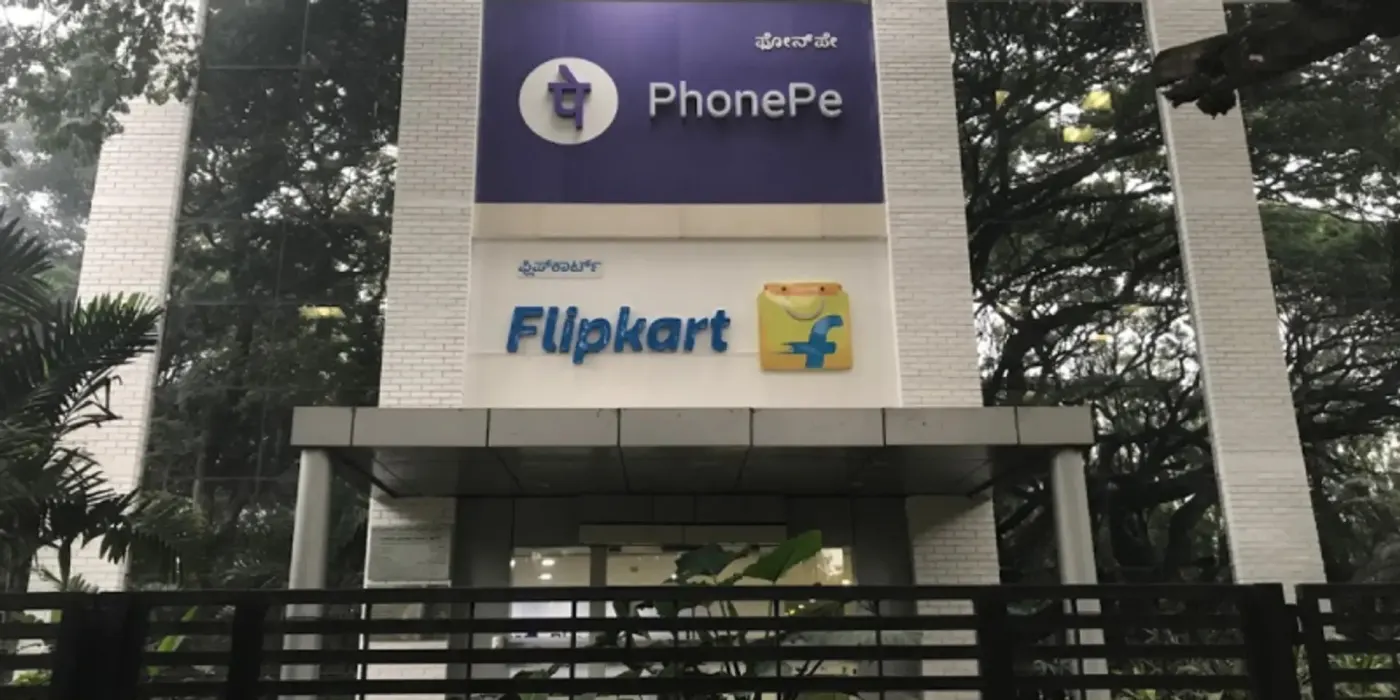
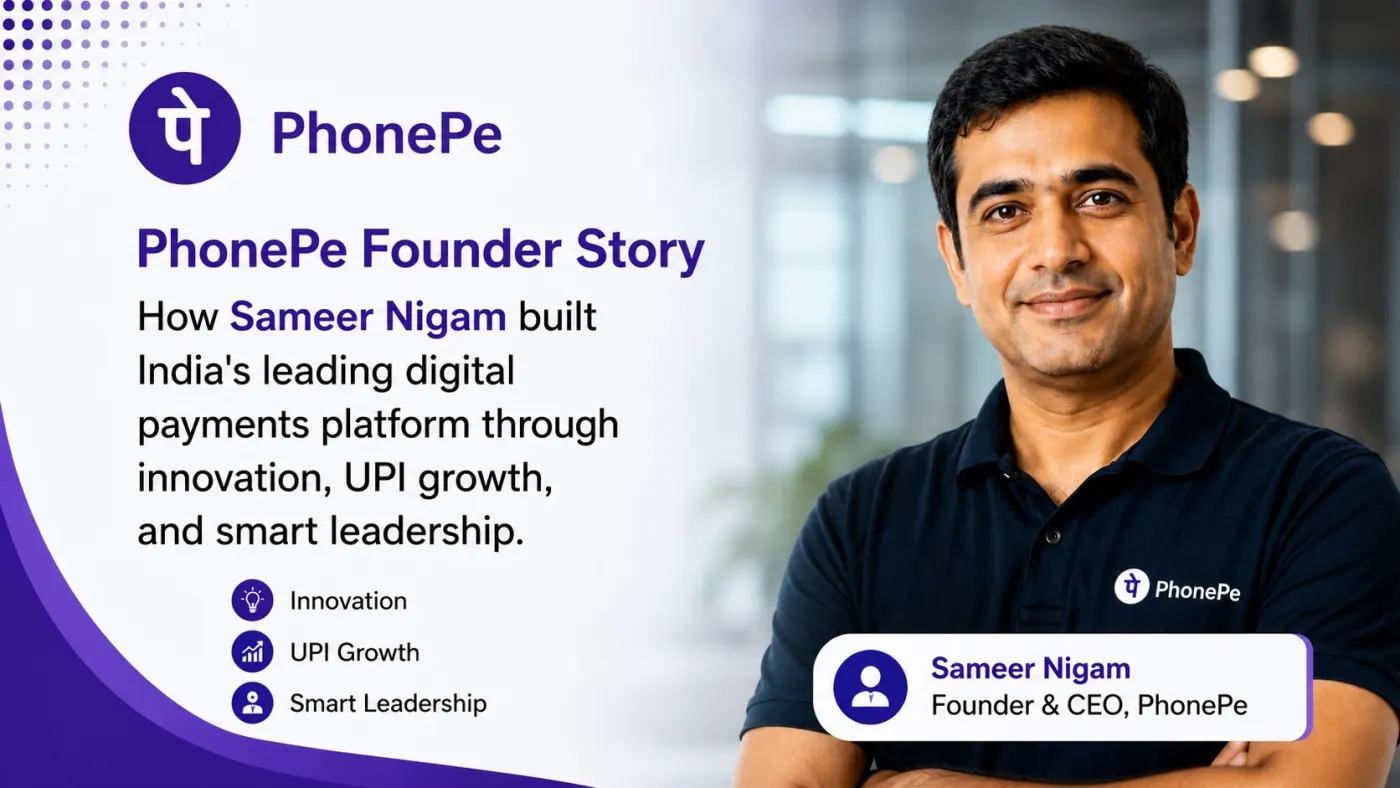
In 2015 Sameer co‑founded PhonePe with Rahul Chari and Burzin Engineer.
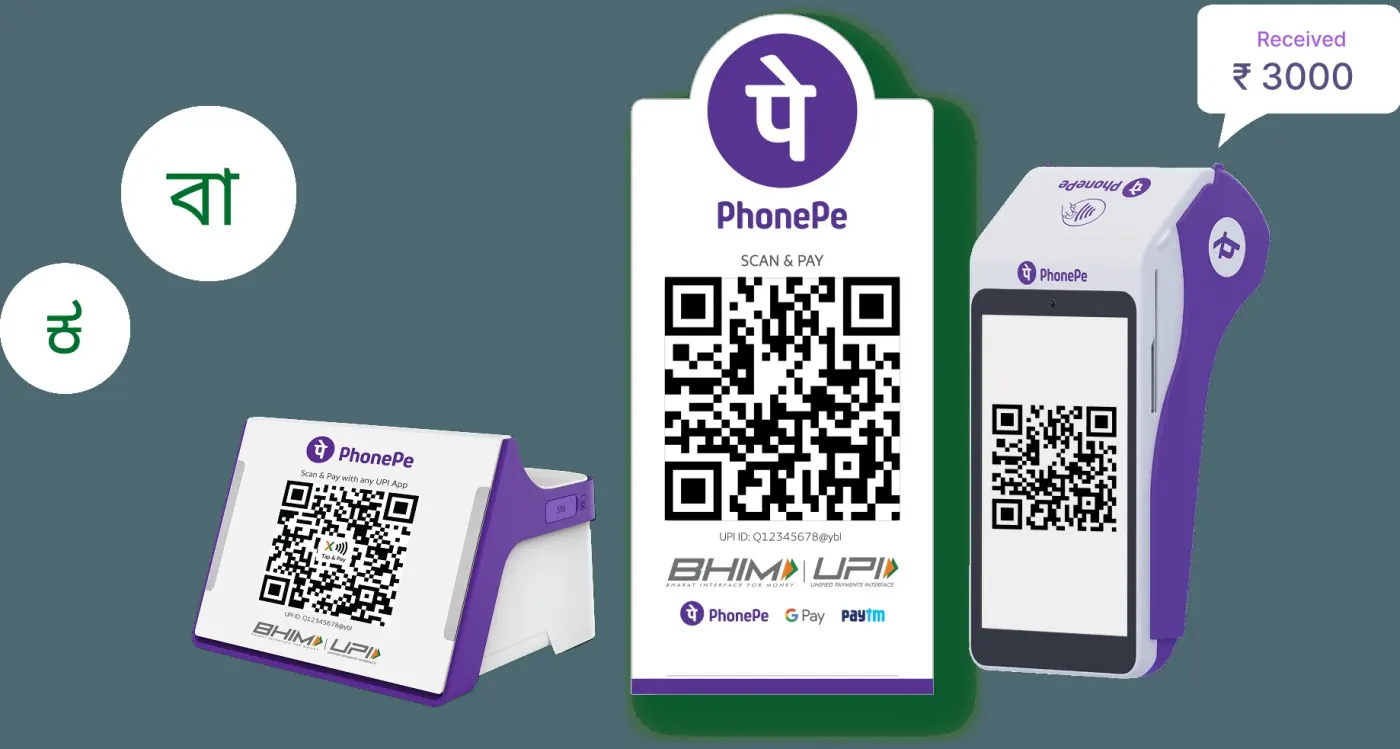
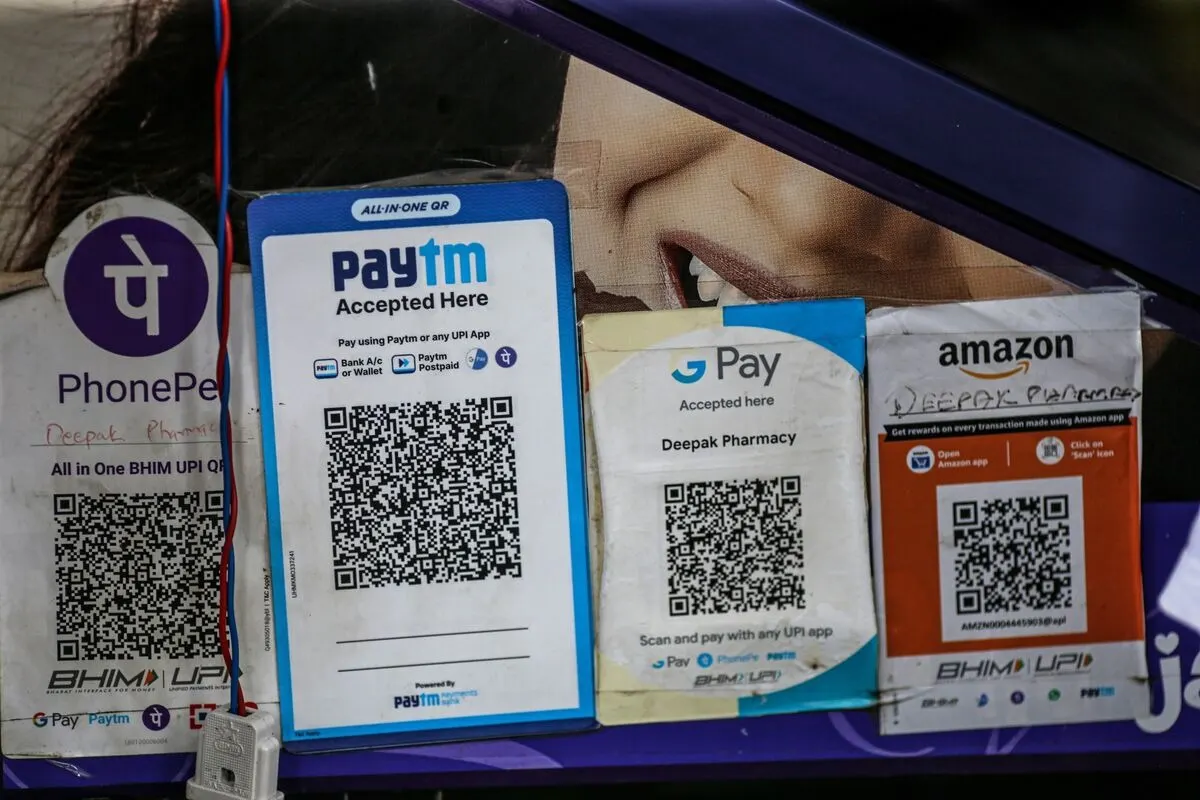
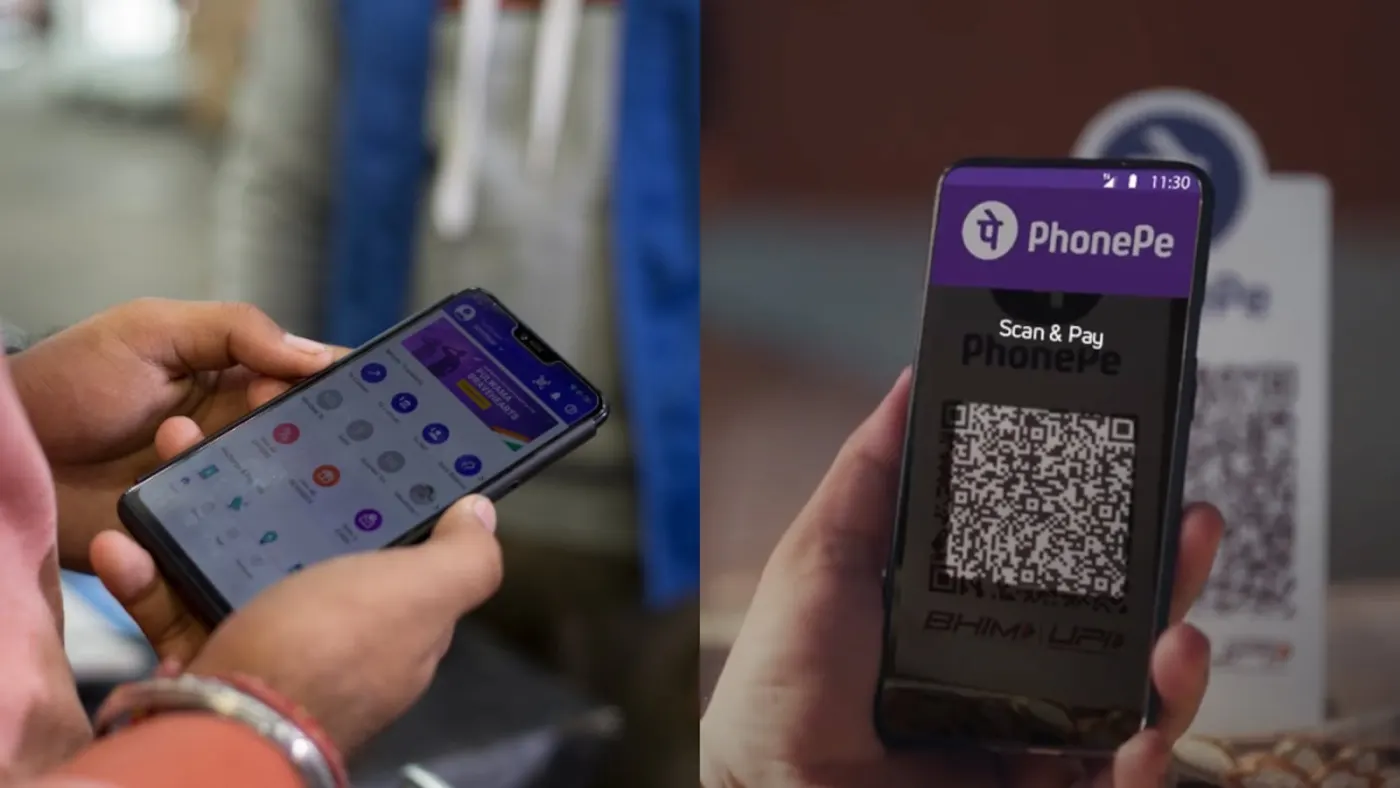
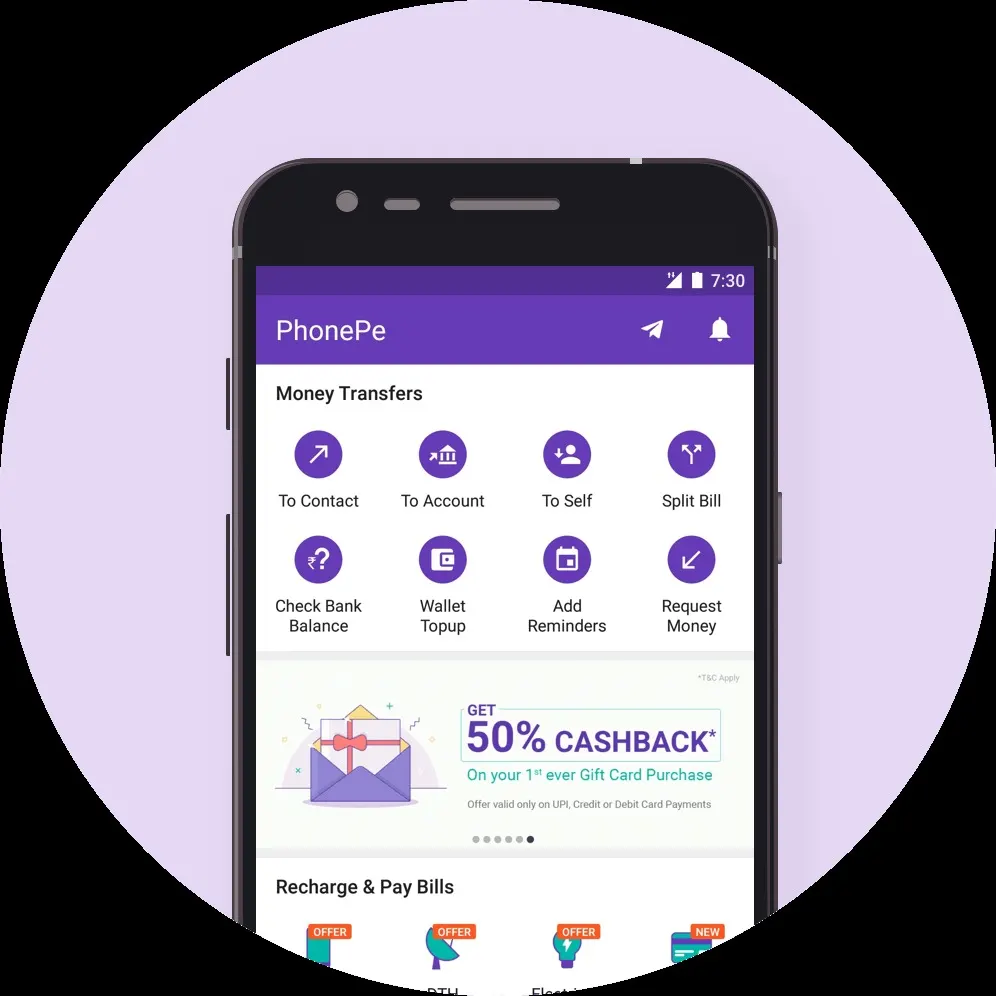
PhonePe was built as “digital plumbing” for payments.
Bankers were unsure about UPI at first.
PhonePe spent heavily to be ready before launch.
The UPI launch on 28 Aug 2016 gave PhonePe a big break.
It added about 5,000 new users each day early on.
By December 2016 it had 10 million installed users.
PhonePe now processes over 11.5 billion transactions each month.
It has 700 million registered users as of April 2026.
The company has raised $2.85 billion in funding.
It filed draft IPO papers in September 2025 targeting a $15 billion valuation.
The listing has been postponed twice because of market volatility.
Sameer has faced public backlash.
In July 2024 he criticized a Karnataka job‑quota bill.
He received boycott calls and social media protests.
He later issued an unconditional apology.
He also settled a trademark dispute with BharatPe over the “Pe” suffix in 2024.
He has dealt with UPI outages and parliamentary scrutiny.
He leads PhonePe’s “flywheel” strategy.
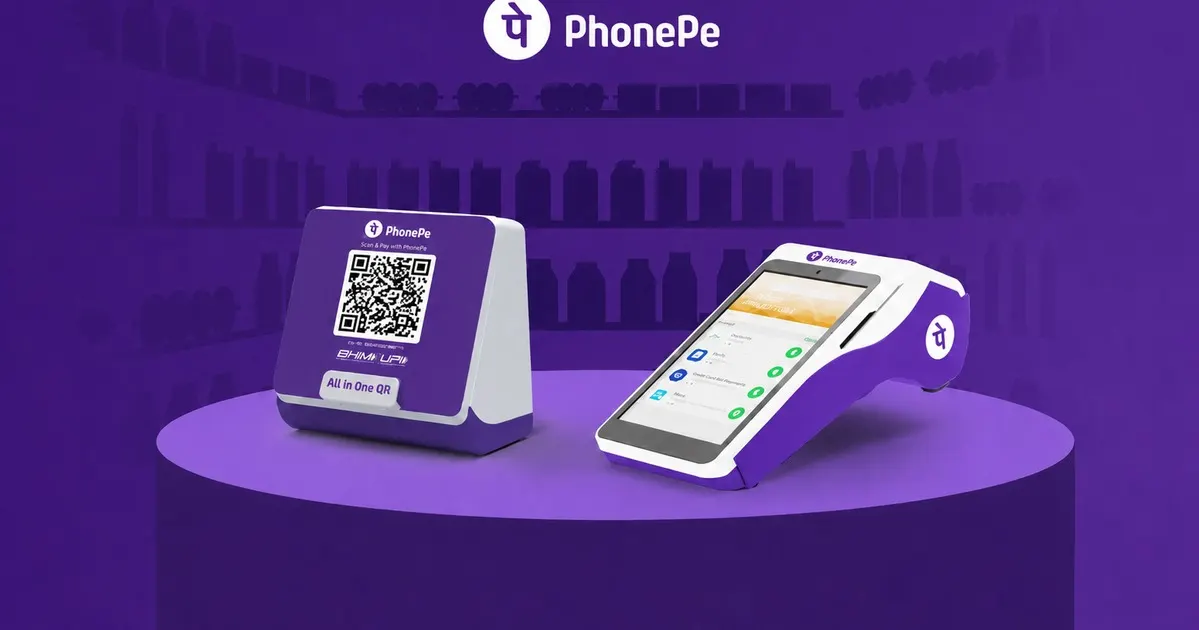
The plan uses payment scale to sell lending, insurance and wealth products.
PhonePe bought WealthDesk and Indus Appstore to grow its ecosystem.
We wanted to build something for every Indian, something that every Indian will use.
You can be well regulated, compliant and profitable.
Outside work, Sameer plays volleyball.
He owns the Mumbai Meteors team in the RuPay Prime Volleyball League.
He says family time matters more than work.
In December 2024 he pledged a $1 million grant to the Sardar Patel Institute of Technology.
The grant supports student innovation and infrastructure.
Sameer Nigam continues to guide PhonePe through growth, regulation and market change.
His story shows how building on national infrastructure can reach a billion users.
Founding Story
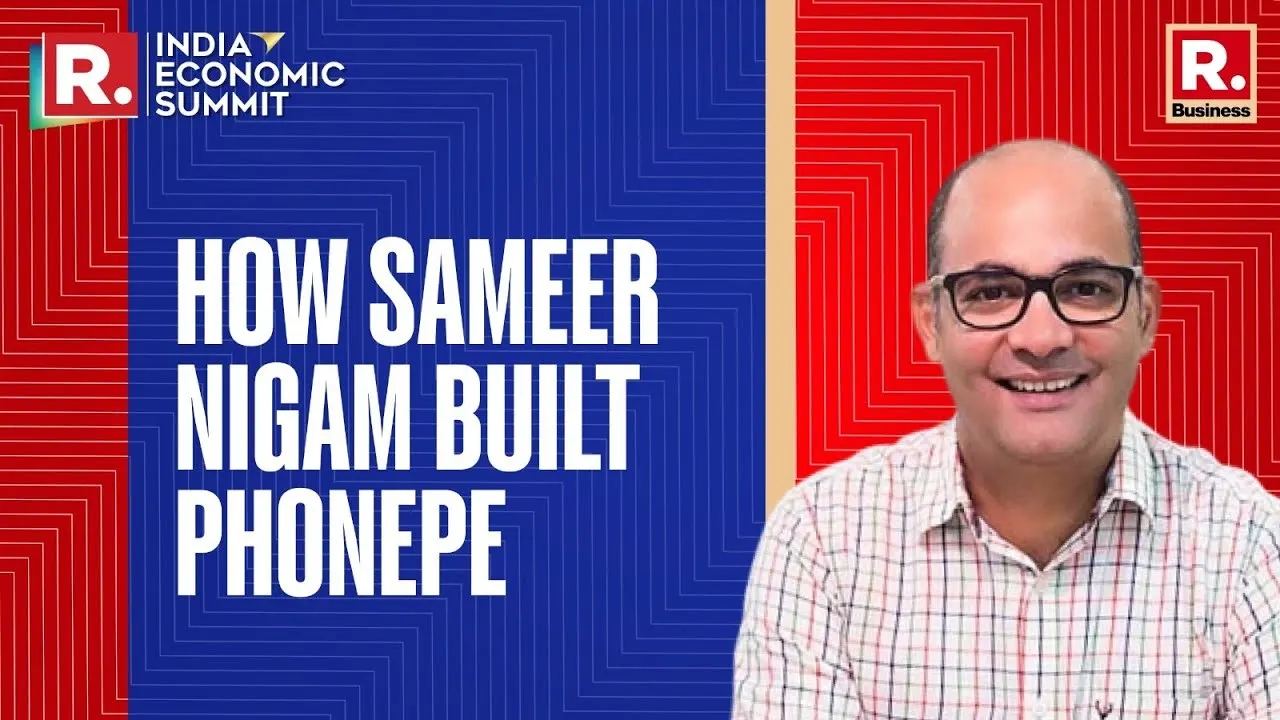
Sameer Nigam was born in 1978. He grew up in Delhi and Noida. His dad was an IIT graduate and navy officer. His mom worked at TCS and later earned a PhD. She also became an IAS officer at age 40. Sameer went to Delhi Public School in Noida. He earned a computer engineering degree in Mumbai. He got a master’s in computer engineering from the University of Arizona. He later completed an MBA in entrepreneurship at Wharton. He started his career in 2001 at Shopzilla. He led search product development until 2007. In 2009 he founded Mime360, a digital media platform. Flipkart bought Mime360 in 2011. The sale led him to senior roles at Flipkart. In 2015 he co‑founded PhonePe with Rahul Chari and Burzin Engineer. The goal was to make digital payments easy for every Indian.
First Product and Early Customers
PhonePe launched on August 28, 2016. It used India’s UPI system. The app focused on “digital plumbing” instead of a wallet. Early users joined quickly. The app added about 5,000 new users each day at first. By December 2016 it had 10 million installed users. The early customers were everyday shoppers and small merchants. PhonePe spent heavily on infrastructure before launch. It wanted to be ready for rapid growth.
Early Struggles
Bankers were unsure about partnering on UPI. Investors did not understand the UPI‑first strategy. PhonePe had to explain why it did not build a wallet first. In 2018 ICICI Bank shut PhonePe’s services. The team escalated the issue to NPCI and regulators. Service was restored after the escalation. The company also faced a trademark dispute with BharatPe over the “Pe” suffix. The dispute settled out of court in 2024. Technical UPI outages also tested the team. Each challenge forced the team to improve systems and communication.
Key Turning Points
The UPI launch on August 28, 2016 was a turning point. It gave PhonePe a national platform. The rapid user growth proved the model. In 2022 PhonePe separated from Flipkart. It moved its domicile to India. The company then prepared for an IPO. In July 2024 Sameer Nigam apologized after a backlash over a Karnataka bill. The apology helped calm public sentiment. In 2024 the trademark dispute ended, clearing brand confusion. Each event moved PhonePe closer to a stable, large‑scale business.
Growth with Real Numbers
PhonePe processes over 11.5 billion transactions each month. It has 700 million registered users as of April 2026. FY26 revenue reached Rs 7,920 crore. That is up from Rs 7,115 crore in FY25. The company raised $2.85 billion in funding. It acquired WealthDesk and Indus Appstore to add lending, insurance and wealth services. The “flywheel” model uses payment scale to sell these new products. The ecosystem now includes lending, insurance and wealth management. PhonePe’s monthly transaction volume grew from millions in 2016 to billions in 2026.
Funding, IPO and Acquisitions
PhonePe raised $2.85 billion from investors. After Walmart bought Flipkart in 2018, PhonePe stayed under the Flipkart umbrella. In 2022 it spun out as an independent company. The firm filed draft IPO papers in September 2025. It targeted a $15 billion valuation. SEBI approved the IPO in January 2026. Market volatility caused the listing to be postponed several times. The company continues to prepare for a public listing. Acquisitions like WealthDesk and Indus Appstore expanded its product range and user base.
Outlook
Sameer Nigam still leads PhonePe as CEO. He plays volleyball and owns the Mumbai Meteors team. He gave a $1 million grant to the Sardar Patel Institute of Technology in December 2024. He says the company wants to help every Indian with digital finance. PhonePe aims to keep growing its transaction volume. It also plans to launch more financial products. The journey shows how a focus on national infrastructure can create massive scale.
Setbacks
PhonePe faced early doubts from banks.
Investors were unsure about a UPI‑first plan.
The team spent money before launch.
In 2018 ICICI blocked PhonePe services.
The block was lifted after regulator help.
Technical UPI outages hit users in 2023.
A trademark fight with BharatPe lasted years.
Criticism and Controversies
In July 2024 Nigam criticized a Karnataka bill on local job quotas.
The comment sparked boycott calls.
Social media protests grew quickly.
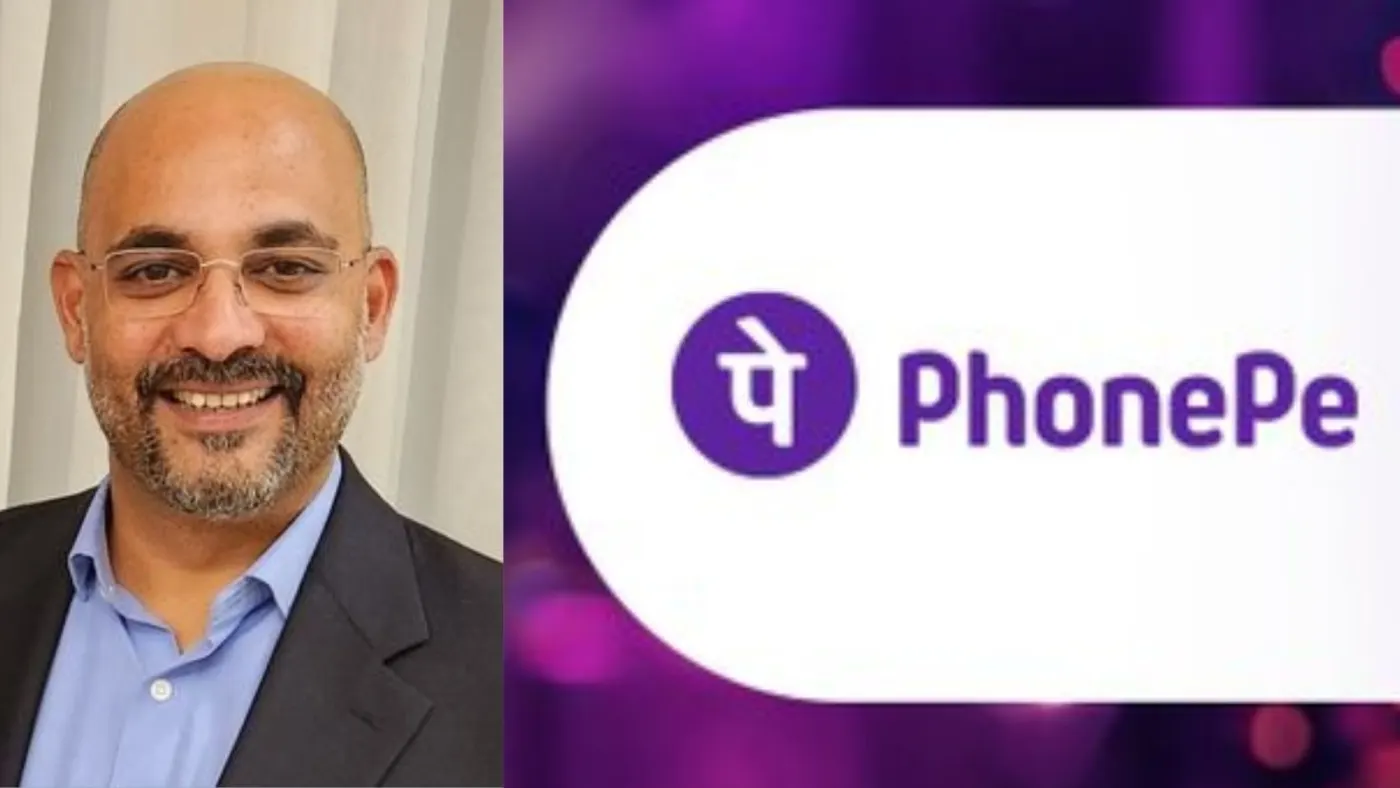
He issued an unconditional apology soon after.
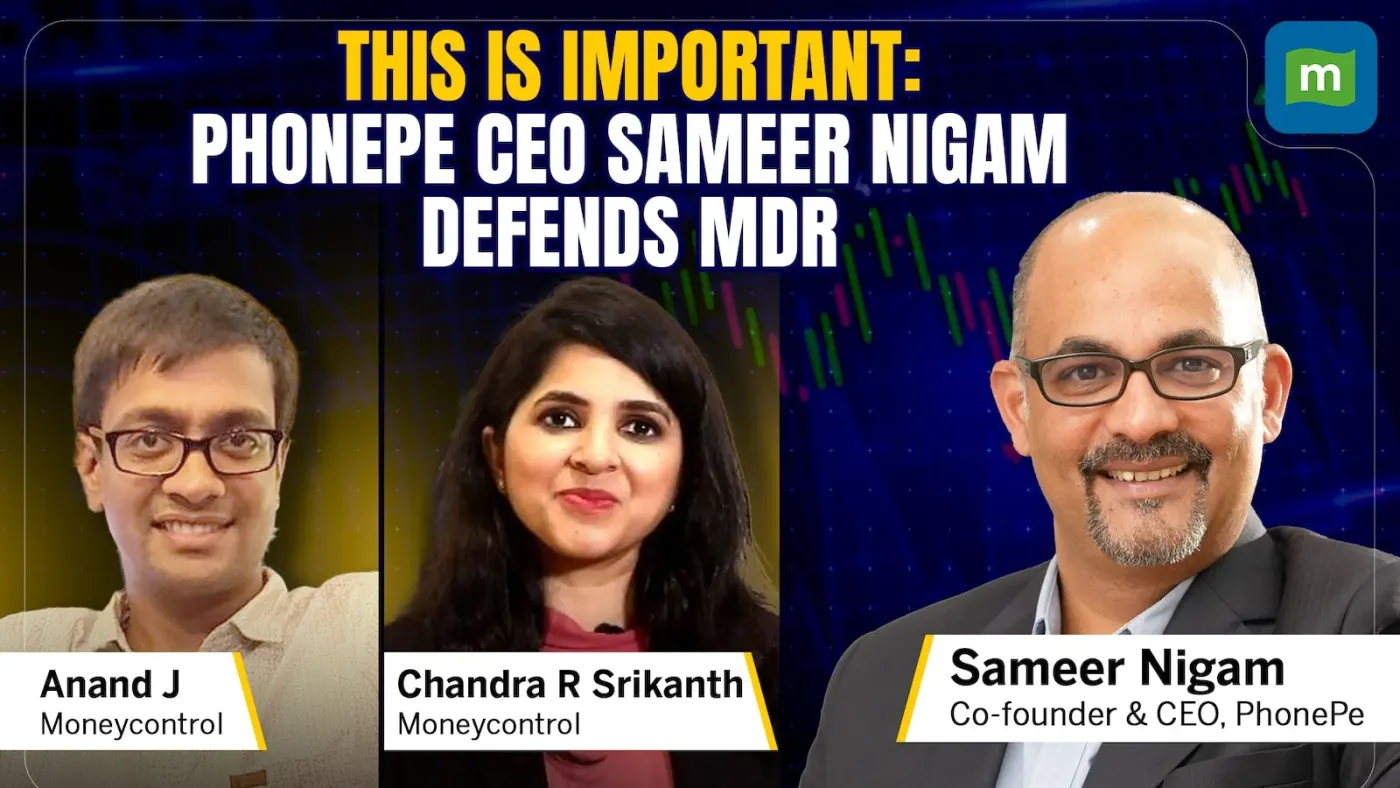
A fact‑checking video examined false claims about Nigam and UPI MDR.
Parliamentary panels questioned PhonePe’s market power.
Critics worried about foreign investment influence.
The company answered with compliance reports.
What Changed Recently
PhonePe added lending, insurance and wealth services.
It bought WealthDesk and Indus Appstore in 2025.
The “flywheel” model uses payment scale to sell finance products.
In 2024 the MDR rule was defended as needed for sustainability.
Nigam said the rule could speed up the IPO timeline.
The company filed draft IPO papers in September 2025.
It aimed for a $15 billion valuation.
Market volatility forced a postponement in early 2026.
PhonePe announced a decade‑long roadmap for digital inclusion at Global Fintech Fest 2026.
Where They Are Now (2026)
PhonePe processes over 11.5 billion transactions each month.
It has 700 million registered users as of April 2026.
Revenue rose to Rs 7,920 crore in FY26.
The firm remains separate from Flipkart after 2022.
Nigam still leads as co‑founder and CEO.
He continues to play volleyball for the Mumbai Meteors.
He pledged a $1 million grant to Sardar Patel Institute in December 2024.
PhonePe is preparing for an IPO once market conditions improve.
Why the story matters
The journey shows how big infrastructure can power a startup.
It teaches that early setbacks can be turned into strengths.
It reminds leaders to listen before they speak publicly.
It shows the value of diversifying beyond a single product.
It proves that regulation can be a partner, not just a hurdle.
Big ideas need big responsibility.
The Record
Birth: 1978, Mumbai or Delhi
Education: DPS Noida; B.Tech Computer Engineering, University of Mumbai; M.S. Computer Engineering, University of Arizona; MBA Entrepreneurship, Wharton
First startup: Mime360, sold to Flipkart 2011
PhonePe founded: 2015
IPO filing: September 2025 (postponed 2026)
Revenue FY26: Rs 7,920 crore
Timeline
1978 to Born in Mumbai or Delhi.
2001 to Joined Shopzilla as Director of Search Product Development.
2009 to Founded Mime360.
2011 to Mime360 acquired by Flipkart.
2015 to Co‑founded PhonePe.
2016 to PhonePe launched with UPI on Aug 28.
2018 to ICICI temporarily shut PhonePe services.
2022 to PhonePe separated from Flipkart.
2024 to Settled trademark dispute with BharatPe; issued apology for Karnataka comments; defended MDR rule.
2025 to Acquired WealthDesk and Indus Appstore; filed IPO draft.
2026 to Reported 11.5 billion monthly transactions; revenue Rs 7,920 crore; preparing for IPO.