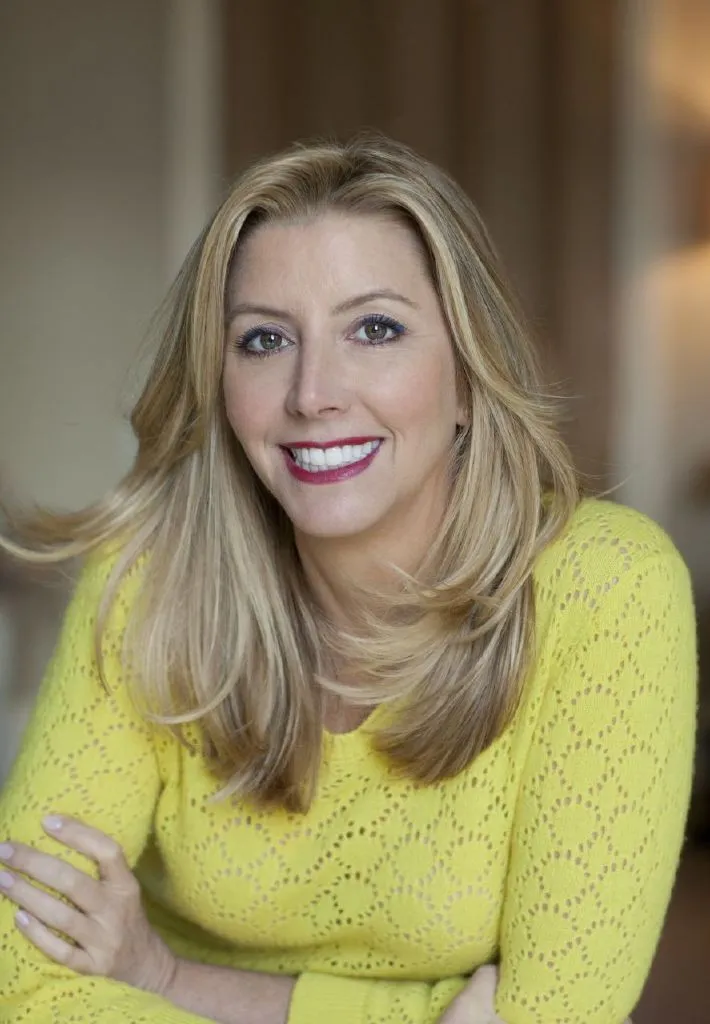
The Scissors That Built a Billion
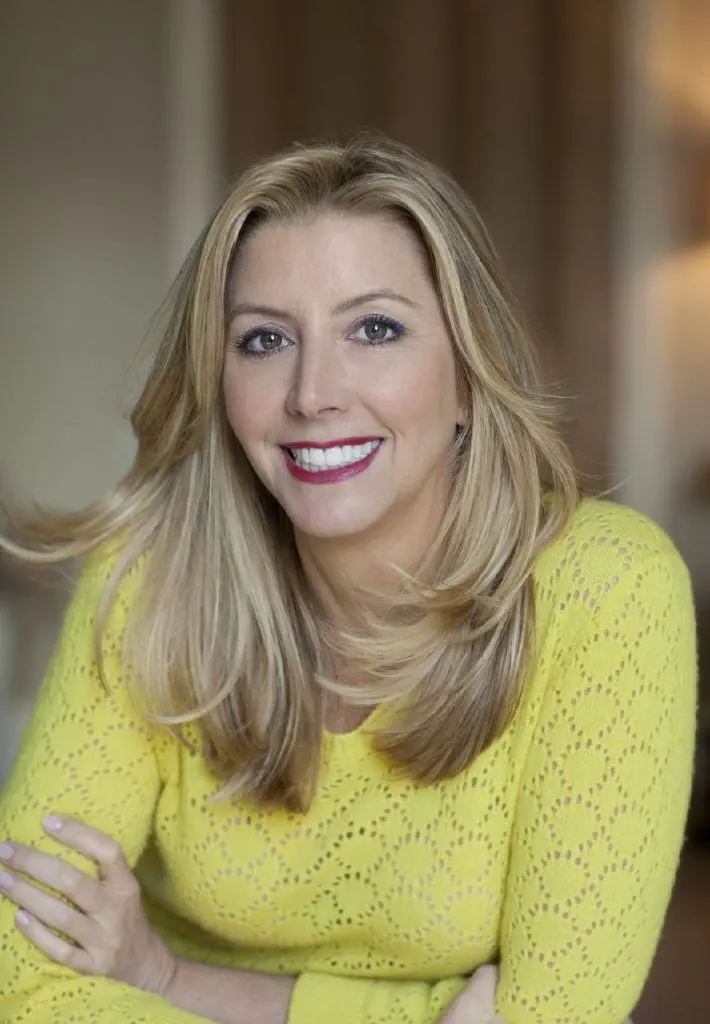
She walked into a party with a secret under her white pants.
Sara Blakely had cut the feet off a pair of control-top pantyhose in her apartment, pulled the hacked garment on, and checked the mirror. The lines were gone. The fabric smoothed what she wanted smoothed. It looked almost like cheating. It felt like relief.
That scissors moment became the most famous Spanx origin story in American business media. In interviews years later she would smile and say the press loved that soundbite for nearly twenty years. Then she would add the harder truth. Spanx did not really start with scissors. It started with a sixteen-year-old girl whose father handed her a cassette about becoming a no-limit person while her family was falling apart, and who decided that failing in public would not kill her.
This is the documentary of how a Clearwater kid selling fax machines door to door built a shapewear company that rewired what women expected from undergarments, kept ownership for years when everyone asked about her exit strategy, and left a cultural dent that still shows up every time a brand launches forty sizes or calls comfort a feature instead of an apology.
Where the nerve came from
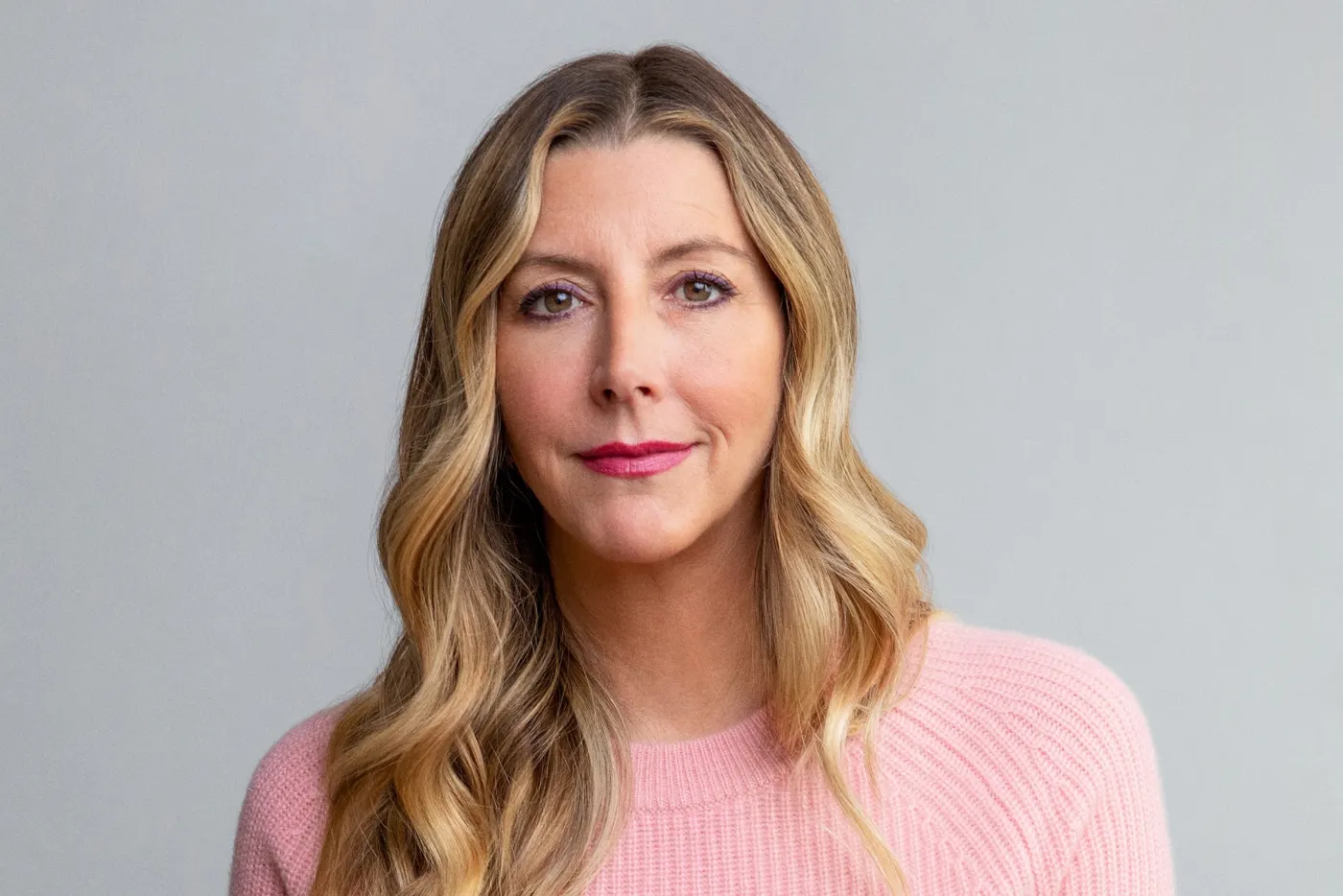

Sara Blakely was born on February 27, 1971, in Clearwater, Florida. Beach light and humidity. A father who was a trial attorney. A mother who was an artist. She later described herself as a mix of both: courtroom grit and creative restlessness.
When she was young, pain arrived in a pile. A close friend was killed by a car in front of her. Months later her parents separated. When her father moved out, he walked into her bedroom with a cassette series called How to Be a No-Limit Person by Wayne Dyer. He told her he wished he had found it at her age instead of forty. Then he left.
She listened. The tapes talked about visualization, not fearing other people's opinions, and treating failure as information. For a sixteen-year-old in high school, that was not soft advice. It was a survival tool. She began practicing a habit her father also used at dinner. He would ask what she had failed at that week. If she had nothing, he was disappointed. Failure became a story you brought home, not a shame you hid.
She wanted to be a lawyer like him. She asked to leave school early to watch him in court. The LSAT path did not stick. Disney World hired her briefly. Then she took a job selling fax machines door to door for a company called Danka. Seven years of cold offices, Florida heat in heels, and people escorting her out of buildings. She learned to hear no without collapsing. She also learned a sharper question than "How do I sell more?" She asked why she liked sales at all. The answer mattered. She liked giving someone something that improved their life. That sentence later became the Spanx mission in plain clothes.
The white pants problem
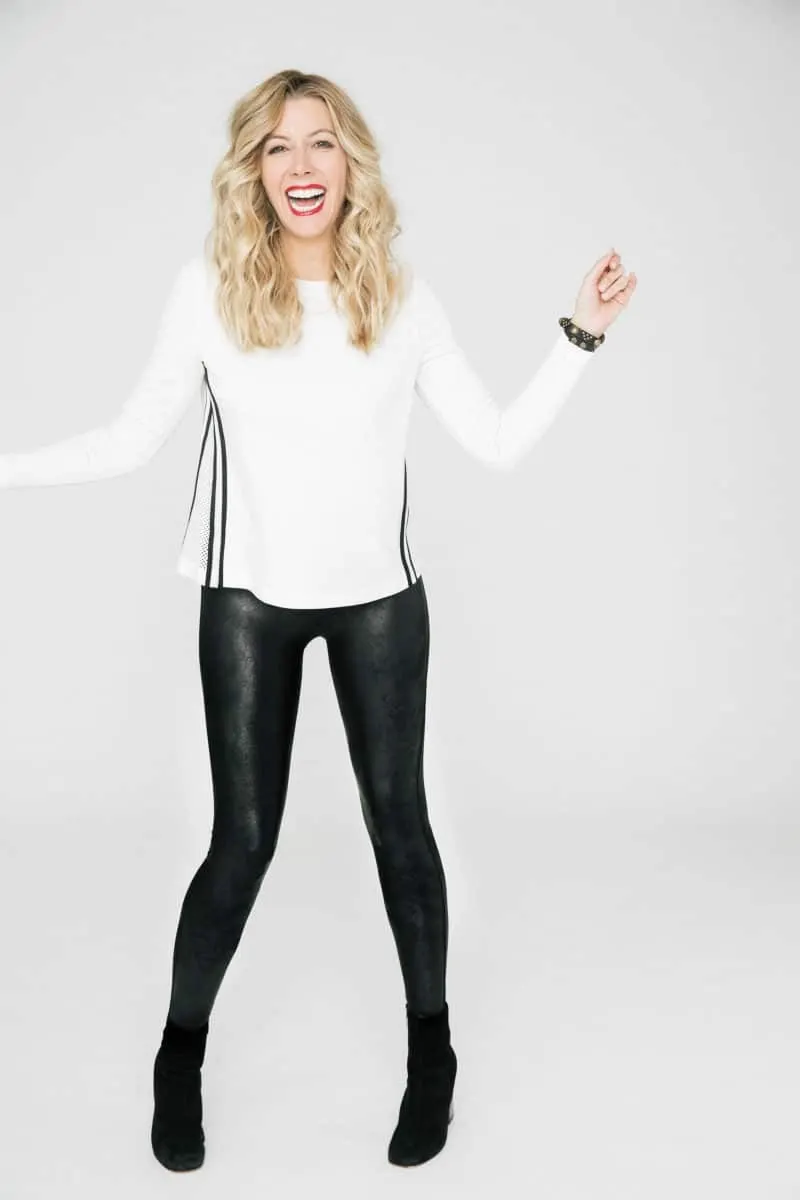
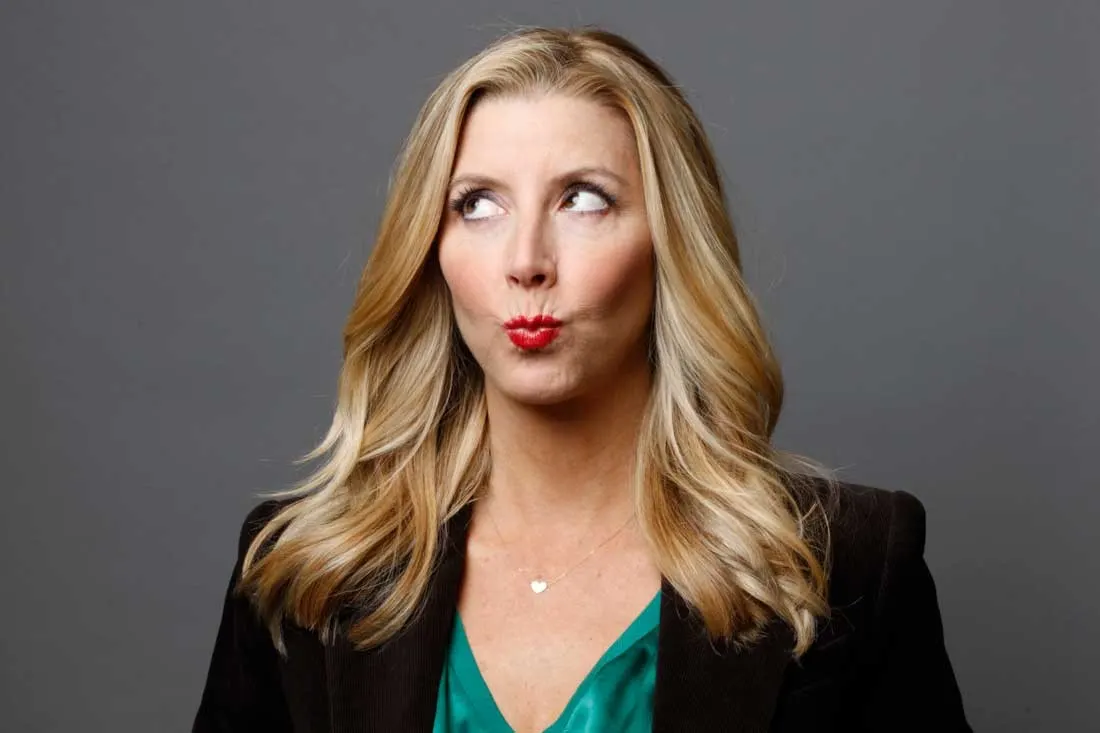
In the late 1990s she was still in sales, still restless, still inventing. She kept a running list of ideas. Decades later she would joke about a ninety-nine page single-spaced file of notions emailed to herself from airplanes and cars. One idea would not leave. She wanted a smooth look under white pants without the thick panty line and without the footed pantyhose that made no sense in Florida heat.
She cut the feet off control tops. She wore the experiment. Friends noticed. She decided the world needed a real version, not a DIY crime scene in a bathroom.
She had about five thousand dollars in savings. She was not a product engineer. Mills and manufacturers did not rush to help a young woman with no industry credentials who wanted to "repurpose" hosiery into a footless undergarment. She heard no for about two years. Self-doubt rose like humidity. She kept dialing.
She researched patents from books and wrote her own application. She named the company Spanx, a playful word that stuck in the mouth and on shelves. Packaging went bright red so it would not drown in a sea of beige hosiery boxes. Every detail was a small sales pitch. She was still the before-and-after model in early photos. She was still the delivery department. She was every department because there was no other staff to be.
Getting into the room


Department store buyers did not owe her a meeting. She talked her way in anyway. The legendary Neiman Marcus story is that she took a buyer into a bathroom to prove the look in real clothes, because words were not enough. Whether every retelling matches every minute, the method was pure Blakely. Show the body. Show the difference. Make the buyer a witness.
Once a few stores took the product, she did not treat placement as the finish line. She flew around doing morning rallies with sales associates. She wanted a sales force that was not on her payroll but rooted for her anyway. She stocked gift-with-purchase energy and personal stories into the hands of people who stood behind counters. That is how a tiny brand spreads before it can afford a Super Bowl ad.
Then Oprah Winfrey named Spanx one of her favorite things. Demand detonated. Suddenly the scrappy inventor had an operations problem, which is the right problem. Supply had to catch story. Factories, fulfillment, and cash timing became the new curriculum.
Building without a boss's money
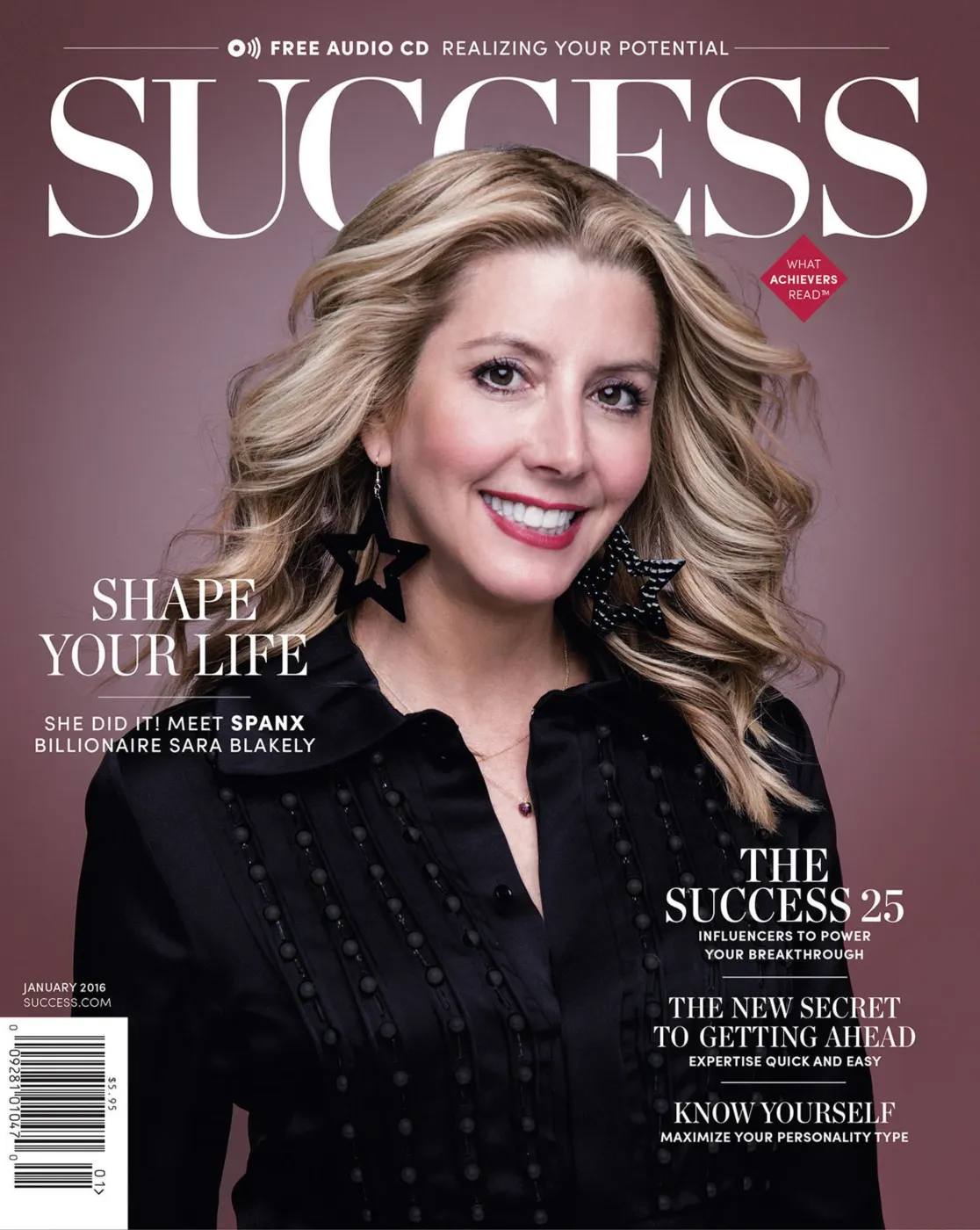
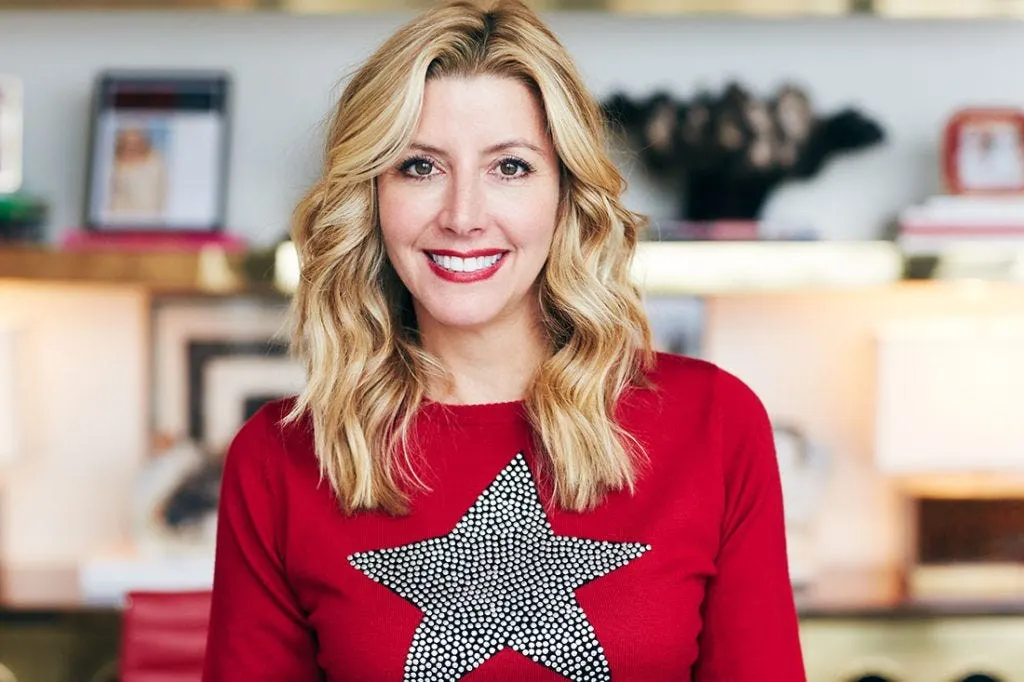
People at cocktail parties asked about her exit strategy. She did not know the phrase at first. Later she joked that her exit strategy was to exit a room and look good. Under the joke sat a real decision. She did not take outside investor money for a long stretch because she did not need to. The five thousand dollars and early sales funded the climb. She held one hundred percent ownership while the brand became a household verb.
That choice shaped culture inside the company. She could follow intuition in ways corporate boards often punish. She talked to customers like a friend who had the same closet frustrations. She stayed close to invention. Years later she would demo "arm tights" onstage with the same giddy inventor energy she had for the first footless cut. She kept a standup comedy muscle too, rare among CEOs, because connection and laughter were part of how she sold and how she led.
She married entrepreneur Jesse Itzler. They built a family. She stepped in and out of formal CEO titles as the company professionalized, always trying to stay in a lane that used her strengths: product feel, story, and culture. Management teams ran day-to-day. She remained the founder voice customers believed.
Current chapter: wealth, ownership, and the next inventing life
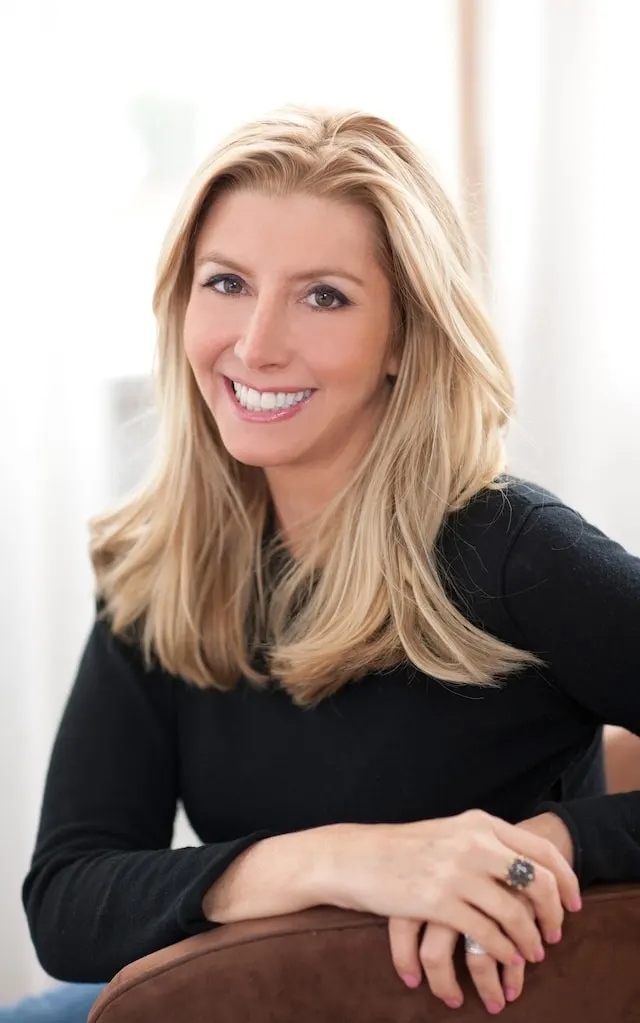
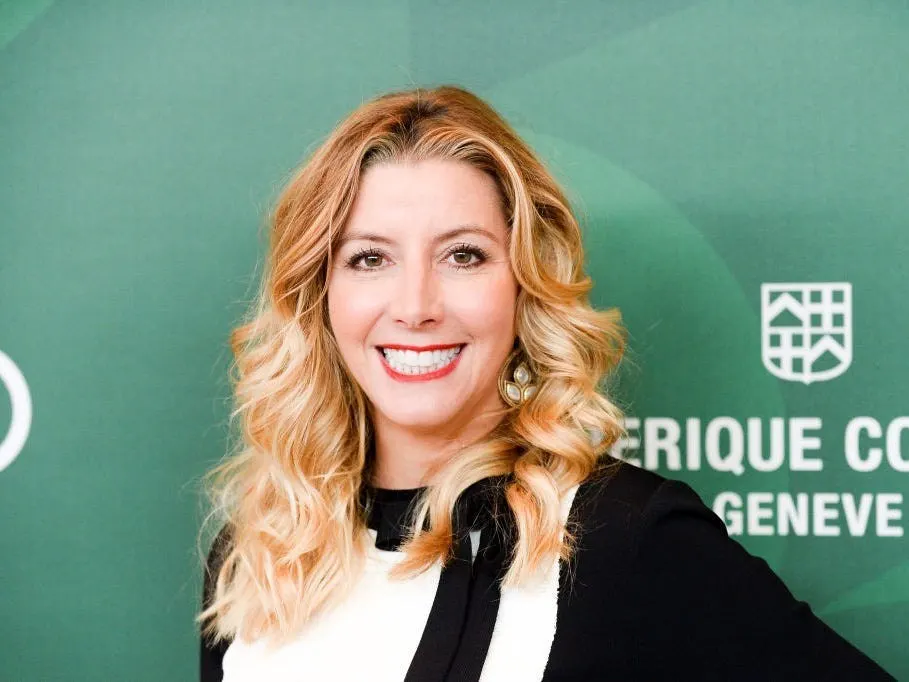
Spanx did not freeze in 2000. The brand expanded beyond the first undergarment into a wider shapewear and apparel universe. Competitors arrived, including celebrity-backed lines. The aisle Blakely opened became crowded, which is proof of category creation.
In later years she sold a majority stake in a deal involving Blackstone while retaining a significant ownership position and ongoing creative role, according to public reporting at the time. Exact present-day ownership percentages and paper wealth move with private valuations. What matters for the documentary is the arc. She built with almost no outside capital, kept control through the brand's defining years, then chose a structured partnership when scale and her own life priorities shifted. She has said she wanted mental share freed after two decades of Spanx dominating her mind. That is a current achievement too: designing an exit from identity without erasing the invention.
Net worth estimates around one billion dollars placed her among the most famous self-made women founder stories in U.S. retail. Those estimates are snapshots. The durable assets are the brand, the playbook, and the permission she gave other inventors who look "unqualified" on paper.
Her philanthropy and mentoring bent toward elevating women entrepreneurs, including local Atlanta cohorts doing social-impact businesses. She talked about serving a greater whole and taking seriously the chance to build as a woman in her country. The Giving Pledge era language around her wealth made the private fortune a public responsibility story.
World impact: what actually shifted
Before Spanx, mass undergarment marketing often treated women's bodies as problems to hide with beige seriousness. Blakely made comfort and smoothing a loud, almost funny consumer product. She normalized talking about panty lines and white pants in mixed company. That sounds small until you watch an industry follow.
Retail impact came next. Department stores learned there was demand for footless shapewear priced and packaged like a gift, not a medical supply. Competitors widened size ranges and soft-marketing tone because Spanx proved the market. Later inclusive sizing waves in shapewear and essentials stand on ground she helped clear, even when rival brands never say her name.
Cultural impact is the verb. People say "Spanx" the way they say "Google." A trademark becoming a category word is a kind of world change. Founders in other fields copied her method without copying hosiery: be the customer, prototype with scissors if you must, sell the room before you sell the nation, keep ownership while the story is still fragile.
For women inventors, her failure dinners and two-year no tour became curriculum. She showed that hearing no is not the end of the experiment. It is part of the lab notes.
How she works
She invents from friction in her own life. She logs ideas constantly. She trusts gut checks more than committee polish. She uses humor as a crowbar to open rooms that would otherwise stay locked. She builds distribution by turning store staff into fans. She treats packaging as theater. She stays close enough to the product that a new category like arm tights still feels like a personal dare.
She also designs mindset on purpose. The Wayne Dyer cassette, the failure question, the willingness to look stupid, the standup stage: these are not side hobbies. They are the operating system that let a fax salesperson walk into hosiery mills and refuse to leave the idea behind.
Failures and almosts
The two years of no were not cinematic villains. They were quiet erosion. Self-doubt is slower than a lawsuit and harder to quote. She started and stopped. She kept going because the white pants problem remained real every time she got dressed.
She risked looking ridiculous. Inventors always do. Friends could have laughed. Buyers could have shrugged. The hot-air balloon charity challenge she later described, climbing a rope ladder around a balloon at altitude, became another metaphor she carried: hard, awkward, public, and somehow finished anyway.
When she eventually changed ownership structure, grief arrived in a strange costume. Society congratulates a lucrative sale, then immediately asks what is next. She has described how triggering those questions felt in a vulnerable season. Current achievement includes surviving the identity whiplash of no longer being only "Spanx Sara" every waking minute.
Closing beat
Picture the scissors on an apartment floor. Picture a red package on a Neiman's counter. Picture a morning rally with sales associates who do not work for her but cheer like they do. Picture a cassette player in a teenager's room after a father moves out. Picture a billion-dollar category that used to be a private frustration.
Sara Blakely did not invent the desire to feel at ease in clothes. She invented a company that took that desire seriously enough to manufacture it, package it, and sell it with a grin. The world impact is in the aisle you walk today, in the founders who quote her failure dinners, and in every customer who expects comfort to be designed on purpose.
Scene: the fax machine years as training film
Imagine a Florida office park at 2 p.m. The air conditioning is loud. A receptionist has already decided you are not important. Sara Blakely is carrying fax machine literature and a smile that has to survive the walk from the parking lot. She is practicing the same skills she will later use on hosiery executives: enter a room that does not want you, leave with a next step, and do it again tomorrow.
Those seven years are often treated as a punchline before the real story. They were the real story. Door-to-door sales teaches emotional recovery. It teaches reading faces. It teaches that the product is never only the box. The product is the feeling after the demo. Spanx was a better demo in a different category.
She has said she liked sales when she was improving someone's life. That filter became a founder compass. Ideas that only made money without making someone feel better did not survive her private list. The white pants fix passed the filter. That is why she endured two years of mill rejections. The idea was not abstract. It was personal and transferable.
Scene: writing a patent without a patent attorney
She researched patents the way a determined amateur researches anything before the internet made every answer look easy. Books. Forms. Late nights. She drafted her own patent application. Experts can argue about whether that is wise. For Blakely it was necessary. She did not have a law firm on retainer. She had five thousand dollars and a belief that paperwork should not be a gate that only rich inventors can open.
That choice also trained her to speak precisely about what Spanx was and was not. Precision matters when you are inventing a category that sits between hosiery, underwear, and apparel. Vague language loses buyers. Clear language wins orders.
Scene: red packaging as retail theater
Walk the hosiery wall of a late-1990s department store in your mind. Beige. Soft pink. Quiet typography. Spanx arrived in loud red. The color was not a random aesthetic preference. It was a distribution strategy dressed as design. If a product cannot afford a giant marketing budget, the package must scream from three aisles away.
She understood that women shop under time pressure. A red box that looks like a gift can interrupt autopilot. Once interrupted, the story can land: footless, smoothing, made for real clothes. Packaging was the first advertisement that never stopped running.
Scene: Oprah and the sudden gravity of yes
Favorite things status is a cultural earthquake for a small brand. Overnight, curiosity becomes demand. Demand becomes a supply chain crisis. Blakely had to scale without becoming a different company. She had to protect the joke-and-truth voice while hiring people who could run warehouses. Many founders either refuse to hire or hire so fast they erase the founder signal. She walked the thin middle path, imperfectly, publicly, and with enough success that Spanx became a verb.
The Blackstone chapter explained without trophy language
When she later sold a majority stake in a deal involving Blackstone, the headlines focused on valuation and billionaire status. The deeper story is governance and identity. After two decades, she wanted a partner that could professionalize scale while she retained a meaningful ownership and creative connection. Public reporting around the transaction described her remaining a significant shareholder and continuing in a creative capacity. Exact dollars move with private company marks. What stayed constant was the narrative arc: bootstrap, control, category creation, then a deliberate share of the company with institutional capital when her life and the brand both needed a new operating model.
That is current achievement as process, not as a plaque. She designed a transition. Transitions are harder than launches because the audience expects only celebration. She has spoken about how questions about what comes next can feel invasive after a sale. The honest documentary includes that emotional tax.
World impact, second pass: standards and expectations
Consider what customers now assume. Shapewear should not torture. Sizing conversations should not be whispered. Humor can sell intimate apparel without cruelty. Founders can invent from their own closets. Retail buyers should expect to be shown, not merely pitched. These expectations did not appear from nowhere. Spanx trained the market.
Also consider labor and manufacturing ripple effects. A successful U.S. consumer brand that popularizes a new undergarment silhouette creates demand for specialized knitting, finishing, and fulfillment. Competitors multiply that demand. The category becomes an employment and supplier ecosystem. That is industrial impact hiding inside a lifestyle brand story.
Why this story still matters in 2026
In a world of viral product drops and ninety-day brand cycles, Blakely's multi-year refusal to quit looks almost antique. It is also a counter-lesson. Some products need two years of no because the manufacturers have not imagined the category yet. Some founders need ownership patience because early dilution can erase the weirdness that made the product work. Spanx remains a case study in weirdness protected long enough to become normal.
Sara Blakely's current public life still circles inventing, mentoring, and living with the afterimage of a brand that outgrew any one person's daily calendar. The scissors are in the museum of American entrepreneurship now. The aisle is still open. The next woman with a private frustration and a loud package is already walking into a room that Spanx made slightly more ready to listen.
Sneex and the inventor who will not retire the itch
In August 2024 Blakely launched Sneex, high-heeled sneakers priced in the hundreds of dollars, another attempt to solve a personal friction: height and presence without abandoning walking comfort. Reviews were mixed. That is fine in her mythology. Mixed reviews mean the experiment entered the world. As of 2026 Forbes has estimated her fortune around $1.4 billion, with Spanx still a core holding after the 2021 Blackstone majority deal at a $1.2 billion company valuation, and Blakely remaining a visible executive chair / part-owner figure in public profiles. Current achievement is plural: Spanx continuity, Sneex risk, mentoring systems, and a personal brand that still sells invention as a lifestyle without pretending every launch is a unicorn.
One more camera hold
Stay in the room where the first real yes happened. Not the mythologized yes. The awkward one. Maybe a buyer nodded. Maybe an engineer shipped. Maybe a parent signed a loan. The air still smelled like uncertainty. That room is the true headquarters of the biography. Everything afterward is amplification.
Now jump to a recent year. The problems are richer and colder: governance, succession, cost curves, public narratives that refuse to stay flattering. The founder who can remain curious here, not only defensive, extends the arc beyond highlight reels. Curiosity under scrutiny is a current achievement even when markets are loud.
Finally imagine a user who will never read this document. They open the app, buy the garment, watch the channel, swipe the profile, design the flyer, hear the song that funds the company. Their Tuesday improves by a little. Multiply by millions. That multiplication is the only world impact metric that never lies.
Stewardship notes for the present tense
The present tense of a founder story is rarely a fireworks frame. It is maintenance, argument, mentorship, and the humility to let operators improve what the founder can no longer micromanage. It is also the courage to keep a public standard when nostalgia would be easier. Wealth estimates and title changes will keep moving. The stewardship question stays: does the original useful rebellion still live inside the institution, or did success sand it away?
For readers in 2026, that question is the practical takeaway. Copy the rebellion that still serves users. Retire the habits that only served the founder's ego. Build the next default with open eyes about scale's moral weight.
Watch alongside this story
Short cuts from interviews, keynotes and launches. Each plays only the moment that matters.