The Swipe That Changed Dating
He started companies as a teen. He co‑founded Tinder. He later sued its owners.
Sean Rad was born in 1986.
He grew up in Los Angeles, California.
His family is Iranian Jewish.
His parents left Iran in the 1970s.
They started an electronics business in Bel Air.
He lived in an affluent neighborhood.
He had a large extended family.
He went to a private high school in Los Angeles.
He played in a band.
He interned for an entertainment manager.
After high school he enrolled at the University of Southern California in 2004.
He studied business.
He left school in 2006 to become an entrepreneur.
Early Life and Family
Sean’s parents built ESI International, a consumer electronics firm.
The family’s business gave Sean early exposure to tech.
He learned the value of hard work from his parents.
School Years
At his private high school he joined a band.
He also interned for an entertainment manager.
The internship taught him about the entertainment world.
At USC he started his first company, Orgoo.
Orgoo was a unified communications platform.
He built it with help from computer science students.
He later founded Adly, a celebrity‑focused advertising company.
Adly was sold before he started Tinder.
First Ventures
While still a freshman at USC, Sean launched Orgoo.
The product aimed to combine many communication tools.
He left school to focus on his startups.
Adly helped brands reach famous people.
The company grew and was eventually sold.
These early successes gave Sean confidence to try bigger ideas.
Creating Tinder
In 2012 Sean joined IAC’s Hatch Labs incubator.
There he met future co‑founders Justin Mateen, Jonathan Badeen, Whitney Wolfe Herd, Christopher Gulczynski, and Joe Munoz.
Sean wanted to solve the anxiety of meeting strangers.
A coffee‑shop eye contact moment sparked the idea.
The first prototype was called MatchBox.
It was built at a February 2012 hackathon.
At the same time Sean worked on a loyalty app called Cardify.
When Cardify failed to get Apple’s approval, the team pivoted.
They renamed the app Tinder.
Jonathan Badeen added the swipe mechanic.
To get users, the team visited college Greek houses.
They hosted parties where entry required the app.
Tinder grew fast.
By 2014 it logged over one billion daily swipes.
In 2015 Tinder Plus launched and attracted paying users.
Growth and Legal Battles
Tinder became the highest‑grossing app in the Apple App Store by 2017.
In 2014 Sean was demoted from CEO after a sexual‑harassment lawsuit involving co‑founder Whitney Wolfe.
Later Sean and other early executives sued IAC and Match Group.
They claimed the company’s valuation was kept low.
The dispute settled in 2021 for $441 million.
Sean continues to run Rad Fund, an investment firm started in 2016.
He also remains involved with Tinder.
He lives in Los Angeles with his wife, Lizzie Grover Rad, and their dog.
He collects contemporary art.
He serves on the board of Milken Community High School.
He is a founding board member of Good Today, a charity for daily donations.
He also sits on the board of AllVoices.
Sean Rad’s story shows how a simple idea can change an entire industry.
It also shows the challenges founders can face with big companies.
His next moves focus on AI‑driven social platforms, decentralized finance, and real‑estate tech.
Founding Story
Sean Rad grew up in Los Angeles.
He was born in 1986 to Iranian Jewish parents.
His parents moved to the U.S. in the 1970s.
They ran an electronics shop in Bel Air.
Sean went to a private high school.
He played in a band.
He interned for an entertainment manager.
He started college at USC in 2004.
He studied business.
He left school in 2006 to start companies.
His first startup was Orgoo.
It was a unified communications platform.
University computer science students helped build it.
He later founded Adly.
Adly sold advertising for celebrities.
While at IAC’s Hatch Labs, Sean thought of a new app.
He wanted to ease the fear of meeting strangers.
A coffee shop eye contact sparked the idea.
The idea became a hackathon project called MatchBox in February 2012.
It was a side project while he worked on Cardify.
First Customers and Product
The team built the app inside Hatch Labs.
They named it Tinder.
The first version used a simple card system.
Users could see a profile picture and swipe.
Jonathan Badeen later added the swipe mechanic.
It turned the app into a game.
To get users, the team visited college Greek houses.
They threw parties where entry required the app.
Word of mouth spread fast on campuses.
Early Struggles
Cardify, Sean’s loyalty app, could not get Apple’s approval.
The team decided to focus on Tinder instead.
Funding was limited at first.
The team used personal money and small seed cash.
The app needed more users to attract investors.
Key Turning Points
In 2013, Tinder launched on college campuses.
It quickly hit one million matches per day.
In 2014, the app reached over one billion daily swipes.
Tinder became the top grossing app in Apple’s store by 2017.
Sean added Tinder Plus in 2015.
Paid subscriptions grew to over one million by 2016.
Legal battles began in 2014.
Sean was demoted after a harassment lawsuit involving co‑founder Whitney Wolfe.
A valuation dispute erupted in 2017.
Match Group valued Tinder at $3 billion.
Sean and other executives sued for a higher value.
Growth and Numbers
By 2014, users swiped more than one billion times a day.
In 2015, Tinder Plus launched.
By 2016, paying users topped one million.
The app stayed the highest‑grossing in the App Store through 2017.
Tinder bought Tappy in 2015.
It also acquired Humin and Wheel later.
The company stayed under IAC’s umbrella.
It never held a traditional IPO.
Funding, Acquisitions, and Legal Battles
Tinder grew inside IAC’s Hatch Labs.
IAC later placed Tinder in Match Group.
The 2017 valuation dispute led to a lawsuit.
IAC claimed Sean recorded private talks and copied files.
The case settled in 2021.
Match Group paid $441 million.
Sean left the CEO role in 2014 but stayed involved.
He later founded Rad Fund in 2016.
He now invests in AI social platforms, DeFi, and real estate.
Sean lives in Los Angeles with his wife and dog.
He collects contemporary art.
He serves on boards for his high school and Good Today charity.
His story shows how a simple swipe can change an industry.
It also shows the power of standing up for fair value.
Setbacks
Sean Rad left USC in 2006 to start his own companies. His first venture, Orgoo, was built with student help. The next company, Cardify, could not get Apple’s approval. The team then turned the side project MatchBox into Tinder. In 2014 Rad was demoted from Tinder’s CEO after a sexual harassment lawsuit involving co‑founder Whitney Wolfe. The lawsuit said Rad did not act on the complaint. The case created a leadership shake‑up at the app.
Criticism & Controversies
The 2014 lawsuit sparked criticism of Rad’s handling of workplace issues. Critics said he ignored a serious complaint. IAC and Match Group later accused him of secretly recording meetings and copying files. Rad filed a $2 billion lawsuit claiming the company undervalued Tinder. The dispute ended in a $441 million settlement in 2021. Both sides faced public scrutiny. The legal battles showed how founder disputes can become high‑profile court cases.
What Changed Recently
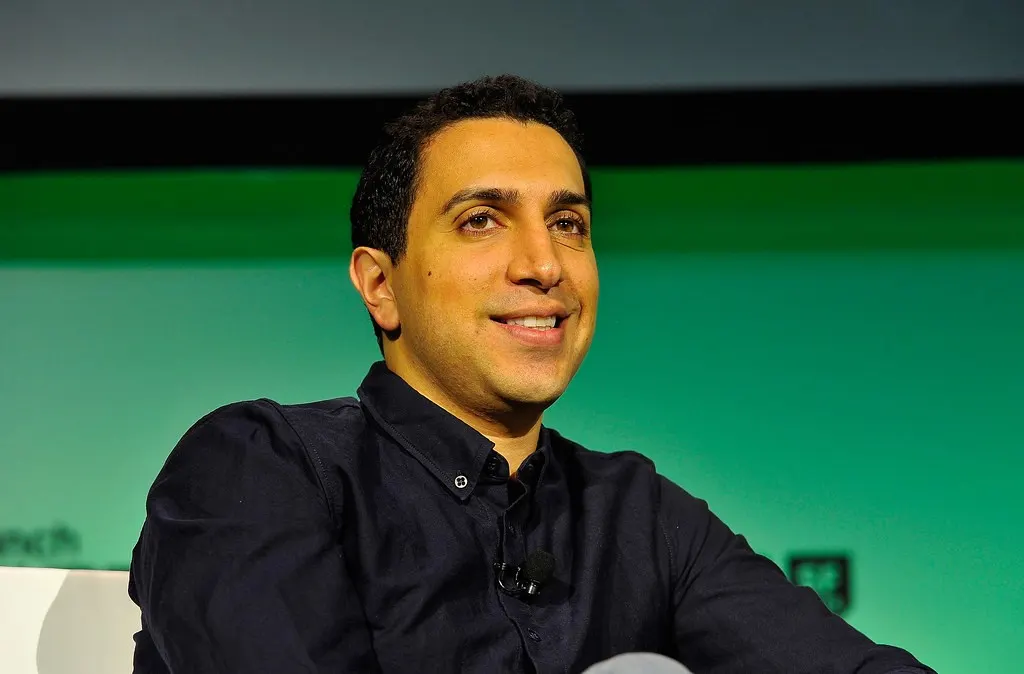
After the settlement, Rad focused on new investments. He started Rad Fund in 2016 and kept a founder role at Tinder. In early 2026 he was named in a lawsuit by entrepreneur Samantha Ruiz, who claims he took her startup’s technology. Rad says the claim is unfounded. He continues to invest in AI‑driven social platforms, decentralized finance, and real‑estate projects. His public appearances include a TechCrunch interview where he discussed his venture work.
Where He Is Now in 2026
Sean Rad lives in Los Angeles with his wife Lizzie Grover Rad and their dog. He serves on the board of Milken Community High School and Good Today, a charity that enables daily micro‑donations. He also sits on the board of AllVoices. Rad’s current work centers on venture capital. He backs startups that use artificial intelligence for social networking. He remains a founder at Tinder, but his day‑to‑day role is limited to advisory work. His art collection continues to grow, reflecting his interest in contemporary pieces.
Why the story matters
The rise of Tinder shows how a simple idea can reshape an industry. Rad’s early pivots teach young founders to adapt when a product stalls. The legal fights highlight the importance of clear contracts and transparent valuations. Handling workplace complaints properly can protect a company’s reputation. Rad’s shift to venture investing shows that founders can reinvent themselves after a big exit. Lessons from his journey help future entrepreneurs stay resilient. Swipe wisely, stay accountable.
The Record
Born: 1986
From: Los Angeles, California, USA
Built: Orgoo, Adly, Tinder (co‑founder)
Current roles: Founder of Rad Fund, advisory role at Tinder, board member of Good Today and AllVoices
Timeline
1. 2004 to Enrolled at USC to study business.
2. 2006 to Dropped out of USC to pursue entrepreneurship.
3. 2008 to Founded Orgoo, a unified communications platform.
4. 2012 to Co‑founded Tinder at IAC’s Hatch Labs.
5. 2014 to Demoted from CEO after sexual harassment lawsuit.
6. 2015 to Launched Tinder Plus, reaching over one million paying users by 2016.
7. 2017 to Match Group valued Tinder at $3 billion; Rad filed a $2 billion lawsuit.
8. 2021 to Settlement reached for $441 million.
9. 2026 to Active in venture capital, facing a new lawsuit from Samantha Ruiz.