
Rappi's Expansion Engine
He co‑founded Rappi in Bogotá. He grew the app across Latin America. He now leads an AI payroll company.
Sebastián Mejía is a Colombian‑American entrepreneur.
He helped create one of Latin America’s biggest apps.
His work touches millions of daily deliveries.
He now builds AI tools for the workforce.
Childhood and Family
Sebastián grew up in Cali, Colombia.
His father was an outgoing businessman.
His mother started a culture‑and‑business magazine.
She also launched a show with salsa and circus artists.
His parents divorced when he was a child.
His father died while Sebastián was in university.
His mother is still alive and works in media.
Hometown and Early Influences
Cali is a vibrant city in southwestern Colombia.
The city’s energy shaped his outlook.
He saw local markets and street vendors daily.
Those scenes later inspired delivery ideas.
Education
Sebastián attended Esade in Barcelona from 2003 to 2005.
He studied Business Administration and Management there.
He then earned a BS in Economics at Universidad Autónoma de Madrid.
He graduated in 2008.
First Jobs and Early Ventures
After college he sold beverages and iPods with custom playlists.
He worked at a resort in Turkey for a short time.
He moved to New York later.
In New York he worked at a PR agency.
He also worked for a film production tax incentive firm.
He held a role at G2 Investment Group.
He later joined a German technology company.
Rappi and Beyond
In 2015 Sebastián co‑founded Rappi with Simón Borrero and Felipe Villamarín.
The trio had previously built Grability, a software studio for retailers.
They pivoted after users asked for more delivery tasks.
The first Rappi team started in a small Bogotá neighborhood.
They used a guerrilla, hyper‑local approach.
Orders were placed manually at stores at first.
To get users they gave away donuts for app downloads.
Rappi grew to dozens of cities across Latin America.
It reached nearly 100 cities in eight countries.
The company hit breakeven and said it had no plans to go public in 2023.
Revenue hit about $800 million in 2023.
Funding totaled about $2.374 billion over 20 rounds.
Acquisitions included Fountain9 in 2024 and Box Delivery in 2023.
In 2021 a Delaware court allowed a lawsuit over alleged stock theft to proceed.
The plaintiff claimed Sebastián and Rappi excluded him from a billion‑dollar SoftBank deal.
Outside the legal case, Sebastián stepped down as Rappi president in April 2025.
He stayed on the board and turned to new ventures.
He founded The Zeal Co. (TZCO) in late 2025 with $135 million capital.
He also chairs Tako, an AI‑driven workforce management firm started in 2023.
He invests in startups like Humand and Multiplo Capital in 2026.
Philanthropy and Philosophy
Sebastián serves on the advisory board of the Latin America Leadership Academy since 2021.
He supports foundations that develop young leaders.
He calls his business view “humanistic capitalism.”
“We are not just a logistics company, we have a broad range of vision that includes fintech and banking.”
“Rappi is the only truly multi‑vertical, only truly local company that it’s run by founders and a local executive team.”
“Every commerce company needs to understand the fintech component of its business.”
Sebastián reads histories, fiction, and business biographies.
He listens to music and studies global business models.
He describes himself as a lifelong learner and a global citizen.
Founding Story
Sebastian Mejía grew up in Cali, Colombia.
His father was a lively businessman who died while Sebastian was in university.
His mother started a culture‑and‑business magazine and a show with salsa and circus artists.
His parents divorced when he was a child.
Sebastian studied Business Administration at Esade in Barcelona from 2003 to 2005.
He earned a BS in Economics from Universidad Autónoma de Madrid in 2008.
After college he sold beverages and iPods with custom playlists.
He then worked at a resort in Turkey before moving to New York.
In New York he held jobs at a PR agency, a film‑tax incentive firm, G2 Investment Group, and a German tech company.
In 2015 Sebastian co‑founded Rappi with Simón Borrero and Felipe Villamarín.
The three had previously built Grability, a software studio for e‑commerce.
Grability’s customers asked for delivery of everyday items.
That feedback sparked the idea for a “everything” delivery app.
First Customers and Product
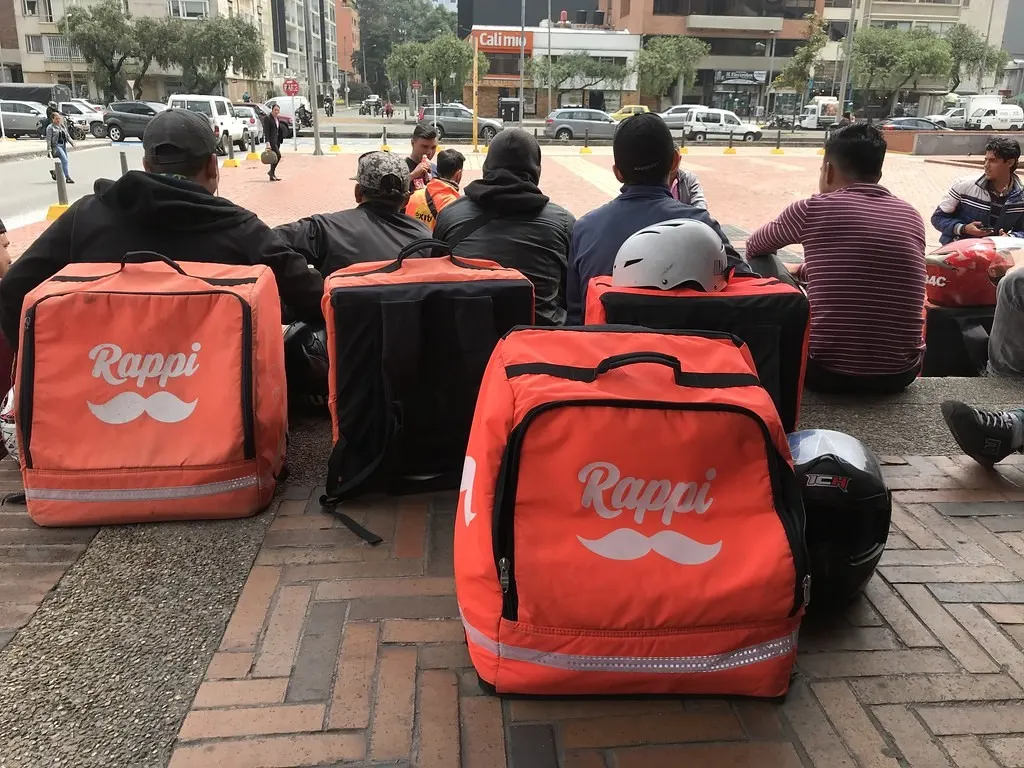
Rappi launched in a small Bogotá neighborhood.
The team used a guerrilla, hyper‑local approach.
Couriers were called “Rappitenderos.”
The first service was grocery delivery.
To get users, the founders handed out donuts for app downloads.
The giveaway created buzz and early sign‑ups.
Orders were placed manually at stores because the app lacked real‑time inventory.
Customers could ask for anything, from ATM cash to pet food.
Early Struggles
The early days were tough.
Rappi had no inventory integrations.
The team had to call stores for each order.
Traction was low at first.
Funding was limited and the founders used personal savings.
A lawsuit appeared in 2021.
A Delaware judge let a claim that Sebastian and Rappi stole stock proceed.
The plaintiff said they were cut out of a billion‑dollar SoftBank deal.
Key Turning Points
In 2016 Rappi joined Y Combinator in Silicon Valley.
The accelerator gave exposure and early investors.
SoftBank invested about $1 billion in 2019.
The money helped Rappi become a super‑app.
Sebastian often says, “We are not just a logistics company, we have a broad range of vision that includes fintech and banking.”
Growth, Numbers, Funding, Acquisitions
By 2023 Rappi operated in about 55 cities across eight countries.
Plans aimed to reach nearly 100 cities.
Revenue hit roughly $800 million in 2023.
Estimates placed total revenue at $855 million.
Funding reached about $2.374 billion over 20 rounds.
The latest convertible note II raised $25 million on Sep 8 2025.
Rappi bought Fountain9 on Sep 3 2024.
It also acquired Box Delivery on Apr 10 2023.
The company hit breakeven and said it had no plans to go public in 2023.
New Ventures After Rappi
Sebastian stepped down as Rappi president in April 2025.
He stayed on the board and began new projects.
He founded The Zeal Co. (TZCO) in late 2025.
TZCO is a technology holdings company with $135 million in capital.
He also chairs Tako, an AI‑driven workforce management startup launched in 2023.
In 2026 he invested in startups like Humand and Multiplo Capital.
Sebastian supports the Latin America Leadership Academy (LALA) as an advisory board member since 2021.
He describes himself as a lifelong learner and a “global citizen.”
He enjoys reading histories, fiction, and business biographies.
He also follows physics, math, and sports.
His business philosophy is called “humanistic capitalism.”
Sebastian Mejía’s story shows how a simple delivery idea grew into a continent‑wide super‑app.
It also shows how founders can pivot, raise big money, and then launch new tech ventures.
Setbacks
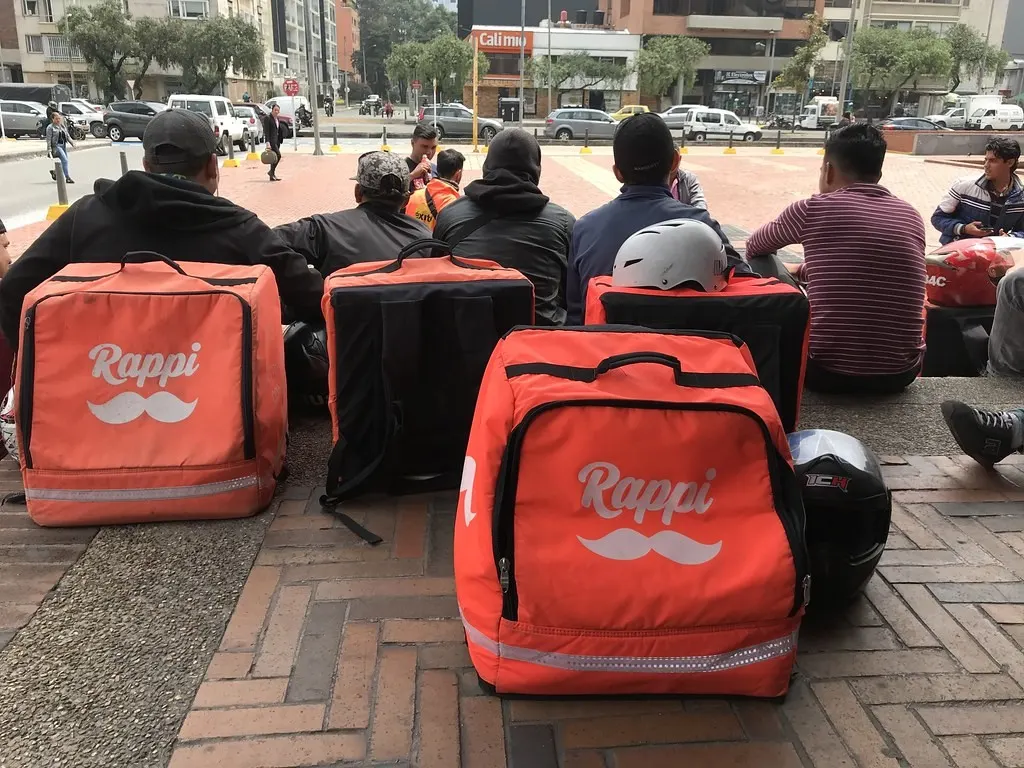
Rappi started in a small Bogotá neighborhood. The team used a guerrilla style. They gave away donuts for app downloads. Early orders were placed by hand at stores. Real‑time inventory was missing. The COVID‑19 pandemic hit Bogotá hard. Delivery demand surged but supply chains broke. Couriers faced health risks. The company struggled to keep service reliable.

Criticism or controversies
In 2021 a Delaware Chancery Court judge let a lawsuit move forward. An early investor claimed stock theft. The claim said Mejía and Rappi excluded the investor from a billion‑dollar SoftBank deal. The case added pressure on the leadership. Critics also pointed to rapid expansion. Some said the company grew faster than its safety nets. Rappi faced questions about worker conditions. The founders answered that they were building a new market.
What changed recently
Mejía left the president role in April 2025. He stayed on Rappi’s board. He turned to new projects. He founded Tako, an AI‑driven workforce platform, in 2023. He also launched The Zeal Co. (TZCO) in late 2025 with $135 million to buy and run tech firms.
Mejía talks about “humanistic capitalism”. He says Rappi is more than logistics. He adds fintech and banking to the plan. He also stresses learning from each market.
Where they are now in 2026
Rappi reports about $800 million revenue in 2023. It reached near‑breakeven. Funding totals $2.374 billion. Recent deals include Fountain9 (Sept 2024) and Box Delivery (Apr 2023). The app now works in about 100 cities across eight countries.
Mejía runs TZCO and chairs Tako. He invests in startups like Humand and Multiplo Capital. He serves on the advisory board of the Latin America Leadership Academy. He lives in the United States. He still appears on Rappi’s board.
Why the story matters
Young founders can learn from setbacks. Real‑world problems test ideas. Legal fights show the need for clear governance. Scaling fast can bring both growth and scrutiny. Mejía’s shift to AI shows how founders can reinvent themselves. The lesson: keep learning, keep building, keep adapting.
A continent can be delivered, one app at a time.
The Record
Born: 1984
From: Cali, Colombia
Education: Esade (2003‑2005), Universidad Autónoma de Madrid (BS Econ, 2008)
Built: Rappi, Tako, The Zeal Co. (TZCO)
Current roles (2026): Founder & CEO of TZCO, Chairman of Tako, Rappi board member, Startup investor
Timeline
1984 to Born in Cali, Colombia.
2003‑2005 to Studied Business Administration at Esade, Barcelona.
2008 to Graduated with a BS in Economics from Universidad Autónoma de Madrid.
2015 to Co‑founded Rappi in Bogotá.
2016 to Rappi joined Y Combinator.
2019 to SoftBank invested about $1 billion in Rappi.
2021 to Delaware court allowed stock‑theft lawsuit to proceed.
2023 to Acquired Box Delivery; launched Tako.
2024 to Acquired Fountain9.
April 2025 to Stepped down as Rappi president; stayed on board.
Late 2025 to Launched The Zeal Co. with $135 million capital.
2026 to Active as TZCO CEO, Tako chairman, investor, and board member.