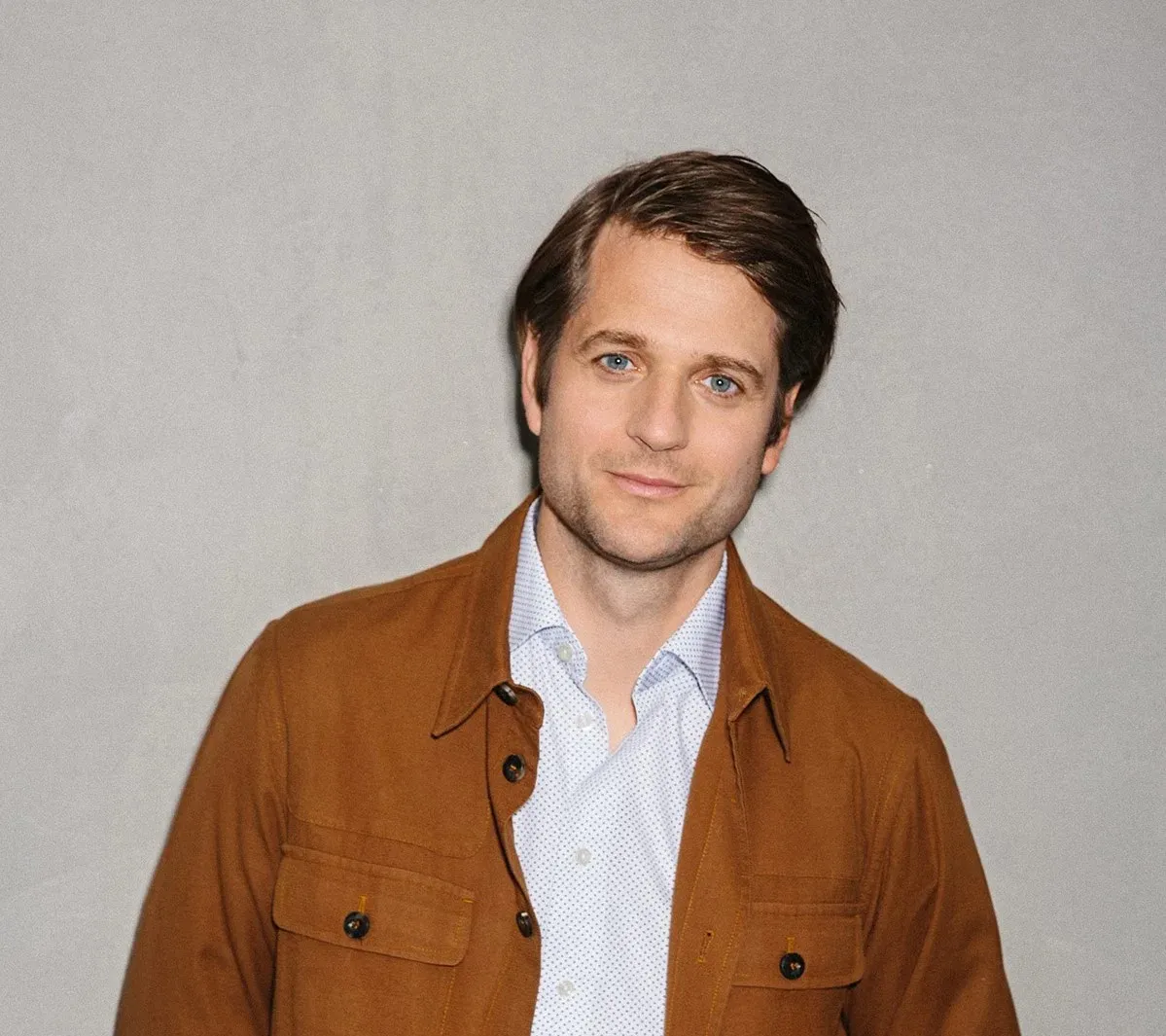
Pay Later, Win Big
His parents left Poland for Sweden. He entered a student competition and finished last. Klarna became a global bank of shopping.
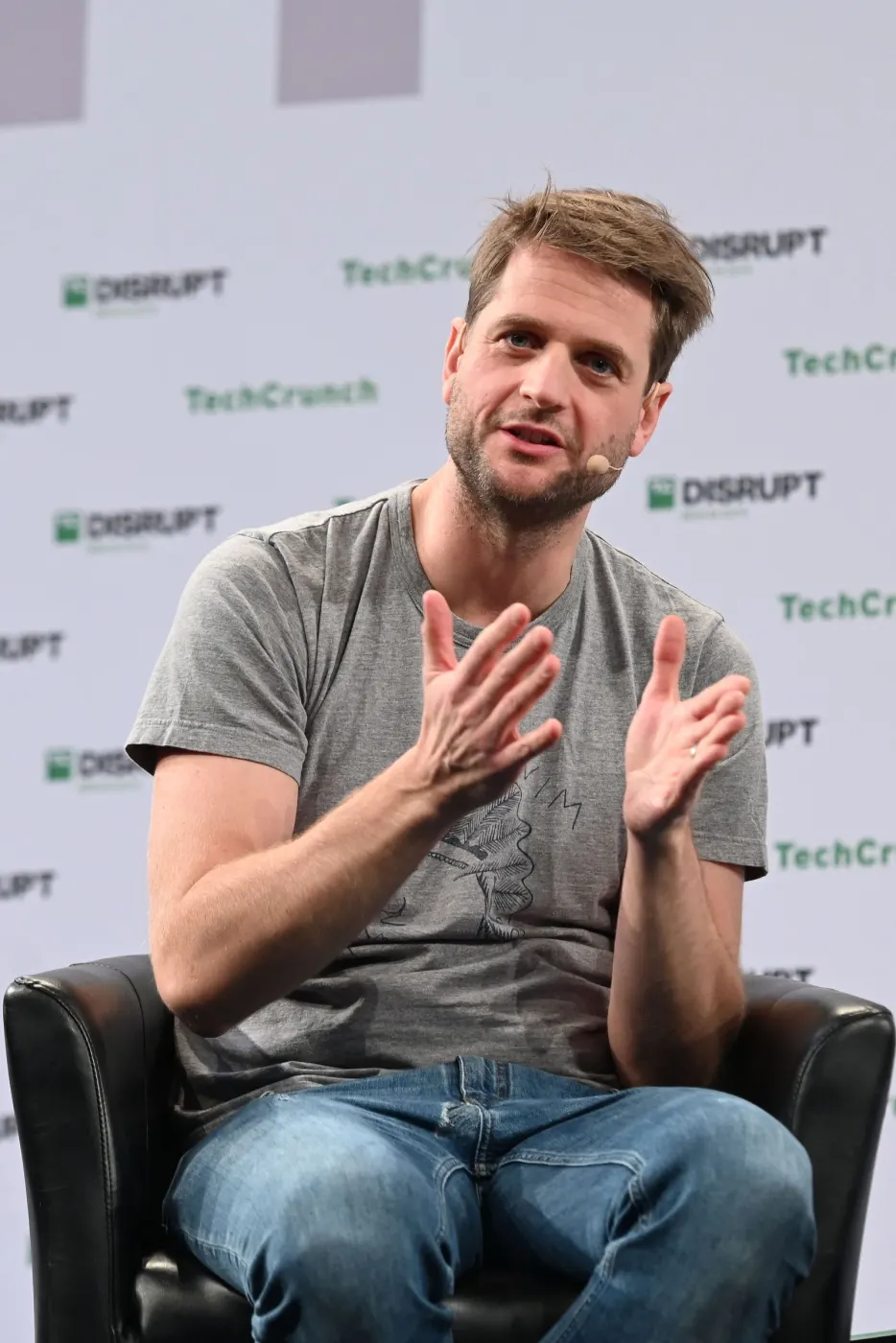
In September 2025, Sebastian Siemiatkowski walked Klarna onto the New York Stock Exchange under the ticker KLAR.
Ordinary shares priced at $40. About 34.3 million shares changed hands in the offering. Roughly $1.37 billion raised. The implied valuation sat near $15.1 billion. For a company once privately marked near $46 billion, the listing was not a victory parade. It was a public thermometer after a private fever.
The company that began as a Stockholm student idea about letting shoppers get goods before they paid had become a listed fintech. Michael Moritz sat as chairman. Sebastian remained chief executive. Selling shareholders took most of the float. The founder who had lived SoftBank gravity and an 85 percent reset now lived quarterly earnings.
Sebastian did not invent online shopping. He bet that the friction at checkout was the real product problem. Merchants wanted sales. Shoppers wanted trust and time. Someone had to sit in the middle and take the risk. Klarna said it would be that someone.
Where he came from
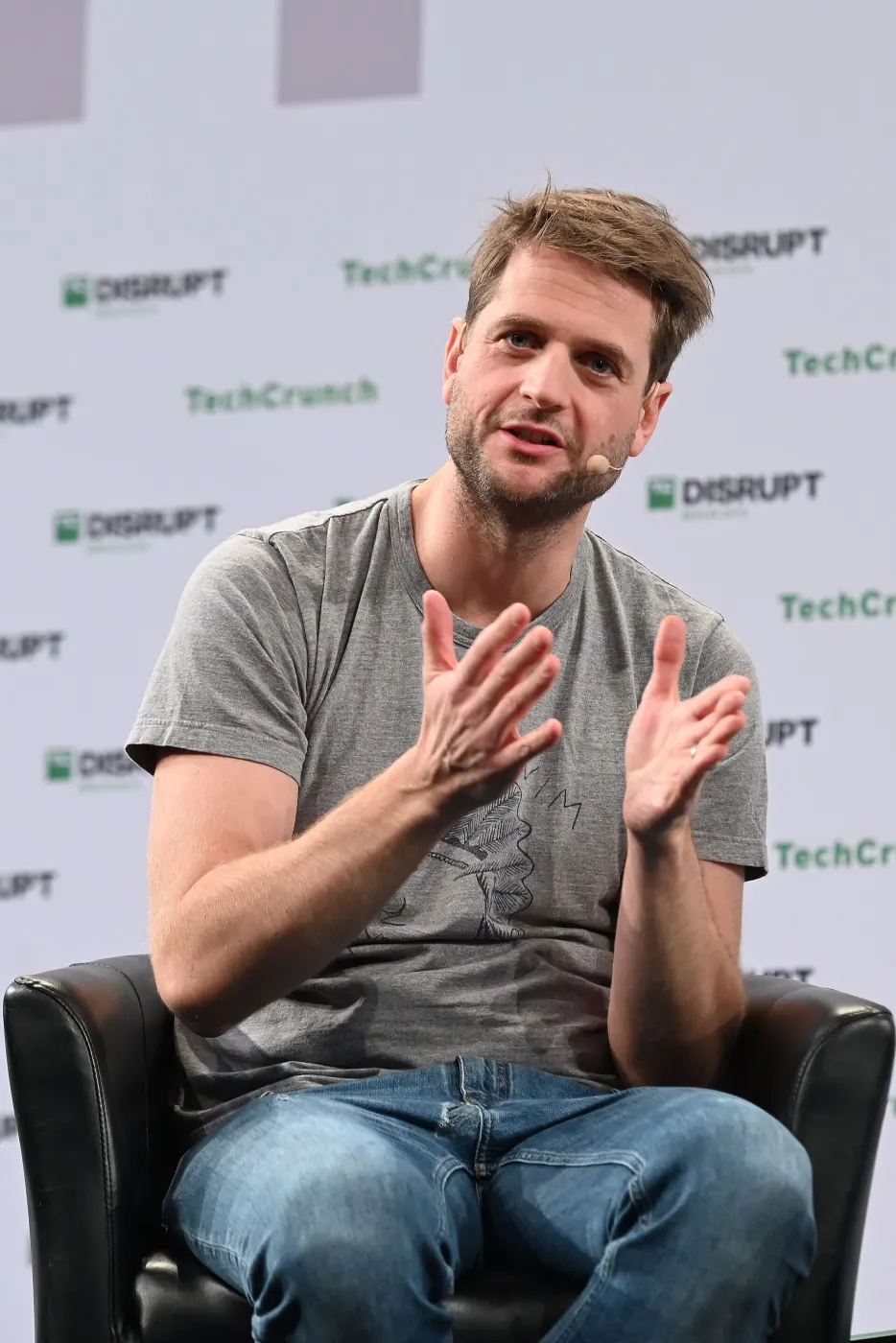
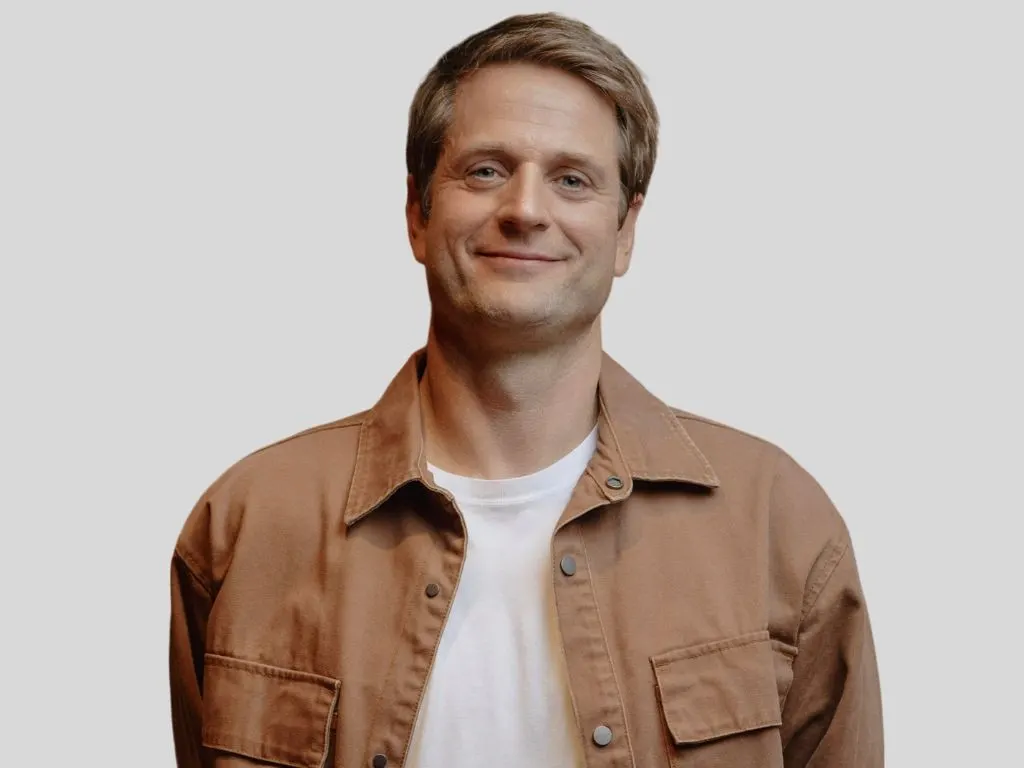
Sebastian Siemiatkowski was born on October 3, 1981, in Sweden. His parents and eldest sister had begun leaving Communist Poland the year before. In Sequoia's long profile he described a family that briefly became a Swedish media story because his older sister had to stay behind until immigration hurdles cleared. She joined them when he was a few months old.
They settled in Uppsala. Polish stayed the language at home. Polish food and Catholic holidays stayed on the calendar. World War II stories about relatives who suffered in German camps lived in the background. His father Michal had been training as a veterinarian in Poland. In Sweden he drove a taxi. Money was thin. Sebastian has said the family would go a full week eating Swedish pancakes made of little more than flour and milk because that was what they could afford.
His mother lived with scoliosis. The marriage went on and off. Summers for other kids meant travel. Summers for him often meant biking to the library with his father and reading. Science fiction by Douglas Adams and Isaac Asimov sat next to books about Ingvar Kamprad and Richard Branson. Ambition arrived early. So did the feeling of standing slightly outside the Swedish room.
He has called himself a second generation immigrant on stages like The Diary Of A CEO. He has also said Swedish digital policy that helped families buy computers mattered. A machine at home opened a door that money alone might not have.
At fifteen he flipped burgers at Burger King. The thin margin machine impressed him. Processes mattered when software magic was not available. In that kitchen he also met Niklas Adalberth, the patient friend who would later co-found Klarna and, Sebastian has said, show him when he was wrong.
He worked other jobs that rarely make founder myths: caretaker for elderly people with dementia, school teacher, telemarketer selling internet subscriptions. Sales clicked. He has described polishing a script until he closed sixteen calls in a row and calling the craft beautiful rather than sleazy.
He attended high school at Katedralskolan in Uppsala and later entered the Stockholm School of Economics. His father questioned business school and preferred medicine. Early SSE years felt misaligned. Classmates chased consulting and banking. Entrepreneurship felt unfashionable after the dot-com bust. Sebastian has said roughly seven percent of students then wanted to start companies, versus something like seventy percent in later Swedish cohorts.
The blank year that taught survival
After two years of school, Sebastian and Niklas took leave. They tried bartending school. They flew ideas toward Florida cruise ship work that did not want them. They waited tables at a ski resort in St. Moritz and buried a bottle of champagne in the ground as a dare to themselves.
Then they hitchhiked around the world overground, documenting the trip for early YouTube. In Sydney they missed the last monthly cargo ship to Los Angeles. A full month in a foreign city followed: cheap hostel beds, furniture moving jobs, proof they could survive without a plan. When they finally reached North America a month late, they kept the no-fly vow, crossed the continent, and shipped home. They dug up the champagne in St. Moritz.
Back in Stockholm they had missed the annual course re-registration cutoff. A blank year opened. Sebastian has described being thin, poor, without school and without support. Welfare checks and food stamps bridged the gap until he landed sales work at a factoring company.
Factoring meant lending against unpaid invoices so small firms could breathe. Mom-and-pop merchants drowning in early e-commerce kept demanding debit cards at checkout because they could not afford unpaid risk. Sebastian started asking a sharper question. What if someone paid the merchant at purchase and collected from the shopper after the goods arrived, the way old Swedish mail-order cash-on-delivery already worked in a high-trust culture? Why could that not become digital?
That question became the company.
The student competition that became Klarna

In 2005, back at school, Sebastian enlisted Niklas Adalberth and classmate Victor Jacobsson. They called the company Kreditor. The thesis was blunt: let online shoppers receive goods first and pay later. Merchants hated the risk. Shoppers hated typing card details into sites they barely trusted. The trio offered to sit between them.
They entered an entrepreneurship competition judged by Sweden's corporate elite, including Stefan Persson of H&M and a Wallenberg family representative. Sweden's king was in the room. The trio finished last out of three. Judges said banks would simply do it. Sebastian has said the emotional blow made him curl his fist and decide to show them.
Angel investor Jane Walerud became the decisive early backer. She offered about SEK 600,000 for roughly 10 percent after seeing the idea, then connected them with developers. Erlang entered the technical story through that network. SSE Business Lab gave them a place to build.
They spent heavily on early engineers and later learned a hard contract lesson when people left after about a year while keeping equity. Sebastian has called that his first real founder education: employment paperwork cannot be vague.
Early growth was sales heavy. The founders hopscotched Sweden in an old Volvo signing small firms. They chased trust theater: phone numbers ending in zeros that sounded like a big switchboard, thick business cards, starched suits. Act as if. Revenue climbed from about 1.5 million Swedish kronor toward hundreds of millions in the early years. Unusually for a Silicon Valley style growth myth, Klarna stayed profitable for roughly its first sixteen years. Sebastian has said that forced a culture where customer value paid salaries, not valuation theater.
In 2009 they renamed Kreditor to Klarna, Swedish for clear, after staff rejected a consultant favorite called Movondo. Nordic expansion followed: Norway, Finland, Denmark, then Germany and the Netherlands. In 2010 Sequoia Capital invested. In 2011 General Atlantic and DST Global helped push a large round near $155 million. The student project was now a European payments company learning how to become a network.
Buy now, pay later becomes a category
Klarna's early model was invoice first. The shopper could finish a purchase without card gymnastics. Klarna paid the merchant and collected from the shopper later. That sounded gentle to consumers and terrifying to credit teams. The company built risk engines, fraud tools, and later checkout products merchants could embed.
Klarna Checkout launched in 2012 as embedded checkout for online merchants. By the mid 2020s Klarna would claim strong Nordic share for that product before selling the checkout business in 2024 and refocusing on flexible payments distributed through partners. The early point was simpler: become the default way a European shopper finished a cart.
In 2013 Klarna acquired German payments firm SOFORT AG and formed Klarna Group. Invoice culture already lived in German consumer heads. Crossing that border taught the company how large the market could get. In 2015 Klarna launched in the United States. That same year Sweden's enterprise minister publicly named Klarna among the country's unicorn technology companies, alongside Spotify, Skype, Mojang, and King.
In June 2017 Klarna received a full banking license from the Swedish Financial Supervisory Authority. The student idea had become a regulated bank. Cards, savings features, and retail finance acquisitions followed. Close Brothers Retail Finance in the United Kingdom arrived in 2018. A 2019 round raised about $460 million at roughly a $5.5 billion valuation. Ant Financial took a minority stake in 2020. Shopping discovery, marketing tools, and consumer credit products wrapped around the original pay later promise.
The payments wrong turn and the rebuild
Success bred cockiness. Around 2010 Sebastian pushed the board toward a broader digital payments ambition, the plumbing under every transaction rather than BNPL alone. He has admitted glossing over young rivals named Stripe and Adyen in board conversations. He even pitched Adyen's founders on an acquisition and was rebuffed.
Klarna then tried to build payments itself. Progress lagged. The clinching wound came in 2015 when Spotify, a Swedish neighbor, chose Adyen. Sebastian faced a fork: sell Klarna for a tidy return, or double down on core BNPL and attack the United States. He chose the harder path, but not before changing how Klarna worked.
Ping pong tables and twenty percent project time did nothing. Product chief David Fock later described siloed sales, engineering, and product teams tossing blame. The fix was Amazon-style cross-functional teams with a page-long mission and shared accountability. Feature velocity rose. Not every employee loved it. Sebastian has called the restructure the best thing for the company.
Niklas Adalberth left in 2015. Co-founder paths diverge when a student company becomes a multi-decade institution. The brand still carried all three founding names in its origin story even as day-to-day leadership centered on the CEO.
America, COVID, and SoftBank fever
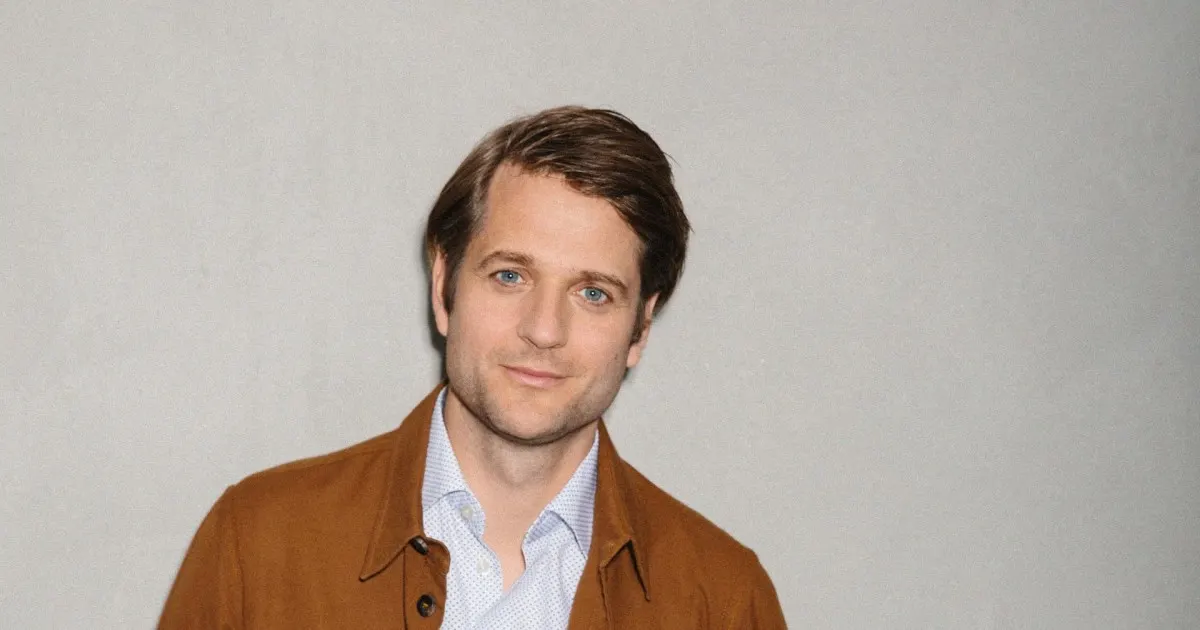
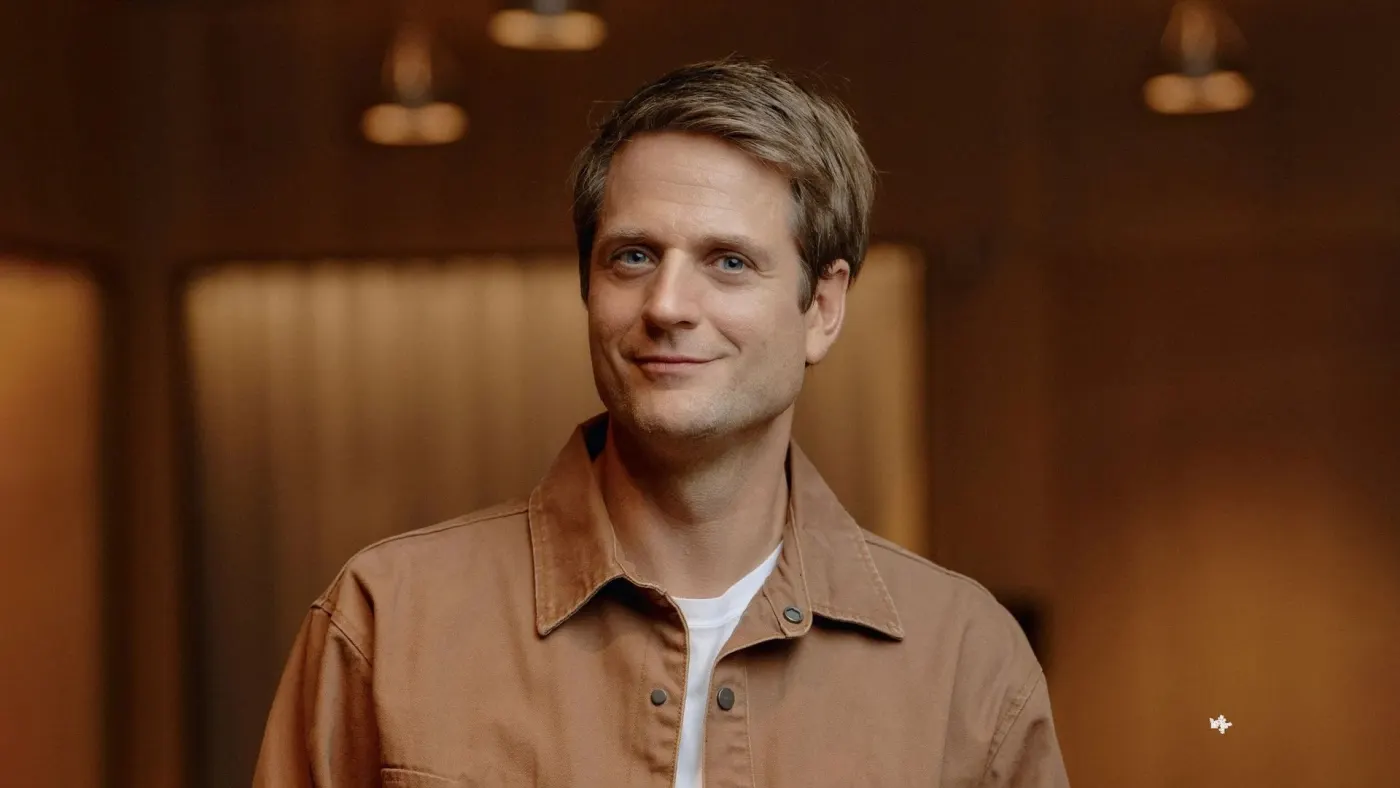
Klarna opened U.S. offices in Columbus and New York in 2015 and pushed hard from 2018, chasing Afterpay for merchant mindshare. Fock has said Sebastian delivered something like a thousand pitches on the road. A consumer app that had launched in Europe in 2017 arrived in the United States in 2019.
Then COVID froze travel and exploded e-commerce. An investor called early and urged downsizing as if the world were ending. Sebastian refused. Volumes spiked. Buy now, pay later rode lockdown shopping.
In June 2021 a funding round led by SoftBank's Vision Fund 2 valued Klarna at about $45.6 to $46 billion. Magazines treated BNPL as destiny. Sebastian's personal wealth estimates climbed into billionaire lists. The company pushed harder into the U.S. and incurred losses for the first time in its history.
Sebastian has said he cautioned that if valuation grows faster than revenue, a correction is coming. His wife Nina has said that in Klarna's first half-decade he told her almost weekly the company was on the brink even when growth was obvious. Circumspection did not stop the weather system of a $46 billion private mark. Recruiting became easier and stranger. Competitors panicked. Symbolism became a trap.
The 85 percent fall
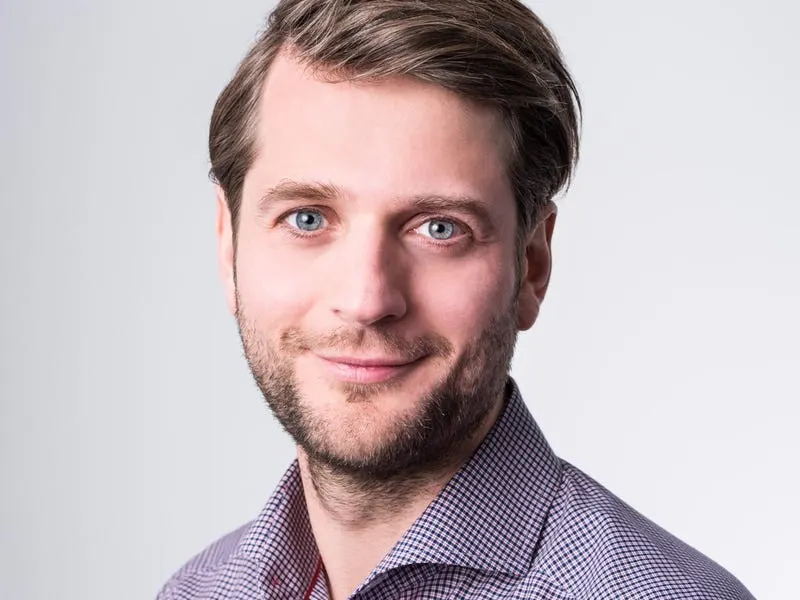
Inflation rose. Interest rates rose. Technology valuations cracked. In July 2022 Klarna raised $800 million at about $6.7 billion, roughly 85 percent below the prior peak. It was still the largest European startup raise of that year. The public story flipped from miracle to cautionary case overnight.
In May 2022 Klarna said it would lay off about 10 percent of roughly 7,000 employees. Sebastian has spoken about sleepless nights and tears. Nina has described him refusing rest because he felt he had to do right by colleagues. The handling of the cuts drew sharp criticism after lists of affected people appeared in ways many called insensitive. Culture is what happens when the spreadsheet turns red.
Regulators and consumer agencies had already been watching BNPL. UK advertising bans, Swedish privacy fines, German fee rulings, debt collection complaints, and later anti-money laundering remarks all entered the record. In March 2022 Sweden's privacy authority fined Klarna SEK 7.5 million for privacy information shortcomings, a fine later upheld on appeal. In December 2024 Finansinspektionen issued a remark and an administrative fine of SEK 500 million for AML rule violations around risk assessment and customer due diligence.
Labor conflict arrived too. In 2023 unions Unionen and Sveriges Ingenjörer threatened strikes at Stockholm headquarters. The strike was called off after Klarna agreed to join the financial-sector employers' organization BAO and accept collective bargaining coverage from January 2024. Swedish institutional reality met global founder English in the same inbox.
AI in the inbox
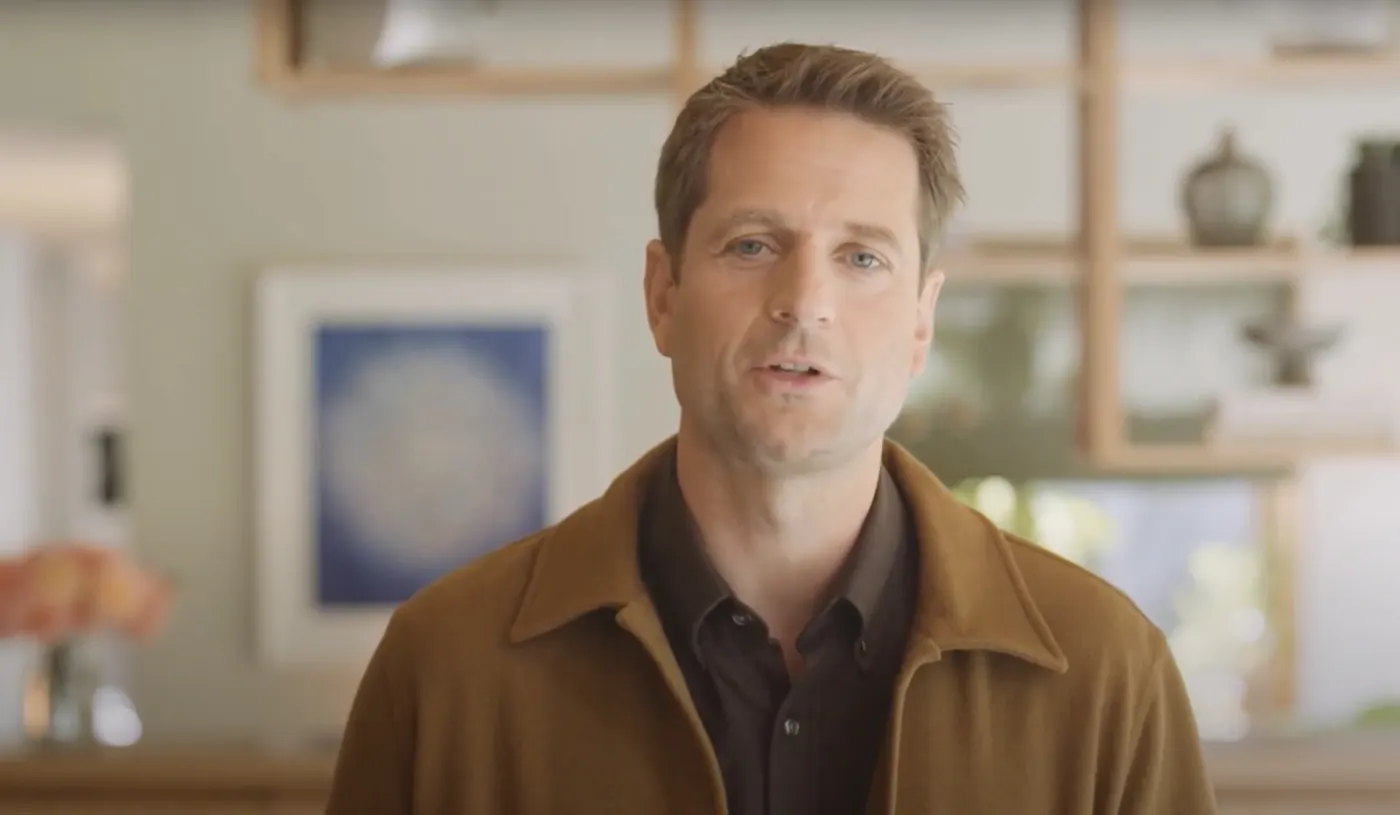
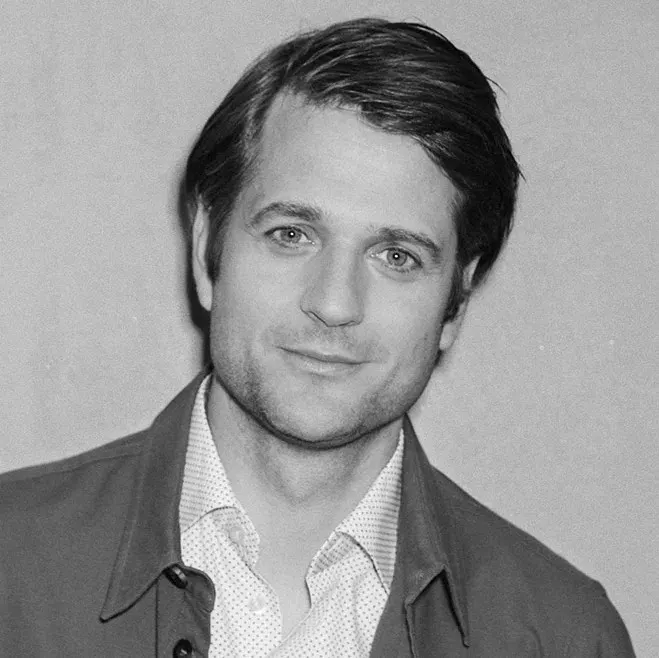
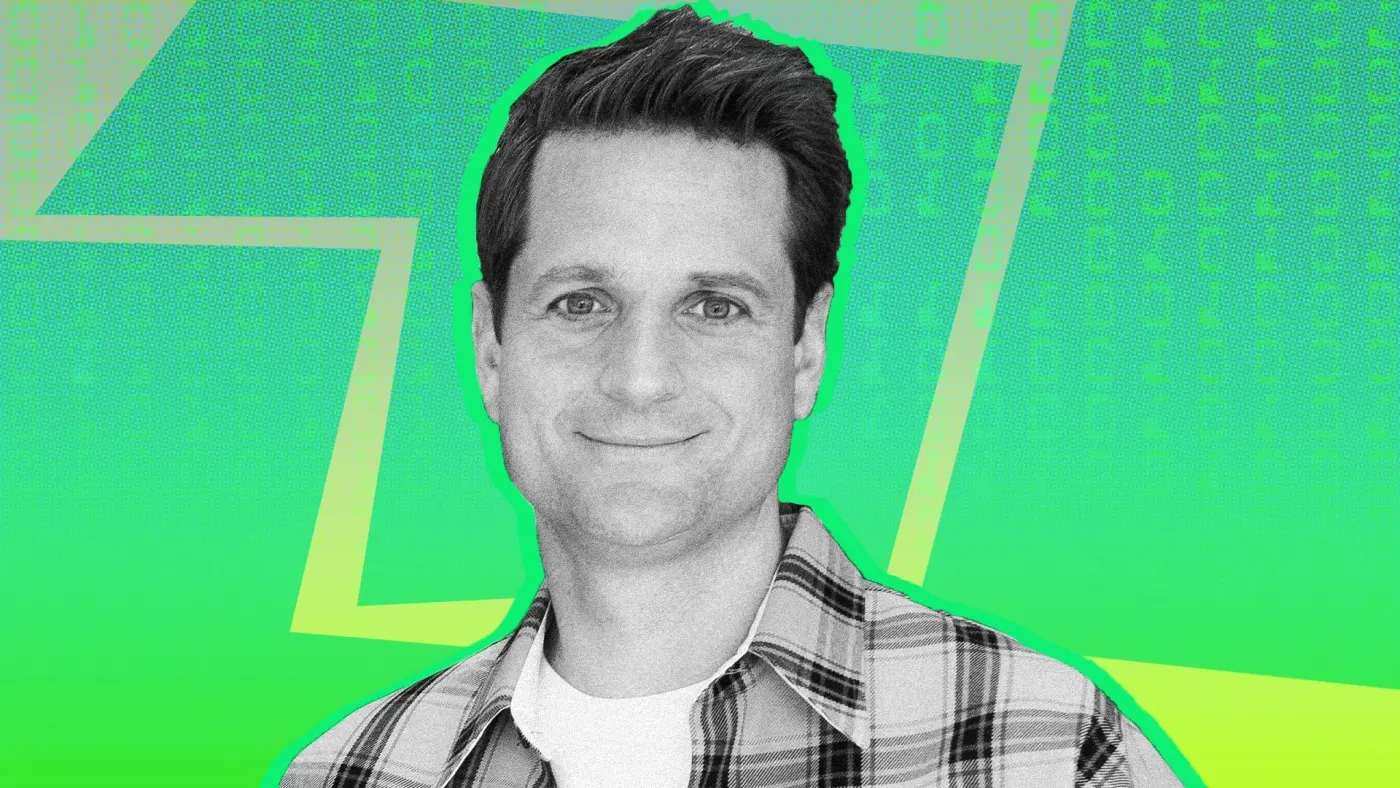
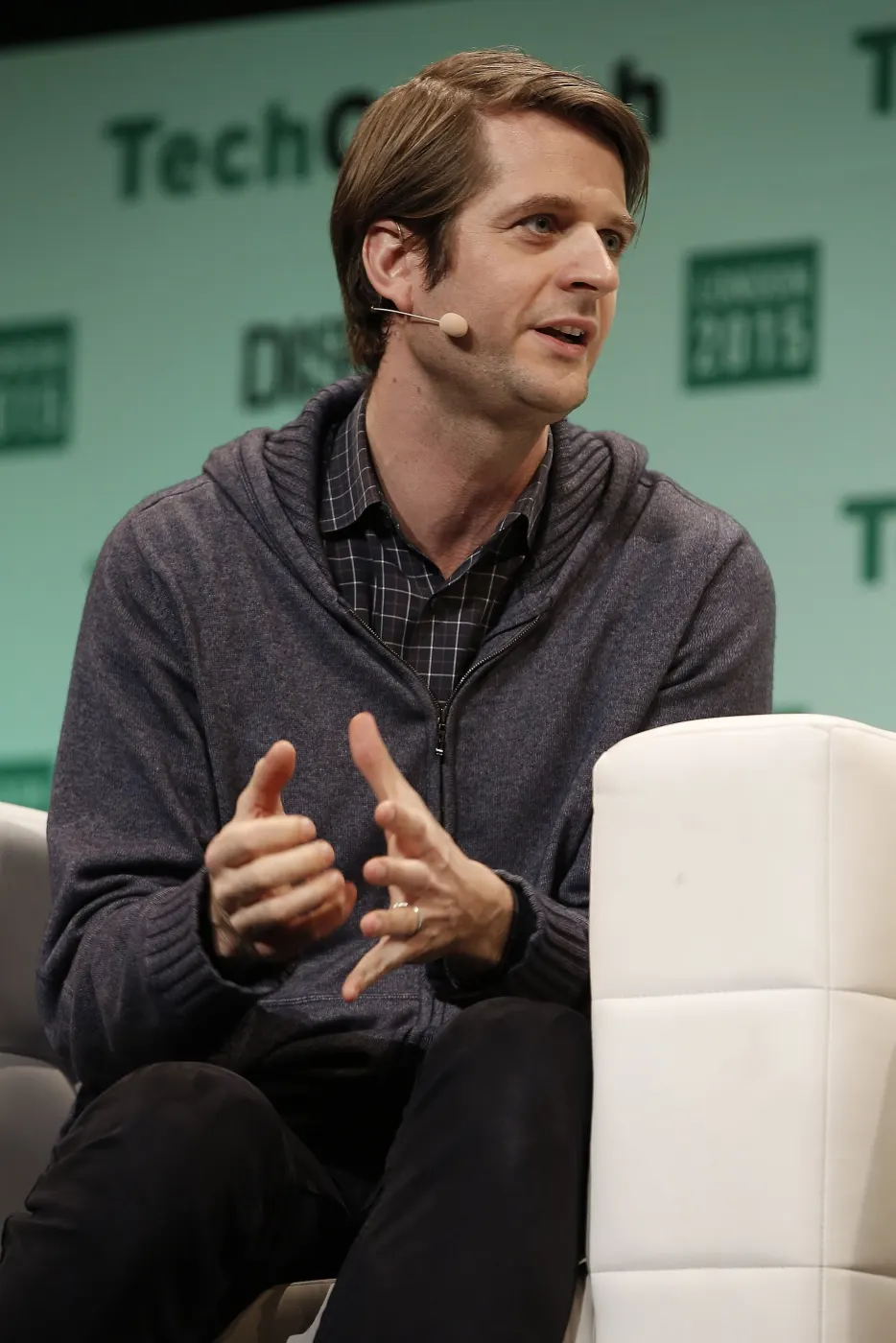
In 2024 Klarna said an AI customer service assistant powered by OpenAI handled about two thirds of customer service chats in its first month and performed work equivalent to roughly 700 full-time agents. Sebastian became a poster child for aggressive AI adoption inside a large consumer company.
In a Sequoia conversation he talked about putting AI into customer-facing workflows and internal use cases, not as a slide experiment but as operating leverage. Later reporting described headcount falling sharply from 2022 levels while revenue per employee rose. The Guardian reported workforce moving from about 5,527 in 2022 toward about 2,907 by 2025, with Klarna citing attrition and technology. By 2026 Klarna was talking about revenue per employee near $1.4 million.
The AI story is not only triumph. Workers lost jobs. Critics asked whether chatbots would hide customer harm. Wrong answers in a credit business create debt confusion. Sebastian's bet was that better tools could serve shoppers faster while the company rebuilt profitability after the valuation crash. By 2025 and into 2026, Klarna was reporting adjusted operating profits again and talking like a public company that had to show receipts.
Cards, apps, and the shopping destination bet
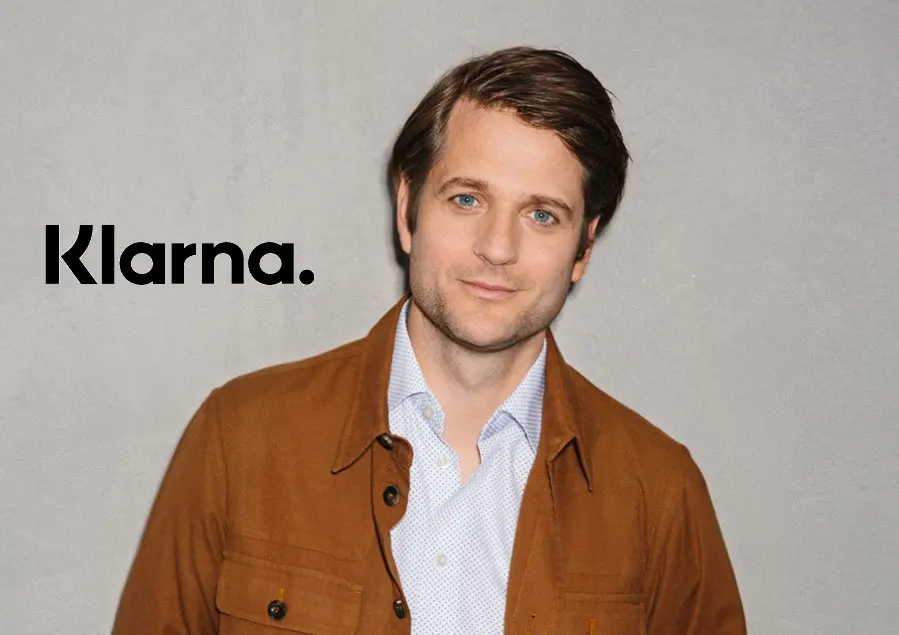
By the early 2020s Klarna wanted to be more than a button at the end of someone else's funnel. Physical and virtual cards extended pay later into everyday spend. A UK physical Klarna Card launched in January 2022. A U.S. card followed with Marqeta support. The app tried to become a place where people discovered products, compared prices, and managed payments.
Acquisitions stacked the shelf. APPRL brought influencer marketing software in 2021. Stocard brought loyalty card wallets. PriceRunner brought price comparison and reviews after a deal announced in 2021 and completed in 2022. Not every brick stayed. Selling Klarna Checkout in June 2024 to a consortium led by BLQ Invest showed a willingness to prune. Distribution through Stripe, Nexi, and later expected partners like JPMorgan Payments and Worldpay could matter more than owning every checkout pixel.
In January 2024 Klarna Plus launched in the United States at $7.99 a month with fee waivers, rewards, and partner discounts. The shopping destination bet kept evolving even as the company prepared for public markets.
The road to NYSE
Klarna confidentially pursued a U.S. IPO process in 2024 and filed publicly in March 2025. Markets wobbled. Tariff headlines delayed plans in April 2025 alongside other issuers. The company relaunched later and completed the offering in September 2025. Shares began trading on September 10, 2025.
The structure mixed about five million primary shares from Klarna with a larger sell-down from existing holders. For a founder who had lived the SoftBank peak and the 85 percent reset, the listing was less a victory lap than a forced honesty machine. Public markets do not care about private narrative. They care about reported numbers.
After the IPO the company kept expanding the thesis. In November 2025 it announced KlarnaUSD, a dollar-backed stablecoin effort aimed at everyday and cross-border payments, live first on the Tempo blockchain testnet with a 2026 mainnet target. In 2026 it reported more than 119 million active consumers, more than one million merchants, and billions in quarterly gross merchandise volume.
In July 2026 a Swedish court ordered Google to pay nearly $2 billion in damages after Klarna's PriceRunner unit won an antitrust case about search preference for Google's own comparison service. That same month Klarna applied to establish an FDIC-insured bank in Utah, seeking to bring more U.S. lending and merchant operations in-house. Also in July 2026, coverage described a partnership with Apple for an Upgrade device leasing program with Klarna as financial backer.
Exact future outcomes remain open. What is closed is the old myth that Klarna was only a Swedish checkout widget. It had become a commerce network with banking DNA, AI operations, antitrust fights, and a New York ticker.
How he works
Sebastian sells clarity under pressure. Partners describe a founder who can turn a messy credit problem into a one-sentence product promise: get it now, pay later, we take the risk. He recruits with mission language about smoother shopping and then obsesses over underwriting data that makes that mission solvent.
He learned process at Burger King and sales on telemarketing floors. He learned resilience in a Sydney month without a ship. He learned fist-curling defiance when Sweden's elite ranked Kreditor last. He learned humility when Spotify chose Adyen. He learned that SoftBank gravity is weather, not climate.
His working style in interviews mixes immigrant urgency with Swedish institutional patience. He talks about customers more than about banks. He talks about AI as labor redesign, not as magic. He returns often to the original insight that merchants will not offer trust unless someone else prices the risk.
People who work with intense CEOs often describe two modes: expansive storytelling and sudden precision about a metric. Sebastian's public appearances suggest both. The storytelling recruits. The precision keeps the banking license meaningful. Nina's portrait of him during the 2022 crash is of a man who would not rest until he felt he had done right by the people still inside the building.
He has been publicly bruised by layoffs, regulatory fines, and the optics of wealth during consumer debt debates. Documentary honesty needs both sides: the operator who simplified cart friction for millions, and the CEO of a credit company that must answer when households struggle.
Controversies and the cost of scale
Every Klarna purchase is a tiny moral contract. The shopper trusts that later will be clear. The merchant trusts that money will arrive. Klarna trusts its models. When that triangle breaks, support tickets become reputation.
Fraudsters love buy now, pay later rails when identity checks fail. BBC and CNBC coverage has described victims who received bills for purchases they denied. In 2019 Swedish media reported Sebastian being called to a government meeting after criticism related to identity theft and consumer debt. Verification upgrades and response paths are part of the real product even when they never appear in glossy launch films.
UK deferred payment credit was scheduled to enter FCA regulation from July 15, 2026. The EU has been updating consumer credit rules. Interest-free short-term credit can smooth cash flow or hide overspending. Governments from the United Kingdom to Sweden have debated how to protect consumers without killing useful tools. Sebastian's company sits in that argument every day. The 2025 IPO made the argument more public, not less.
Klarna has said it underwrote about $0.5 trillion over twenty years and that provisions for credit losses sat near 0.55 percent of GMV in the first quarter of 2026. Those numbers do not make every critic vanish. They do change the debate from survival theater to credit discipline under a ticker.
Current achievements and world impact
As of 2026, Klarna reported on the order of $127.9 billion in 2025 gross merchandise volume, about $3.5 billion in revenue, and about $65 million in adjusted operating profit after years of private market drama. First quarter 2026 updates spoke of roughly $33.7 billion in GMV, about $1.0 billion in revenue, and about $68 million in adjusted operating profit. Active consumers crossed the hundred million mark and kept climbing toward 119 million. Merchants passed roughly a million. The Klarna Card reached about five million active users across sixteen countries.
World impact sits in ordinary checkout moments. A shopper in Berlin, London, or Los Angeles finishes a purchase without wrestling a form. A small merchant gets paid while Klarna manages collection. A category once called invoice shopping became a global phrase: buy now, pay later. Competitors copied the pattern. Regulators wrote new rules because the pattern scaled.
Klarna's stated social pitch is also about who pays for credit card perks. The company argues that many lower-income card users fund rewards for wealthier customers who clear balances monthly. BNPL, in that telling, is a bid to break that transfer. Critics hear a different story: short-term credit marketed into desire. Both readings can be partly true. The documentary leaves the tension visible.
Sebastian's personal wealth estimates swung with Klarna's private valuations and later public marks. Careful wording matters. What is clear is that he kept the CEO seat through a near wipeout of paper wealth and still led the company onto the NYSE. Few European fintech founders of his generation have that full arc on record.
His father died when Sebastian was thirty-three, after years of depression and alcoholism. Sebastian has still talked about how little regard Michal had for business school. The son's answer was not a lecture. It was a company that made checkout feel clear enough to forget, then spent twenty years learning what forgetting costs.
Partnership texture and the boardroom
Michael Moritz as chairman brought Sequoia-era pattern recognition into the boardroom. CFOs and product chiefs rotated through a grown-up org chart. Niclas Neglén as chief financial officer, David Fock as chief product and design officer, Yaron Shaer as chief technology officer, David Sandström as chief marketing officer, and David Sykes as chief commercial officer formed the 2026 management picture around Sebastian.
Klarna Group plc incorporated in England and Wales with a London registered office while Klarna Bank AB remained the Swedish banking heart at Sveavägen 46 in Stockholm under organization number 556737-0431. UK e-money and consumer credit activity ran through Klarna Financial Services UK Limited under FCA authorization. Holding company maps rarely thrill readers. They matter when a student idea becomes a supervised bank with a New York ticker.
Co-founder paths kept diverging. Victor Jacobsson and Niklas Adalberth remain essential to the origin. Day-to-day narrative centered on the CEO who stayed. That concentration of public attention is useful for storytelling and dangerous for systems that need many owners of risk.
What ordinary shoppers actually feel
Strip away the IPO theater and the AI keynotes. A parent buys school clothes in three payments. A student spreads a laptop purchase across a short window. A fashion buyer tries before the salary lands. Those scenes are why Klarna matters and why it scares policymakers.
Sebastian grew up understanding scarcity as an immigrant story. Pay later can be dignity or denial depending on the household. His company profits either way unless underwriting and communication stay honest. That moral edge is the real final exam for a BNPL founder who chose to go public.
Klarna's product lines by the mid 2020s included Pay Now for immediate spend, Pay Later as short-term zero-interest credit, and point-of-sale installments for larger tickets. The language changed by country. The promise stayed close to the first Volvo sales trip: finish the cart without fear, then settle when the goods are real.
Rivals, copycats, and the long race
Affirm, Afterpay (later under Block), PayPal installments, and bank-issued plans all crowded the aisle. Sebastian's differentiation pitch stayed consistent: a shopping-first brand, a data advantage from network volume, and a willingness to embed wherever merchants already sell. Category competition forced faster product cycles and louder marketing.
In Europe, invoice heritage gave Klarna a cultural head start. In the United States, card culture forced sharper positioning. Winning both theaters required different creative and different credit boxes. Sebastian's travel calendar became a map of that dual war until COVID froze the planes and then poured volume into the app.
He has named Branson and Kamprad as early influences. One taught showmanship and customer theater. The other taught systematic scaling of simple products. Klarna's brand borrowed theater. Klarna's risk systems borrowed systematic obsession. Traditional banks that made customers feel stupid at checkout were the worldview he wanted to replace. Rival BNPL firms were competitors. Old banks were the enemy image in the best sales lines.
A day inside the operating system
Public interviews rarely show the calendar. The real Sebastian day mixes credit committee reviews, merchant partnership calls, AI product demos, regulator prep, and media training. He has to keep the original simple sentence alive while managing a machine that now spans more than two dozen countries.
In IPO week interviews he sketched a future where Klarna is infrastructure for shopping identity, payments, and short-duration credit across many surfaces, including partner checkouts and device financing. Stablecoin experiments and bank charter talk are extensions of the same hunger: own more of the money movement around desire.
Whether that long game lands will depend on regulators, on Apple and bank partnerships, on AI reliability, and on consumers who can still say no. Sebastian has already survived one narrative death. Public markets offer infinite smaller deaths every quarter. He seems built for that weather now in a way the 2021 version of him was not.
From outside, success looks like a New York ticker and a shopping app icon. From inside, success looks like underwriting that survives a recession and support that does not gaslight confused customers. Sebastian's documentary value is that he has now been forced to define success both ways.
In December 2020 the UK Advertising Standards Authority banned a Klarna Instagram influencer campaign after ruling that posts had irresponsibly encouraged deferred payment shopping to improve mood during COVID lockdown. In October 2020 mistaken marketing emails prompted UK Information Commissioner enquiries. German privacy specialists in 2020 flagged an autofill data issue that could expose address and birth date details when an email and postal code were known. In May 2021 a brief app incident let some users glimpse other customers' data, later drawing a bank secrecy investigation. None of these episodes alone define Klarna. Together they show what scale looks like when trust products touch millions of households.
Sebastian's answer, so far, has been to keep standing in the middle of the transaction, take the risk others refuse, and make the dangerous moment of online trust feel smooth enough to forget. Forgetting is the product. Remembering the cost is the job of a public company CEO who once finished last in a room with a king.
Closing
Sebastian Siemiatkowski's story is about trust as a product. He grew up between Polish roots and Swedish systems, between pancake weeks and library summers. He flipped burgers with Niklas, hitchhiked a blank year into a factoring insight, finished last in a royal room, took Jane Walerud's check, and built Kreditor into Klarna.
He rode SoftBank gravity to a private peak near $46 billion, fell with the market, rebuilt with AI and cost discipline, answered Swedish unions and regulators, and listed in New York in September 2025. Into 2026 he kept shipping: stablecoin experiments, a Utah bank charter application, an Apple leasing partnership, a PriceRunner antitrust win measured in billions of damages.
The next chapters will be written in regulated credit rules, AI reliability, and the daily question every shopper already understands: can I get this now, and what does later really cost?
Readers should leave knowing the names Niklas Adalberth and Victor Jacobsson, the early bet of Jane Walerud, the Sequoia and SoftBank chapters, the Spotify wound, the layoff winter, the OpenAI support bet, and the September 2025 bell. That is the true Klarna arc, not a slogan.
Watch alongside this story
Short cuts from interviews, keynotes and launches. Each plays only the moment that matters.