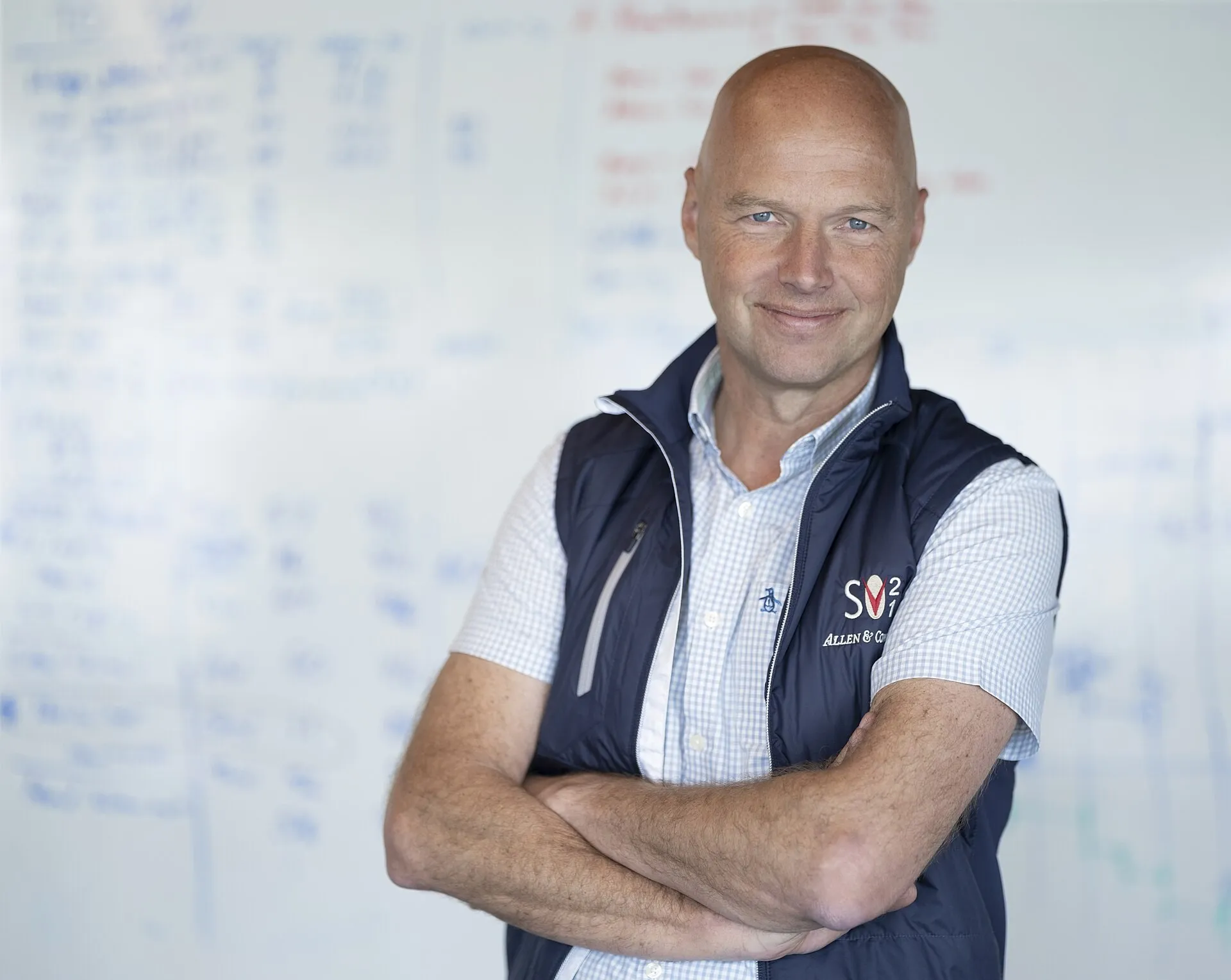
The Father of the Self Driving Car
His robot car won a desert race in 2005. Then he started Google's self driving project. It became Waymo.
In 2005, a blue Volkswagen with no driver raced across the Mojave Desert.
It won the DARPA Grand Challenge, a race for robot cars, and $2 million.
The team leader was Sebastian Thrun. His work helped launch the self driving car industry.
Growing up in Germany
Sebastian Thrun was born on May 14, 1967, in Solingen, Germany.
When he was young, a close friend died in a car accident. That loss stayed with him, and later drove his mission to make cars safer.
He earned his PhD at the University of Bonn.
Robots and Stanford
Sebastian moved to the United States and taught at Carnegie Mellon University, working on robots.
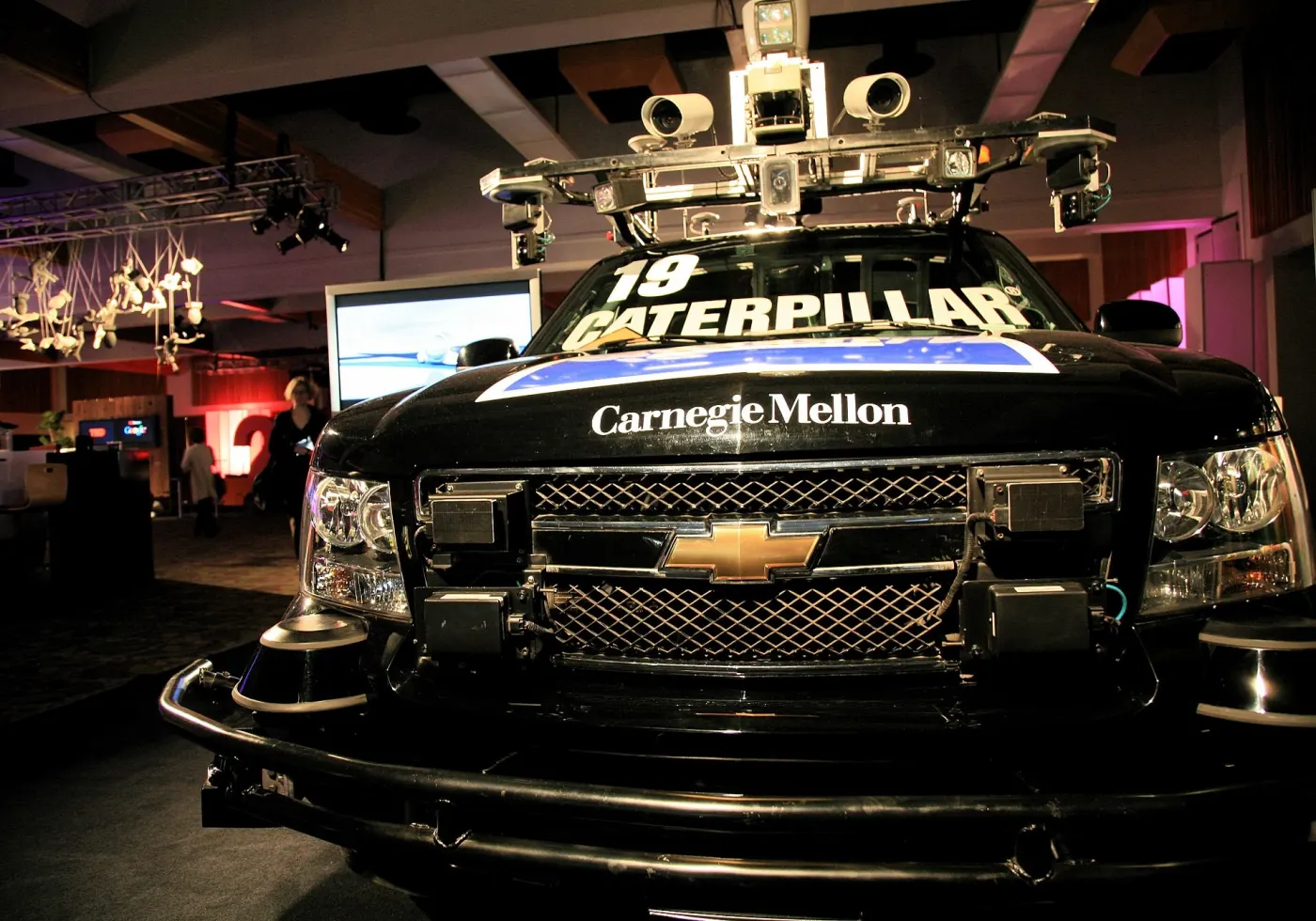
In 2003, he joined Stanford University. There he led the team that built Stanley, the robot car that won the 2005 DARPA Grand Challenge.
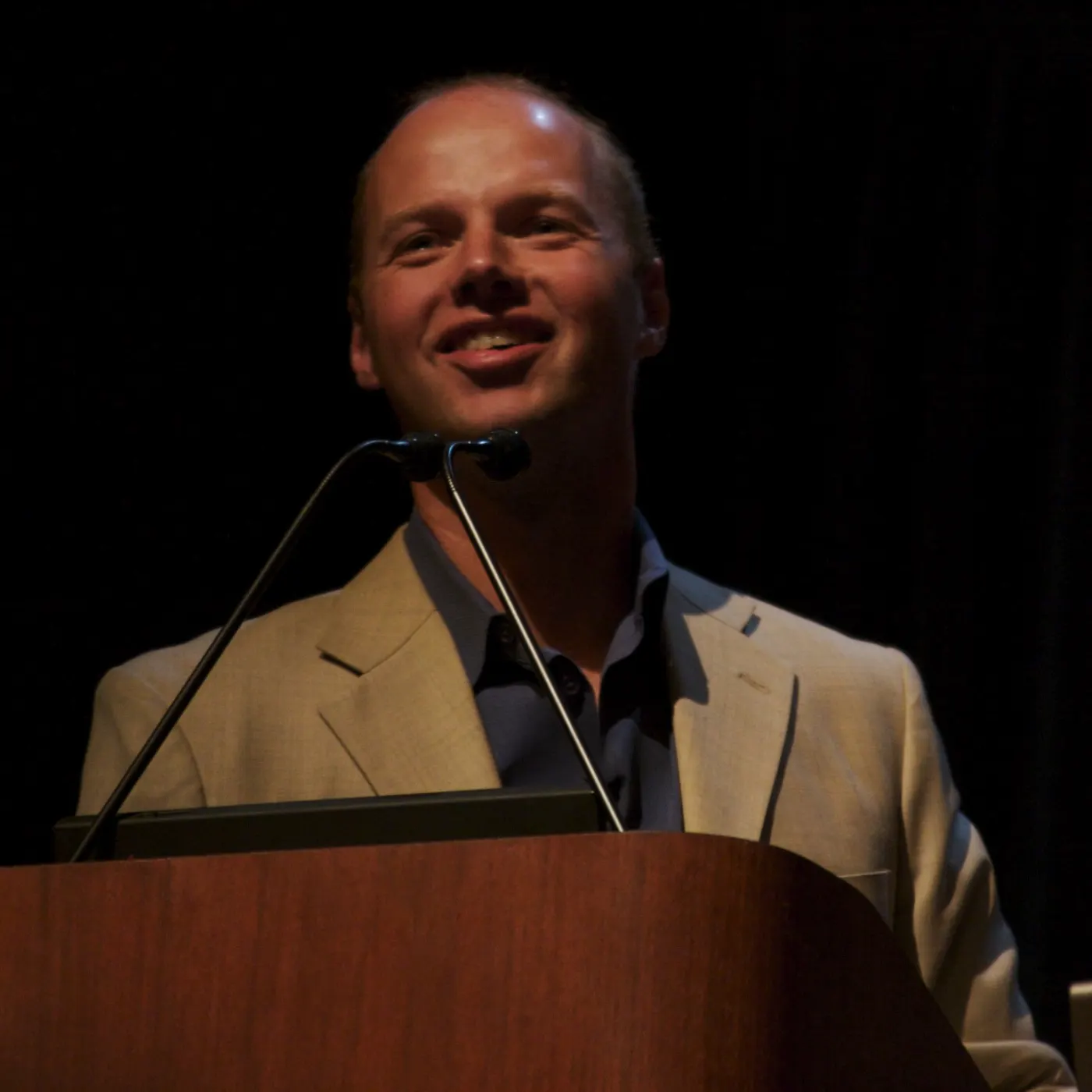
Google X and the driverless car
At Google, Sebastian helped build Street View. Then he co-founded Google X, the company's secret lab for moonshots, and started Google's self driving car project.
That project later became Waymo, which now runs driverless taxis in several U.S. cities.
Udacity
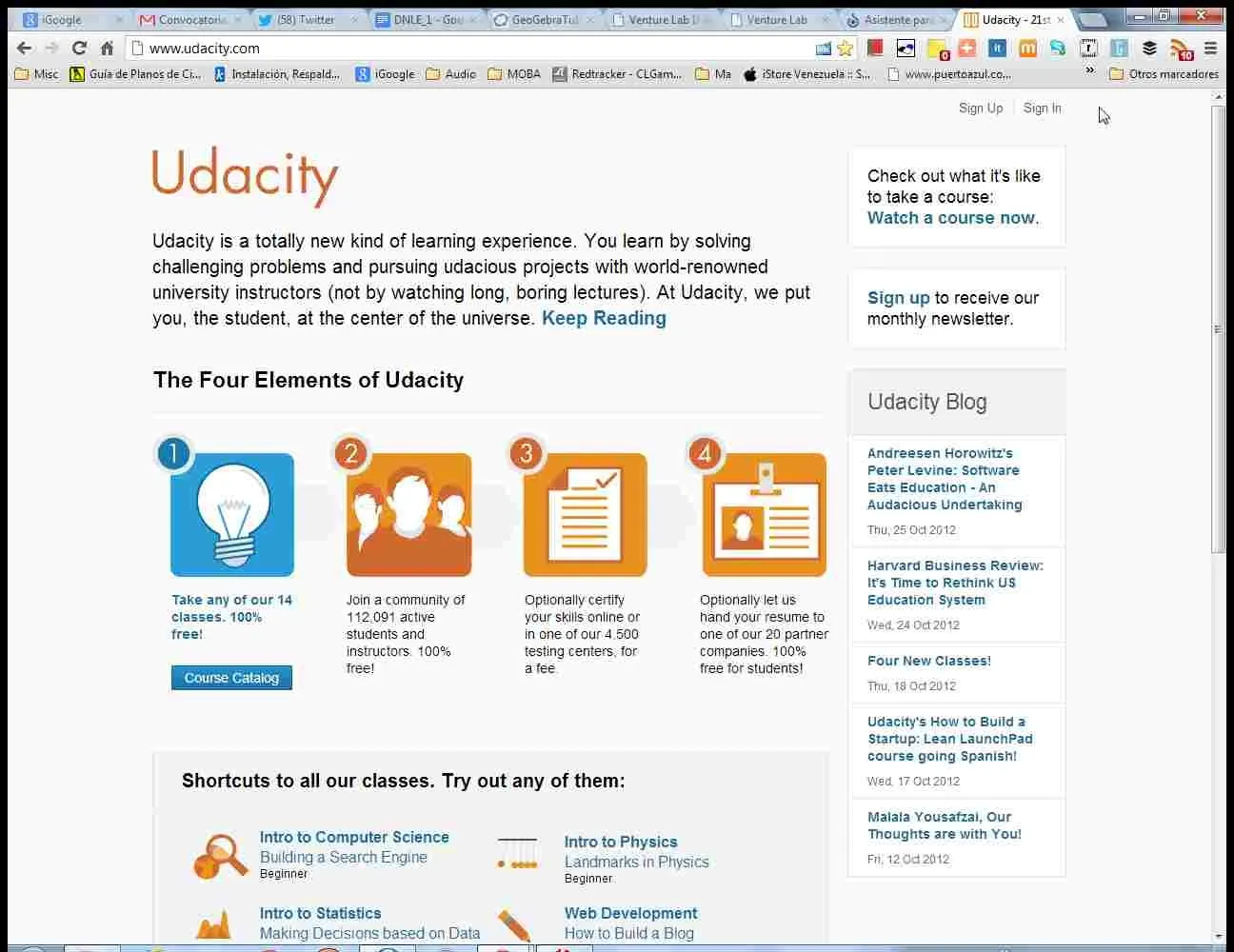
In 2011, Sebastian and Peter Norvig put their Stanford AI class online for free. About 160,000 people signed up.
So in 2012, he co-founded Udacity, an online school teaching tech skills. Udacity was acquired by Accenture in 2024.
Flying cars
Sebastian then led Kitty Hawk, which built small electric aircraft. Its air taxi work became Wisk, later owned by Boeing. Kitty Hawk closed in 2022.
Where he is now
Today, Sebastian Thrun is an adjunct professor at Stanford and continues working on AI, including physical AI for machines that move in the real world.
Why the story matters
Sebastian Thrun's story is about moonshots. Robot cars, free online classes, flying taxis. Not all worked out, but each pushed the world forward.
For young builders, the lesson is simple. Aim high, learn from failure, and let your deepest reasons, like saving lives, guide you.
He did not wait for the future. He raced to it.
The Record
Born: May 14, 1967
From: Solingen, Germany
Studied: PhD, University of Bonn
Built: Stanley, Google X self driving project, Udacity, Kitty Hawk
Timeline
1967 Born in Solingen, Germany.
2003 Joins Stanford.
2005 Stanley wins the DARPA Grand Challenge.
2009 Starts Google's self driving car project.
2012 Co-founds Udacity.
2015 Leads Kitty Hawk.
2022 Kitty Hawk shuts down.
2024 Udacity acquired by Accenture.