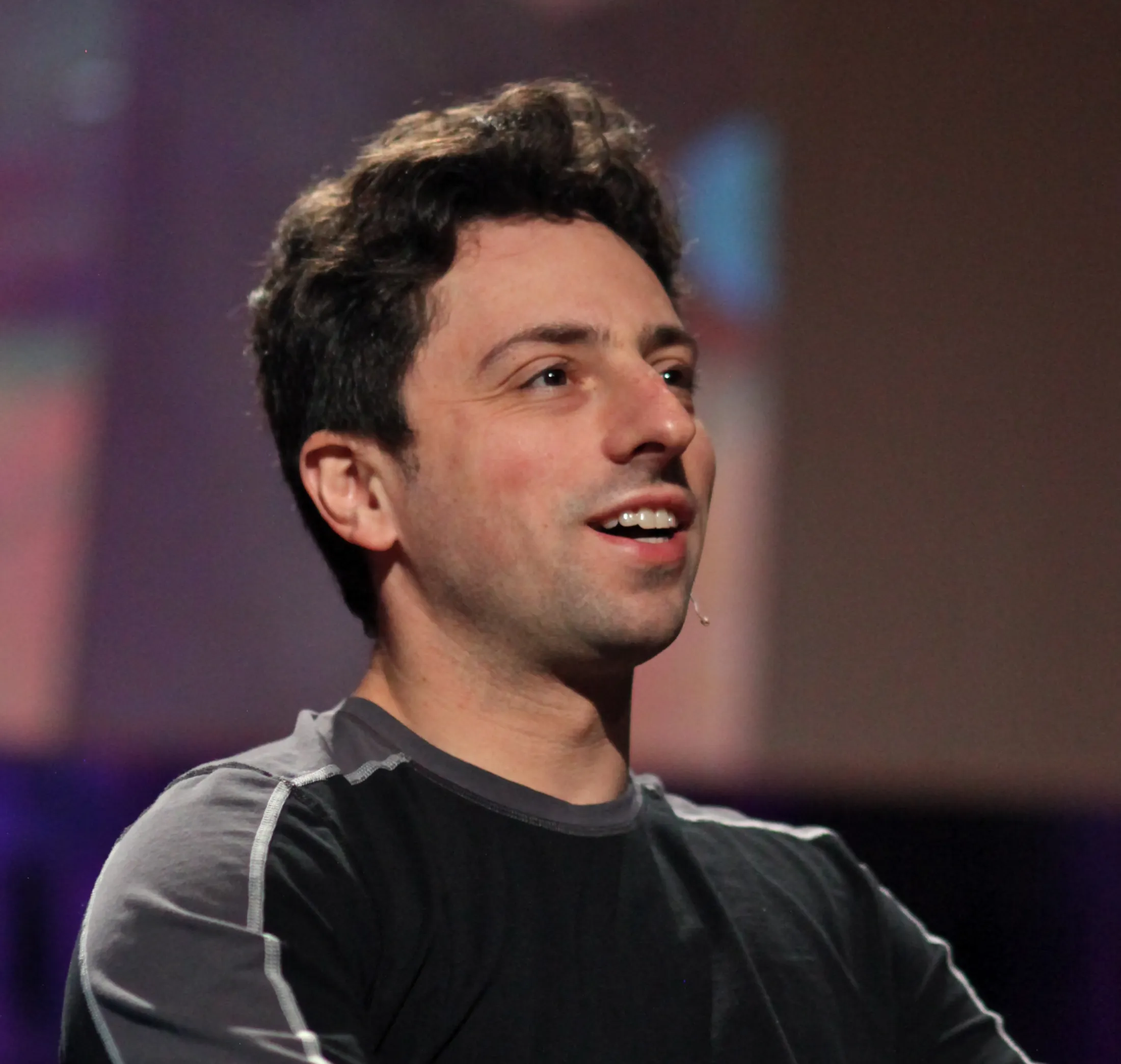
The Boy Who Left Moscow
A six-year-old left the Soviet Union with his family. At Stanford he and Larry Page ranked the web with links. Billions of people still type into the box they built.
The boy was six years old when the old world closed behind him.
Moscow had been home. It had also been a place where his parents' talent hit invisible walls. Being Jewish in the late Soviet Union meant closed doors that had nothing to do with skill. In 1979 the Brin family finally received exit permission after months of waiting without steady jobs. They passed through Vienna and Paris. On October 25 they arrived in the United States.
Sergey Mikhailovich Brin did not know yet that math homework, late nights at Stanford, and a stubborn ranking idea would change how billions of people find facts. He only knew that home had moved.
Decades later he and Larry Page would turn a dorm crawler into Google, then into Alphabet. In 2026 public lists still place Brin among the richest people on Earth, with a fortune that moves with Alphabet stock as Search, YouTube, Cloud, and Gemini compound. He no longer runs the company day to day. He remains a board member and controlling shareholder. After ChatGPT shocked the industry, he returned to the building to push Gemini harder. The path from the airport arrival hall to that fortune was not a straight climb. It was immigration, math, partnership, scale, moonshots, and a long fight to keep the world's information useful.
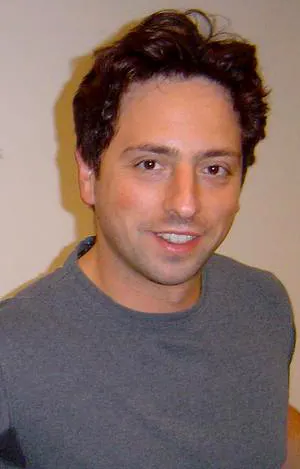
A house that chose America
Sergey was born on August 21, 1973, in Moscow. His parents, Mikhail and Eugenia Brin, studied at Moscow State University. Mikhail became a mathematician. Eugenia worked as a researcher. Both were highly educated. Both ran into antisemitism that blocked careers.
After a conference abroad, Mikhail decided the family should leave. They applied for exit visas in 1978. Mikhail lost his university post. Eugenia had to leave her job too. For months they waited with little income. That memory of blocked doors stayed with Sergey. Opportunity was not automatic. Systems could trap talent.
In May 1979 they received permission to go. With help from immigrant aid groups and academic contacts, Mikhail found a teaching post at the University of Maryland. The family settled in Maryland, including time in Adelphi. Eugenia later joined NASA's Goddard Space Flight Center.
Sergey attended a Montessori school as a young child. Independence and hands-on learning fit him. He later went to Eleanor Roosevelt High School. At home he absorbed his father's love of mathematics and his mother's scientific drive. Dinner was not soft chatter. It was ideas.
Leaving one country for another is a hard reset. It teaches you that institutions matter, and that talent needs a ladder. Those lessons shaped how he later thought about open information.
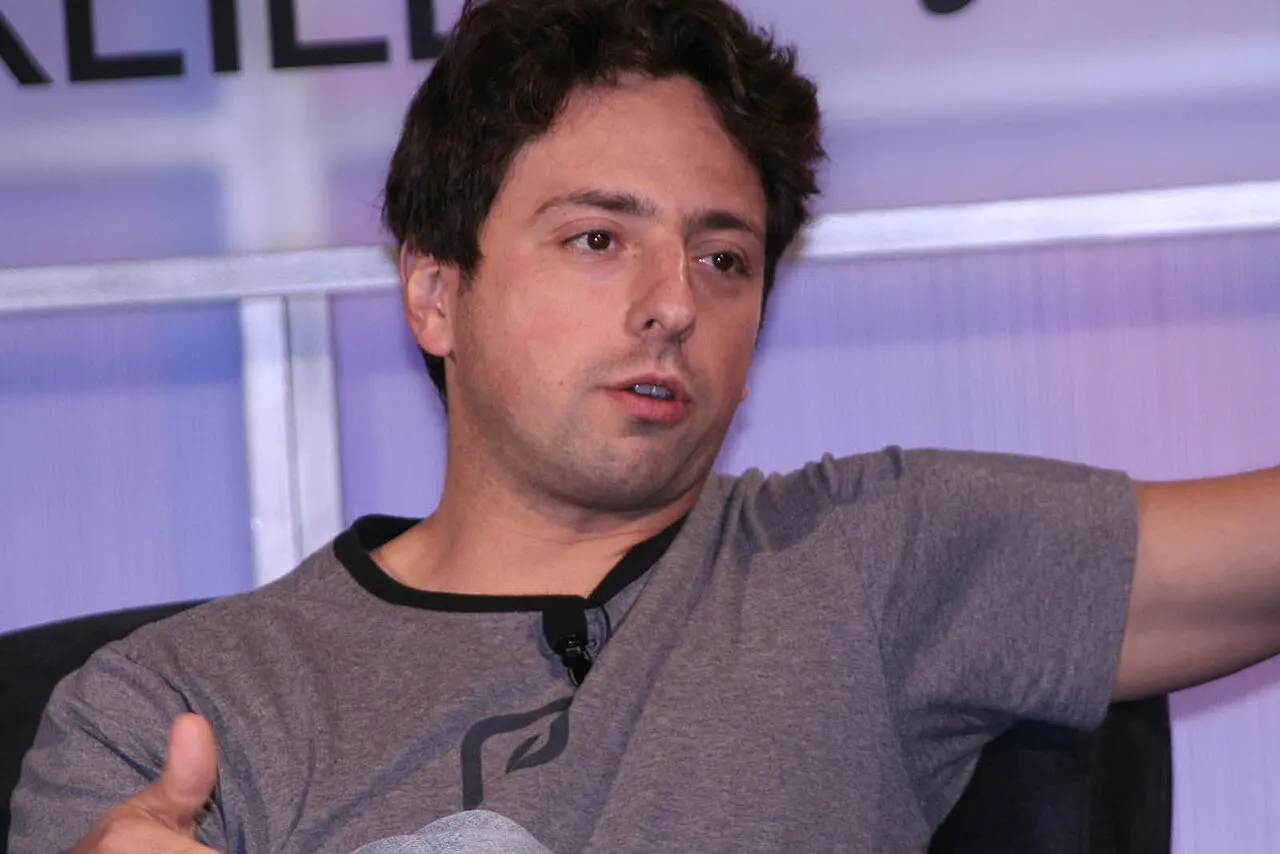
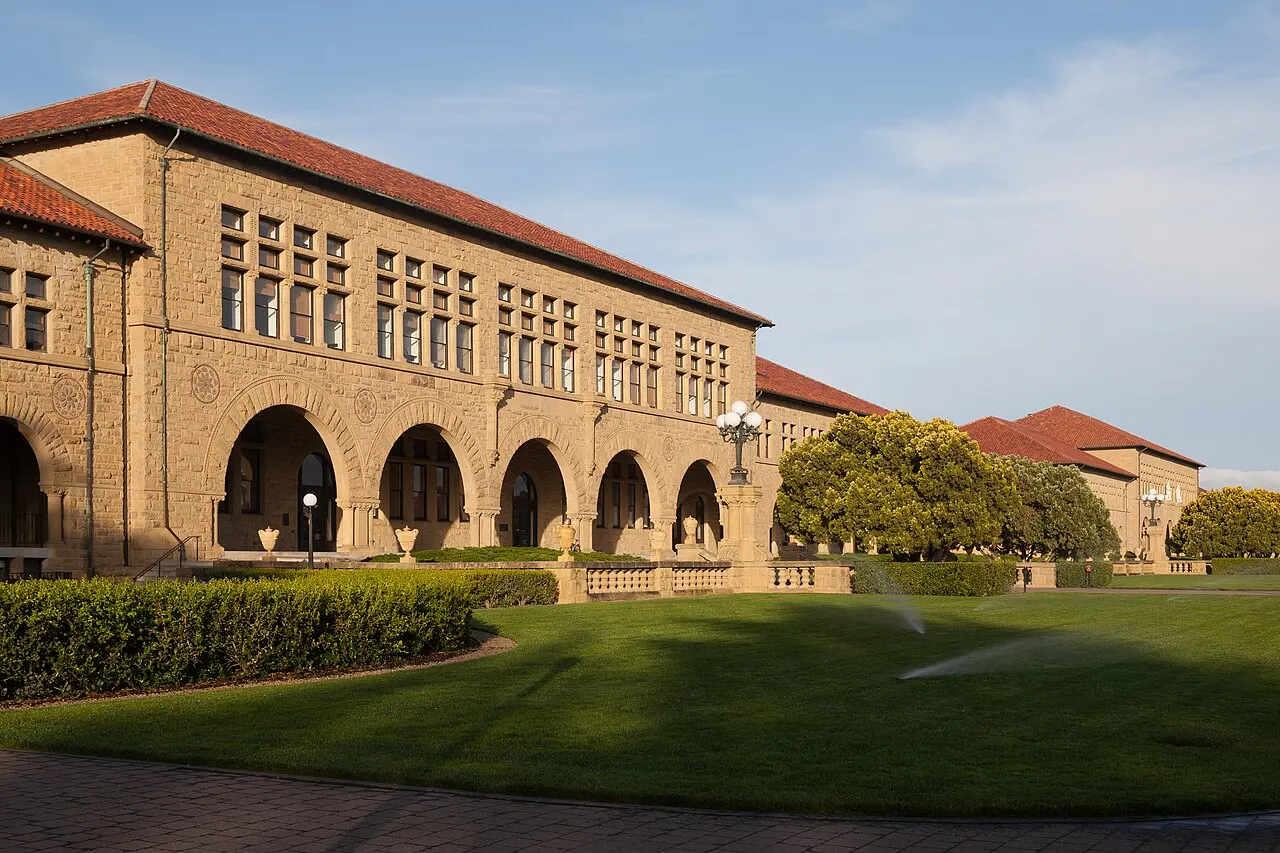
Speed at Maryland, partners at Stanford
Sergey entered the University of Maryland, College Park, and finished in three years. In 1993, at age nineteen, he earned a Bachelor of Science with honors in computer science and high honors in mathematics. Speed was not a stunt. Excellence was the point.
He interned at Wolfram Research, the company behind Mathematica. Then he won a National Science Foundation graduate fellowship and started a Ph.D. program in computer science at Stanford. He earned a master's degree in 1995 and later went on leave from the doctoral program to build a company.
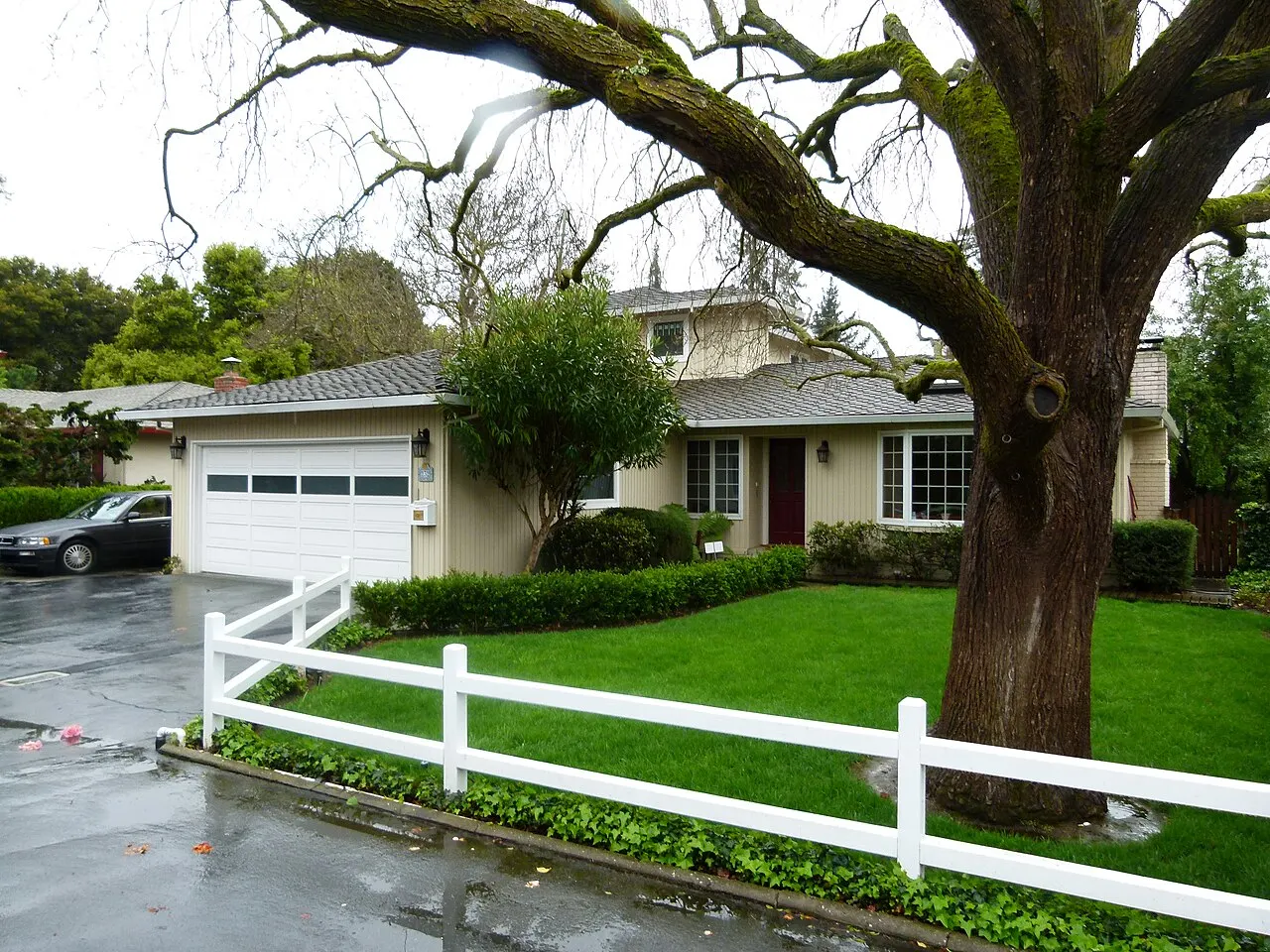
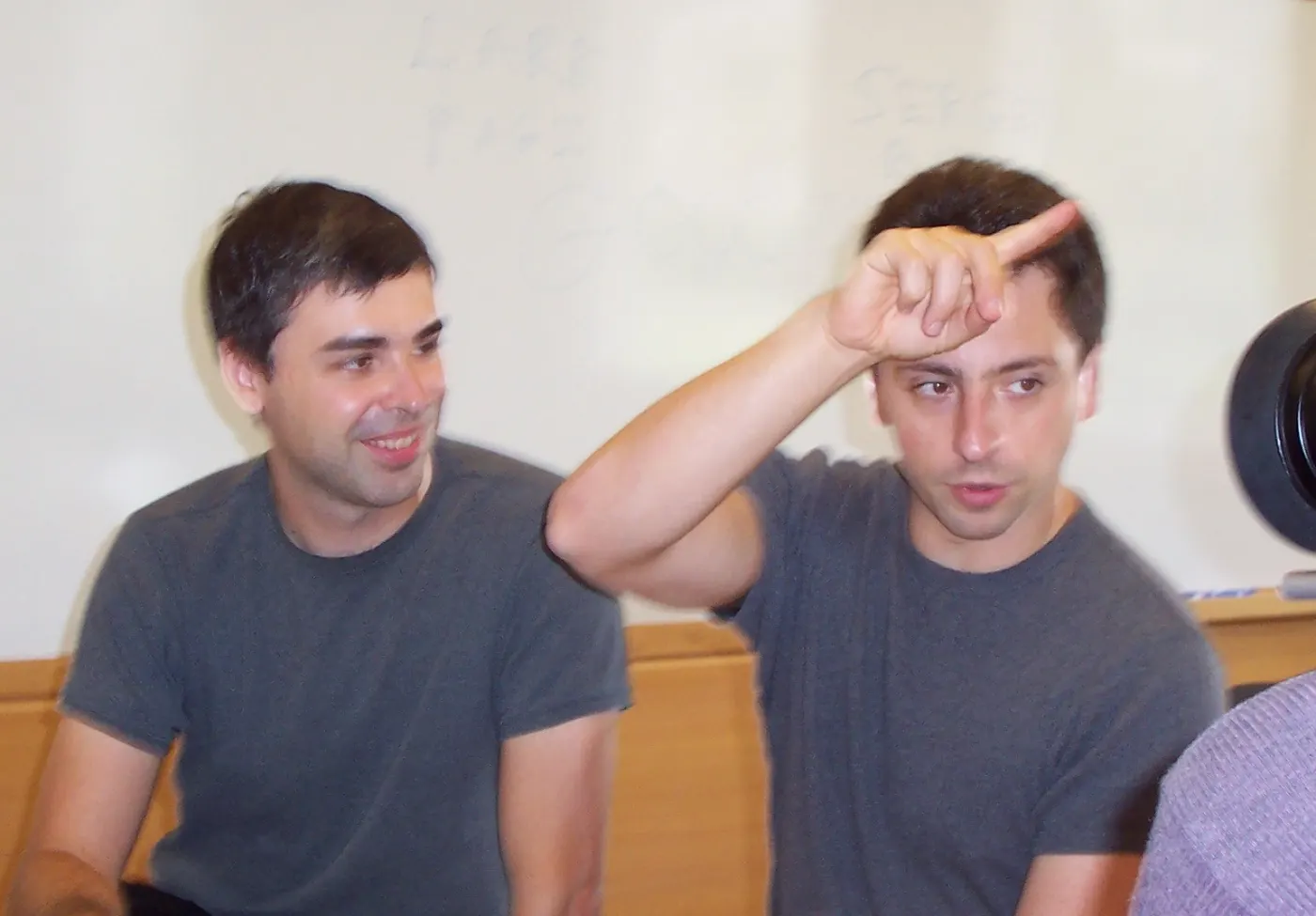
At a new-student orientation in 1995 he met Larry Page. They argued about almost everything at first. Then argument became fuel. Friendship became a company. Larry was fascinated by the web's link structure. Sergey was skilled at data mining and large-scale computation. Together they built BackRub, a crawler and ranking system. PageRank treated links like votes of confidence.
They wrote a famous paper, "The Anatomy of a Large-Scale Hypertextual Web Search Engine." They filled dorm rooms with cheap servers and strained Stanford's network. Students loved the results. Better ranking brought more users. More users proved the idea was real.
In early interviews they said many people talked about organizing the web. Few shipped a tool that felt better. They shipped.
Garage, check, and a name that meant scale
In 1998 they founded Google Inc. The name came from "googol," the number 1 followed by 100 zeros. It was a joke about searching a vast web. It was also a promise: the index had to grow.
Early money included a famous check from Sun Microsystems co-founder Andy Bechtolsheim for $100,000, written befo
re paperwork was neat. Belief arrived early. Delivery had to follow.
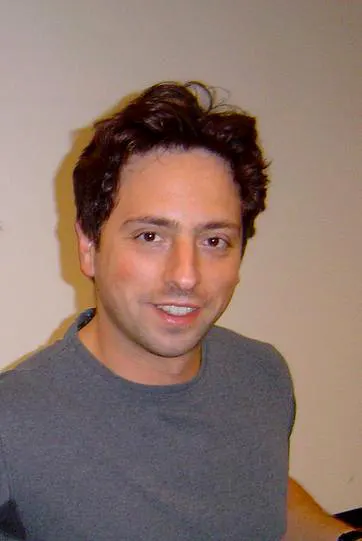
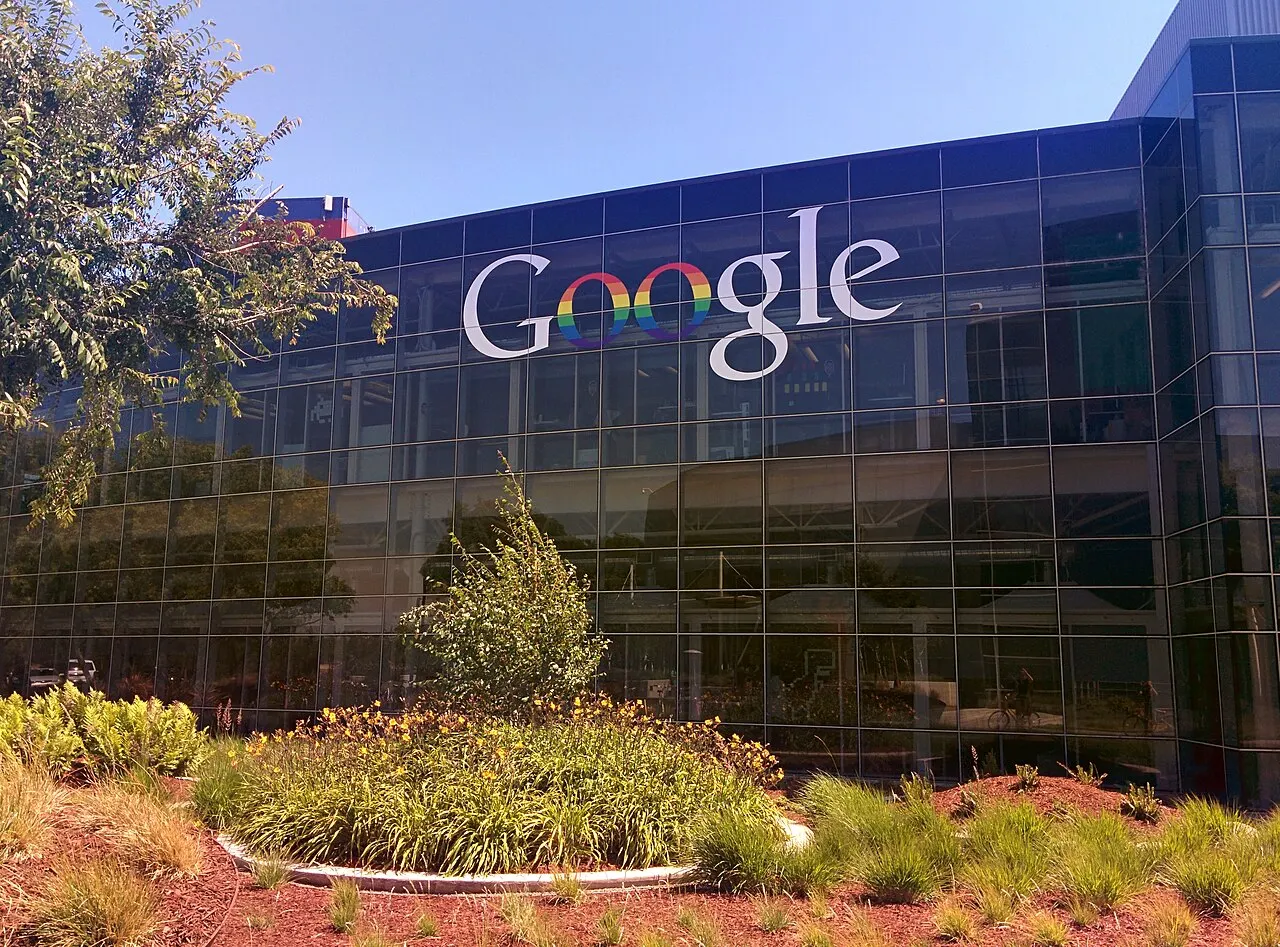
They rented Susan Wojcicki's Menlo Park garage for about $1,700 a month. Larry served as first CEO. Sergey served as president. The mission was clear: organize the world's information and make it universally accessible and useful.
The garage was not glamorous. Cheap space. Fast decisions. Long hours. Servers failed. Code changed. Users came because results felt better. Sergey's role mixed systems thinking, data taste, and product ambition. Search is not only an algorithm. It is warehouses of machines working together.
What they actually built
Google's search engine scaled with clever software and thrifty hardware. Advertising made the service free for users. That business model changed the internet. People could search without paying at the door. Companies paid to reach customers. The flywheel spun faster.
In June 2000 the company indexed about a billion URLs. It moved to Mountain View. Investors Kleiner Perkins and Sequoia helped fund growth. In 2001 Eric Schmidt became CEO so the young founders could focus. Sergey took the title of president of technology. He pushed infrastructure, new products, and engineering culture.
The 2004 IPO made the founders extremely wealthy. They kept aiming at harder problems: Maps, Books, mobile, YouTube after the 2006 acquisition, Android's rise as a platform Google backed and shaped. The clean homepage and obsession with speed became templates for modern product taste.
Sergey liked experiments. He liked special projects that looked strange until they did not. Google Glass and self-driving research sat in that lane. Not every project became a mass hit. Some became seeds for later work across the industry.
Glass, skydives, and the cost of moonshots
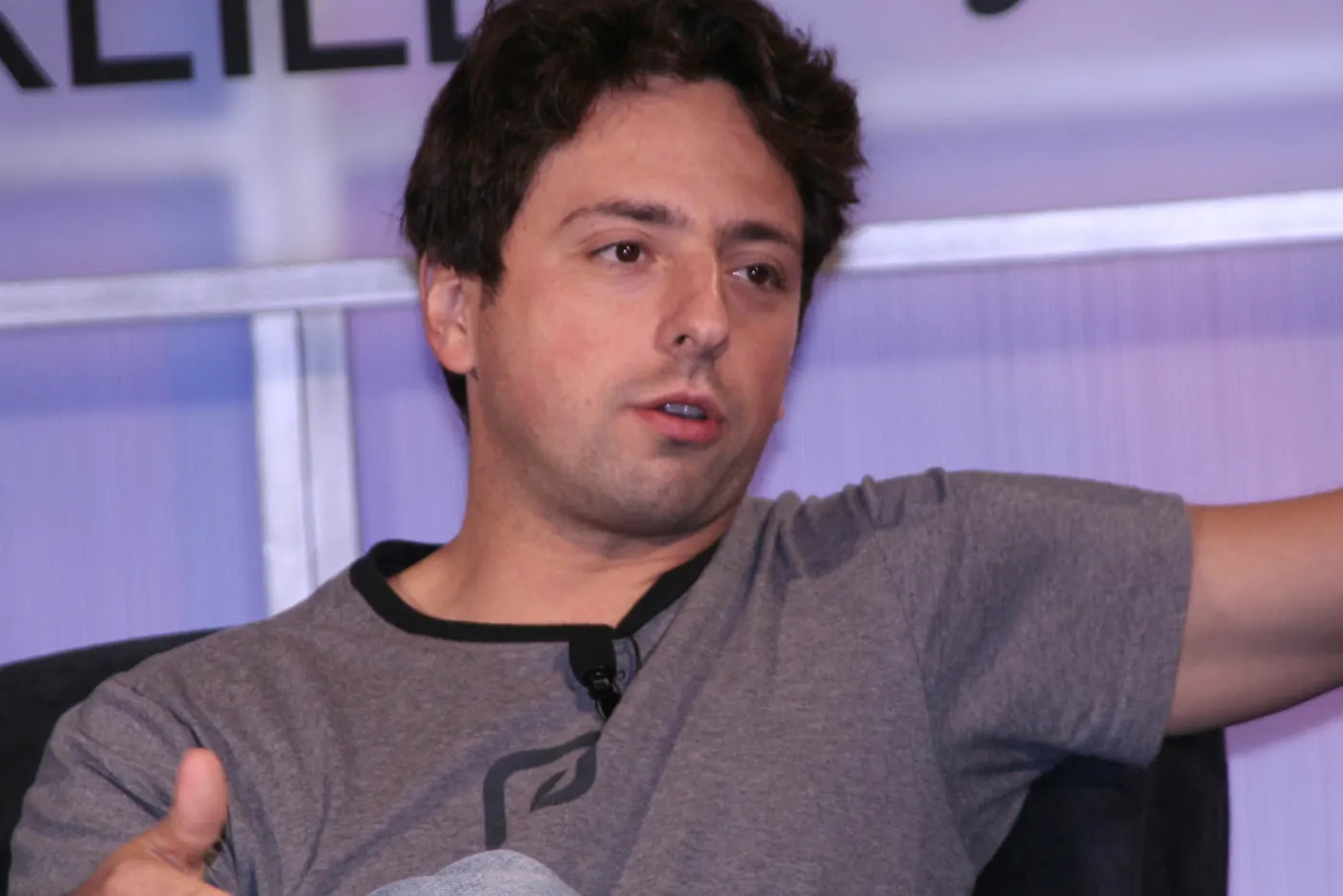
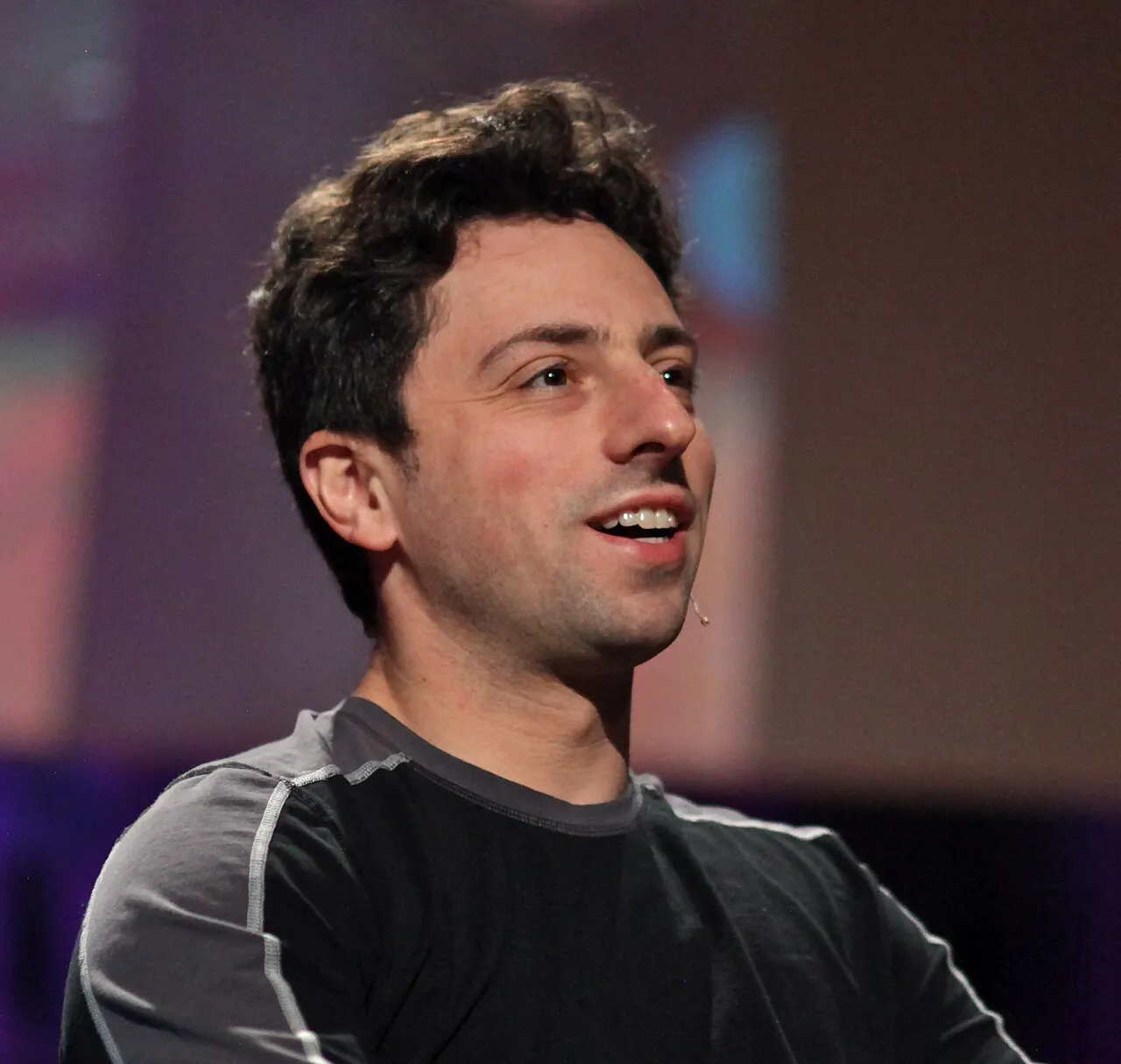
Sergey became the public face of Google Glass. At TED he explained why a camera at eye level might free people from looking down at phones. At Google I/O the company staged dramatic demos, including skydivers livestreaming through Glass. The theater was real. The product was harder.
Glass excited some developers and unsettled many strangers. Privacy fears grew. Fashion never fully arrived. The Explorer program taught a hard lesson: a prototype that thrills a stage can fail a sidewalk. Sergey kept backing ambitious hardware and autonomy research anyway. Hard problems do not obey calendars.
Self-driving work inside Google's labs took longer and cost more than early fans hoped. Yet the research seeded an industry. Waymo later became Alphabet's leading autonomy bet. Cause and effect stretched across years.
Pressure, privacy, and stepping back
Success brought pressure. Privacy debates grew louder. Regulators asked hard questions. Employees and the public argued about what a powerful platform should do. Antitrust fights and content disputes became part of the job description for any Google leader.
Sergey's personal life also changed in public view. He married Anne Wojcicki in 2007. They have two children and later divorced. He later married Nicole Shanahan. They have a child and later divorced. Public reports described workplace relationship scrutiny. Those chapters are part of a full adult life, not the whole of his work.
In 2015 Alphabet was created as Google's parent company. Sergey became Alphabet's president. Larry became Alphabet's CEO. The structure was meant to separate the cash engine from longer bets.
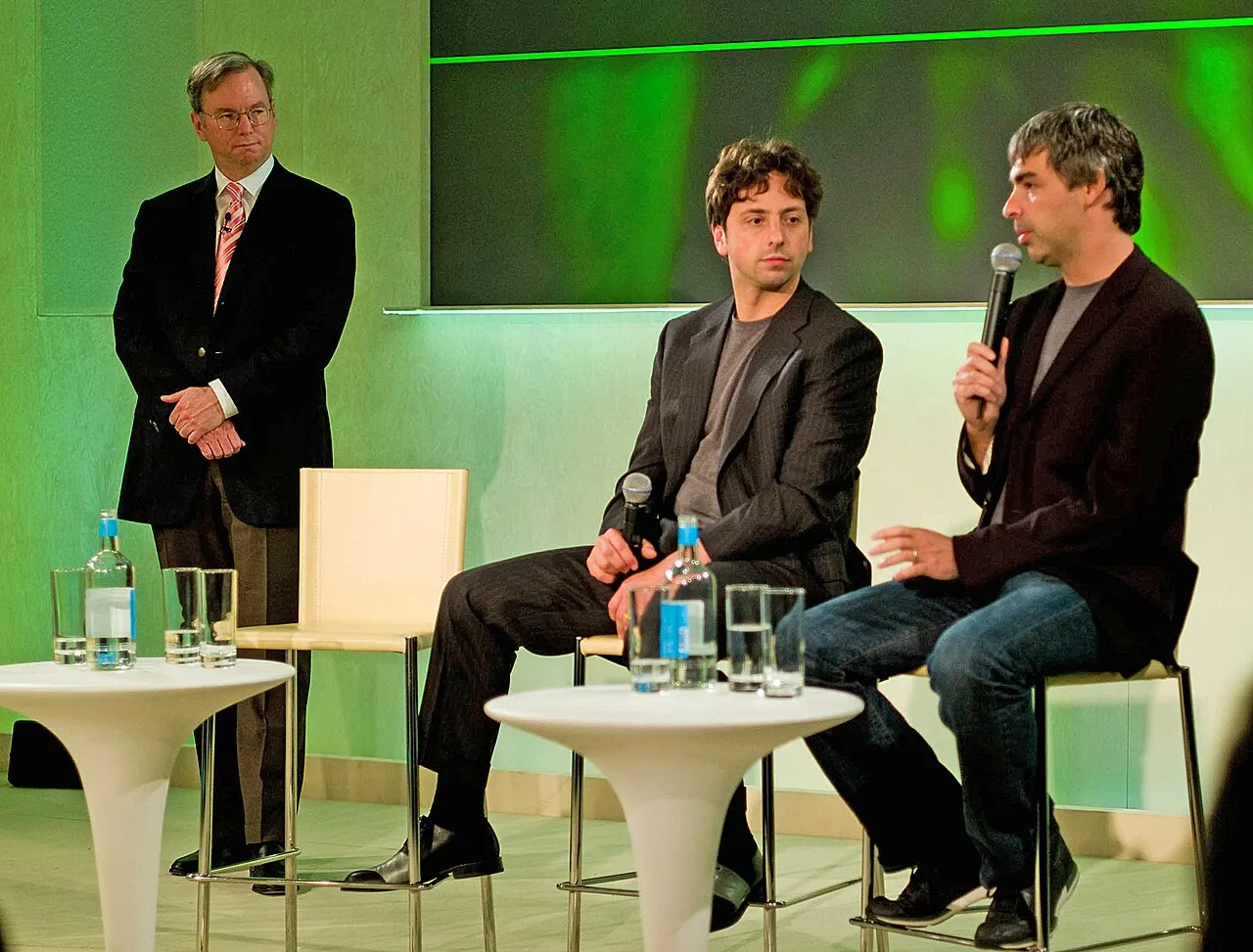
In December 2019 Sergey and Larry stepped down from top executive roles. Sundar Pichai became CEO of both Google and Alphabet. The founders kept board seats and voting control. Stepping back said the company was bigger than any one founder's daily calendar.
How he worked
Sergey's working style mixed deep math with playful risk. He liked arguments that improved ideas. He liked hiring strong engineers and giving them hard problems. He cared about scale: crawling, indexing, serving results in tiny fractions of a second.
He also liked adjacent bets. Maps. Books. Mobile. Glass. Autonomy. Later, health research. The pattern was consistent. Move information, people, or discovery across barriers that once felt fixed.
Colleagues remembered intensity and curiosity more than formal management theater. He could disappear into a systems problem. He could also stage a demo that made the future feel physical. Both modes mattered.
World change: what shifted because Google worked
Before Google, search often felt like noise. After Google, people expected answers in milliseconds. Students, doctors, small businesses, and travelers rebuilt habits around a box that ranked trust.
Advertising changed too. Relevant ads funded free tools. That model powered Gmail, Maps, Android distribution, YouTube's growth, and later AI research budgets. Critics argued about attention, privacy, and market power. Users still returned because the product saved time.
Android put Google software into billions of phones. YouTube became the world's living video archive and a new media economy. Google
Cloud turned internal infrastructure into a business other companies rent. Each product multiplied the original insight: organize information, then meet people where they already are.
Sergey's immigrant story also became a cultural signal in Silicon Valley. Talent can cross borders. Fellowships, universities, and open papers create ladders. He climbed those ladders, then built platforms millions climb without noticing the engineering underneath.
Philanthropy and Parkinson's
Eugenia Brin's Parkinson's diagnosis turned family pain into long-term funding. Public reports describe more than a billion dollars related to that fight over time. Wealth cannot buy a cure on demand. It can buy labs, trials, data, and time for scientists.
Sergey has also been linked in the press to space tourism investments and LTA Research's Pathfinder airship project. The theme repeats: cross distances that once felt impossible. Search did that for information. Research and vehicles try to do that for bodies and frontiers.
Where he landed in 2026
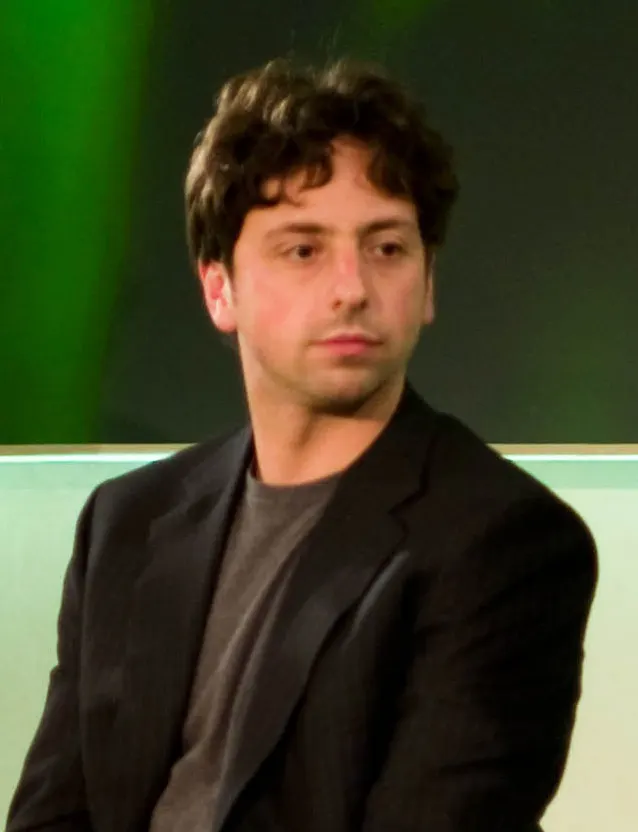
In 2026 Sergey Brin remains a co-founder of Google and Alphabet who no longer holds a day-to-day executive title. He remains a board member and controlling shareholder with Larry Page. Public billionaire lists place his fortune in the mid to high hundreds of billions of dollars, mostly from Alphabet equity. Those figures move with the stock and should be treated as estimates.
Alphabet's market value crossed into multi-trillion territory as Gemini, Search, YouTube, Cloud, and custom AI chips reinforced each other. Reports in 2025 and 2026 described Brin returning to the office to urge faster Gemini progress after OpenAI and Anthropic raised the stakes. He did not reclaim the CEO chair. He used founder gravity.
The company he helped build still sits at the center of how people ask questions. The verb "google" became ordinary language. That may be the clearest measure of impact.
Closing beat
Sergey began as a boy leaving Moscow because opportunity was blocked. He became a student who could finish college early. He became a co-founder whose search box sits in pockets and classrooms around the world.
The next search you type still carries a little of that journey inside it. The garage is gone. The habit remains.
Childhood systems and Maryland ladders
Maryland gave Sergey something Moscow had denied his parents: a clean shot. Public schools, university labs, and a father teaching math nearby created a dense networ
k of problems to solve. He did not treat school as a checklist. He treated it as a gym.
Finishing Maryland in three years meant stacking advanced courses early. High honors in math and honors in computer science signaled a mind that liked proofs and programs at the same time. The Wolfram Research internship put him near symbolic computation and the culture of shipping tools that other scientists use. That mattered later. Google was not only a website. It was a tool other people leaned on every day.
The NSF fellowship to Stanford was another ladder rung. Fellowships look like paperwork. In practice they buy time to chase a hard idea before a company exists. Sergey used that time to study data mining at web scale. The web was exploding. Old search engines ranked pages mostly by keyword tricks. Spam farms could game those tricks. Something better was needed.
Partnership as an engine
Larry and Sergey were not clones. Larry loved taking machines apart and obsessing over speed. Sergey brought math fluency and a feel for large data. Their early arguments were not a bug. They were a filter. Bad ideas died faster when two strong minds refused to flatter each other.
BackRub crawled the web and mapped links. PageRank scored importance by who pointed to whom. The insight sounds simple now. In the mid-1990s it was a leap. Academic citations already worked that way. The web was becoming a citation graph at planetary size.
Dorm rooms filled with surplus machines. Network usage spiked. Stanford students preferred their results. Product-market fit arrived as campus gossip before it arrived as a pitch deck. When a tool is good, people send the link to friends. That is still the cheapest distribution channel on Earth.
Their paper on large-scale hypertextual search was both science and prospectus. It explained crawling, indexing, and ranking. It also quietly described a company hiding inside a research project. Investors who later read it could see the flywheel: better results, more users, more data, better results.
Building the cash engine without breaking the product
Google's advertising model had to stay useful or the brand would die. Early search ads that looked like junk would train users to ignore the page. The company pushed relevance. Click signals and auction mechanics turned attention into a market. Users still got free search. Advertisers paid for intent.
That cash engine funded everything else. Free consumer products. Aggressive hiring. Data centers. Later moonshots. Sergey understood the systems loop: product quality protects the ad model; the ad model funds product quality. Break either side and the company shrinks.
Infrastructure was his natural habitat. Serving results worldwide required software that treated failure as normal. Machines die. Disks fail. Networks partition. Google's early thriftiness with commodity hardware forced elegant software. That culture later helped Google Cloud sell similar ideas to other companies.
Maps changed how people move through cities. Books scanning sparked legal and cultural fights while pushing the dream of a universal library. YouTube, after acquisition, became a new broadcasting system where
anyone could upload and the world could watch. Android made Google's services default on a huge share of phones. Each product extended the original mission: meet information where people already live.
Culture: hiring, 20 percent dreams, and special projects
Google's early culture mixed campus energy with industrial ambition. Free food became famous. More important was the hiring bar. Strong engineers attracted stronger engineers. Code reviews and data arguments beat title theater.
Sergey encouraged experiments. Some became products. Some became lessons. Glass was a lesson in social acceptance. Autonomy research was a lesson in timelines. Neither erased the value of aiming high. A company that only ships safe increments eventually becomes a caretaker of past wins.
Special projects also taught the organization how to tell a story about the future. I/O demos, TED talks, and dramatic videos were not only marketing. They were recruiting tools. Ambitious people want to join ambitious problems.
Rivals, regulators, and almost-quits that were not quits
Google's rivals shifted over time. Early search competitors faded. Microsoft fought hard in search and browsers. Later, Facebook and then short-video apps fought for attention. Apple controlled a premium phone platform and bargained over defaults. Amazon competed in ads and cloud. OpenAI and Anthropic later competed in AI assistants that threatened to change how people seek answers.
Sergey did not need to win every public fight personally. The company's products had to keep earning daily use. Antitrust cases in the United States and Europe turned market success into legal risk. Privacy scandals and content moderation fights made every product decision feel political. Founders who step back still feel those shocks through the stock and the mission.
Stepping down in 2019 was not disappearance. It was a bet that professional management could run the machine while founders kept voting control. When generative AI arrived as a consumer shock, that bet was stress-tested. Brin's return to the Gemini push showed founder gravity still mattered.
Day-to-day habits of a systems founder
People who worked near Sergey described a mix of play and precision. He could geek out on algorithms. He could also insist on demos that made abstract ideas physical. He liked being close to the metal of computing: clusters, bandwidth, latency, storage.
He also kept personal curiosity wide. Flying. Adventure. New vehicles. Health science. Wide curiosity can look scattered. In his case it often returned to the same theme: remove friction between a human and a hard frontier.
Wealth complicated privacy. Public attention followed relationships, parties, and philanthropy. The documentary truth is that both are real: the engineer who helped organize the world's information, and the famous person living under a spotlight he did not fully control.
Second acts outside the search box
Airships through LTA Research aim at cargo and new flight forms. Space tourism investments reported in the press fit a generation of tech founders who grew up on Apollo stories and wanted the frontier to feel open again. Parkinson's fundi
ng is the most grounded second act: a son's response to a mother's disease.
These bets do not replace Google. They show what surplus capital and surplus curiosity do after the first empire works. Some will fail. Some will seed industries. The pattern matches Glass and early autonomy: aim farther than the current product roadmap.
Alphabet, Gemini, and the 2026 ledger
Alphabet's structure still reflects the founders' systems taste: a core cash engine and a set of longer bets. Waymo. Verily and other health efforts. DeepMind's research culture folded into Google's AI push. Custom chips designed to train and serve models. Cloud deals that package AI for enterprises.
In 2025 and 2026 Gemini releases and Apple-related AI partnership headlines helped drive Alphabet's market value into multi-trillion territory. Public estimates put Brin's fortune in the mid-to-high hundreds of billions of dollars, moving with Class B/C holdings and market swings. Exact rankings change by the week. The durable fact is ownership and control, not any single headline number.
World impact in this era is concrete. Students draft essays with AI assistance. Companies rent GPUs and TPUs by the hour. Creators publish on YouTube and discoverability still depends on ranking systems descendants of the original mission. Search did not die. It gained new interfaces.
Sergey's role in that chapter is part mentor, part goad, part shareholder. He cannot personally rewrite every model. He can raise the urgency in rooms that matter.
Lessons for builders
Learn deep tools before chasing titles. Partner with someone who will argue with you and still ship. Measure products by whether strangers prefer them tomorrow morning. Treat infrastructure as product. Expect moonshots to teach expensive lessons. When you gain wealth, fund problems that markets underfund, like disease research.
Immigration remains the quiet prologue. A family left because talent hit a wall. A child found ladders in Maryland and Stanford. Two graduate students ranked the web. Billions of people inherited the habit.
The search box is still open. So is the next hard problem.
Scenes from the early machine
Picture the dorm again. Heat from stacked computers. Cables taped across floors. A crawler that never felt finished. Sergey debugging data pipelines while Larry chased ranking edge cases. Sleep was optional. Curiosity was not.
Campus users became unpaid product managers. They complained when results were weird. They cheered when results felt magical. That feedback loop beat any focus group. The web itself was the laboratory.
When the garage era began, the same energy moved into a small Menlo Park space. Visitors later mythologized the garage. The real story was simpler: low rent, high urgency, and a product that had to win on usefulness because marketing budgets were tiny.
Bechtolsheim's check is famous because it was early and bold. Less famous is what came after: recruiting, payroll, hard drives, and the daily grind of keeping search up. Founders who only remember the myth forget the maintenance.
Advertising, trust, and the thin line
Every ad system tempts spam. Sergey and Larry's generation o
f Google leaders treated relevance as a trust contract with users. If ads ruined the page, users would leave. If users left, the company died. That clarity kept the product sharper than many portals of the era.
Trust also meant fighting ranking spam. Link farms. Hidden text. Cloaking. The ranking war never ends. Each fix teaches adversaries what to try next. Search quality is a forever job, not a feature you ship once.
That forever job is part of Sergey's legacy. He helped build an organization that could keep fighting the war at scale.
Mobile, video, and the second distribution wave
Desktop search was only the first beachhead. Mobile meant people carried Google in their pockets. Android's openness helped Google services ride a huge device wave. Maps became a verb of its own. Gmail became infrastructure for work and life.
YouTube changed attention. Suddenly the world's information included video at planetary volume. Ranking and discovery problems returned in a new medium. Monetization had to fund creators without destroying the experience. Again the cash engine and the product quality loop had to hold.
Sergey's taste for special projects lived beside these mass products. The company needed both: reliable daily tools and bets that looked irrational for a while.
The human cost of scale
A platform used by billions will be used for harm as well as help. Misinformation. Harassment. Scams. Sergey's generation of leaders faced a truth older companies also learned: tools amplify human nature. Engineering alone cannot settle every moral dispute. Policy, law, and culture enter the room.
Documenting his life honestly means holding both truths. Google made knowledge more reachable. Google also concentrated power and attention in ways democracies still argue about. Sergey helped build the machine. Societies still negotiate the rules around it.
Final measure
Ask a different question than net worth. Ask what daily habit changed. People google symptoms before calling a doctor. People google directions before turning a corner. People google a name before a meeting. That habit is Sergey Brin's world made ordinary.
He left Moscow as a child. He helped invent a way for the world to ask questions. In 2026 the questions arrive through new AI interfaces, but the underlying ambition remains: make the world's information useful. The boy who needed a freer country helped build a freer door to knowledge. The door is imperfect. It is still open.
Timeline of leverage
1979: arrival in America after exit visas.
1993: Maryland degree at nineteen.
1995: Stanford, Page, and the link graph idea.
1998: Google founded; garage years begin.
2001: Schmidt CEO; Sergey as president of technology.
2004: IPO wealth and a wider product map.
2006 and after: YouTube and mobile scale.
2012-2014: Glass peak theater and hard social lessons.
2015: Alphabet formed; Sergey as president.
2019: step back from executive roles; Pichai leads.
2023-2026: AI shock; founder returns to push Gemini; Alphabet compounds.
Each date is leverage on the last. Immigration created opportunity. Opportunity created education. Education created a partnership. Partnership created a produc
t. Product created a cash engine. Cash engine created moonshots and research. Research now feeds the next interface for asking questions.
That chain is the documentary arc. Not a trophy list. A sequence of bets that compounded because users kept coming back tomorrow morning.
What "organize the world's information" demanded
The mission sounded poetic. The work was industrial. Crawling meant respecting robots rules while still covering the useful web. Indexing meant compressing postings lists until commodity machines could hold a planet of words. Serving meant predicting query load from Tokyo to Texas and failing gracefully when a cluster blinked.
Sergey thrived in that industrial poetry. He could talk about the dream and still care about the disk. That combination is rare. Vision without systems collapses. Systems without vision become bureaucracy.
Google's early advantage was not only PageRank. It was the willingness to treat search as a full-stack problem: algorithms, machines, datacenter design, and product restraint on the homepage. Empty space on the page was a feature. Speed was a feature. Relevance was a feature. Everything else was negotiable.
Hold that picture beside the 2026 AI moment. New interfaces generate answers instead of only listing links. The stack is deeper. The mission rhyme is the same. Make information useful. Reduce the distance between a question and a trustworthy response. Sergey helped write that rhyme into the industry's muscle memory.
Watch alongside this story
Short cuts from interviews, keynotes and launches. Each plays only the moment that matters.