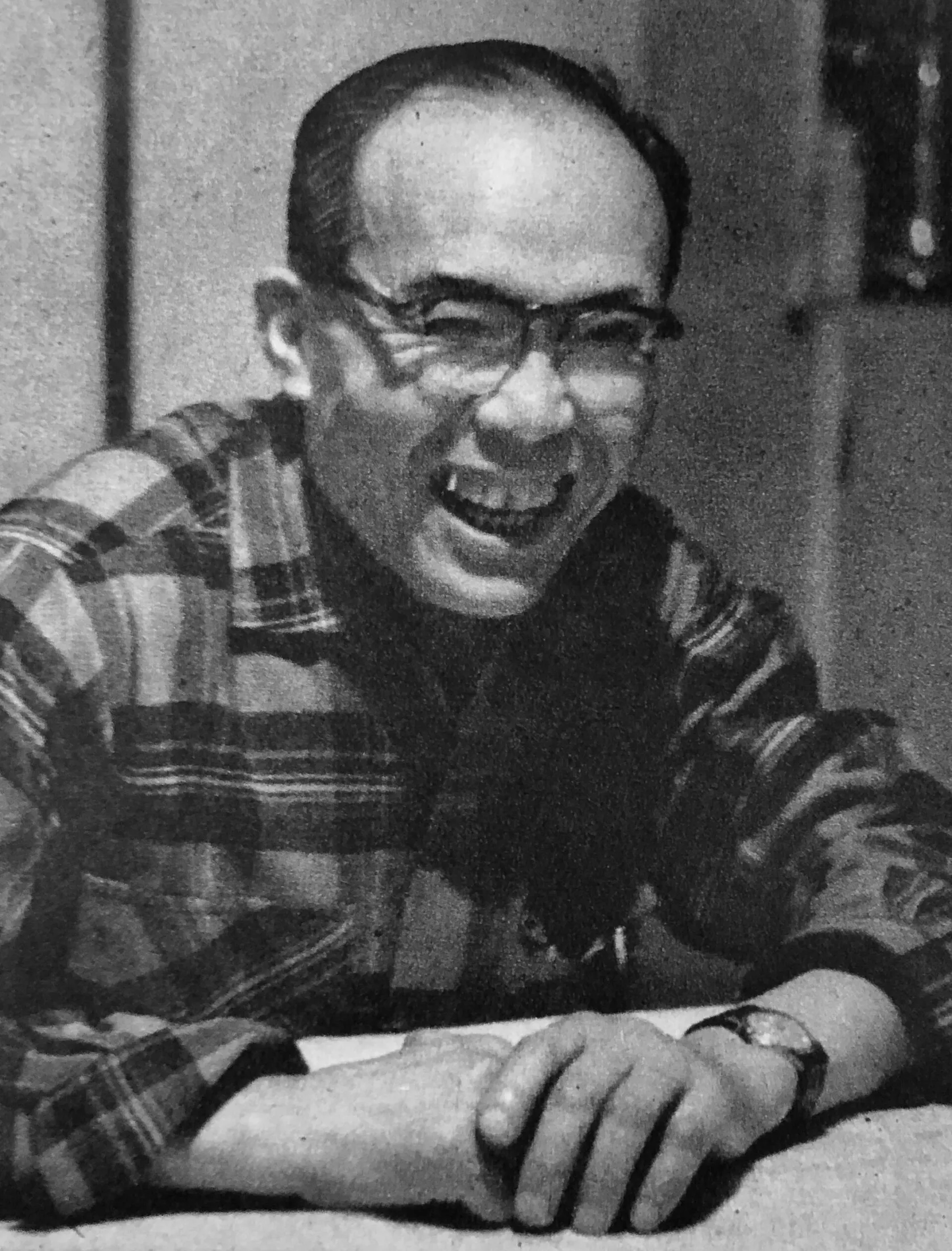
Soichiro Honda: The Power of Dreams
Bombs flattened his first factory. An earthquake took the second. So he started over with a bicycle.
On a gray June day in 1961, on a small island in the sea between England and Ireland, the most dangerous motorcycle race in the world was about to begin. The Isle of Man Tourist Trophy ran on ordinary roads. Riders raced past stone walls, through villages, and over mountains at speeds that could kill them in a second.
For more than 50 years, European companies had owned this race. Now a team from Japan lined up at the start. Only a few years earlier, most Europeans had never heard of Honda. Some laughed when they saw the little machines.
Then the race began. By the end of the day, a young English rider named Mike Hailwood had won the 125cc race on a Honda. Behind him, the next four places were also Hondas. Later, in the 250cc race, Hailwood won again, and Hondas took the top five spots there too.
A British newspaper wrote that the engines were built like fine watches.
Far away in Japan, a short man with thick glasses and a loud laugh had made a promise seven years earlier. He said his company would win this race. At the time, his company was close to going broke, and he had never even seen the course.
His name was Soichiro Honda. He had no college degree. His first factory had been bombed. His second had been knocked down by an earthquake. He started over by bolting old army engines onto bicycles.
This is the story of how that stubborn, joyful mechanic built one of the most famous names on Earth.
The blacksmith's son
Soichiro Honda was born on 17 November 1906 in Komyo, a poor village in Shizuoka, Japan, not far from Mount Fuji. He was the oldest son. His father, Gihei, was a blacksmith who also fixed bicycles. His mother was a skilled weaver.
Life was hard. Several of Soichiro's younger brothers and sisters died as children from illness. The family did not have much money, but the house was full of tools.
Soichiro spent his days in his father's shop. He watched sparks fly from the forge. He learned to sharpen blades and fix bicycle chains. He loved the smell of hot metal and grease.
When he was a young boy, a car drove through his village for the first time. It rumbled and smoked. He had never seen anything move on its own like that. He chased it down the road as fast as he could run. When it leaked a little oil on the dirt, he got down, put his nose close to the ground, and breathed it in. Years later he said he never forgot that smell.
School was another story. He hated sitting still and reading books. His grades were bad. When report cards came home, he reportedly carved a copy of the family seal from a rubber bicycle pedal so he could stamp them himself. His father found out, and Soichiro was punished.
He was not interested in memorizing things. He wanted to build things.
The airplane and the tree
When Soichiro was about 11, he heard that a famous American stunt pilot was going to fly at an army field in Hamamatsu, about 20 kilometers away. He had never seen an airplane.
He took some money and a bicycle and rode the whole way. When he arrived, he found out he could not afford a ticket to get in. So he climbed a tall tree outside the fence and watched from the branches.
The airplane climbed, dived, and looped through the sky. The boy in the tree held on and stared. He decided that someday he would build machines too. Decades later, his company would build its own jet airplane.
Babysitting in Tokyo
In 1922, when he was 15, Soichiro saw an advertisement in a magazine for a car repair shop in Tokyo called Art Shokai. He wrote a letter asking for a job. To his joy, they said yes.
He left school and went to the big city. He was ready to fix engines.
Instead, the owner, Yuzo Sakakibara, handed him a baby. For months, Soichiro's main job was to look after the boss's child, carrying the baby on his back while he cleaned up the shop. He was not paid much. He watched the mechanics work and wished he were with them.
He thought about going home. But he felt he would be ashamed to go back a failure. So he stayed.
Slowly, when the shop got busy, the owner let him help. Soichiro was quick and careful. He learned about Mercedes, Daimlers, Lincolns, and all kinds of motorcycles. Sakakibara began to teach him not just how to repair cars, but how to run a business.
Earthquake and a race car
On 1 September 1923, the Great Kanto Earthquake struck Tokyo. Buildings collapsed. Fires swept through the city. More than 100,000 people died.
As the flames spread, the mechanics rushed to save the customers' cars. Soichiro jumped into one of them and drove it to safety. It was one of the first times he had ever driven a car on his own.
The shop survived, and so did he. The disaster also made him more valuable, because so many people needed their cars and motorbikes fixed.
Sakakibara loved racing. He and his team, including young Soichiro, built race cars from used parts. One of them used an old airplane engine from an American Curtiss biplane, fitted onto an American car frame. In 1924 it won a Japanese car race, with Sakakibara's brother driving and 17-year-old Soichiro riding along as the mechanic.
From that day on, racing was in his blood.
In 1926, he was called up for the army, but the medical exam showed he was colorblind. He was excused and went back to the shop.
His own shop in Hamamatsu
In 1928, Sakakibara let 21-year-old Soichiro open a branch of Art Shokai in Hamamatsu, back near his home. At first, customers did not trust such a young mechanic. But he worked hard and fixed cars that other shops had given up on. Within a few years, he had about 30 workers.
He also invented things. One of his early ideas was a metal wheel spoke to replace wooden ones, which could catch fire or break. He earned a patent for it.
He made money, and he spent it. He liked parties, fast cars, and geisha houses. He was known for being loud, playful, and wild.
In 1935, he married Sachi Isobe, who helped keep his business in order and put up with his energy.
He kept racing, too. He built his own racer and drove it at more than 120 kilometers per hour. Then, in 1936, during a race near Tokyo, another car pulled into his path. His car flipped. Soichiro was thrown out. His face was badly hurt and his shoulder dislocated. His younger brother Benjiro, riding with him, was seriously injured.
After that, his family begged him to stop racing. He did. But he never stopped thinking about speed.
Piston rings, and three out of fifty
By 1936, Soichiro was bored with repairs. He wanted to make something new. He decided to make piston rings, small metal rings that help engines keep their power.
His business partners did not want to take the risk. So he started a new company on his own, called Tokai Seiki. He worked at the repair shop by day and on piston rings by night, sometimes until two in the morning. He lost so much weight that friends barely recognized him.
The rings kept failing. They looked right, but they cracked under pressure. He did not understand why.
So, at about 30 years old, he went back to school. He signed up to attend classes at the Hamamatsu technical school as a part-time student. He did not care about grades or tests. He went to the lectures that helped him and skipped the rest. When the school told him he could not graduate, he reportedly said a diploma was worth less than a movie ticket, because a ticket at least got you into the movie.
He learned that he needed silicon in the metal. His rings got better.
He sent 50 sample rings to Toyota. Only three passed Toyota's inspection. It was a painful blow. But instead of quitting, he traveled around Japan, visiting steel companies and universities to learn more. Two years later, his rings were good enough. Orders came from across the country. His company grew to about 2,000 workers.
Later in life, he said something that became famous. He said success is only one percent of your work, and it comes from the other 99 percent, which is failure.
War, bombs, and an earthquake
Then came World War II. The Japanese government took control of factories like his to make parts for the military. In 1942, Toyota bought a large share of Tokai Seiki, and Soichiro was moved down from president to managing director.
Many of his workers were drafted. Young women and students took their places. Soichiro invented machines to speed up the work, including one that could shape airplane propellers automatically.
In 1944, American bombers began to hit Japanese cities. One of his factories was badly damaged by bombing. In January 1945, a powerful earthquake struck the region, and another of his plants collapsed.
In August 1945, Japan surrendered. The country was in ruins. People were hungry. There was little fuel, little food, and very few working vehicles.
Soichiro sold what was left of Tokai Seiki to Toyota for 450,000 yen. Then he announced that he was going to take a break.
A year off
For about a year, Soichiro did almost nothing, at least by his standards. According to stories he told later, he made homemade liquor from medical alcohol, held parties with friends, and played a bamboo flute.
He was thinking, though. And he was noticing a problem all around him. People in Hamamatsu needed to get to work, find food, and move goods. But trains were packed, gasoline was scarce, and few people could afford a car.
One day he saw a pile of small engines left over from the Japanese army. They had been used to power wireless radios. He had an idea.
Engines on bicycles
In October 1946, Soichiro opened a tiny workshop in Hamamatsu. He called it the Honda Technical Research Institute. He had about a dozen workers.
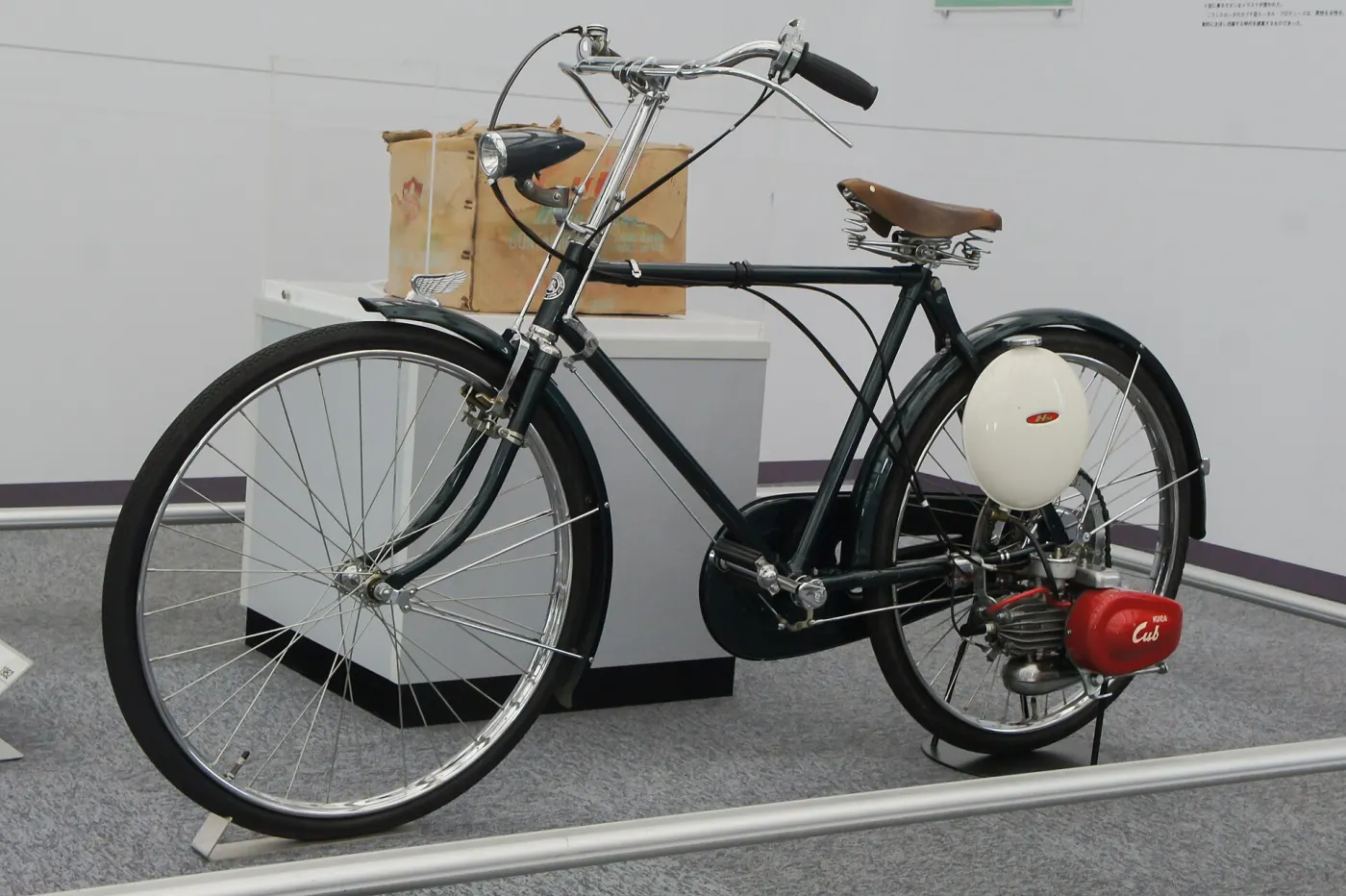
They bought hundreds of the old army engines and attached them to bicycles. The engines were noisy and smelly. Some people called the bikes "bata-bata" because of the sound they made. But they worked, and they were cheap. People lined up to buy them.
When the army engines ran out, Soichiro designed his own. In 1947 his team finished the A-type engine. For the first time, the name Honda appeared on a machine. Because there was so little gasoline, some early users ran the engines on fuel made from pine tree roots.
On 24 September 1948, he formed the Honda Motor Company. He was 41 years old.
In 1949, the company built its first real motorcycle, with a frame and engine made by Honda. They called it the Dream.
The partner with the plan
Soichiro was a brilliant engineer. He was not good with money. The Dream sold, but the company was always short of cash.
In 1949, a friend introduced him to a businessman named Takeo Fujisawa. The two men were opposites. Honda was loud, messy, and happiest covered in grease. Fujisawa was calm, loved books and opera, and did not care much about motorcycles.
But they understood each other at once. Honda said he was the engineer and did not want anyone meddling in what he built. Fujisawa agreed. In return, Fujisawa would run the money and the sales. He asked only that Honda never think small.
For more than 20 years, that deal held. People later said the two men trusted each other like a married couple. Honda built. Fujisawa sold, borrowed, planned, and protected the company.
The Dream, the Cub, and a letter to bike shops
Honda wanted a better engine. Most Japanese motorbikes then used two-stroke engines, which were simple but loud and smoky. Honda's team, led by a young engineer named Kiyoshi Kawashima, built a new four-stroke engine that was stronger and cleaner.
In July 1951, they tested it on the steep, twisting road over the Hakone mountains in a rainstorm. Kawashima rode the new Dream E up the mountain. Honda and Fujisawa followed in a big American car. The little motorcycle climbed so well that the car could barely keep up. At the top, the men celebrated in the rain.
Next came the Cub F, a small engine kit that clipped onto a regular bicycle. It had a red engine and a white fuel tank, so people could spot it from far away.
Fujisawa came up with a clever sales plan. Instead of building expensive showrooms, he wrote letters to bicycle shops across Japan. He asked them to sell Honda engines. Thousands wrote back. Almost overnight, Honda had a national network of dealers.
Betting the company
In 1952, Honda did something that seemed crazy. The company spent a huge sum, far more than it was worth on paper, buying the best machine tools in the world from the United States, Switzerland, and West Germany.
Soichiro explained his thinking simply. If Honda failed, the machines would still be in Japan, and other companies could use them. Either way, the country would be better off.
Then in 1954 the bet nearly sank them. A new scooter called the Juno had problems. Some motorcycles had engine trouble. Sales dropped. Honda owed money to suppliers and banks. Workers were angry. For months, the company was close to bankruptcy.
Fujisawa went to banks and suppliers and asked for time. Honda's main bank, Mitsubishi Bank, stayed with them. Honda's engineers worked day and night to fix the problems.
And in the middle of that crisis, Soichiro made a promise that seemed impossible.
The Isle of Man declaration
In March 1954, Soichiro Honda sent a message to every worker in the company. He said Honda would enter the Isle of Man TT, the world's most famous motorcycle race, and win it.
It sounded like a joke. Honda was struggling just to pay its bills. Japanese motorcycles had never done well in international racing.
That June, Soichiro traveled to the Isle of Man to see the race for himself. He was stunned. The European bikes had about three times the power of his. He later said he felt he had made a promise he could not keep.
But he did not take it back. He bought parts from European racing bikes, took them home, and studied them. His engineers learned to make engines that could spin much faster than anything Honda had built before. They tested, broke, and rebuilt parts over and over.
In 1959, Honda finally entered the TT. The riders were Japanese, and most had never raced on a track like this. Still, the team finished sixth, seventh, eighth, and eleventh in the 125cc class and won the team prize.
In 1961, Honda came back and swept the top five places in both the 125cc and 250cc races. Seven years after the promise, it was kept.
The Super Cub
While Honda chased racing glory, Fujisawa chased something bigger. In 1956, the two men toured Europe. Everywhere they looked, people rode small mopeds and scooters.
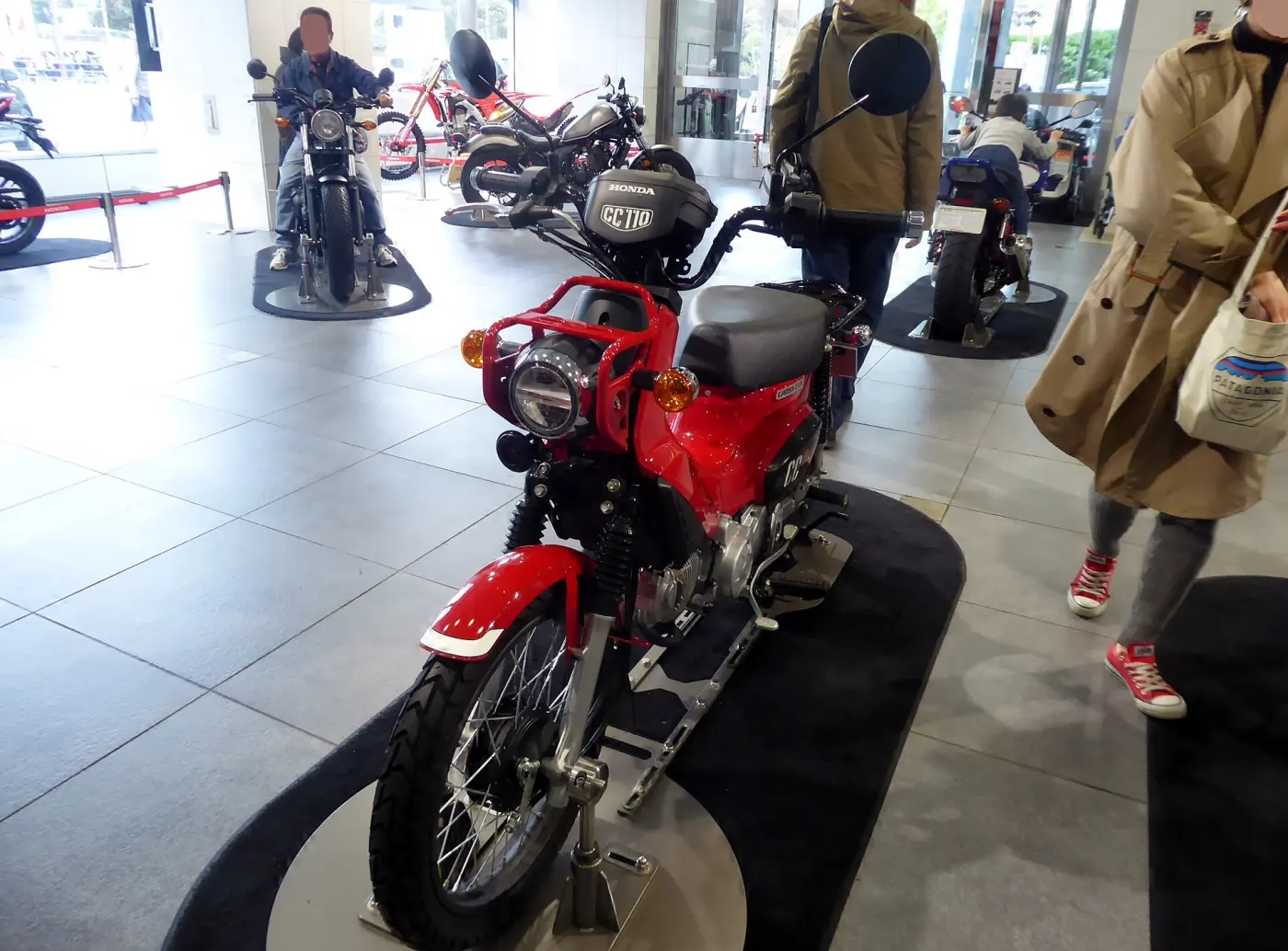
Fujisawa had a vision of a simple, cheap, tough little motorbike for ordinary people. It should be easy to ride, with no clutch lever to squeeze. It should hide its engine and grease so it would not dirty your clothes. Its wheels should be big enough for bumpy roads. And, he said, a delivery man should be able to ride it with one hand while holding a tray of noodles in the other.
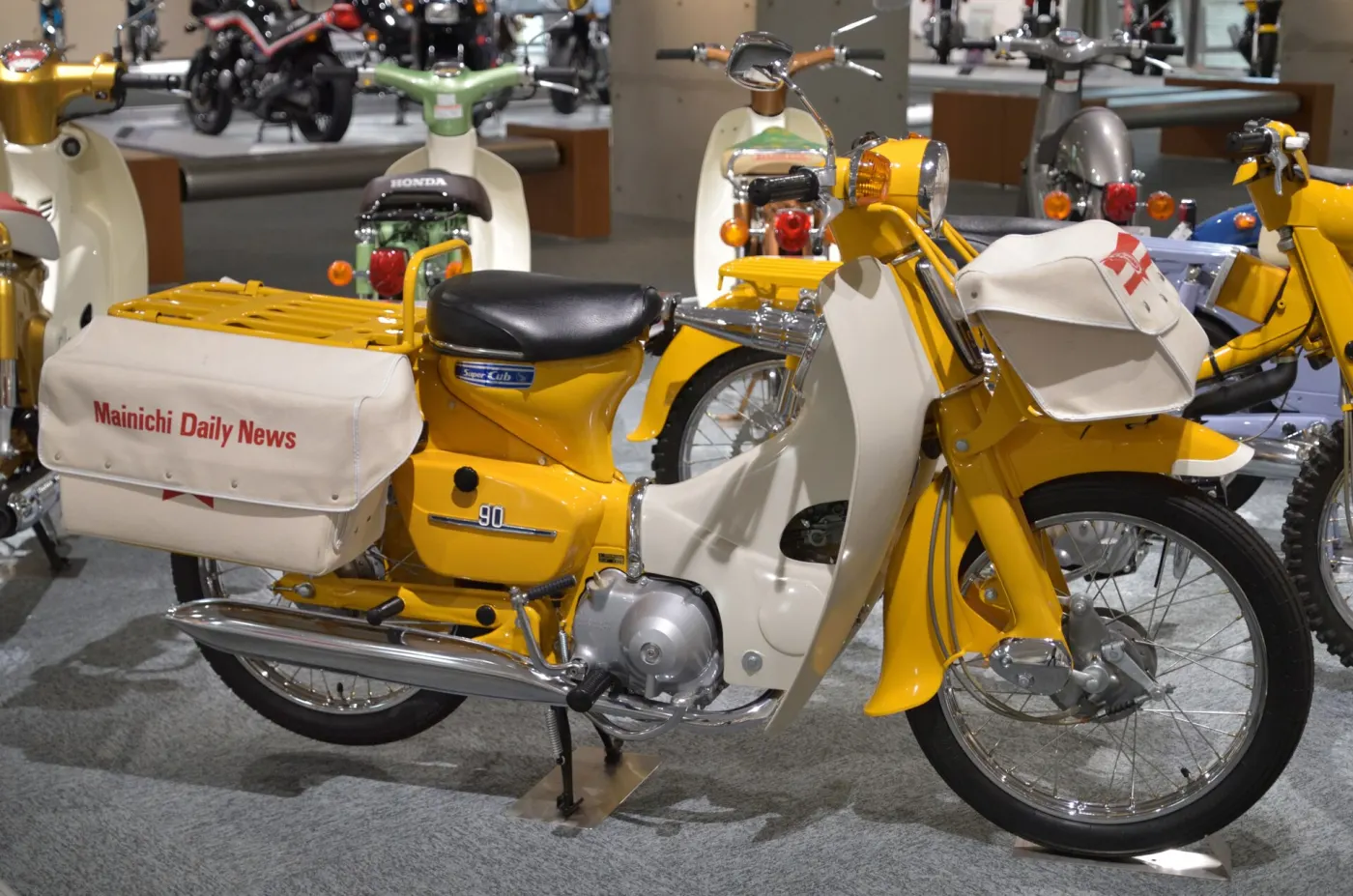
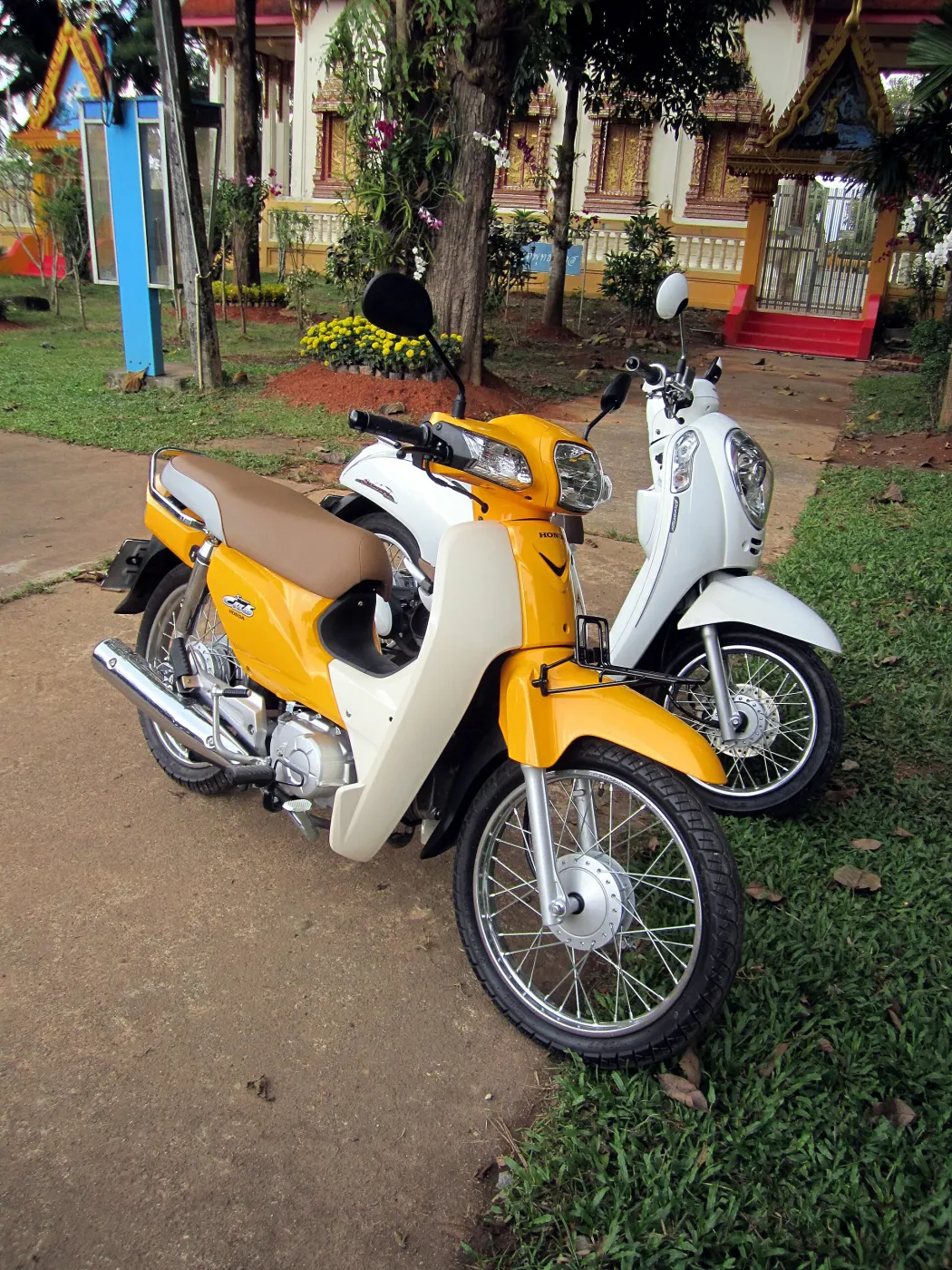
Soichiro went to work. In 1958, Honda released the Super Cub. It had a 50cc engine, a step-through frame, a plastic leg shield, and an automatic clutch.
At first, sales were slow, because Japan was in a recession. Then customers complained that the clutch slipped. Honda sent workers to visit customers at home, one by one, and fix every bike.
Soon the Super Cub took off. Honda built a big new factory in Suzuka to make it. Shops, noodle restaurants, farmers, and families bought it. By 2017, Honda had built more than 100 million Super Cub series motorcycles, making it the most produced motor vehicle in history.
You meet the nicest people on a Honda
In 1959, Honda opened American Honda in Los Angeles. Many people told them it was a mistake. At the time, Americans bought only about 50,000 motorcycles a year. Motorcycles had a bad image, tied to leather jackets and rough biker gangs.
The first large Honda bikes sent to America broke down on long, fast highways. It was embarrassing. But the Honda staff noticed something. When they rode their little Super Cubs around Los Angeles, people stopped them and asked where they could buy one.
So Honda changed its plan. It sold the Super Cub to regular people: students, parents, office workers, and housewives. Its advertising showed smiling, ordinary riders with the line "You meet the nicest people on a Honda."
It worked. Within a few years, Honda was the top-selling motorcycle brand in America.
Mr. Thunder: how he worked
Inside Honda, Soichiro was famous for two things: his laugh and his temper.
When something went wrong, he exploded. Workers called him "Mr. Thunder." He admitted that in his younger days he sometimes hit people with whatever tool he was holding. He was ashamed of it later. Yet many employees loved him, because he apologized, worked beside them, and never pretended to be better than them.
He wore white overalls and spent his days in the workshop, not an office. He sketched designs in chalk on the floor. He tested machines himself.
He hated copying. He wanted Honda to invent its own answers, even if that took longer. He believed in going to the actual place, looking at the actual part, and understanding the real situation, instead of guessing from a desk.
He was also strict about family. He refused to let his son work at Honda, because he did not want the company run by relatives. His son, Hirotoshi, later started his own tuning company, Mugen, which worked with Honda engines.
In 1960, Honda and Fujisawa split research and development into its own company, Honda R&D. That way, engineers could dream and experiment without being pushed around by short-term sales pressure. It became one of the most important decisions in the company's history.
Honda also wrote down what he believed a company was for. He called it the Three Joys: the joy of buying, the joy of selling, and the joy of creating. The customer should be happy with what they bought. The dealer should be proud to sell it. And the engineer should feel joy in making something good. If any of those three were missing, he said, something was wrong.
Breaking into cars
By the early 1960s, Honda was the biggest motorcycle maker in the world. But since he was a boy chasing that first car down the road, Soichiro had dreamed of building cars.
The Japanese government had other plans. Officials in the powerful trade ministry, called MITI, wanted Japan to have only a few big carmakers. They proposed rules that would stop new companies from entering the market.
Soichiro was furious. He argued that no government should tell a company what it could build. Honda rushed to get cars into production before any new law could shut the door.
In 1963, Honda released its first cars: the T360, a tiny pickup truck, and the S500, a small sports car. To build excitement, Honda held a contest where people guessed the S500's price. More than five million entries came in. The law to limit new carmakers never passed, and Honda was in the car business to stay.
In 1967, Honda launched the N360, a tiny car with a peppy engine borrowed from its motorcycles. It was cheap, roomy for its size, and fun to drive. Within months it became the best-selling car in Japan. For many Japanese families, it was the first car they ever owned.
The N360 also brought trouble. A consumer group claimed the car was unstable at high speed and blamed it for crashes. Honda denied the claims, and the dispute became a national news story. It was a hard lesson that a car company is judged not only on speed and price, but on trust.
Formula One
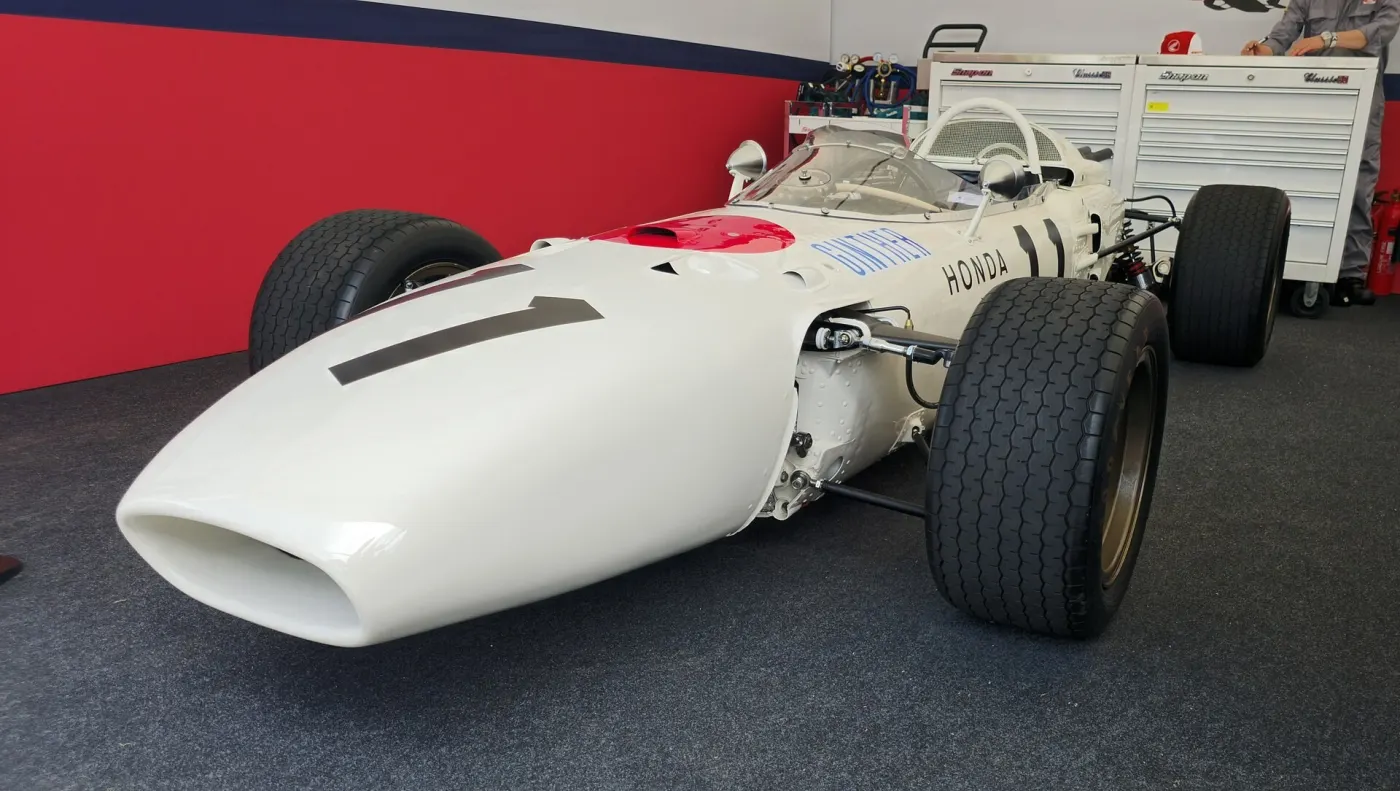
Soichiro also wanted to race cars at the very top: Formula One. In 1964, Honda entered its first Formula One race with its own car and engine. Almost no one expected much.
The first season was rough. Engines overheated. Parts broke. But Honda learned fast. On 24 October 1965, at the Mexican Grand Prix, American driver Richie Ginther led from start to finish in the Honda RA272. It was the first Formula One win for a Japanese car.
The team manager, Yoshio Nakamura, sent a short telegram back to Tokyo. It borrowed the words of Julius Caesar: "Veni, vidi, vici." I came, I saw, I conquered. Mexico City sits high in the mountains, where the thin air robs engines of power. Nakamura had spent the days before the race adjusting the fuel mixture for that thin air, and it paid off.
For Soichiro, the win proved what he had always said. Racing was a laboratory. What engineers learned at 250 kilometers per hour would end up in the family car.
In 1968, Soichiro pushed for an air-cooled Formula One car, over the doubts of his engineers. In its first race, the car crashed and caught fire, and its driver, Jo Schlesser, was killed. At the end of that season, Honda left Formula One.
Air or water
The air-cooled argument did not end on the racetrack. Soichiro loved air-cooled engines, which used fins and moving air instead of water to stay cool. He believed they were simpler and better. In 1969, Honda released the H1300, a car with a powerful air-cooled engine. It was complicated to build and did not sell well.
Then the United States passed tough new clean air rules in 1970, pushed by Senator Edmund Muskie. Cars would need to cut harmful exhaust by about 90 percent in just a few years. Many carmakers said it could not be done.
Honda's young engineers believed the answer was a water-cooled engine that controlled temperature more precisely. Soichiro would not listen. So a team began working on one in secret.
Finally, the engineers went to Fujisawa. He went to see his old partner. He reminded Honda of their first deal: Honda would handle engineering, and Fujisawa would stay out of it. But now, Fujisawa said, Honda had to choose. He could stay president of the company, or he could be an engineer in the lab. He could not do both.
Soichiro thought for a moment. He said he would stay president. From that day on, he let the young engineers lead.
The CVCC and the Civic
The engineers built a clever engine called the CVCC. It burned fuel in two stages, starting in a small chamber and spreading into the main one. This burned the fuel more completely and made much cleaner exhaust.
When Soichiro first saw the results, he was thrilled. He said Honda could now beat the big American carmakers. The young engineers corrected him. They said they had not done it to beat anyone. They did it for their children, so they could breathe cleaner air.
Soichiro later said that was the moment he knew it was time to step back. He was still thinking like a racer. They were thinking about the future.
In 1972, Honda launched the Civic, a small, clever car. The next year it added the CVCC engine. It became the first engine to meet the new American clean air standards without a catalytic converter. Then the 1973 oil crisis hit, and gas prices shot up. Suddenly, Americans wanted small cars that used less fuel. The Civic was ready.
Walking away together
In 1973, on Honda's 25th anniversary, Takeo Fujisawa decided it was time to retire. He sent the news to Soichiro, who was traveling. Soichiro said right away that if his partner was leaving, he would leave too.
Honda was 66. Fujisawa was 62. They stepped down together and handed the company to younger managers. In Japan, where founders often held on until they died, this was rare.
Soichiro did not disappear. For more than a year he traveled across Japan and visited Honda factories, offices, and dealerships to thank workers in person. He shook hands with thousands of people. If his hands were dirty from shaking hands with mechanics, he did not mind.
He set up the Honda Foundation to support science and technology for people. He took up painting. He stayed curious about everything.
Ohio, and the whole world
The company kept growing. In 1979, Honda began building motorcycles in Marysville, Ohio. In November 1982, it began building Accord cars there, the first Japanese company to make cars in the United States.
Many people doubted that American workers could build cars to Honda's standards. Honda answered by sending managers to work on the floor, wearing the same white uniforms as everyone else, and eating in the same cafeteria. In 1989, the Accord became the best-selling car in America, the first time a Japanese model had held that spot.
In 1986, Honda launched Acura, a luxury brand for the American market. In the 1980s, Honda also returned to Formula One as an engine supplier. Williams-Honda won the constructors' title in 1986. In 1988, McLaren-Honda cars won 15 of 16 races, with drivers Ayrton Senna and Alain Prost.
Senna and Soichiro became friends. The old mechanic loved the young driver's passion. Senna called him like a father.
A medal at a grave
Takeo Fujisawa died on 30 December 1988, at 78.
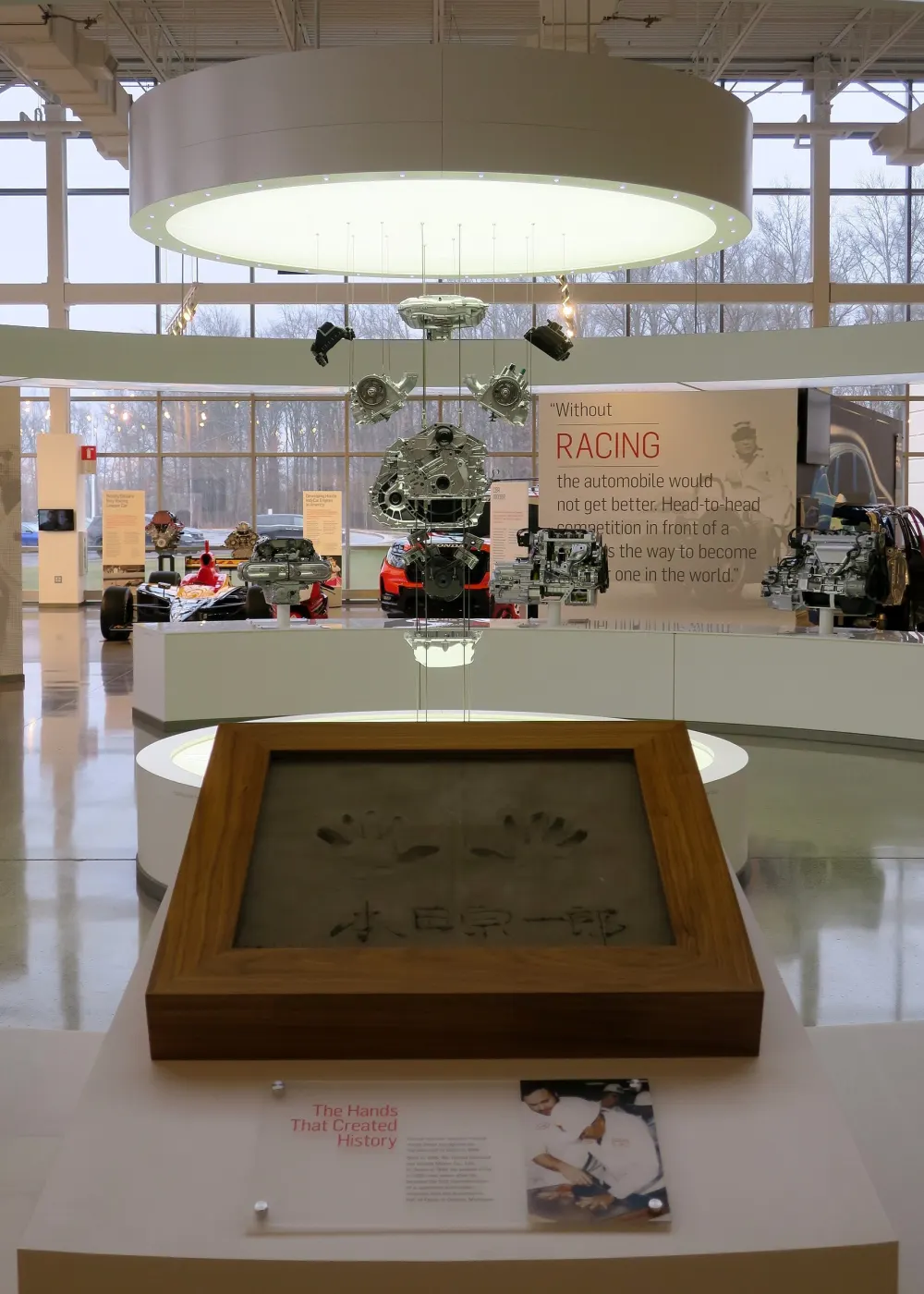
In October 1989, Soichiro Honda became the first Japanese person inducted into the Automotive Hall of Fame in the United States. In his speech, he said it felt like a dream. He said that only when he pinched his hand and felt the pain did he believe it was real.
When he returned to Japan, he did not take the medal home. He took it to Fujisawa's grave. He placed it against the stone and said the honor did not belong to him alone. It belonged to both of them.
In his last years, Soichiro battled illness. On 5 August 1991, he died of liver failure in Tokyo. He was 84.
He had asked that there be no giant company funeral, because it would cause traffic jams, and a carmaker should not cause traffic jams. Instead, Honda held gatherings where people could simply come to say thank you. Tens of thousands came.
World impact
The Super Cub put millions of people on wheels who could never afford a car. In Vietnam, Thailand, Indonesia, India, and beyond, small Honda motorbikes carried families, farm goods, and businesses. In many places, "Honda" became the everyday word for any motorbike.
Honda's clean-burning CVCC helped prove that cars could meet strict pollution rules. Its small, efficient cars helped change what American drivers expected.
Its Ohio factories helped start a new era of Japanese automakers building cars in America, creating tens of thousands of American jobs.
And its way of working, with independent research, engineers encouraged to fail and try again, and founders who stepped aside, was studied by business leaders around the world.
The spirit of the boy in the tree lived on in stranger machines, too. In 2000, Honda introduced ASIMO, a walking humanoid robot that could climb stairs and wave to crowds. In 2015, Honda began delivering the HondaJet, a small business jet built by the company that once bolted army engines onto bicycles.
2026 snapshot
In 2026, Honda is still the world's largest motorcycle maker. In May 2025, it celebrated building its 500 millionth motorcycle since 1949.
The car business has been harder. In early 2025, talks about a possible merger with Nissan broke down. In March 2026, Honda announced up to 2.5 trillion yen in losses as it canceled three electric cars planned for production in the United States. In May 2026, it reported its first annual loss since it listed on the stock market in 1957. Even so, its motorcycle business set records for sales and profit, led by strong demand in India and Brazil.
Honda also returned to Formula One as a full works engine partner with Aston Martin in 2026. The first season has been a struggle near the back of the grid, the kind of rough start its founder knew well.
Closing
Soichiro Honda failed at school, failed his first piston ring test, lost his factories to bombs and an earthquake, and nearly lost his company in 1954. Each time, he went back to the workshop.
He was loud and impatient, and sometimes he was wrong. But he knew how to learn, and when it mattered most, he knew how to step aside. He grasped his dreams, as he liked to say, with scarred hands. Today, whenever a delivery rider weaves through a crowded street on a little Honda, his dream is still moving.
Watch alongside this story
Short cuts from interviews, keynotes and launches. Each plays only the moment that matters.