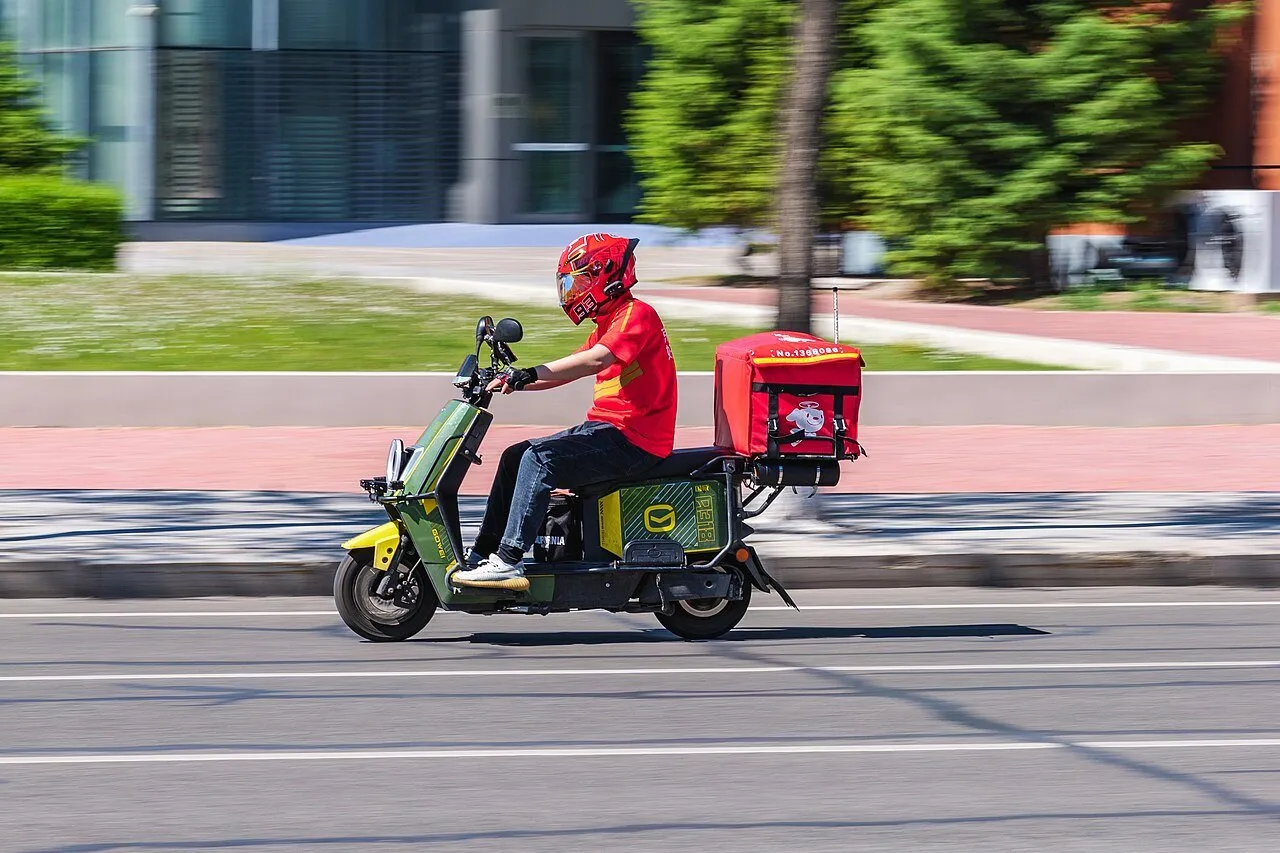
DoorDash Product Co-Founder
Company: DoorDash. Company value: ~$80B. Net worth: ~$1B.


The rain hammered the streets of Palo Alto that night, turning the campus walkways into slick ribbons of water. Inside a cramped dorm room, three students huddled over a flickering laptop screen, their faces lit by the glow of code that promised a solution to a problem no one had yet named. Stanley Tang, fresh from his first semester at Stanford, watched as the prototype of a delivery app sputtered and stalled under the weight of a sudden surge in orders. The moment felt like a crisis - a test of whether a fledgling idea could survive the chaos of real‑world demand. In that instant, the trio - Stanley, Andy Fang, and Tony Xu - realized they were not just building software; they were engineering a lifeline for a city that never slept.
The next weeks turned the dorm into a makeshift command center. Stanley took charge of the product engineering stack, translating the frantic energy of the campus into a system that could match hungry customers with nearby couriers. He designed the consumer interface to be as simple as a tap, while simultaneously crafting the Dasher dashboard that would guide drivers through a maze of streets and traffic lights. Each line of code was a bridge between a user’s craving for a late‑night burrito and a rider’s need for a reliable gig. The early growth was organic, driven by word of mouth among students who praised the speed and reliability of the service, and by the quiet confidence of a team that could iterate faster than any competitor.
By the time the founders left Stanford’s lecture halls for the bustling corridors of San Francisco, the product had evolved from a campus experiment into a full‑scale consumer app. The Dasher system, once a simple spreadsheet, had become a sophisticated algorithm that optimized routes, predicted demand, and balanced supply across neighborhoods. Stanley’s role shifted from hands‑on coding to overseeing the architecture that would support millions of transactions. He watched the app’s UI smooth out, the onboarding flow tighten, and the brand’s visual language coalesce into something instantly recognizable. The company’s early engineering culture - fast, data‑driven, and relentlessly user‑focused - became its most valuable asset.
As DoorDash expanded beyond college towns, Stanley stepped into broader product leadership. He guided the integration of new features such as scheduled deliveries, group orders, and a marketplace for local merchants. Each addition required a delicate balance: preserving the simplicity that users loved while adding the complexity needed to serve a growing ecosystem. In boardrooms and sprint meetings, he championed a philosophy that put the Dasher’s experience on equal footing with the consumer’s, insisting that the platform succeed only when both sides felt empowered. This perspective helped shape a product roadmap that turned a niche delivery service into a national logistics network.
When DoorDash went public, the market valuation surged to around eighty billion dollars, and the founders’ collective net worth approached one billion. The IPO night was a blur of flashing screens, celebratory toasts, and a sudden shift in public attention. For Stanley, the moment was less about the headline numbers and more about the realization that the infrastructure he helped build would now be scrutinized by investors, regulators, and a global audience. The wealth that arrived with the offering opened doors, but it also amplified the responsibility he felt toward the thousands of couriers whose livelihoods depended on the platform’s stability.
In the years that followed, Stanley moved into the role of chief product officer, steering the company through phases of scaling, diversification, and strategic acquisitions. He oversaw the rollout of new verticals - grocery, pharmacy, and corporate catering - each demanding a fresh set of product decisions and operational safeguards. Under his guidance, the consumer app remained intuitive, while the Dasher platform incorporated safety features, earnings transparency tools, and community support mechanisms. His tenure was marked by a steady hand that kept the user experience at the forefront, even as the company’s financial reports filled pages.
Today, Stanley Tang maintains a quieter public profile than many of his peers. He rarely appears in media interviews, preferring to let the product speak for itself. When he does attend industry panels, he speaks in measured tones about the importance of engineering discipline, the ethical dimensions of gig work, and the future of on‑demand services. The rain‑soaked night in Palo Alto remains a touchstone - a reminder that the most iconic moments often arise from crisis, and that the resilience forged in those early hours continues to shape the trajectory of a company now worth billions.
Origin and early life



Stanley Tang was born into a modest family in the San Francisco Bay Area, where the rhythm of daily life was shaped by the region’s blend of cultural diversity and the quiet hum of emerging technology. His parents, both immigrants who had come to the United States seeking better opportunities, emphasized the importance of hard work and education. Meals at the family table often turned into informal lessons about perseverance, and the modest apartment they shared was filled with the sounds of late‑night study sessions and the occasional clatter of a laptop keyboard.
From an early age, Tang displayed a fascination with how things worked. As a child he would dismantle toys, radios, and even old kitchen appliances, eager to understand the mechanisms hidden beneath their surfaces. This curiosity was nurtured by his older sister, who introduced him to basic programming through simple games on a school computer. By the time he entered middle school, he was already writing tiny scripts that automated repetitive tasks, a habit that would later become a cornerstone of his entrepreneurial mindset.
High school brought a new arena for Tang’s burgeoning talent. He joined the robotics club, where he learned to collaborate with peers on complex projects that required both technical skill and strategic planning. The experience taught him how to translate abstract ideas into functional prototypes, and it also gave him a taste of the teamwork that would later define his career. In his senior year, he earned a scholarship to attend a summer engineering camp at a nearby university, where he first encountered the rigorous academic environment that would later draw him to Stanford.
Choosing Stanford University felt like a natural progression for Tang. The campus, perched on the foothills of the Santa Cruz Mountains, offered a melting pot of ideas and a culture that celebrated interdisciplinary exploration. He enrolled in the computer science program, immersing himself in courses that ranged from algorithms to human‑computer interaction. While the curriculum was demanding, Tang found a balance between classroom learning and hands‑on projects, often spending evenings in the university’s maker spaces tinkering with hardware and software integrations.
It was during his sophomore year that Tang met three fellow students who would become his closest collaborators: Tony Xu, Andy Fang, and Evan Moore. The quartet shared a common frustration with the inefficiencies they observed in local food delivery, especially for small restaurants that struggled to reach a broader customer base. Late‑night conversations in dormitory lounges turned into brainstorming sessions, and the seed of what would later become DoorDash was planted. Tang’s role in these early discussions was to map out the technical feasibility of a platform that could connect diners, restaurants, and independent couriers in a seamless ecosystem.
After graduating, Tang and his co‑founders launched the first version of their service in a modest neighborhood of Palo Alto. The initial product was a simple web application that allowed users to order food from nearby eateries, while a separate dashboard enabled couriers - later known as Dashers - to receive and fulfill delivery requests. Tang led the engineering team that built the consumer‑facing app, focusing on creating an intuitive interface that could operate reliably on low‑end smartphones. Simultaneously, he helped design the backend logistics system that matched orders with couriers in real time, a challenge that required sophisticated algorithms and robust data pipelines.
The early months were a whirlwind of rapid iteration. Tang and his teammates would wake up before dawn to address server outages, then spend the afternoon testing new features with a small group of beta users. Their commitment to refining both the consumer experience and the Dasher system paid off as word spread among local restaurants eager for a cost‑effective delivery solution. Within a year, the platform expanded to several neighboring cities, and the team began to attract attention from venture capitalists who saw the potential of a technology‑driven logistics model.
As DoorDash grew, Tang transitioned from hands‑on coding to broader product leadership. He assumed the role of chief product officer, overseeing the evolution of the app’s design language, the integration of new payment options, and the rollout of features that catered to a diverse user base. Under his guidance, the company introduced real‑time order tracking, personalized restaurant recommendations, and tools that allowed Dashers to optimize their routes. Each addition was rooted in data‑driven insights, and Tang’s engineering background enabled him to bridge the gap between technical possibilities and market demands.
The company’s rapid ascent culminated in a high‑profile initial public offering that valued DoorDash at roughly eighty billion dollars. The IPO generated substantial wealth for the founding team, and Tang’s personal net worth rose to around one billion dollars. Despite the financial windfall, he chose to maintain a relatively quiet public profile, preferring to let the product speak for itself rather than seeking the spotlight. He continued to mentor younger engineers within the organization, emphasizing the importance of humility, curiosity, and a relentless focus on solving real‑world problems.
Today, Tang’s early experiences - his family’s emphasis on perseverance, his hands‑on tinkering as a child, and his collaborative spirit at Stanford - remain evident in the way he approaches product development. The journey from a modest apartment in the Bay Area to the helm of a global logistics platform illustrates how a blend of technical expertise, strategic vision, and a commitment to serving underserved markets can reshape an industry. His story serves as a reminder that the most impactful innovations often begin with simple observations and a willingness to turn curiosity into action.
First bets and building

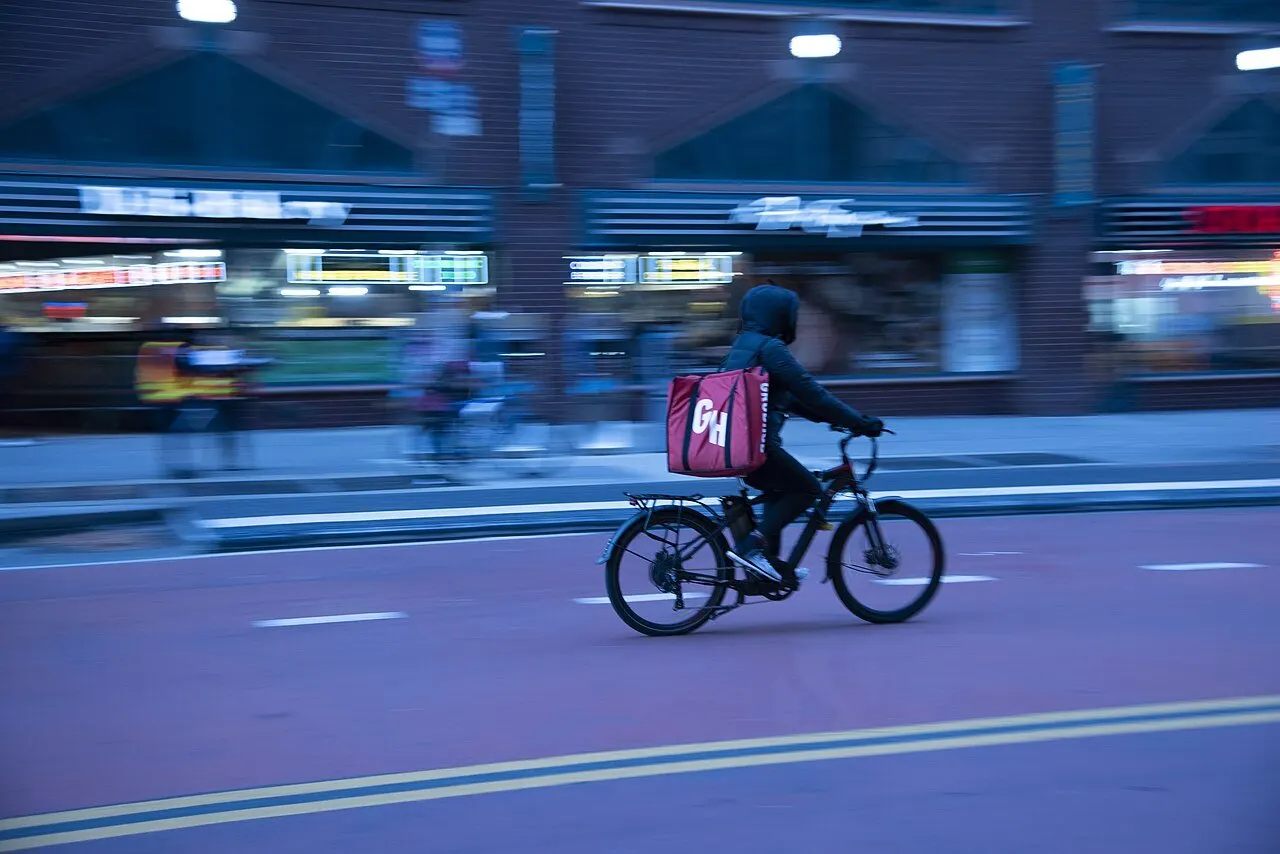

Stanley Tang arrived at Stanford with a restless curiosity about how technology could solve everyday problems. In a cramped dorm room, he and three classmates - Tony Xu, Andy Fang, and Evan Moore - spent long nights sketching ideas on whiteboards and debating the logistics of food delivery. The group shared a common frustration: ordering food from local restaurants often meant a slow, unreliable experience. Their early conversations turned into a prototype that could match hungry customers with nearby eateries, a concept that felt both simple and powerful. Tang’s background in computer science gave him the confidence to translate those sketches into code, and the first version of the app began to take shape on a modest laptop.
The first product was a consumer‑facing mobile application that let users browse menus, place orders, and track deliveries in real time. Tang focused on building a clean, intuitive interface while his teammates tackled the backend logistics. They used open‑source tools and cloud services that were affordable for a fledgling startup, iterating quickly based on feedback from friends and family. Each release was a learning experience; a broken checkout flow or a missed delivery prompted a sprint of debugging and redesign. The team’s grind was relentless, with weekends spent in the university’s computer labs and early mornings debugging code over coffee.
Behind the consumer app, Tang helped design the Dasher system that would become the backbone of the operation. This platform needed to coordinate thousands of independent couriers, assign orders efficiently, and provide real‑time navigation. He wrote algorithms that balanced distance, traffic, and courier capacity, turning a chaotic network into a predictable flow. The engineering challenges were immense, but the small team’s collaborative spirit turned obstacles into opportunities. They celebrated each milestone - first successful delivery, first hundred active users - while keeping a tight focus on reliability and speed.
As the product matured, Tang’s role evolved from hands‑on engineering to broader product leadership. He began to shape the roadmap, prioritizing features that would scale the business while preserving the user experience that had won early adopters. The company grew from a handful of volunteers to a professional operation with dedicated customer support, marketing, and operations teams. Tang’s ability to bridge technical depth with strategic vision earned him a seat at the executive table, where he worked closely with the co‑founders to steer the company through rapid growth phases.
The success of the consumer app and Dasher platform attracted investors, and the startup secured several rounds of funding that allowed it to expand beyond its original market. With each new city, Tang oversaw the localization of the product, adapting menus, payment options, and delivery logistics to fit regional preferences. He introduced data‑driven decision making, leveraging analytics to refine pricing, predict demand spikes, and improve courier incentives. The company’s valuation surged, eventually reaching the eight‑zero‑billion‑dollar mark, a testament to the solid foundation built in those early years.
When DoorDash went public, the IPO turned the founders’ modest equity stakes into a collective net worth of roughly one billion dollars. Tang’s share of that wealth reflected the years of relentless coding, product experimentation, and strategic planning. Despite the financial windfall, he chose to keep a relatively quiet public profile, preferring to let the product speak for itself. He continued to attend industry conferences and mentor young entrepreneurs, but rarely sought the spotlight that often accompanies tech success.
Today, Stanley Tang’s journey from a Stanford dorm room to the helm of a multi‑billion‑dollar company illustrates the power of early bets and disciplined building. The consumer app that began as a simple prototype now serves millions, while the Dasher system remains a core engine of the business. His transition from engineer to chief product officer demonstrates how deep technical roots can inform visionary leadership. The story of those first months - late‑night coding sessions, rapid iterations, and a tight‑knit team - remains a defining chapter in the narrative of a company that reshaped how people get food delivered.
Breakthrough and hard seasons
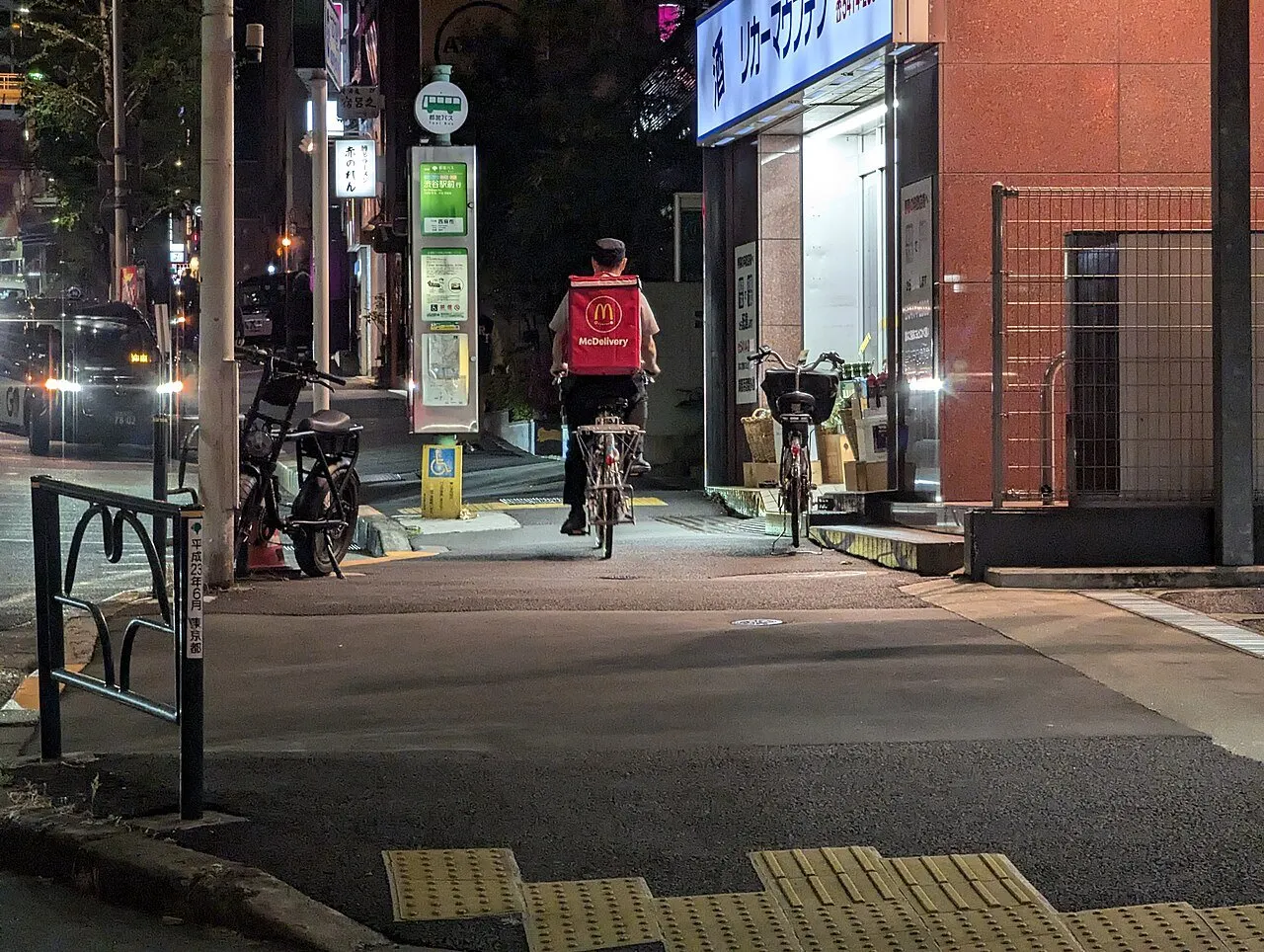
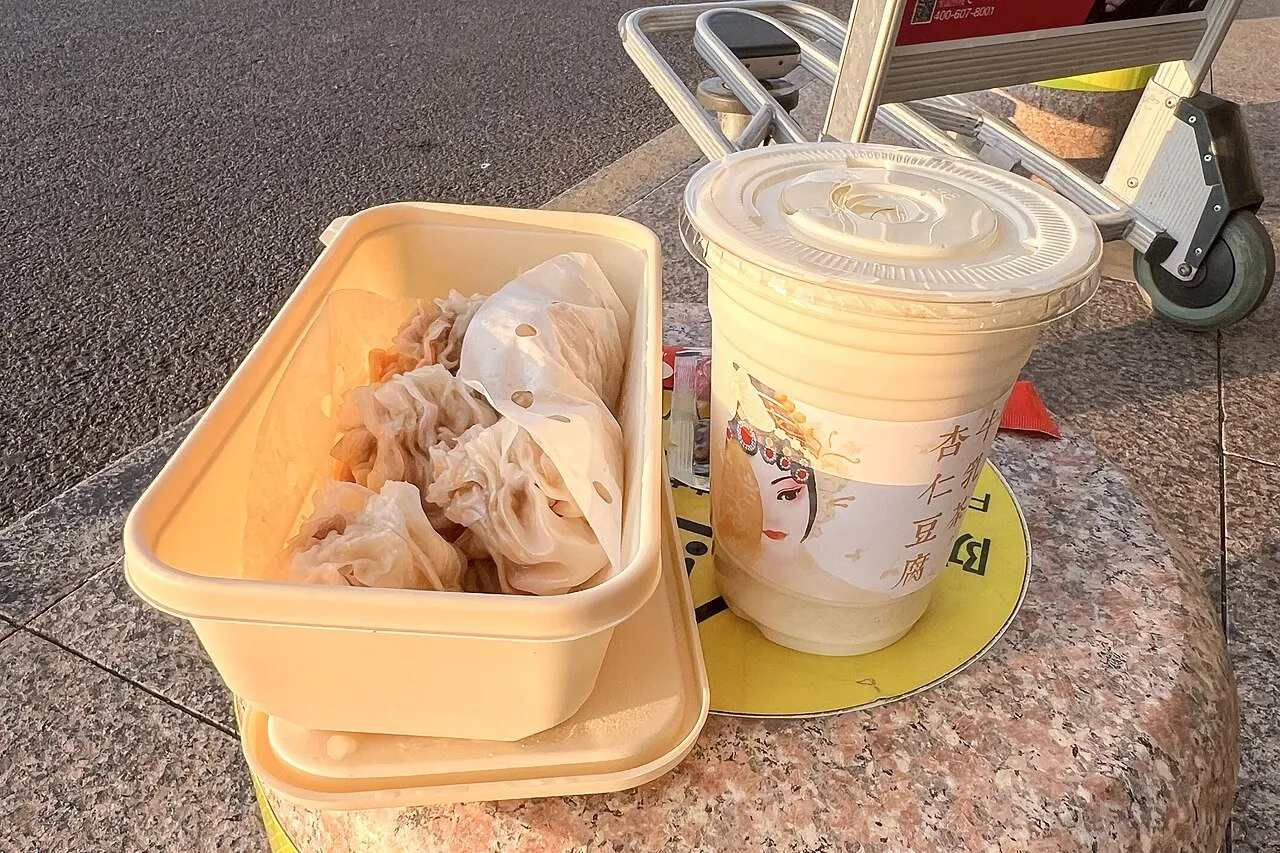
Stanley Tang arrived at Stanford with a restless curiosity for how technology could solve everyday problems. In a cramped dorm room he met Tony Xu, Andy Fang, and Evan Moore, a group whose chemistry sparked the idea of a logistics platform that could move food from restaurants to homes. Their early conversations were less about grand visions and more about the simple frustration of waiting for a meal that never seemed to arrive on time. That frustration became the seed for DoorDash.
The first prototype was built on a shoestring budget, using spare laptops and open‑source code. Tang, whose background was in computer science, took charge of the engineering stack, writing the backend services that matched orders with drivers. The early product was clunky, the UI unpolished, and the driver app prone to crashes. Yet each failure taught the team a hard lesson about reliability, and they iterated relentlessly, pushing updates late into the night.
When the consumer app finally launched, it was a modest list of local restaurants in Palo Alto. Users were skeptical, and the early adoption curve was flat. The team responded by adding features that seemed obvious in hindsight - real‑time tracking, transparent pricing, and a simple rating system for drivers. These tweaks turned a hesitant audience into a growing base of repeat customers, and the platform began to generate the data needed to refine its algorithms.
Behind the scenes, the Dasher system was a different beast. Tang oversaw the creation of a driver‑focused interface that could handle route optimization, earnings calculations, and instant payouts. Early on, many drivers abandoned the platform because the payout schedule was confusing and the navigation guidance was unreliable. By listening to driver feedback and redesigning the flow, the team reduced churn and built a community that felt more like a partnership than a gig.
Rivalry arrived quickly. Companies such as Grubhub and Uber Eats were already scaling, and their deep pockets allowed aggressive marketing and rapid expansion. DoorDash’s advantage lay in its hyper‑local focus and the willingness of its founders to experiment with micro‑markets before committing resources. Tang’s engineering decisions - like building a flexible API that could integrate with a variety of restaurant POS systems - gave DoorDash a technical edge that competitors struggled to replicate.
The road was not smooth. In the second year, a major funding round fell short of expectations, and the founders faced a painful decision: cut back or double down. Tang remembers a sleepless night when he considered leaving the startup to return to a more stable career in Silicon Valley. The turning point came when a single large restaurant chain agreed to pilot the platform, providing the validation needed to secure additional capital. That moment of luck was paired with the relentless work of the engineering team, who had built a system capable of handling the surge.
As DoorDash grew, Tang transitioned from hands‑on coding to a broader product leadership role. He became the chief product officer, guiding the vision for both the consumer experience and the Dasher ecosystem. This shift required him to balance short‑term feature requests with long‑term architectural decisions, a tension that sometimes led to internal disagreements. One notable failure was an early attempt to launch a subscription model that confused users and diluted the brand’s value proposition. The rollout was rolled back within weeks, and the team learned the importance of clear communication and incremental testing.
The IPO in 2020 marked a dramatic change. The company’s valuation surged to around $80 billion, and Tang’s net worth crossed the $1 billion threshold. The windfall was a testament to the years of perseverance, but it also introduced new pressures. Media attention intensified, and investors demanded faster growth, pushing the product team to prioritize scale over polish. Tang found himself defending decisions that once seemed obvious, such as maintaining a simple checkout flow despite pressure to add more upsell options.
Despite the newfound wealth, Tang kept a low public profile. He rarely gave interviews and preferred to let the product speak for itself. This quiet demeanor contrasted sharply with the flamboyant personalities of some rivals, and it reinforced a culture of humility within the company. Internally, he continued to mentor engineers, emphasizing the value of learning from failures rather than celebrating only successes.
The hard seasons left an indelible mark on Tang’s philosophy. He often reflects on the moments when the platform’s servers crashed during a major holiday, when drivers protested delayed payments, and when a key competitor poached a senior engineer. Each setback forced a reassessment of priorities and a recommitment to the core mission: making food delivery reliable for everyone. The combination of relentless engineering, strategic pivots, and a dose of serendipity turned those challenges into the foundation of DoorDash’s dominance.
How they work and what they built



Stanley Tang arrived at Stanford with a restless curiosity for how technology could solve everyday problems. In the dorm rooms and hackathon labs he spent long nights sketching interfaces on whiteboards, often staying up until sunrise to test a new feature. He kept a habit of writing brief daily summaries of what worked and what failed, a practice that later became a ritual for his product teams. The discipline of documenting progress helped him see patterns that most founders miss, and it shaped the way DoorDash would iterate on its core services.
When the idea for a food‑delivery platform first took shape, Tang partnered with Tony Xu, Andy Fang, and Evan Moore. The four of them split responsibilities according to their strengths: Xu focused on operations, Fang on engineering, Moore on finance, and Tang on product design. Tang’s early decisions centered on building a consumer app that felt intuitive even to first‑time users. He insisted that the onboarding flow be completed in fewer than three taps, a rule that guided the UI team for months. By repeatedly testing the prototype with friends and classmates, he refined the experience until the app could match a restaurant’s menu to a user’s location in seconds.
Behind the polished consumer interface, Tang was equally obsessed with the Dasher side of the platform. He led the creation of a separate driver app that gave couriers real‑time navigation, order batching, and earnings projections. To keep the system reliable during peak hours, he championed a micro‑services architecture that could scale horizontally without a single point of failure. The engineering team adopted continuous deployment pipelines, allowing small code changes to reach the live environment multiple times a day. Tang’s insistence on rapid feedback loops meant that a glitch reported by a Dasher in the field could be patched before the next lunch rush.
Culture at DoorDash reflected Tang’s belief that transparency fuels innovation. He instituted weekly “product reviews” where every team member, from senior engineers to interns, could present data and ask tough questions. The meetings were short, often fifteen minutes, and they emphasized metrics over opinions. Tang also introduced a “no‑meeting day” each month, giving engineers uninterrupted time to dive deep into code. This balance of open dialogue and focused work helped the company grow from a handful of volunteers to a workforce that could support a multi‑billion‑dollar valuation.
As DoorDash expanded beyond its original market, Tang transitioned from hands‑on product building to a broader leadership role. He took on the title of Chief Product Officer, overseeing not only the consumer and Dasher apps but also the logistics platform that powered restaurant partners. In this capacity he pushed for data‑driven experimentation, launching A/B tests that compared different pricing algorithms across cities. The insights from these experiments fed into a dynamic pricing engine that adjusted delivery fees based on distance, traffic, and demand, a system that remains a core competitive advantage.
The company’s rapid growth attracted investors and eventually led to a public offering that valued DoorDash at roughly eighty billion dollars. Tang’s equity stake translated into a personal net worth in the low‑single‑digit‑billion range. Despite the financial windfall, he has kept a relatively low public profile, preferring to let the product speak for itself. He rarely appears in media interviews, and when he does, he focuses on the teams that built the technology rather than his own achievements.
Even after the IPO, Tang continued to refine the product roadmap. He introduced a “future‑lab” within the product organization, a small group tasked with exploring emerging technologies such as autonomous delivery vehicles and AI‑driven demand forecasting. The lab operates on a sprint cadence, delivering prototypes that are either integrated into the main platform or retired after a brief trial. This iterative mindset mirrors the early days at Stanford, where rapid prototyping was the norm.
Tang’s personal habits have remained consistent throughout his career. He still starts each morning with a brief walk around his neighborhood, using the time to think through a single product challenge he will tackle that day. He limits his email checking to three specific windows, allowing him to stay focused on deep work. In meetings he asks a simple question: “What does the data tell us?” This habit of grounding decisions in measurable outcomes has become a hallmark of the culture he cultivated.
Looking back, the systems Tang helped design - both the sleek consumer app and the robust Dasher platform - have become essential infrastructure for millions of users. The emphasis on scalability, data‑driven iteration, and transparent teamwork turned a college‑room concept into a global logistics network. While the company’s valuation and his personal wealth have grown dramatically, the core principles Tang instilled - rapid experimentation, clear metrics, and a relentless focus on user experience - remain the engine that drives DoorDash forward.
Current achievements as of September 2026



Stanley Tang’s journey from a Stanford engineering classroom to the executive suite of a multibillion‑dollar enterprise illustrates how a focus on product can reshape an entire industry. While completing his computer‑science degree, Tang joined forces with Tony Xu, Andy Fang, and Evan Moore, turning a modest delivery experiment into DoorDash, a platform that now connects millions of diners, restaurants, and couriers across the United States and beyond. The quartet’s complementary skill sets - Xu’s vision for logistics, Fang’s operational insight, Moore’s business acumen, and Tang’s technical depth - created a balanced founding team that could iterate quickly and scale responsibly.
In the early days, Tang led the core engineering team that built the consumer‑facing app, translating a simple ordering interface into a seamless experience that could handle surging demand during peak meals and major events. His work on the Dasher system, the backend that coordinates thousands of independent couriers in real time, introduced sophisticated routing algorithms and dynamic pricing mechanisms. Those technical foundations allowed DoorDash to expand from a handful of neighborhoods in Palo Alto to a national network that now serves more than 20,000 markets.
After the company’s first major funding rounds, Tang shifted his focus from hands‑on coding to broader product strategy. As chief product officer, he oversaw the launch of new verticals such as grocery delivery, convenience store pickups, and the subscription‑based DashPass service. Each expansion required careful alignment of user experience, merchant integration, and courier incentives, and Tang’s leadership ensured that the platform’s core promise - fast, reliable delivery - remained consistent across disparate product lines. The result was a diversified revenue stream that helped the company weather seasonal fluctuations and competitive pressure.
The 2022 initial public offering marked a turning point for both DoorDash and its founders. Valued at roughly eighty billion dollars on the day of listing, the company’s market capitalization positioned it among the most valuable tech firms of its generation. Tang’s shareholdings, combined with the equity earned by his co‑founders, translated into a personal net worth approaching one billion dollars. While the headline figures captured public attention, Tang remained focused on the operational challenges of scaling a global logistics platform, preferring to let the product’s performance speak for itself.
In the years following the IPO, Tang continued to refine the company’s technology roadmap, emphasizing automation, AI‑driven demand forecasting, and sustainability initiatives. Under his guidance, DoorDash introduced a suite of tools that help restaurants manage inventory more efficiently and reduce food waste, aligning the business with emerging consumer expectations around environmental responsibility. These efforts have earned the firm recognition from industry analysts for its innovative use of data to improve both merchant profitability and customer satisfaction.
Beyond the boardroom, Tang has taken a quieter public profile, opting to mentor emerging engineers and product leaders rather than seek the spotlight. He frequently participates in Stanford alumni events, sharing lessons learned about building resilient product teams and navigating the regulatory complexities of on‑demand services. His low‑key presence contrasts with the high‑visibility campaigns of earlier years, reflecting a deliberate choice to let the company’s growth narrative dominate the conversation.
Tang’s influence also extends to the broader tech ecosystem through strategic investments in early‑stage startups focused on logistics, AI, and the gig economy. By providing capital and advisory support, he helps shape the next generation of platforms that aim to solve similar coordination problems at scale. These investments, while modest compared to his personal wealth, demonstrate a commitment to fostering innovation beyond DoorDash’s own borders.
As of September 2026, Stanley Tang’s current achievements are defined by a blend of technical mastery, product leadership, and a measured approach to wealth and influence. The platforms he helped create continue to serve millions of users daily, while his behind‑the‑scenes contributions to industry standards and emerging ventures underscore a lasting impact that goes far beyond the balance sheet.
World impact and closing
The first time a customer in a suburban neighborhood opened the DoorDash app, the experience felt like a quiet revolution. A single tap turned a local restaurant’s kitchen into a 24‑hour storefront, and a delivery driver’s bike became a bridge between a chef’s ambition and a family’s dinner table. For people who had once planned meals around limited opening hours, the promise of a meal arriving at any hour reshaped daily routines. The convenience that Tang and his co‑founders built at Stanford turned a simple need - getting food when you wanted it - into an expectation that now stretches across the nation.
In the early days, Tang’s engineering background guided the creation of the consumer app and the Dasher platform. The code he wrote was more than a functional interface; it was a set of signals that matched supply with demand in real time. As the algorithm learned, restaurants that once struggled to fill seats during off‑peak hours began to see a steady stream of orders. The ripple effect reached kitchen staff, who found new opportunities to work flexible shifts, and owners, who could plan inventory with a clearer picture of demand. The industry’s old model of “dine‑in or nothing” gave way to a hybrid that blended physical and digital commerce.
For delivery drivers, the Dasher system introduced a new kind of gig economy job. The app’s navigation and payout features turned a city’s streets into a network of micro‑entrepreneurial opportunities. Drivers could choose when and where to work, turning spare hours into income without the constraints of a traditional schedule. This flexibility attracted a diverse workforce - students, retirees, and those seeking supplemental earnings - each finding a place in a system that grew from Tang’s early product decisions. The result was a labor market that, while still imperfect, offered a new pathway for people to earn on their own terms.
The impact on the restaurant sector was equally profound. Small, family‑run eateries that once relied on foot traffic discovered a national audience. By plugging into DoorDash’s logistics, a taco stand in Austin could serve a corporate office in Seattle, and a ramen shop in Boston could reach a late‑night crowd in Chicago. This expansion of reach altered how chefs thought about scale. Menus were refined not just for the local palate but for a broader, more varied customer base, prompting a wave of culinary innovation that blended regional flavors with nationwide trends.
Beyond the plates, the cultural conversation around food shifted. The convenience of on‑demand delivery turned meals into moments of spontaneity, encouraging people to explore cuisines they might never have tried otherwise. The act of ordering became a social ritual, a shared experience that friends discussed in group chats and on social media. The cultural cachet of “ordering in” grew, and with it, a new appreciation for the stories behind each dish - stories that Tang’s platform helped amplify by connecting diners directly to the people who prepared their food.
When DoorDash went public, the valuation hovered around eighty billion dollars, and Tang’s personal net worth approached a billion. The financial milestone was a testament to the scale of the change he helped ignite, but it also underscored a quieter truth: the company’s public profile grew while Tang himself stepped back from the spotlight. He moved from the front‑line of product launches to a more behind‑the‑scenes role, focusing on long‑term strategy and mentorship. His restraint allowed the brand to speak for itself, letting the millions of daily deliveries tell the story of his impact.
The ripple of that impact can be seen in the way other industries have adopted the on‑demand model. Grocery stores, pharmacies, and even hardware retailers now offer rapid delivery services modeled after the DoorDash playbook. The logistics framework that Tang helped engineer became a template for any business seeking to meet customers where they are - online, on the move, and expecting speed. In classrooms and boardrooms, case studies now cite DoorDash as a blueprint for scaling technology‑driven marketplaces, inspiring a new generation of entrepreneurs who first learned about it in a Stanford lecture hall.
Yet, amid the data points and market analyses, the most enduring legacy is personal. A single mother in Detroit can now order a nutritious dinner after a long shift, a college student in San Francisco can afford a late‑night pizza without leaving the dorm, and a retired veteran in Phoenix can supplement his income by delivering meals on his own schedule. These individual stories stitch together a larger tapestry of how a simple idea, nurtured in a university garage, reshaped the rhythm of everyday life for millions.
As the sun sets on a bustling city and the last delivery driver parks his bike, there is a quiet moment of reflection. The streets are quieter, but the digital pulse of orders continues, a reminder that the world has become more connected, more immediate, and more compassionate through the act of sharing a meal. Tang’s journey - from a Stanford student sketching code on a dorm wall to a quiet steward of a multibillion‑dollar enterprise - mirrors the evolution of the very service he helped create: invisible, efficient, and profoundly human.
In the final scene, the camera lingers on a family gathered around a table, a DoorDash bag open on the floor, the aroma of food filling the room. The delivery driver, now a familiar neighbor, smiles as he hands over the order, and the children’s eyes light up with anticipation. It is a simple moment, but it carries the weight of an entire ecosystem that Tang helped build - a world where convenience meets community, where technology serves humanity, and where every bite tells a story of connection. The closing beat is not a fanfare, but a quiet, steady hum of countless deliveries that continue to shape lives, one door at a time.
Watch alongside this story
Short cuts from interviews, keynotes and launches. Each plays only the moment that matters.