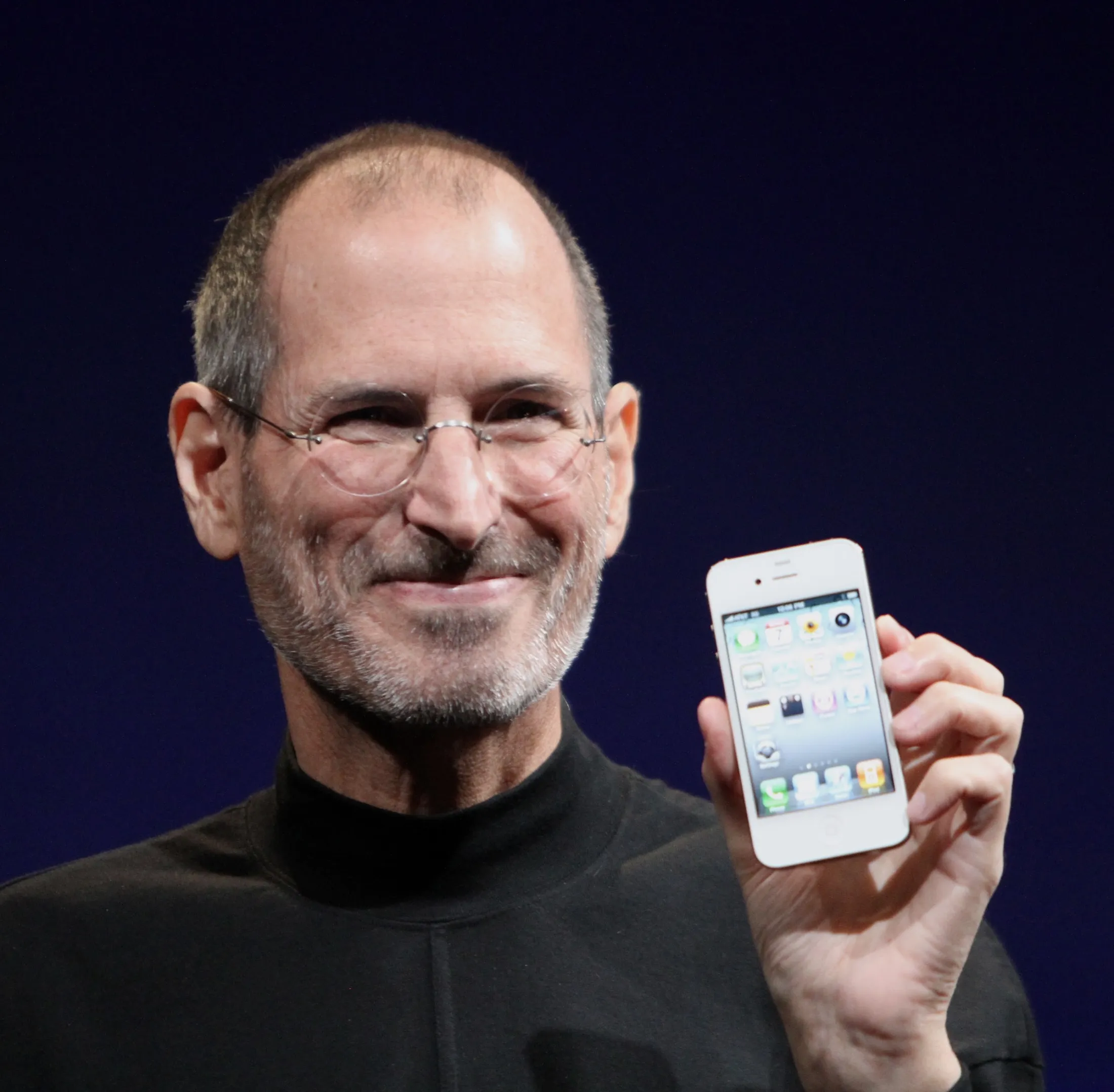
The Man Who Got Fired by Apple
He lost Apple at thirty. He built NeXT and Pixar in the wilderness. Then he came back and put a computer in your pocket.
In 1985, Steve Jobs lost the company he had helped invent.
Apple's board sided against him after a power struggle with CEO John Sculley. Jobs resigned. He was thirty years old, famous, wealthy, and suddenly outside the building that carried his dreams. Many people would have stopped there. Jobs started over.
He founded NeXT. He bought a small graphics group that became Pixar. More than a decade later he returned to a nearly bankrupt Apple and helped turn it into one of the most valuable companies on Earth. The exile was not a footnote. It was the furnace.
Years later, long after his death, Apple would be valued in the trillions and sit in more than two billion active devices. In 2026 Tim Cook prepared to step down after a fifteen-year run that took the company from about $350 billion to about $4 trillion. Cook was not Jobs. He did not need to be. He scaled a product language Jobs had already forced the world to speak. The documentary is not only the keynote. It is the firing, the wilderness, and the return.
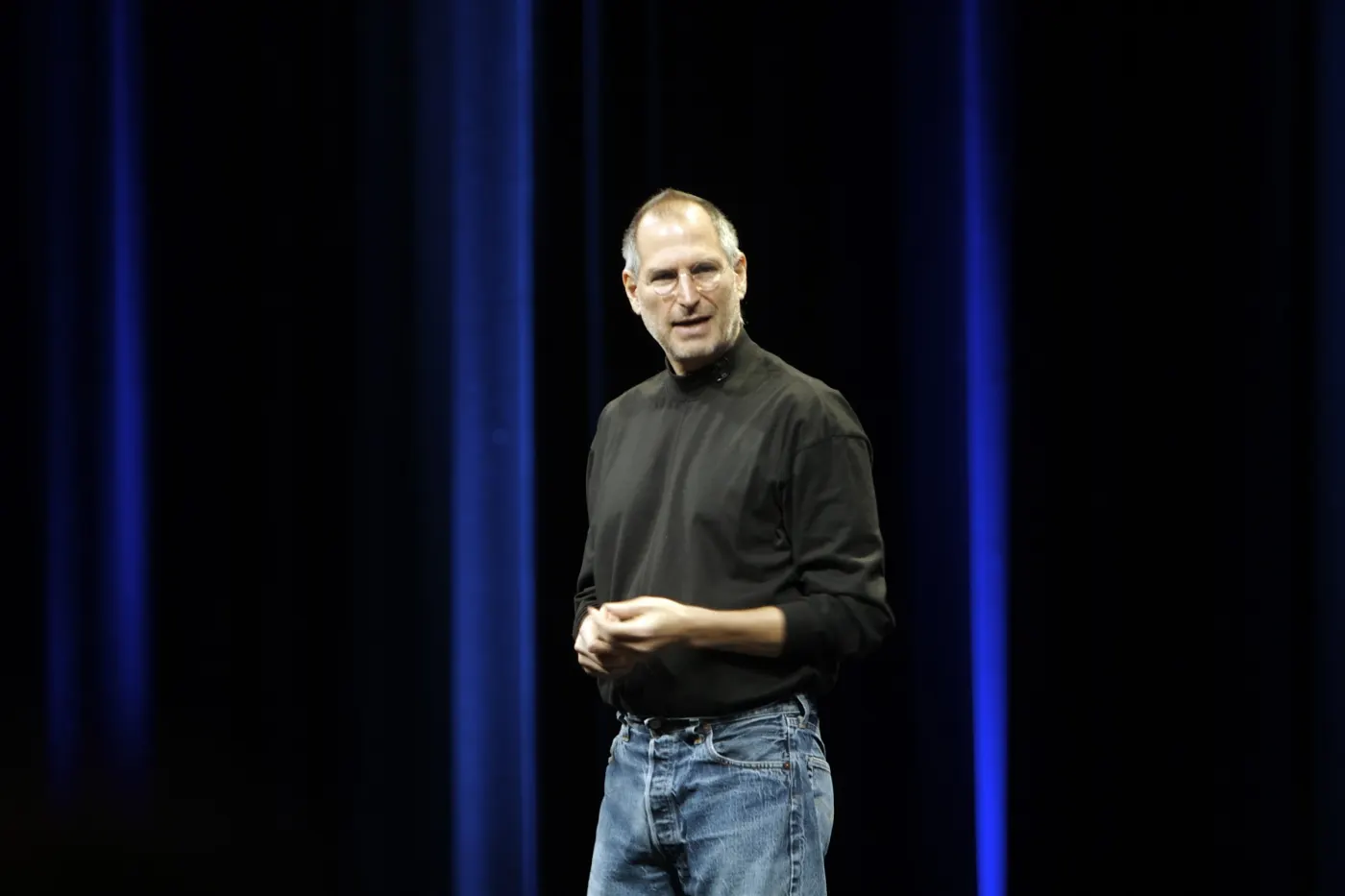
Adoption, California, and a restless curiosity
Steven Paul Jobs was born on February 24, 1955, in San Francisco. He was adopted by Paul and Clara Jobs and grew up in the Santa Clara Valley, later called Silicon Valley. The neighborhood filled with engineers. Electronics hobbyists traded parts. The future was being soldered in garages.
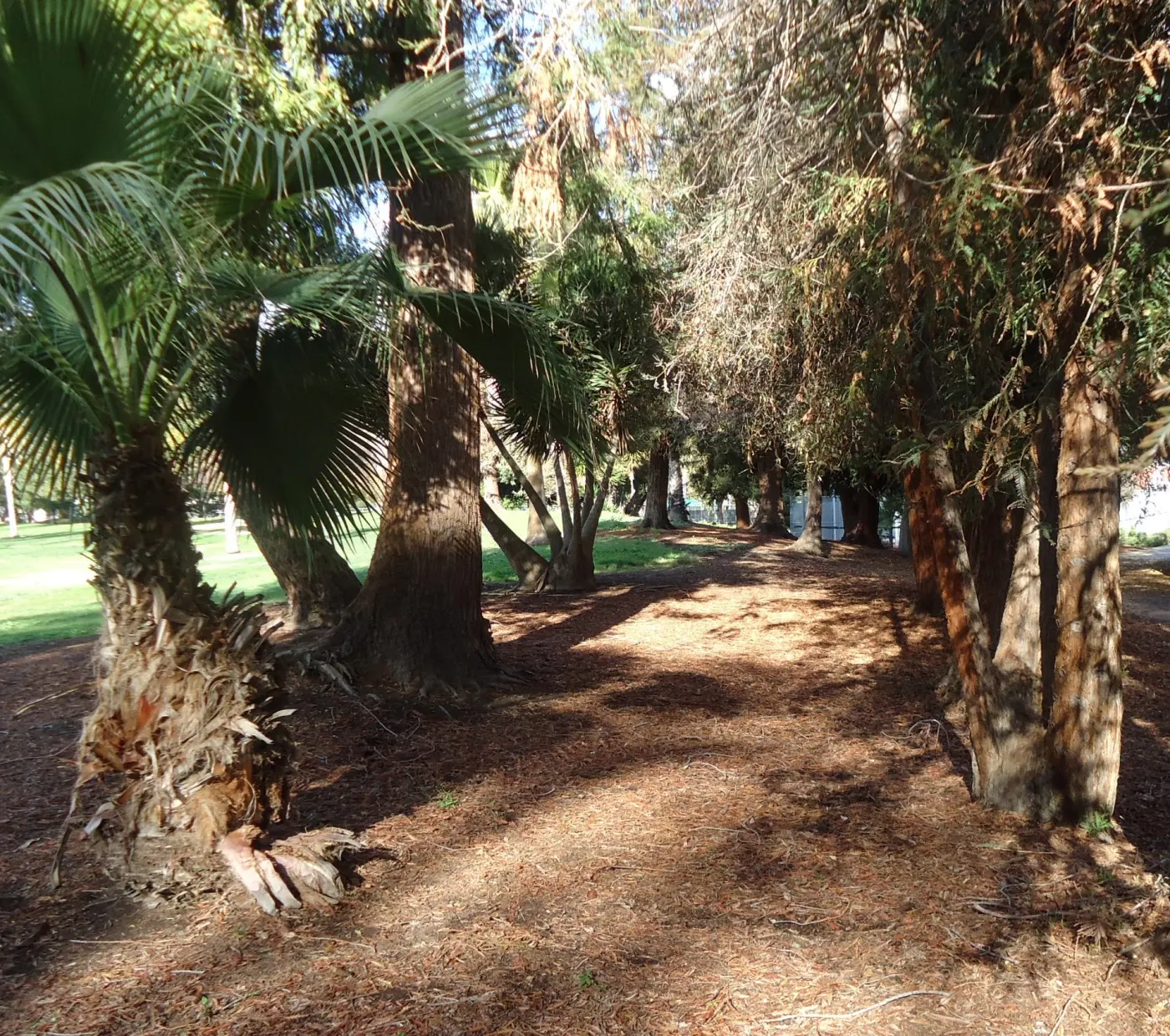
His adoptive father, Paul, was a machinist who taught him that the back of a cabinet should look as good as the front, because you would know. That lesson became a religion of unseen craft. Jobs later demanded internals and packaging that most customers would never photograph. He would know.
Jobs met Steve Wozniak, a brilliant engineer a few years older. Wozniak loved building. Jobs loved turning builds into products people desired. That partnership became the seed of Apple. One man could make a board sing. The other could make a room want it.
Jobs attended Reed College in Portland, then dropped out but kept auditing classes, including calligraphy that later influenced Macintosh typography. He traveled to India. He experimented with diet and ideas about simplicity. He was searching for a way to make technology feel spiritual and clean at once.

The calligraphy class is easy to turn into a poster. The harder point is that Jobs collected taste from unlikely rooms. He stole like an artist and edited like a tyrant. The fonts on the Mac were not a cute story. They were the moment a personal computer stopped looking like a hobby kit and started looking like a published page.
The garage, the Apple II, and a taste for magic
Steve Jobs and Steve Wozniak did not start with a polished company. They started with circuit boards, late nights, and a belief that computers should feel personal. Wozniak engineered elegant boards. Jobs pushed packaging, pricing, and storytelling. Ronald Wayne briefly joined and left. Apple Computer Company took shape in 1976.
The Apple I was raw. Users still needed keyboards and cases. Jobs pushed for a finished product people could plug in. The Apple II arrived with a plastic case and color graphics that made it feel alive in living rooms. It became a hit because it was more than a kit for hobbyists. Schools and homes could use it. VisiCalc, an early spreadsheet, made businesses care. Jobs watched users fall in love and decided emotion belonged in technology products.
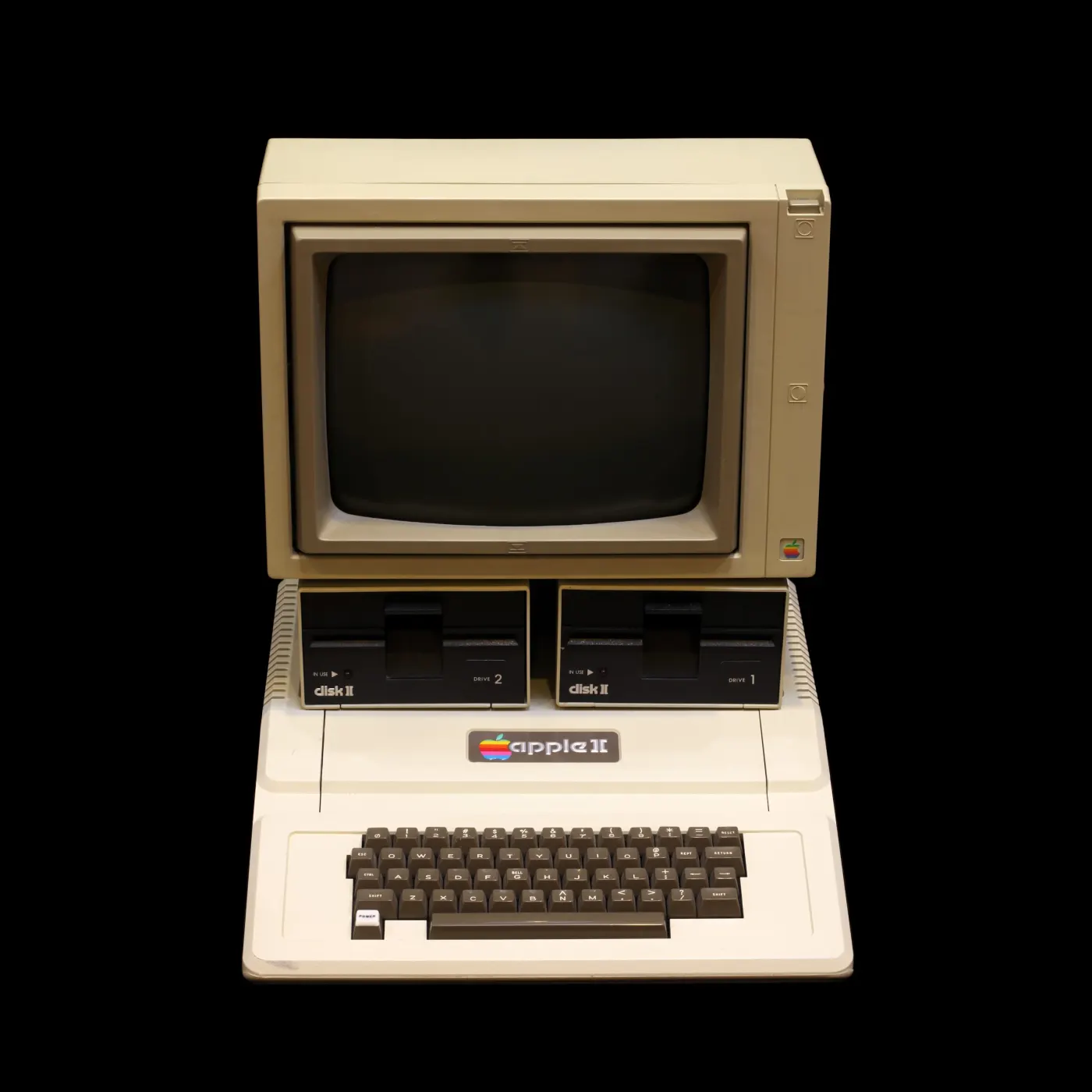
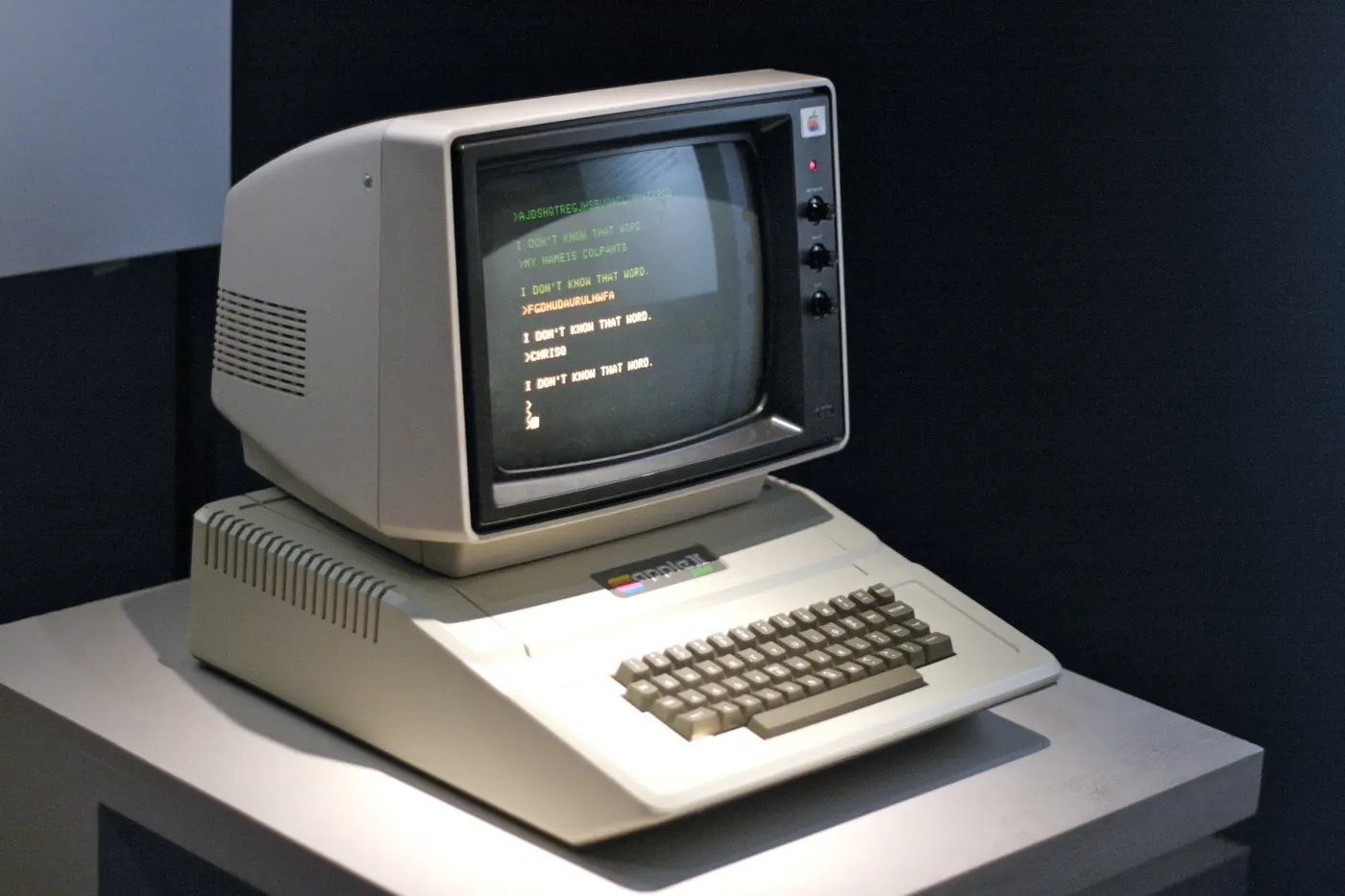
Jobs visited Xerox PARC and saw a graphical interface with windows and a mouse. He did not invent those ideas. He recognized which ones could become a consumer product and fought to put them into Macintosh. That translation from research lab to living room is a core Jobs skill.
He also understood marketing as part of engineering. The 1984 ad did not explain RAM. It explained a feeling: break conformity. Product launches became theater because Jobs believed desire starts in emotion.
Macintosh, exile, and the expensive education
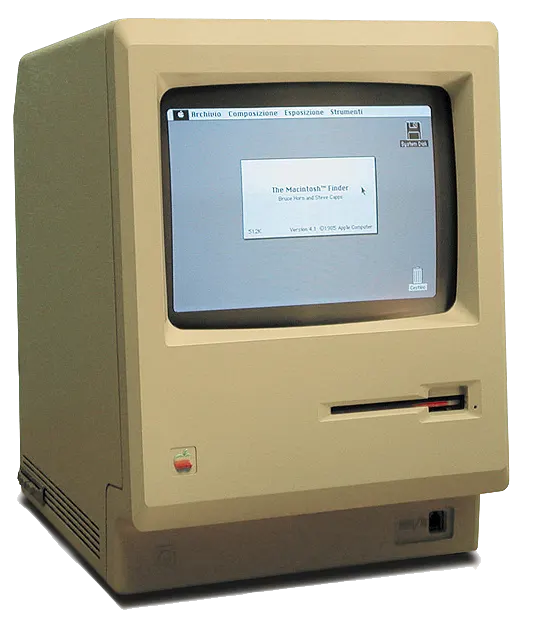
The Macintosh launch in 1984 promised a computer for the rest of us. The Super Bowl ad shouted rebellion. The machine introduced a mass-market graphical interface that felt friendly. Sales were mixed. Office politics were not. Jobs clashed with CEO John Sculley and the board. In 1985 he was pushed out of operational power and resigned.
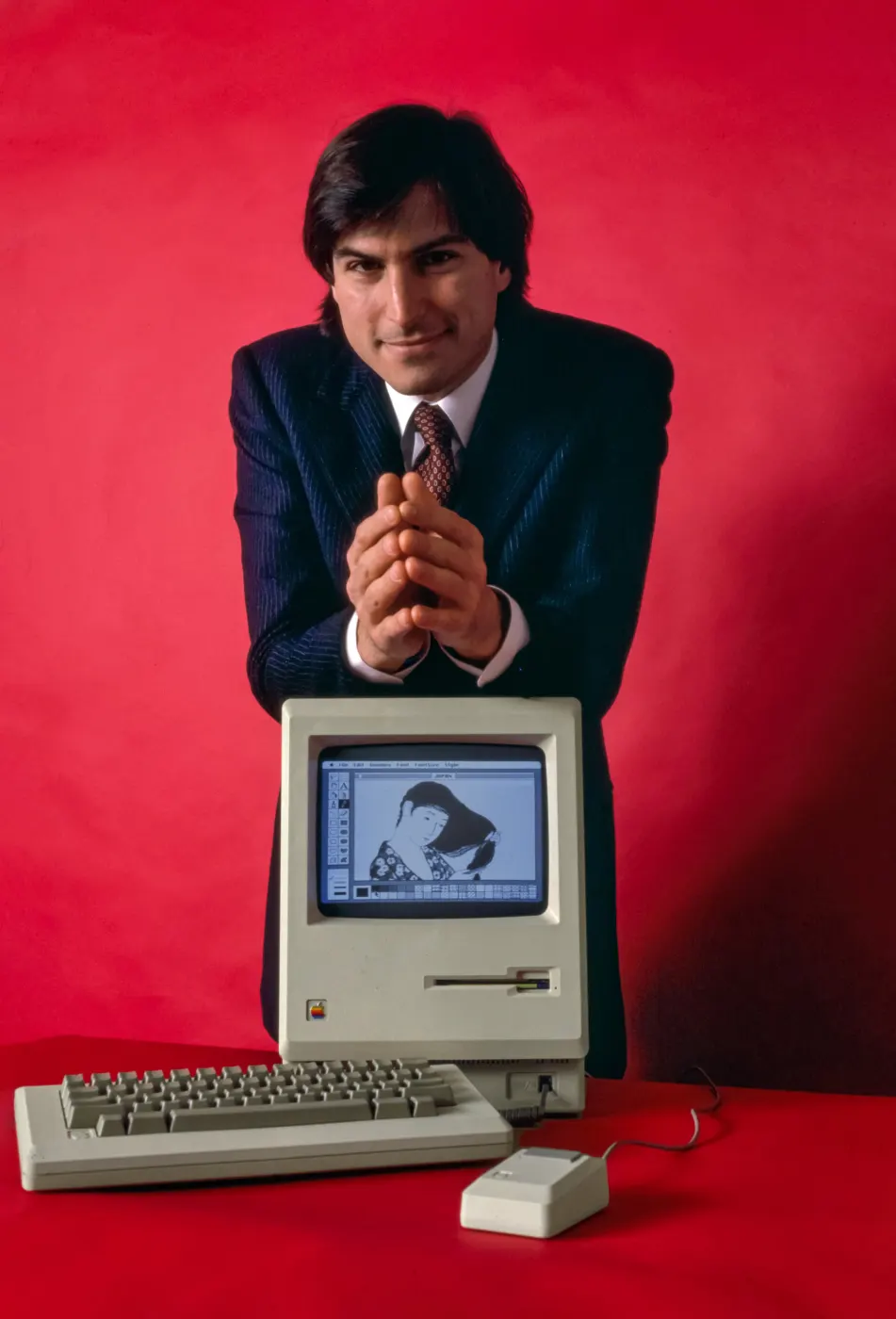
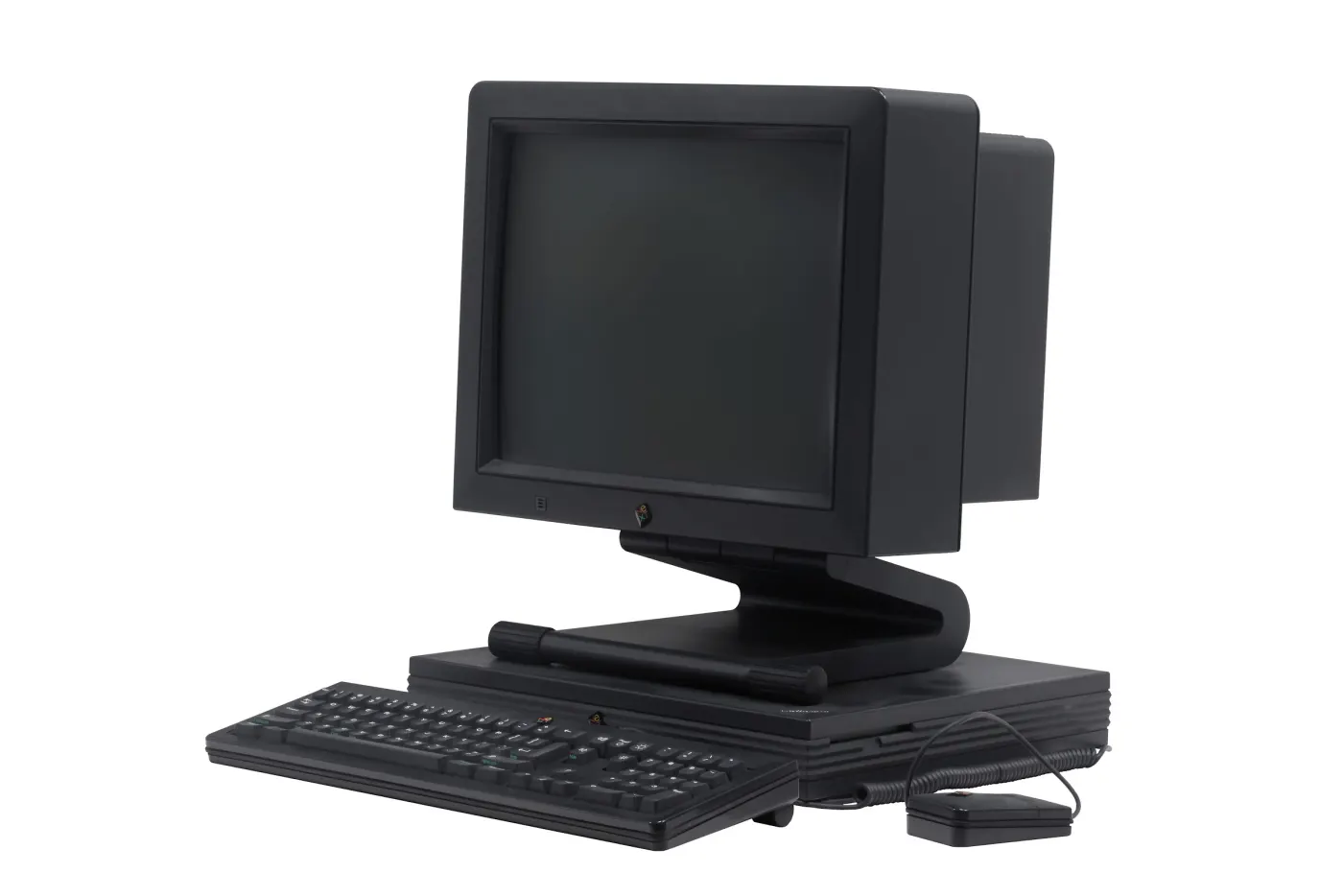
Exile could have ended him as a myth. Instead it became training. He founded NeXT to build powerful workstations for education and business. NeXT machines were beautiful and expensive. The hardware business struggled. The software ideas lived on. Tim Berners-Lee built the early World Wide Web on a NeXT computer, a historical twist Jobs liked to note.
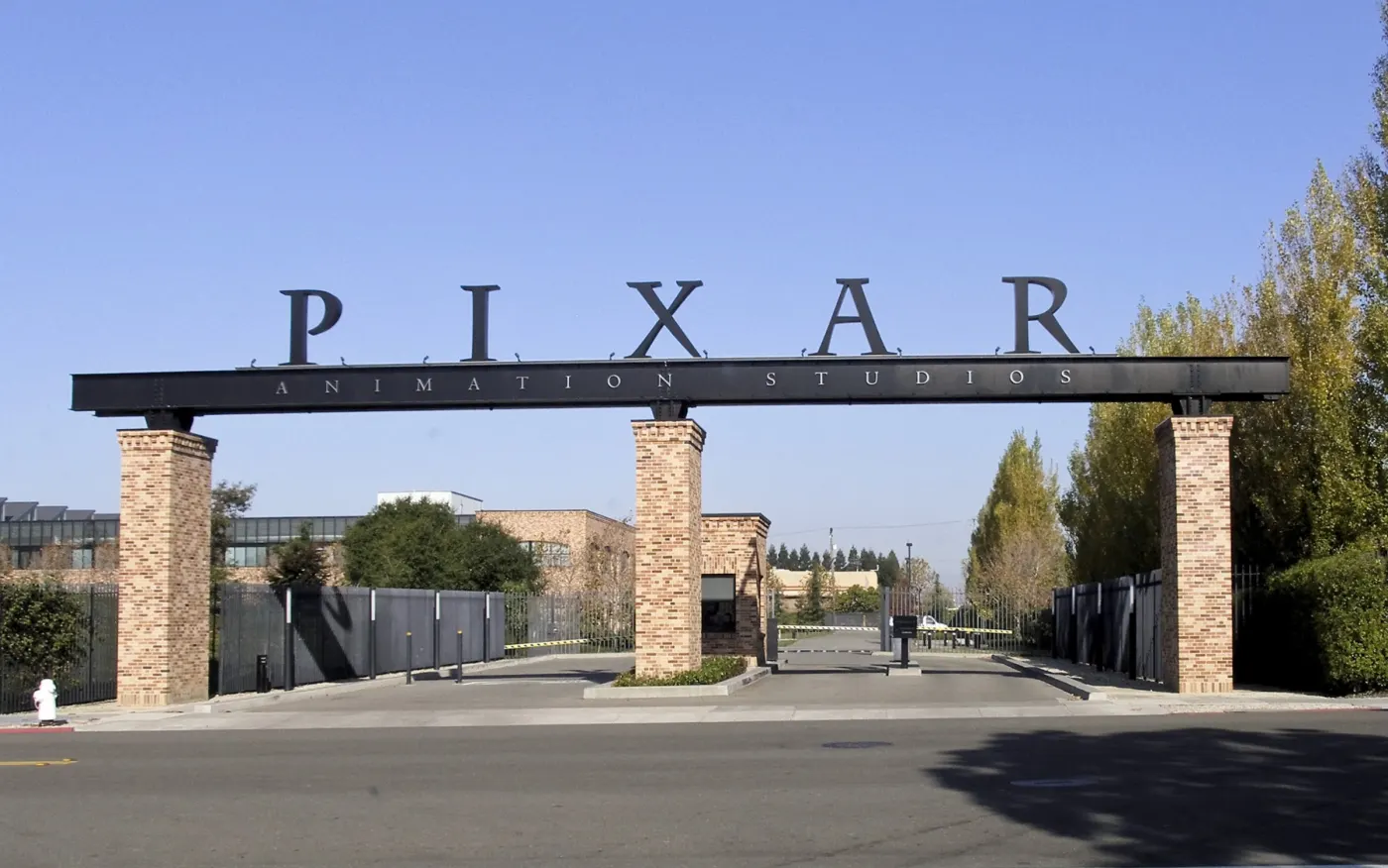
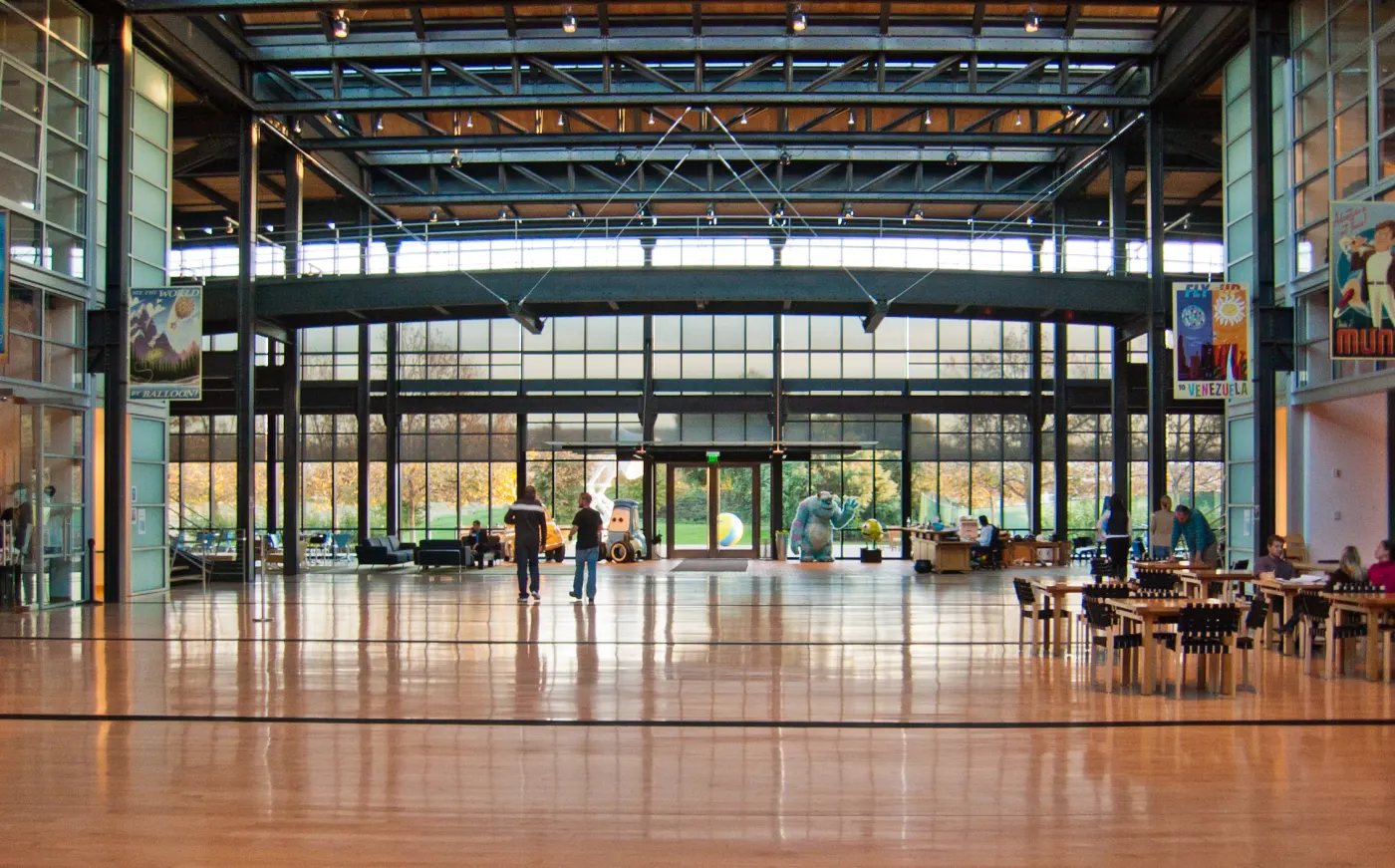
In 1986 he bought the computer graphics division of Lucasfilm and turned it into Pixar. For years Pixar sold hardware and fought to make a feature film. Toy Story in 1995 proved computer animation could move audiences. Pixar's success gave Jobs a second empire and a new public identity: not only a computer guy, but a story guy.
NeXT taught Jobs that beautiful hardware can fail if the market is too narrow and the price is too high. Universities admired the machines. Many could not afford fleets of them. The software environment, however, influenced later systems. When Apple later bought NeXT, it was not buying a failed computer. It was buying an operating system and a founder who had learned patience the expensive way.
Pixar taught patience of a different kind. Feature animation takes years. Jobs funded the studio through hard seasons before Toy Story proved the bet. When Disney later bought Pixar, Jobs became a major Disney shareholder. Storytelling and computing fused in his portfolio as well as his taste.
Return, iMac, iPod, iPhone
Apple bought NeXT in 1996 and 1997. Jobs returned, first as adviser, then as interim CEO, then as CEO. Apple was near collapse. Popular tellings of the crisis say the company had about ninety days of cash. He cut product lines, partnered with rivals when needed, including a famous investment from Microsoft, and launched the colorful iMac to signal life.
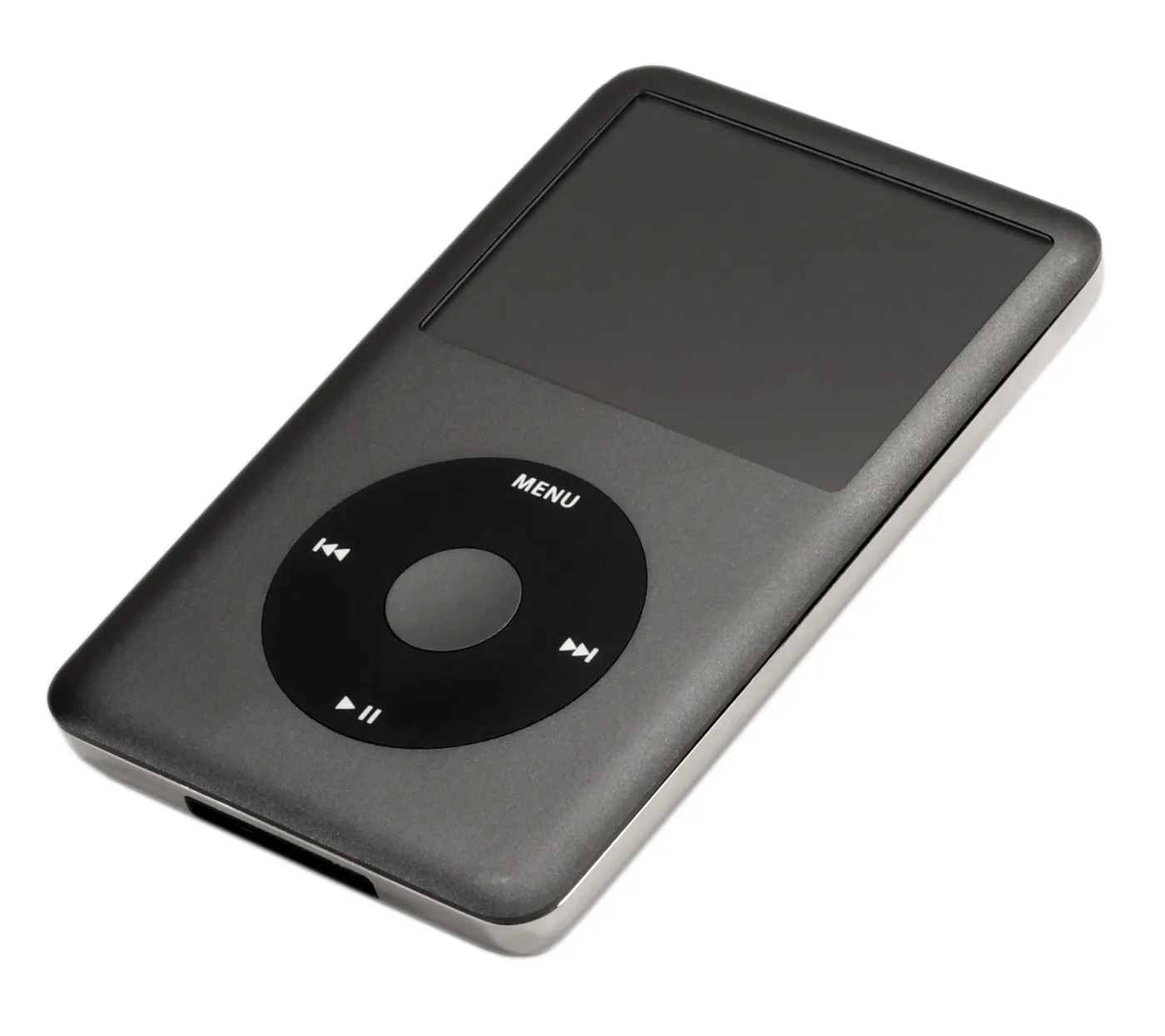
Then came the consumer electronics run. The iPod and iTunes Store rebuilt the music business around simplicity. The iPhone in 2007 merged phone, iPod, and internet communicator into one glass slab. The App Store turned phones into platforms. The iPad followed.
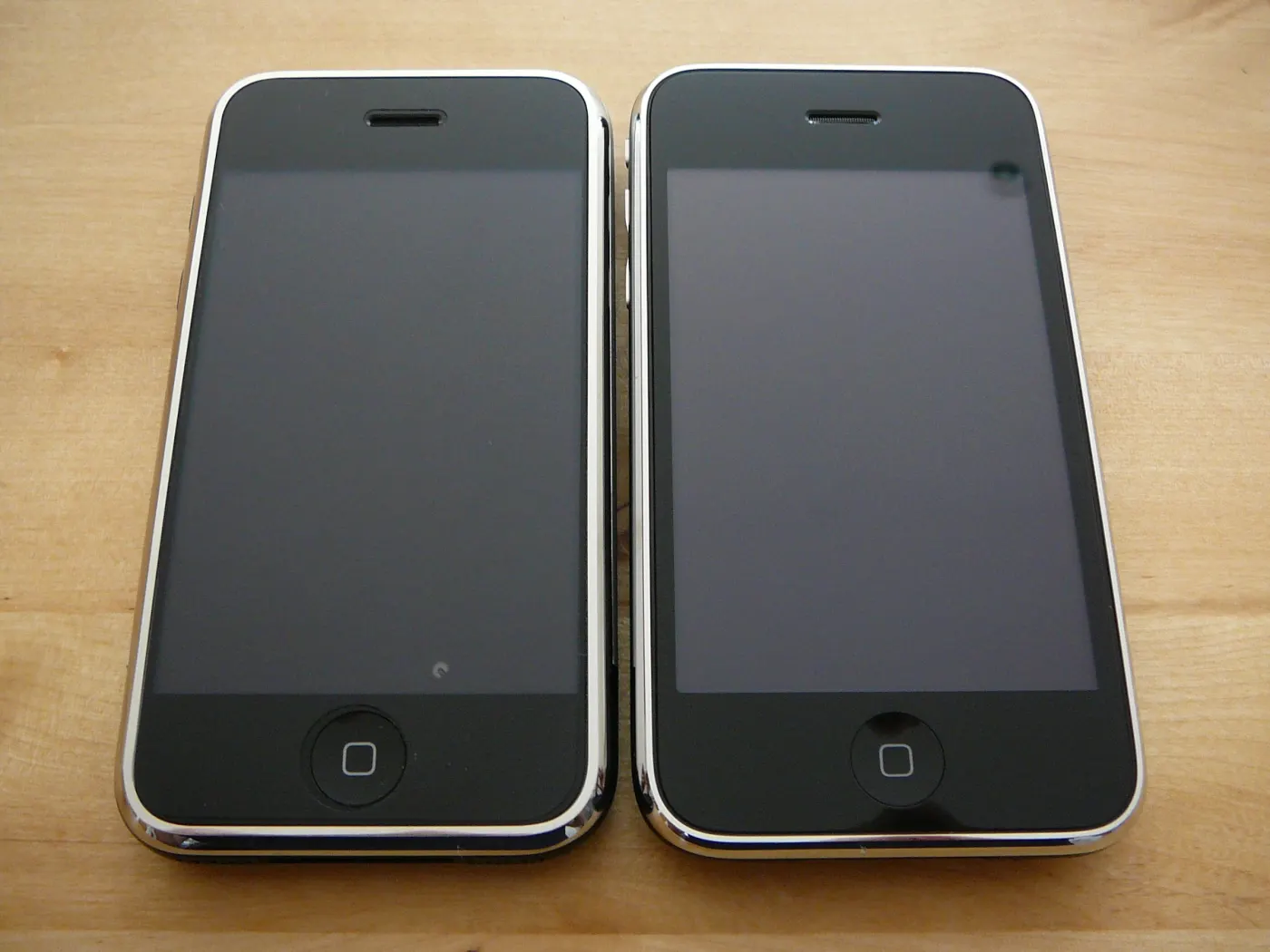
When Jobs returned, he simplified the product matrix into a clear grid. He killed sacred cows. He hired and trusted designers like Jony Ive on industrial design that made computers look friendly. He insisted the whole stack matter: hardware, software, stores, packaging, support.
The iPhone's multi-touch interface made keyboards optional for many tasks. Developers flooded the App Store. Entire industries reorganized around mobile. Taxi companies, hotels, newspapers, cameras, maps, and banks all had to answer a rectangle of glass.
Jobs's health declined across the late 2000s. He took medical leaves, returned, and kept keynotes that felt like theater. He resigned as CEO in August 2011. He died on October 5, 2011, in Palo Alto, at fifty-six.
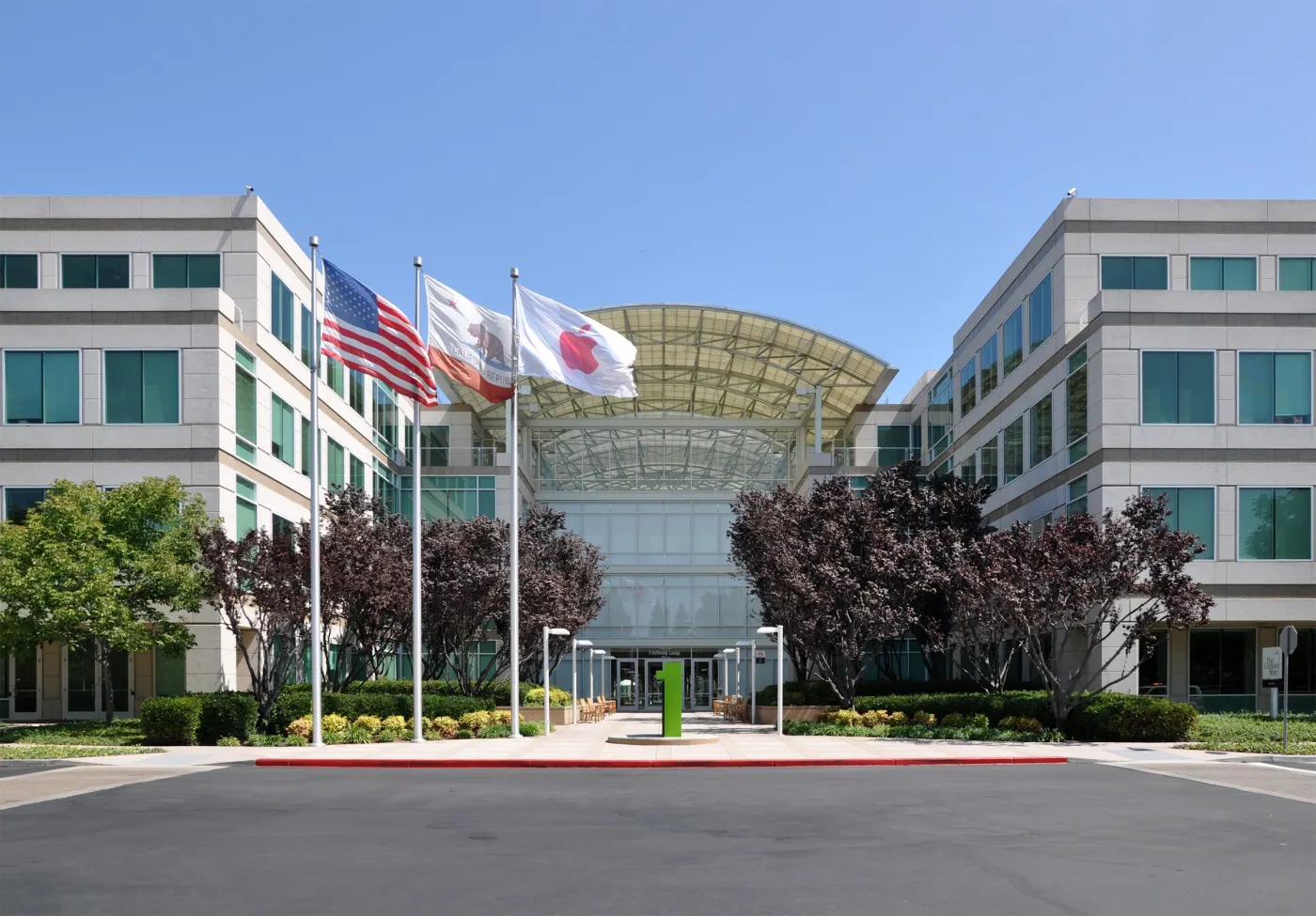
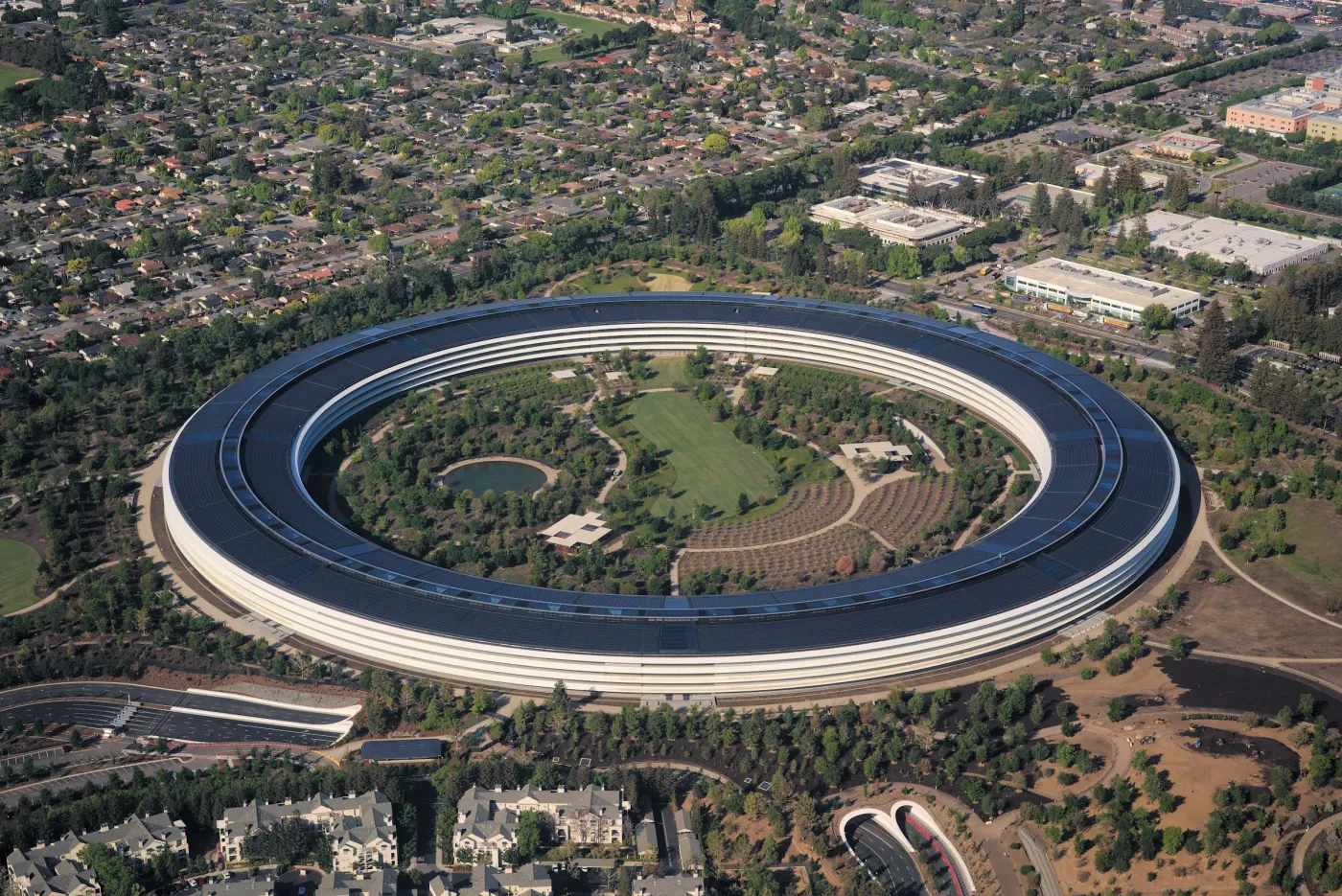
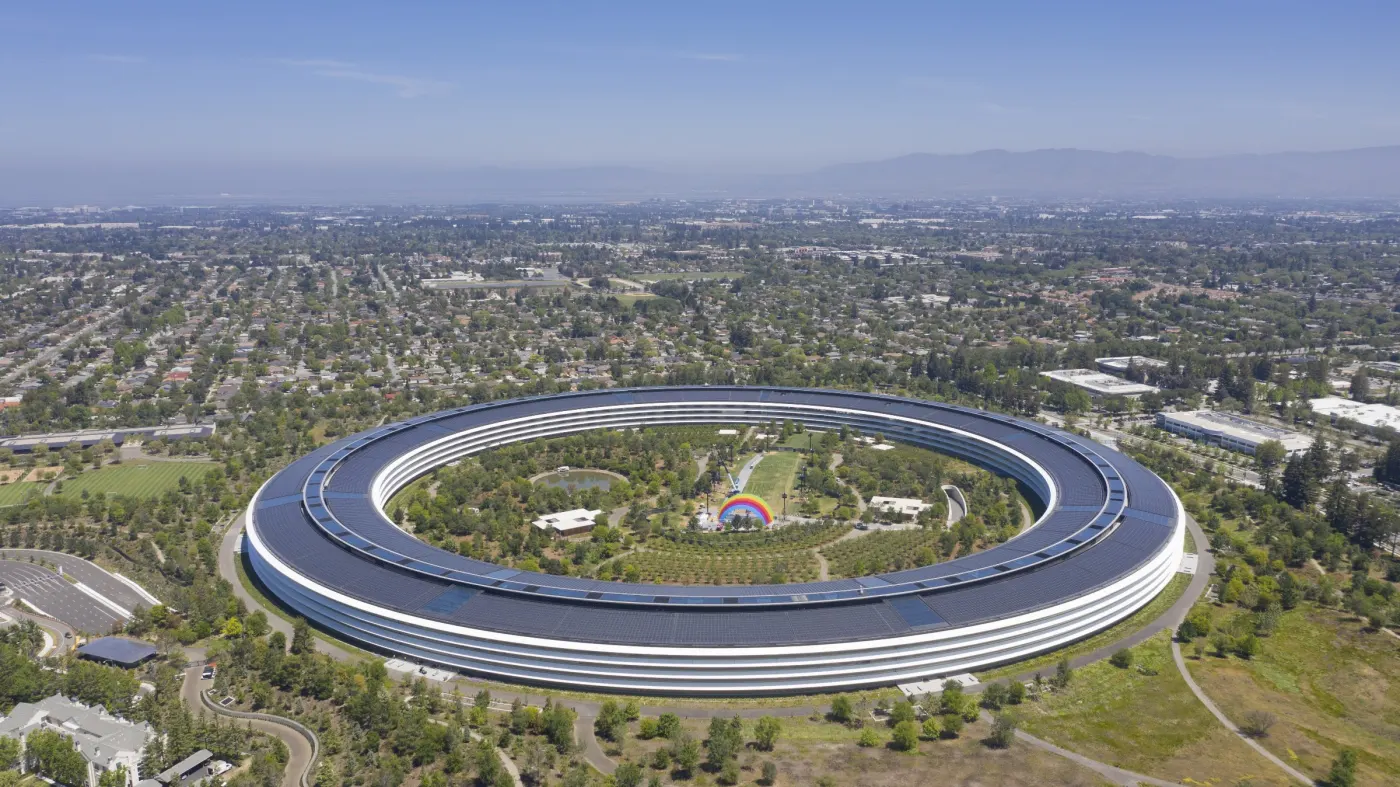
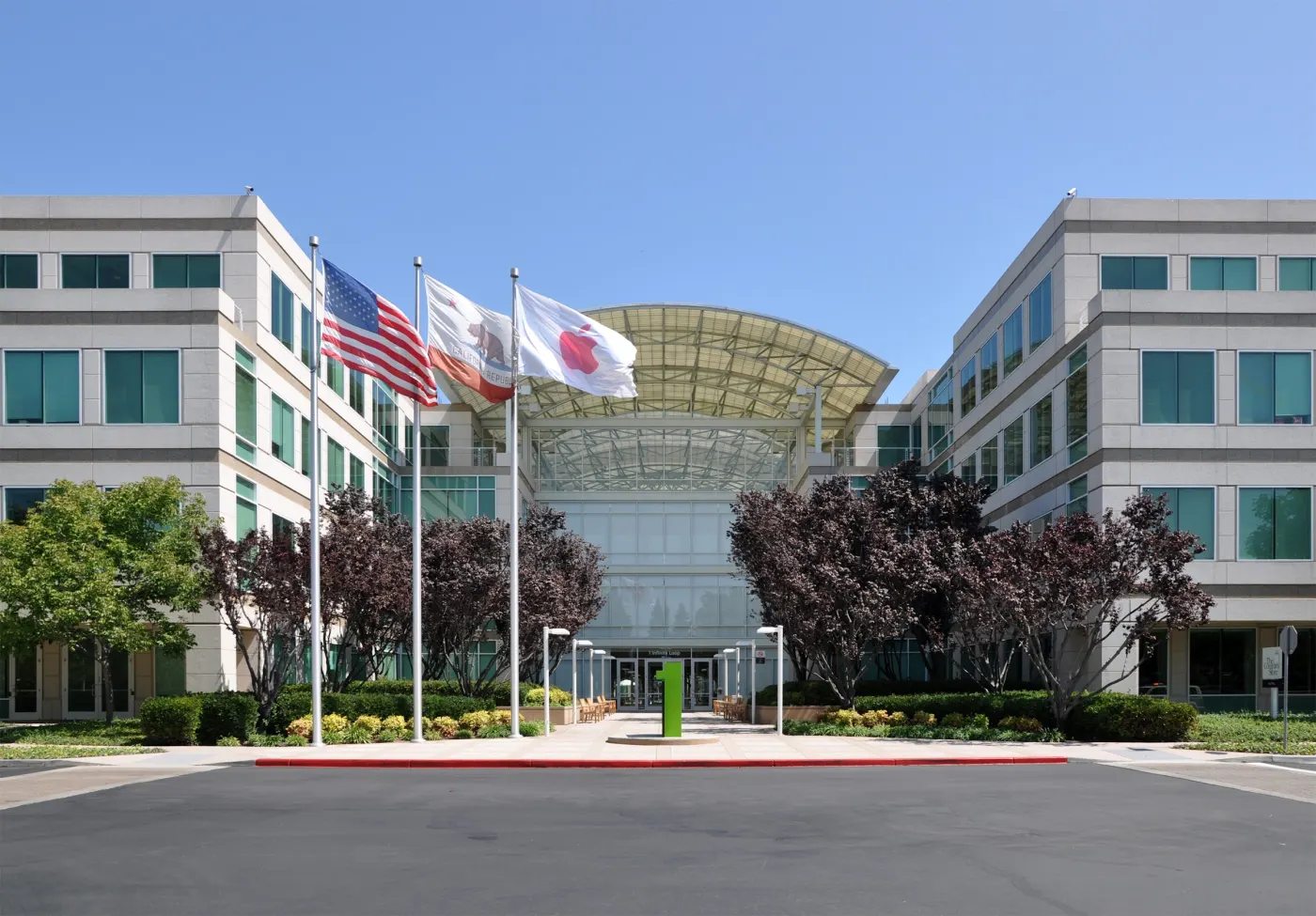
Apple Park later rose as a circular campus he had pushed for, a physical signature of the company after him. He pitched the campus to Cupertino leaders while ill. He wanted a place that felt like a product: intentional, calm, detailed.
How the Apple I and Apple II actually got made
Before Apple was a public company, it was a partnership selling boards out of a garage and then a small office. Jobs wanted a case, a keyboard, and a machine a normal person could take home. Wozniak wanted elegance in the circuits. The tension was the company. Without Wozniak there is no Apple II. Without Jobs there is a brilliant board that stays a hobby.
Mike Markkula put in money and adult supervision. The young company learned to manufacture, advertise, and survive success. Success arrived fast enough to make Jobs insufferable and indispensable in the same week.
Lisa, the expensive machine before Macintosh, taught a brutal lesson about price and market. Macintosh was supposed to be the people's Lisa. It was late. It was underpowered. It was also the machine that made people feel something. Feeling is not a spec. Jobs treated it as one.
He fought over fonts, over the mouse, over the boot-up time, over the smile of the icon. Engineers learned that "good enough" was a firing offense in his presence. Some of those engineers later said the pain was worth it. Some did not. A full story holds both.
The wilderness years in closer view
NeXT's cube looked like a sculpture. Universities loved the idea and not always the invoice. Jobs sold a vision of higher education transformed by beautiful workstations. The market was smaller than the vision. He had to learn a word he hated: shrink.
The software, NeXTSTEP, aged better than the hardware. Object-oriented tools, a Unix heart, and a developer environment that felt modern would later become the ancestor of Mac OS X. The wilderness was storing the seed.
Pixar's hardware business was a grind. Selling image computers to hospitals and spies is not Toy Story. Jobs kept writing checks. The studio's short films were proofs of life. When Disney came in as a partner on a feature, the bet finally had a theater.
Toy Story's success did not make Jobs gentle. It did make him liquid and legendary in a second industry. Hollywood learned that a computer guy could own a studio that made people cry. Silicon Valley learned that story was a product too.
The 1996 return was not a parade. Apple was a punchline. Product lines sprawled. Inventory rotted. Jobs killed clones, killed projects, and shrank the company toward a few hits. People called him a monster. The stock later called him a savior. Both calls came from the same edits.
Think different was an ad campaign and a hiring filter. He wanted pirates, not passengers. He also wanted control so tight that pirates had to march in formation. That contradiction is the Apple of the late 1990s: rebel brand, closed garden.
The stores were a fight with his own board. People said Apple should not be in retail. Jobs said the existing stores murdered the products under fluorescent lights. He built temples. The temples printed money and taught a generation that a computer could be touched before it was bought.
iTunes was a Trojan horse. First the software. Then the store. Then the device. The music industry signed because piracy had them scared. Jobs gave them ninety-nine cents and a catalog. He also gave listeners a habit that later moved to phones and never came back to plastic.
The iPhone demo had to work. One glitch on stage would have become the story. Teams lived in terror and pride. When he pulled the device from his pocket and flipped between iPod, phone, and internet, a thousand competing gadgets lost their reason to exist.
He did not live to argue every sequel. He lived long enough to set the annual rhythm: one slab, one keynote, one line that the world would repeat.
How he works
Jobs's method is not mystery. It is subtraction.
He argued that design is how it works, not only how it looks. He argued that saying no to a thousand good ideas protects the few great ones. He argued that technology should disappear into human goals like music, calls, photos, and writing.
He could be cruel in meetings. People left rooms smaller than they entered. He also made people do the best work of their lives. Both belong in the record. A documentary that only shows the turtleneck is a costume drama.
He walked through stores, packaging, and demo scripts as if they were code. He rehearsed keynotes until the reveal felt inevitable. He treated the launch as part of the product because the first time the world sees a device is a design problem.
He partnered with complementary talent. Wozniak. Ive. Cook on operations. Animators at Pixar. He was not a solo engineer of the Apple II. He was the editor who refused to ship the merely good.
Retail stores became classrooms for the brand. A wooden table. A gadget you could touch. A helper who did not work on commission. Jobs understood that buying a computer had been intimidating. He wanted the store to feel like a kitchen, not a warehouse of beige boxes.
What the world changed because of the work
The wealth story is loud. Jobs did not live to see the loudest version of it. The impact story is in pockets, dashboards, and habits.
Before Macintosh, many personal computers still felt like terminals for hobbyists. After Macintosh, a generation learned windows, icons, and a mouse as if they had always existed. Jobs did not invent the graphical interface. He made it a consumer object.
Before iPod and iTunes, the music industry was fighting piracy with lawsuits and confusion. After the store and the click wheel, buying a song felt as simple as buying gum. Artists and labels still argue about the deal. Listeners voted with white earbuds.
Before iPhone, a phone was buttons, a camera was a camera, and a computer was a bag. After iPhone, those categories collapsed. Newspapers lost classifieds and then lost attention. Taxi medallions lost magic. Hotels gained a new rival in spare rooms. Cameras in pockets changed protest, family memory, and crime evidence. App Store economies let a teenager in another country sell to the world without a factory.
That shift is incomplete. Not every person can afford the cheapest iPhone. Repair fights and right-to-repair laws pushed back against sealed devices. App Store fees became a regulator's sport. The phone also became a slot machine for attention. Jobs sold a bicycle for the mind. The industry that followed sometimes sold a slot for the thumb.
Still, the Overton window moved. A slab of glass became the default computer. Rivals copied the rectangle. Android spread the form factor even farther. The fight became not whether to make a smartphone, but how to live with one.
Pixar changed movies. Computer animation stopped looking like a demo and started making children cry in the dark in a good way. That is world change too. A generation's sense of story arrived in rendered light.
Cameras in pockets changed journalism. A bystander could film police, a concert, a wedding, a war. That is not only Apple's doing. Android carried cameras too. The iPhone made the combination feel inevitable: a computer, a network, and a lens, always on you.
Maps on a phone ended a thousand glove-box arguments. Payments later tried to end wallets. Health sensors tried to end some clinic visits. Not every sequel was as clean as the first iPhone. The direction was the same: the pocket is the platform.
For workers, Apple's rise meant Foxconn lines, cobalt mines, and a supply chain Cook later made famous for its precision. Jobs wanted the object to feel clean. The making of the object was never only clean. A documentary that loves the keynote must also see the factory.
For developers, the App Store was a miracle window and a toll booth. Fortunes were made in games and utilities. Feuds were made over the 30 percent. Regulators in the 2020s treated that booth as a public issue. Jobs built a garden. Gardens have walls.
In 2026, when people argued about Apple and AI, they were arguing about whether the company could still do a Jobs: say no to a thousand demos until one feels inevitable. Cook's gift was scale. Ternus inherits a cathedral and a question. The question is Jobs-shaped even if Jobs is not there to shout it.
The 2026 chapter: a ghost in a four-trillion-dollar machine
Jobs has been gone since 2011. The company he returned to save did not stay a mid-size computer maker.
When Cook took over, Apple's market cap was about $350 billion. By April 2026, as Cook announced he would step down as CEO on September 1, coverage put Apple around $4 trillion, with revenue in the latest fiscal year above $400 billion. About 2.5 billion active Apple devices were in the world. The iPhone remained the cash engine. Services, Watch, and AirPods became extra engines Cook built on the installed base Jobs created.
Cook was an operations mind Jobs himself once called not a product person, then still chose as successor. Hardware executive John Ternus was named to take the CEO seat. The succession fight of 2026 was about AI and the next product S-curve. It was also proof of Jobs's last management act: he picked a builder who would not try to imitate the black turtleneck, and that builder turned the iPhone era into an empire.
Apple silicon, Watch, and AirPods arrived after Jobs. They still speak his language: few products, tight integration, a premium that people pay because the object feels finished. The MacBook Neo and cheaper iPhone experiments of the Cook years tried to widen the door. The door still opens on a house Jobs designed.
A fair 2026 accounting does not pretend Jobs invented Apple Watch. It does say that without Macintosh, iPod, and iPhone, there is no $4 trillion cathedral to argue about. The ghost is in the architecture.
Cook's Apple proved that a founder's taste can outlive the founder if the company keeps saying no. The 2026 transition will test whether that discipline survives a new CEO and a new technology wave. The products in pockets will vote first. Jobs would have hated a sentimental ending. He would have asked whether the next demo was good enough to ship. That question is the inheritance, and it is still unanswered in every lab that wants to be the next Apple.
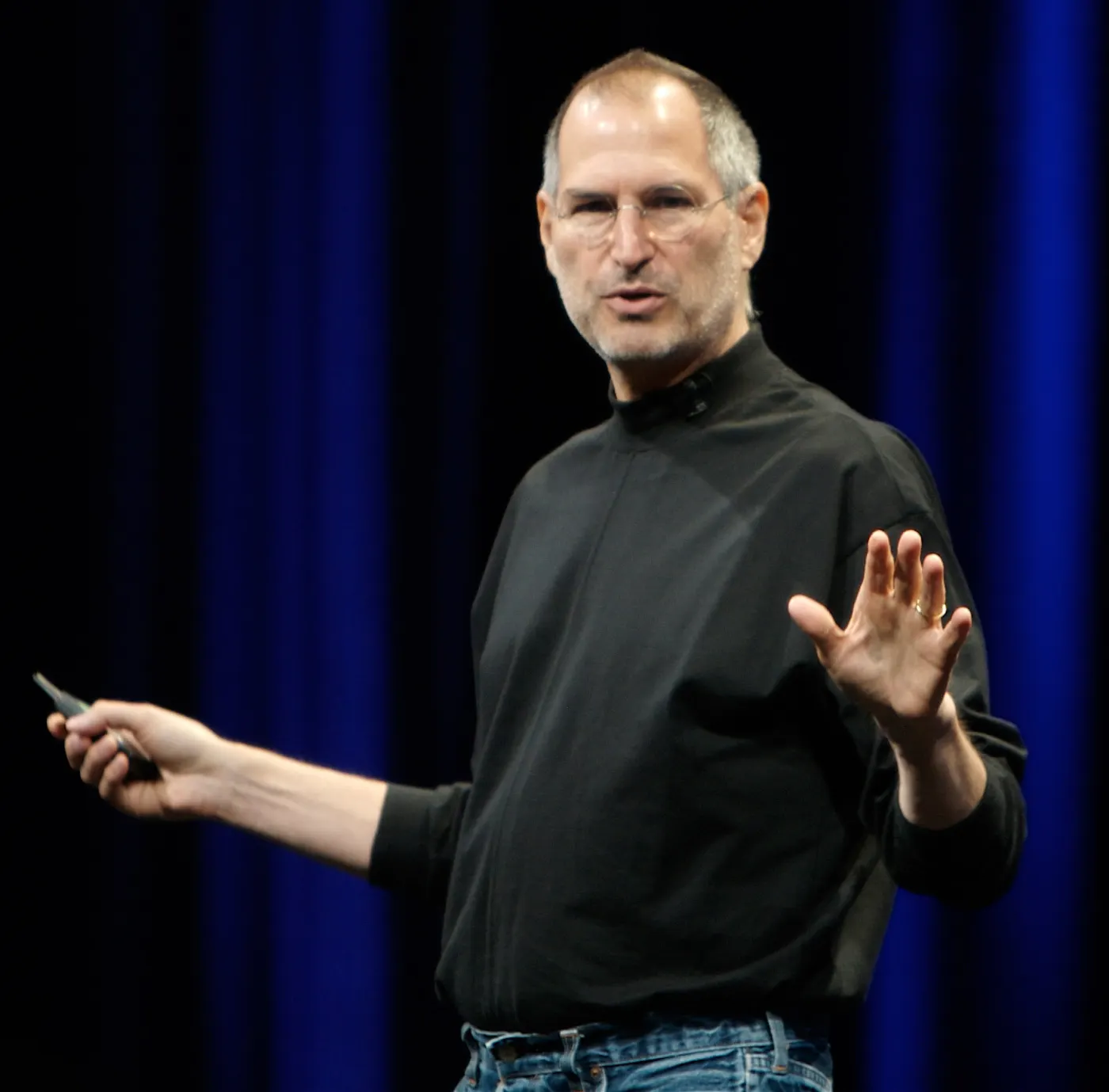
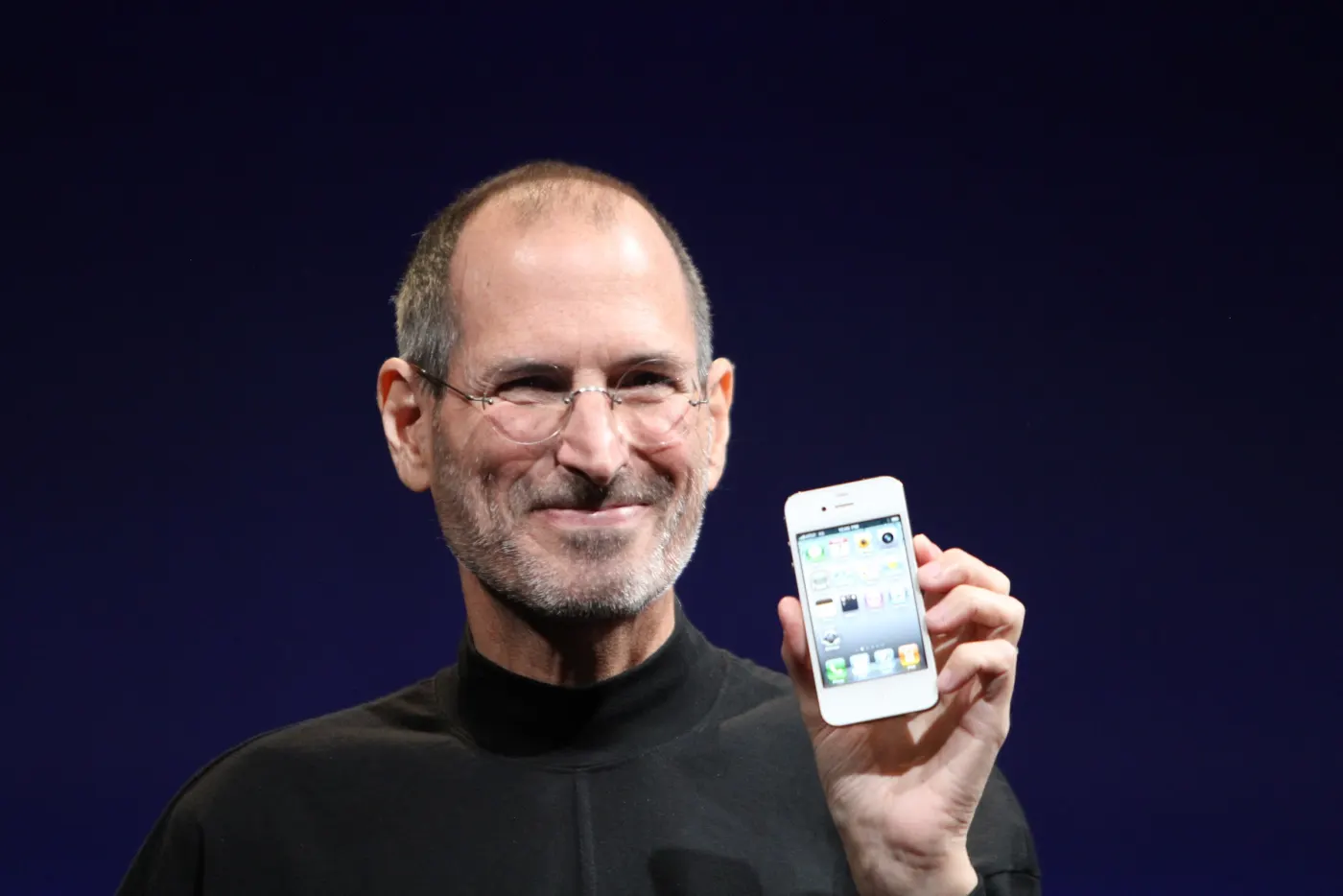
He loved music as a design constraint. A thousand songs in your pocket was not a storage spec. It was a promise you could feel on a commute. The iPhone inherited that trick: name the human job, then hide the computer.
People still argue about whether he was a genius or a thief of other people's ideas. The useful answer is that he was a ferocious editor. Editors do not invent every sentence. They decide which sentences live. The modern pocket is full of sentences he refused to kill.
Where the story sits now
Jobs is not a living founder to interview. He is a permanent character in how people talk about taste, power, and product. Students copy the turtleneck and miss the harder parts: taste forged by failure, partnerships with engineers better at circuits than sales, and a willingness to delete almost everything that is merely good so the great can ship.
Apple Park's ring of glass and trees stands as a late signature. The building cannot replace him. It does remind visitors that he thought in complete environments, not only in gadgets.
Why the story matters
His story is a loop of creation, expulsion, and return. The garage taught hustle. Macintosh taught interface as emotion. Exile taught patience and storytelling through Pixar. The return taught focus: fewer products, higher standards, end-to-end control.
He made tools that people carried in their pockets and felt proud to own. Pride is an unusual metric in computing. Jobs treated it as essential. A computer you are ashamed of will not become a habit. A computer you show a friend will.
For builders, the usable lesson is not genius worship. It is the chain: partner with complementary talent, ship before perfect, survive being fired by your own company, and come back with clearer taste. The devices changed. The hunger to make technology feel human remained the through-line from the Apple II to the iPhone.
Not every Apple product under Jobs was a hit. The failures mattered because they sharpened the hits. A founder who never ships a dud rarely ships a breakthrough either. Jobs shipped both and kept editing the story in public until the story became the products in people's pockets.
Picture Jobs in 1985 packing up after losing Apple. Picture him in 1997 walking back into a company with weeks of cash. Picture him in 2007 holding a phone that had no physical keyboard and insisting the demo must not fail. Those three scenes contain the biography: loss, return, and a bet that interface can rewrite an industry.
Stand in 1985 and the ending looks like a tantrum. Stand in 2026 and the beginning looks like destiny. Both feelings are traps. The real documentary is the middle: the calligraphy class, the PARC visit, the board fight, the NeXT cube, the Toy Story screening, the iMac colors, the click wheel, the glass slab, and a company that kept compounding after the editor left the building.
He told Stanford students to stay hungry and stay foolish. The line travels on posters. The harder instruction sat next to it: you cannot connect the dots looking forward. You have to trust that calligraphy, exile, and a garage board will someday talk to each other. Trust is not a strategy. In his life it was a survival trick.
That is the story. Not a clean myth.
A last image belongs in the film. It is not the keynote spotlight. It is a father in a garage teaching a boy that the back of the cabinet matters. Then it is a man in 1985 carrying a box out of Apple. Then it is a thin phone on a slide in 2007. Then it is a park of glass in Cupertino that he would not live to use as an office.
The images only make sense together. Remove the firing and the iPhone looks like luck. Remove the garage and the campus looks like vanity. The whole arc is the point.
A long bet that almost died in a boardroom, then remade the pocket.
Watch alongside this story
Short cuts from interviews, keynotes and launches. Each plays only the moment that matters.