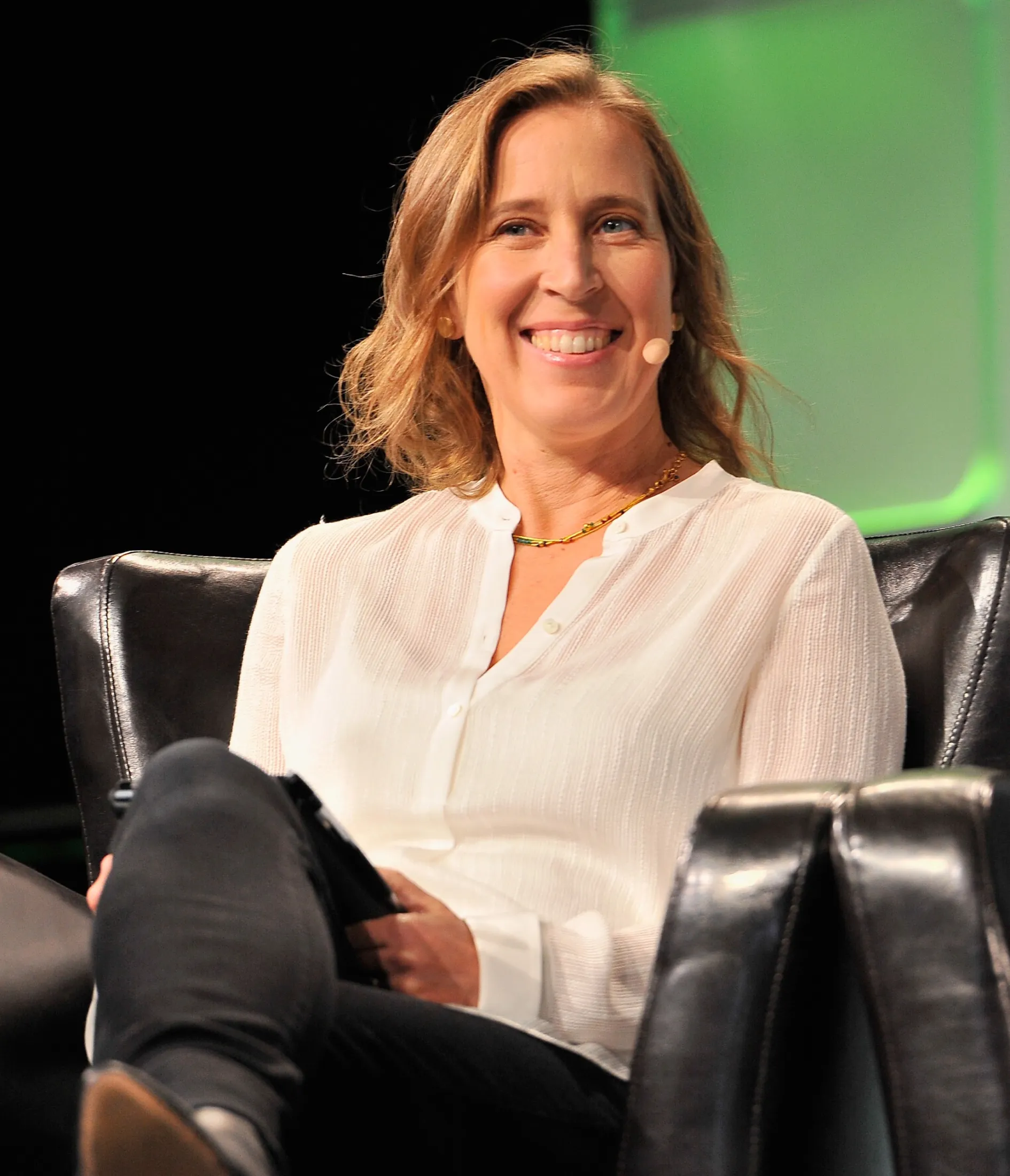
The Garage That Rented History
She rented her garage to two Stanford kids for rent money. She became Google's sixteenth hire while pregnant. She turned YouTube into a nation of creators.
On May 12, 2026, almost twenty-one months after Susan Wojcicki died, her family stood up a foundation that carried her name into the hardest problem she could not solve in time. The Troper and Wojcicki families committed one hundred fifty million dollars to find lung cancer earlier, especially in people who never smoked. Google.org pledged artificial-intelligence work on risk and detection. Melinda French Gates and Salesforce wrote early checks. Within weeks a fundraising night raised another fifteen million dollars, and research deals with Brown University and the International Agency for Research on Cancer moved from grief into lab calendars.
That is the late chapter. The early chapter is a Menlo Park mortgage, a garage door, and a pregnant marketer who quit a safe job at Intel because two graduate students with no revenue looked like the future. Between those chapters sits almost every major fight of the social internet: who gets paid, who gets heard, who gets protected, and who decides when the camera should stay on.
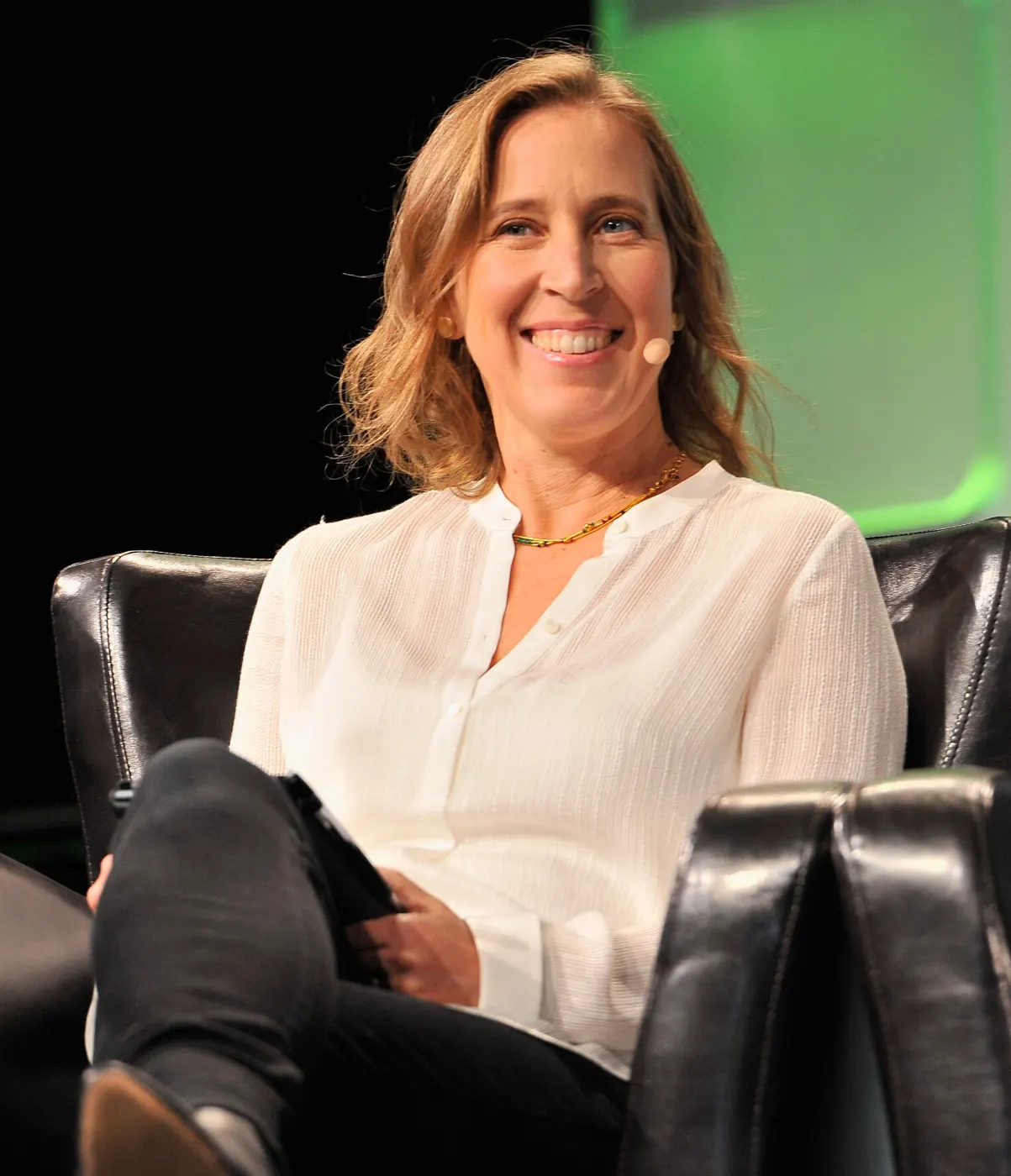
Stanford lawns, spice ropes, and three sisters
Susan Diane Wojcicki was born on July 5, 1968, in Santa Clara, California, into a house where science was dinner conversation and curiosity was not optional. Her father, Stanley Wojcicki, taught physics at Stanford. Her mother, Esther, was a journalist and teacher who later became famous for raising three daughters who each remade a field. Anne co-founded 23andMe. Janet became a scholar of anthropology and epidemiology and a pediatrics professor. Susan, the eldest, would become Google employee sixteen and, later, YouTube's long-serving chief executive.
They grew up on the Stanford campus, close enough that a neighbor could be a legendary mathematician and a friend's mother could be a professor who made careers for women look ordinary. Susan attended Gunn High School in Palo Alto and wrote for the school paper. At eleven she sold spice ropes door to door, an early proof that she liked inventing small businesses as much as she liked reading about big ones.
She got into Harvard and Stanford. Sisters later remembered her asking Janet whether, if Susan chose Stanford, Janet would stay close too. The deal did not stick. Susan chose Harvard, studied history and literature, graduated with honors in 1990, and took her first computer-science class only as a senior. That late class matters. She was not a childhood coder who mistook fluency for destiny. She was a humanities student who noticed that software was becoming the language of power and decided to learn it before the door closed.
She planned an economics doctorate and an academic life, then discovered technology would not let her go. A master's in economics from the University of California, Santa Cruz, in 1993, and an MBA from UCLA Anderson in 1998, put her into consulting at Bain and R.B. Webber, then into marketing at Intel in Santa Clara. Consulting taught her how to walk into a room, find the real constraint, and leave with a plan. Intel taught her how a mature chip company sold the future one product cycle at a time. The path looked conventional. The next door would not.
Polish history sat quietly behind the California sunshine. Her paternal grandfather, Franciszek Wojcicki, had been a Polish politician. Her grandmother Janina Wojcicka Hoskins helped build one of the largest Polish collections at the Library of Congress. Susan later held Polish citizenship through her father as well as her American passport. The immigrant memory in the family was not a slogan for a keynote. It was a reminder that institutions can vanish, and that building durable systems is a form of care.
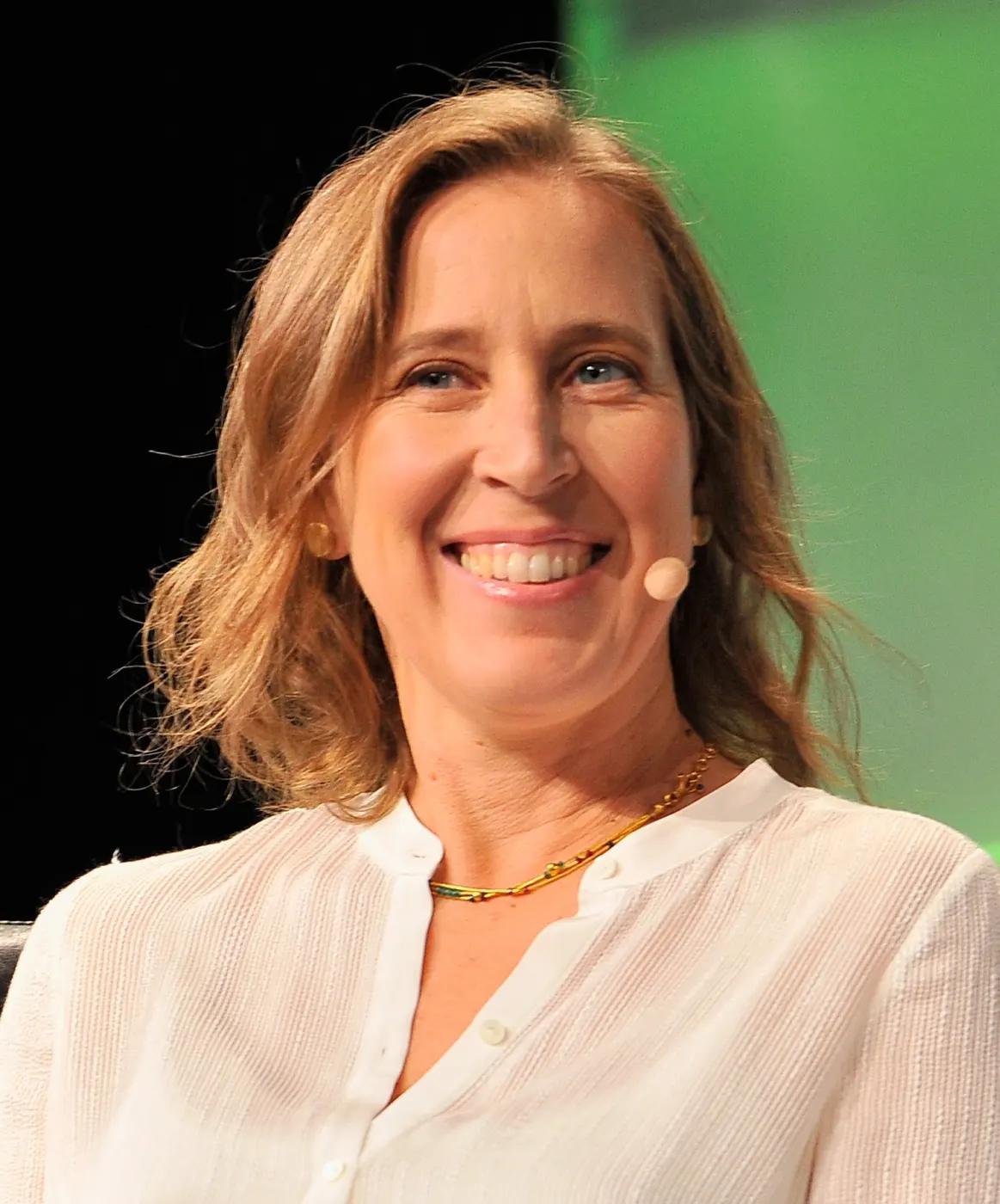
Seventeen hundred dollars and a company in the driveway
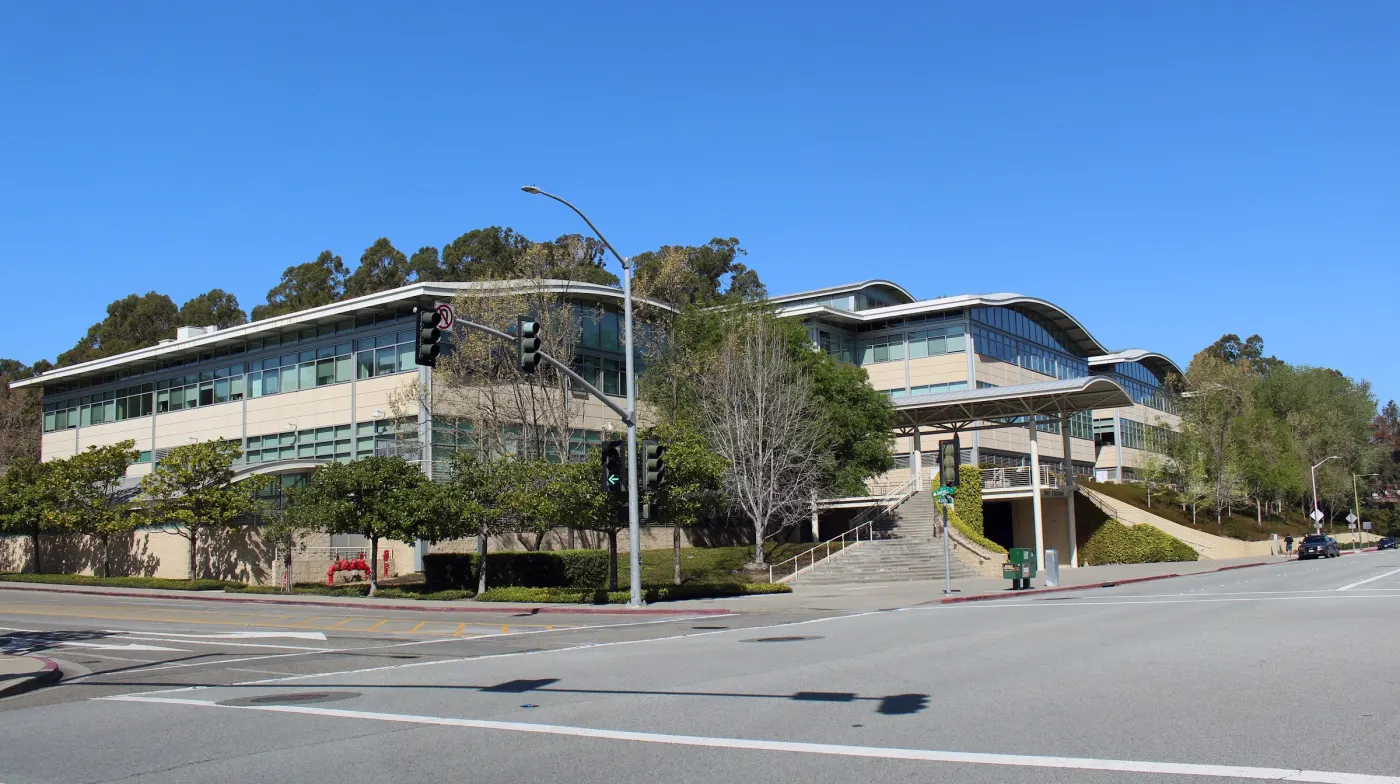
In September 1998, the same month Google incorporated, Susan was newly married to Dennis Troper and newly worried about a house payment. Through a mutual friend she met Larry Page and Sergey Brin, Stanford graduate students building a search engine that still lived mostly in slides and late nights. They needed an office. She needed rent help. The deal was simple and historic: about seventeen hundred dollars a month for her Menlo Park garage.
They moved in. Then they spilled into bedrooms. The house became a soft launch of a company that would rewrite advertising, maps, email, video, and the habit of asking the internet any question at all. Susan has said the arrangement was actually pretty fun. Fun is not the word history uses. Origin myth is closer. What matters for her story is the pattern: she saw value early, priced risk in cash she could count, and stayed close enough to watch the experiment become a machine.
In 1999 she left Intel and joined Google as its first marketing manager. Profiles call her employee sixteen. She was about four months pregnant. The startup had no revenue and no maternity policy. She later named that leap as one of the biggest risks of her life: house, mortgage, pregnancy, and a company that might vanish. Friends in safer jobs must have thought she had lost her mind. She had watched Larry and Sergey work in her own house. She had seen the product before the press release. Belief, for her, was evidence with a pulse.
She became the first Googler to take maternity leave. That personal fact became a managerial fact. When Google later stretched paid maternity leave from twelve weeks toward eighteen, the company said the rate of new mothers leaving fell by about half. Susan would keep writing and speaking about paid leave for years, including a Wall Street Journal essay in December 2014 as she prepared for a fifth maternity leave. She treated family policy as product infrastructure for talent, not as charity. In Silicon Valley, where burnout was often worn like a medal, she kept repeating a quieter thesis: if you force parents to choose between a career and a child, you will lose the people you most need to keep.
Dennis Troper, her husband, also built a Google career in product management. Two demanding calendars in one house could have become a collision. Instead it became a logistics problem they treated with the same seriousness as a product launch. She married him in Belmont on August 23, 1998, weeks before the garage experiment began. The personal and the professional never lived in separate ZIP codes for her. That fusion would later make her both beloved and scrutinized: a CEO who talked about dinner with kids while governing a platform that shaped childhoods worldwide.
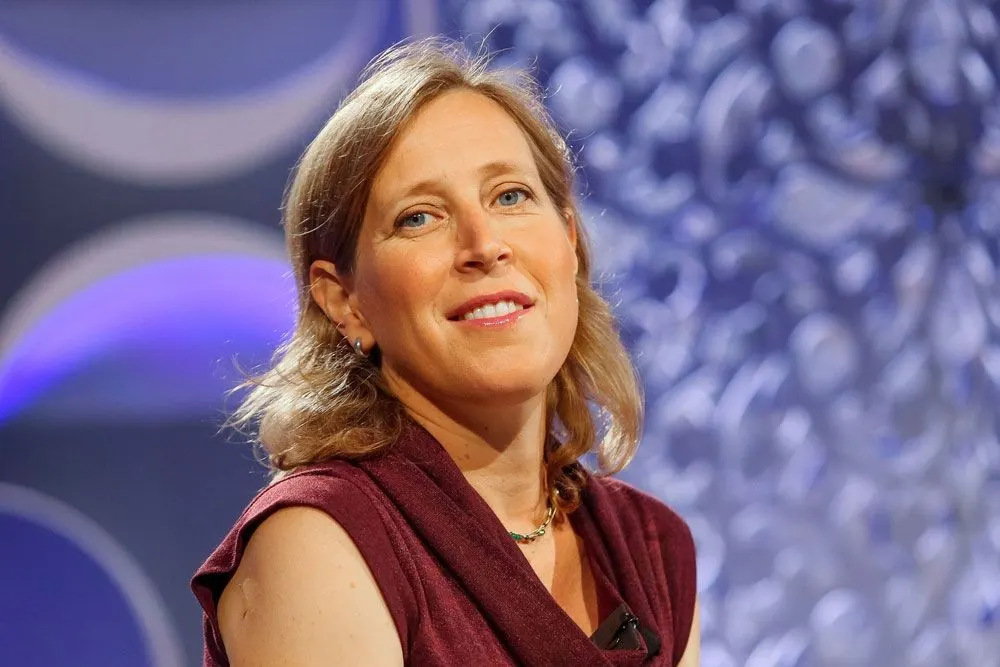
Doodles, AdSense, and the money that fed the web
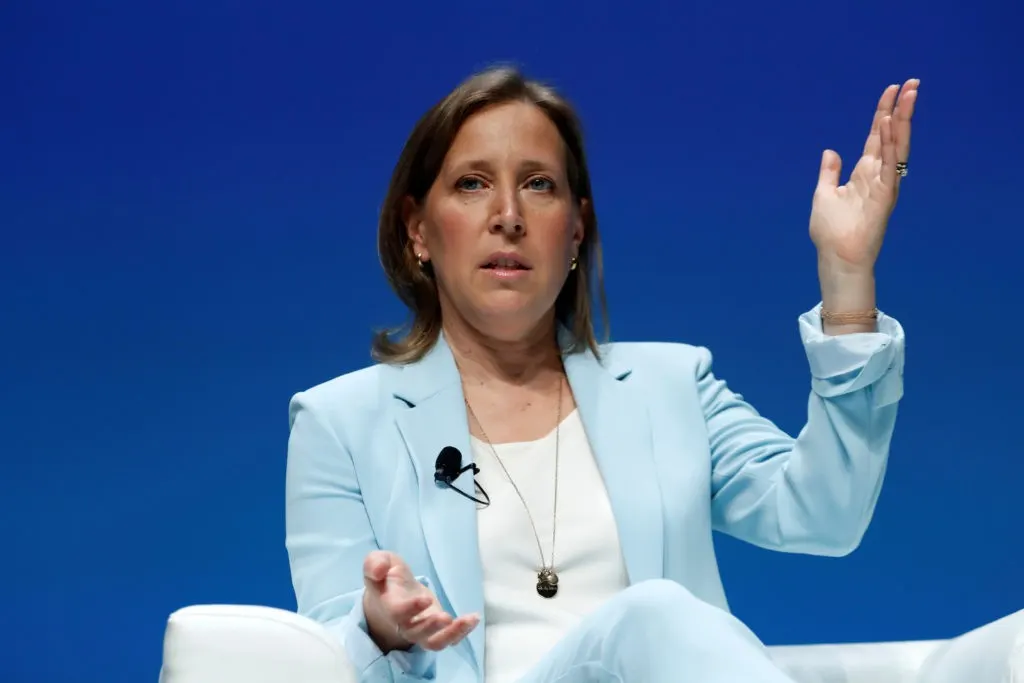
Early Google needed to be remembered. Susan helped build the viral marketing that made the brand feel playful instead of corporate. She worked with designer Ruth Kedar on the long-running Google logo language. She helped invent Google Doodles, those temporary logo artworks that turned a search box into a calendar of wonder. With engineer Huican Zhu she co-developed Google Image Search, teaching the company that pictures were inventory too.
In 2003 she became the first product manager for AdSense, the system that let websites earn money by showing Google ads next to their own content. It was not glamorous. It was oxygen. Publishers who could not afford sales teams suddenly had a revenue line. Bloggers, niche magazines, and local sites could keep the lights on without selling their souls to a single sponsor. Google Founders' Awards went to people who changed the company's trajectory; she earned one for that work. Search Engine Land and other trade press later nicknamed her among the quiet parents of that ad system. Quiet was her style. The money was loud.
She rose to senior vice president of Advertising and Commerce, with oversight that grew to include AdWords, AdSense, DoubleClick after Google's roughly 3.1 billion dollar purchase in 2007, and Google Analytics. DoubleClick brought enterprise ad-serving muscle. Analytics taught publishers what their audiences actually did. AdWords taught advertisers to bid on intent. Together those tools turned Google from a beloved search box into one of the most important cash engines in business history. If you used the free internet in the 2000s, there is a high chance her teams touched the bill that paid for the page.
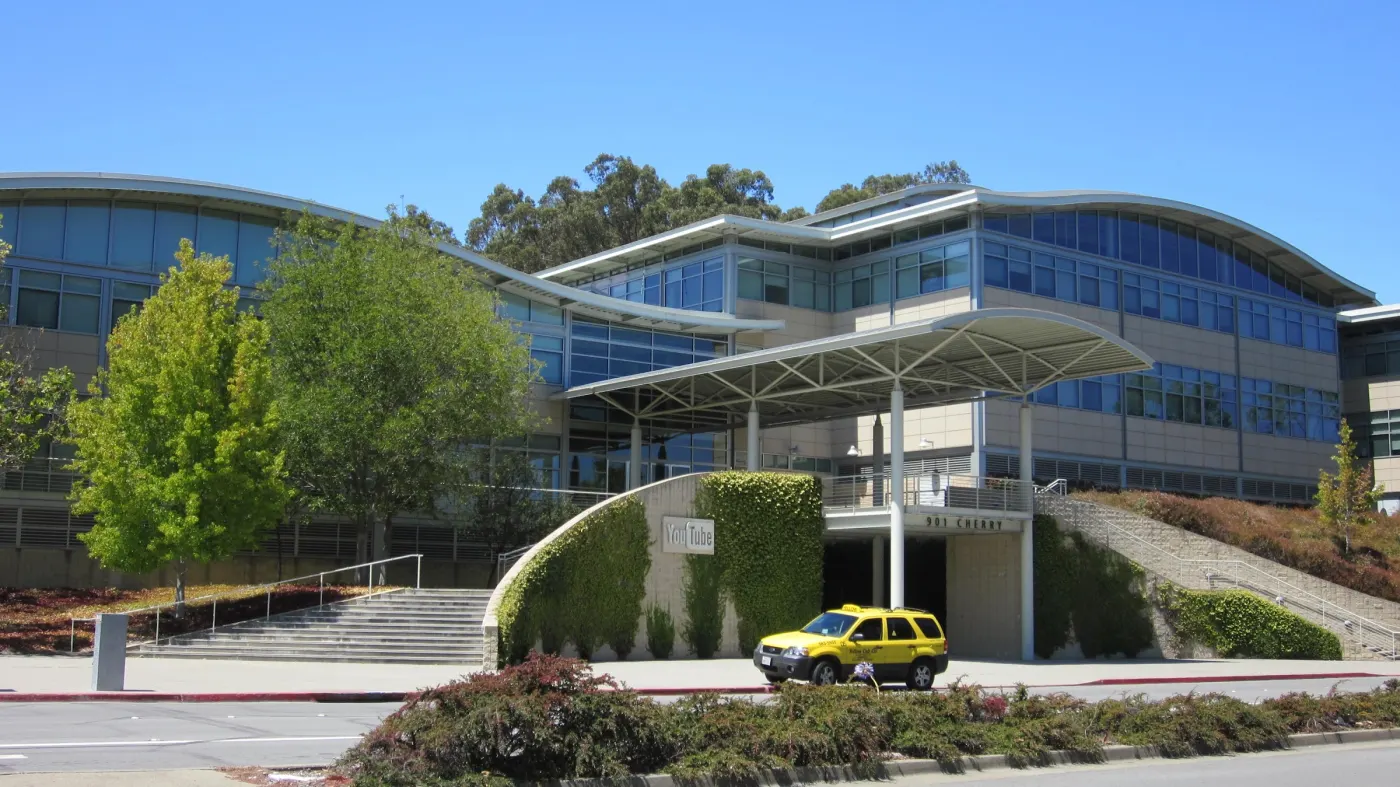
She also ran Google Video, Google's attempt to own online video from the inside. It lost to a scrappy site called YouTube. Inside a proud engineering culture, admitting that a small outsider is winning is almost a personality crisis. Susan made the colder call. She argued that Google should buy the competitor instead of pretending the competitor would fade. In 2006 the board approved a deal for about 1.65 billion dollars in stock. She managed the acquisition. Critics called the price crazy for a site full of bedroom clips, cats, and copyright fights. Lawsuits with media companies still had to be negotiated. Trust and safety was still a toddler. Two decades later the price looks like one of the bargains of the internet age. She did not only recommend the check. She stayed close enough to the product that when YouTube needed a CEO in 2014, the company chose the executive who had already bet her reputation on it.
CEO of a nation that uploads
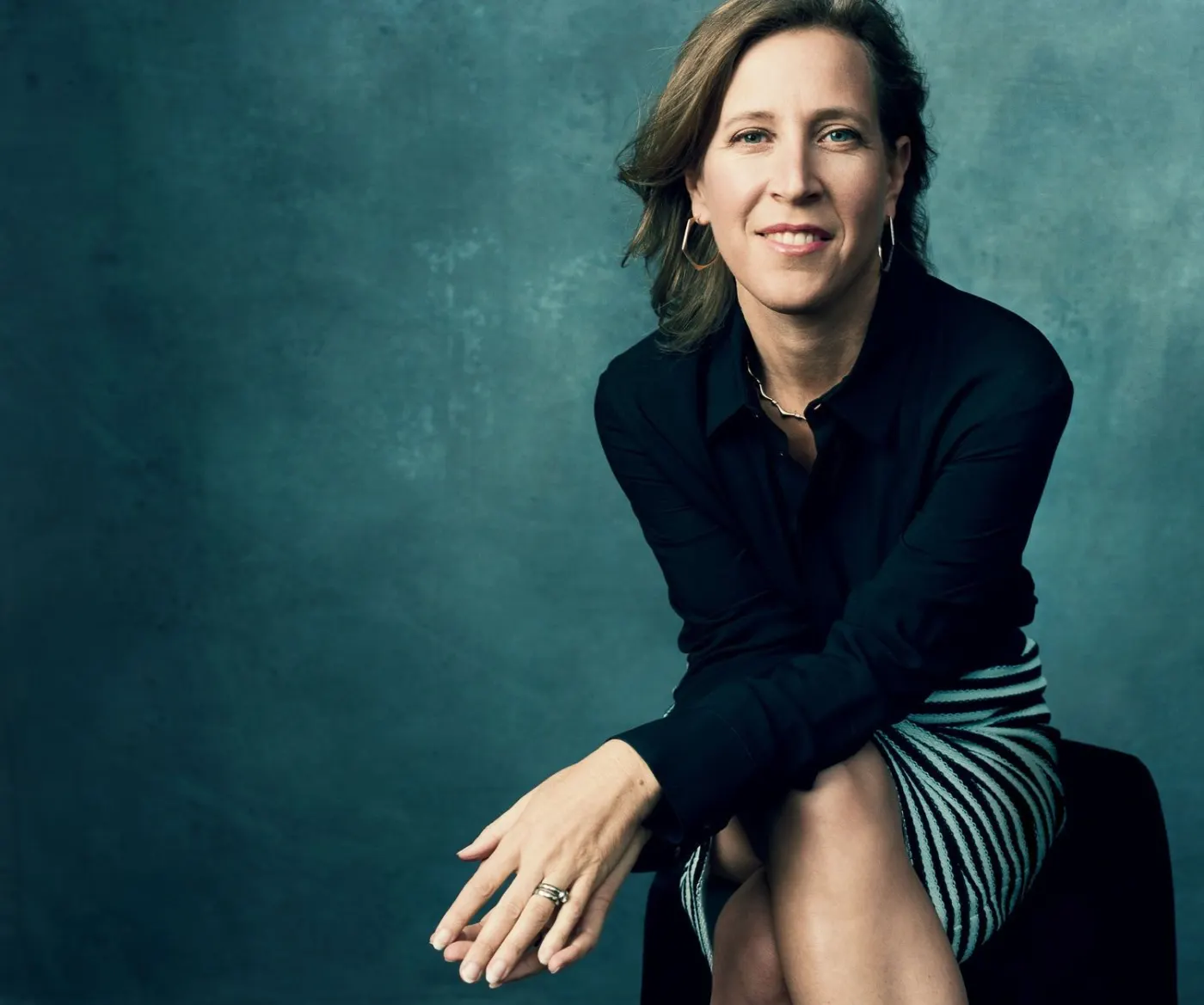
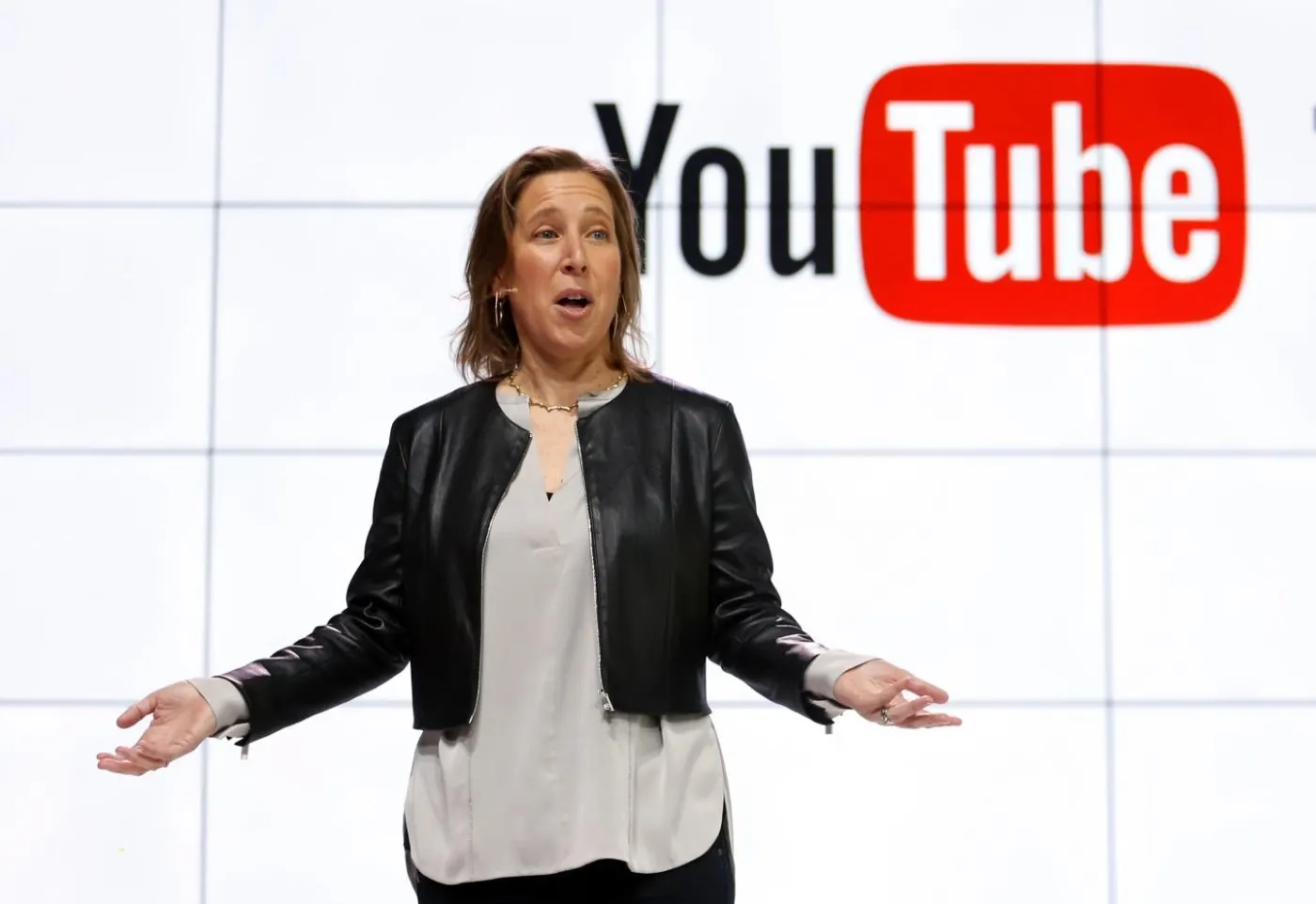
In February 2014 Susan Wojcicki became CEO of YouTube, succeeding Salar Kamangar. The job was not to invent a cute app. It was to grow a global public square that also had to pay creators, satisfy advertisers, obey laws in a hundred countries, and remain open enough that a teenager with a camera could still go viral on a Tuesday.
Under her watch the platform reached about two billion monthly logged-in users, and company figures described a billion hours of watch time a day. By 2021 YouTube said it had paid more than thirty billion dollars to creators, artists, and media companies. Localized versions spanned on the order of a hundred countries and roughly eighty languages. From her appointment through August 2017, YouTube's share of female employees rose from about twenty-four percent to nearly thirty. She pushed product lines that treated YouTube as more than one homepage: YouTube Kids for families, YouTube Gaming against Twitch, YouTube Music against the audio giants, YouTube Premium as an ad-light subscription, YouTube TV as a living-room challenger launched in 2017, and later YouTube Shorts as the answer to short-form vertical video. By February 2023 Shorts had crossed fifty billion daily views in company claims. In November 2022 the company publicized more than eighty million Music and Premium subscribers when trials were included. Gaming content alone was framed as more than a hundred billion watch hours in 2020.
She also multiplied how creators could earn: channel memberships, merchandise shelves, brand tools, Super Chat and other live gifts. The old model of a single ad break became a toolkit. That toolkit is why so many people outside traditional media built careers that look like small media companies. Teachers who could not get a TV slot found classrooms of millions. Musicians skipped label waiting rooms. Comedians tested jokes at midnight and kept the ones that lived. Small businesses that lost storefront traffic in the pandemic opened channels and found customers again. It is also why every policy change felt like a wage decision. When YouTube altered monetization rules, creators did not hear a press release. They heard a rent calculation.
Education became a personal crusade inside the product. On July 20, 2018, she announced YouTube Learning, with grants and promotion meant to lift education-focused creators, especially those carrying STEM into communities that schools often fail. Sundar Pichai later remembered her push for "edutubers" as part of what made her leadership feel larger than quarterly charts. She understood early that the same recommendation engine that could radicalize a lonely teenager could also teach a child algebra at 11 p.m. when no tutor was available. Which future won on any given night depended on design choices, enforcement, and luck. She spent years trying to tilt the machine toward the second future without pretending the first had vanished.
The year the ads walked out
Scale made YouTube rich. Scale also made YouTube a stage for hate, conspiracy, and violence that no single newsroom could edit. In 2017 major advertisers revolted after reporting showed their brands appearing near extremist videos. Money is a vote. The votes left the building. Susan's teams tightened rules on hate and violent extremism, raised the bar for who could join the partner program, and eventually required creators to hit thresholds such as one thousand subscribers and four thousand watch hours in a year before monetization. Advertisers got curated inventory. Creators felt the whiplash of demonetization. Free-speech advocates called it censorship. Brand-safety teams called it adulthood.
She told interviewers the platform had three constituents: users, creators, and advertisers. Hurt one badly enough and the other two suffer. That triangle explains decisions that look inconsistent from the outside. Logan Paul's video filmed in a Japanese forest where people had died by suicide became a global outrage. YouTube removed him from some premium opportunities and paused originals tied to him, then later suspended regular monetization after further incidents, while arguing he had not tripped the three-strike ban path in the way some demanded. Critics heard favoritism for big creators. Management heard process. Both critiques lived in the same headquarters.
In 2019 she sat for hard Code Conference questions about hate speech, harassment cases, and whether years of chasing watch time had been a mistake. She said the company ran many metrics, not one, and that policy work had to be consistent or the site would drown in exceptions. YouTube added caste as a protected category because India had become too important to ignore. The same year Lesley Stahl's 60 Minutes profile framed her as the executive trying to grow creativity while cutting down on poison. She said YouTube had removed millions of videos in a single quarter under policy enforcement, and that algorithmic changes had cut time spent on certain borderline recommendations in the United States by large percentages. Numbers like those are always argued by outsiders. The argument itself became her job description.
She also fought regulatory designs she believed would shrink the open upload culture. In 2018 she warned that Europe's Copyright Directive Article 13, as drafted, would make platforms directly liable in ways that could force heavy filtering and hurt creators' ability to share. Lawmakers heard a rich company defending itself. Creators heard a threat to remix culture and fair use habits they lived on. Whether one agrees with her policy stance, the pattern is clear: she wanted YouTube to remain a place where ordinary people could publish without a studio gate.
The same years brought endless fights about Section 230 of the United States communications law, the shield that lets platforms host user speech without being treated as the speaker of every upload. On 60 Minutes she argued that if YouTube were held liable for every recommended clip, the company would have to review almost everything in advance, and the resulting library would be far smaller. Civil-society critics answered that size without responsibility is not a virtue. She lived in that argument daily. There was no neat exit. There was only triage, appeals, and the knowledge that tomorrow's scandal was already being filmed on a phone somewhere.
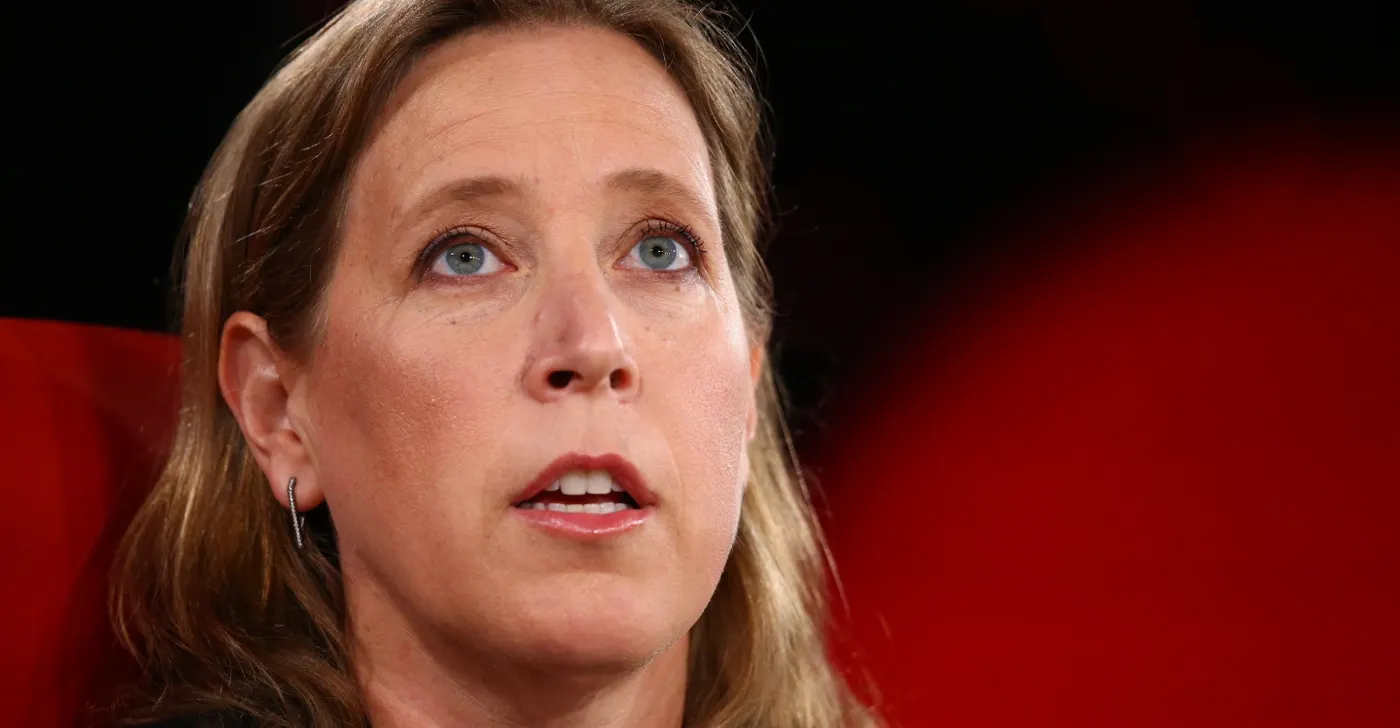
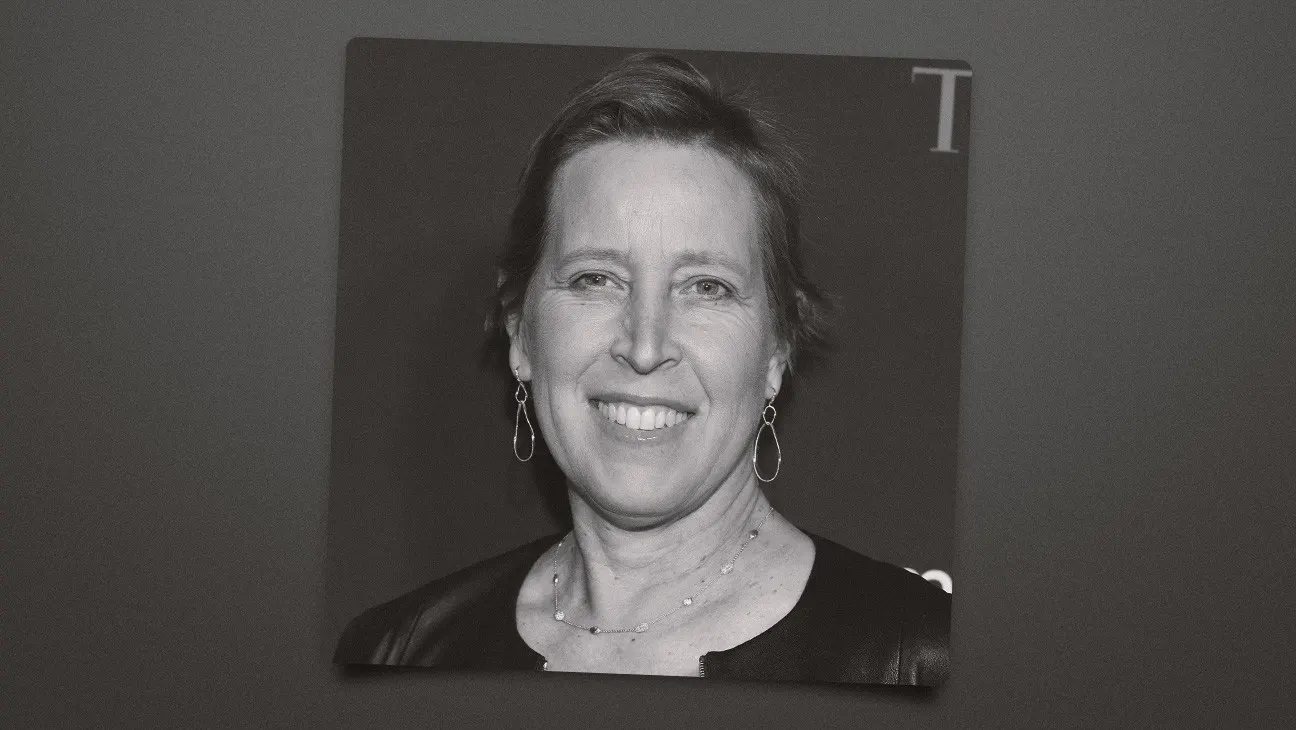
How she worked when the feed never slept
Powerful people often mythologize their schedules. Susan's public version was stubbornly domestic. In a long conversation with Jay Shetty she described waking as late as she could while still getting children to school, exercising every morning because without it she became grumpy, working hard to set teams up, then going home for dinner. She said she was open about those hours so others could leave too. Variety reporting from her early CEO years echoed the same discipline: home in a window that protected family dinner. Google people leaders credited her example with helping retain executives who refused to pretend they had no children.
She raised five kids with Dennis, who also worked at Google in product roles. She used her platform to push coding education for girls, to argue against gender discrimination in tech, and to write about Syrian refugees as people fleeing terror rather than creating it. She joined Salesforce's board in December 2014 and served Room to Read and UCLA Anderson. TIME put her on the 100 list in 2015 and later called her the most powerful woman on the internet. Vanity Fair's New Establishment list ranked her first in 2019. Forbes and Fortune power lists followed. The trophies mattered less than the operating truth underneath them: she was one of the few women running a consumer platform at planetary scale, and she insisted the job include parental leave, not only quarterly growth.
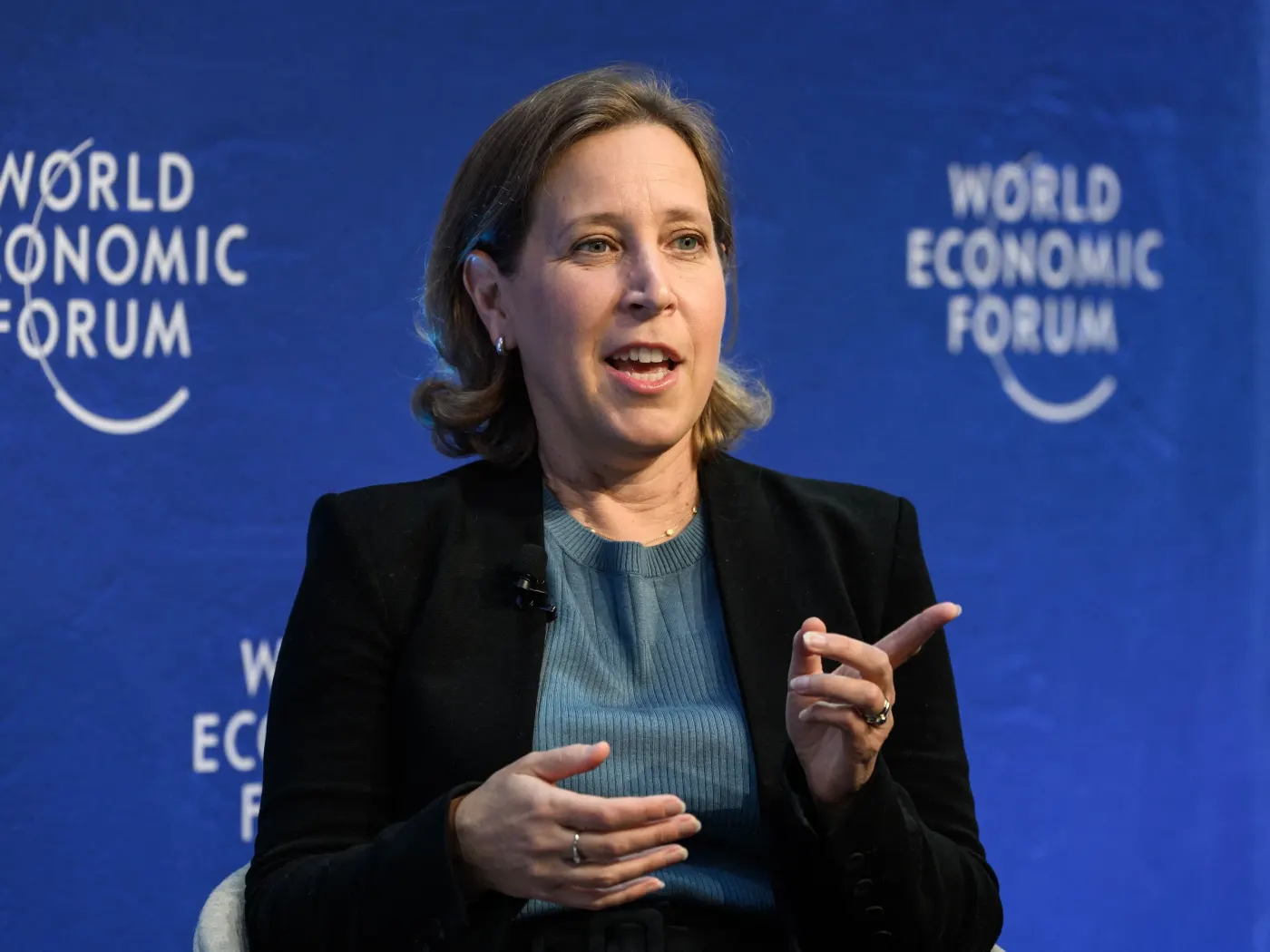
At Davos in 2022 she talked about Shorts, shopping, and streaming as a three-part focus, and about creators who rebuilt livelihoods after restaurants failed in the pandemic. She described families who turned closed dining rooms into channels and found a second economy in teaching recipes to strangers. She spoke about authoritative information when users searched frightening medical terms, comparing YouTube's duty to Google's habit of surfacing recognizable medical sources instead of the newest anonymous page. The war in Ukraine entered the conversation as a test of how a global platform handles conflict, language, and humanitarian uploads.
Even then, cancer was already in her body. The public did not know. She kept traveling, speaking, and managing a company that never sleeps, while private medicine appointments began to rewrite her calendar. That gap between public vitality and private diagnosis is part of why her later letter hit so hard. People who had watched her on stages assumed endless runway. She was already negotiating for months.
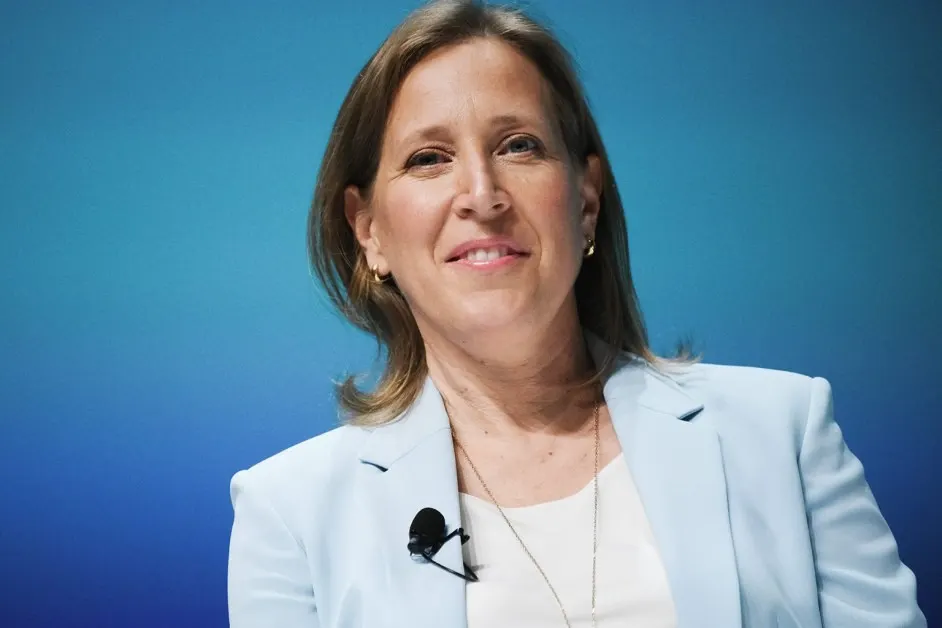

Stepping down before the whole truth was public
On February 16, 2023, Susan published a personal update: she would leave the CEO seat to focus on family, health, and personal projects, while advising across Google and Alphabet. Neal Mohan, a longtime lieutenant, took the chair. The letter was graceful and incomplete by design. Only later did her own writing fill the blank. At the end of 2022 she had been diagnosed with lung cancer. She wrote that she had almost no symptoms and was still running a few miles a day. She had never smoked. The diagnosis shocked her.
Modern medicine let her live something close to a normal life for a stretch. She kept board work at Salesforce, Planet Labs, and Waymo, and nonprofit seats including Room to Read and the Environmental Defense Fund. Most of her energy moved to cancer research. She and Dennis had already funded sequencing and data-science bets before the diagnosis. Afterward they gave millions more toward early detection, immunotherapy ideas, genotyped patient communities, and basic science. She wanted lung cancer treated with the urgency of diseases that enjoy better branding.
Personal tragedy compounded the medical one. In February 2024 her son Marco Troper, a nineteen-year-old student at the University of California, Berkeley, died. Local reporting later described acute drug toxicity. The family grieved in public enough for the record, and private beyond what any biography should invent. Susan's life in those months was a stack of losses no executive playbook covers.
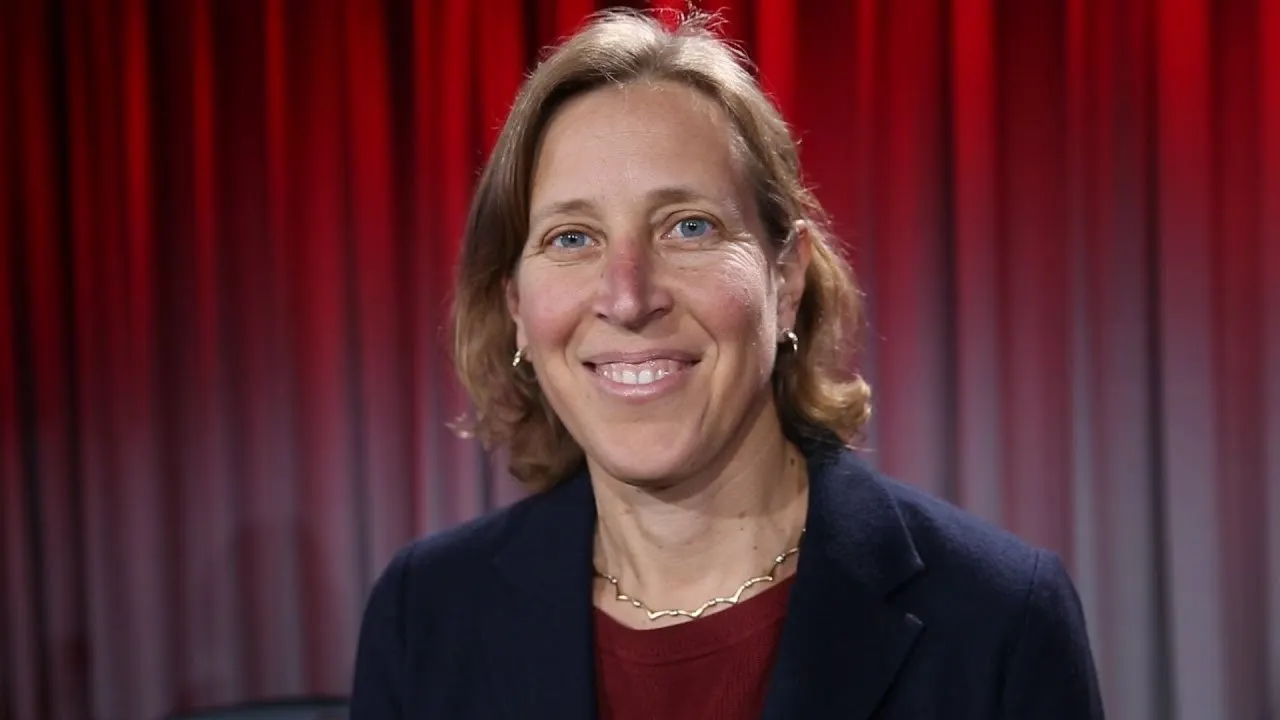
August 9, 2024
Susan Wojcicki died on August 9, 2024, in California, at fifty-six, after roughly two years with non-small-cell lung cancer. Dennis confirmed the news. Neal Mohan wrote that YouTube had lost a teammate, mentor, and friend. Sundar Pichai told Googlers he still remembered her taking a nervous interview candidate out for ice cream and a campus walk twenty years earlier, a kindness that sold him on Google and on her. Marc Benioff praised her grace and counsel on the Salesforce board. Creators who had never met her posted anyway, because her product decisions had paid their rent.
Three months later, on November 25, 2024, during Lung Cancer Awareness Month, YouTube published a post she had written in her final weeks. Neal introduced it. Susan described the shock of the diagnosis, the decision to resign, the shift into research, and the grim statistics she wanted the public to learn: lung cancer as a leading killer of women, and a large share of never-smoker cases falling on women. She wrote that she had been able to live an almost normal life for a stretch thanks to modern medicine, and that most of her time after stepping down went to research rather than nostalgia. Her stated goals were simple and unfinished: enjoy the present as much as possible, and fight for better understanding and cures. The letter is not a victory speech. It is a builder's last sprint note, filed from the edge of time.
Sisters speaking after her death returned again and again to kindness and calm. Anne and Janet described an eldest sibling who competed less like a rival and more like a protector, someone who tried to keep the three of them close even when elite schools pulled them apart. They talked about her pride in creators, not only in corporate metrics. That witness matters because obituaries can flatten executives into deal lists. The people who shared a childhood remembered a temperament: steady under noise, generous with attention, allergic to needless cruelty.
Legacy through 2026: the foundation that kept her calendar
By May 2026 the family had turned urgency into an institution. The Susan Wojcicki Foundation launched in Los Altos with a board and team that included Dennis, Anne, and Janet, scientific advisers, patient voices, and plans for a creator advisory council that could carry public-health messages the way Susan once carried creator tools. Executive director Dr. Nadia Litterman framed the crisis in plain language: too many people learn they have lung cancer when cure odds are already thin.
First-year programs pointed at gaps Susan had named. Brown University and Brown University Health Cancer Institute partnered on a multi-site biorepository enriched for early-stage and screening-ineligible patients. IARC began work toward a blood-based test aimed at never-smokers at high risk. The foundation linked into the Lung Cancer Genetics Study with more than twenty advocacy groups. It said it would work alongside Stand Up To Cancer, the Lung Cancer Research Foundation, and others rather than pretending one brand could own the science. YouTube and YouTube Health conversations about awareness sat naturally beside a founder who had spent nine years teaching the platform to teach.
On May 28, 2026, an Evening of Impact packed technologists, researchers, philanthropists, creators, and families into one room and raised about fifteen million dollars. Rachel Platten sang, including the anthem that fits a medical fight better than a product keynote. TIME and Good Morning America carried the launch story to national audiences. A June update from the foundation called the first month extraordinary momentum and pointed ahead to creator-led awareness work timed to Lung Cancer Awareness Month. The family has said they looked at models like the Michael J. Fox Foundation and Susan G. Komen, not to copy logos, but to learn how a personal loss can reorganize a field's attention. Whether that momentum becomes screening guideline changes years from now is the open question every medical philanthropy faces. What is already measurable is simpler: her name now funds the detection science she ran out of calendar to finish.
World impact is easier to see in the product she left than in any single check. Google's advertising stack still pays large parts of the open web with systems she midwifed. Without that money, many independent sites would have died or locked themselves behind narrower patronage. YouTube remains the default video classroom, comedy club, music locker, protest archive, and political argument space for billions of people. Governments study it. Schools ban and unban it. Artists measure careers in subscriber curves she helped make bankable. Shorts, Premium, TV, Kids, and creator monetization tools she championed are now furniture. New executives will rename roadmaps. The habit of learning from a stranger's upload will outlast the org chart.
Parental leave norms she fought for inside Google became a Silicon Valley talking point other companies had to answer. Young women in product and engineering still cite her as proof that a visible pregnancy need not end a leadership arc. Young men who watched her leave for dinner learned that presence at home can be modeled from the top. None of that erased the harder truths of content moderation, advertiser panic, or the way algorithmic amplification can harm. She never claimed the platform was pure. She claimed it was worth governing in public, with creators in the room, even when the room was on fire.
The garage rent check of 1998 is a museum plaque. The harder plaque is cultural: she proved a mother of five could run one of the most scrutinized platforms on earth without pretending the children were a secret. Forbes once estimated her fortune near three quarters of a billion dollars. The more lasting account balance is harder to audit: the teachers paid, the parental leave copied, the short videos that teach a skill, and the foundation checks that now chase a disease that does not care how many users you have.
Closing
Susan Wojcicki's life has a clean ending date and an unfinished mission. She rented a garage, joined a company with no revenue while pregnant, built the ads that funded a generation of free software, bought the video site that beat her own product, and then spent nine years trying to keep that site both open and livable. She stepped down to fight cancer and to love her family harder. She died at fifty-six. By 2026 her family, her former company, and a network of scientists were still scaling the work she started when the diagnosis stole her future. The feed keeps scrolling. The foundation keeps raising. The girl who sold spice ropes and the executive who guarded dinner time are the same person, and the record is complete enough to say so with respect.