
Here in My Garage: The Tai Lopez Story
He slept on his mother's couch with $47 in the bank. He walked into a stranger's office and offered to work for free. Ten years later, the whole internet knew his garage.
The little boy sat on the couch and stared out the window. It was his birthday. His father had promised to drive down from Long Beach and take him to dinner at five o'clock. His mother had a night shift job, so she kissed him goodbye and left him alone to wait. Five o'clock came. Then five thirty. Then six. The family had a landline phone, and the boy kept waiting for it to ring. Seven. Eight. He was sad, but he was a child, so he still had hope. His dad was just late. That was all.
His mother came home at midnight. She found her son asleep on the couch, still facing the window. His father never came.
Tai Lopez tells that story as one of the most painful memories of his life. He tells it on stage, in interviews, and in videos watched by millions. He uses it to explain everything that came after: the hunger, the restless travel, the books, the mentors, the cars, the famous garage. His life, he says, is like a puzzle that was handed to him with a piece missing. The missing piece was a father. He spent the next forty years trying to find other pieces to fill the hole.

Those pieces would take him to an Amish farm in Pennsylvania, a leper colony in India, a closet office with no windows in North Carolina, and a house in the Hollywood Hills. They would turn him into one of the first true stars of YouTube advertising, a man whose face popped up before so many videos that people joked he was the reason ad blockers exist. They would make him a partner in buying some of the most famous names in American shopping, including Pier 1 Imports, Dressbarn, Modell's Sporting Goods, and RadioShack.
And in September 2025, they would land him in a federal courtroom file. The U.S. Securities and Exchange Commission accused him and two others of running what it called a Ponzi-like scheme through their retail company. Those are allegations, not findings. As of late September 2026, no court has ruled on them, and a proposed settlement is waiting for approval.
This is the story of how a boy waiting by the window became Tai Lopez, and how the good life he sold to millions of people turned into one of the most debated business stories of the internet age.
A crib, a raid, and a missing father
Taino Adrian Lopez was born on April 11, 1977, in Southern California. Most records name Fullerton as his birthplace. He grew up mainly in Long Beach and later in San Diego, before moving with his mother to North Carolina as a teenager.
His very first memory, he says, is lying in a crib while two adults screamed at each other. Then his mother came to the crib, crying, and told him it was okay. His earliest memory as a human, he likes to say, is instability.
His father was a professional bodybuilder, a big, strong man. He was also in serious trouble with the law. Tai's mother later told him what happened while she was pregnant with him. Federal agents kicked down the door with guns drawn, put guns in her face, and took his father away. He was sent to the federal prison on Terminal Island, just off Long Beach. Reports have said he was arrested for distributing cocaine. When Tai was born, his father was behind bars.
As a boy, Tai hid the truth. When other kids asked where his dad was, he said his dad was busy. The real answer, he says now, was that his father did not care very much about his children. The broken birthday promise only confirmed what he already feared.
His mother raised him mostly on her own. She worked night shifts. She was married and divorced more than once, and the house often had conflict. Money was always short. Nobody in his family, Tai says, had ever really made money. He believes poverty is passed down like an inheritance, and that where you are born is one of the strongest clues to where you will end up. Breaking that pattern would become his obsession.
There were bright spots. When his mother remarried later, his stepfather became a software engineer who loved computers. The family had an early KayPro computer, and a friend had a Commodore 64. Tai remembers the Tandy computers sold at RadioShack, the electronics chain that seemed to be on every corner. As a teenager in Raleigh, North Carolina, he would beg his mother for rides to the RadioShack in Crabtree Valley Mall. He admits the real reason was that the mall was where all the cute girls went. Decades later, he would own a piece of that same company.
The grandmother from Berlin
One of the strongest influences in his life was his grandmother. She was born in 1918 in Berlin, just after World War I, when German money became almost worthless.
She also told him a story that explains how his family ended up in California. When she was about seven, the family rented a room to a woman named Edith Knox, a piano player from California. Edith Knox wore pants, which shocked the little girl, because in Germany in the 1920s women did not wear pants. She wore an orange jumpsuit. She played the piano, and every hour she stood on her head for exercise. The girl decided that if that was what women were like in California, she would move there someday. She did.
Tai loved that story because it showed how one person, met for just one summer, could change the path of a whole family. It became the seed of an idea he would later sell to millions: find the right people, and your life can change direction.
A letter to grandfather
At sixteen, Tai felt lost. He had to decide which college to attend, what to believe, who to marry, where to live, and what career to chase. It all felt too hard. So he came up with what he thought was a genius shortcut. He would find one person who had all the answers.
The smartest person he knew was his grandfather, a scientist with a library of about twenty thousand books. Tai wrote him a letter asking him to help design his life. A few days later, a reply came. Sorry, Tai, his grandfather wrote. The modern world is too complicated. You will never find all the answers from just one person. If you are lucky, a handful of people along the way will point the way.
Tai was crushed. So much for the shortcut. But a week later, a package arrived. Inside were old, dusty books: all eleven volumes of The Story of Civilization by Will and Ariel Durant, each about a thousand pages long. At first it seemed like too much. Later he understood the hint. You do not find the truth only by looking inward, his grandfather seemed to be saying. You find it by looking outward, by learning from the smartest people who came before you.
Tai started writing notes on index cards. He called them mental shortcuts. It was the beginning of a reading habit that would one day become his whole brand. He decided that the good life, as the Greek thinker Aristotle described it, came down to four things. He called them health, wealth, love, and happiness. He would repeat those four words for the rest of his career.
Barefoot boys and apple mash
Tai briefly enrolled at North Carolina State University. According to published accounts, he lasted about one semester before dropping out. Instead of a classroom, he chose adventure.
He had picked up a book called Amish Society by the scholar John Hostetler, and it fascinated him. These people, he thought, had something almost no one else in America had. So he wrote a letter to an Amish farmer and asked if he could visit. The farmer said yes. Tai got on a bus to Lancaster County, Pennsylvania, and rode to a small town called Bird-in-Hand. He got off and walked to the farm.
He says it felt like stepping into a time machine back to the 1800s. In the barn, the farmer and his two barefoot sons were shoveling apple mash, the pulpy leftovers from making juice, to feed their cows. There was no electricity. There were horses and buggies. Everyone worked.
Tai would spend about two and a half years living and working among the Amish. He says they were some of the happiest people he ever met. What struck him most was their attitude toward work. In Amish families, he noticed, work was not a punishment. It was an honor. He remembers a little boy who was punished by not being allowed to go work in the fields, and the boy was heartbroken. The greatest compliment you could give a young Amish man, Tai says, was to call him a hard worker. A father looking over his daughter's suitor wanted to know one thing first. Did the young man work?
Tai also says the Amish changed his personality. He jokes that on a test for self-centeredness, he scores somewhere in the middle. Without the Amish, he believes, he would have scored far higher, and his life would have been much worse.
Five in the morning at Polyface
Right out of high school, at around eighteen or nineteen, Tai also found his first great mentor, Joel Salatin. Salatin ran Polyface Farm in Virginia and was becoming famous as a pioneer of grass-fed beef and sustainable farming. Tai lived with Salatin for about two years.
Salatin woke early and wrote out his plans for the day at breakfast, around six in the morning. He treated each day like a duty. Hard or easy, he plowed through it. Tai watched and copied. Years later he would describe Salatin as a man who was not ruled by his own moods.
Then came Tai's first business deal. A neighbor named Duff Brown had a farm and offered to rent it to Salatin for free. He just wanted grass-fed cattle grazing on his land. Salatin said no. He did not have anyone to run it.
That night at dinner, Tai spoke up. I will do it, he said. Salatin pointed out that Tai already worked for him from five in the morning until six at night. Tai said he would keep doing that, seven days a week. Then he would drive forty-five minutes to the other farm, put on a helmet with a flashlight, and take care of the cows in the dark.
Salatin, a man who had bootstrapped his own farm from almost nothing, saw something in the teenager. He agreed to put up the money while Tai put in the work. For nine months, Tai kept that brutal schedule. When the cattle were sold, the deal made a profit. Tai's share, he says, was about twelve thousand dollars. He once thought it was fifteen thousand, until Salatin corrected him years later over a Thanksgiving visit.
Tai learned a lesson from that deal that he would repeat for decades. If you want someone to mentor you, remind them of themselves when they were your age. People love to help someone who reminds them of who they used to be.
Fifty-one countries and an empty bank account
Tai took that twelve thousand dollars and spent it traveling. He says he visited fifty-one countries. He sheared sheep in New Zealand. In Tasmania, he tracked down Bill Mollison, a founder of the permaculture farming movement. He worked in a leper colony in India. He studied farming and soil everywhere he went. He read constantly and tried to meet the authors and experts behind the books.
Another mentor from those years was Allan Nation, a writer and editor who championed grass farming. Nation gave Tai advice he later wished he had followed more closely. Don't try to become a millionaire in your twenties, Nation told him. Spend those years building the right habits and thinking. The money will come later.
But Tai had made one big mistake. In his search for health and happiness, he forgot about wealth. His money ran out. He says he ran dry in New Zealand.
So he did the thing no young man wants to do. He called his mother. Mom, he said, I know I'm an adult, but I don't have any money. Can I stay with you until I get back on my feet? She said yes. She was living in a mobile home near Clayton, North Carolina. She did not have a spare room. He could sleep on the couch.
Forty-seven dollars on a couch
Tai remembers lying on that couch at night. He had no college degree. He had no job, no resume, and nothing to put on one. His most practical skill, he joked later, was milking a cow. He had forty-seven dollars in the bank. He did own a car, but the floor had rusted through with holes, so he was afraid to drive it. All his friends had gone to college. Their parents had more money. He lay there and asked himself one question. Is this it?
He went to sleep depressed. The next day, his mother handed him a book by the self-help speaker Tony Robbins. Tai did not want to read a self-help book. He read it anyway. He barely remembers most of it, but one idea stuck. When you succeed, you party. When you fail, you ponder. All greatness starts with pondering your failures.
That, he realized, was exactly what he had been doing on the couch. Maybe he had made mistakes. Maybe he needed to listen to different people. Maybe he had been stubborn. He thought of the old saying that insanity is doing the same thing over and over and expecting a different result.
He remembered his grandfather's letter. Look outward. His uncle told him that what he needed was someone who could show him how to make money. Tai had no gas money, so he walked to the kitchen and pulled out the Yellow Pages, the thick phone book every home had in those days. He flipped to the finance section. There was a full-page ad for a local financial services firm run by a man named Mike Stainback.
Tai figured that anyone who could pay for a full-page ad must know something about money. He dug an old suit out of a closet. It was not his, and it was too big. He got someone to drive him to the office. A secretary opened the door, and he walked back to meet the boss.
The man was sitting sideways in a big recliner. He had a thick mustache and looked, Tai says, like the actor Tom Selleck. Tai decided to be completely honest. You don't know who I am, he said. But I know you must be successful, because you have a full-page ad in the Yellow Pages, and I know that costs a lot. If you teach me what you know about making money, I'll work for you for free.
The man slowly turned his chair around. I've been looking for someone like you for twenty years, he said. Come back in the morning, and I'll set you up with your own office. And if you listen to me, one day you'll hug my neck.
The closet with no windows
The office turned out to be a cleaned-out closet with no windows, stuffed with filing cabinets. His new boss dropped a stack of papers on the desk and said: cold call these people. You'll get a percentage of whatever you make. No guarantees.
Tai was terrible at first. He called people at six in the evening while they were eating dinner. They cursed at him and hung up. He wondered if he had just traded one nightmare for another.
But he got curious. He started writing down different things to say and testing which ones worked. In his first month, he says, he opened a deal that would pay about $150,000 in commissions if it went through. He remembers thinking that life can change fast. Within nine months, by his own account, he went from zero dollars to earning about one hundred thousand dollars a year.
He attacked the finance world like a man possessed. He became a Certified Financial Planner. According to later profiles, he worked in the financial services division of General Electric. On the side, he ran nightclubs in North Carolina and started small internet businesses, including a life insurance website and a dating site called Elite Global Dating, pitched as a place for millionaires to meet attractive partners.
The Law of 33 Percent
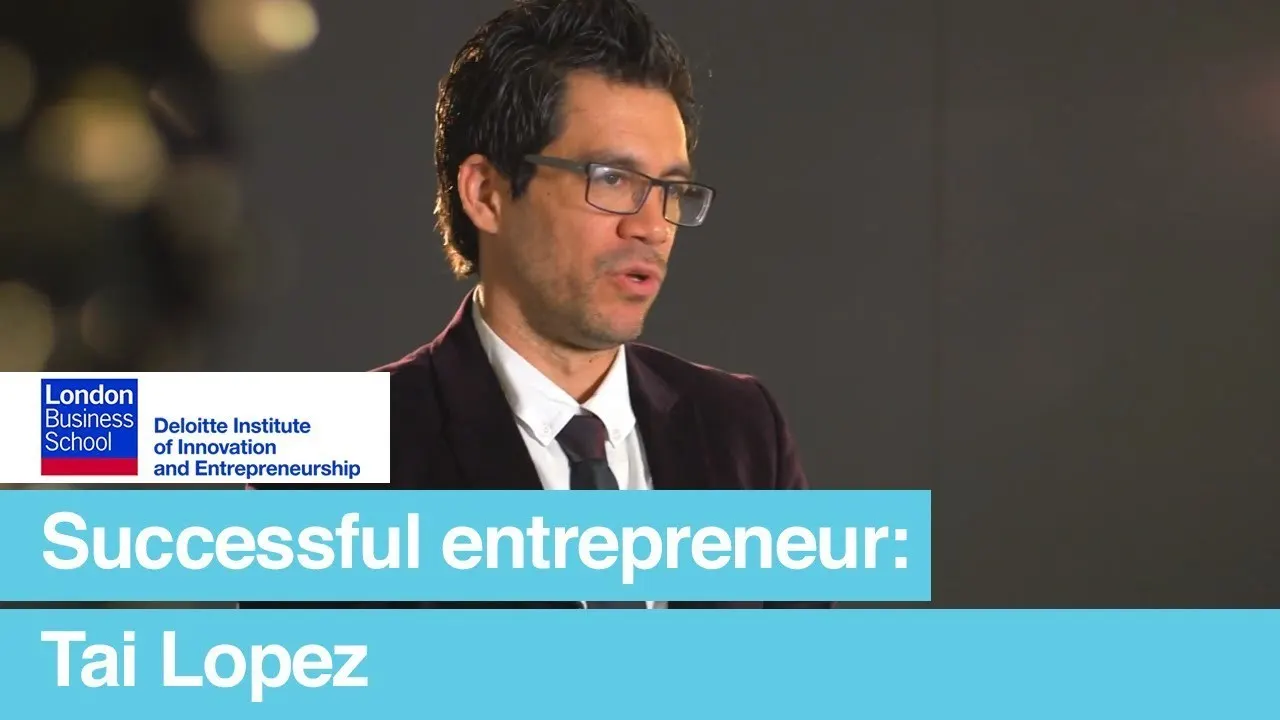
Out of all of this came the idea that would define his brand. Tai says he eventually talked five wealthy entrepreneurs into mentoring him. He began to tell the story of those five mentors everywhere.
He also came up with a simple rule he called the Law of 33 Percent. Spend one third of your time with people who are behind you, so you can help them. Spend one third with people at your level, who become your friends. And spend the last third with people who are five, ten, or thirty years ahead of where you want to be. Most people, he says, skip that last group entirely. If you cannot meet them in person, he adds, you can learn from them through books, audiobooks, and videos.
He claims he tries to read about a book a day. He does not read every word. He says he flips through a book up to three times. First he reads the table of contents. The second pass is faster. On the third pass he focuses on the one chapter that matters. He compares himself to a gold miner looking for one nugget. Critics have mocked that approach. The YouTube journalist Stephen Findeisen, known as Coffeezilla, pointed to Tai's advice to skip the stories in books, since stories, Tai said, are how authors fill up pages.
Hollywood and the 67 Steps
By the early 2010s, Tai had moved to Los Angeles. He says he started dabbling in social media in 2012 and 2013. In 2014, a friend told him he should try YouTube because it was going to be huge. He shot his first videos in January 2015.
He had also built a product. In 2014 he launched an online program called 67 Steps. It cost $67 a month, and it promised to teach, in his words, the steps to become a millionaire, how to live the good life, and the grand theory of everything. The program ran about fifty hours. Much of it repackaged ideas from his heroes, like the investor Warren Buffett, Buffett's partner Charlie Munger, and Tony Robbins. Tai gave talks, including a TEDx talk in Luxembourg about mentors and reading. In that talk, he brought greetings from his ninety-six-year-old grandmother.
He was not yet famous. He needed a way to reach millions of people. The answer came to him, he says, on the patio of a sushi restaurant on Sunset Boulevard.
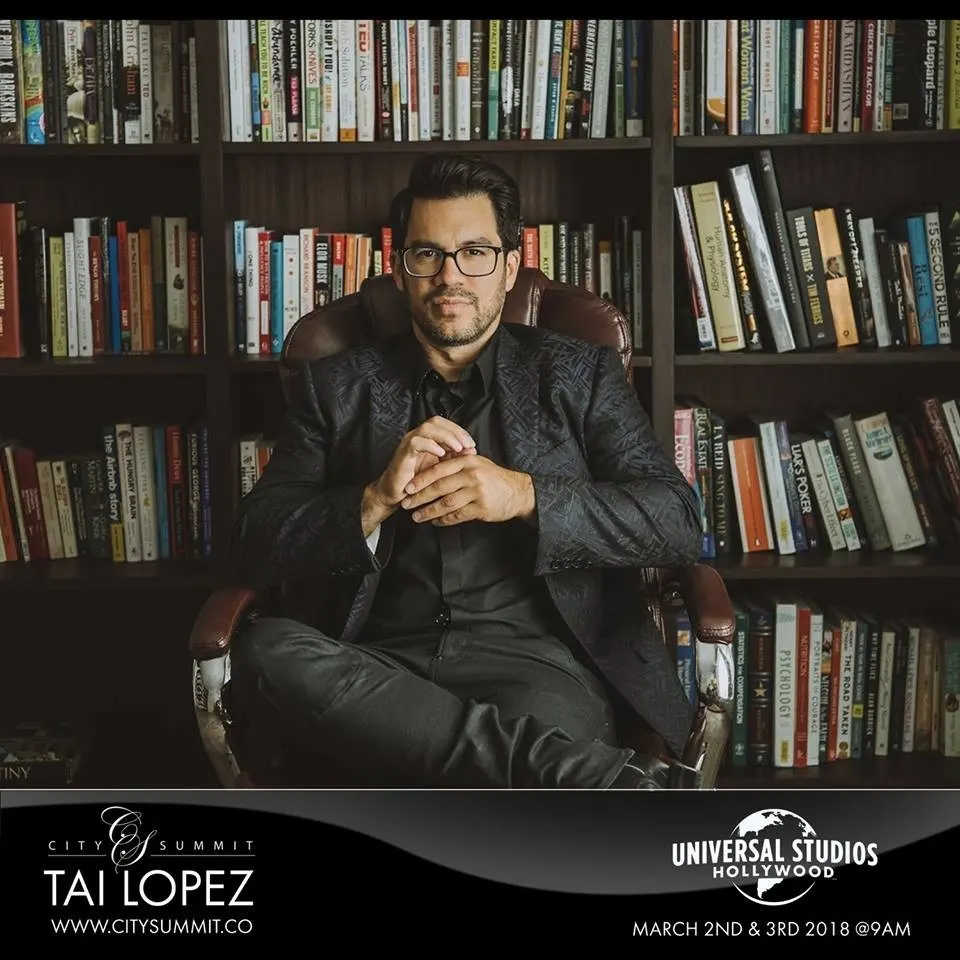
Here in my garage
Sitting outside, Tai noticed something about the men around him. When a beautiful woman walked by, they turned to look. But if a flashy car drove past at the same time, the men looked at the car instead. He decided a sports car could grab attention even better than beauty.
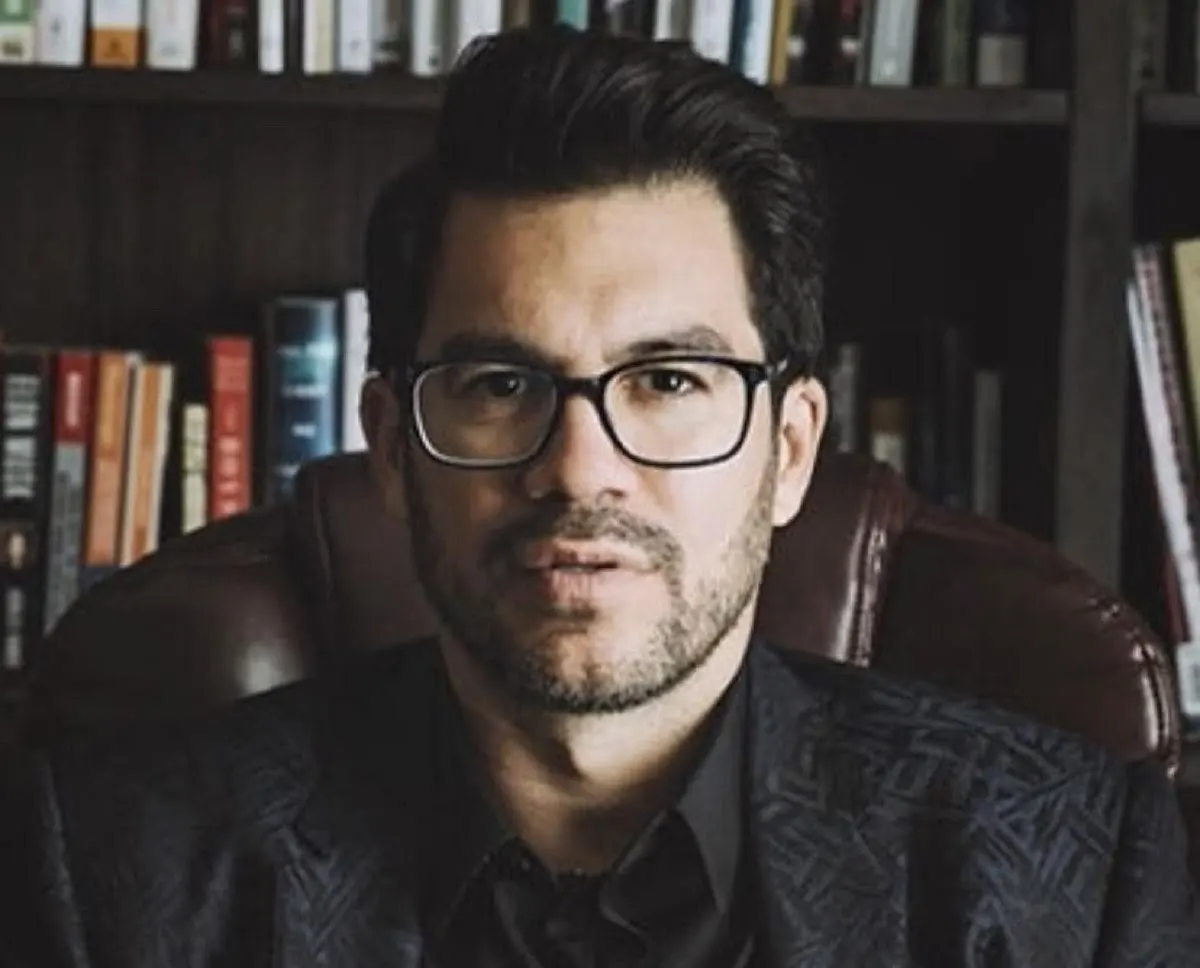
He had just bought a Lamborghini. He set up his phone in his garage in the Hollywood Hills and pressed record.
Here in my garage, he began. Just bought this new Lamborghini here. It's fun to drive up here in the Hollywood Hills. But you know what I like a lot more than materialistic things? Knowledge.
Behind him stood seven new bookshelves holding about two thousand books. He told viewers that he was prouder of those shelves than of the car. He said the Lamborghini was a reminder of the days when he slept on a couch in a mobile home with forty-seven dollars in the bank. Then he told viewers to click a link to see a short free video about three things his mentors had taught him.
Why were books in the garage at all? Years later, Tai explained that his house had simply run out of room. A new shipment of books arrived while he was away, and his assistant said there was no space left. Put shelves in the garage, Tai told him.
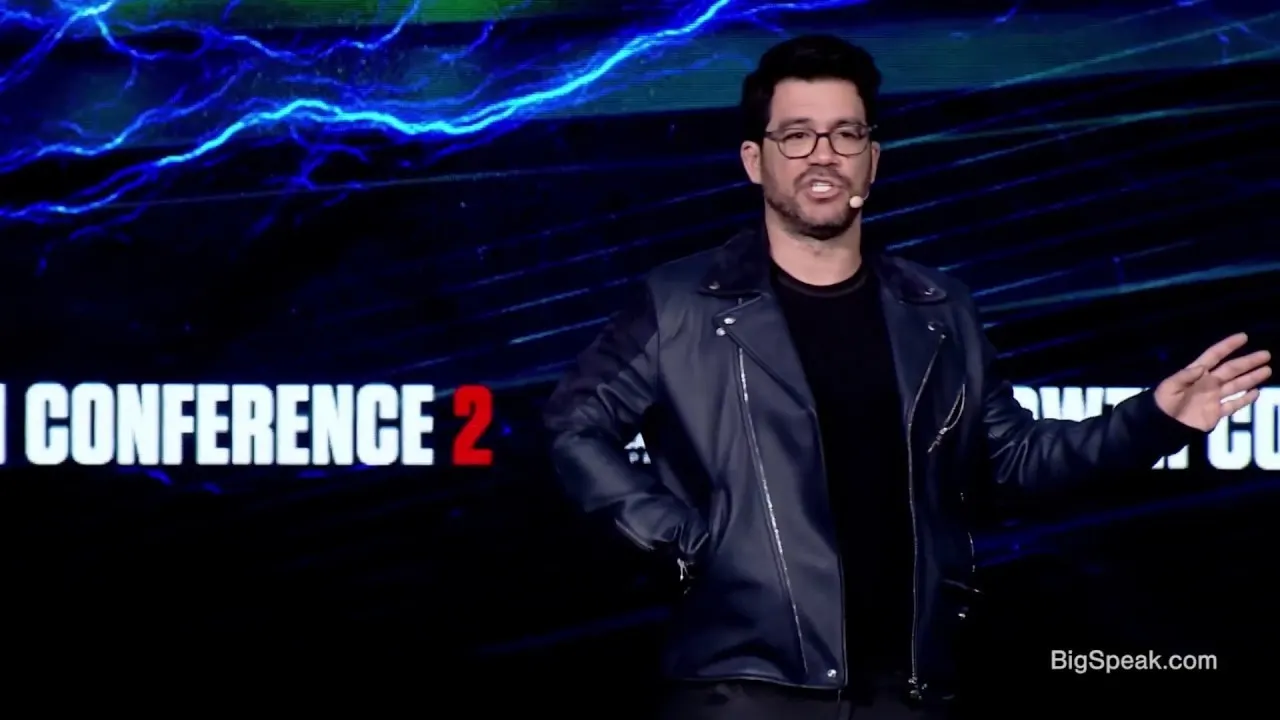
The ad played before YouTube videos around the world, over and over. Some viewers found it inspiring. Many found it ridiculous, a man bragging about a supercar while claiming not to care about stuff. The word knowledge, landing with a thud, became a meme. People made parody versions, and some of the parodies got millions of views of their own.
Tai did not seem to mind. He says the garage ad and similar versions eventually pulled in about six hundred million views combined. He has said it just printed money, and in different interviews he has estimated it brought in seventy-five million to one hundred million dollars. Those are his figures, and they have not been independently confirmed.
What is clear is that the ad changed online marketing. Before most influencers understood how to buy ads and send viewers into a sales funnel, a series of steps that turns a free viewer into a paying customer, Tai was doing it at enormous scale. The funnel started with a free video, then moved people toward the $67-a-month program, and then toward more expensive offers. Later creators, including Logan Paul and MrBeast, have been reported to cite him as an early influence.
He was also open about his reasons. He showed Lamborghinis and Ferraris, he told the podcaster Tom Bilyeu, because young men love Lamborghinis and Ferraris. Show them the reward first, he said, and they will listen to the rest. He claimed that by leading with cars, he got more young people reading books than almost anyone.
Life on camera
Fame came fast. Tai became a courtside regular at Lakers and Knicks games. He recorded videos with celebrities and business stars. Reports describe him filming backstage with Rihanna, joking around in his kitchen with Arnold Schwarzenegger, and going to the movies with Elon Musk. The billionaire Mark Cuban visited him in 2015. He gave away cars to fans in contests, and by one count had given away ten of them. He hosted parties at a Beverly Hills mansion that one guest described as every teenage boy's fantasy of a Los Angeles party.

He also drew serious criticism. Some customers said they did not realize they would be billed every month, or that they would be pushed toward more expensive programs. Critics said his advice was mostly borrowed from other people. Coffeezilla became one of his loudest critics, calling out what he saw as upsells and questionable claims. Tai laughed it off. He once posted a poll on social media asking his followers whether they believed he was a scam. More than seventeen hundred people voted yes.
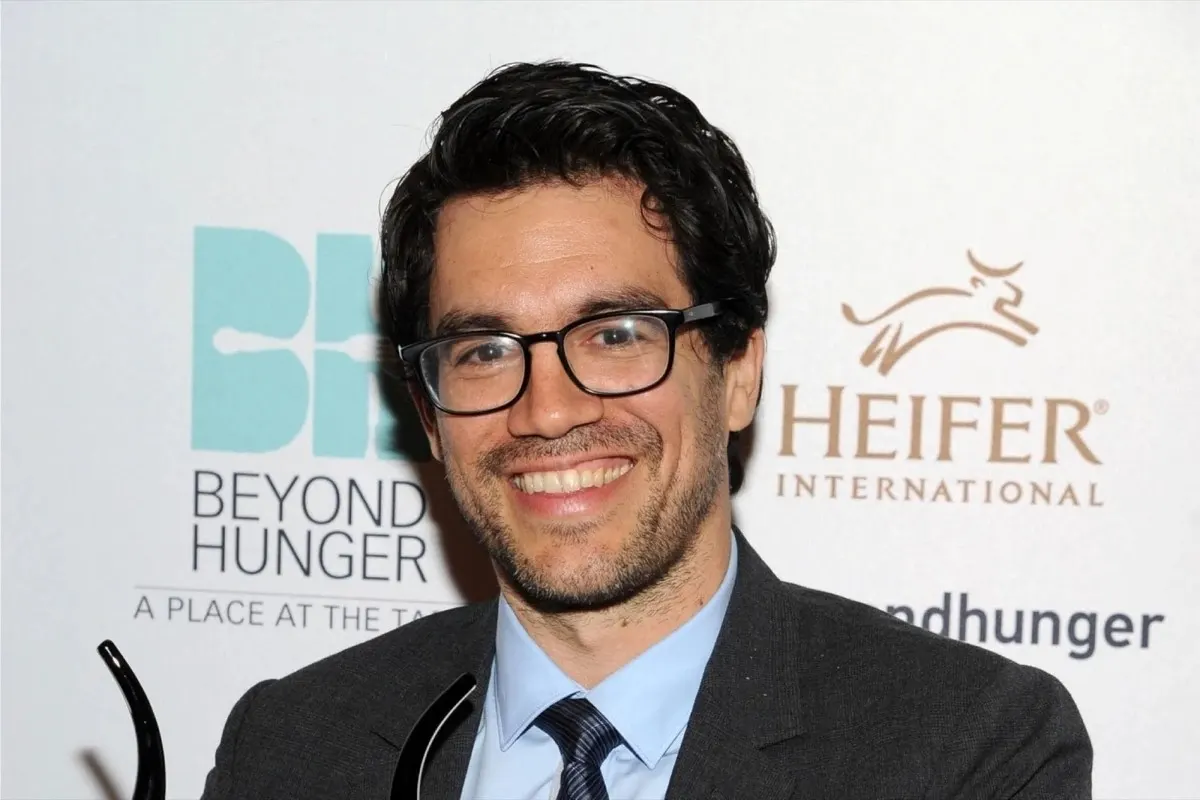
Tai kept building. In 2016, he partnered with an entrepreneur named Alex Mehr to launch MentorBox, a subscription service that shipped books along with summaries and lessons. In 2018, the pair started FarmersCart, an online food and meat store. Tai called himself a founder, investor, advisor, or mentor to more than twenty businesses worth millions.
The Amish test
Alex Mehr was born in Iran, trained as an engineer, earned a doctorate, and worked with NASA before co-founding the dating app Zoosk. Tai liked to call himself the street-smart one and Mehr the spreadsheet one. They shared a hero, Warren Buffett, whose company Berkshire Hathaway grew by buying businesses and keeping them.
In November 2019, the two founded Retail Ecommerce Ventures, or REV, based in Miami. Their idea was simple to explain. Famous store chains were dying. Their stores were expensive, but their names still meant something to shoppers. REV would buy the names, the customer lists, and the websites cheaply, close the stores, and run the brands online with tiny teams. Mehr said their test for a brand was whether an average Amish person would know it.
Their first deal, in November 2019, was the women's clothing chain Dressbarn, for a price later reported at about five million dollars. Company representatives told NBC News the business went from about nine thousand employees to about thirty. Then the pandemic arrived in early 2020, and stores across America went dark. Tai saw opportunity. In June 2020, REV bought Pier 1 Imports for a reported $31 million. In August, it won the online assets of Modell's Sporting Goods at auction for about $3.7 million. It added Linens 'n Things and the Franklin Mint. In November 2020, it bought RadioShack, and weeks later it won the Stein Mart name for about six million dollars. In 2021, it agreed to buy the British fashion house Ralph and Russo.
Tai loved the stage. He went on business shows and explained that the pandemic had squeezed decades of change in shopping into a few months. Asked about RadioShack, he spoke with real nostalgia. It had once had about eight thousand stores in the United States. He wanted it to become a hub for makers and hobbyists, where people could sell their own gadgets, almost like Etsy for electronics. He told an interviewer he was building an off-grid log house on a farm in the middle of an Amish community, and he wanted RadioShack to help people like him figure out solar panels.
Eight brands and a promise
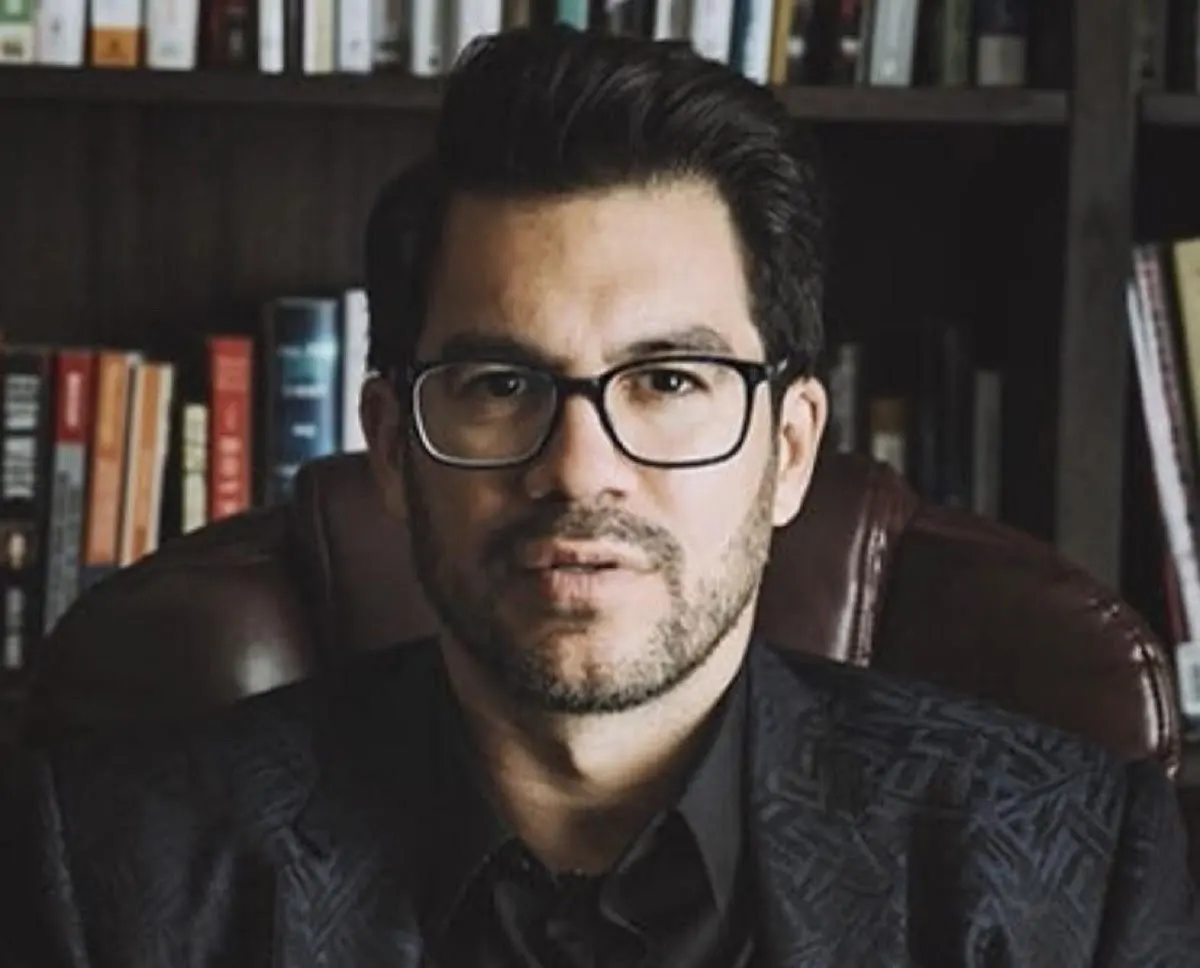
To pay for the deals, REV raised money from ordinary investors, many of whom already followed Tai online. Some came straight from his mentorship programs. The Wall Street Journal later reported that REV raised about $230 million from at least 660 investors overall. Investors could buy notes that promised yearly returns as high as 25 percent, or ownership units that paid monthly dividends. Investors were taken on trips to Las Vegas and Puerto Rico and joined weekly update calls. One investor told New York magazine the founders seemed awesome about keeping everybody informed.
The brands got bolder. From late 2021 into 2022, RadioShack was reinvented as a cryptocurrency platform with its own token, and its Twitter account started posting crude jokes. At least one retail partner, HobbyTown, walked away. In September 2022, REV put about $35 million into Tuesday Morning, a bankrupt discount home goods chain. An investor later called it a very ambitious reach.
Then things went quiet. In the fall of 2022, some investors say their payments were delayed. Tai, who normally posted all day, disappeared from social media for weeks. On December 12, 2022, he appeared on The Iced Coffee Hour podcast, said a personal brand sometimes needs a sabbatical, and suggested REV was doing fine. Three days later, on December 15, he joined an investor call and told the group REV could not make its payments and was looking to sell its brands.
The unraveling was fast. Tuesday Morning filed for bankruptcy again in February 2023. REV hired the law firm Kirkland and Ellis to explore a restructuring. RadioShack was sold to Unicomer Group, a longtime franchise operator. In December 2023, a group of secured lenders formed Omni Retail Enterprises and took over most of the remaining brands. Reports say Tai and Mehr were pushed out.
What the SEC alleges
In September 2025, the SEC filed a civil complaint in federal court in Miami against Tai Lopez, Alex Mehr, and REV's chief operating officer, Maya Burkenroad, who is Tai's cousin. The court record shows the case filed on September 23, and the SEC announced it on September 25.
The complaint alleges that from about April 2020 to November 2022, the three raised about $112 million from hundreds of investors in eight REV companies, including Pier 1, Dressbarn, Linens 'n Things, and RadioShack. It alleges that Tai and Mehr misled investors about how well the brands were doing and how safe the investments were. It alleges that at least $5.9 million in returns paid to investors were actually Ponzi-like payments funded by newer investors, that another $5.9 million was moved between companies against what investors were told, and that about $16.1 million was taken for Tai's and Mehr's personal use. It also alleges that Burkenroad's experience was overstated on REV's website. The SEC asked for court orders, fines, repayment of money, and bans on serving as company officers.
These are claims by a government agency. They have not been proven in court. None of the three defendants has filed an answer, because the case was paused in October 2025 so the parties could negotiate. REV executives did not respond when New York magazine asked for comment. The day after the case was filed, Tai posted a line on X: never doom, because unless you are dead, all defeat is psychological.
In February 2026, The Wall Street Journal reported that the FBI was interviewing REV investors as part of a criminal investigation. No criminal charges have been filed. In July 2026, the parties told the court they had reached an agreement that, if the SEC commissioners approve it and the judge enters it, would resolve the case for all three defendants. The approval process, they said, could take up to 120 days. A further status report was filed on September 14, 2026. As of late September 2026, the public record shows no final judgment and no disclosed settlement terms.
Investors are split. One investor told New York magazine he lost about one million dollars and still thought well of the founders, saying they hurt themselves more than anybody. Others, including an early investor who spoke on Coffeezilla's channel about a delayed payment of roughly $275,000, have described feeling misled.
Still posting in 2026
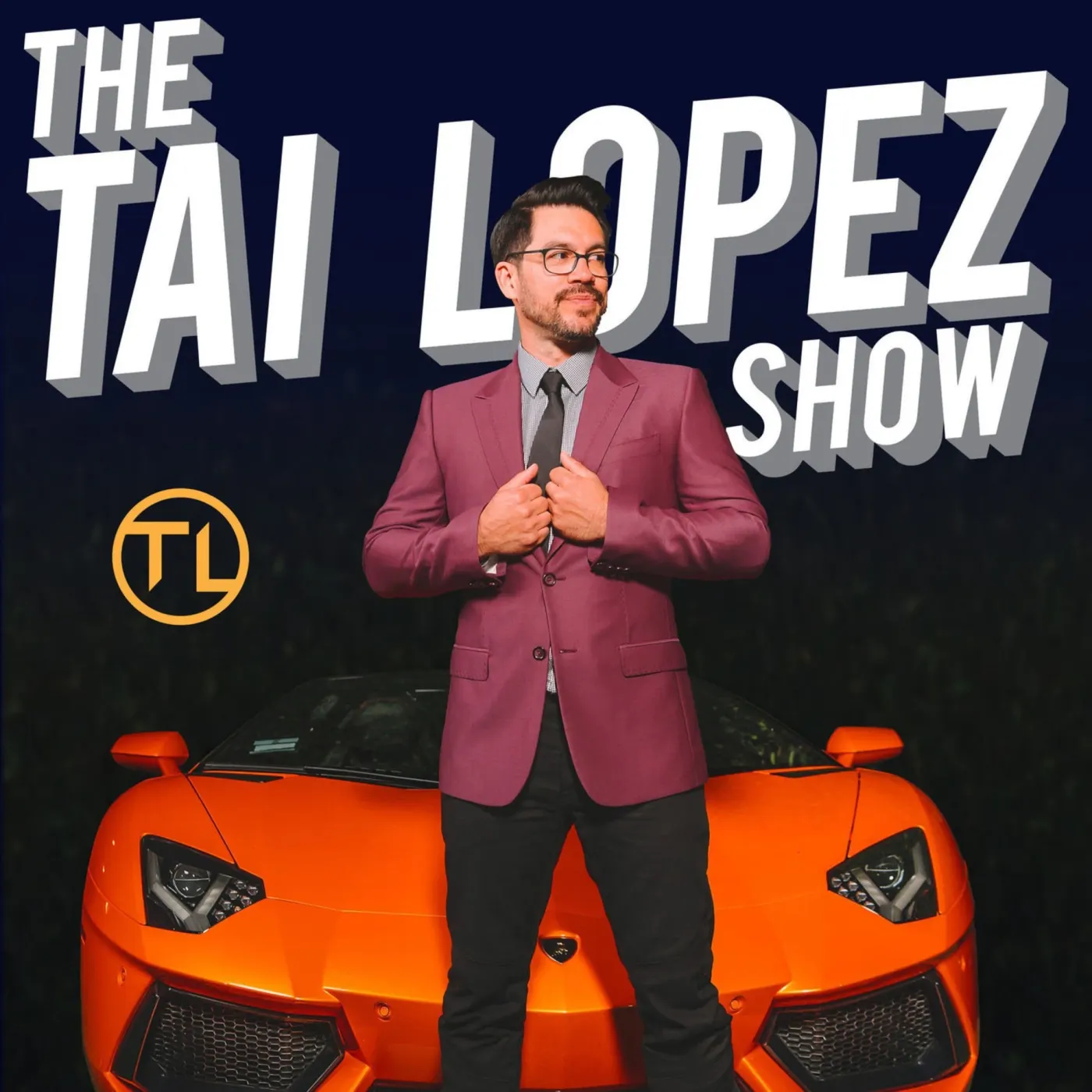
Tai is forty-nine in 2026. He has not left the internet. He hosts a podcast called The Tai Lopez Show and still posts nearly every day, often about mindset, reading, and business. Ads for his courses have continued to run. The Wall Street Journal reported that he has not publicly addressed REV's collapse or the losses of its investors.
What he changed
Whatever happens in court, Tai Lopez left a mark on the internet. He was among the first to show that one person with a phone, a garage, and an ad budget could reach hundreds of millions of people. The formula of a flashy hook, a free video, a monthly program, and a bigger offer later became standard for online creators and course sellers.
He also helped spark a backlash. His ads pushed viewers to install ad blockers. His style inspired a whole genre of watchdog creators, led by Coffeezilla, who examine the claims of online gurus. And REV became a warning about how quickly a trusted online personality can turn followers into investors, and how risky high promised returns can be.
Some of the brands he bought still live on under new owners, as websites and names that shoppers recognize. Pier 1, Dressbarn, and RadioShack survived his era, even if many of his investors did not get their money back.
Closing
Tai Lopez began his story on a couch, waiting for a father who never came. He found other guides instead: a grandfather with a box of books, an Amish farmer, Joel Salatin, and a mustached stranger from the Yellow Pages. He turned their lessons into a message about health, wealth, love, and happiness, and he sold it with a Lamborghini.
That message made him famous and, by his own telling, rich. It also brought him investors who trusted him with their savings. Now a federal agency says that trust was abused, and a settlement waits for approval. The boy at the window spent his life searching for missing pieces. In 2026, the final piece of his own story is still in someone else's hands.