The Mouth That Built the News Clock
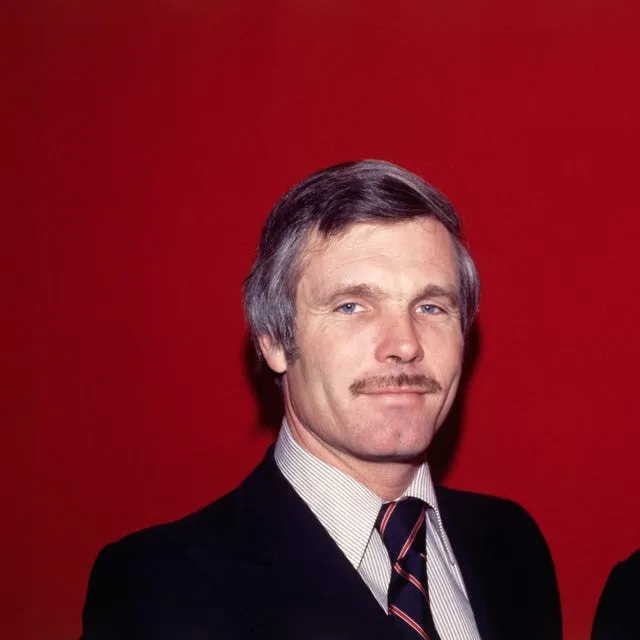
On a Manhattan sidewalk outside the AOL Time Warner building, cameras followed a man who looked like he still owned the weather. Ted Turner had just resigned from a job that no longer felt like a job. Vice chairman, they called it. Advisor. He tried to play the role. Inside, the man who invented the twenty-four-hour news clock was watching his creation live inside a merger that had already taken a chunk of his fortune and a larger chunk of his joy.
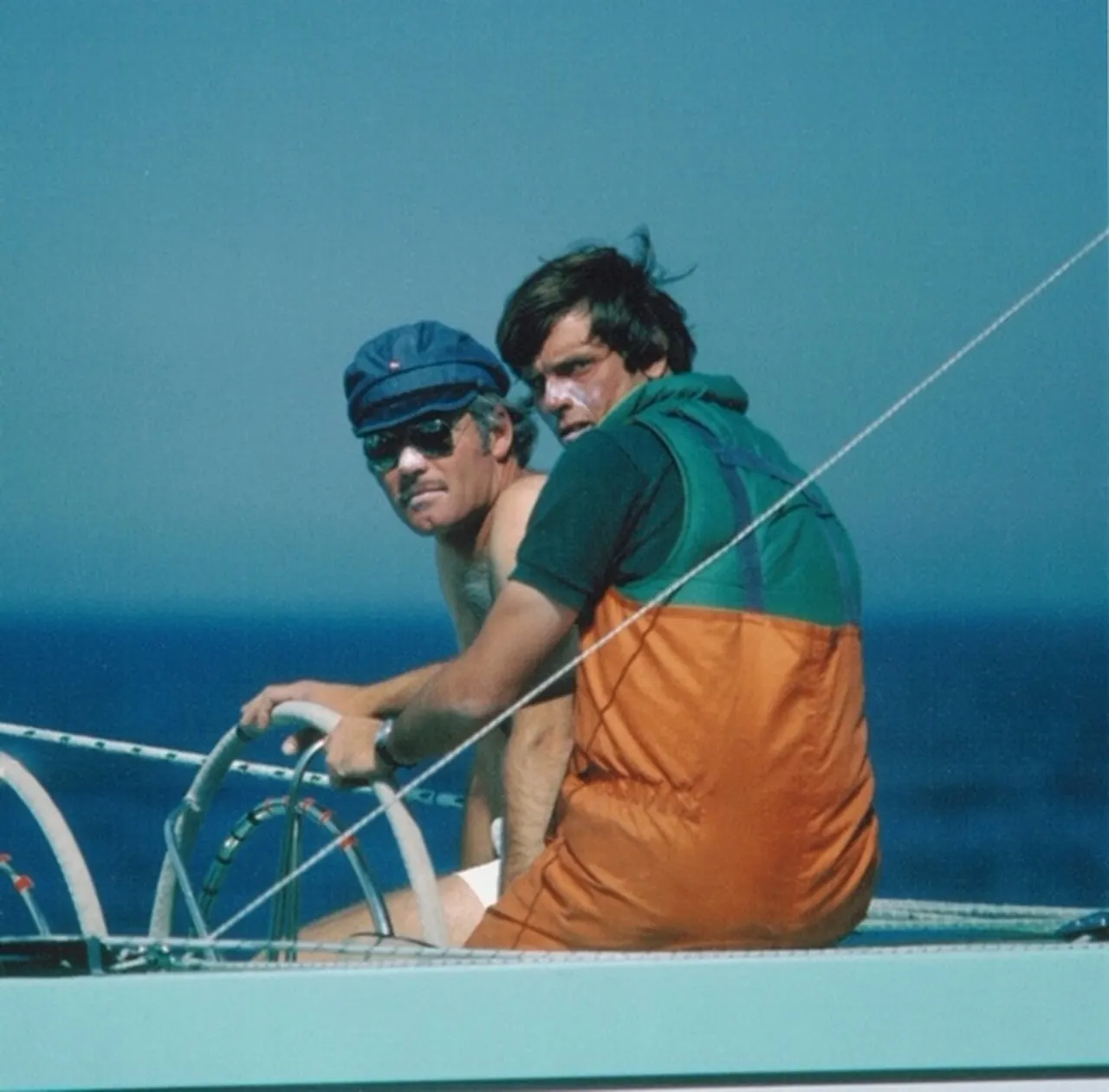
Years earlier he had stood on a sailboat deck with America's Cup champagne and a grin that newspapers called Captain Outrageous. Years before that he had buried a father who died by suicide and inherited a billboard company that smelled like paint and pressure. Between those poles he built WTBS into a superstation, launched CNN when experts said continuous news would bankrupt whoever tried it, collected networks like TNT and Cartoon Network and Turner Classic Movies, bought the Atlanta Braves, and later gave away a billion dollars toward United Nations work while gathering millions of acres for conservation.
On May 6, 2026, Ted Turner died at eighty-seven, surrounded by family, according to Turner Enterprises. The documentary does not end at the funeral. It ends in the systems that still run without him: cable news as a permanent environment, the idea that a channel can be a continuous public square, and landscapes held for bison and habitat instead of subdivisions.
Origin: billboards, beatings, and a hard inheritance
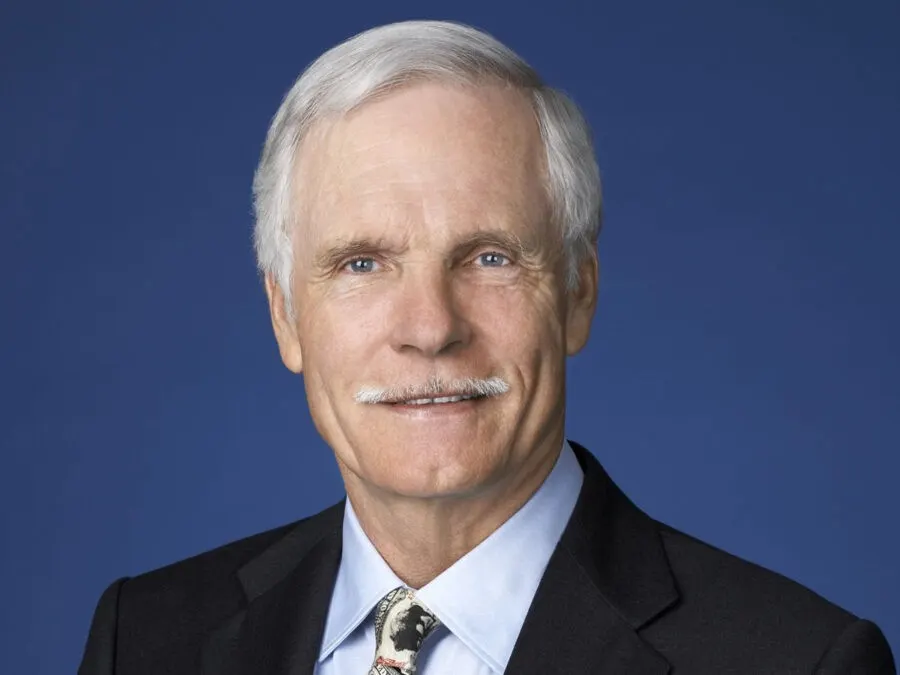
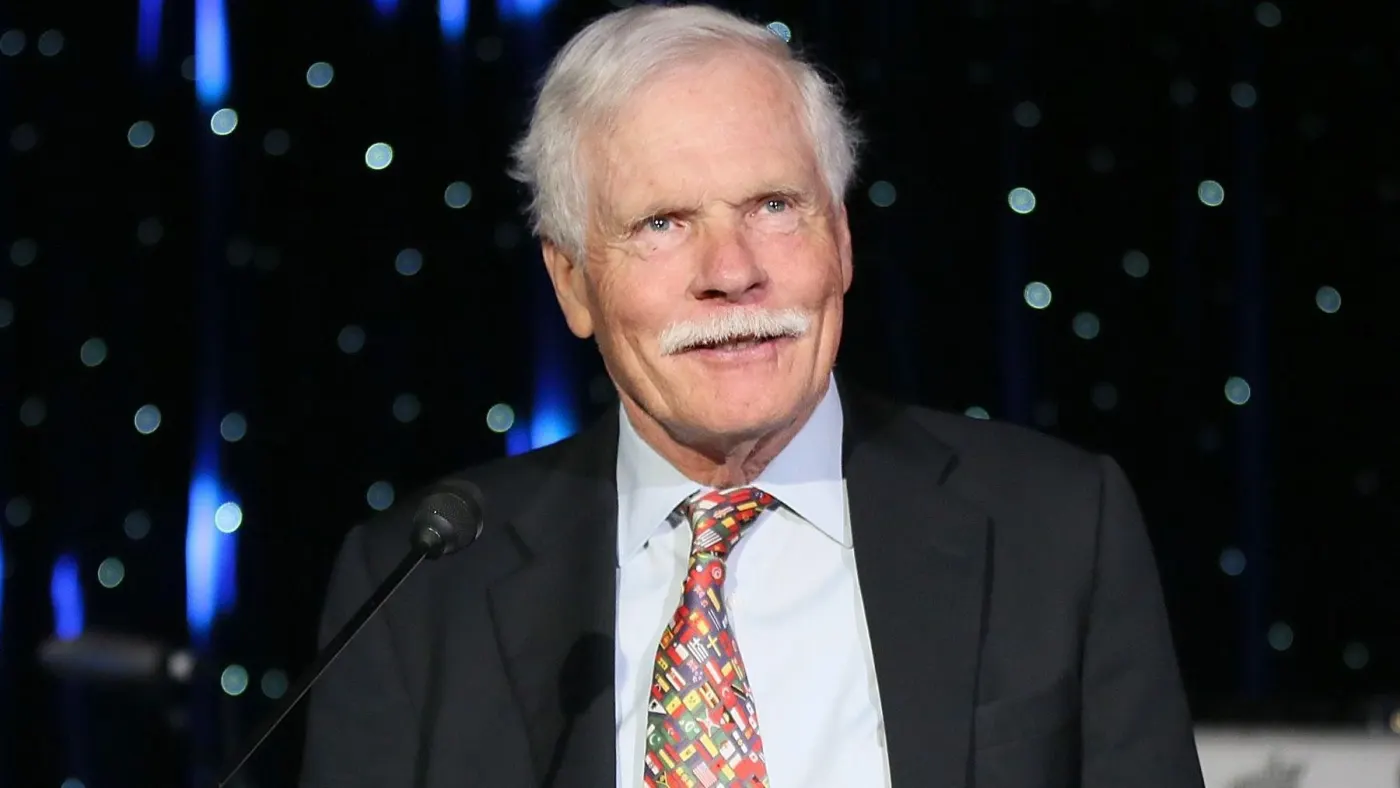
Robert Edward Turner III was born November 19, 1938, in Cincinnati, Ohio, and raised into a Southern business myth that was never soft. His father built a billboard company with discipline that Turner later described without romance. Wire coat hangers. Strictness. Extreme closeness twisted around fear. When Ted was twenty-four, his father died by suicide. The son stepped into the company as if grief were a management assignment.
That wound became fuel. Turner expanded from outdoor advertising into radio and then television. He bought a struggling UHF station and treated survival as branding. In one story he loved to tell, the station outlasted rivals and threw a televised party thanking Atlanta for sticking around, staff waving on camera like survivors of a siege. He changed call letters, chased attention, and learned that television was not only programming. It was willpower wrapped in signal.
Depression haunted the family line. Turner spoke about it with the same bluntness he used for business. He did not present himself as healed pottery. He presented himself as a man who kept moving so the dark would have to chase him across deals.
The superstation bet
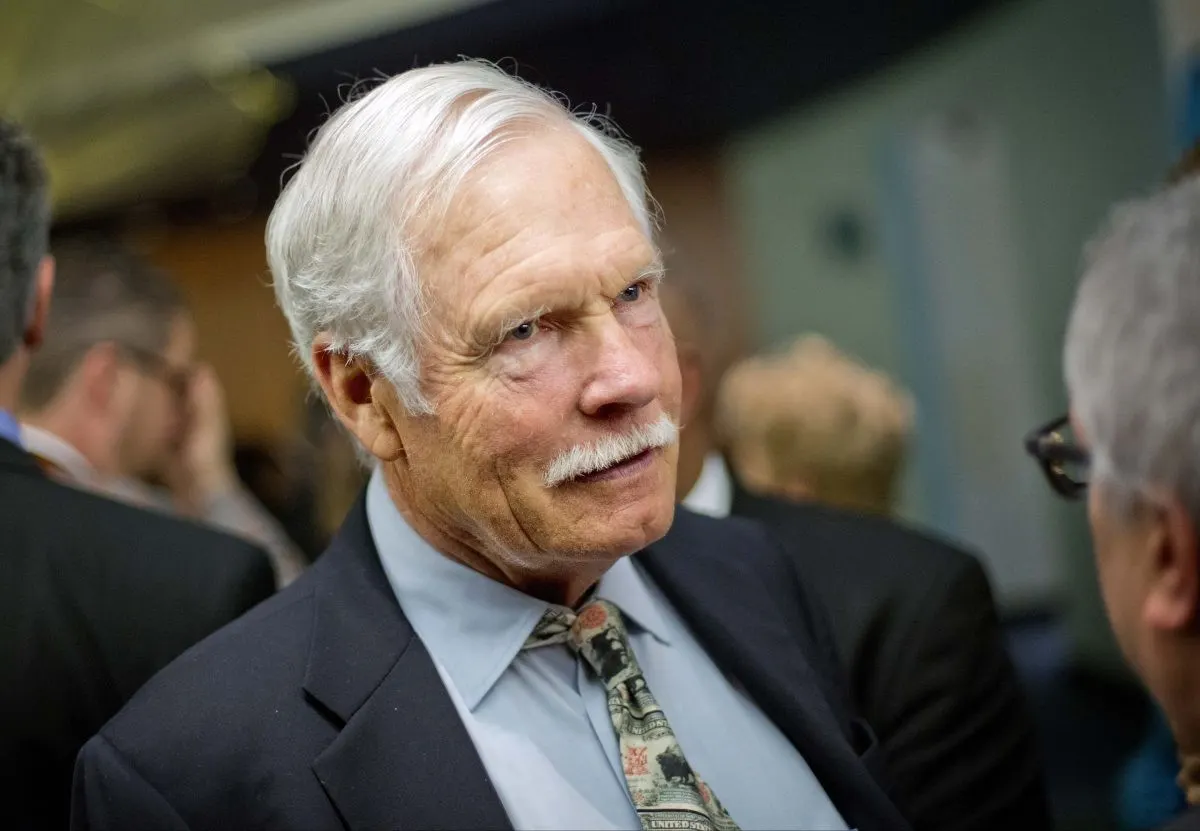
Cable needed content. Turner had a station and a pirate's sense of distribution. By beaming WTBS widely, he helped invent the superstation idea: local signal, national reach. Movies, sports, reruns, personality. He bought the Braves and made baseball a cable habit. He understood that a team on television was both civic pride and recurring inventory.
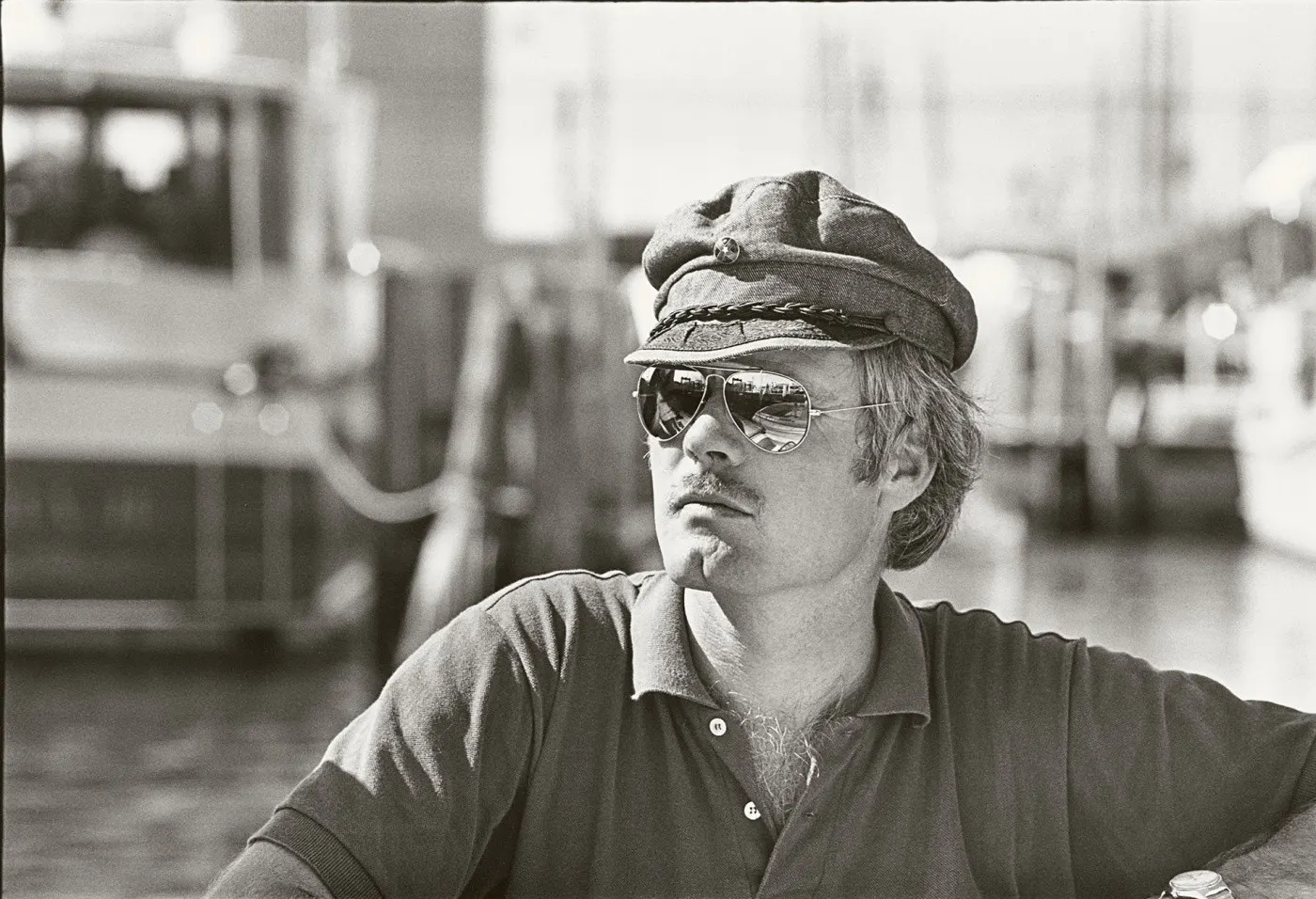
Rivals called him loud. He was loud. The Mouth of the South was not a nickname invented by friends. It was a market position. In an industry that rewarded polished caution, Turner used provocation as free advertising. He sailed. He shouted. He made enemies who still had to carry his channels.
CNN: the twenty-four-hour dare
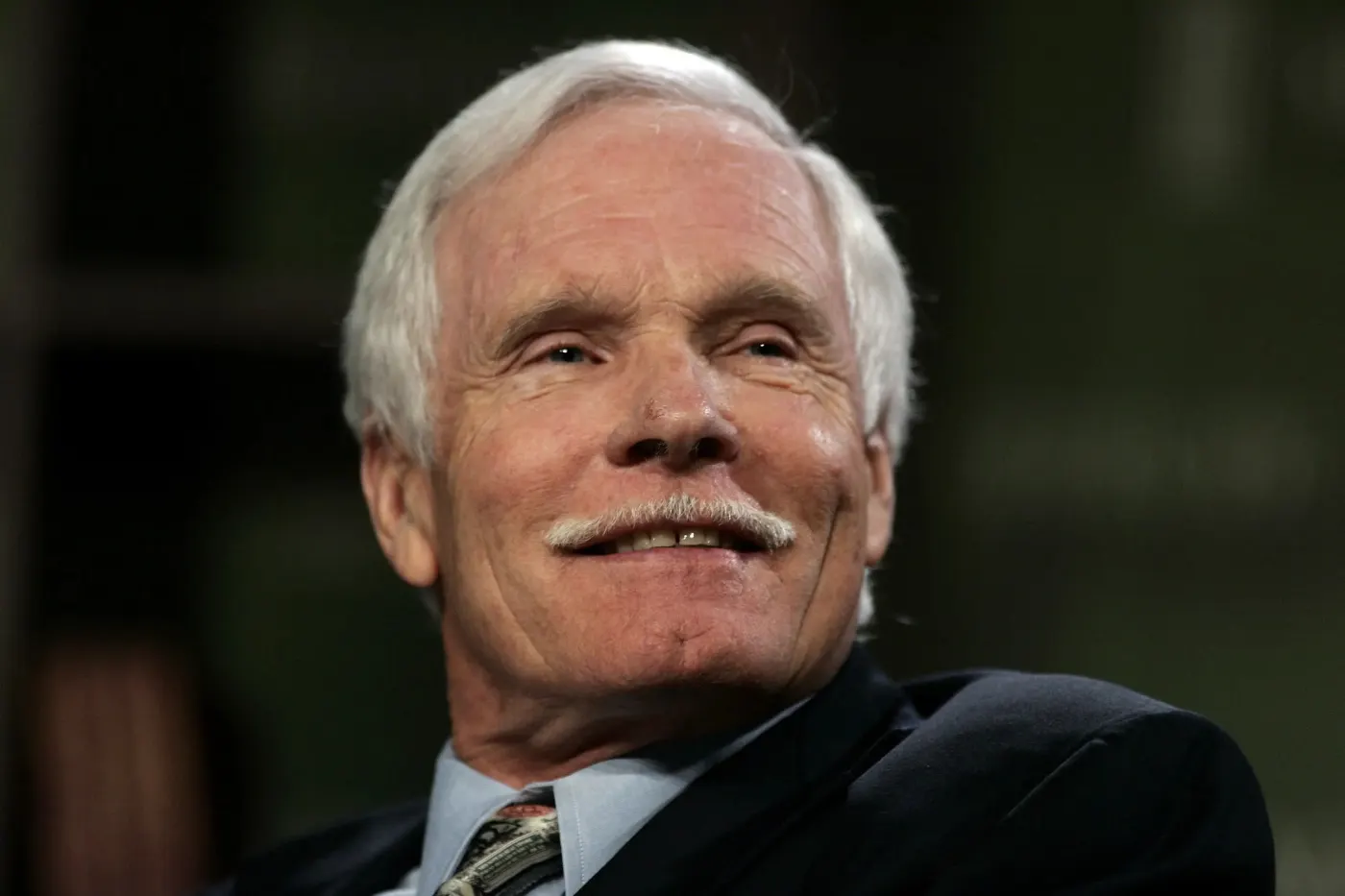
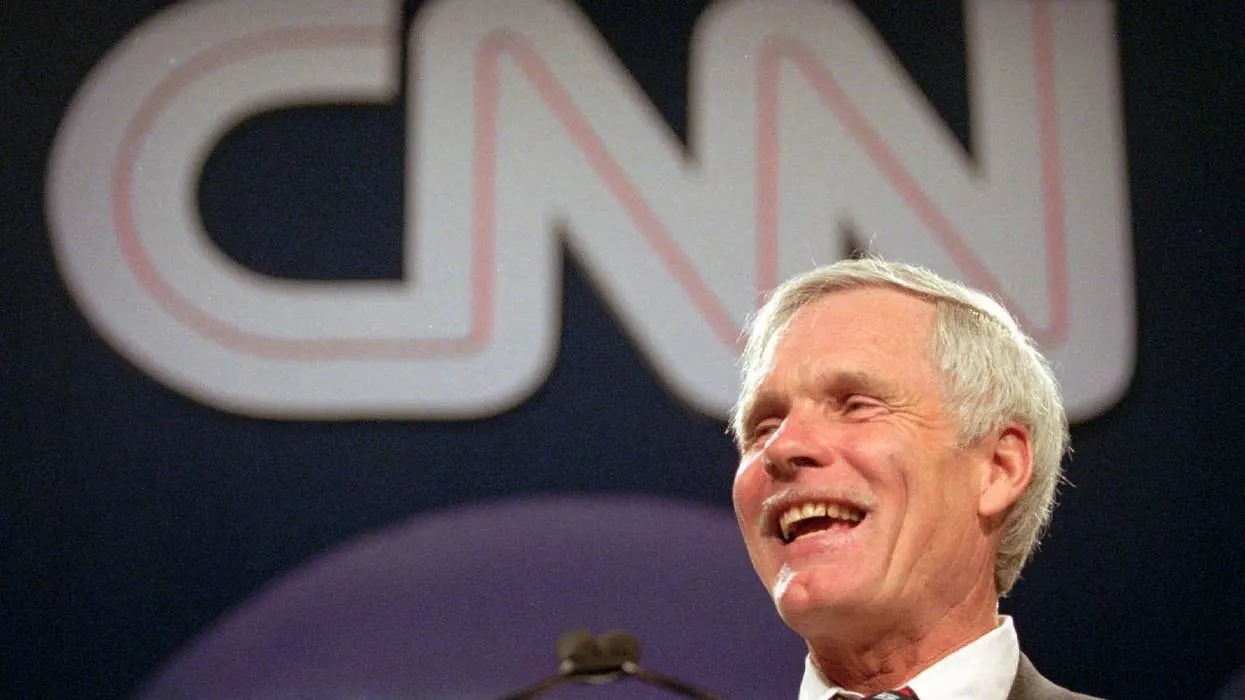
In 1980 he launched Cable News Network. Experts predicted ruin. Continuous news looked like a money shredder. Turner later said he realized he was going broke and had to give something up. Sailing, the joy that had given him roughly six hundred trophies and an America's Cup in 1977, slowed as CNN consumed oxygen. He chose the network over the deck.
CNN's early rooms were not marble temples. They were urgency factories. The product was not a nightly appointment. It was a clock that never stopped. That single design choice rewired public life. Coups, wars, elections, and disasters no longer waited for the evening broadcast. They arrived as weather. Viewers learned to leave the television on as ambient vigilance. Governments learned that a camera might already be live.
Turner did not invent journalism. He invented a delivery pressure that journalism had to inhabit. That is world impact with a capital W. The twenty-four-hour cycle created new virtues and new vices: speed, saturation, repetition, and the hunger for the next hit of eventfulness. Later critics of cable news still argue inside the house he built.
Empire years: networks, wrestling, cartoons, classics
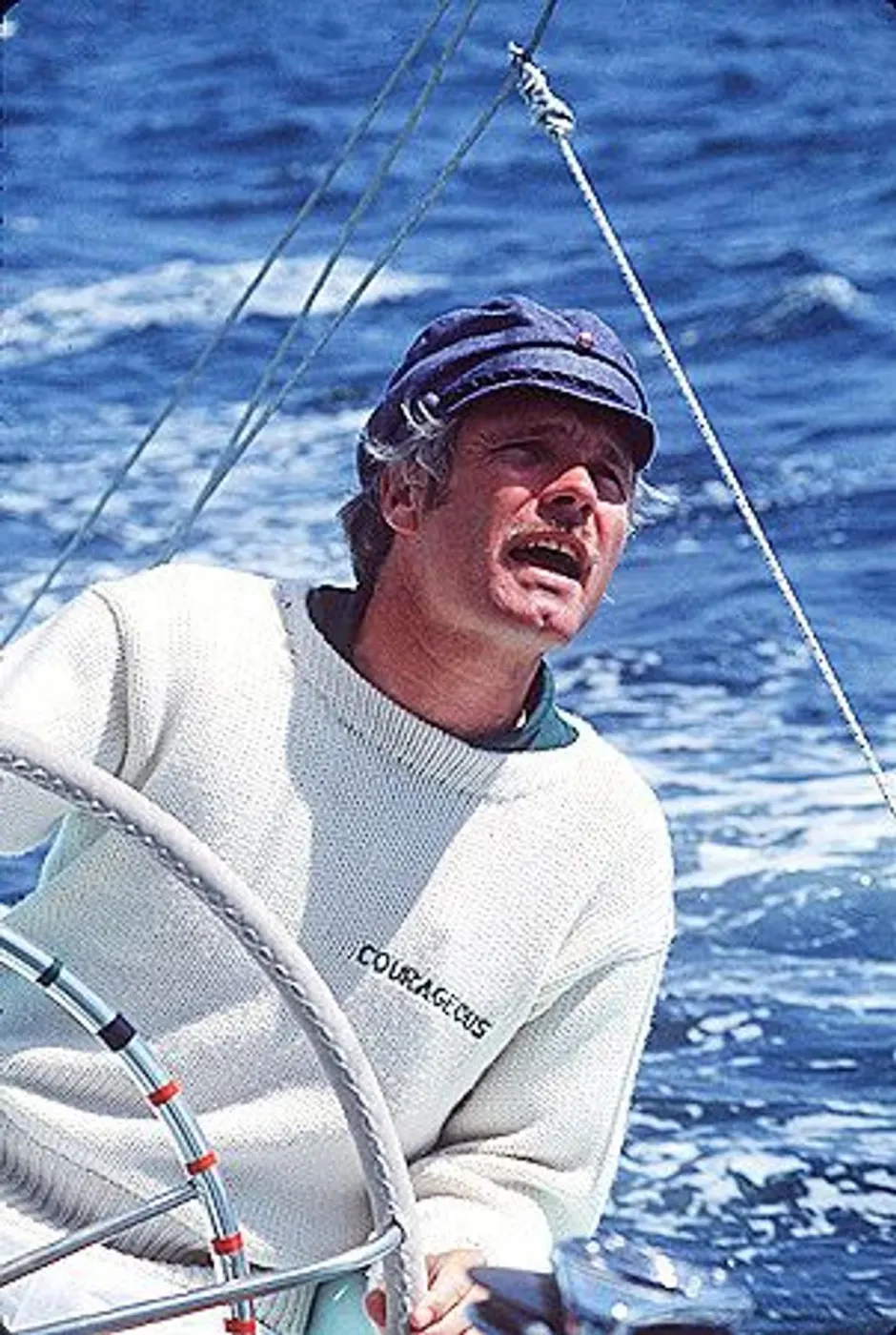
He did not stop at news. TNT. Cartoon Network. Turner Classic Movies. A film library strategy that treated old movies as evergreen rivers. Acquisition of wrestling assets that became WCW, turning sports entertainment into cable spectacle. Each channel was a bet that niche attention could be national if you programmed with obsession.
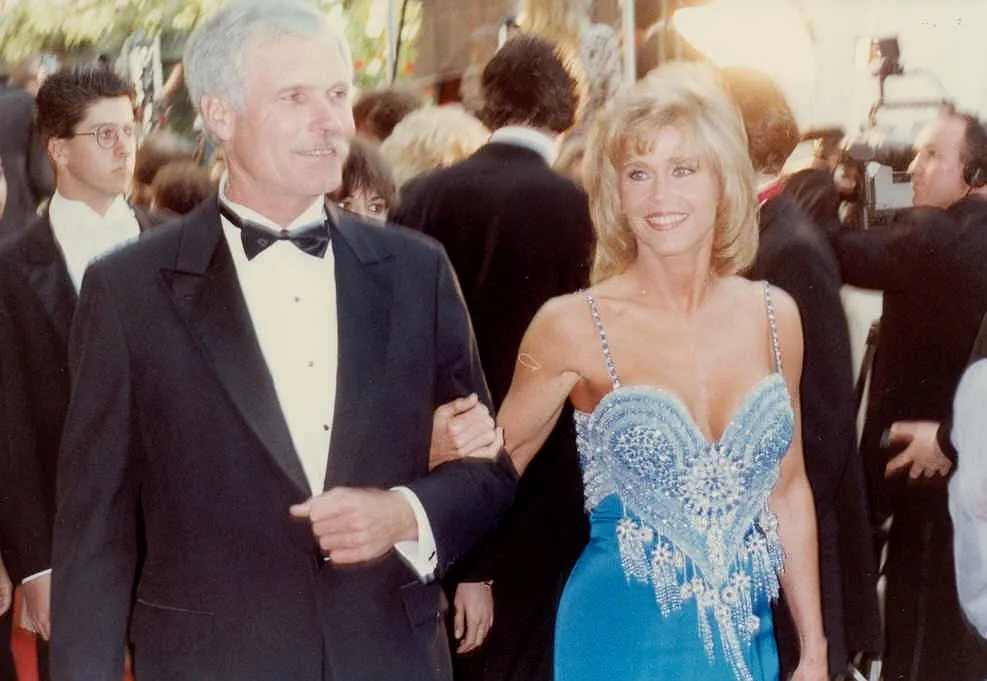
He tried for CBS and lost. He married and divorced, including a high-profile marriage to Jane Fonda that the press treated like a second network. He said outrageous things and apologized for some of them. He remained, even in regret, allergic to smallness.
Money storm: Time Warner, AOL, and the long comedown
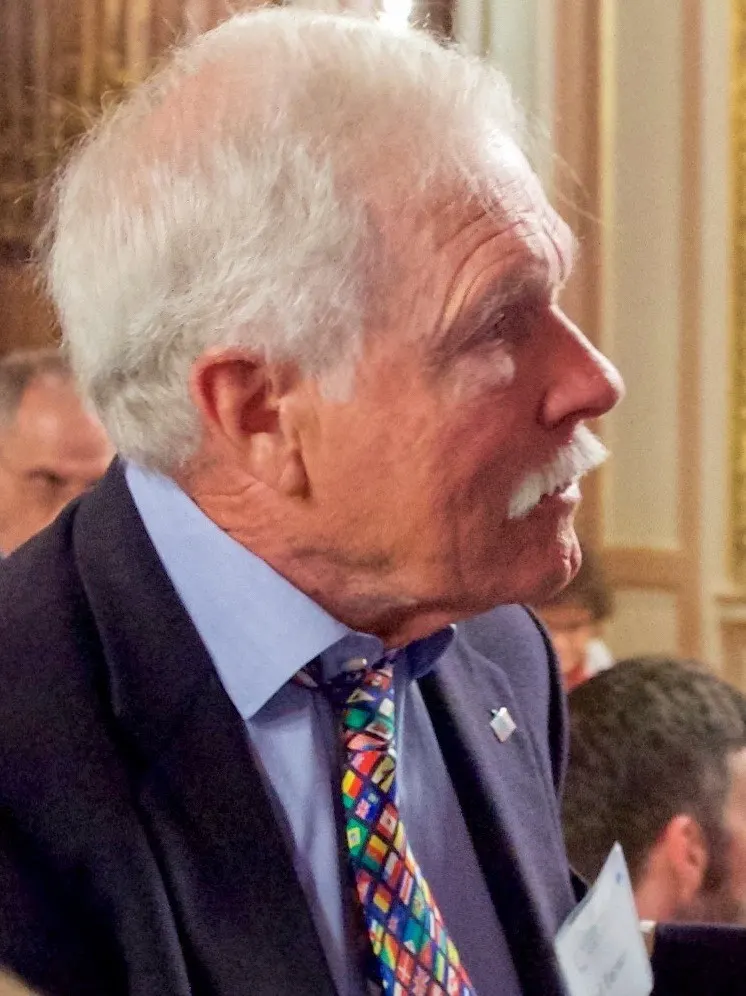
In 1996 he sold Turner Broadcasting into Time Warner in a deal widely reported around $7.5 billion in value. On paper it looked like coronation. Then came the AOL Time Warner merger, the dot-com hangover, and a wealth collapse he described in interviews as a fall of many billions from peak paper riches. Sixty Minutes found him walking outside headquarters after resignation, still titled vice chairman, still trying to be useful inside a machine that no longer moved at his tempo.
He had predicted that CNN might break him at the start. Decades later a different kind of break arrived: not bankruptcy of the idea, but estrangement from control. Founders often die twice, once when they lose the tiller and again when the body stops. Turner lived a long version of the first death and kept inventing a second life in land and philanthropy.
Conservation, UN billions, and the bison horizon
He pledged a billion dollars toward United Nations causes and helped create the United Nations Foundation to broaden support for the UN idea in American life. With former Senator Sam Nunn he co-founded the Nuclear Threat Initiative, aiming at the unglamorous work of reducing nuclear, chemical, and biological risk. He signed the Giving Pledge. He built the Turner Foundation, Captain Planet Foundation, and Turner Endangered Species Fund into a conservation stack that treated ecology as operations, not metaphor.
He became one of America's largest private landowners, with holdings on the order of two million acres, and poured attention into bison restoration and habitat. Ted's Montana Grill put bison on menus as a cultural reminder. Solar arrays appeared at company buildings. The Turner Institute of Ecoagriculture studied ranching practices that might reconcile food and land health. In 2021 he donated the nearly eighty-thousand-acre McGinley Ranch to that institute, a late-career move that tried to lock conservation into institutional hands.
This was not retirement golf. It was empire redirected. The same appetite that once wanted another channel now wanted another ridgeline protected.
How he worked
Turner decided fast, talked faster, and used public theater as leverage. He hired people who could survive intensity. He treated sports teams as both love and programming. He understood that a network is a habit machine. He accepted near-ruin as tuition. He used sailing discipline, storm survival stories, even Coast Guard tows, as metaphors for corporate weather. He could be diplomatic when older and still detonate a quote when emotion outran the script.
He also understood apology as incomplete repair. After controversial remarks post-9/11, he faced the cost of a mouth that had been a business asset. Words, he admitted, can hurt. The Mouth of the South learned late that volume is not the same as precision.
Current chapter: death, estate, and the systems that continue
Ted Turner died on May 6, 2026, at age eighty-seven. Public estimates placed his fortune near roughly $2.2 billion around the time of his death, far below paper peaks but still the residue of cable, land, and long compounding. His five children and grandchildren have been woven into governance of philanthropic entities, a design meant to keep conservation and giving from evaporating when the founder’s voice stopped.
What is current is stewardship. Turner Enterprises, the foundations, the land questions, and the public argument about how binding late-life promises are: these are the live plot. CNN still runs as a global news brand inside a corporate lineage he no longer controls. Cartoon Network and TCM still shape childhood and film memory for millions. The twenty-four-hour expectation he normalized still structures politics.
World impact after death is the sternest test. If the ranches remain habitat, the gift continues. If cable news remains a continuous public arena, for better and worse, the invention continues. Turner’s documentary closing beat is not a trophy wall. It is a weather system named after a man who refused small hours.
World impact: what shifted
Before Turner’s cable rise, news was largely appointment television. After CNN, news became an always-on environment. That changed diplomacy, disaster response, celebrity politics, and the emotional metabolism of audiences. Leaders performed for cameras that might never blink. Citizens learned to refresh anxiety in real time.
He also shifted entertainment economics. Superstations and niche cable proved that specialized channels could mint national identity. Children’s cartoons, classic films, wrestling spectacles: each found a permanent home rather than a weekend guest pass.
In philanthropy he demonstrated that a media fortune could be bent toward nuclear risk reduction and landscape-scale conservation at sizes usually reserved for governments. Bison on the land and a billion toward the UN idea are not footnotes. They are counterweights to the accusation that cable tycoons only manufacture noise.
Failures and almosts
CBS takeover failure. AOL Time Warner wealth destruction. Public remarks that demanded apology. Marriages that could not hold his instability. The slow exile from operational control of the news animal he birthed. He admitted insecurity. He joked through pain. He kept acquiring purpose when titles thinned.
Closing beat
Picture a UHF studio party for a station that refused to die. Picture a newsroom that never goes dark. Picture a sailboat crew covered in champagne. Picture a rancher counting bison against a wide sky. Picture a May day in 2026 when the Mouth of the South went quiet while the clock he built kept ticking.
Ted Turner’s life was a sequence of oversized yeses. Some yeses built cathedrals of noise. Some yeses protected silence on the land. Both were him.
Billboard paint and the inheritance night
When Ed Turner died, the company did not pause for poetry. Bills still needed collection. Clients still needed faces. Ted stepped into outdoor advertising with a grief that had nowhere polite to go, so it went into expansion. He learned that a family business can be both cradle and trap. Keeping it alive meant transforming it until it no longer resembled the father's daily world, which is its own kind of betrayal and tribute.
Superstation mechanics without romance
Satellite distribution and cable carriage deals are not cinematic, yet they are how WTBS became a national habit. Turner chased channel slots the way sailors chase wind. He bundled sports and movies into recurring reasons to keep the cable box warm. The Braves on television were civic romance and also inventory. That double use of love as programming is a Turner signature.
CNN's first winters
Early CNN staffers lived inside scarcity and adrenaline. The bet was that viewers would accept unfinished edges if the information felt immediate. Turner walked the line between showman and news executive, sometimes stumbling, sometimes inventing norms on live television. The world impact germinated there: the expectation that somewhere a camera is already rolling.
Jane Fonda, public marriage, private volatility
His marriage to Jane Fonda became a media subplot that revealed his hunger for partnership and his difficulty with permanence. He could be loyal in conversation and restless in structure. Biographers who skip the personal weather miss why he clung so hard to institutions he could control when people felt harder to hold.
Nuclear dread as management agenda
Co-founding the Nuclear Threat Initiative with Sam Nunn moved Turner from cable argument into existential risk reduction. It is easy to mock a mogul's late philanthropy. It is harder to dismiss the staffing and policy work that followed. He tried to spend credibility on topics that do not trend weekly.
One more camera hold
Stay in the room where the first real yes happened. Not the mythologized yes. The awkward one. Maybe a buyer nodded. Maybe an engineer shipped. Maybe a parent signed a loan. The air still smelled like uncertainty. That room is the true headquarters of the biography. Everything afterward is amplification.
Now jump to a recent year. The problems are richer and colder: governance, succession, cost curves, public narratives that refuse to stay flattering. The founder who can remain curious here, not only defensive, extends the arc beyond highlight reels. Curiosity under scrutiny is a current achievement even when markets are loud.
Finally imagine a user who will never read this document. They open the app, buy the garment, watch the channel, swipe the profile, design the flyer, hear the song that funds the company. Their Tuesday improves by a little. Multiply by millions. That multiplication is the only world impact metric that never lies.
Stewardship notes for the present tense
The present tense of a founder story is rarely a fireworks frame. It is maintenance, argument, mentorship, and the humility to let operators improve what the founder can no longer micromanage. It is also the courage to keep a public standard when nostalgia would be easier. Wealth estimates and title changes will keep moving. The stewardship question stays: does the original useful rebellion still live inside the institution, or did success sand it away?
For readers in 2026, that question is the practical takeaway. Copy the rebellion that still serves users. Retire the habits that only served the founder's ego. Build the next default with open eyes about scale's moral weight.
Watch alongside this story
Short cuts from interviews, keynotes and launches. Each plays only the moment that matters.