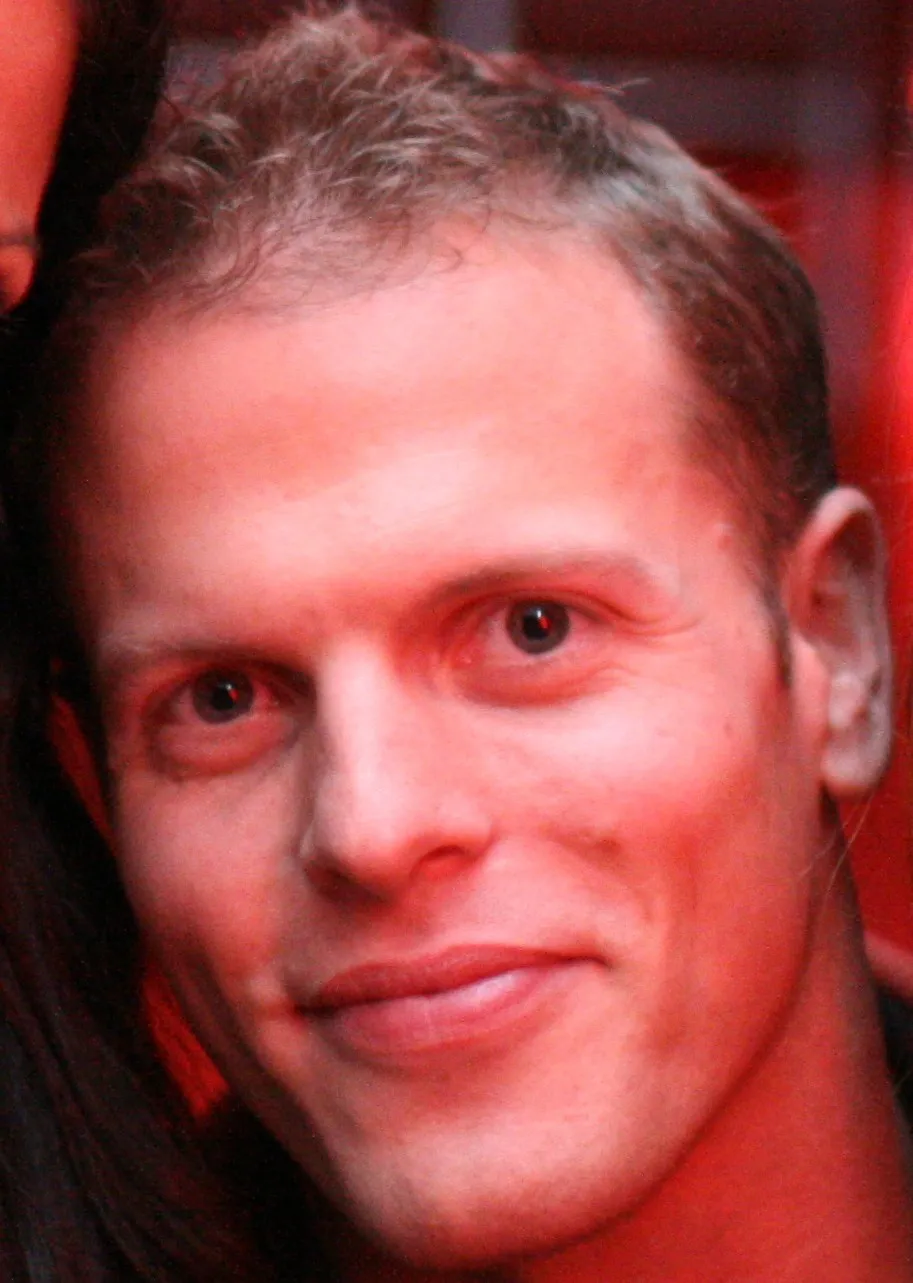
The 4-Hour Workweek Man
He sold supplements and burned out. He wrote a book about working less. It changed how millions think about work.
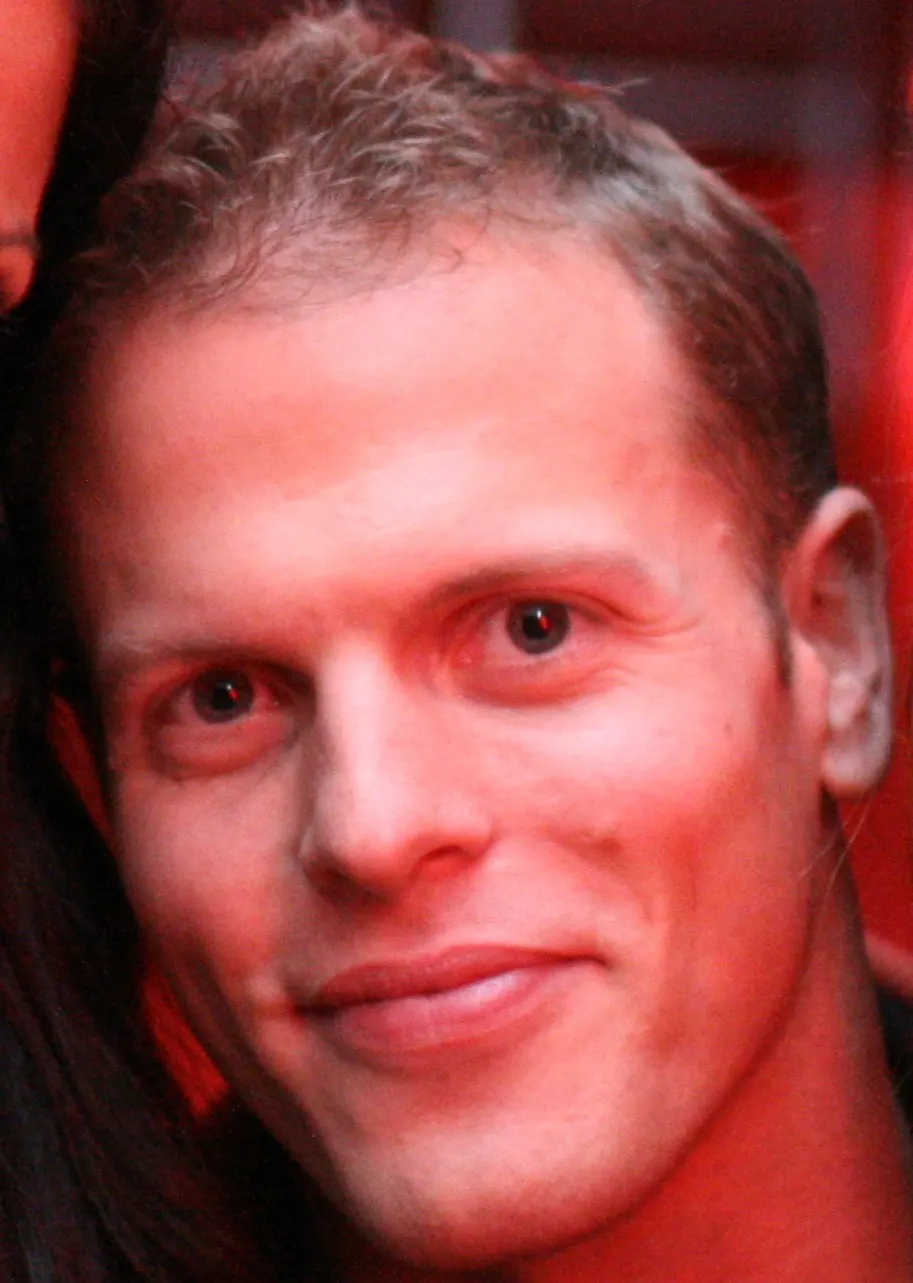
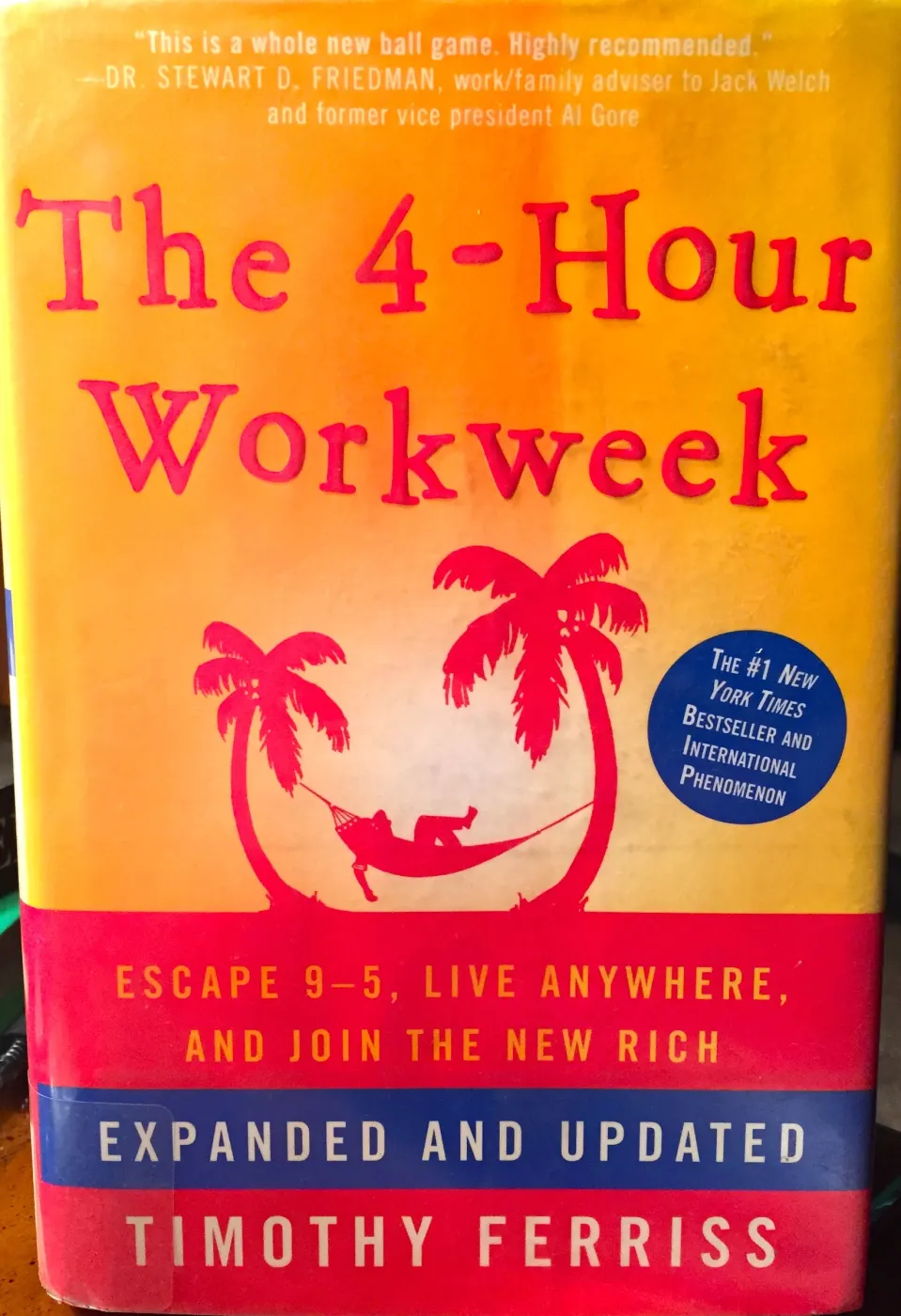
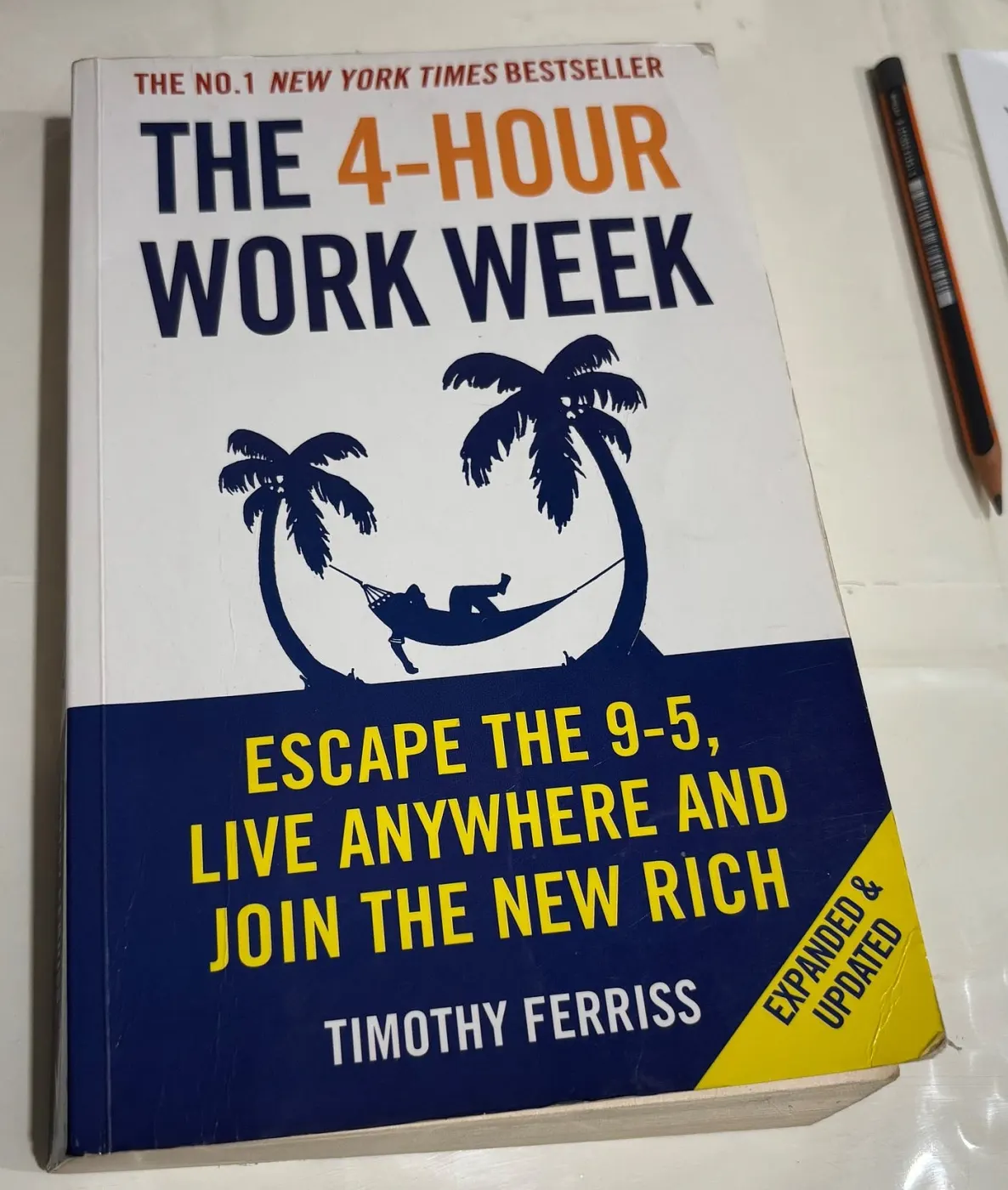
In 2007 a thick orange book arrived with a title that sounded like a dare: The 4-Hour Workweek.
Timothy Ferriss, then a young Princeton graduate who had built and nearly broken himself running a sports nutrition company, argued that the standard career script was optional. Automate. Outsource. Take mini retirements now instead of waiting until sixty-five. The book hit number one on the New York Times and Wall Street Journal lists. It became a passport for a generation that wanted remote work years before Zoom made remote work ordinary.
By 2026 the man behind the dare was still revising the experiment. The Tim Ferriss Show had passed a billion downloads. He had written five number one bestsellers. He had angel invested across companies including Uber, Facebook, Twitter, Shopify, Duolingo, and Alibaba. He had also become one of the most visible private funders of clinical psychedelic research, openly tying that work to mental health and family history. The productivity prophet had grown into something stranger and more human.
East Hampton and Princeton

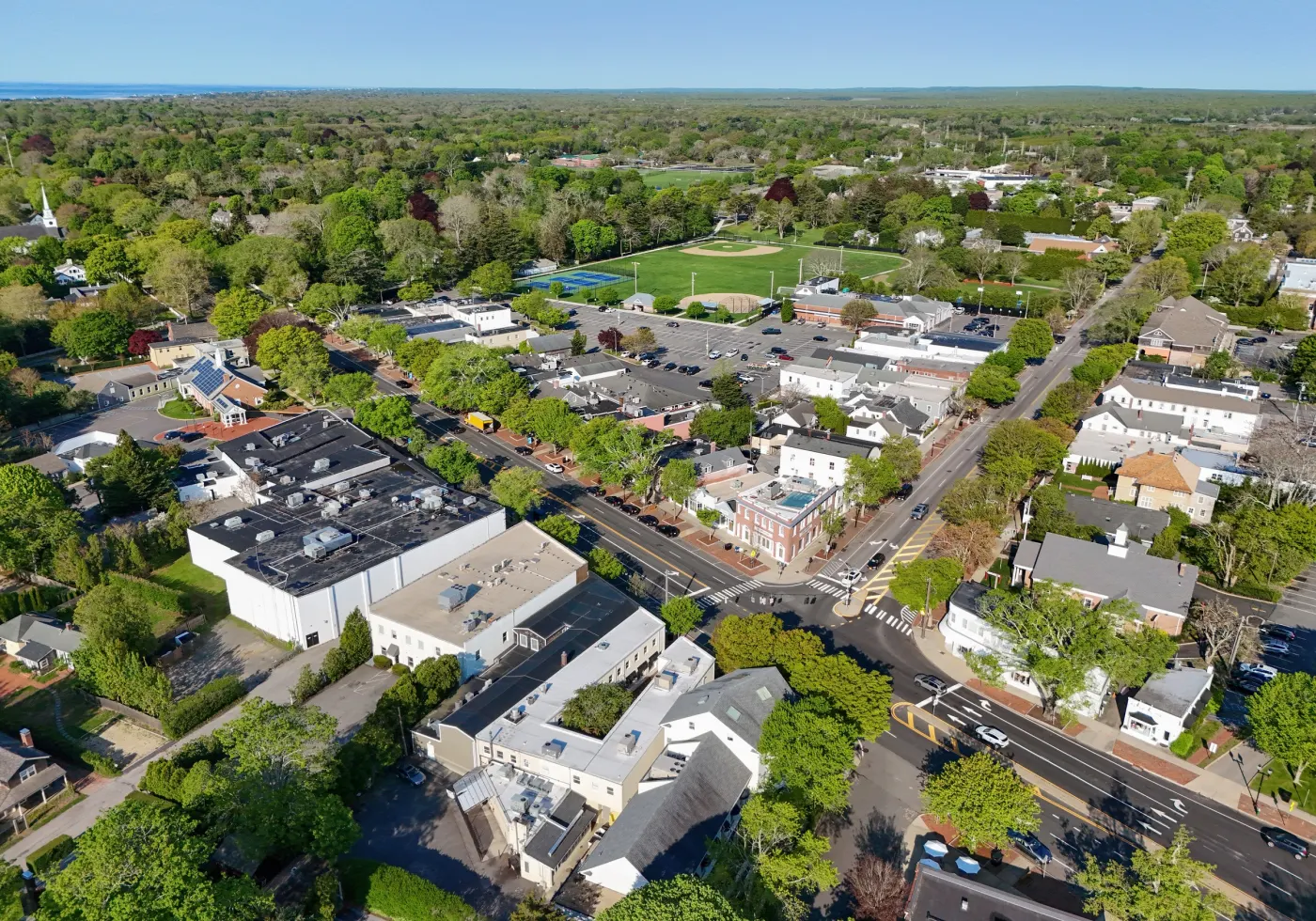
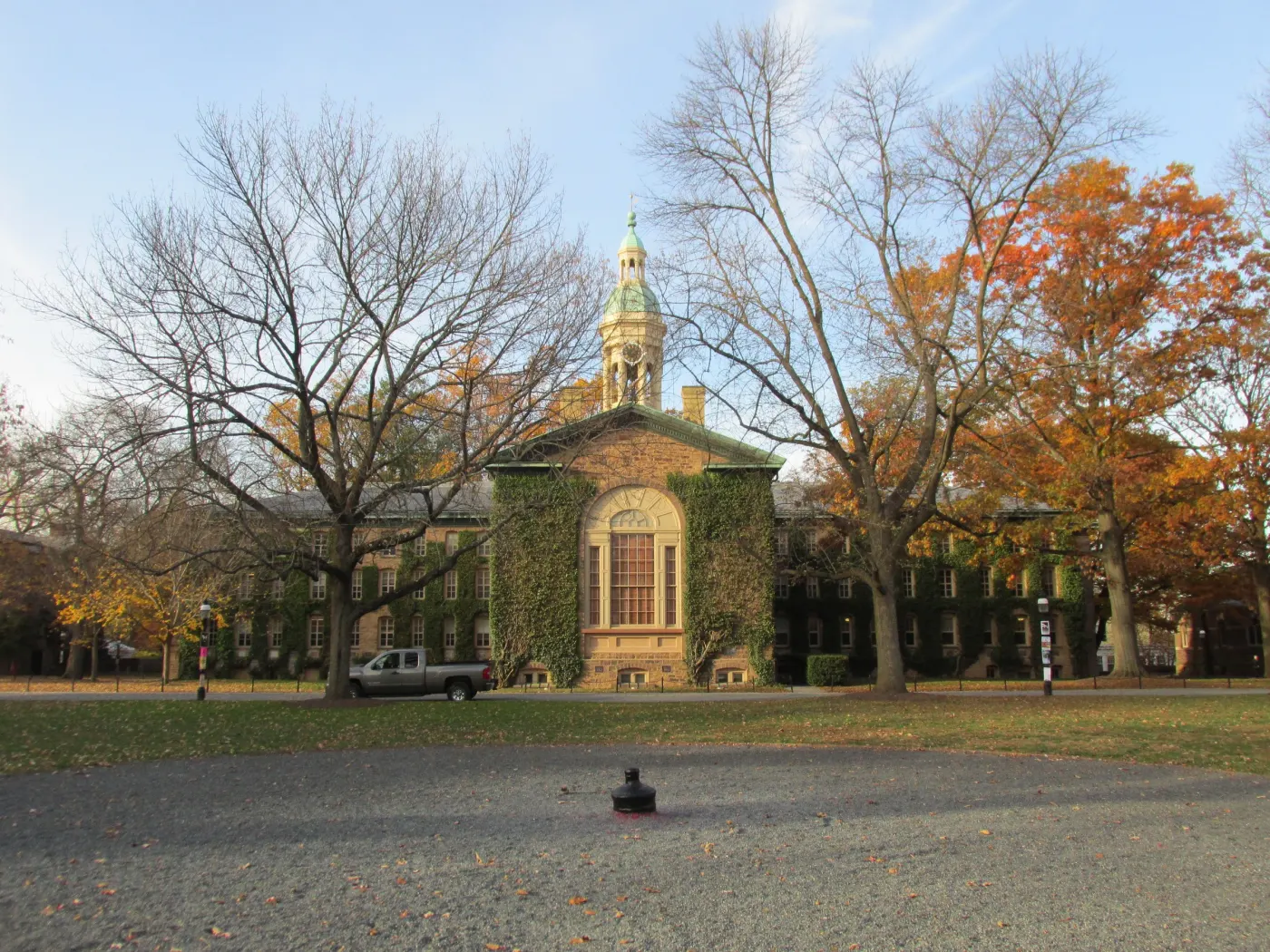
Timothy Ferriss was born on July 20, 1977, in East Hampton, New York. The East End is famous for summer wealth. His story is less about yacht clubs than about restless measurement. He has long described himself as someone who treats life like a lab notebook: change one variable, watch what happens, write it down.
He has credited poor childhood health with sparking an early interest in self-improvement. At fifteen he spent a year in Japan as an exchange student. Wrestling entered the picture in high school. After St. Paul's School in Concord, New Hampshire, he entered Princeton.
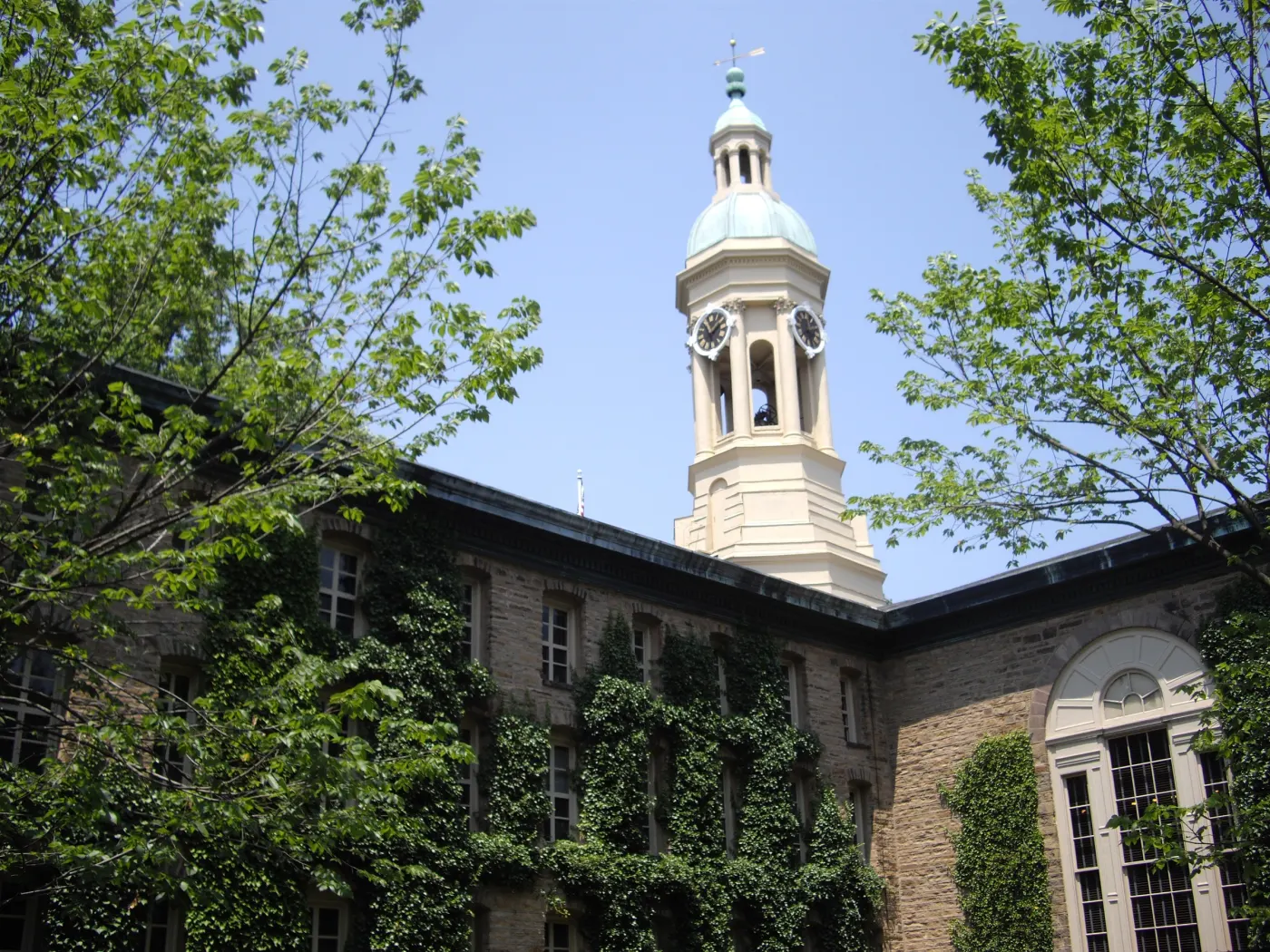
He earned a B.A. in East Asian studies in 2000. His senior thesis under Seiichi Makino ran about 128 pages on acquiring Japanese kanji through conventional practice and mnemonic supplementation. He studied nonfiction writing with Pulitzer winner John McPhee and absorbed life philosophy under Nobel winner Kenzaburo Oe. Language acquisition, combat sports, and travel collected early. He gathered skills the way other people collect job titles. The pattern that would later sell millions of books was already visible: compress learning, remove waste, publish the method.
After graduation he worked in sales at a data storage company. The job taught him outbound grind and also what he did not want forever. In 2001, while still employed, he founded BrainQUICKEN, an internet nutritional supplements business that later traded under the BodyQUICK name.
BrainQUICKEN and the burnout that wrote a book
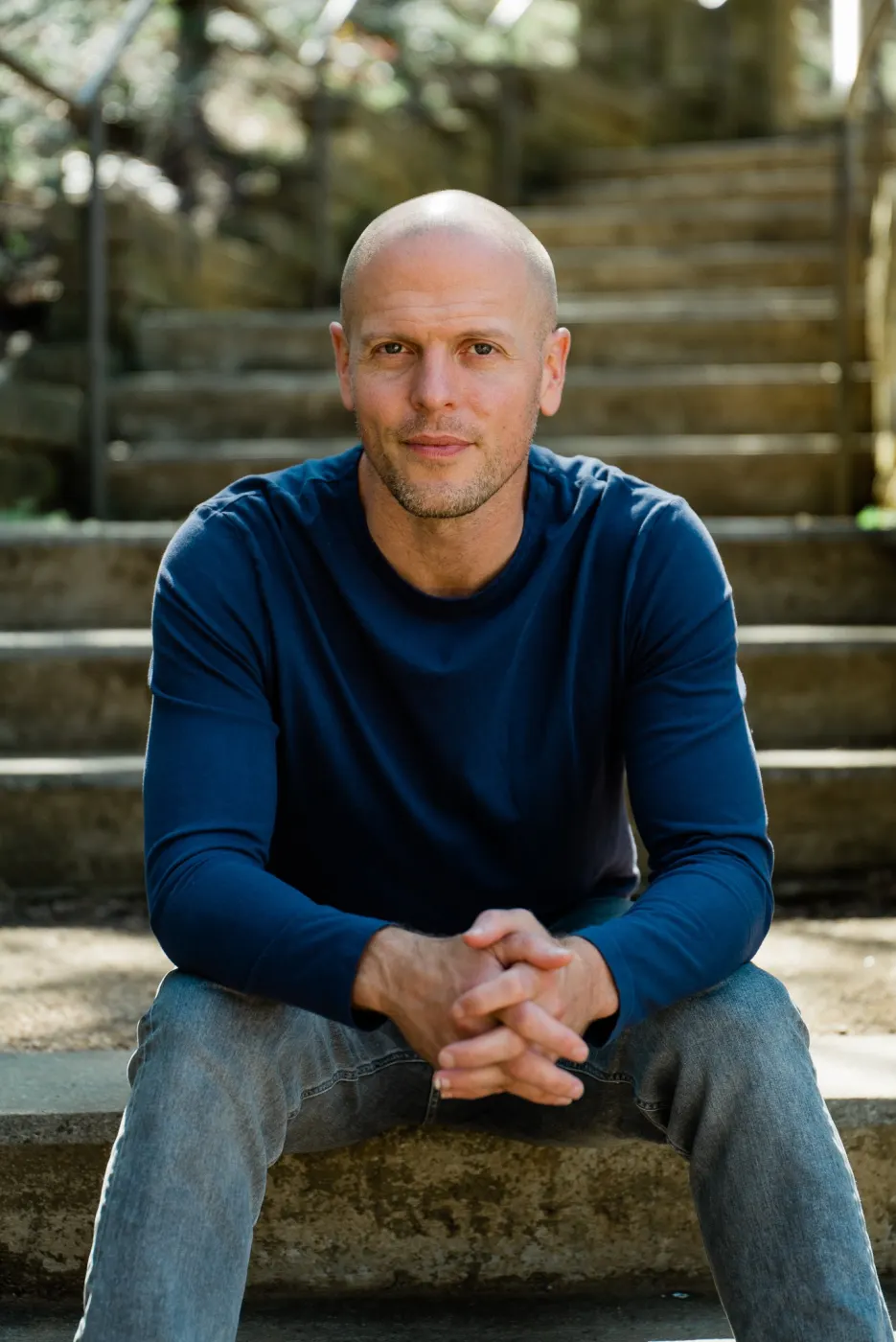
BrainQUICKEN sold cognitive and sports nutrition products online. Ferriss has described eighty-hour weeks in Mountain View building the company, living inside email and customer service, and burning out. In June 2004 he put three days of clothes in a backpack and bought a one-way ticket to London. He tracked family roots in Scandinavia, joined a hurling team in Ireland, and landed in Argentina for beginner tango.
Tango became obsession. He dropped from about 225 pounds to about 146 during months of training. With partner Alicia Monti he reached the semifinals of the 2005 tango world championship in Buenos Aires. On Live with Regis and Kelly they executed 37 tango spins in a minute for a Guinness record attempt, after an earlier record of 27. The dance story was not a side quest. It was proof that radical lifestyle redesign could be measured in public.
He has said The 4-Hour Workweek grew out of this period: a company that could run without him glued to every ticket, and a life that treated time as the scarce asset. He sold BrainQUICKEN, by then known as BodyQUICK, to a London-based private equity firm in 2010. The exit closed the first founder chapter. The book had already opened the second.
The 4-Hour Workweek breaks through
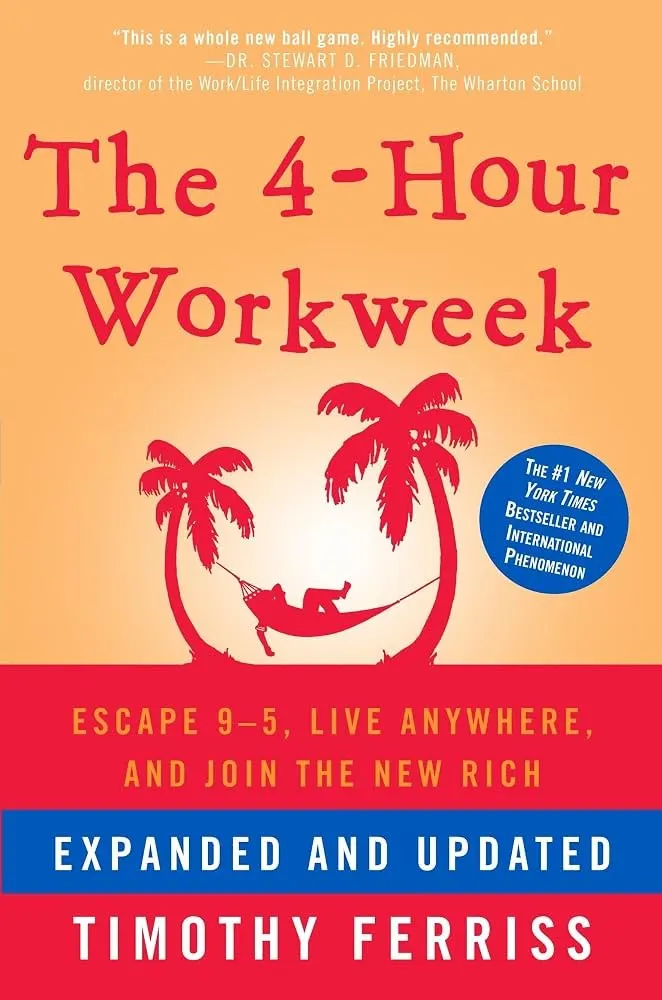
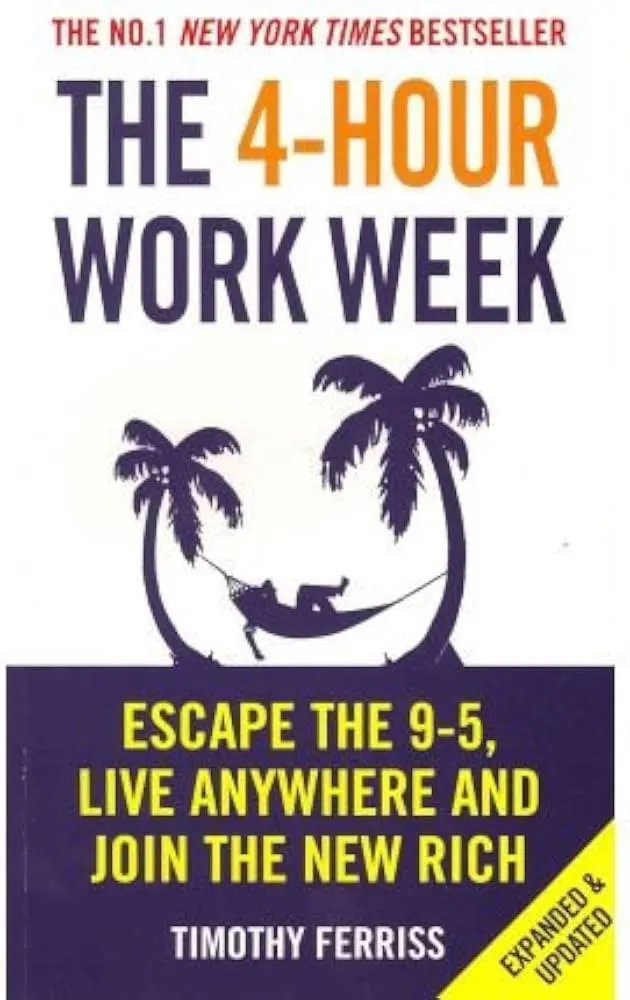
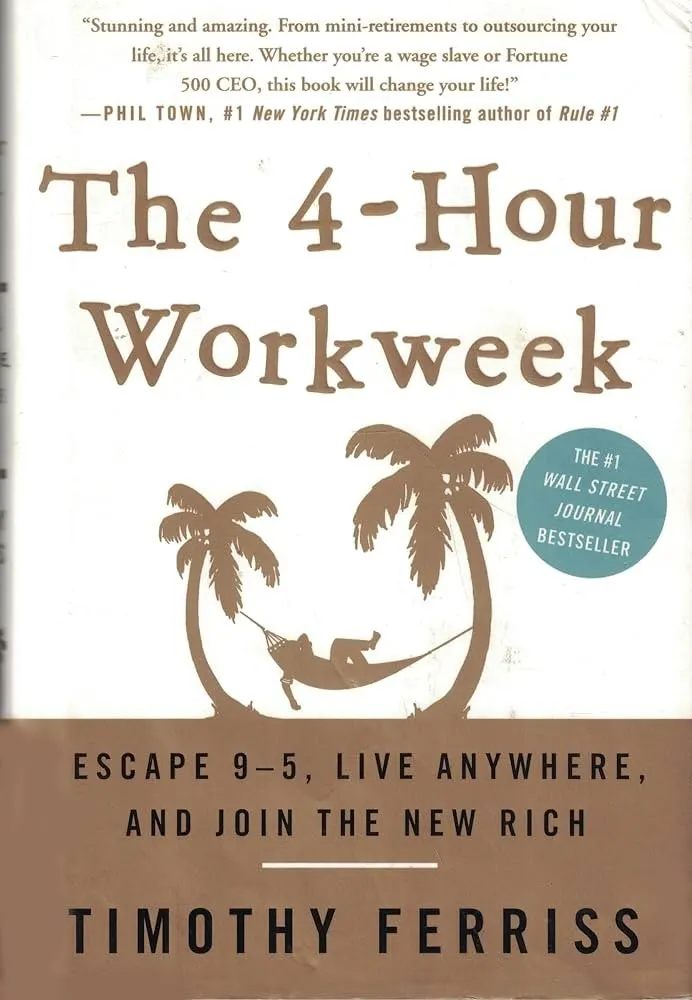
Crown published The 4-Hour Workweek in 2007. An expanded edition followed in 2009. The thesis mixed Pareto thinking, outsourcing through virtual assistants, batching email, and geographic arbitrage. Critics called it privileged fantasy. Fans treated chapters like operating manuals. Ferriss lectured at Princeton from about 2003 to 2013 on entrepreneurship as lifestyle design. Media from The New York Times to The Economist to Late Night with Jimmy Fallon put him on stages.
The book's afterlife mattered as much as its launch. Remote work, creator businesses, and location independence became mainstream vocabulary. Ferriss was not the only prophet of that shift. He was one of the loudest early packagers, with numbered hours in the title and a willingness to turn personal experiments into templates.
He kept testing distribution. He has spoken about using blogs, podcasts, and unconventional launch tactics to reach readers without waiting for gatekeepers. The 4-Hour brand became a franchise before he publicly cooled on pure optimization as a life goal.
The 4-Hour franchise and the limits of optimization
The 4-Hour Body arrived in 2010 with self-experimentation on fat loss, strength, and sleep. The 4-Hour Chef followed in 2012 as a cookbook for learning disguised as a cookbook for food, published through a large Amazon deal that angered some traditional retailers. Tools of Titans arrived in 2016, distilling tactics from guests into dense pages. Tribe of Mentors followed in 2017 as a question-driven anthology of advice from high performers.
Five number one New York Times and Wall Street Journal bestsellers put him in rare company. He has said he is one of only two authors (with Malcolm Gladwell in some of his about-page framings for certain lists) to hit that streak in particular configurations of business and advice charts. Exact list mechanics change by year. The cultural fact is simpler: millions of readers treated his books as permission slips to redesign work and body.
Then he publicly reconsidered the optimization gospel. Later interviews and essays show a man wary of turning every hour into a KPI. Depression, family addiction history, and the limits of hacking happiness pushed him toward mental health as a second operating system. The brand that sold four-hour miracles began funding slower science.
Angel checks and the operator network
Ferriss became an early-stage technology investor and advisor. Public lists associated with him include Uber, Facebook, Twitter, Shopify, Duolingo, Alibaba, StumbleUpon, Evernote, and dozens more. Not every check became a unicorn. Enough did that his podcast introductions often sound like a tour of Silicon Valley's 2010s.
He has described angel investing as both education and distraction. Around 2015 he talked about dialing back investing intensity and relocating emphasis toward writing and media, including time in Austin away from Bay Area gravity. The operator network remained. Guests on the show and founders in the portfolio blurred into one graph of people who ship.
DonorsChoose.org advisory work and speaking invitations from Google, MIT, Harvard Business School, Nike, Facebook, Microsoft, and even the CIA sat beside TED and SXSW stages. Fame made doors open. Fame also made critics louder about privilege, male self-help culture, and whether lifestyle design scales beyond people who already have options.
The Tim Ferriss Show
In 2014 he launched The Tim Ferriss Show. Long interviews with athletes, investors, writers, scientists, and operators became his primary media product. By the mid 2020s the show had surpassed one billion downloads. Episodes often ran past two hours. Show notes became mini encyclopedias.
The craft mattered. Ferriss prepared like a researcher, asked about morning routines and failure scars, and left space for guests to talk past the press kit. Tools of Titans harvested that archive into print. The podcast also became a distribution engine for causes he later funded, including psychedelic research challenge grants announced on air.
He interviewed Rick Doblin of MAPS, scientists at Johns Hopkins and Imperial, and operators whose habits millions copied. The show made him less a book author chasing the next orange cover and more a curator of living case studies. In a media economy that rewards clips, he kept shipping length.
Psychedelic science and mental health
In 2018 Ferriss created the Saisei Foundation to fund unorthodox research on conditions widely treated as intractable: treatment-resistant depression, opioid addiction, anorexia nervosa, and PTSD. He has tied the mission to personal experience, including childhood abuse, lifelong major depressive disorder, and watching family members lose lives to alcohol and opiates.
He helped organize private funding that launched the Johns Hopkins Center for Psychedelic and Consciousness Research in 2019, part of a roughly $17 million donor package that also included the Steven and Alexandra Cohen Foundation, Matt Mullenweg, Blake Mycoskie, and Craig Nerenberg. The center was described as the first dedicated psychedelic research center in the United States and the largest of its kind at launch. Coverage ran in The New York Times, Scientific American, Forbes, and The Washington Post.
He also supported the Centre for Psychedelics Research at Imperial College London, often cited as the world's first dedicated center of its kind, focused heavily on depression research. Through MAPS he backed Phase 3 MDMA-assisted psychotherapy trials for PTSD. In 2020 he helped organize a $10 million challenge grant for the MAPS Capstone Challenge, personally contributing $1 million alongside donors including the Cohen Foundation, James Bailey, Peter Rahal, and Blake Mycoskie, aiming to unlock $30 million total for FDA path studies. He publicized the challenge on his podcast with Rick Doblin.
Saisei lists additional grants such as Harvard Law's Project on Psychedelics Law and Regulation and the Ferriss-UC Berkeley Psychedelic Journalism Fellowship overseen with Michael Pollan's orbit. Not every grant is psychedelic. The through line is high-leverage bets on treatments conventional funding ignored.
Critics, privilege, and necessary friction
Ferriss's rise invited friction. Some readers found virtual assistant advice tone-deaf. Some scientists bristled at celebrity philanthropy shaping research agendas. Some mental health advocates welcomed destigmatization while warning against DIY psychedelic use outside clinical frames. Ferriss has repeatedly stressed clinical contexts and legal research paths in public comments about the work.
Self-help as a category carries hype risk. Ferriss's own later skepticism about pure optimization became part of the brand honesty. He still sells experiments. He also sells the idea that the experiment can fail you, and that depression is not a productivity bug to squash with a morning routine alone.
The friction is useful for a documentary. Without it, the story is only orange covers and download counters. With it, the story is a man who packaged freedom, then spent capital trying to reduce suffering he could not outsource.
How he works
Ferriss batches communication. He protects deep work blocks. He treats interviews as research trips. He writes in public drafts and revises in public too. The guinea pig metaphor is not marketing fluff. He has published sleep experiments, kettlebell protocols, fasting windows, and language learning stacks, then invited audiences to copy or discard them.
He prepares guest questions with obsessive notes. He follows up with show notes teams that turn conversation into searchable artifacts. He uses the podcast as both product and philanthropic microphone. When MAPS needed urgency, he put a countdown on the largest stage he owned.
He has said sales is a craft and writing is a craft. The through line from telegraphed tango spins to billion downloads is performance under measurement. The newer through line is admitting what measurement cannot fix.
Current achievements and world impact as of 2026
As of 2026, Ferriss's public footprint includes five number one bestsellers, a podcast past a billion downloads, and a widely cited early angel portfolio across consumer internet companies that reshaped mobility, social, commerce, and language learning. Exact personal net worth figures vary by private marks and should be treated carefully. What is visible is influence: vocabulary about lifestyle design, remote work permission structures, and long-form interview norms in business media.
World impact also sits in clinics and journals. Johns Hopkins and Imperial centers he helped fund published and trained researchers in a field that spent decades frozen by stigma and regulation. MAPS Phase 3 MDMA-assisted therapy data reported large clinically significant PTSD symptom reductions in published trial work, though FDA pathways and policy fights continued into the mid 2020s. Journalism fellowships and law projects tried to shape public understanding beside the lab benches.
The darker edge of impact is copycat culture. Mini retirements can become burnout cosplay. Supplement stacks can become expensive distraction. Psychedelic curiosity can become unsafe self-experimentation. Ferriss's better public posture has been to point people toward evidence and clinical settings while still owning the fact that his brand taught millions to tinker.
Young builders still read him because the early books named a feeling: the job is optional if you can build a system. Older readers return because the later chapters admit the system is not enough. That arc, from optimization to mental health philanthropy, is the 2026 version of the dare that started with an orange cover.
The sales floor before the myth
Before the orange cover, Ferriss was a salesman who liked closing. Data storage outbound calls taught him scripts, objections, and the feeling of a pipeline that never sleeps. BrainQUICKEN then turned that skill toward customers who wanted an edge in focus or sport. He has described living inside customer service threads and discovering that a company can own you even when you own the equity.
The Argentina year and tango championships were not escapes from business so much as proof that identity could be rebuilt on purpose. He returned with a thinner body, a Guinness-adjacent spin record, and a manuscript thesis: design the life first, then force the business to fund it. That sequencing offended traditional career advice. It also arrived just as blogging and cheap international flights made the idea feel newly possible for a slice of readers with laptops and passports.
Conference circuits and the making of a persona
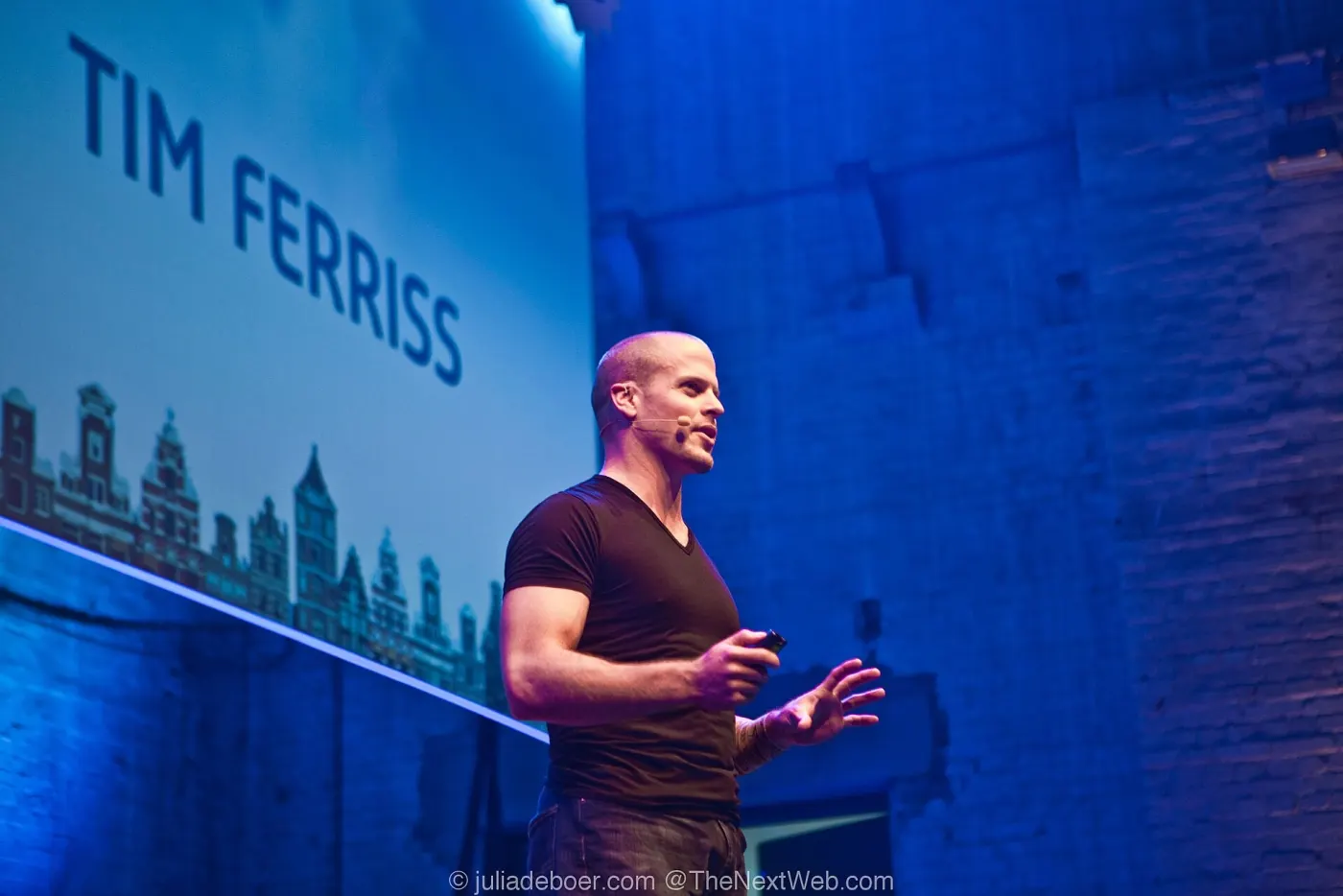
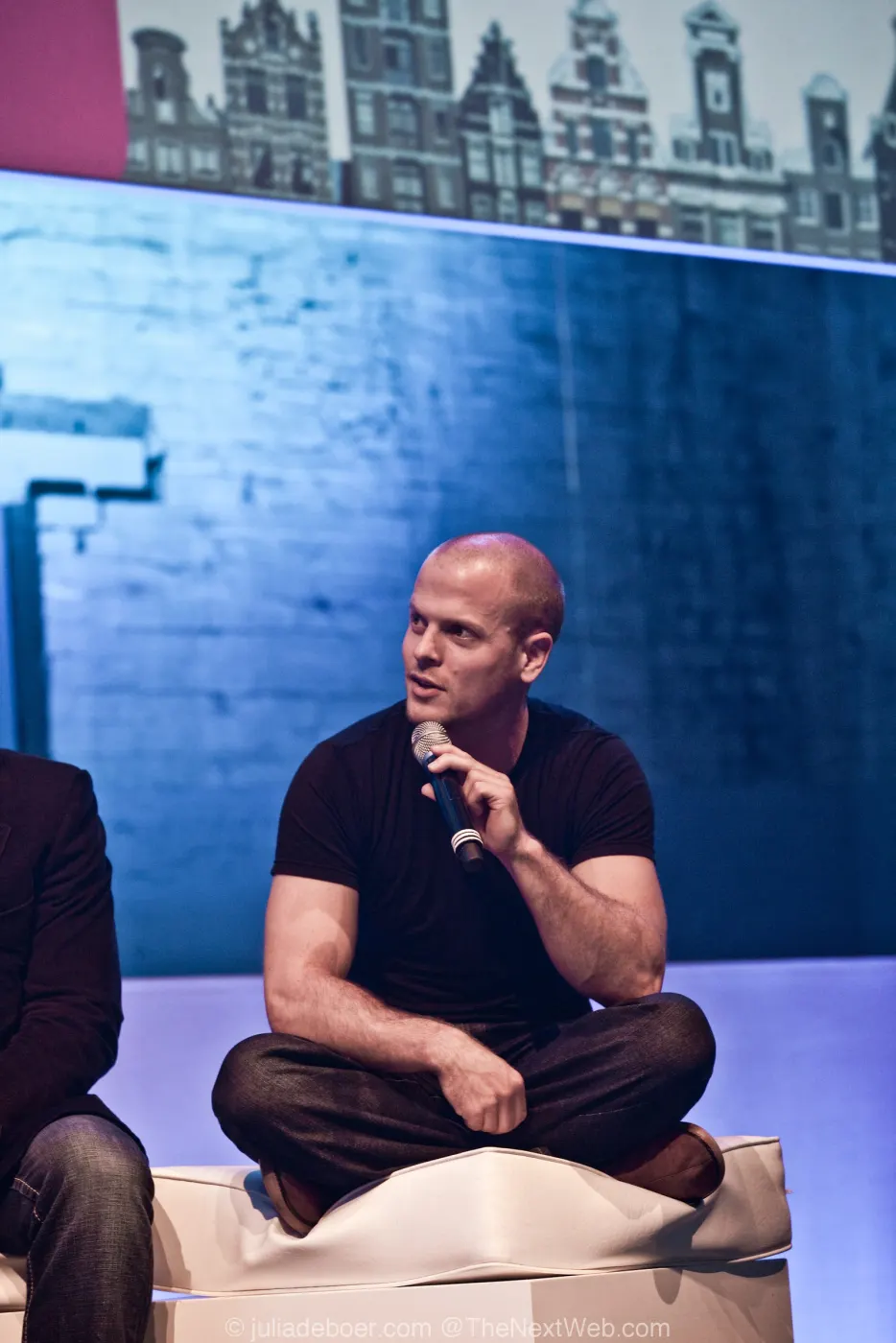
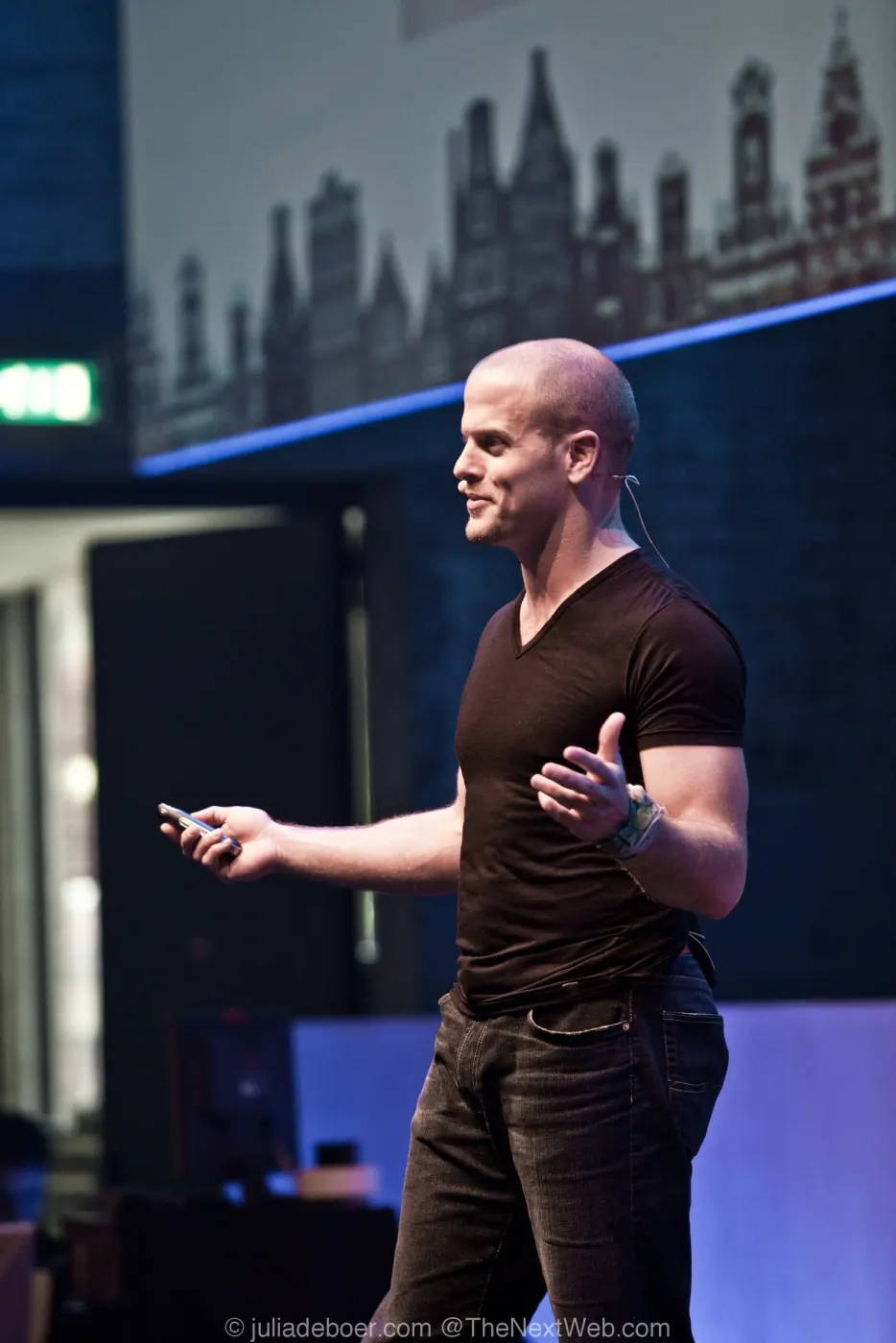
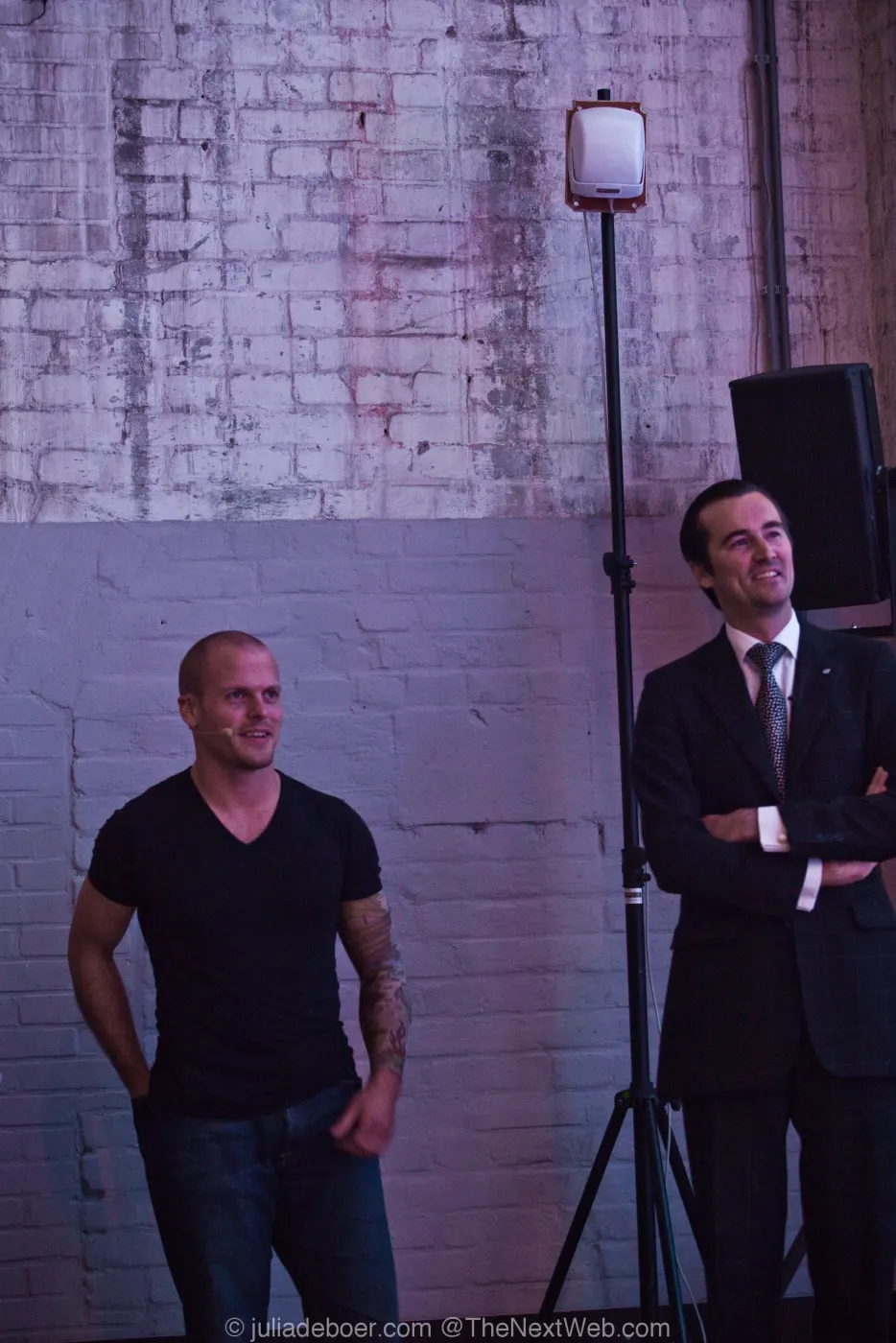
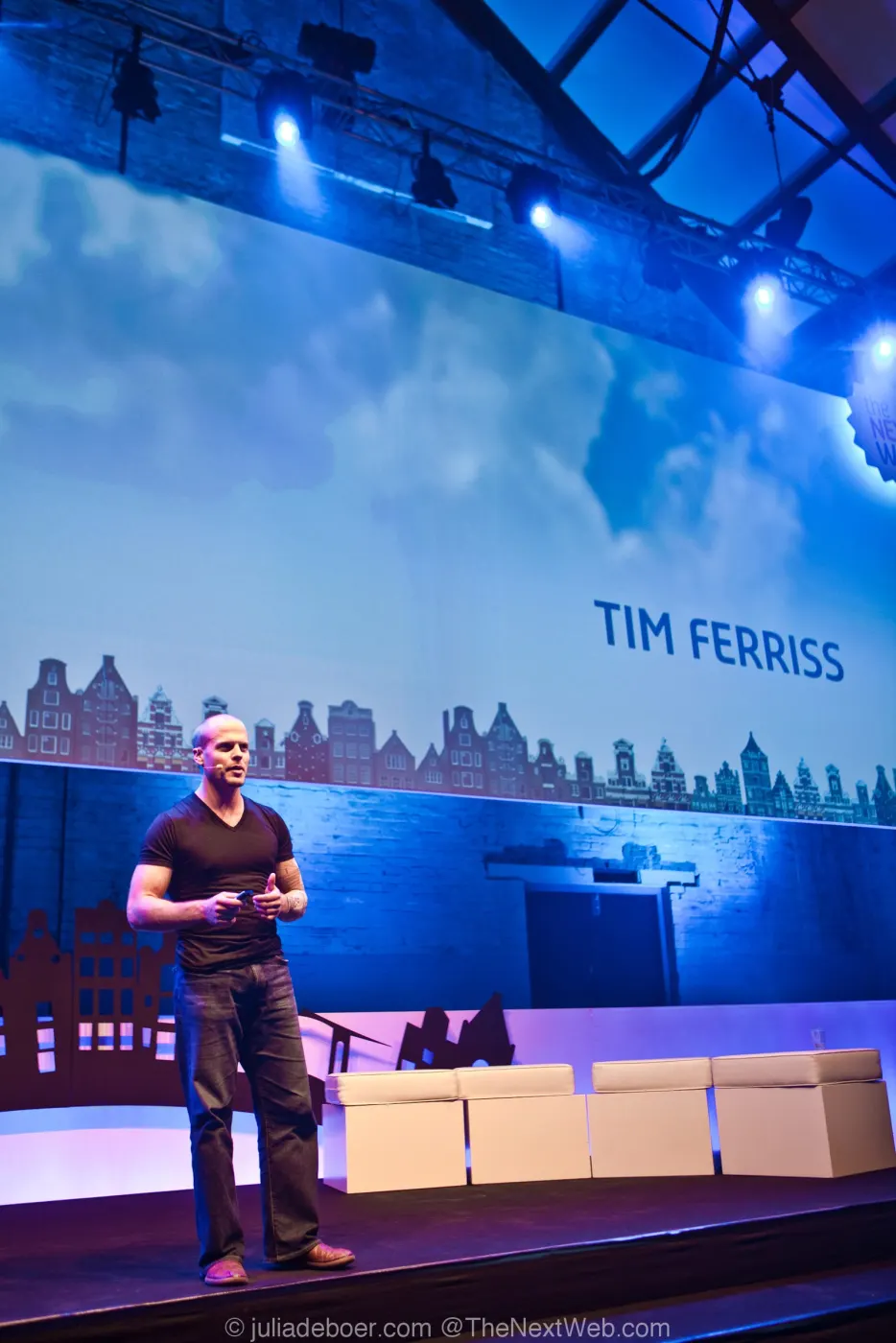
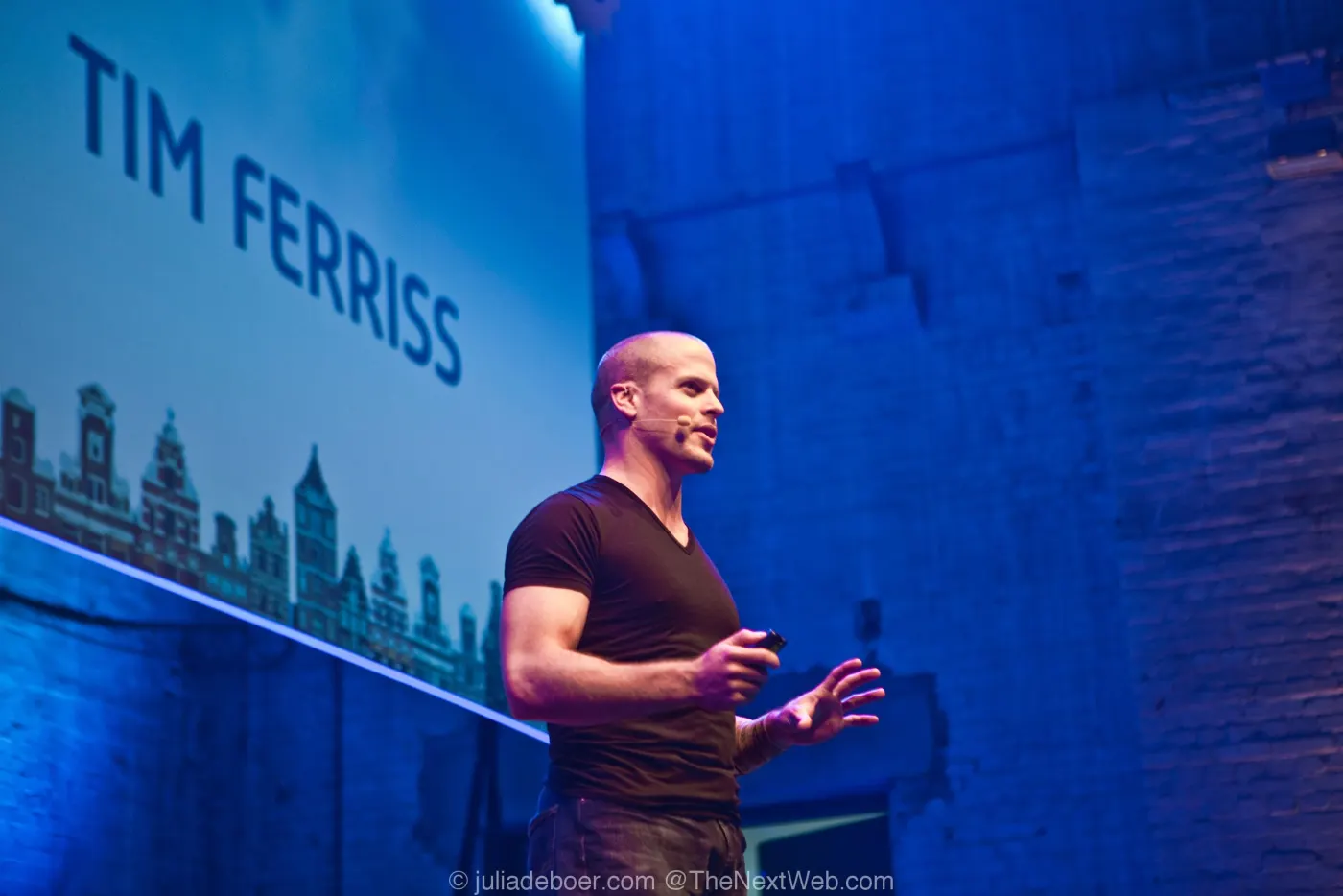
The Next Web and similar stages in 2010 cast Ferriss as a polished operator telling rooms of founders to question defaults. He took microphones, shared slides about outsourcing, and became a recognizable face of lifestyle entrepreneurship: blazer, headset, certainty, and a message tuned for rooms that wanted permission to quit default careers.
Persona is a product. Ferriss built one that could sell books, then used the same persona to sell attention to science. The risk of persona is that audiences demand the old trick forever. His tenth-anniversary revisits of The 4-Hour Workweek show him answering the same questions with more scars and fewer absolute claims.
He spoke at Google, MIT, Harvard Business School, Nike, Facebook, Microsoft, Palantir, and unusual rooms like the CIA. The calendar proved reach. It also proved how easily a message about freedom can become a keynote product that never sleeps.
What angel investing felt like from his seat
Angel checks look glamorous in highlight reels. From the seat, they are diligence, board email, and the emotional whiplash of paper wealth that is not cash. Ferriss has talked about the cognitive load of too many investments and the decision to reduce that load so writing and media could come first.
Portfolio names associated with him map onto the consumer internet boom: ride hailing, social networks, commerce platforms, language apps. Being early is partly taste and partly network. His podcast guests and investees often overlapped, creating a flywheel where conversation led to introductions and introductions led to more conversation.
He has also been frank that not every bet works. Documentary honesty requires that sentence. The unicorn list is real. The quiet write-offs are real too. What remained after he stepped back from heavy investing was a Rolodex and a microphone large enough to move philanthropic dollars.
The craft of the long interview
Ferriss treats a guest like a research subject who can talk back. He asks about first jobs, worst failures, supplemental routines, and books that changed a decade. He lets silence work. He follows curiosity down side trails that clip culture would cut.
Show notes turn ephemeral talk into durable reference. Listeners who will never meet the guest still leave with a reading list and a protocol. That is why Tools of Titans could exist: the podcast was already a factory for distilled tactics.
Length is a bet against the algorithm. A billion downloads suggests the bet paid. It also suggests millions of people were hungry for depth that social feeds do not provide. Ferriss did not invent long-form audio. He industrialized a particular flavor of it for operators and self-improvers.
Philanthropy as second operating system
Saisei is Japanese-associated naming Ferriss has linked to ideas of rebirth and regeneration in his foundation materials. The grant list reads like a map of a field thawing after decades of ice: Johns Hopkins, Imperial, MAPS Phase 3, psychedelic law at Harvard, journalism fellowships meant to improve public coverage.
He has said the interest is personal. Childhood abuse, major depressive disorder, and family deaths from addiction are not lifestyle brand accessories. They are the reason a man famous for hacking mornings started writing large checks for clinical trials.
The Capstone Challenge structure mattered. All-or-nothing matching creates urgency. Putting the ask on a podcast with Rick Doblin turned listeners into a fundraising channel. Celebrity philanthropy can distort science agendas. It can also unlock work that federal funding would not touch for years. Ferriss's bet was that MDMA-assisted therapy for PTSD was a lead domino for a wider class of treatments.
By 2026 the field was no longer fringe cocktail party talk. It was a contested policy and FDA arena. Ferriss's role was never as a principal investigator. It was as a capital and attention accelerant who kept repeating that context and clinical frames matter.
Scenes that explain the arc
Picture East Hampton library curiosity meeting Princeton thesis discipline. Picture Mountain View inbox prison. Picture a Buenos Aires dance floor where spins become proof. Picture a 2007 bookstore table with an orange stack. Picture a 2019 Johns Hopkins press conference announcing a psychedelic center with his name among the donors. Picture a 2020 podcast episode where a $10 million challenge grant becomes a plot twist for listeners who thought they were there for morning routines.
Those scenes are one person refusing to stay in a single genre. The through line is experimentation with public notes. The maturation is learning which experiments belong in a clinic.
Why young builders still read him
Young builders still open The 4-Hour Workweek because it attacks a fear: that life is a fifty-year hallway with a pension light at the end. Even readers who reject his specific tactics keep the permission structure. Build a small system. Buy back time. Test geography. Publish what you learn.
They stay for the podcast because the guests are often the people they want to become, speaking without a corporate handler for two hours. They stay for the science chapters because many of them are also anxious, depressed, or watching addiction in their families, and a famous optimizer admitting that is a kind of relief.
2026 landing
Into 2026 Ferriss remained a media founder more than a company CEO. The products were books, audio, newsletters, and a foundation portfolio. Exact private investment marks and personal wealth estimates should be reported carefully because they move with markets and are often unverified. The durable public facts are download counts, bestseller records, named research centers, and a body of interviews that still circulate as operating advice.
He continues to revisit old work without pretending the 2007 version of himself knew everything. That revision habit may be the most useful thing he models. The experiment is allowed to update its hypothesis.
Deep context: why 2007 was ready
Broadband, PayPal, and blogs made selling information products newly practical. Outsourcing platforms made virtual assistants reachable for non-executives. Housing costs and office culture made white-collar workers hungry for exit ramps. Ferriss's book arrived into that readiness with a title engineered for bookstore tables and debate.
He did not create remote work. He gave it a slogan and a stack of tactics that could be tried on a Tuesday. That is how culture tips: not only with invention, but with packaging that travels.
Deep context: from body to chef to titans
The 4-Hour Body turned the self into a spreadsheet of protein, cold exposure, and strength tricks. Some protocols were later walked back or contextualized. Some readers got injured chasing extremes. Ferriss kept publishing results and caveats in a style that treated the audience as co-experimenters.
The 4-Hour Chef used cooking to teach meta-learning: deconstruct, select, sequence, stakes. Amazon's publishing experiment put him in a fight with traditional retail. The controversy was free marketing and also a lesson in how distribution power reshapes authors.
Tools of Titans and Tribe of Mentors closed the franchise loop by turning the podcast graph into print. The books are crowded with names and routines. Their value is less any single hack than the idea that excellence leaves notes you can steal.
Deep context: science, stigma, and the checkbook
For decades, psychedelic research in the United States lived under heavy stigma after mid-century crackdowns. Johns Hopkins had restarted careful work in 2000 and published influential 2006 psilocybin findings. Ferriss's 2019 donor cohort did not invent the science. It scaled the institution around it.
Imperial's London center and MAPS's Phase 3 path similarly needed money and narrative cover. Ferriss provided both. He also accepted the reputational risk of being the lifestyle guy funding MDMA research. That risk cut both ways: it brought cameras, and it invited skepticism.
By 2026, policy fights around approval, therapy models, and commercialization were active. The documentary should not pretend Ferriss controls those outcomes. It should show that private capital and podcast megaphones changed the timeline of what was discussable.
Practical legacy without a checklist sermon
What travels from Ferriss into ordinary lives is often smaller than his myth. A person batches email twice a day. A person takes a two-week mini retirement and returns clearer. A person starts a tiny online shop. A person listens to a two-hour interview instead of a rage scroll. A family member finds a clinical trial pathway discussion less shameful because a famous optimizer said depression is real.
That is quieter than a billionaire founder story. It is still world impact measured in millions of small permission slips.
He has amassed a strange roster of public experiments across decades: language acquisition stunts, strength protocols, cold exposure, fasting windows, and cooking projects dressed as learning labs. Not every experiment aged well. Some were theater. Some were genuine contributions to how non-experts think about skill acquisition. The honest reading holds both.
Ferriss also served on the advisory board of DonorsChoose.org, an education nonprofit that let donors fund classroom projects directly. That quieter board seat sits beside louder psychedelic headlines. It fits the pattern of using audience and capital to route money toward problems schools and clinics struggle to fund alone.
When critics say his advice only works for people with privilege, they are partly describing his reader base and partly describing a real limit. Geographic arbitrage assumes mobility. Outsourcing assumes dollars. Clinical psychedelic therapy, if approved at scale, would face access and cost questions the podcast cannot solve. Ferriss's better answers acknowledge systems. His weaker moments sell individual escape as if the system were optional for everyone.
Still, the record of shipped work is large. Books that redefined a shelf. A podcast that redefined interview length for a business audience. Checks that helped open research centers. A foundation that keeps placing unorthodox bets. Into 2026 that record remains the reason his name still draws a room when he revisits the dare that started it all.
Money, fame, and temperature
Fame raised the temperature on every claim. A sleep tip became a movement. A fasting window became a fight. An investment rumor became a headline. Ferriss learned to speak with more hedges in later years while still giving listeners something concrete to try.
Money from books, ads, investments, and media deals funded the foundation posture. Exact dollar figures for personal wealth are often guessed by magazines and should be treated as soft. What is hard is the public grant story: named centers, named trials, named challenge grants with deadlines.
He relocated emphasis across geographies over time, including periods associated with the Bay Area and Austin, chasing quieter rooms for writing. Place was always part of the 4-Hour myth. Place remained part of the operating system even when the myth softened.
The East Hampton echo
East Hampton sits in his origin the way Uppsala sits in Sebastian's, a hometown that is both real and symbolic. For Ferriss it signals early restlessness beside seasonal wealth, a boy measuring himself against summers he could not fully inhabit. The later global brand still carries that early urge to design a life on purpose rather than inherit one by default.
Readers who only know the orange book miss the echo. Readers who only know the psychedelic grants miss the salesman. The full arc needs both rooms in the same house.
If Klarna's story is trust at checkout, Ferriss's story is trust in self-experiment. Both create second-order harm when trust is abused. Ferriss's late-career emphasis on clinical frames is the corrective to his early-career invitation to try everything at home. The corrective does not erase the invitation. It grows up beside it.
By the time the podcast crossed a billion downloads, the audience included people who had never read the orange book and people who had worn its ideas into middle age. That layered audience forced him to speak to beginners and veterans in the same episode. The skill of that balancing act is easy to miss if you only count downloads.
The last honest frame is simple. A premature baby from East Hampton grew into a salesman, a dancer, a bestselling author, an angel investor, a podcaster, and a science funder. He taught millions to question the default week. Then he questioned his own defaults in public.
That loop of publish, revise, fund the harder problem is the Tim Ferriss documentary as of 2026. Not a finished statue. A lab notebook that got famous and then tried to do something worthy with the fame.
He also kept revising what success meant after the books made him famous, treating later experiments in health and philanthropy as seriously as earlier experiments in lifestyle design.
Closing
Tim Ferriss sold a supplement company, wrote a book that made work sound optional, and then spent years proving and revising the claim. He spun on national television, lectured at Princeton, angel-checked into the internet's next wave, and built a podcast large enough to move science funding.
He grew up measuring. He burned out measuring. He got famous measuring. Then he put money into research on depression, addiction, and PTSD because some variables do not yield to a four-hour hack.
Readers should leave knowing BrainQUICKEN's inbox prison, the Buenos Aires tango proof, the 2007 orange shock, the angel graph across Uber and Shopify, the billion download archive, and the Saisei checks that helped open Johns Hopkins and push MAPS. Those are the load-bearing scenes.
The story ends where his better work begins: not with a perfect morning routine, but with a willingness to fund slow answers for people who cannot outsource their pain. The orange book opened a door. The clinics and trial grants are what he chose to carry through it. The experiment continues, and the notebook stays open for anyone honest enough to revise. That openness, more than any single hack, is why his name still matters in 2026. Keep the lab notebook honest, and the dare stays useful.
Watch alongside this story
Short cuts from interviews, keynotes and launches. Each plays only the moment that matters.