The Wartime CEO Who Digitized the Street
A Northridge kid who sold knives door to door. A UCLA dropout who lost a file-sharing war. Then a ride button that remade cities.
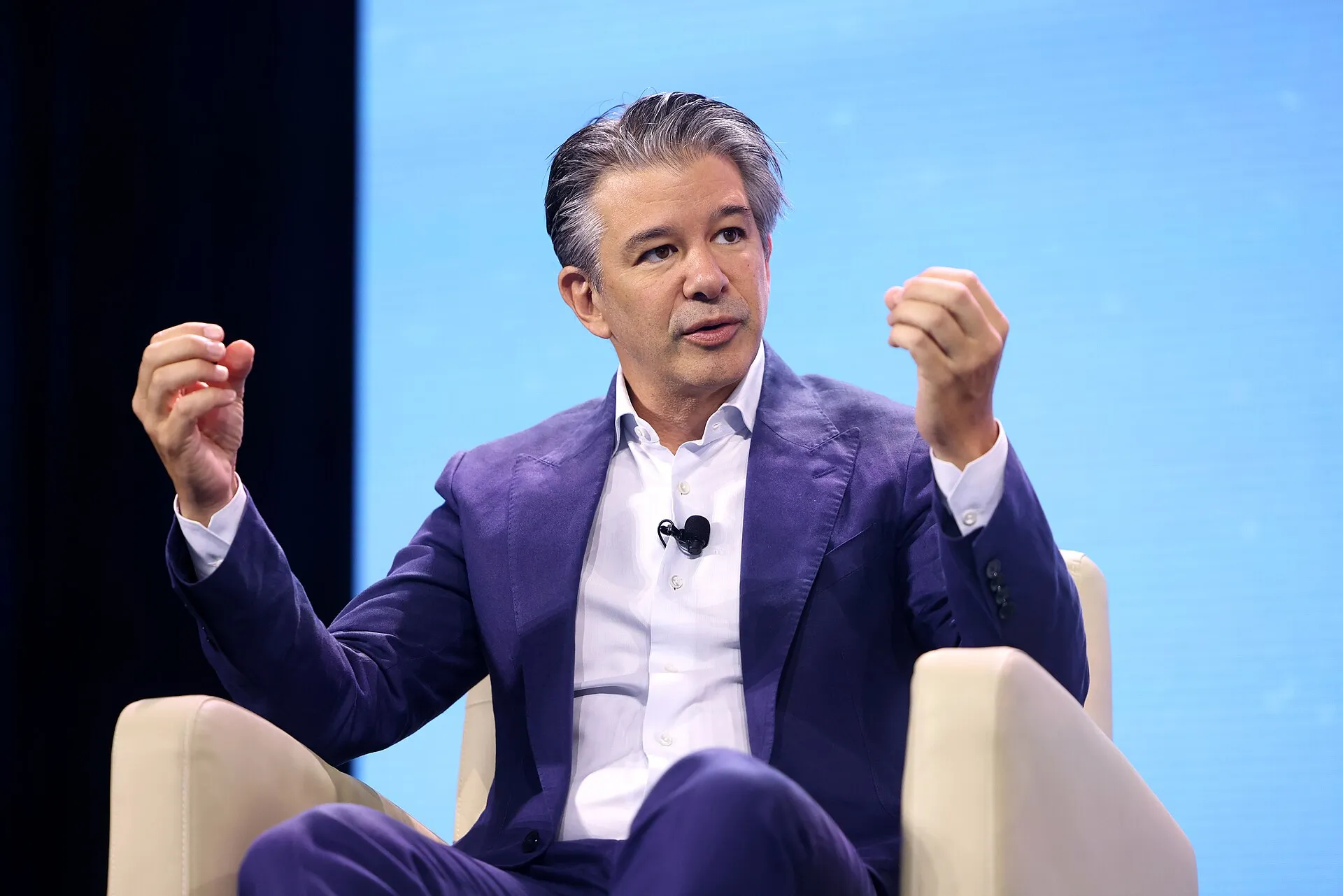
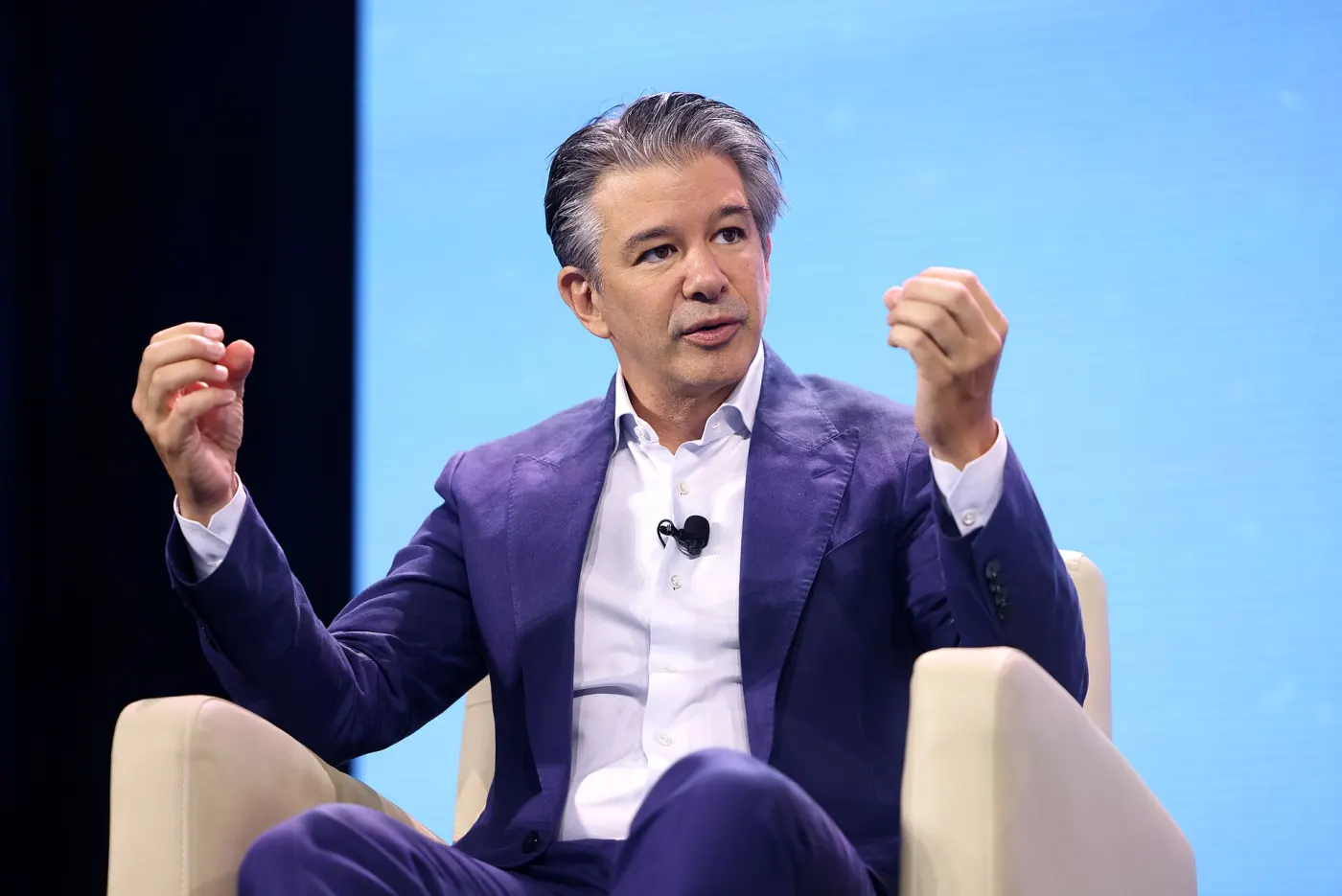
On a bright stage in September 2024, Travis Kalanick sits across from Jason Calacanis and talks about kitchens the way he once talked about cars. The crowd knows the legend. The man who turned a black-car app into a seventy-billion-dollar fight with cities, rivals, and his own board. The man who left Uber in 2017 under investor pressure after a season of scandals, then sold most of his stock before exiting the board on the last day of 2019. Now he is explaining robots that plate food and real estate that behaves like storage for atoms.
He has been, by his own word in a later interview, "in hiding." Not retired. Building. Quietly turning distressed warehouses into delivery-only kitchens, then renaming the holding company Atoms in March 2026 and raising about one point seven billion dollars in July 2026 with Andreessen Horowitz leading and Uber itself among the backers. The through-line is blunt. Treat the physical world like software. Move people. Move meals. Move industrial work. Keep going.
Northridge, knives, and a score that felt like armor
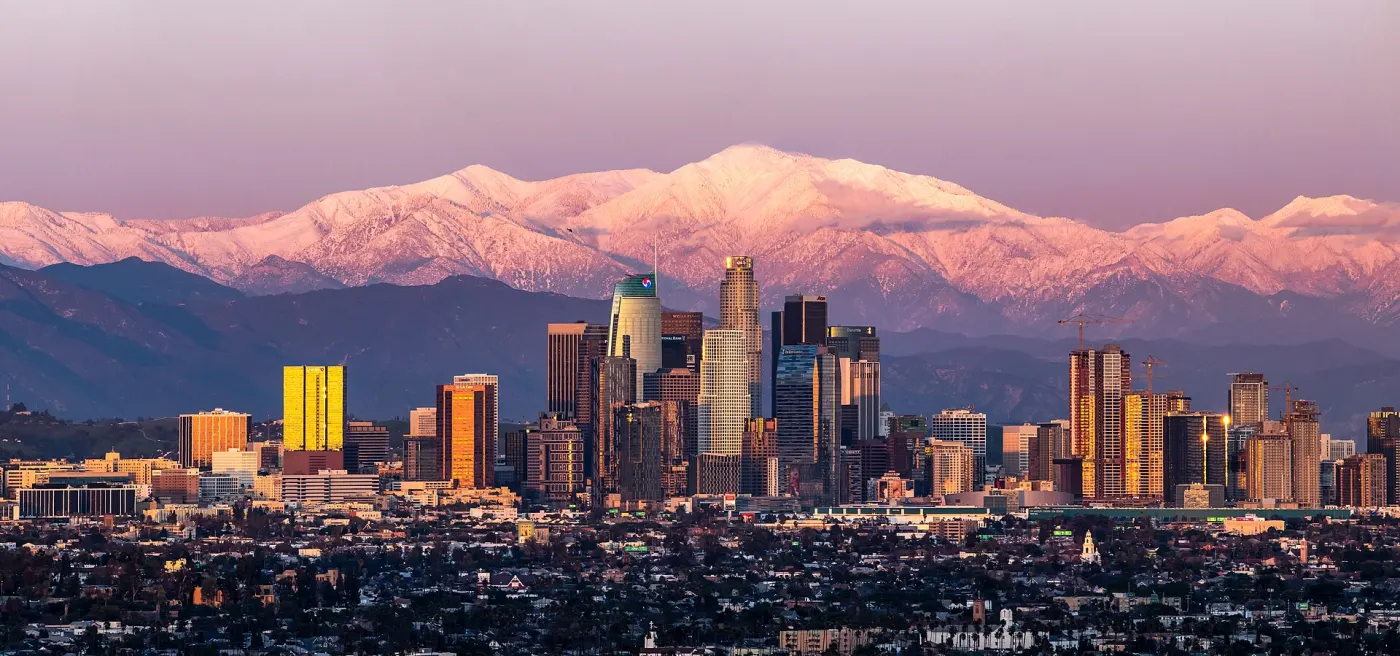
Travis Cordell Kalanick was born on August 6, 1976, in Los Angeles and grew up in Northridge, in the San Fernando Valley. His mother, Bonnie, worked in retail advertising for the Los Angeles Daily News. Her family roots ran through Viennese Jews who had come to America in the early twentieth century. His father, Donald, was a civil engineer for the city of Los Angeles, from a Slovak and Austrian Catholic line. The house sat between those two Americas: public works and newspaper deadlines, immigrant grit and Southern California sprawl.
He was competitive early. Track. Football. Grades. Profiles later said older kids bullied him and that he promised himself he would never be pushed around again. The line belongs in the story as what reporters heard from people who knew him, not as a movie monologue. What is solid is the teenage grind. He sold Cutco knives door to door. At eighteen he started New Way Academy, a test-prep venture with a classmate's father. He scored high enough on the SAT that the number became part of the founding myth. He graduated from Granada Hills Charter High School and enrolled at UCLA to study computer engineering and business economics. Theta Xi. Campus life. Then the internet called louder than a diploma.
Los Angeles taught him cars before Uber did. The valley is a grid of freeways, parking lots, and time lost between places. A civil-engineer father understood asphalt as civic machinery. A son who later put dispatch software on that machinery was not inventing mobility from zero. He was arguing that the existing machine was stupidly allocated: empty seats, opaque taxi rules, phones that could not yet summon metal.
By middle school he could code. By 1998 he was ready to leave school for a company that felt like the future of sharing files.

Scour, a two-hundred-fifty-billion-dollar threat, and the first hard lesson about investors
With UCLA classmates Michael Todd and Vince Busam, he joined Dan Rodrigues at Scour, a multimedia search engine and peer-to-peer exchange in the Napster era. Kalanick handled sales and marketing. He has called himself a co-founder. Other co-founders have disputed that label. The fair phrasing is that he was an early operator who dropped out to go all in.
Scour needed cash. Negotiations with Ronald Burkle and Michael Ovitz turned bitter. Ovitz later sued for breach of contract. Scour accepted tough terms. Ovitz gained majority control. Kalanick learned a lasting allergy: never let capital rewrite the founder's spine.
In 2000 the Motion Picture Association of America, the Recording Industry Association of America, and music publishers sued Scour for copyright infringement, seeking damages on the order of two hundred fifty billion dollars. In September 2000 the company filed for Chapter 11. The first empire died in bankruptcy court. Kalanick was still in his early twenties.
Red Swoosh, Mark Cuban, Thailand, and a two-million-dollar exit
In 2001 he and Todd launched Red Swoosh, another peer-to-peer transfer company. Kalanick called it a "revenge business" against the industry groups that had crushed Scour. The model shifted. Media companies would pay to deliver legitimate large files more efficiently. Timing was cruel. The dot-com crash made fundraising a weekly near-death experience. Employees went months without pay. Deals arrived at the last minute. In 2005, after a contentious online exchange, Mark Cuban invested about one point eight million dollars and opened doors. Engineers shipped. Kalanick took a software team to Thailand for roughly two months to stretch burn.
In 2007 Akamai Technologies bought Red Swoosh for about nineteen million dollars. After taxes, Kalanick cleared roughly two million. He moved to San Francisco. Not a household name. Not broke. Angry enough, and skilled enough, to keep building.
He became a small-check angel and a "fixer" for startups that needed investor conversations or hiring help. Expensify. Livefyre. Crowdflower. Formspring. His Castro District townhouse, nicknamed the Jam Pad, became an informal salon. The next company would not be another peer-to-peer experiment. It would put a button on phones and cars on streets.
Paris rain, black cars, and UberCab
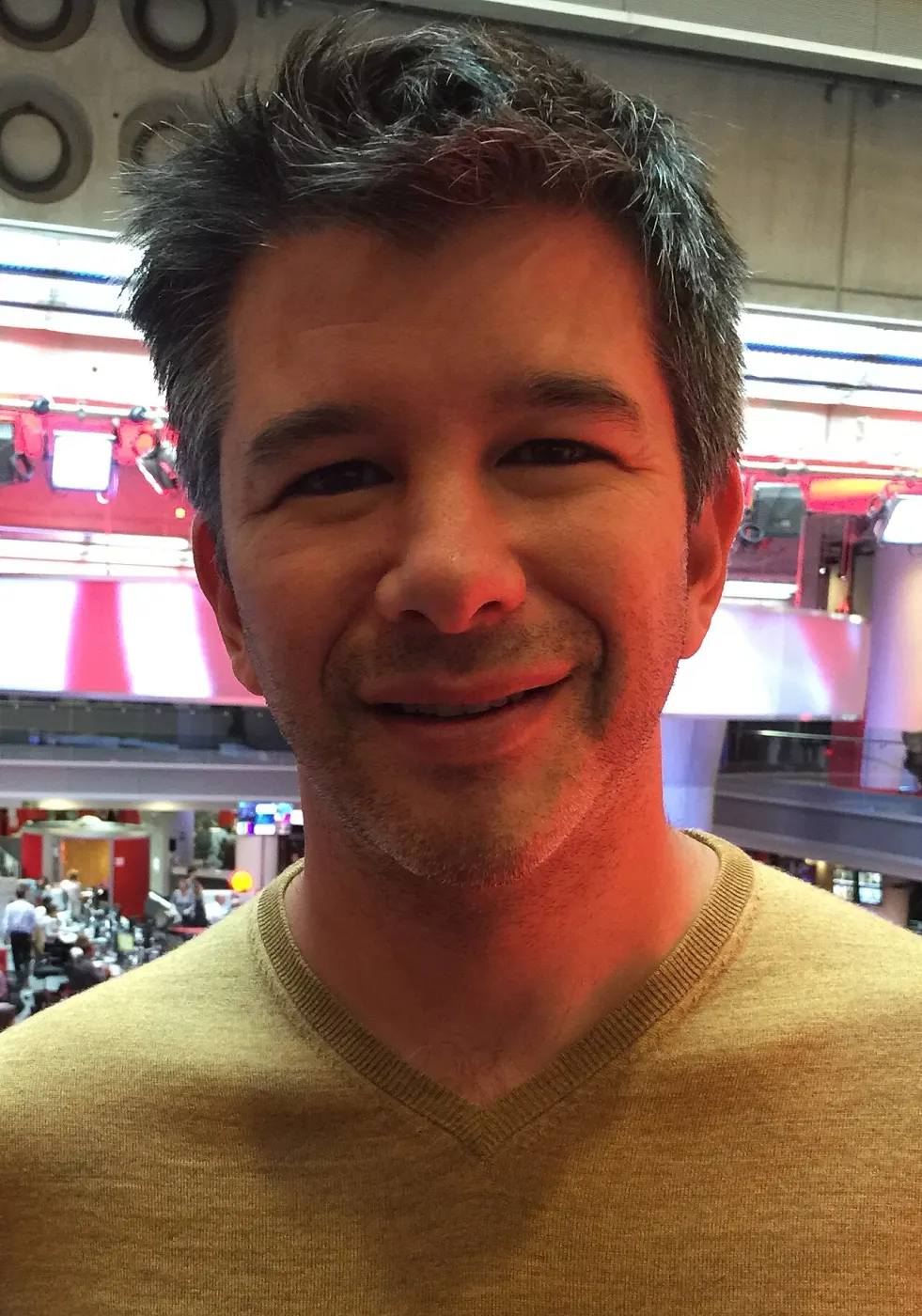
The founding story of Uber begins with Garrett Camp, the StumbleUpon co-founder who stayed at Kalanick's place and hated how hard it was to get a reliable ride in San Francisco. In Paris, the friends talked about summoning a car with a phone. Camp pushed the product. Kalanick first acted as a "mega advisor," then stepped in as the operator who would scale it. UberCab launched in 2009 as a luxury black-car service. Elegance mattered to Kalanick. Early on he doubted ordinary personal cars. Competitors like Wingz and later Lyft proved riders would accept everyday vehicles. Uber adapted.
His parents became "rider zero" when the service opened in Los Angeles, a small family detail that stuck in later profiles because it made the network feel local before it felt planetary.
In February 2011 Bill Gurley of Benchmark invested eleven million dollars for about twenty percent, a fifty-million-dollar valuation for the Series A. A Series B of roughly thirty-two million followed. Scarred by Ovitz-era control fights, Kalanick structured voting power so founder shares outweighed new investor shares. He limited what financiers could see. He wanted speed without a leash.
By December 2013 Uber ran in sixty-five cities. Google Ventures put in a major check that year. UberX opened the platform to regular drivers after rivals won rideshare licenses. The company was no longer a black-car club. It was a marketplace.
Surge, samurai, and the city-by-city war
Uber's product genius was not only the map pin. It was matching demand with supply in real time. New Year's Eve was the stress test. Drivers hated the night. Riders needed cars. Surge pricing paid drivers more when demand spiked. Kalanick later said he used the word "surge" on purpose so nobody would think the company was hiding the markup. Critics called it gouging, especially in emergencies. Supporters called it the only way to get a reliable ride when everyone wants one at once.
City managers became a culture. Calacanis later joked about an "eclectic group of Samurai." Inside Uber the value was "Let Builders Build." Young operators got cities. They fought taxi commissions, mayors, and incumbents who owned medallions. California once threatened jail time measured in days per illegal ride shortly after launch, a story Kalanick still tells as proof the company lived under legal threat from month one.
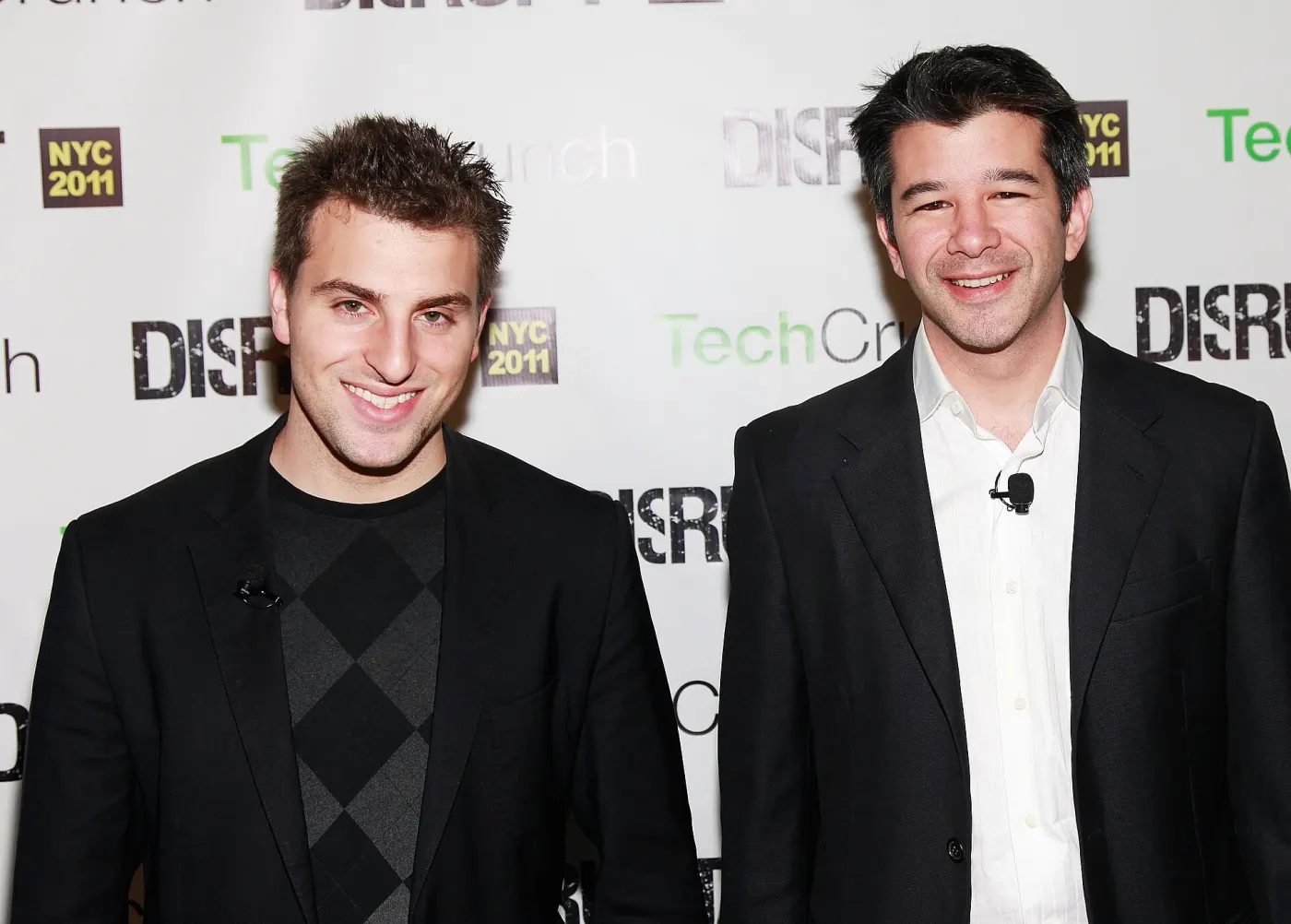
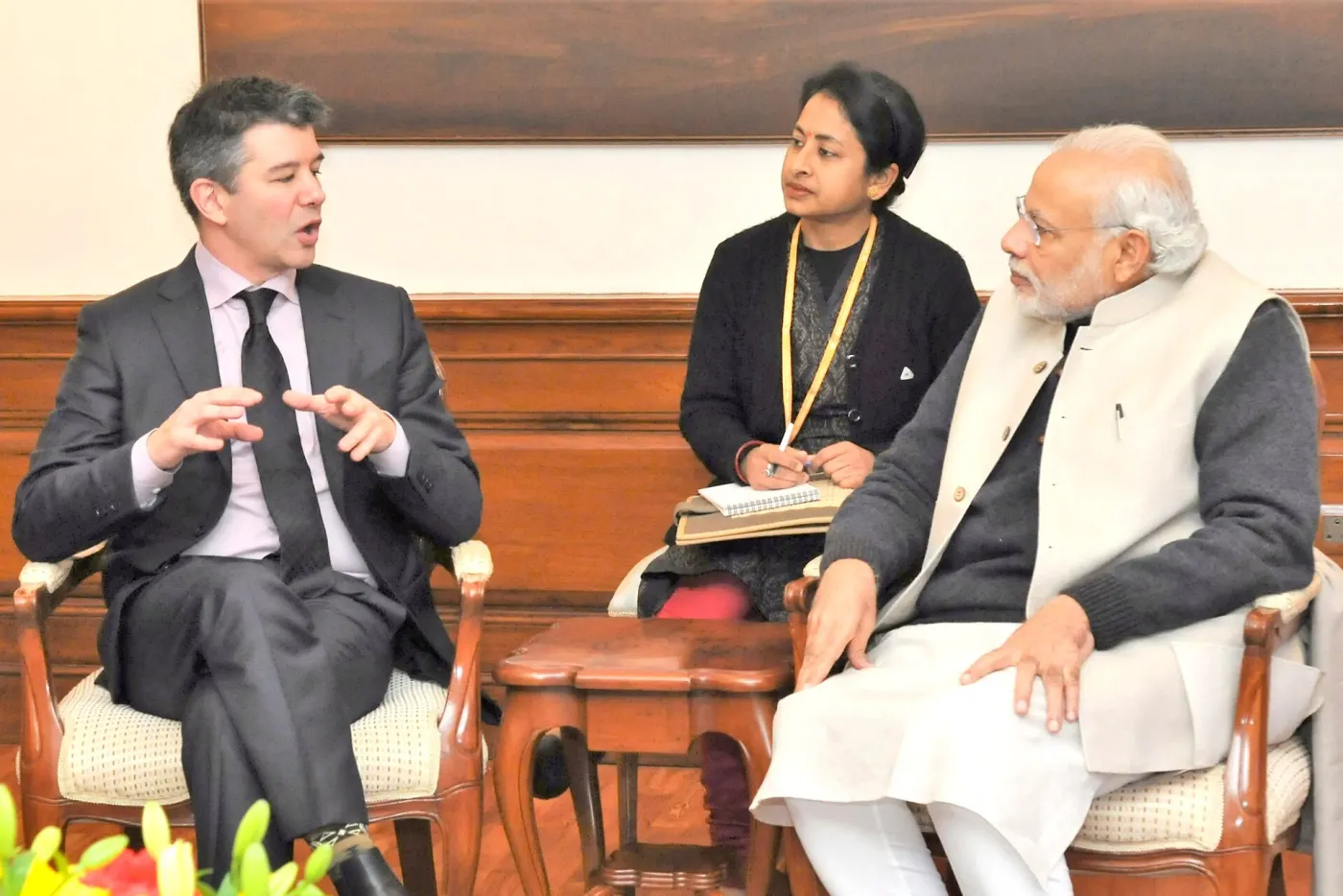
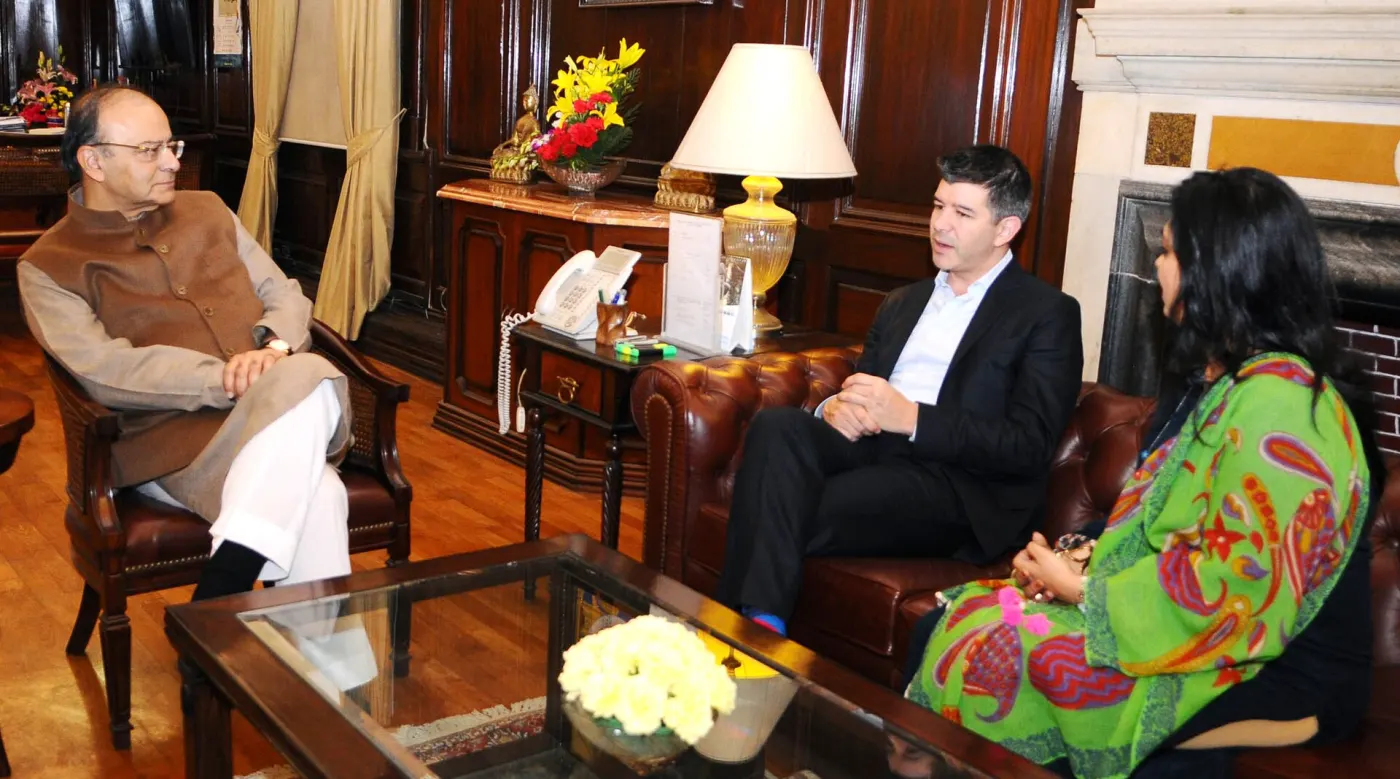
Internationally the same playbook rolled into Europe, India, Latin America, and China. Meetings with ministers became part of the job. Photos from India show him across from Narendra Modi and across from finance minister Arun Jaitley, selling a future where phones replace street hails.
China was different. Competing inside China, not just selling into China, forced the company to rethink everything. Capital burned. Local rivals hit harder. Eventually Uber sold its China operations to Didi in 2016 for a large stake, ending a brutal campaign that Kalanick later said taught him how a local war can go global when sovereign money enters the arena.
What Uber actually built
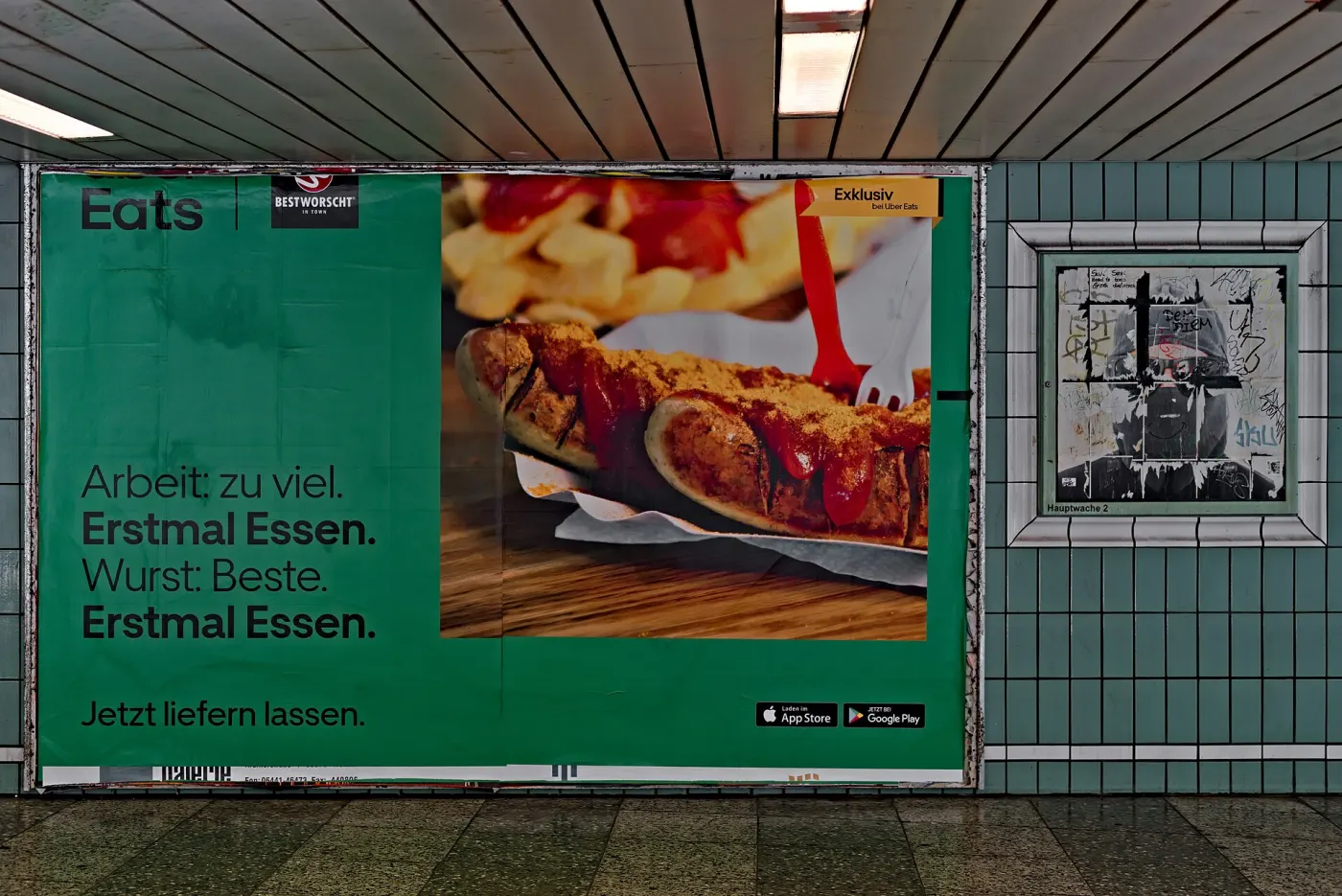
Strip away the mythology and the machine is clear. A smartphone summons a driver who is an independent contractor. GPS tracks the trip. Payments clear without cash. Ratings police both sides. Dynamic pricing balances the market. The model spread into food delivery as Uber Eats, into freight, into micromobility experiments, and into a global language: "I'll Uber there."
By the mid-2010s the company was a primary architect of what journalists named the gig economy. Millions of people worldwide earned money in short bursts around school runs and second jobs. Cities gained late-night mobility without owning fleets. Taxi systems lost monopoly power and fought back in courts and streets. Labor advocates argued drivers deserved employee benefits. Regulators wrote new statutes. Consumers voted with thumbs.
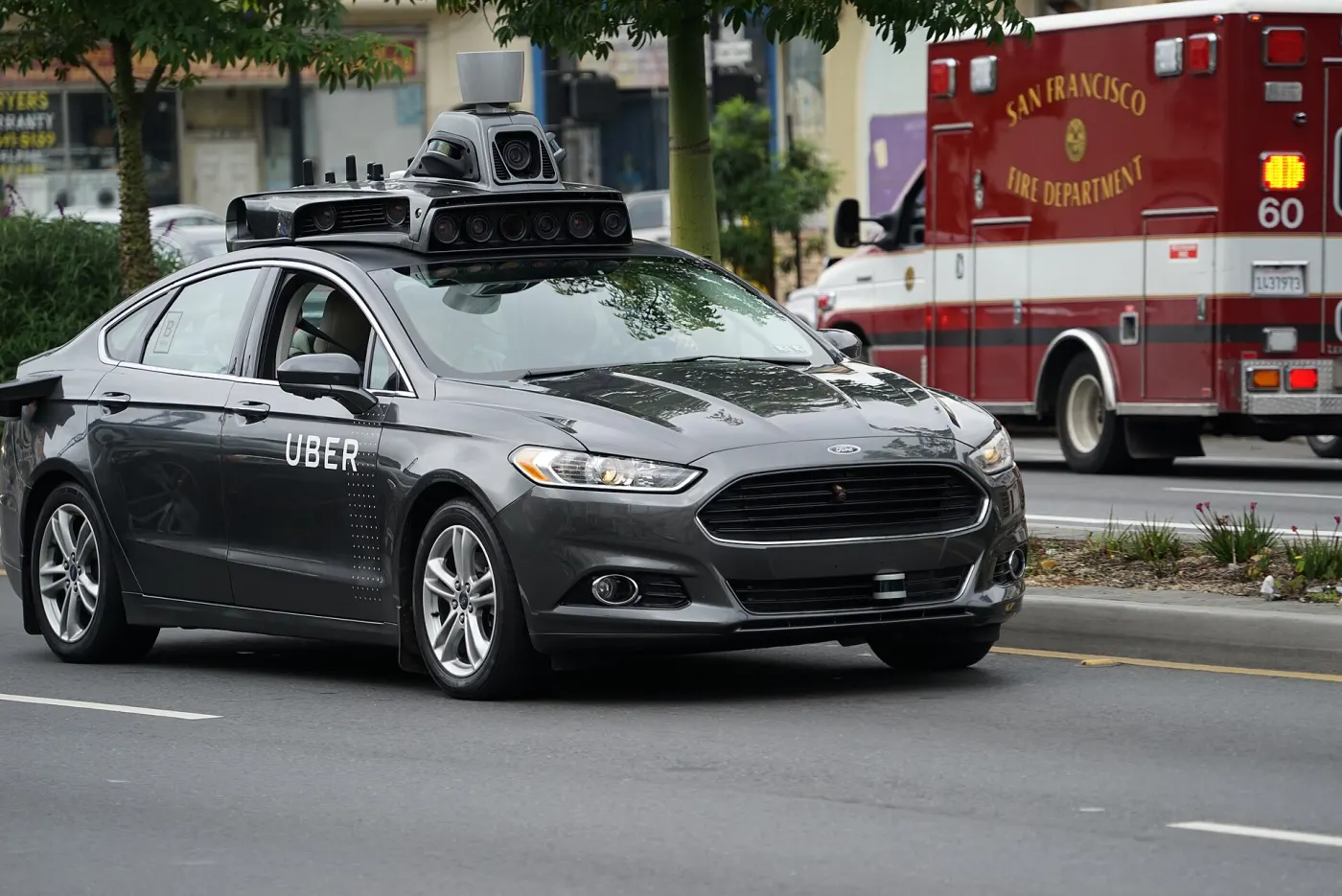
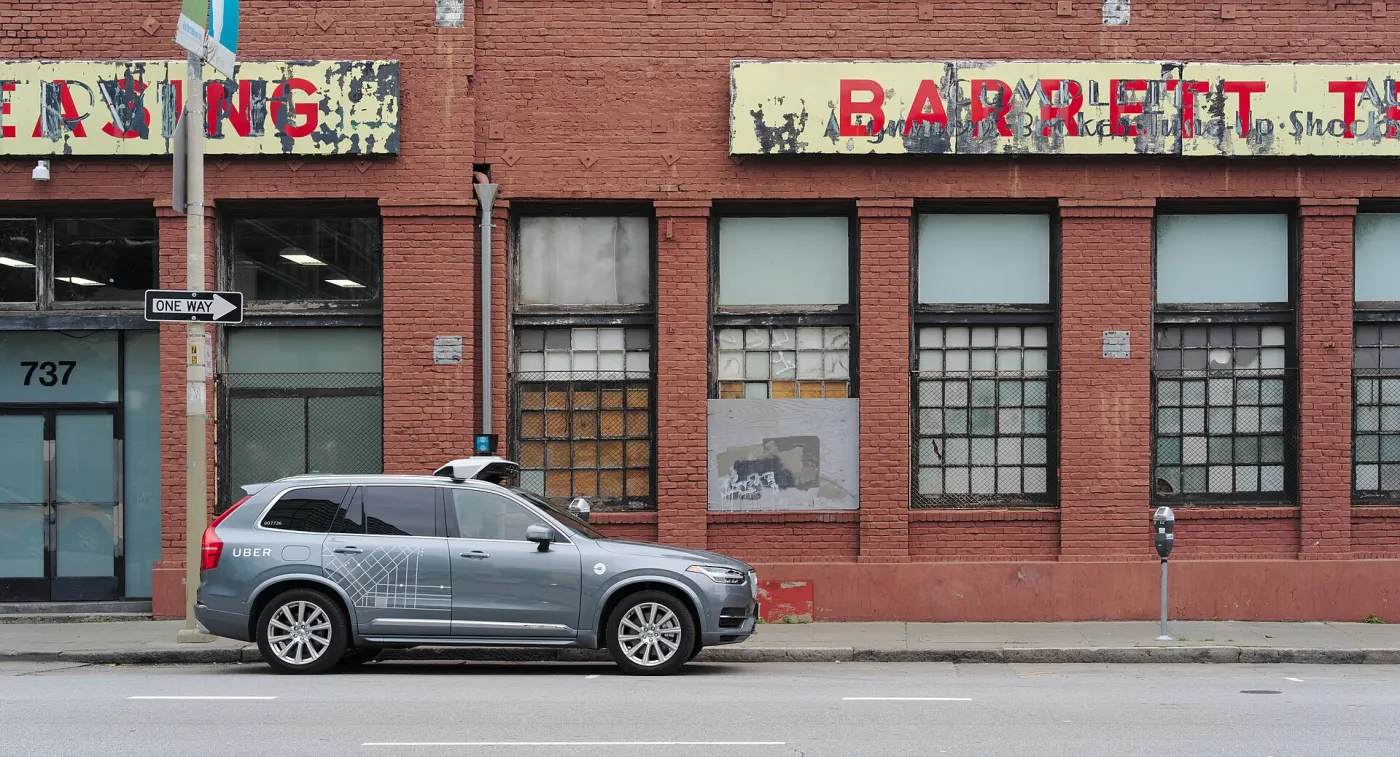
Kalanick also poured money into autonomy. Uber's Advanced Technology Group chased self-driving cars. Roof racks full of lidar became rolling symbols of a bet that humans would not drive forever. The push brought partnerships, acquisitions, and later bitter litigation involving Waymo and former Google engineer Anthony Levandowski, disputes that outlived Kalanick's CEO years and remain part of the corporate record rather than a simple personal verdict.
The year the story turned
By 2014 public reputation and internal culture were cracking. Profiles painted a ruthless competitor. Board allies such as Gurley grew frustrated with spending and overrides of finance and legal chiefs. Employees described nights, weekends, and constant infighting rewarded as hunger. A 2014 GQ interview included a joke that the company should be called "Boob-er," a line that followed him for years as a symbol of a frat-house tone critics said shaped Silicon Valley more broadly.
In February 2017 Bloomberg published video of Kalanick arguing with an Uber driver about falling driver pay. He apologized to staff and wrote that he needed to "grow up." That same month former engineer Susan Fowler published a blog post alleging systemic sexual harassment and a broken human resources response. Uber hired former U.S. Attorney General Eric Holder to investigate. Reporting described a workplace where harassment and discrimination complaints had too often gone unanswered, and where favored employees seemed protected. Those findings belong in any honest account as documented investigation territory, not as gossip.
On May 26, 2017, Kalanick's parents were in a boating accident. Bonnie died. Donald was badly hurt. On June 11 the Holder team's recommendations reached leadership, including that Kalanick step back. On June 13 he announced an indefinite leave. On June 20 five major investors, including Benchmark, sent a letter demanding his resignation. He resigned as CEO. He kept a board seat. Access to systems was later cut after executives feared continued interference. In August Benchmark sued him over board appointment rights, alleging fraud and breach. He denied the claims. The case moved toward arbitration. In January 2018 Benchmark dropped the suit as SoftBank's large investment advanced at a valuation reported near forty-eight billion dollars.
Dara Khosrowshahi became CEO. Uber added tipping. The company prepared for a public market life Kalanick would watch from a shrinking ownership stake.
Selling down, walking out, starting over
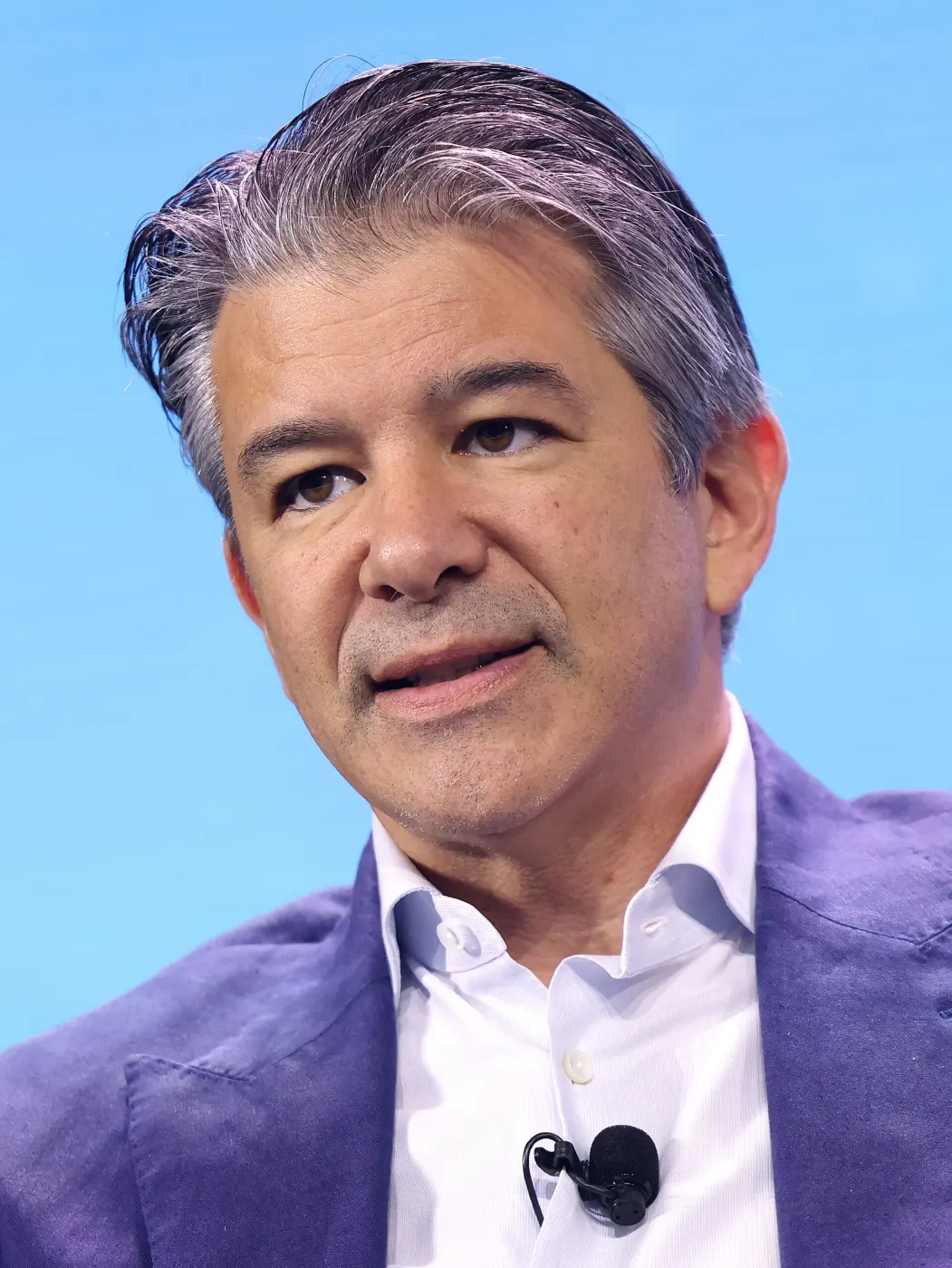
On December 24, 2019, Kalanick said he would leave Uber's board at year end. In the weeks before, he sold roughly ninety percent of his Uber shares for about two point five billion dollars before taxes. The exit closed a decade that remade urban transport and left a contested personal legacy.
He did not disappear into yachts. In March 2018 he announced 10100, a fund aimed at job growth in emerging markets such as China and India. Soon after he put nearly one hundred fifty million dollars into City Storage Systems, a distressed real estate redeveloper, and took the CEO seat. The visible brand became CloudKitchens: delivery-only kitchen facilities leased to restaurant operators, stacked with software, and later robotics. Saudi Arabia's Public Investment Fund, already a major Uber investor, put about four hundred million dollars into CloudKitchens in 2019. By January 2022 reporting put a new funding round at a fifteen-billion-dollar valuation. Kalanick personally layered more capital into the bet over time.
The Middle East arm operated as KitchenPark across Gulf markets. Dual listing talk in Riyadh and Abu Dhabi surfaced, then cooled toward private placement discussions by late 2025. In October 2025 Saudi authorities announced citizenship for Kalanick under a Vision 2030 talent program, a geopolitical footnote that mirrored how deeply Gulf capital had already entered his story.
Digitize the kitchen, then rename the company Atoms
At All-In Summit 2024 he spelled the thesis plainly. Restaurants drown in rent and labor. Delivery fees stack on top. If food production and kitchen real estate become as efficient as grocery logistics, delivery prices can fall and quality can rise. CloudKitchens buys low-cost industrial sites, fits dozens of kitchens, leases them to operators, and layers a software stack used by thousands of restaurants. A robotics group, stocked with people from Uber's old ATG world, builds machines for prep and service.
He framed it as treating atoms like bits. In computing, a CPU manipulates bits, storage holds them, and a network moves them. In the physical world, manufacturing manipulates atoms, real estate stores them, and transport moves them. Uber, he said, had been a network for the physical world. CloudKitchens was a food computer on a real estate foundation. The next computers would touch mining and industrial transport.
On March 13, 2026, City Storage Systems was renamed Atoms. CloudKitchens became one subsidiary inside a wider industrial automation bet. On July 23, 2026, Atoms announced about one point seven billion dollars of financing led by Andreessen Horowitz, with Ben Horowitz joining the board and investors including Uber, Bain Capital, and Fifth Wall. Debt facilities from major banks were also reported. Post-money valuation was not disclosed. The old fifteen-billion-dollar CloudKitchens mark from 2022 remains the last widely cited private print, which means any net-worth math for 2026 stays partly soft.
In interviews he calls himself an atoms guy. He talks about specialized wheeled robots rather than humanoid fantasies. He describes forcing roboticists in Pittsburgh to build a restaurant the first food robot could actually serve, because the machine is useless without the workflow. Excellence, he says, is a process that absorbs pain longer than rivals will.
How he works when the cameras are off
The operating system has been consistent across Scour scars, Uber wars, and kitchen stealth. Hire hungry city-scale operators. Give them room. Measure markets daily. Prefer confrontation with regulators to slow permission theater when the product already has riders. Raise oversized war chests so a competitor cannot starve you. Keep founder voting power when you can. Admit product mistakes faster than cultural ones, which is why surge could be explained in blog posts while the Holder findings required an outside investigation.
He still talks like a wartime CEO. Calacanis groups him with Elon Musk as leaders who accept endless battles. Kalanick's softer line in 2024 is that he loved every minute of Uber, and that when you fall in love again you do not think about the ex. The kitchen company is the new court. Serena keeps playing. LeBron keeps playing. He keeps building.
Personally he has lived between San Francisco's Castro hills, a large Los Angeles purchase in 2020, and more recent Texas residency while robotics work pulls talent through Pittsburgh and Bay Area networks. He is not a daily social media founder. When he surfaces, it is to sell a physical thesis: food, freight, mining, wheels under robots.
Money, power, and the 2026 scoreboard
Forbes lists Travis Kalanick around three point six billion dollars in 2026, roughly three hundred seventy-fourth on the Forbes 400. The number mixes remaining Uber exposure, cash from the 2019 sale, and a private Atoms stake that outsiders cannot mark cleanly. Uber the public company long ago passed into Khosrowshahi's profitability era and robotaxi partnerships Kalanick no longer runs. Yet the consumer habit he scaled still shapes how people move through hundreds of cities.
CloudKitchens and KitchenPark sites number in the hundreds globally by company and Gulf press counts, a network of delivery infrastructure most customers never see. Atoms' 2026 raise puts fresh capital behind robotics beyond food. Whether food, mining, or transport becomes the lead "computer" is the open operating question investors will judge on deployments, not slogans.
What the world looks like because Uber happened
Late at night in a city without good transit, a stranger's car arrives in four minutes. A parent turns the app off after school pickup. A tourist skips the taxi queue. A restaurant lives or dies on delivery tickets routed through kitchens that may not have a dining room. Medallion owners lost wealth. Drivers gained flexible hours and lost traditional benefits. City halls wrote new rules. Competitors copied the playbook until "Uber for X" became a joke and then a category.
That is world impact without romance. Mobility became software. Trust became a star rating. Price became a live auction. Kalanick did not invent every piece. He forced the pieces into a global default through aggression, capital, and product obsession, then paid a public price when culture and governance failed the same intensity test.
The Jam Pad years and the instinct to stay close to builders
After Akamai, San Francisco was not a victory lap. Two million dollars after tax is life-changing for a dropout and small for a person who had already tasted a two-hundred-fifty-billion-dollar lawsuit. Kalanick used the money as optionality. He wrote small checks. He took calls from founders who needed someone to translate engineer panic into investor English. The Jam Pad was part dorm, part salon, part pressure cooker. Young operators drifted through. Ideas bounced. The apartment's nickname even got its own Twitter presence in the lore of early Uber watchers.
That period matters because it explains why Uber's first city teams looked the way they did. Kalanick did not only hire credentials. He hired people who would sleep in the office, argue about pricing at midnight, and treat a new zip code like a beachhead. Later critics said that hunger became abuse. Later admirers said that hunger is how you beat taxi cartels. Both readings start in the same room: a founder who believed markets reward the side that refuses to blink.
He also kept a salesman's memory for the door-to-door Cutco years. Rejection was data. A closed door meant the next porch. When city attorneys threatened Uber, the emotional muscle was already trained. The legal risk was new. The refusal to quit after hearing no was not.
UberBlack elegance, UberX reality, and the night the model flipped
Early Uber sold status. Black cars. Professional drivers. A price high enough that the product felt like a private driver for people who could not afford a private driver every day. Kalanick liked that elegance. He worried that ordinary personal cars would cheapen the brand and invite regulatory wrath. Competitors proved demand for cheaper rides. Lyft put mustaches on dashboards and invited friends to drive friends. Sidecar and Wingz pushed similar peer models. Once licenses arrived for rideshare in California, Uber could not stay pure and stay alive.
UberX was the pivot that made Uber a verb for everyone, not only for people leaving a downtown dinner. Background checks, insurance rules, and vehicle standards became the new paperwork layer. Growth charts bent upward. So did conflict with professional drivers who had paid for medallions under the old rules. The company argued it was software, not a taxi fleet. Courts and city halls spent a decade arguing back.
Inside product meetings, tipping was a moral and marketplace fight. Some leaders wanted tips to soften driver anger. Others feared tips would hide the true price and break the clean tap-to-pay magic. For years Uber resisted tipping, then added it after Kalanick left. Surge stayed. The company learned that transparent dynamic pricing, however hated in screenshots, kept cars moving when stadiums emptied.
Driver acquisition became a science. Referral bonuses. Guaranteed hourly experiments. Heat maps that told drivers where demand would bloom. Rider acquisition rode on promo codes and word of mouth. Unit economics often looked ugly on purpose because the strategic goal was density. Density made wait times short. Short waits made the app a habit. Habits made fundraising slides sing.
SoftBank, PIF, and the cost of winning the capital arms race
As valuations climbed into the tens of billions, Uber's financing cast changed. Benchmark's early belief mattered. Google's check mattered. Later SoftBank's massive late-stage capital and Saudi Arabia's Public Investment Fund changed the physics. War chests let Uber subsidize rides and drivers in contested cities. They also diluted founders and invited geopolitics into a consumer app.
Kalanick's China campaign became the extreme case. Local competitors copied features in days. Drivers switched apps based on bonuses. Municipal relationships required constant presence. Sovereign wealth entered the chat. When Uber finally sold China operations to Didi in 2016 for a significant equity stake, it looked like retreat and harvest at once. The company stopped burning cash in a market it could not own alone. Kalanick later described the China fight as forcing a total rethink, and as a preview of how "China war" dynamics can export into other markets when capital and government attention travel together.
India demanded a different dance: government meetings, safety debates, and competition with Ola. Latin America brought cash economies and motorcycle realities. Europe brought privacy law and entrenched taxi unions. The same app shell hid a thousand local political novels.
Autonomy, Otto, and the dream that outran the decade
Kalanick bet that the eventual endgame was cars without drivers. Uber bought talent and startups, including the self-driving truck company Otto associated with Anthony Levandowski. Pittsburgh and San Francisco streets filled with sensor-stacked test vehicles. The Advanced Technology Group hired roboticists who believed maps, lidar, and machine learning could erase labor cost from the ride.
The dream collided with physics, safety, and lawsuits. A fatal 2018 crash in Arizona involving an Uber test vehicle (after Kalanick's CEO exit) hardened public skepticism. Waymo litigation over alleged trade-secret issues became a multi-year corporate saga. None of that erases the sincerity of the bet during his tenure: if you digitize transport, you eventually remove the human from the loop. Atoms, years later, still employs people from that ATG diaspora in Lab 37 style robotics work. The continuity is personal and technical. The CEO who fought for autonomy at Uber is still trying to put wheels under specialized machines.
Culture on trial
Any documentary that stops at growth charts fails the subject. Uber under Kalanick developed a reputation for bro culture, internal competition, and tolerance for behavior that later investigations called unacceptable. Expense accounts and strip-club lore leaked into press narratives. Women described a workplace where reporting harassment could stall careers. Fowler's post forced the board to confront what HR had not fixed. Holder's team produced a lengthy report and a list of recommendations. Kalanick's leave and resignation followed within days of that process landing, and within weeks of his mother's death.
He has said an investor-backed opposition campaign generated crisis after crisis for six months, wearing him down until he "couldn't hang." Investors who forced the letter argued fiduciary duty and brand survival. Both frames can be reported. What is not in dispute is the outcome: he left the CEO chair; Uber changed leadership; cultural reform became a public promise; the product kept growing.
Benchmark's lawsuit against him was rare theater in Silicon Valley, a firm suing a founder it had once championed. Dropping the suit cleared a path for SoftBank. Governance hardened. Dual-class romance met adult supervision. The wartime CEO model had scaled a company past the point where boards would accept unlimited founder discretion.
CloudKitchens as industrial product, not a meme
Ghost kitchens drew mockery and imitation. Kalanick's version is less meme than infrastructure. Buy or lease industrial real estate in delivery-dense neighborhoods. Carve it into many small kitchens. Sell access to restaurant brands that want delivery revenue without dining-room rent. Add software for orders, menus, and operations. Add robots where repetitive prep can be mechanized. Measure throughput like a factory.
The All-In conversation makes the consumer promise concrete: push food costs toward grocery-like efficiency so delivery is not a luxury tax. Whether that promise clears all markets remains an operating challenge. What is clear is the capital stack. PIF money. Later private rounds. Personal cash from the Uber sale recycled into kitchens. A Middle East brand footprint. A 2026 holding-company rebrand that admits food was chapter one, not the whole book.
Atoms' July 2026 raise, with Uber writing a check into the founder's new company, closes a narrative circle with almost novelistic neatness. The firm that pushed him out as CEO later funds the firm that claims to digitize the next layer of physical life. Markets have short memories when the thesis is large.
Builder habits that survived exile
He reads competition as sport. He prefers clear names for unpopular mechanisms. He staffs for aggression and then must live with the cultural bill. He raises more money than comfort requires because he assumes a rival is raising too. He tells young operators to build, then holds them to wartime metrics. He disappears from press for years, then returns with a vocabulary upgrade: atoms, food computers, wheelbases for robots.
He also carries grief that press timelines sometimes flatten. The same month the Holder recommendations arrived, his mother was gone. In the All-In interview he can barely say it. The room applauds through the silence. That beat is human, not a defense of management failures. It is simply true that 2017 stacked professional collapse on family collapse.
The unfinished argument about power
Kalanick remains a Rorschach test. To some founders he is proof you must fight cities to ship the future. To many drivers and former employees he is proof growth without guardrails harms people. To public-market Uber he is a chapter closed. To Atoms investors he is a rare operator who has already run a physical network at planetary scale and wants another.
Forbes can print three point six billion. Customers can open an app without knowing his name. Both facts coexist. The documentary truth is not that he was only a villain or only a visionary. It is that he forced a new default for urban movement, broke under the culture that default produced, and refused to treat exile as an ending.
After the IPO era, a founder watches his old company mature
Uber went public in May 2019. Kalanick was still on the board then, still a major shareholder, still a symbol shareholders priced into the story even when he no longer ran the weekly staff meeting. By selling most of his stake near year-end 2019 he converted paper into cash he could redeploy into kitchens and real estate. Uber under Khosrowshahi chased profitability, repaired regulator relationships, and leaned into advertising and delivery margins. Autonomous partnerships continued without him in the CEO chair. The product habits remained: tap, wait, rate, pay.
That maturity is part of his footprint. A founder can be forced out and still leave behind a default consumer behavior that outlives the founding regime. Riders did not uninstall because the CEO changed. Drivers still logged on. Cities still negotiated. The wartime years created the network. The peacetime years had to keep it solvent.
For Kalanick the emotional move was to stop narrating Uber and start narrating atoms. Friends still drag him back onstage. He answers, then steers to robots and rent. The discipline is strategic. Every minute spent relitigating 2017 is a minute not spent leasing another kitchen bay or shipping another manipulator arm.
Closing
The boy from Northridge who sold knives learned early that rejection is just another door. The dropout who survived a copyright apocalypse learned to distrust soft money with hard strings. The CEO who put a black car on every block learned that a marketplace can outrun a medallion, and that a company can outgrow the founder who refuses to change as fast as the product.
In 2026 Travis Kalanick is fifty years old, a dual U.S. and Saudi citizen by reported royal grant, CEO of Atoms, and still arguing that the next fortunes belong to people who digitize atoms. Uber remains the scarlet and black chapter everyone knows. The quieter chapter is warehouses full of stoves, code, and robots, funded at billion-dollar scale after years when many assumed he was finished.
He pressed a button that moved the street. Now he is trying to press a button that moves the meal, the mine, and the machine. The fight is the constant. The company name keeps changing.
Cities still feel his first invention every rush hour. Warehouses now hide his second. Investors in 2026 are underwriting a third act that sounds like science fiction until you remember the first act was also mocked, banned, and then normalized. Whether Atoms becomes the next default or a costly detour is not settled. That Kalanick is still in the arena, after bankruptcy, after ouster, after grief, is the clearest fact in the file.