
The Dad Who Built a Beauty Empire
He worked at Unilever, Diageo and Coca-Cola. His baby needed safer products. So he built Mamaearth with Ghazal.

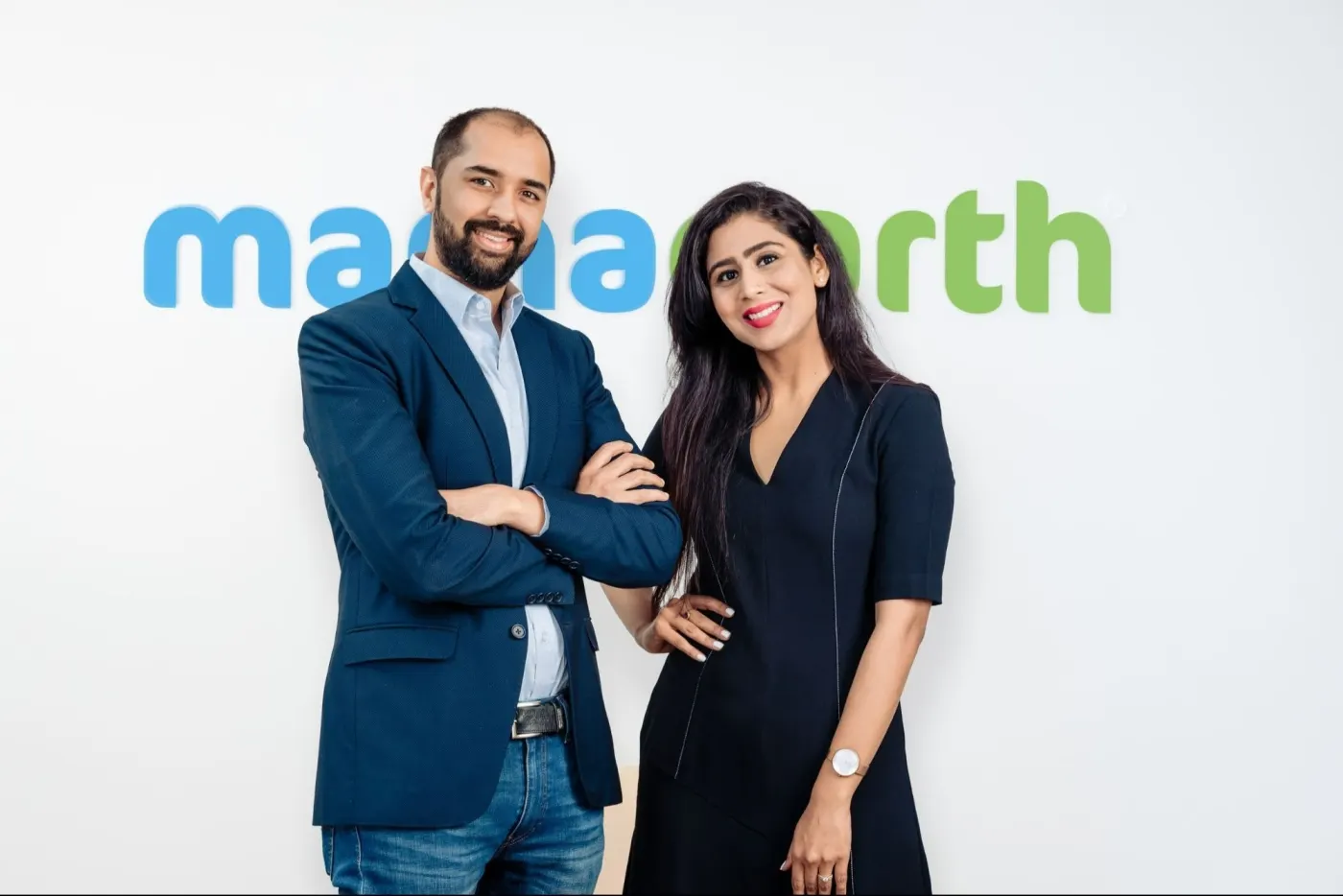
Varun Alagh spent years learning how giant consumer brands manufacture desire. Hindustan Unilever. Diageo. Coca-Cola. Then fatherhood made the aisle feel hostile. His son struggled with sensitive skin and allergies. Safe, toxin free baby products were hard to trust in India. In 2016 he and his wife Ghazal founded Mamaearth from that panic and that training.
By November 2023 their parent company Honasa Consumer had listed on Indian exchanges after an IPO that raised about Rs 1,701 crore. Mamaearth had become a flagship inside a house of brands that included The Derma Co, BBlunt, Aqualogica, Ayuga, and Dr Sheth's. In 2026 Varun joined Shark Tank India as a judge for season five, stepping into a chair his wife had helped make famous.
Corporate years that taught scale
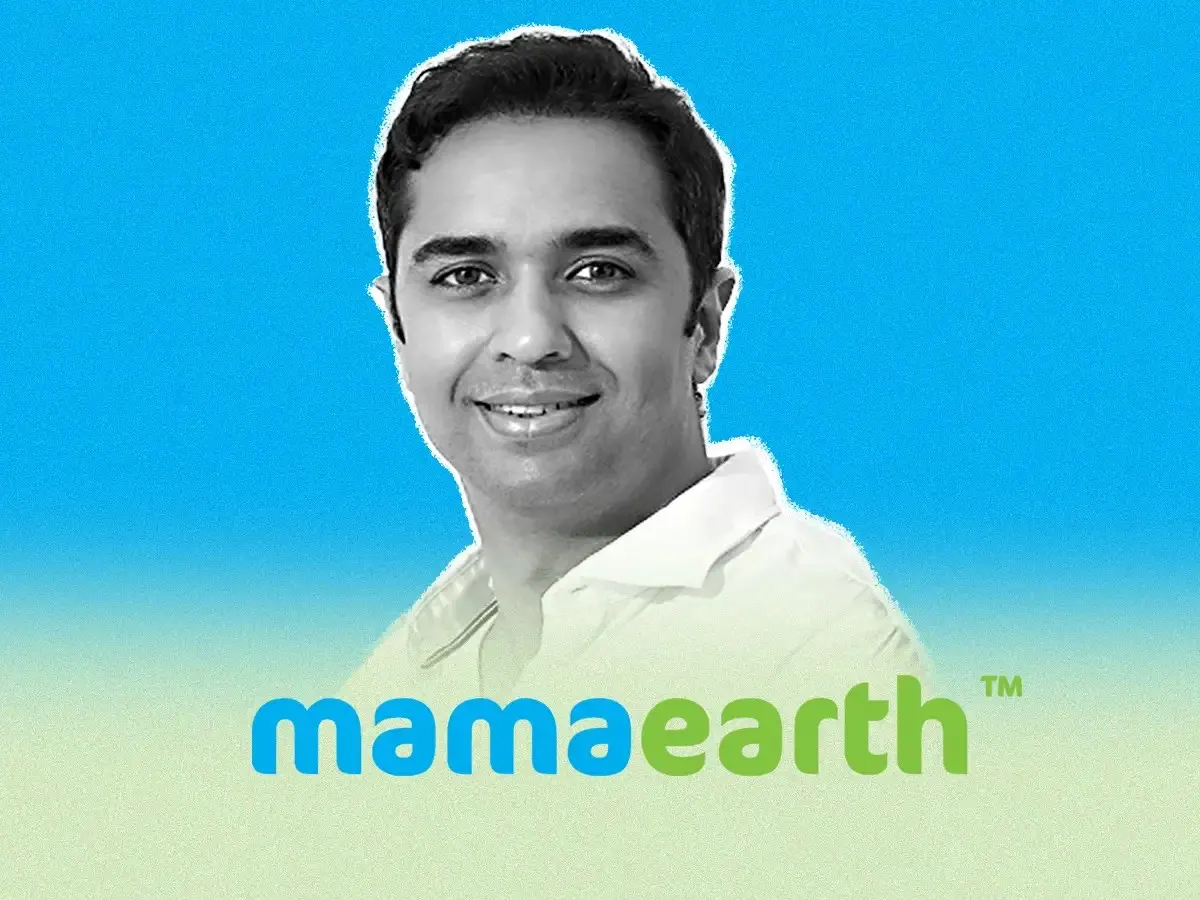

Varun's corporate rotation taught distribution, brand architecture, and the patience of retail. Hindustan Unilever taught India scale: how a hero SKU moves through general trade, how trade schemes shape shelf reality, how a media plan fails when the pack is wrong. Diageo and Coca-Cola taught global brand systems and the discipline of brand guardianship when every outdoor board is expensive.
Those years also taught him what large companies are slow to hear. Niche parent anxiety sits at the edge of a category. A rash on a baby does not wait for a quarterly innovation council. That hearing gap became Honasa's founding edge. He left with scars that later looked like advantages: inventory paranoia, respect for retailers, and distrust of vanity metrics that do not convert to repeat purchase.
He has described the corporate years as training for a fight he did not know he would enter. When Mamaearth needed to move from pure D2C into stores, he already knew what store managers wanted and what modern trade buyers would demand. Later speaker stages were the public version of that quiet training.
The founding panic and the 2016 bet


When their baby needed gentler products, Varun and Ghazal stopped waiting for incumbents. They started Mamaearth in 2016, selling toxin free baby care online first. The brand pursued MADE SAFE certification narratives and ingredient transparency as trust technology in a market full of soft claims.
Early days meant marketplace hustle. Associates and later interviews remember Varun and Ghazal practically living in Amazon offices while other founders were still guessing at listings. Celebrity equity partnerships arrived early as amplification. Messaging stayed simple enough for tired parents: safer, cleaner, for babies first.
The scare that started the company was not a pitch deck narrative. It was nights of checking labels and not trusting them. Ghazal's product and community instincts paired with Varun's brand systems mind. Later press made the partnership look inevitable. In 2016 it looked like a risky resignation story with a baby in the house.

From baby shelf to beauty house



Customers who loved baby shampoos and mosquito repellents asked why mothers could not use the same philosophy. Then adults. In the BarberShop conversation the founders described that leap as consumer guided rather than boardroom decreed. Listening became strategy.
They had imagined a path into bottles, nipples, even furniture. Consumers redirected them. Love for the shampoos and creams and the natural framing opened beauty and personal care far larger than baby alone. Varun has said the ecosystem itself changed in a few years: what worked at launch might not work two years later, so they had to keep disrupting themselves without losing sight of the people buying in.
Honasa productized playbooks: digital marketing systems, hero SKUs, reason to believe claims, and rapid brand launches. The Derma Co attacked clinical skincare language. Aqualogica pushed hydration for Indian weather. BBlunt brought salon heritage. Ayuga and Dr Sheth's widened the shelf. The house model spread risk and reused muscle across acquisition and organic builds.
Capital, scale, and the ugly middle
Growth brought inventory risk, copycats, and the grind of shifting from pure D2C to omnichannel retail. Varun's corporate scars helped. He knew general trade and modern trade would eventually matter. Physical stores were not vanity. They were proof the brand left the app and survived fluorescent light.
Failures happened. Not every SKU lived. Not every campaign deserved its spend. Influencer economics swung. Marketplace fees and returns punished sloppy forecasting. In public talks the couple often credits timing and also systems. Humility without denial. Varun's voice on stages tends toward process: what they measured, what they got wrong, what the consumer forced them to change.
Growth years forced the tension between D2C romance and listed company seriousness into the open. That tension is the middle of the story. Anyone who only remembers IPO bells misses the years when cash conversion and retailer trust decided whether Mamaearth was a moment or a company.

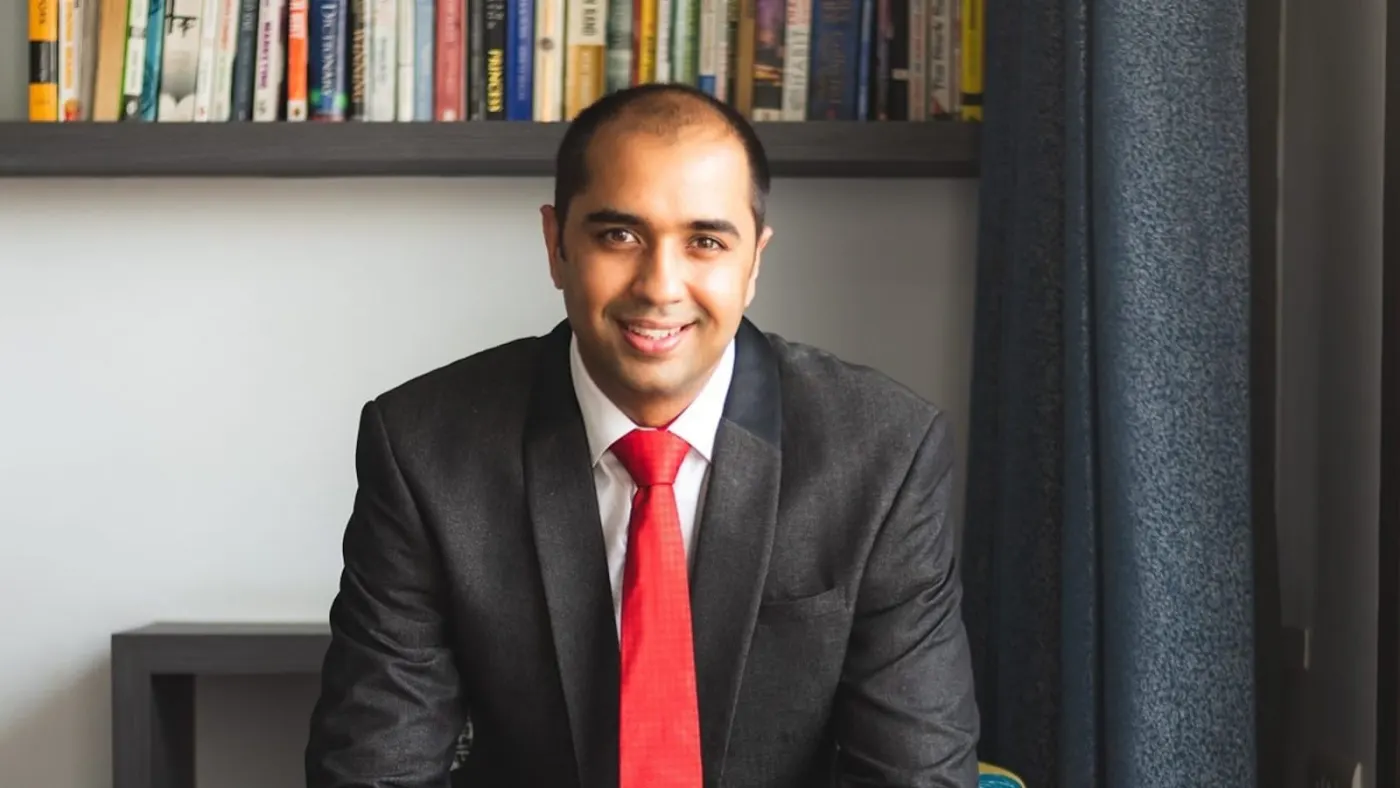
IPO week and the listed company life

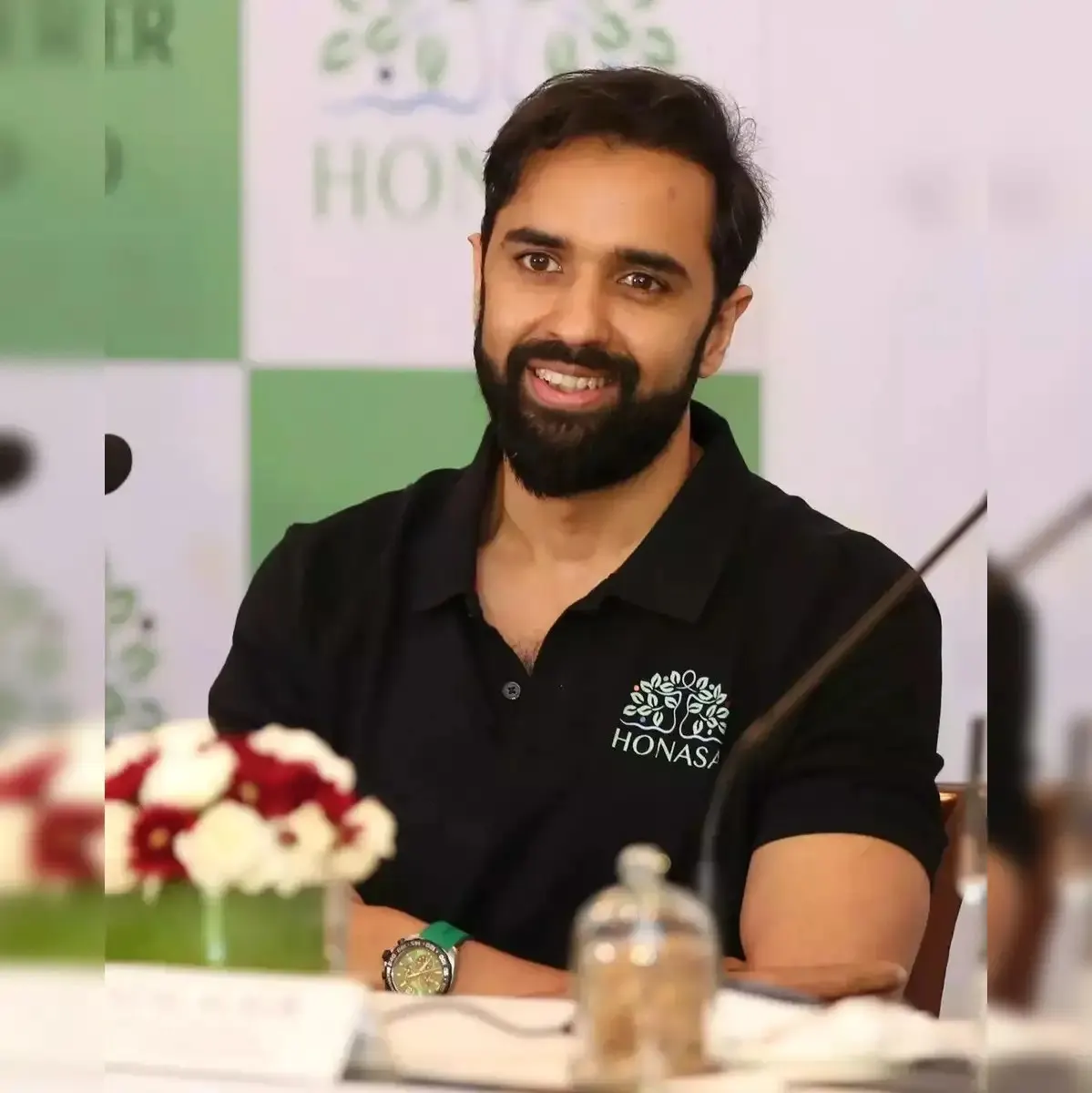
Honasa's IPO opened October 31 to November 2, 2023, at a price band of Rs 308 to 324, raising about Rs 1,701 crore with fresh issue and offer for sale components reported across business press. Listing put parent anxiety on a quarterly calendar. Varun had to speak as a public company founder, not only as a D2C storyteller.
IPO week, with bells and exchange formalities, was a victory that was also a new job description. Governance, disclosures, and market mood joined consumer reviews as daily pressures. The house of brands thesis had to survive scrutiny from analysts who care more about margins than mosquito repellent origin myths.
Shark Tank and the 2026 stage

In 2026 Varun joined Shark Tank India as a judge for season five. Ghazal had already made the show a cultural platform for founder couples and consumer founders. His seat extended Honasa's public brand into deal making theater. Investment mantras he shares in interviews sound like operator advice: unit economics, founder honesty, category insight, and the difference between a viral SKU and a durable company.
The shark chair is not the climax of his story. It is a side stage. The main stage remains Honasa's brands fighting for shelf and feed space in a brutal Indian beauty market full of copycats and conglomerate responses.
How he works
Varun works like a brand operator who still reads customer comments. He talks in systems: research loops, hero products, channel mix, and when to kill a line. He partners with Ghazal as co-founder, not as decorative spouse. Public appearances often show them finishing each other's consumer stories because they lived the same founding panic.
He also works the long game of trust. Toxin free claims only work if the product and the certification story hold. Influencer reach only works if repeat purchase follows. Retail expansion only works if the pack looks right under store lighting. His corporate past keeps those unsexy constraints loud when younger D2C founders want only creative wins.
Current achievements and world impact as of 2026
As of 2026 Honasa stood as a listed Indian consumer company with Mamaearth as flagship and a multi brand portfolio spanning baby, derma, hair, and personal care. Varun's impact is visible in how many Indian D2C founders cite Mamaearth as proof that a parent problem can become a public market story. It is visible in omnichannel playbooks that other beauty startups copy. It is visible on Shark Tank India where his questions push founders toward economics.
World impact for an Indian consumer founder is also cultural. He helped normalize toxin free and ingredient talk for mass digital buyers. He helped prove that couple co-founders can split product and brand labor without one becoming a footnote. He helped show that Unilever training can be weapons for a startup rather than only a golden cage.
Listening as a growth engine
The BarberShop interview returns to a simple claim: they launched sure they would be the brand that listens. Strategy documents said baby only. Consumers said moms. Then adults. That listening loop is easy to slogan and hard to run when finance wants a fixed roadmap. Varun's contribution was keeping the roadmap subordinate to the feedback without turning the company into chaos.
Research muscle in early years meant talking to moms in trust circles, not only reading dashboards. Later it meant formalizing consumer insight so new brands in the house could inherit the habit. When they say they still make mistakes but try not to lose sight of buyers, that is the operating religion underneath the IPO headlines.
Retail floors and the end of pure D2C romance
D2C folklore loves the website. Stores told a different chapter. Mamaearth on a physical shelf meant logistics, expiry, retailer margins, and sales officers. It meant the brand had to win against multinational neighbors with decades of trade relationships. Corporate memory made that fight less romantic and more winnable.
The ugly middle included periods when digital CAC rose and retail was not yet dense enough to compensate. Copycats crowded keyword auctions. Ingredient stories got diluted by louder marketers. Honasa's answer was portfolio and process: more brands, clearer claims, tighter heroes, and a willingness to sunset weak SKUs.
Partnership with Ghazal without merging the biographies
This documentary is Varun's angle. Ghazal has her own arc as co-founder, Shark Tank presence, and product voice. Joint public appearances are part of his story because the company was co-founded from a shared household emergency. The risk is erasure either way: treating him as the only operator or treating her as the only face. The accurate frame is partnership with distinct public roles that sometimes overlap on stages.
When Varun takes the shark seat, he enters a format Ghazal already shaped. When Ghazal talks product, she builds on brand systems he scaled. IPO week made both truths visible at once.
What young consumer founders can steal
Steal the willingness to start from a specific household pain instead of a vague large TAM slide. Steal marketplace obsession early. Steal the humility to let consumers kill your furniture roadmap. Steal corporate lessons without staying corporate. Steal the courage to go omnichannel before the romance dies. Steal house of brands thinking only after one brand teaches you a playbook.
Do not steal influencer spend without repeat rates. Do not steal toxin free language without proof. Do not steal IPO theater as a substitute for unit economics. Varun's path punishes costume entrepreneurship.
Unilever muscles in a startup body
People romanticize the exit from corporate life. Varun's useful version is transfer, not rejection. At Hindustan Unilever he watched how a brand survives when a competitor cuts price and when a retailer demands a scheme. He watched how a pack redesign can destroy recognition. Those lessons became Mamaearth's immune system when copycats arrived with similar greens and similar toxin free adjectives.
Diageo and Coca-Cola added another layer: global brand codes and the cost of inconsistency. A startup can pivot weekly. A beverage giant cannot. Holding both tempos in one head helped him decide when Mamaearth should stay flexible and when Honasa should freeze a brand code. Young founders who only know flexible tempos often die in retail. Young founders who only know frozen tempos often die in digital. He had lived both clocks.
The Amazon years as unpaid business school
Before pretty stores, there was the Amazon war room. Listings, reviews, search terms, price wars, and the humiliation of a stockout after a campaign worked too well. Varun and Ghazal treating Amazon offices like a second home is not a cute founder myth. It is how they learned demand sensing in public.
Marketplace economics punish vanity. Return rates expose weak product market fit faster than a pitch deck. Varun's operator mind mapped those signals into SKU decisions. Celebrity partnerships could spike attention. Only repeat purchase paid the bills. That distinction shows up later in his Shark Tank questions.
Certification and trust as product features
MADE SAFE and ingredient transparency functioned as product features for anxious parents. In India, trust in baby products is emotional and political. One bad reaction destroys a household's willingness to experiment. Varun treated certification stories as infrastructure, not as decoration for a landing page.
Trust also had to survive scale. A claim that works for a hundred early customers must still be true at millions of units. Manufacturing partners, quality audits, and complaint handling became part of the brand. Corporate memory again helped: he knew how badly a quality miss travels through modern media.
Building The Derma Co and the house logic
Mamaearth proved the listening loop. The Derma Co tested whether Honasa could invent a second brand with a different voice: clinical, problem solution, dermatology adjacent language. Aqualogica tested weather and hydration for Indian skin realities. BBlunt connected digital beauty to salon heritage. Each brand borrowed the company's acquisition and content muscles without wearing the same face.
House of brands is a strategy that fails when every brand is a costume. Varun's job was to keep playbooks shared and identities distinct. The portfolio itself is the proof that Honasa tried to become more than a single viral baby brand.
Capital conversations without losing the aisle
Raising growth capital for Indian D2C in the late 2010s and early 2020s meant storytelling to investors who had seen SoftBank era excesses and then a funding winter. Varun had to argue that beauty was not only CAC fireworks. He argued for brand durability, category expansion, and retail as a second engine.
The ugly middle between Series excitement and IPO readiness is where many consumer startups stall. Inventory financed by hope becomes a write off. Varun's public tone in that period emphasized systems and consumer focus even while celebrating wins. That tone is why IPO week felt like a continuation rather than a personality transplant.
What the IPO changed in the building
After listing, meetings changed. Analyst questions joined consumer questions. Guidance language joined ingredient language. Employee stock stories joined founder myth. Varun had to protect the Mamaearth origin story without letting it become an excuse for weak numbers.
Public markets also forced portfolio honesty. Which brands deserved capital. Which SKUs deserved death. Which channels deserved patience. In that era he was sized up as much as celebrated, and the sizing never fully stopped.
Shark Tank as teaching theater
Season five of Shark Tank India put Varun across the table from founders who remind him of 2016. His advantage is pattern recognition across thousands of SKUs and dozens of campaigns. His risk is becoming a slogan machine. The better clips of his investment talk stay specific: how he evaluates founders, what honesty looks like in a pitch, why category insight beats borrowed aesthetics.
Television compresses diligence into minutes. Real Honasa diligence took years of reviews and returns. He knows the difference. When he asks about unit economics on air, he is translating Amazon war room scars into mass education.
Gurugram mornings and the consumer internet
Honasa grew inside India's consumer internet boom: cheap data, influencer culture, UPI payments, and a rising middle class willing to pay for safer sounding baby and beauty products. Varun surfed that wave without inventing it. His craft was packaging trust for that wave.
Competitors arrived with similar greens and similar claims. Conglomerates responded. The durable advantage had to be brand memory plus distribution plus a portfolio that could attack multiple shelves. That is less glamorous than a founding rash story and more decisive for 2026 survival.
Failures he does not hide
They launched ideas consumers rejected. They spent on campaigns that did not convert. They learned that what worked two years ago can fail today. Varun's insistence on saying they still make mistakes is not false modesty. It is a management principle: if the company pretends perfection, listening dies.
Killing a SKU is a cultural test. Teams get attached. Influencers get attached. Retailers get attached. A founder who cannot kill becomes a museum curator. Varun's corporate and marketplace training both reward killing when the data turns.
Co-founder conflict done in public carefully
Couple co-founders attract invasive curiosity. Varun's public approach is to credit Ghazal specifically on product and community instincts while owning brand systems and scale craft. That division is simplified for interviews and still useful. Private conflict stays private. Public clarity reduces erasure.
The company's origin is household shared, so partnership belongs in his arc carefully without stealing her full biography. Separate docs exist for a reason.
Metrics that actually mattered
Early vanity: follower counts, unboxing views, one day sales spikes. Durable metrics: repeat rates, complaint rates, contribution margins by channel, sell through in stores, brand search preference. Varun's evolution as a leader is the migration from celebrating spikes to managing durability.
IPO life accelerates that migration. You cannot explain a quarter with only an influencer story. You need the aisle and the app to rhyme.
Celebrity equity and the attention tax
Early celebrity partnerships bought attention Mamaearth could not yet buy with only performance marketing. The tax was brand meaning. If the celebrity story outran the product story, trust cracked. Varun had to keep ingredient and safety claims louder than red carpet optics. That balance is hard when media wants famous faces.
Attention tax also appears inside influencer markets. A creator can move units and also train customers to buy only on discount. Varun's teams learned which voices drove repeat and which voices drove one time curiosity. That learning became part of Honasa's acquisition playbook across brands.
Supply chain as biography
Founders who only talk brand forget trucks. Mamaearth's growth required manufacturing capacity, quality assurance, and the ability to survive a viral spike without shipping empty promises. Varun's biography includes those unphotogenic weeks. Corporate procurement habits helped him ask better questions of suppliers. Startup urgency helped him move faster than a conglomerate would.
When stores arrived, supply chain complexity multiplied: more SKUs in more locations with expiry clocks. The friendly face of retail hid that complexity from shoppers.
India beauty war in the 2020s
The category got crowded. Digital first brands multiplied. Conglomerates launched cleaner sounding sub brands. Price wars and claim wars intensified. Honasa's response was portfolio breadth plus brand depth on Mamaearth. Varun had to choose where to fight and where to cede.
International ambitions flickered in interviews at times. Domestic dominance remained the practical war. A listed Indian consumer company that loses its home aisle cannot market its way out forever.
Personal operating rhythm
Public Varun appears on stages and shows. Private Varun, as far as interviews reveal, still returns to consumer comments and brand reviews. He talks like someone who believes the spreadsheet and the inbox both lie if read alone. That dual literacy is his craft.
He also accepts that Ghazal's public magnetism is an asset to the company without outsourcing his own operator identity. He still shows up alone on operator stages when the story is systems and scale, and beside her when the story is the founding unit. Both belong.
What 2026 asks of him
As of 2026 the job is less invention of Mamaearth and more stewardship of a listed house under competitive fire, plus a television role that teaches and markets at once. Stewardship is less thrilling than founding panic. It is the actual work after IPO bells. Varun's corporate youth prepared him for stewardship more than he knew in 2016. The baby's rash prepared him for meaning. He still needs both.
Bridge from baby cream to public company
The first product problem was intimate. The later problems were institutional. The same person had to care about both. That continuity is Varun's biographical thesis. Parent panic without systems is a hobby. Systems without parent panic is another conglomerate. Mamaearth worked when both were present.
From parent shelf to adult bathroom
The leap from baby to moms to adults sounds smooth in a podcast. Inside the company it meant new claims, new packaging codes, new competitors, and new ways to fail. A mosquito repellent trusted for a crib does not automatically become a face serum trusted for a wedding. Varun had to rebuild reason to believe for each adjacent category while protecting the Mamaearth masterbrand.
Adult beauty also meant different content. Parent anxiety content differs from acne content and from hair fall content. Teams that only knew baby creative had to learn new dialects. Honasa's later brands absorbed some of that pressure so Mamaearth would not have to be every face in the bathroom.
Boards, investors, and the story they buy
Investors bought a narrative about India premiumization and digital distribution. Varun had to keep feeding truth into that narrative: which channels worked, which brands needed capital, which seasons hurt. After the funding winters of the early 2020s, consumer investors got harsher. Listed life made the harshness public.
He learned to separate brand romance from board romance. Brand romance sells packs. Board romance sells patience. Both are required. Confusing them creates either empty creative or empty spreadsheets.
Hiring operators versus hiring believers
Early hires needed belief in toxin free baby care. Later hires needed retail muscle, finance muscle, and legal muscle. Varun's corporate network helped attract people who might not have joined a pure Instagram brand. Startup energy helped keep those people from turning Honasa into a slow copy of Unilever.
Culture clashes are inevitable in that mix. Believers resent process. Operators resent vibes. His job as CEO style founder was to make both groups ship. Public interviews rarely show those fights. The product pipeline is the residue of who won which argument.
Crisis days that do not get highlight reels
A bad batch rumor, a viral complaint, a marketplace glitch during a big sale, a retailer delisting threat: these days define consumer companies more than award nights. Varun's preparedness for crisis comes from both parenting urgency and corporate recall drills. Speed plus accuracy beats silence plus panic.
Crisis also tests co-founder trust. When the company is hot, credit is abundant. When the company is scared, blame searches for a home. Their public unity is a strategic asset because markets and employees watch for cracks.
International curiosity versus domestic trench warfare
Indian beauty founders often get asked about global expansion. Sometimes it is flattering distraction. Varun's practical center of gravity remained India: language, climate, price architecture, and retail formats that foreign playbooks misunderstand. Domestic trench warfare against copycats and conglomerates was the real map.
If international chapters grow later, they will still depend on the Honasa muscles built at home. The IPO made those muscles accountable to public shareholders who can sell in a second.
Why the origin story still matters after listing
Some public company founders retire their origin myth. Varun cannot. Mamaearth's trust contract with parents still depends on remembering why the brand exists. The rash, the labels, the distrust of empty claims: those remain brand fuel. The risk is nostalgia theater. The opportunity is moral constraint on growth tactics that would burn trust for a quarter of revenue.
That is the adult version of listening. Not only hearing that moms want adult products. Hearing when a growth hack would betray the reason parents showed up.
Pack design, price ladders, and the shelf second
Digital founders sometimes treat the pack as a thumbnail. Varun learned that in a store the pack has about a second to speak. Color, claim hierarchy, and price ladder must work for a shopper holding a baby or rushing between errands. His Unilever eye for pack codes met Ghazal's sense for what parents find calming versus alarming.
Price ladders mattered as Mamaearth stretched from baby essentials into broader personal care. Too premium and the origin parent base shrinks. Too cheap and toxin free trust looks fake. Honasa's multi brand structure let them place different bets on different ladders without forcing Mamaearth to be everything.
Content engines and the danger of costume marketing
Influencer content built the early flywheel. Costume marketing is when a brand performs values it does not operationalize. Varun's pressure on teams was to connect content to product truth. If a reel promises gentle care, the formula and the manufacturing audit must agree. Otherwise the company becomes a content studio with a warehouse problem.
As CAC rose industry wide, content efficiency became survival. Honasa tried to reuse learnings across brands without making every brand sound identical. That is harder than it looks in an org chart.
EY stages and the entrepreneur costume
Awards and entrepreneur of the year stages create a costume. Useful for recruiting and retailer confidence. Dangerous if the founder starts performing winning instead of managing. External validation arrived. Operations still decided whether the costume meant anything.
Varun's better public appearances still sound like an operator under question, not a prophet. That tone travels better into Shark Tank chairs and analyst calls.
Employee story as part of brand story
A consumer brand's employees meet customers in customer care transcripts and in store demos. If employees do not believe the toxin free story, customers eventually feel the leak. Varun had to sell the mission internally while also selling growth targets. Mission without targets is a club. Targets without mission is a factory that will be out competed by someone with both.
Listed company life adds ESOP conversations and public scrutiny of culture. The founding couple story must remain true enough that employees do not experience it as marketing fiction.
What he tells founders that sounds boring and saves companies
Talk to users until you are tired of your own idea. Watch repeat rates before you celebrate reach. Treat retailers as customers with different needs. Kill SKUs without drama. Do not confuse a celebrity bump with a brand. Keep co-founder disagreements about the work, not about the credit. Leave corporate for a reason, but take the scars with you.
These lines are not merch. They are the compressed autobiography of Mamaearth's climb. When Varun repeats them on stages or on Shark Tank, he is trying to shorten someone else's ugly middle.
The Gurugram to living room loop
Honasa's offices and the customer's living room must stay in conversation. Dashboards summarize the living room imperfectly. Varun's habit of returning to consumer language is how he prevents the office from inventing a fake customer. Ghazal often carries that language with emotional precision. He carries the translation into channels and P&Ls. The loop fails when either side stops listening.
IPO success made the office louder. Television made his voice louder. The living room remains the boss. That hierarchy is the whole point of a consumer company that began with a baby who could not speak in a boardroom.
2026 balance sheet of a life
Corporate chapters. Founding panic. Marketplace war rooms. Beauty house construction. Public listing. Shark Tank lights. As of 2026 those chapters sit in one person who still has to decide tomorrow's hero SKU and tomorrow's honest claim. The magazine cover will show a confident founder. The documentary underneath should show the constraints that made the confidence expensive.
His story is still being stress tested every time a new competitor undercuts a hero product and every time a parent writes an angry review that happens to be true. That ongoing test is the real sequel to IPO week, more than any television season or award night on a stage.
He kept returning to repeat purchase as the only applause that mattered after a campaign week ended. Influencer spikes could open a door. Only households that came back a second and third time paid for the factories, the stores, and the next brand in the house.
He also learned to separate launch theater from assortment truth. A hero SKU that looked perfect in a creator video still had to survive returns, retailer margins, and a parent comparing price to a multinational neighbor under fluorescent light.
Closing
Varun Alagh's arc runs from Unilever corridors to a baby's irritated skin to Amazon back rooms to beauty shelves to IPO bells to a Shark Tank chair. The continuous thread is listening under constraint: corporate constraint, parental constraint, marketplace constraint, retail constraint, public market constraint. Mamaearth was the first loud answer. Honasa is the system that tried to repeat the answer across brands without forgetting who buys.
As of 2026 the listed company and the television seat are visible. The quieter achievement is cultural: he helped a generation of Indian founders believe a parent panic plus brand craft could become a serious consumer institution.
Watch alongside this story
Short cuts from interviews, keynotes and launches. Each plays only the moment that matters.