
The Boy Who Put Payments in India's Pocket
Vijay Shekhar Sharma helped make digital payments feel ordinary for millions of Indians who once lived on cash alone. Paytm began with practical recharge utility and grew into wallets, merchant QR codes, and a full fintech assault. Then public markets taught a harsher chapter.
Company: Paytm. Company value around about $5B. Net worth around about $1B. The user habit may outlast any valuation season.
Origin
Born in 1978 and raised with modest means, he studied engineering and started early ventures with scrappy energy. Hunger was his first investor.
One97 and Paytm
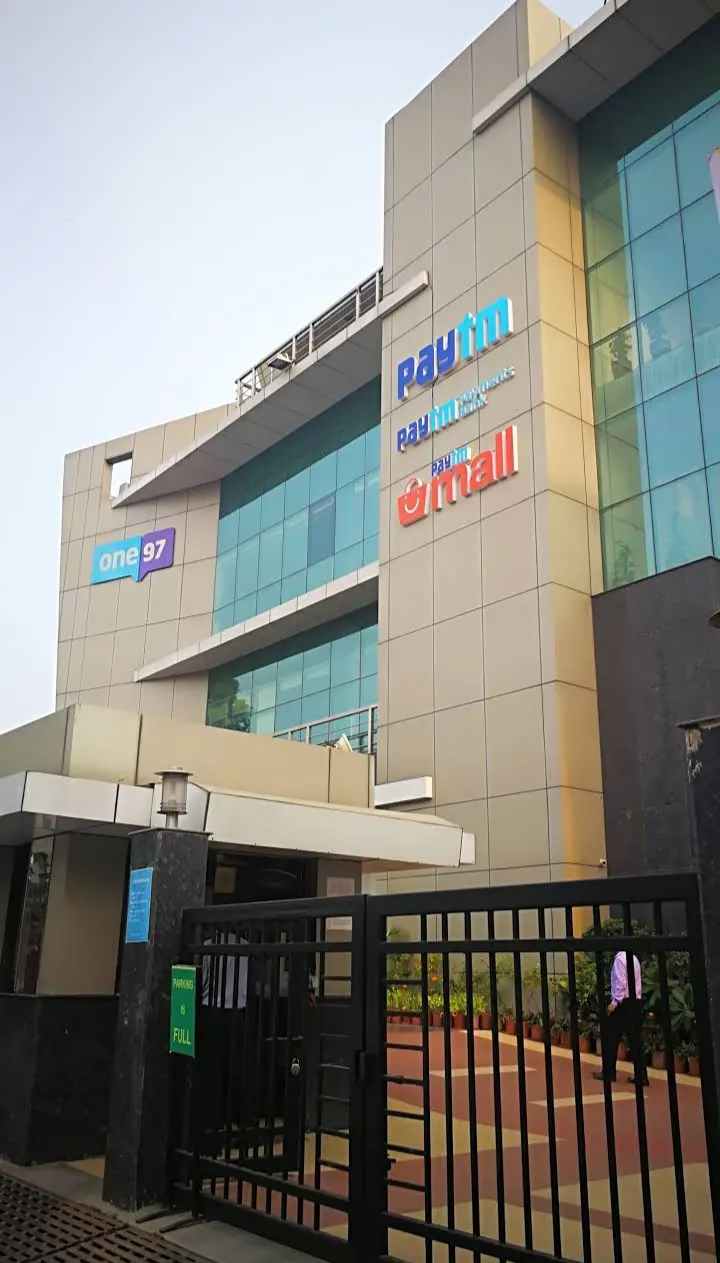
Through One97 he built services that became Paytm. Early usefulness mattered. Then wallets and QR codes turned shop counters into digital acceptance points.
Demonetization rocket and UPI war

In 2016, cash shocks pushed Indians toward digital options overnight. Paytm rode that wave. Later UPI changed the rails again. Many players could ride the same tracks. Competition became a grind for mindshare and merchants.
IPO and aftermath
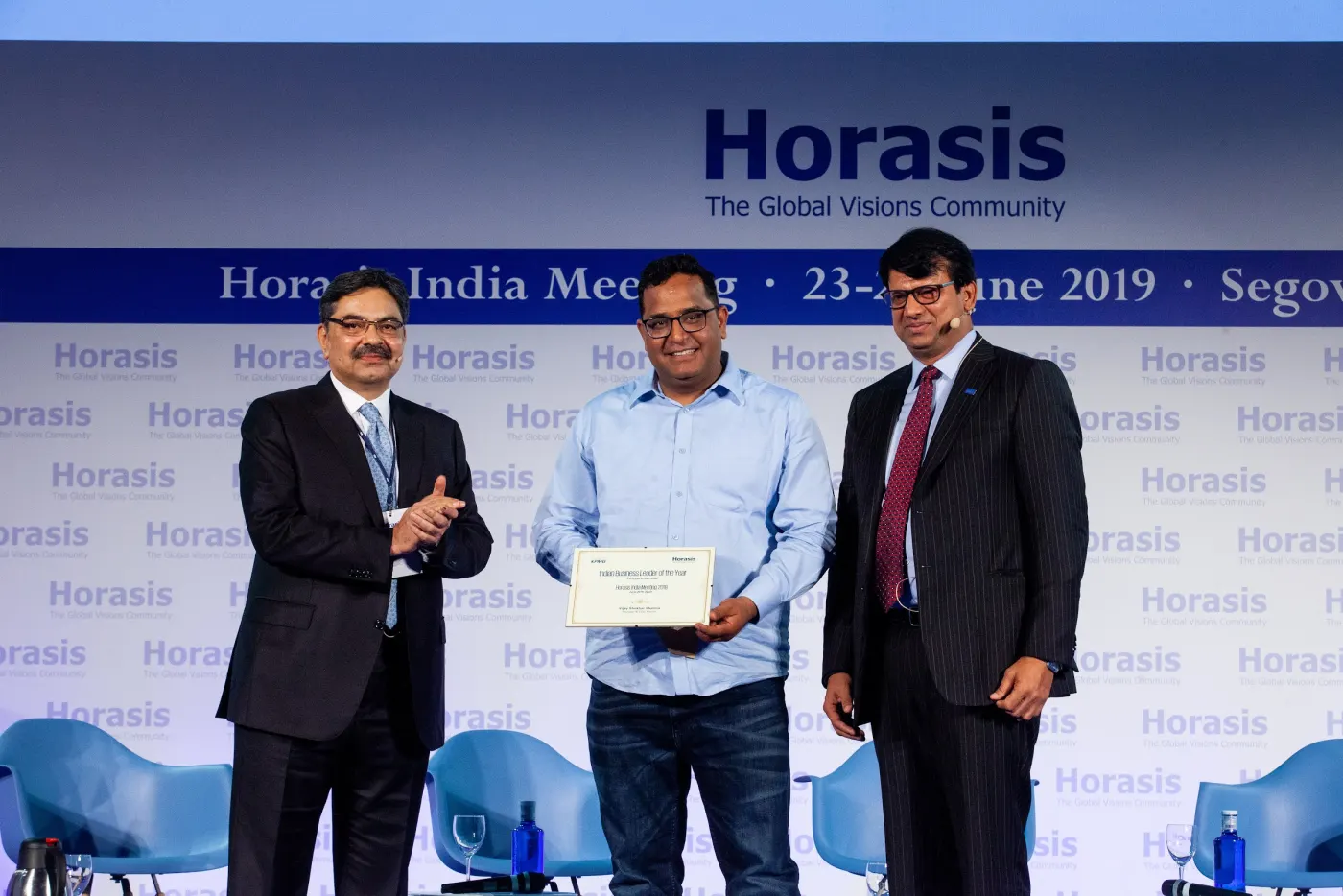
Public listing brought attention and later brutal price discovery. Investors argued about profits, competition, and governance optics. He had to lead through disappointment without abandoning the long map.
Current achievements (as of FY26 / mid-2026)
Company: Paytm / One97 Communications. Company-value context: ~$5B class in working list; market cap moves with turnaround narrative. Personal wealth context: about $1B class in working list.
Current achievement is not a trophy shelf. It is the path still being walked: products shipping, balance sheets tightening or expanding, successors being trained, and public fights that still matter.
FY26: first full year of consolidated profit since listing , revenue about Rs 8,437 Cr (+22% YoY); EBITDA about Rs 502 Cr (vs large prior loss); PAT about Rs 552 Cr.
Cost discipline: marketing, employee, and other expenses cut sharply year over year as operating rebuild.
Personal milestone language: targeting about $1B free cash flow over a multi-year horizon; AI agents flagged as next product focus; lending share thesis with bank partnerships.
What shifted inside the business is the real scoreboard. Markets clap late. Operators live in utilization, cash, quality, and whether tomorrow still works.
For Vijay Shekhar Sharma, the mid-2020s question is not "did they win once." It is "are the systems they built still rearranging other people's days."
World impact: what actually shifted
World impact is consequence, not applause. It shows up when a habit becomes normal, a price wall cracks, a career path appears, or a country's soft power changes shape.
Consequence 1: Taught millions of small merchants digital acceptance (QR, Soundbox era) before UPI became ambient infrastructure.
Consequence 2: Helped make mobile payments feel normal for ordinary Indians; cultural shift bigger than any quarter.
Consequence 3: Post-regulatory rebuild shows fintech maturity can be operating discipline, not only hypergrowth storytelling.
None of that arrived as fireworks. It arrived as years of ugly process, then as ordinary life for people who never learn the founder's name.
That is the documentary test for Vijay Shekhar Sharma: what changed for customers, workers, industries, and culture after the highlight reel ended.
From One97 to a payments nation
Vijay Shekhar Sharma built Paytm as a consumer habit machine: wallets, QR codes, Soundbox speakers that made digital payment audible in crowded shops.
Demonetization years rocketed adoption. UPI then rewrote the rails underneath. Winning early does not guarantee winning forever. Competition from bank-led UPI apps forced Paytm to fight for relevance beyond the first miracle.
IPO shock and rebuild
Listing brought scrutiny. Regulatory storms forced rebuild. FY26's first full-year profit since IPO is current achievement as discipline: cut costs, sharpen mix, chase free cash, talk AI agents without abandoning merchant reality.
World impact already happened in merchant hands that learned to accept digital money. The new chapter asks whether fintech can mature into durable cash generation after the revolution.
Documentary scenes mined from long interviews
These beats are shaped from long-form interview and talk transcripts used in research. Paraphrased into story voice. Not a quote dump.
Scene 1 (recharge): Vijay Shekhar Sharma's interviews return to this texture: ...if I was to put it uh little simply then you are currently in majority Indians have you in their pocket in terms of the app majority active Indians do yes yeah right uh so it's started with normal transaction recharge offline payment recharge offline payment so right from paying to a Chala after demo you know now it's like PTM money PTM mall and Bank Banks obviously bank so so practically everything so at some sta
Scene 2 (recharge): Vijay Shekhar Sharma's interviews return to this texture: ...to put it uh little simply then you are currently in majority Indians have you in their pocket in terms of the app majority active Indians do yes yeah right uh so it's started with normal transaction recharge offline payment recharge offline payment so right from paying to a Chala after demo you know now it's like PTM money PTM mall and Bank Banks obviously bank so so practically everything so at some stage I thin
Taken together, the interview record keeps Vijay Shekhar Sharma human: excited, frustrated, stubborn, technical, sometimes lucky, often simply refusing to quit the Tuesday work.
Money stakes and what fear felt like
For Vijay Shekhar Sharma, money was never only a scoreboard. It was payroll nights, interest rates, dilution dread, and the fear that one delayed shipment could erase a year. Capital markets clap for outcomes. Founders live inside cash calendars.
This is why the biography refuses trophy lists. Lists skip the mechanism. The mechanism is how Vijay Shekhar Sharma actually shifted the world around them.
Rivals who forced sharper craft
Rivals did Vijay Shekhar Sharma a harsh favor. Competition exposed weak processes, lazy pricing, and soft quality. Some rivals were companies. Some were imports, regulators, or customer habits that refused to change. Craft sharpened because someone else was hunting the same hunger.
This is why the biography refuses trophy lists. Lists skip the mechanism. The mechanism is how Vijay Shekhar Sharma actually shifted the world around them.
People who carried the weight
No founder documentary is honest if it erases the operators. Scientists, drivers, merchants, engineers, plant workers, teachers, and nameless night-shift hands carried Vijay Shekhar Sharma's bets into reality. Equity myths forget them. World impact includes their rearranged days.
This is why the biography refuses trophy lists. Lists skip the mechanism. The mechanism is how Vijay Shekhar Sharma actually shifted the world around them.
Habits under pressure
Under pressure, Vijay Shekhar Sharma's habits mattered more than slogans. Who gets called first. What gets measured. Whether bad news travels fast. Whether quality loses to speed. Culture is what happens when the founder is tired.
This is why the biography refuses trophy lists. Lists skip the mechanism. The mechanism is how Vijay Shekhar Sharma actually shifted the world around them.
The long middle after fame
Fame arrives as a headline. The long middle arrives as maintenance: systems, succession, repair, and the refusal to believe the story is finished. Vijay Shekhar Sharma's later chapters are where institutions either deepen or decay.
This is why the biography refuses trophy lists. Lists skip the mechanism. The mechanism is how Vijay Shekhar Sharma actually shifted the world around them.
What building actually looked like
Building looked like spreadsheets, arguments, factory floors, customer calls, and rewritten plans. For Vijay Shekhar Sharma, glamour was rare. Repetition was the method. The method became the empire.
This is why the biography refuses trophy lists. Lists skip the mechanism. The mechanism is how Vijay Shekhar Sharma actually shifted the world around them.
Origin: hunger, media, then money rails
Vijay Shekhar Sharma's path runs through small-town ambition, early internet hustle, and the discovery that payments could be a consumer product with speakers and QR codes, not only a bank back office.
One97's earlier content and services experiments taught distribution. Paytm taught habit. Demonetization years shoved millions into digital wallets overnight. Then UPI, built as public infrastructure, commoditized the miracle and forced a harder game: differentiation, lending, commerce, and compliance.
The Soundbox era and merchant classroom
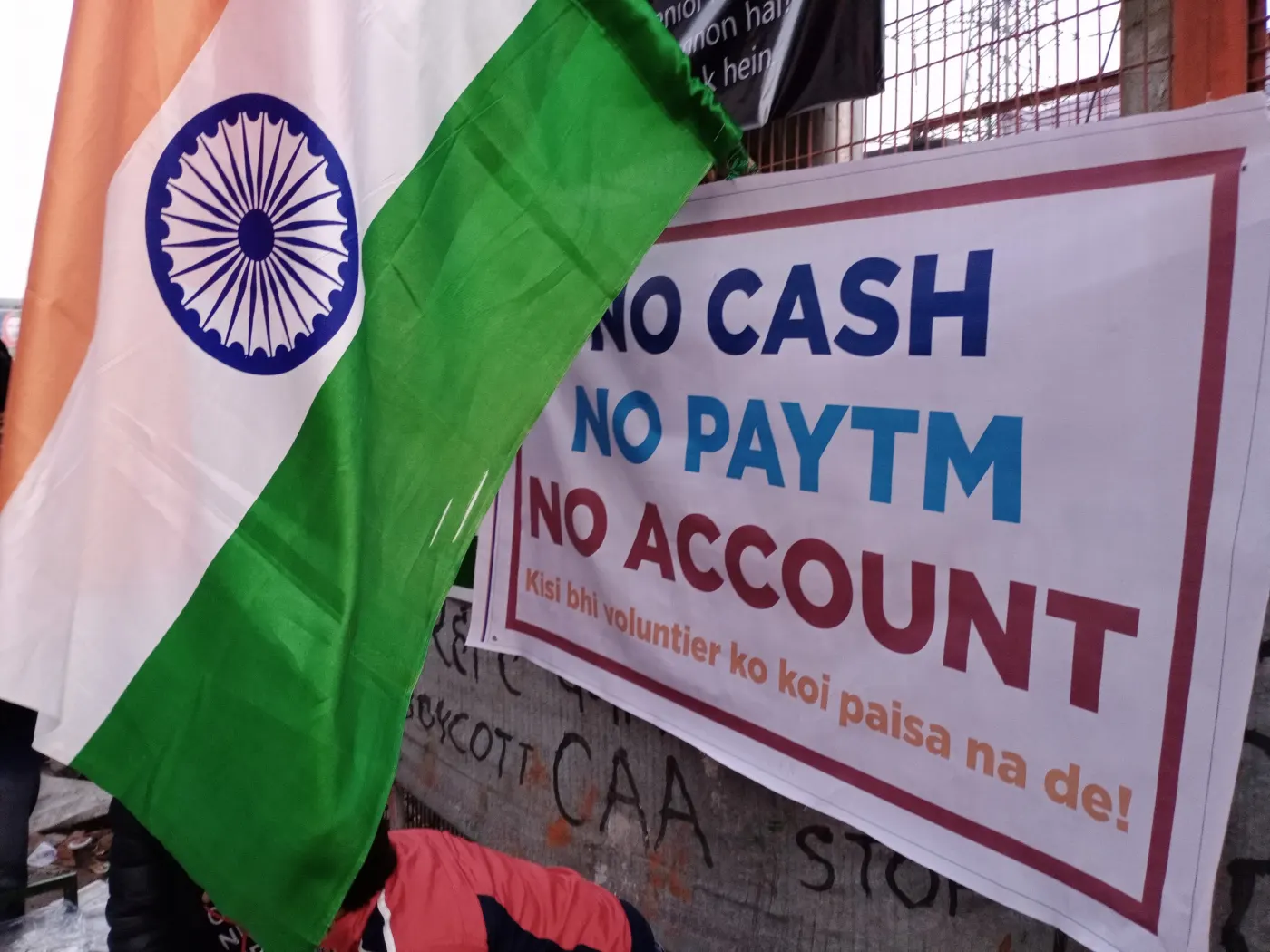
A speaker announcing payment success trained trust in noisy shops. Merchants who had never imagined digital acceptance learned it through repetition. That classroom is world impact. It outlives any single app ranking.
Regulatory winter and FY26 spring
Listing brought a public scoreboard. Regulatory actions forced shrinkage and rebuild. Cutting marketing and headcount is not cinematic. It is how FY26 became the first full year of consolidated profit since IPO: revenue growing, EBITDA flipping positive, PAT returning.
Sharma's $1B free-cash-flow ambition is current achievement as a personal finish line for phase one. Lending with banks, AI agents, and merchant tools are the proposed engines. World impact already happened in India's payment culture. The new fight is durable economics after the revolution.
How the war felt
UPI-era competition meant fighting invisible rails and very visible bank apps. Surviving meant accepting that category creation fame does not entitle anyone to permanent margins. Documentary honesty keeps both: the early teacher of digital money, and the listed company learning maturity under fluorescent lights.
Extended documentary: payments as culture change
Vijay Shekhar Sharma did not invent money. He helped invent a feeling: that a phone could settle a shop bill as casually as cash, and that a small merchant could hear confirmation without trusting a stranger's word. That feeling scaled into national habit with many parents, including public UPI rails. Paytm was one of the loudest early teachers.
Before the teacher era, there was the hustle era. Small-town ambition, early internet products, and the stubborn belief that consumer software in India could be mass, not niche. One97's winding road mattered because it trained distribution instincts. Those instincts later packed into a wallet brand that could carpet-bomb QR stickers across cities.
Demonetization was a shock that behaved like a growth hack written by the state. Lines at ATMs became lines into digital onboardings. Some of that growth was fragile. Some became permanent muscle memory. When UPI matured, the miracle commoditized. Bank apps and competing wallets turned payments into infrastructure. Infrastructure margins are mean. Mean margins force strategy.
IPO day looks like arrival in highlight reels. In this documentary it looks like the start of a harder exam. Public investors demand a story that survives quarters. Regulators demand controls that survive scandals. Employees demand a mission that survives cost cuts. FY26's first full-year consolidated profit since listing is the exam paper coming back with a better grade: revenue about Rs 8,437 crore, EBITDA flipped to about Rs 502 crore, PAT about Rs 552 crore, costs cut with intent.
Sharma's public language about one billion dollars of free cash flow is not a trophy toast. It is a finish line he is drawing for phase one of his working life. Lending share, bank partnerships, and AI agents are proposed engines. Exiting energy-draining side quests is part of the same discipline.
World impact already sits in merchant drawers and customer thumbs. A generation learned digital acceptance through sticky tools. The rebuild asks whether the company can become a cash compounder after teaching the country a new reflex. That question is current. That question is the documentary's living edge.
Scene: the merchant evening
Picture a kirana at evening rush. Oil packets. Kids asking for biscuits. A customer flashes a QR. A speaker blurts success. The merchant does not philosophize about fintech. He just sells faster. Multiply that evening by millions. That multiplication is what shifted.
Scene: the boardroom after winter
Picture a boardroom after regulatory winter. Fewer victory posters. More dashboards. Marketing budgets that used to shout now whisper. Hiring plans reverse. Product bets must show a bottom line. This is not the founder myth teenagers share. This is the adult chapter where culture change meets accounting.
Scene: the personal stake
Picture Sharma measuring his own commitment in free cash, not only downloads. Downloads were the revolution metric. Cash is the maturity metric. Revolutions that cannot mature become museum pieces. He is trying not to become a museum piece.
Why this biography refuses a trophy list
Awards and rankings move. The merchant's new reflex remains. India's payments stack remains. The fight for profitable fintech remains. Vijay Shekhar Sharma's world impact is the classroom that made digital money feel ordinary. His current achievement is proving the teacher can also run a disciplined company after the syllabus went national.
Closing
Start with a useful habit. Ride macro waves without confusing luck for skill. When markets punish you, return to merchants and users.