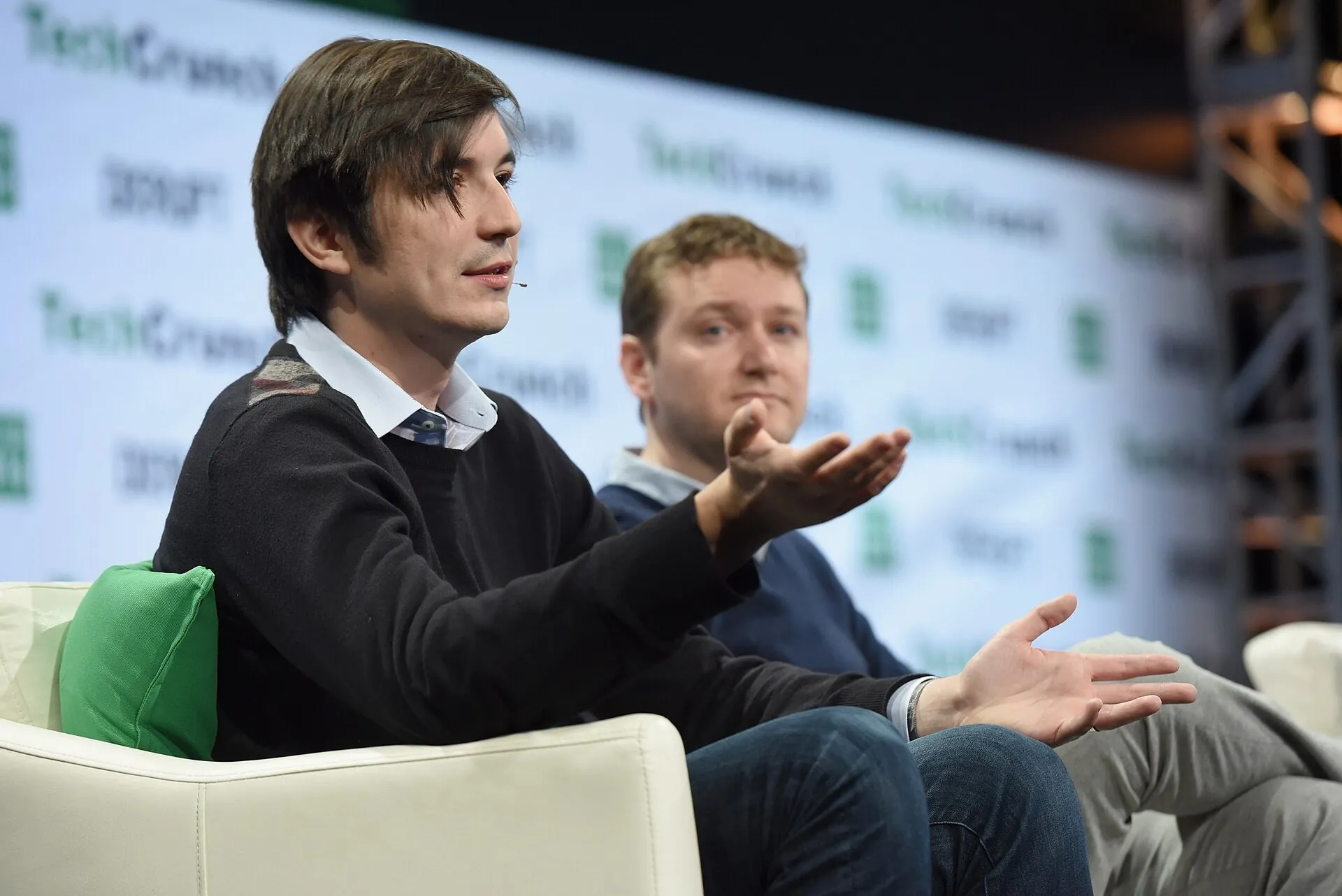
The Math Kid Who Made Trading Free
He moved to America at five. He studied math at Stanford. Then he made buying stocks free for everyone.
Not long ago, buying a single stock usually cost a fee. Often around $10, every single time.
For a kid with $50, that fee ate a big part of the money.
Vlad Tenev thought that was unfair. So he helped build an app that made trading free.
That app was Robinhood. It forced the biggest names on Wall Street to drop their fees too.
From Bulgaria to Virginia
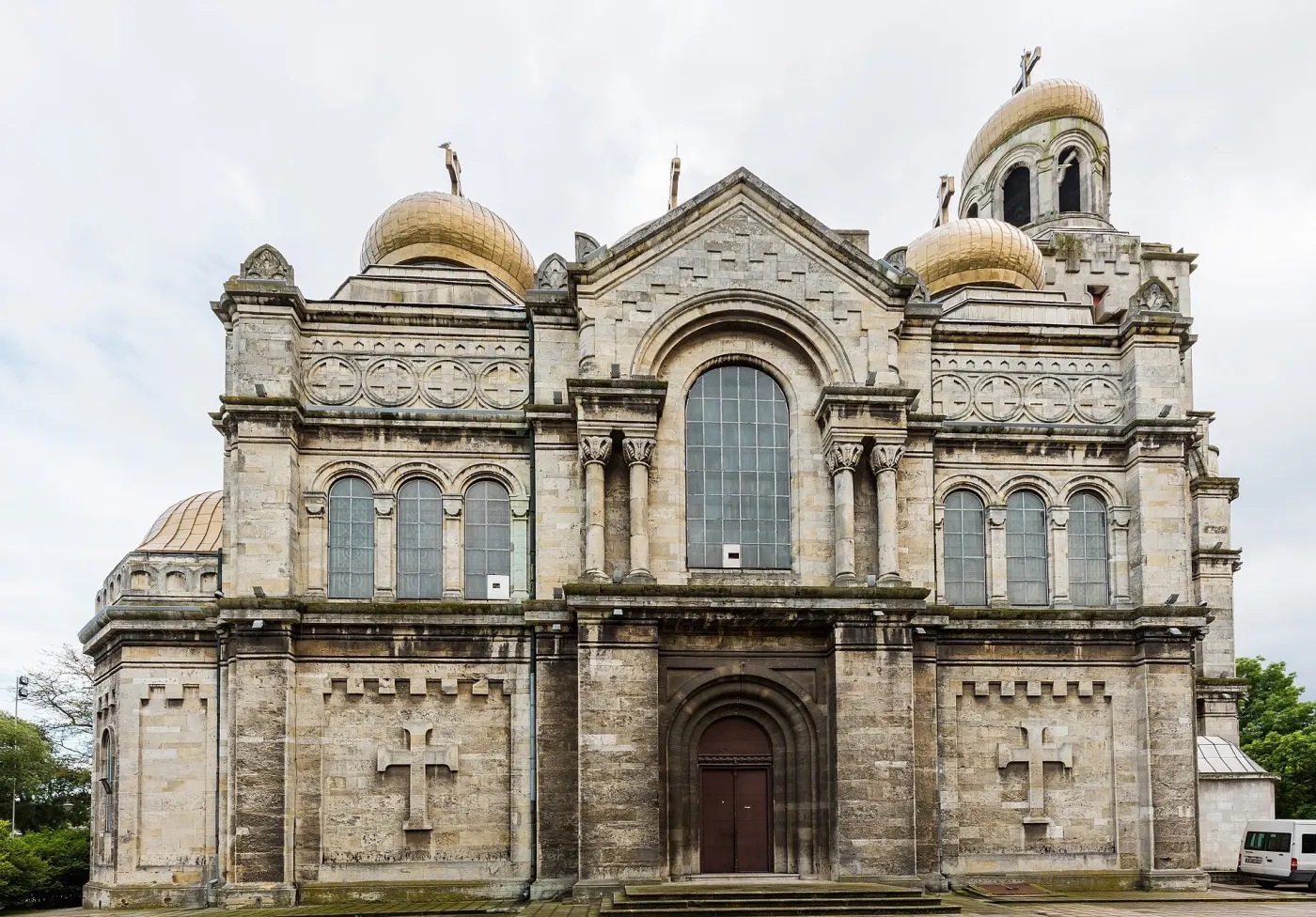
Vlad Tenev was born on February 13, 1987, in Varna, Bulgaria.
When he was five, his family moved to the United States. They settled near Washington, D.C., in Virginia.
Vlad loved math. He was the kind of kid who solved problems for fun.
A math student meets his partner
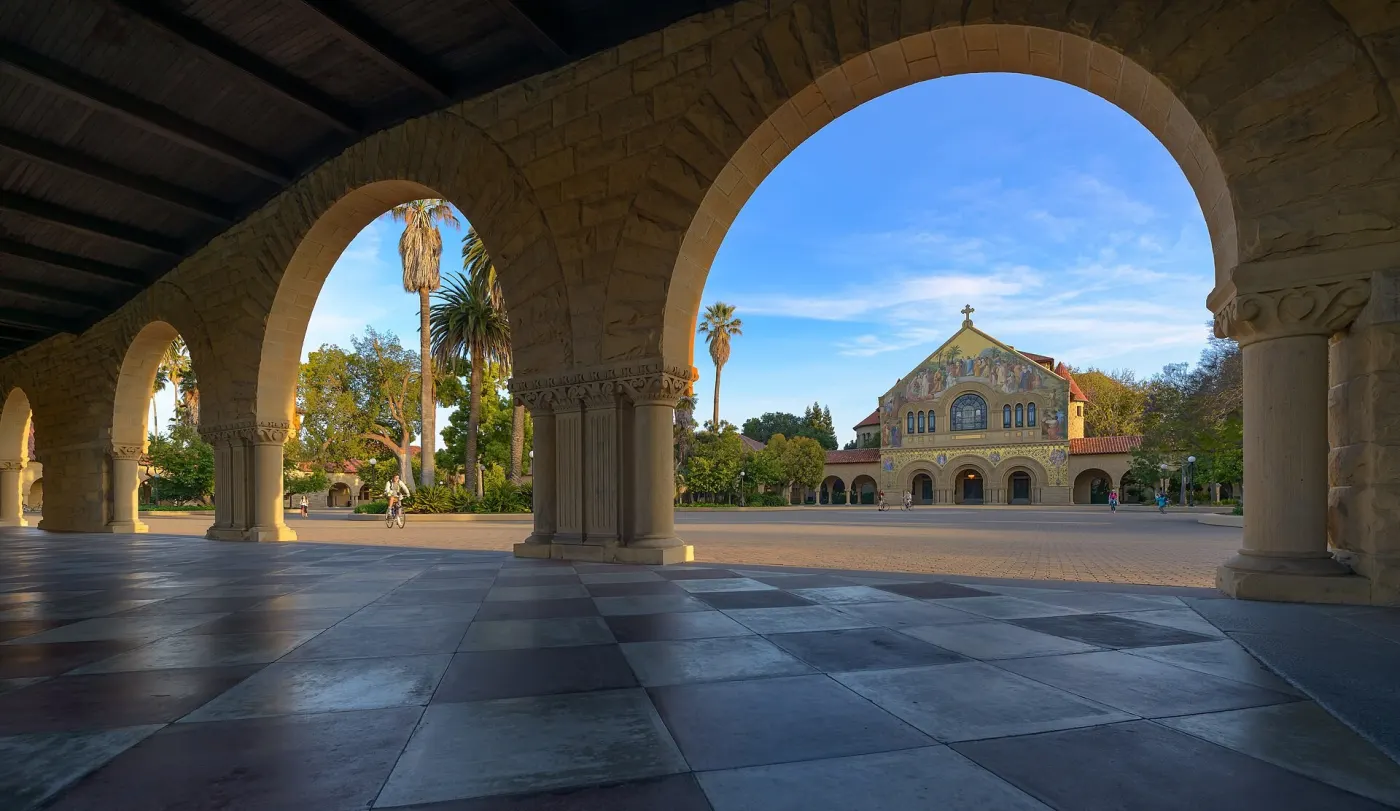
Vlad studied mathematics at Stanford University. There he met Baiju Bhatt, a physics student.
The two became close friends. Vlad was quieter and loved systems. Baiju was outgoing and loved design.
Vlad later earned a master's degree in math at UCLA. But instead of finishing a PhD, he and Baiju moved to New York to start companies.
Building for Wall Street first
In New York, Vlad and Baiju built trading software for big financial firms. They learned how the stock market really works behind the scenes.
They noticed something. Big firms paid almost nothing to trade. Regular people paid a lot.
In 2011, the Occupy Wall Street protests filled the streets with people angry at the financial system. Vlad and Baiju asked themselves: what if we built something for those people instead?
Robinhood is born

In 2013, they founded Robinhood. The name came from the legend of Robin Hood, who took from the rich and gave to the poor. Before settling on it, they had called the idea CashCat.
Many investors said no. But they kept pitching.
When Robinhood opened a waiting list, huge numbers of people signed up before the app even launched. In 2015, the app went live: commission free trading on your phone.
Wall Street follows
Robinhood grew fast, especially with young people. Its bright, simple app felt more like a game than a bank.
In 2019, the giant brokerages Charles Schwab, TD Ameritrade and E*Trade all dropped their trading fees. The $10 trade was basically dead.
In November 2020, Vlad became Robinhood's sole CEO, as Baiju moved to a creative role.
The GameStop storm
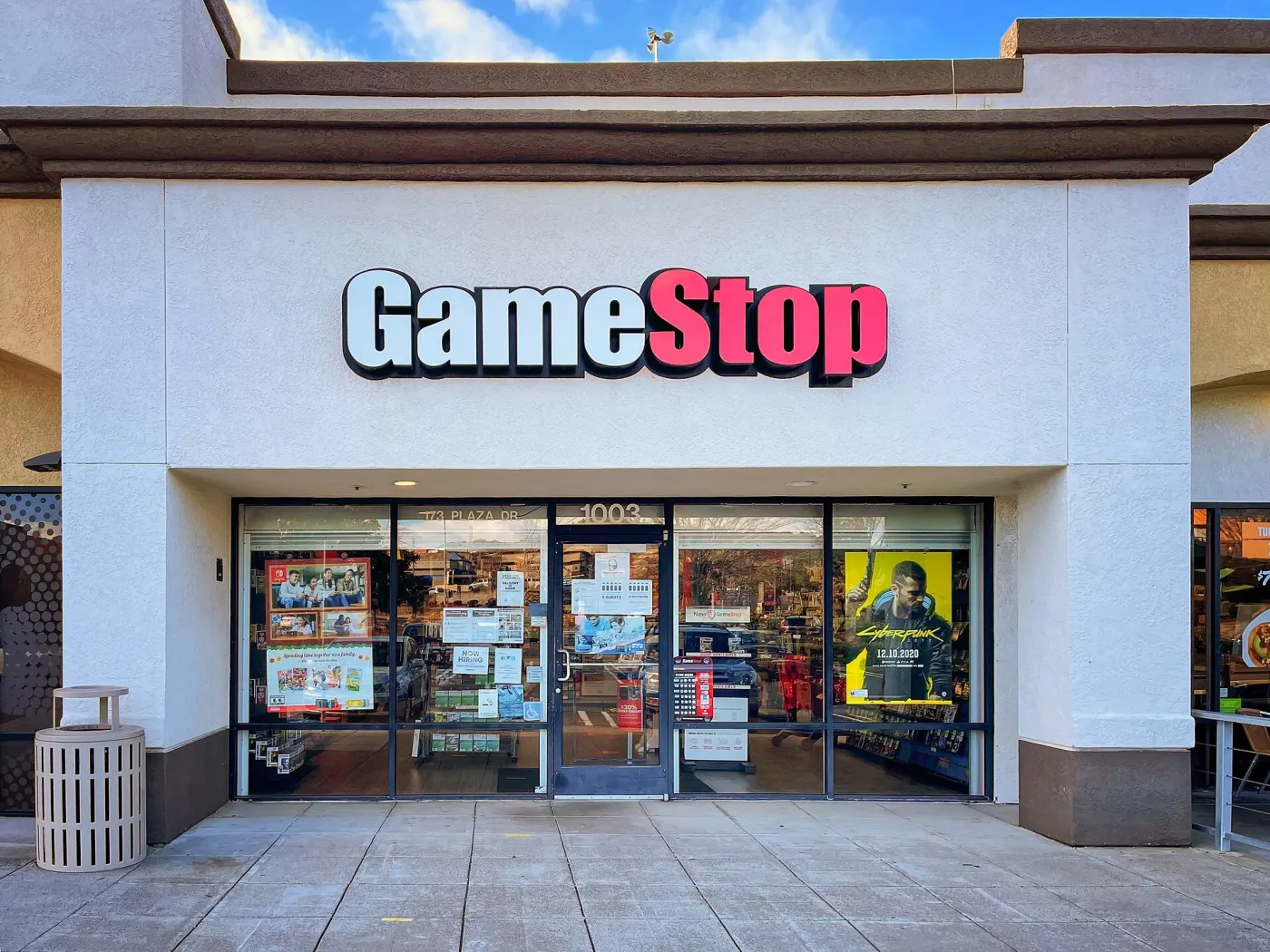
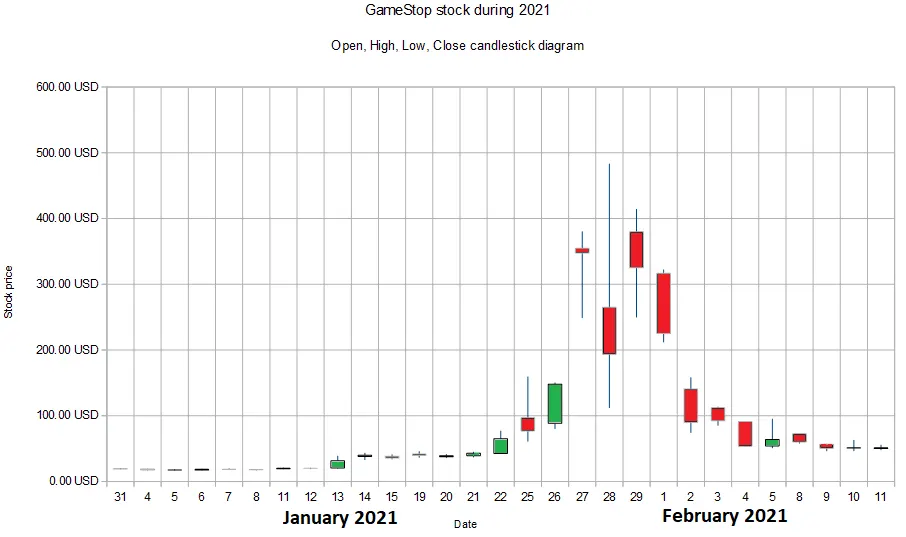
In January 2021, internet users teamed up to buy shares of GameStop, a struggling video game store. The price shot to the moon.
Then Robinhood suddenly limited buying of GameStop and some other stocks. Users were furious. Many believed Robinhood was protecting Wall Street.
Vlad explained that Robinhood had to put up huge amounts of money with clearing houses to keep trading safe.
In February 2021, Vlad testified before the U.S. Congress for hours. Lawmakers from both parties questioned him hard.
Going public, then climbing back
On July 29, 2021, Robinhood went public on the Nasdaq under the ticker HOOD, valued at about $32 billion.
The stock fell hard afterwards. There was a data breach. Crypto crashed. Many people wrote Robinhood off.
Vlad kept adding products: retirement accounts, a credit card, crypto trading and more. Robinhood's comeback was huge. In 2025, it joined the S&P 500.
Math superintelligence
Vlad never stopped loving math. In 2023 he co-founded Harmonic, an AI company with Tudor Achim. Harmonic builds AI that solves hard math problems and proves its answers are correct.
In 2025, Harmonic's AI, called Aristotle, reached gold medal level at the International Mathematical Olympiad.
Where he is now
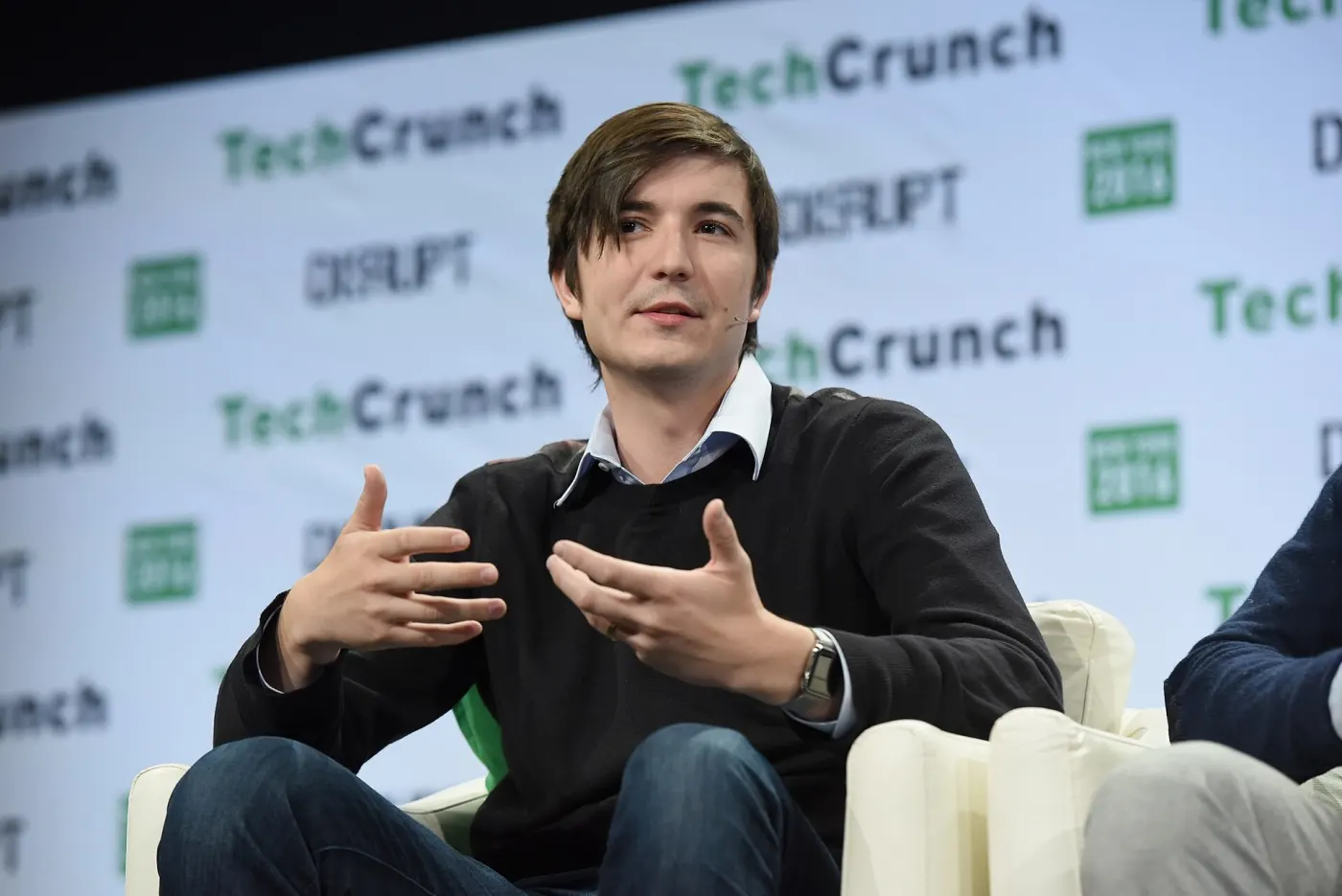
Today, Vlad Tenev is chairman, CEO and president of Robinhood, which serves millions of customers. In July 2026, Robinhood launched its own blockchain, called Robinhood Chain. He is also executive chairman of Harmonic.
Why the story matters
Vlad Tenev's story is about lowering walls.
He saw that everyday people paid more to invest than the rich did. He built a simple app to change that, and the whole industry followed. He faced angry users and a tough Congress. He did not quit.
For young builders, the lesson is simple. When something feels unfair, that feeling might be the start of a company. And when the storm comes, stay in the room and keep answering questions.
He did not rob the rich. He removed the toll booth.
The Record
Born: February 13, 1987
From: Varna, Bulgaria; raised in Virginia, USA
Studied: B.S. Mathematics, Stanford; M.S. Mathematics, UCLA
Built: Robinhood (with Baiju Bhatt), Harmonic (with Tudor Achim)
Now: Chairman, CEO and president of Robinhood
Timeline
1987 Born in Varna, Bulgaria.
1992 Moves to the United States at age five.
2013 Co-founds Robinhood with Baiju Bhatt.
2015 Robinhood app launches.
2019 Big brokerages drop trading fees.
2020 Becomes sole CEO.
2021 GameStop storm, Congress hearing, IPO on Nasdaq.
2023 Co-founds Harmonic.
2025 Robinhood joins the S&P 500.
2026 Robinhood Chain launches.