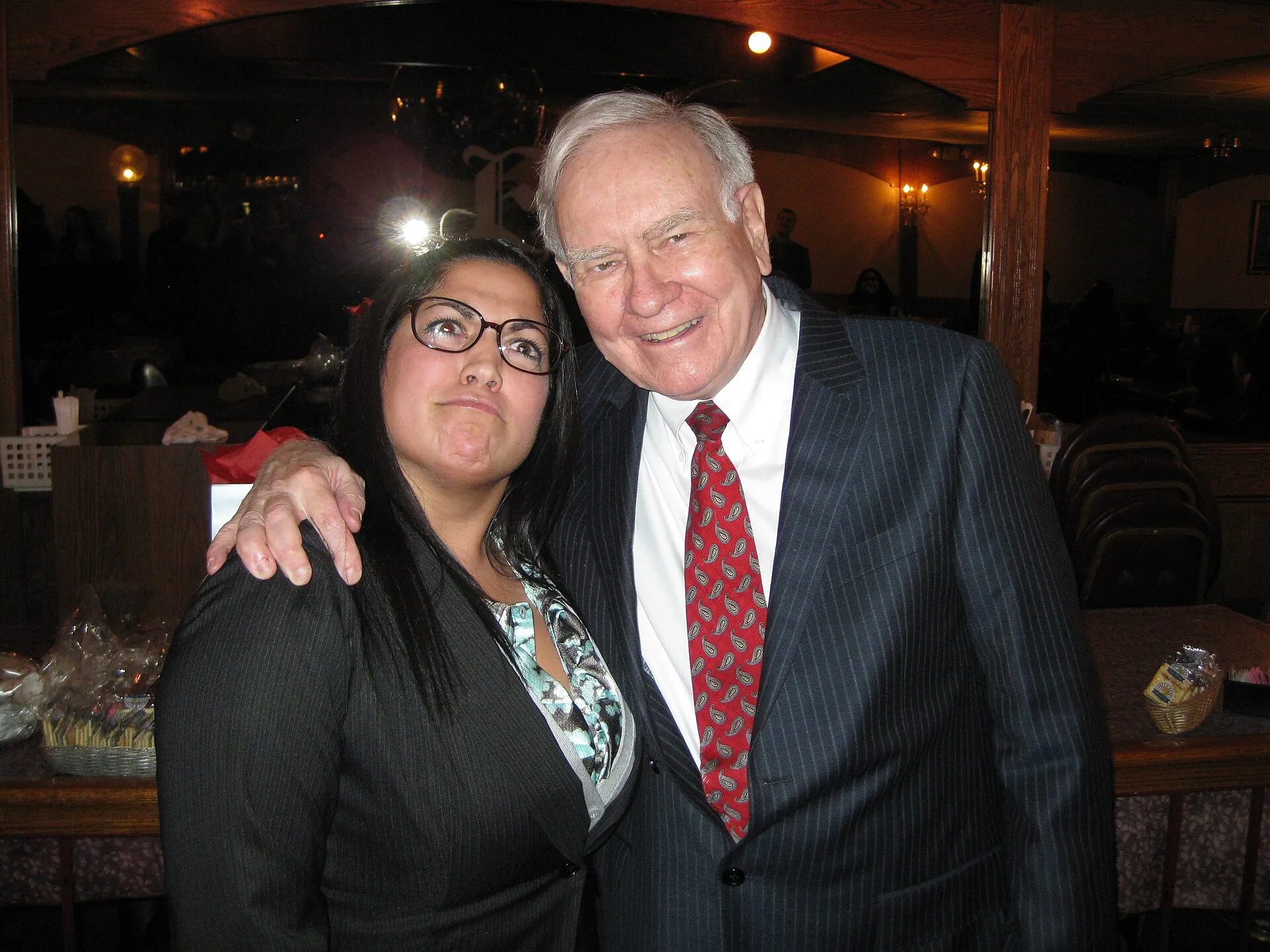
The Oracle Who Buys and Holds
He bought his first stock as a kid. Then he waited. And waited. Compound interest did the rest.
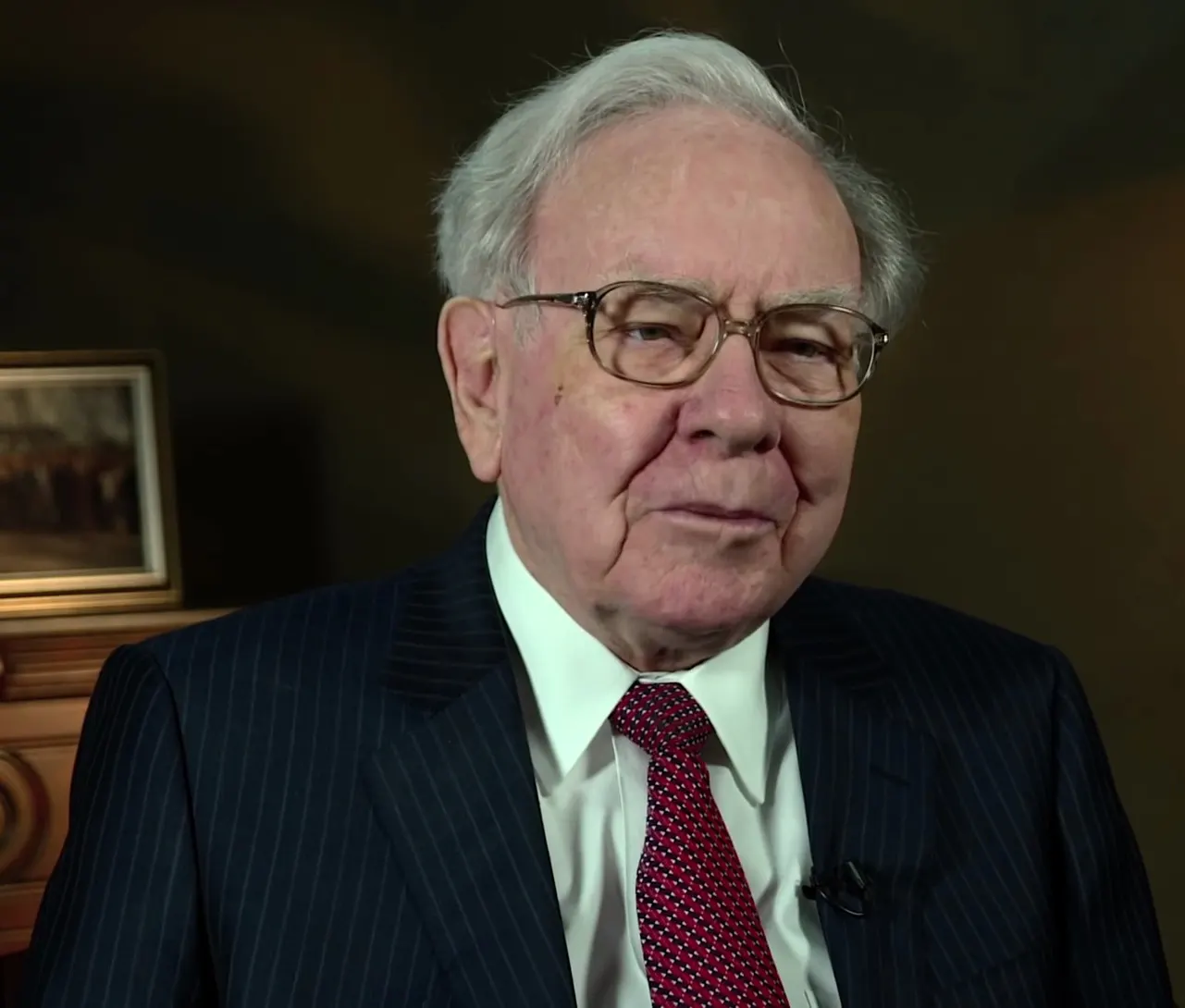
Warren Buffett did not look like a person building a trillion-dollar empire.
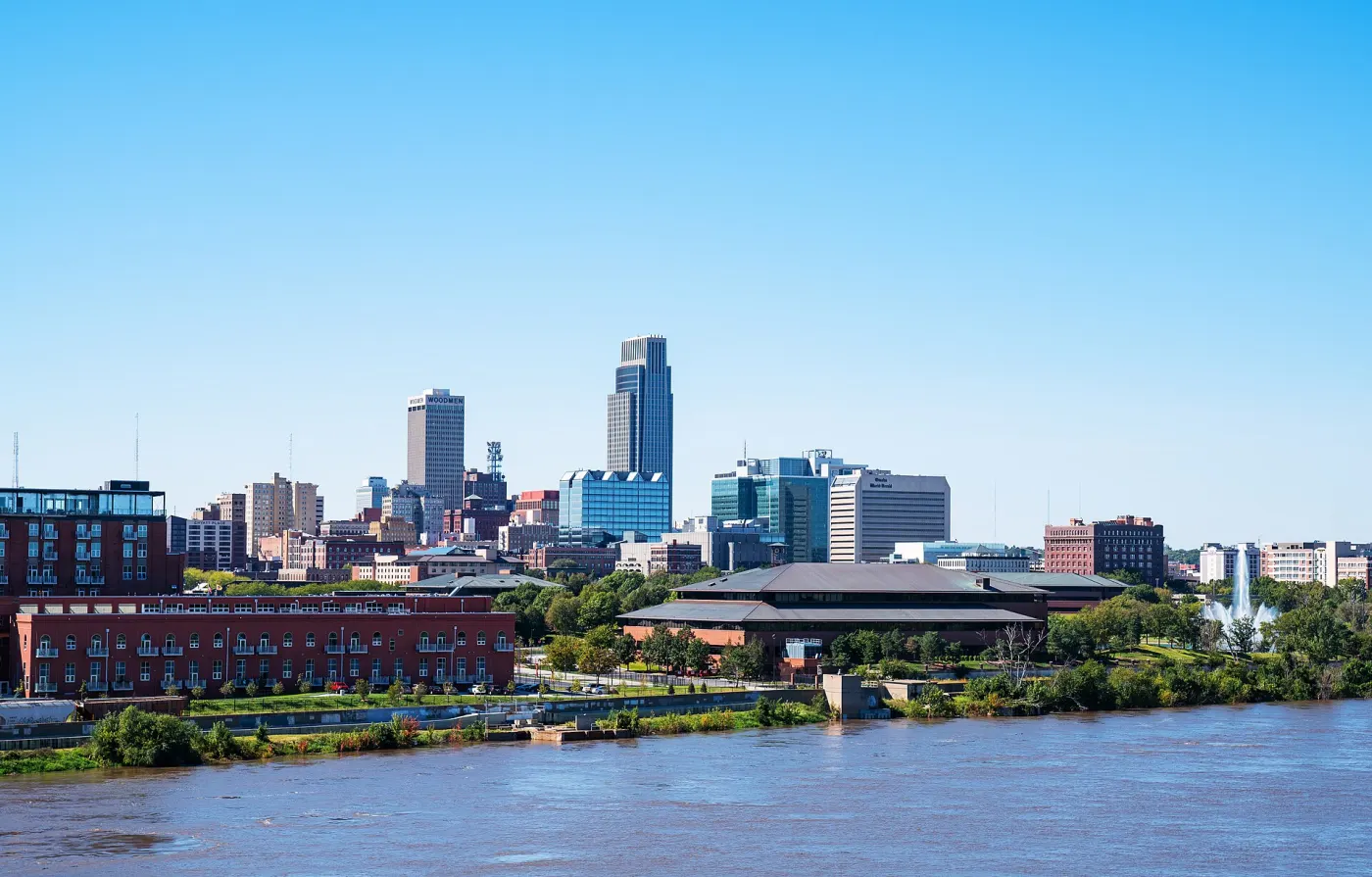
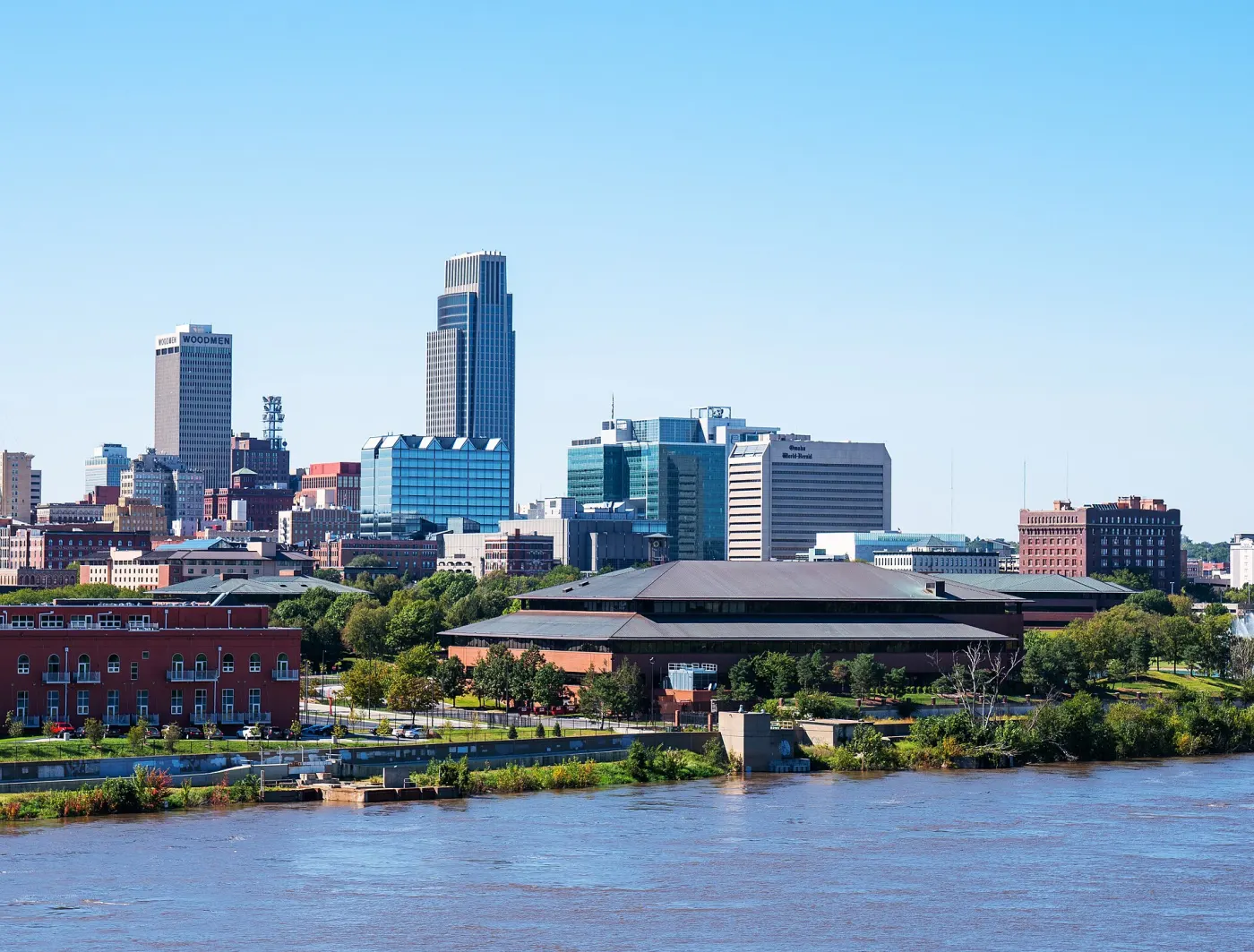
He lived in Omaha. He drank Cherry Coke. He read stacks of reports like other people read sports pages. He joked that his favorite holding period was forever. While markets chased trends, he chased businesses he understood at prices that left a margin of safety.
Berkshire Hathaway, the company he built into a giant holding vehicle, has been valued around a trillion dollars in public estimates. Buffett's own fortune is often listed well above $100 billion. Those numbers float with markets. The method underneath stays oddly simple: buy wonderful businesses, keep excellent managers when possible, and let compounding work for decades.
Where he came from
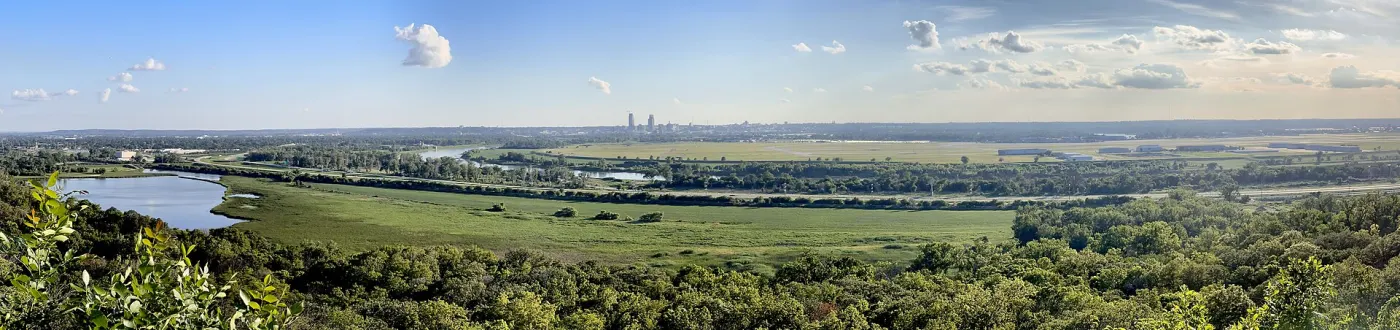
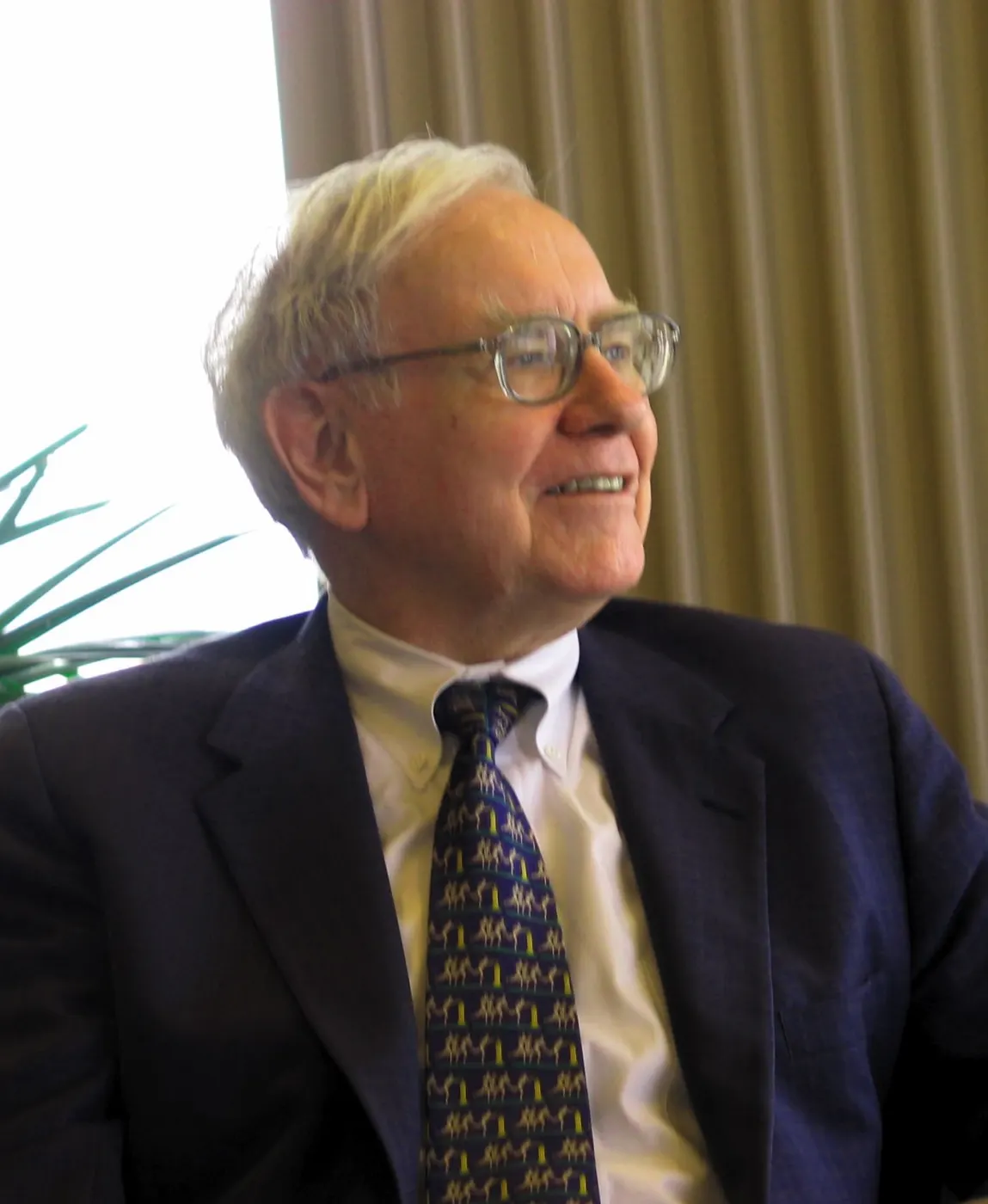
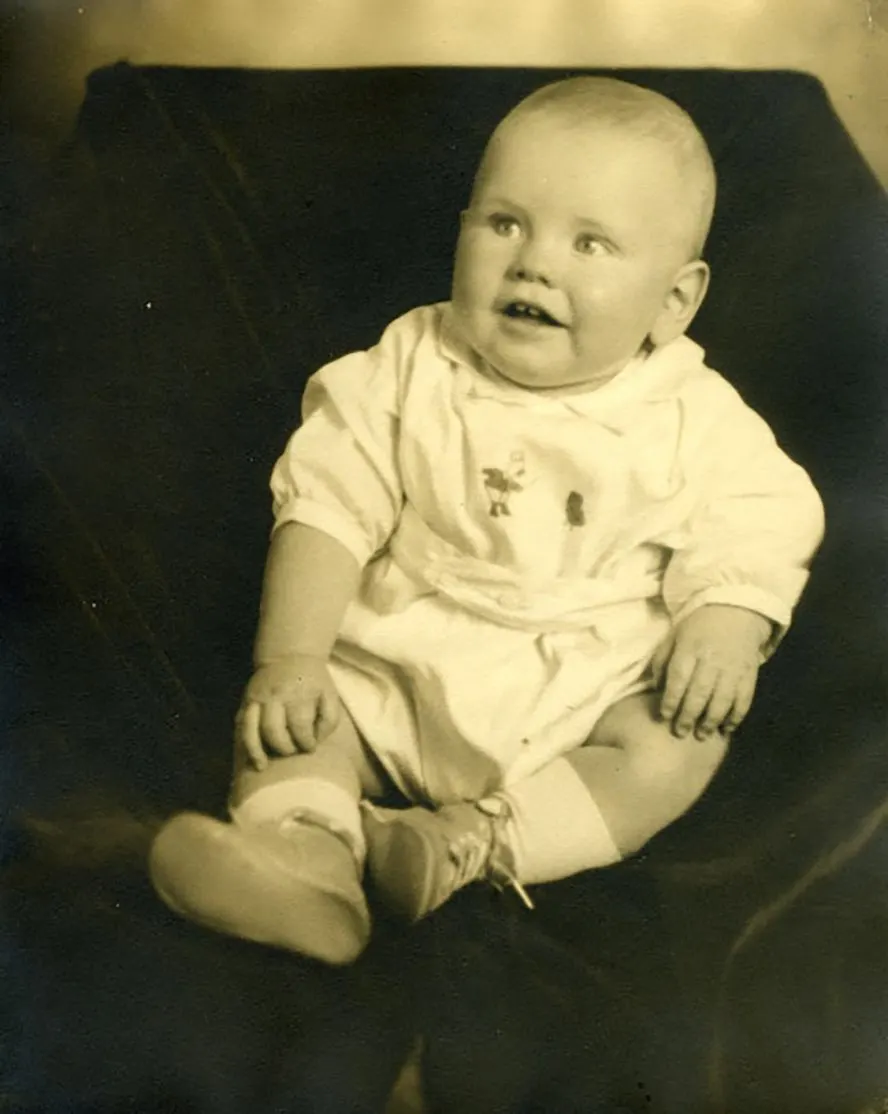
Warren Edward Buffett was born on August 30, 1930, in Omaha, Nebraska. His father, Howard Buffett, worked in business and later served in Congress. His mother, Leila, kept the household. Warren was curious about money early, not as fashion, but as a system.
As a boy he sold chewing gum and Coca-Cola door to door. He delivered newspapers. He bought pinball machines with a friend and placed them in barbershops. Cash flow was coins in a pocket and numbers in a notebook.
He filed taxes young. He bought stocks as a child. Some early trades taught him that price and value can dance apart for a long time. That lesson hurt. It also stuck.
School, Graham, and the value lens
Buffett studied at the University of Pennsylvania's Wharton School for a time, then finished at the University of Nebraska. He wanted to study under Benjamin Graham at Columbia Business School. He got in. Graham's ideas became his operating system: price is what you pay, value is what you get, and Mr. Market is emotional.
After school he worked for Graham's firm, then returned to Omaha and started investment partnerships. Friends and family trusted him with capital. He compounded it carefully. When partnerships later dissolved, many investors rolled into Berkshire with him.
He married Susan Thompson in 1952. They had three children. The public Buffett stayed anchored to Omaha routines: work, read, bridge, and annual meetings that felt like pilgrimages.
How Berkshire happened
Berkshire Hathaway began as a struggling New England textile company. Buffett bought shares because they looked cheap. The textile business itself was not the dream. Over time he used Berkshire as a platform to buy other businesses and stocks. The mills faded. The capital engine grew.
Insurance became a secret weapon. Premiums arrive before claims are fully paid. That float can be invested. Buffett treated float like fuel for compounding when underwriting was disciplined. It was patience plus math plus refusing dumb risks.
He looked for durable advantages: brands people love, cost structures rivals cannot easily copy, managers who act like owners. He avoided complexity he could not explain. That rule saved him from fashionable disasters.
What he built

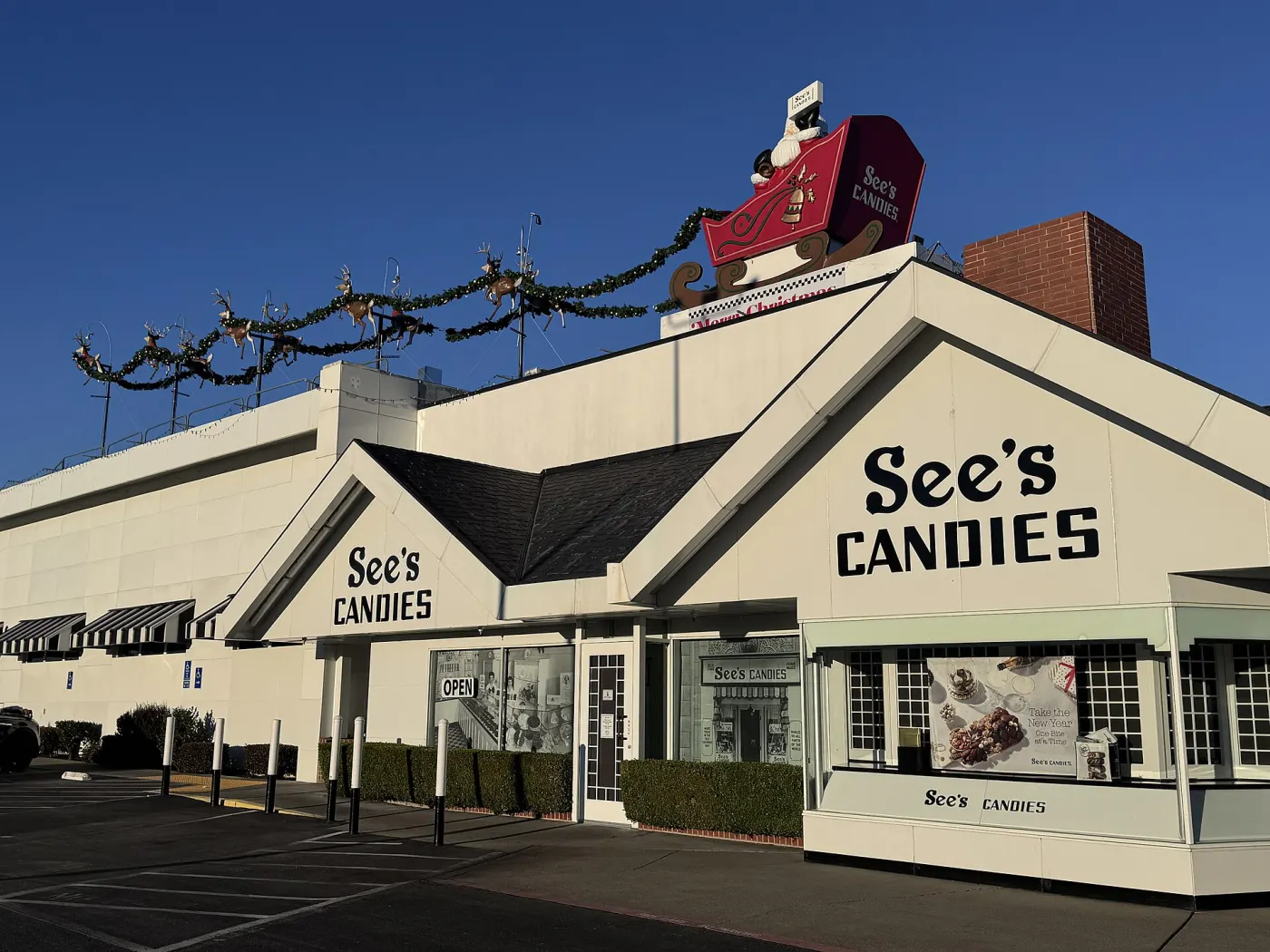
Berkshire's public stock portfolio became famous for large stakes in companies like Coca-Cola, American Express, and later Apple. Wholly owned businesses ranged from Geico to BNSF Railway to Dairy Queen and many more. The mix looked quirky. Inside, it followed one idea: cash-generating machines run by people he trusted.
The annual letter to shareholders became required reading. Buffett wrote in plain English. He admitted mistakes. He taught accounting common sense. He made millionaires feel like students and students feel invited.
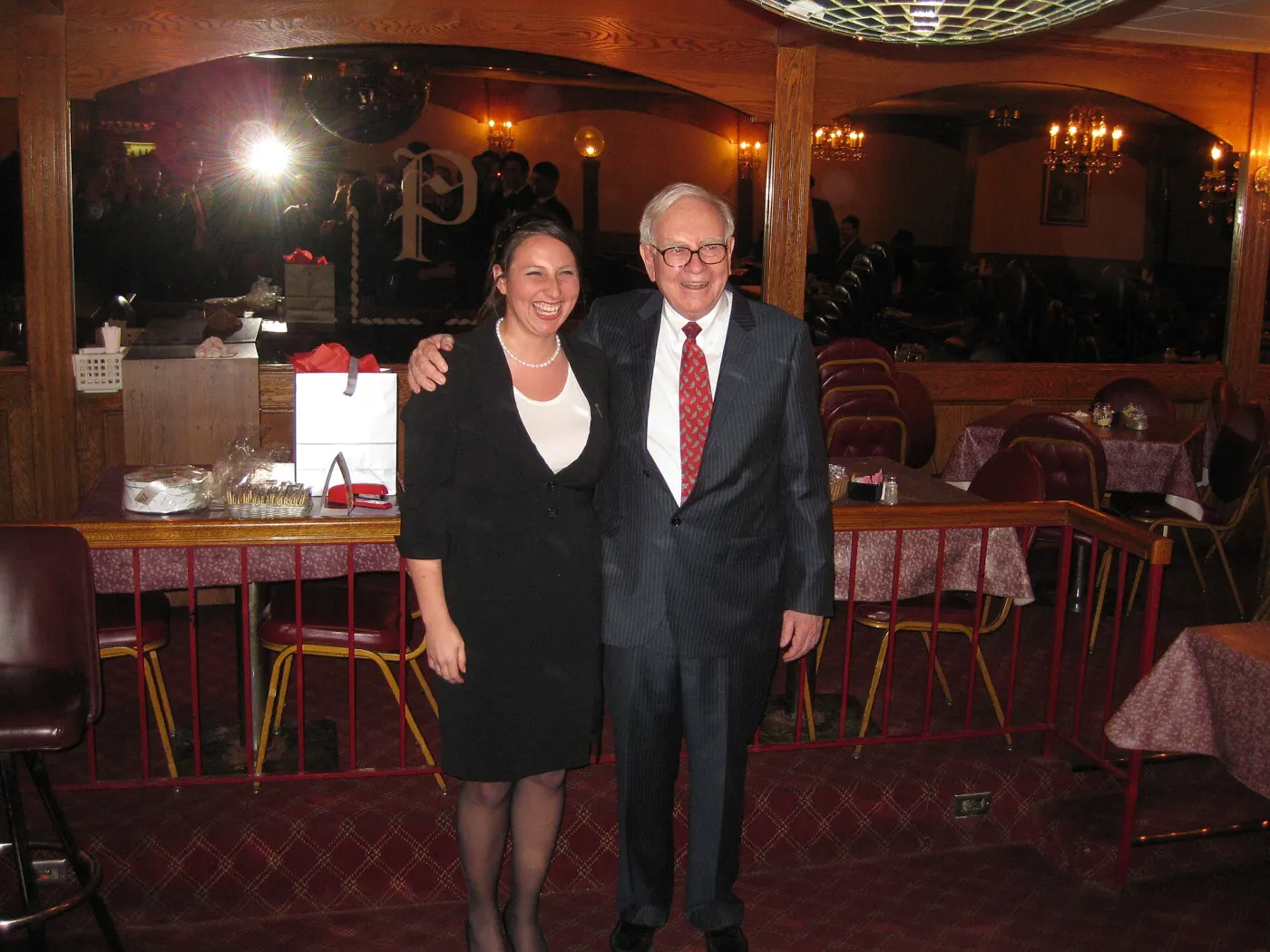
The Omaha annual meeting turned into a festival of capitalism with jokes, products, and hours of questions. People called him the Oracle of Omaha. He shrugged and kept reading.
Hard times
Buffett was not perfect. Textile Berkshire bled for years. Some acquisitions disappointed. Tech revolutions sometimes moved faster than his comfort zone, and he later said he missed early chances in companies he did not fully grasp at the time.
Market crashes tested nerves. In 2008, Berkshire invested in major firms on tough terms when fear was extreme. Buffett's calm was a product. So was his capital. Still, Berkshire stock can fall hard in panics. Paper losses scare people who confuse price with permanent destruction.
He also faced criticism about wealth concentration and politics. He publicly supported higher taxes on the rich in various comments, which created its own arguments. Fame turns every opinion into a headline.
Partnership with Charlie Munger
Charlie Munger, Buffett's longtime friend and Berkshire vice chairman until Munger's death in 2023, pushed Buffett from purely cheap cigar-butt investing toward buying great businesses at fair prices. Munger was blunt. Buffett was folksy. Together they filtered ideas.
Buffett often said the best investment is in yourself, and the best partner is someone with integrity. Those lines sound like posters. At Berkshire they functioned like hiring rules.
Where he is now
Buffett remains chairman of Berkshire into advanced age, with succession planning a constant investor topic. Greg Abel has been widely discussed as operations successor for non-insurance businesses in public coverage. The culture is meant to outlive any single Oracle.
He pledged most of his fortune to philanthropy, much of it directed over time through gifts associated with the Gates Foundation and family foundations. He wants the money to do work, not build a forever monument to one name.
His net worth estimate around $145.1 billion in the batch data is a market snapshot tied heavily to Berkshire shares. He still carries a reputation for frugality relative to his means. Lifestyle inflation can force dumb decisions. He tried not to play that game.
Legacy
Warren Buffett's legacy is patience made institutional. He proved that reading, waiting, and owning can beat constant trading for many people. He also proved that character compounds: managers who tell truth early save decades of cleanup.
For young builders, the lesson is not copy his stock picks. It is know what you own, stay inside your circle of competence, and let time do heavy lifting. Paper routes taught diligence. Graham taught price versus value. Omaha taught that you do not need a coastal zip code to think clearly.
He began as a kid counting coins. He became the face of value investing. Between those points sat thousands of quiet nights with reports, and a refusal to panic just because other people were loud.
Lessons you can use today
The first lesson from Warren Buffett is simple: start before you feel ready. Origin stories hide the ugly middle where the product is half broken and the founder is fully stubborn.
The second lesson is about customers. Warren Buffett kept finding people whose pain was specific enough to measure. Vague ambition does not ship. Specific annoyance does.
The third lesson is about time. Markets scream every quarter. Durable companies often need years of looking slightly wrong. Warren Buffett survived long enough for the world to need what the team had practiced.
The fourth lesson is about teams. No founder scales alone. Hiring people who argue well and still row together matters more than a clever slogan on a wall.
The fifth lesson is about character under praise. Success amplifies flaws. The same drive that builds a company can break trust if nobody installs brakes. Study both the wins and the cracks.
If you take only one idea into your own work, take this: build a small loop that helps a real person today, then widen the loop without losing the reason it worked. That is how a story moves from luck to craft.
Details that usually get skipped
Behind every famous demo is a week of messy debugging and a month of customer conversations that never make highlight reels. Warren Buffett lived in those unglamorous hours.
Money stories get retold as destiny. In real time they feel like spreadsheets, delayed wires, and arguments about burn. The craft is staying clear-headed while the spreadsheet yells.
Public narratives flatten rivals into villains or fools. Real competition is usually another team of smart people with different constraints. Learning speed mattered more than perfect prediction.
Family and health rarely appear in pitch decks, yet they shape founder endurance. The calendar is a silent co-founder. Sustainable intensity beats theatrical burnout.
Why the story still matters
People love founder myths because they want a map. Warren Buffett's map is not a promise that your path will look the same. It is proof that ordinary constraints (school, money, doubt, rivals) can still host extraordinary outcomes when craft meets timing.
Notice how often the breakthrough looked like a boring process improvement: better trust, better delivery, better pricing, better teaching. Fireworks come later. Plumbing comes first.
Also notice the cost. Scale creates enemies, regulators, and unintended harm. Grown-up builders accept that praise and blame arrive in the same package. The work is to keep fixing what breaks without lying about what broke.
Growth did not arrive as a straight line for Warren Buffett. Plateaus tested morale. False starts wasted months. The difference was recovery speed: measure, admit, adjust, continue.
Growth did not arrive as a straight line for Warren Buffett. Plateaus tested morale. False starts wasted months. The difference was recovery speed: measure, admit, adjust, continue.
Growth did not arrive as a straight line for Warren Buffett. Plateaus tested morale. False starts wasted months. The difference was recovery speed: measure, admit, adjust, continue.
Growth did not arrive as a straight line for Warren Buffett. Plateaus tested morale. False starts wasted months. The difference was recovery speed: measure, admit, adjust, continue.
Growth did not arrive as a straight line for Warren Buffett. Plateaus tested morale. False starts wasted months. The difference was recovery speed: measure, admit, adjust, continue.
Additional magazine clips
Watch alongside this story
Short cuts from interviews, keynotes and launches. Each plays only the moment that matters.