The Woman Who Made Women Go First
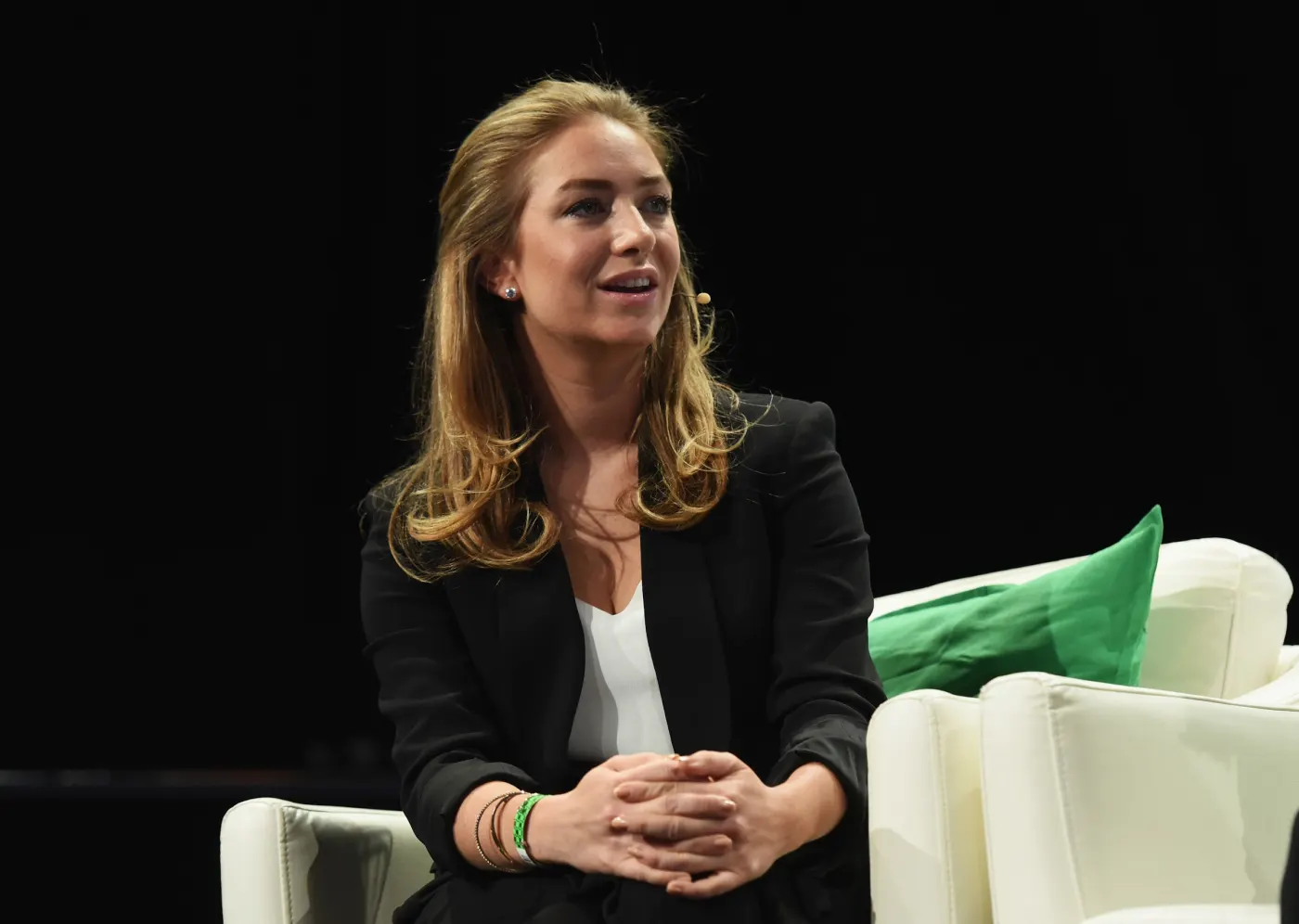
The morning the bell rang in Austin
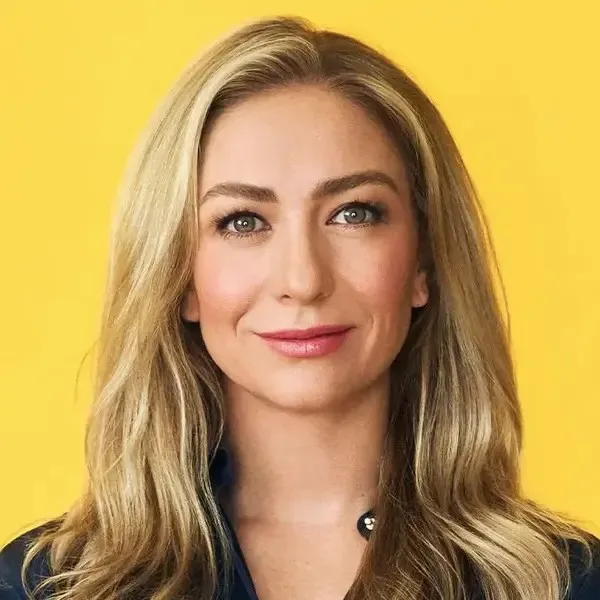
On February 11, 2021, the most famous bell in American business rang, but the woman ringing it was not in New York. She was in Austin, Texas, standing in a bright yellow office, holding her one-year-old son on her hip. His name was Bobby. He did not know what a stock market was. He just knew his mom was smiling.
Whitney Wolfe Herd was thirty-one years old that day. Her company, Bumble, had priced its shares at $43 the night before. When trading opened, the stock jumped to $76. By the afternoon, she was the youngest woman ever to take a company public in the United States. Forbes counted her as the world's youngest self-made woman billionaire.
It looked like a fairy tale. It was not.
Seven years earlier, she had been hiding in her house. She was twenty-four, depressed, and being torn apart online. She had just left Tinder, the dating app she helped build, and sued the company for sexual harassment and discrimination. Strangers called her names. Old friends stopped calling. She later said she did not leave the house for about three weeks at one point.
So the bell was not just about money. It was about a young woman who had been written off, then built a second dating app, then made it bigger than almost anyone expected.
And the story did not stop there. By 2026 Bumble's stock traded near three dollars. Paying users were falling. The founder had stepped away in exhaustion, then come back to rebuild the company from its engine up. She was promising to get rid of the swipe, the very motion that made her industry famous.
This is the story of how she got there, and why she is still fighting.
A girl who did not fit the mold
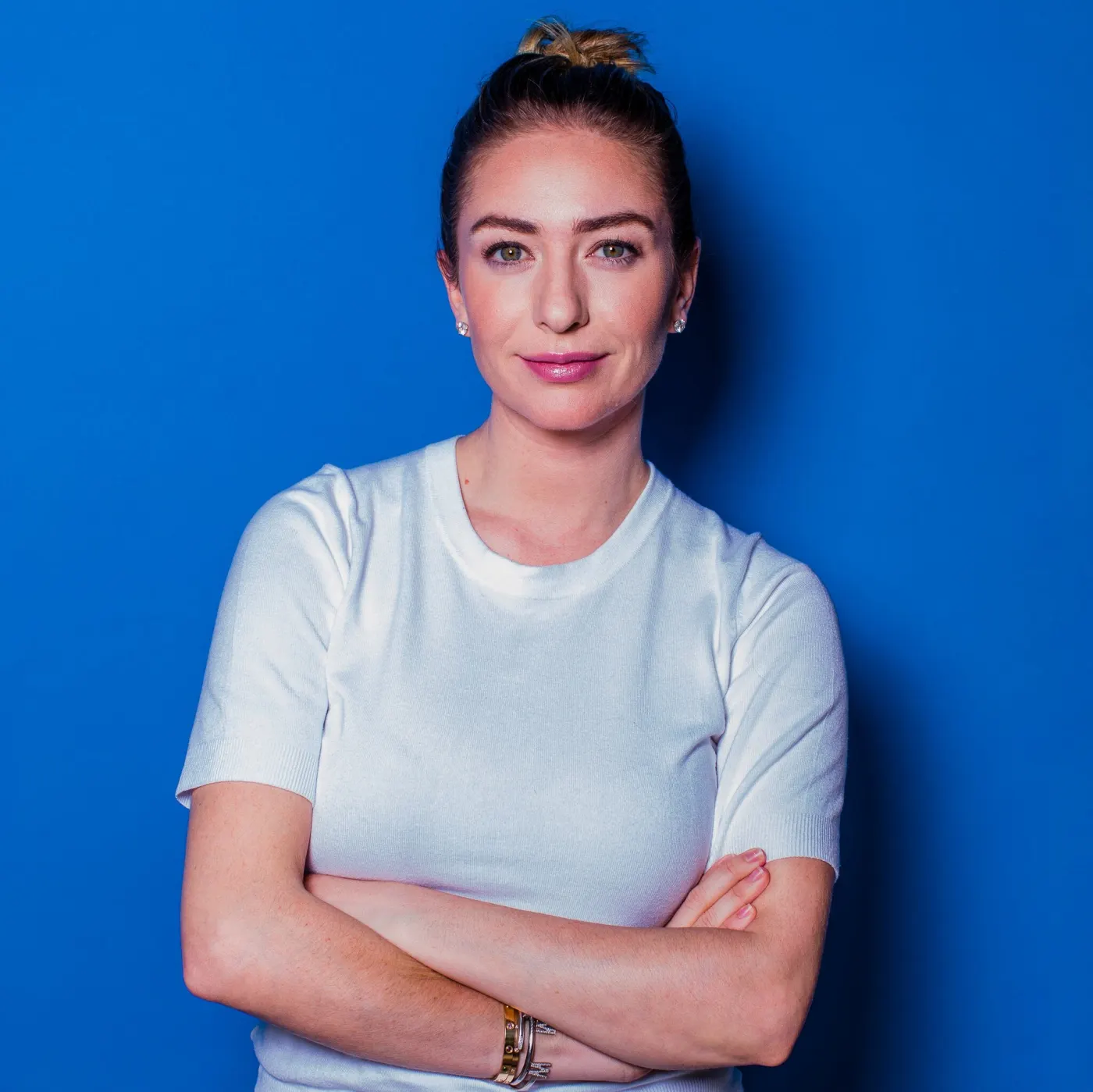
Whitney Wolfe was born on July 1, 1989, in Salt Lake City, Utah. Her mother, Kelly, was Catholic. Her father, Michael, was Jewish and worked in real estate. Salt Lake City was shaped by the Church of Jesus Christ of Latter-day Saints, and most families around her followed the same faith and the same rules.
She has said she felt like an outsider from the start. In the 1990s, the picture she saw was simple. Dad went out and earned the money. Mom stayed home. Everyone followed the rules, and there were a lot of rules.
Part of her wanted to fit in badly. Nobody wants to be the kid eating lunch alone. But another part of her kept whispering that something was wrong. Why did boys always get to go first? Why were girls supposed to wait?
Her first serious boyfriend made that question personal. She has described the relationship as toxic and controlling. At the time she did not have words for it. Later she did. She saw how unequal many young women were in their romantic lives, and how often they were expected to follow someone else's rules.
Those feelings did not turn into a business right away. They sat in the back of her mind for years. Much later, when she wrote the one rule that made Bumble famous, she said it came from all of those years of confusion and frustration, not from one sudden idea.
She went to Judge Memorial Catholic High School in Salt Lake City. Then she headed to Dallas, to Southern Methodist University. She studied international studies and joined the Kappa Kappa Gamma sorority. She dreamed of being a travel journalist. She had a camera and a restless streak.
Tote bags and an oil spill
In 2010, an oil rig called Deepwater Horizon exploded in the Gulf of Mexico. Oil poured into the water for months. Beaches were coated. Birds were covered in black goo.
Whitney was twenty and still in college. She teamed up with a stylist named Patrick Aufdenkamp to start a nonprofit called the Help Us Project. Their product was simple: bamboo tote bags. Money from the bags went to help areas hurt by the spill.
Then something lucky and clever happened. Celebrities started carrying the bags. Rachel Zoe and Nicole Richie were photographed with them. Suddenly a college student's charity project was showing up in the national press.
It was her first lesson in brand power. A simple product, a clear cause, and the right people carrying it could spread faster than any ad.
She and Aufdenkamp tried a second idea, a clothing line called Tender Heart. After graduation she went traveling and worked with orphanages in Southeast Asia. She did not have a career plan. She had curiosity, energy, and very little money.
The dinner that changed everything
One night in Los Angeles, Whitney went to dinner with a close friend. It got too dark to drive the long way back to her mom's house, so she stayed. At that dinner was the general manager of a startup incubator called Hatch Labs, which was backed by the internet giant IAC.
She was barely twenty-two. She needed a job. He mentioned that maybe she could do marketing. She said she would call him the next day.
He probably thought she would not. She did.
She has told this story many times because she thinks people get it wrong. They imagine she met a famous founder and got handed a golden ticket. That is not how it went. The job was for a project called Cardify, a rewards card app led by a young entrepreneur named Sean Rad. Nobody mentioned Tinder. Tinder did not exist yet.
Cardify fizzled. But the small team inside Hatch Labs started playing with another idea. It was a mobile app where you saw one photo at a time and swiped right if you liked someone and left if you did not. If two people both swiped right, they matched and could chat.
Whitney joined that team. She became vice president of marketing. She is often credited with helping to name the app, inspired by its flame logo. Tinder launched in the fall of 2012.
Sororities first, then fraternities
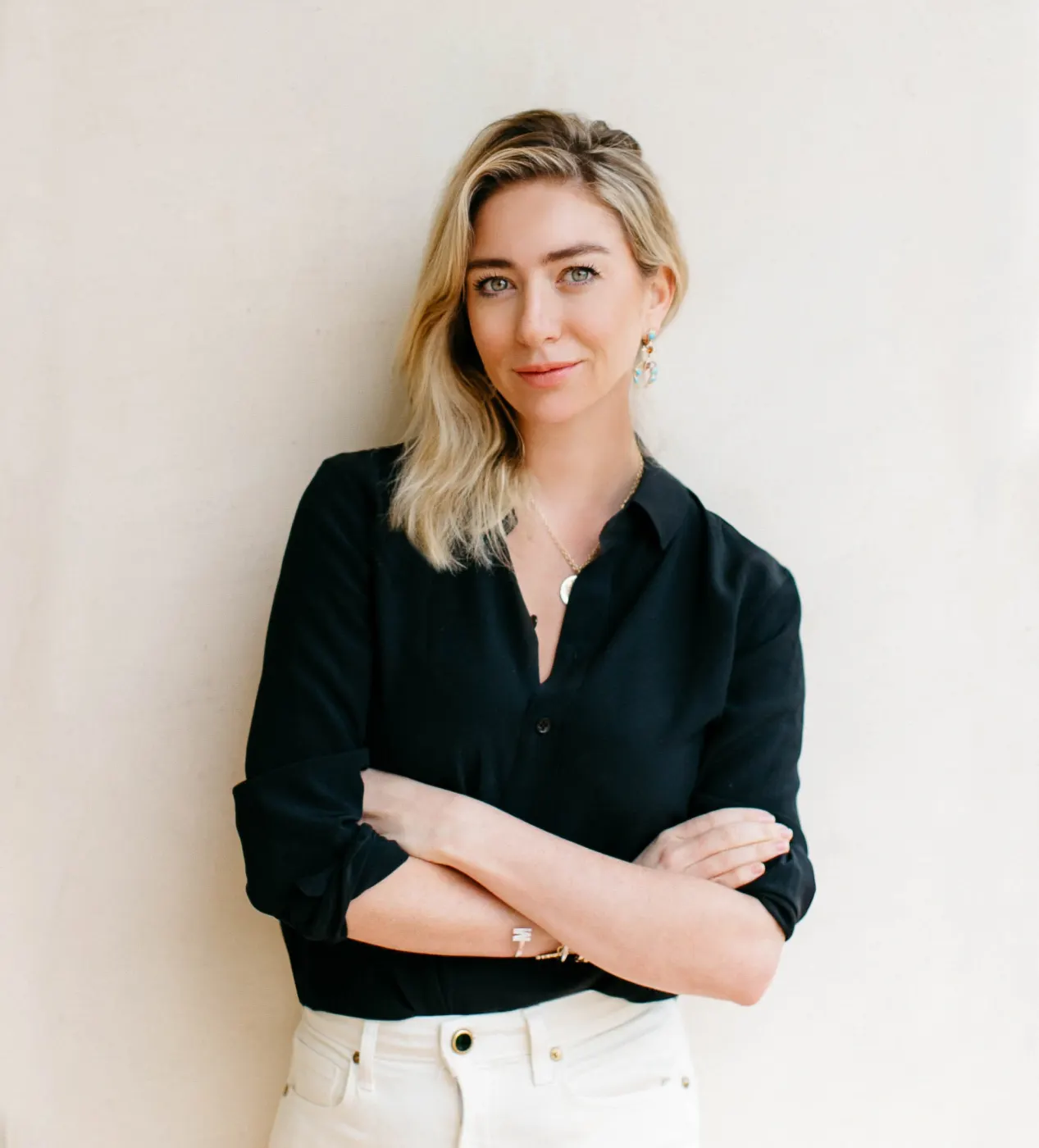
A dating app has a chicken-and-egg problem. Nobody wants to join an empty app. If there are no women, men leave. If there are no men, women leave. You need both at the same time, in the same place.
Whitney had a secret weapon. She had just graduated from SMU, and many of her friends were still there. She knew the Greek system from the inside.
So she went back to campus. She started at the sororities. She would get a whole house of young women to download Tinder. Then she would head straight to a fraternity and do the same with the men. When both sides opened the app, they saw each other. Matches started flying.
She later joked that if some random startup founder knocked on a sorority door, the police would be called. But she was one of them. She had trust, timing, and a phone full of contacts.
Then she did it again at other schools. Tinder spread across campuses and then far beyond them. It became one of the fastest-growing apps in the world and helped change how a whole generation met.
Whitney was in her early twenties and working nonstop. She was also dating one of the company's co-founders. When that relationship fell apart, work became painful.
The fall
In April 2014, Whitney left Tinder. In June she filed a lawsuit against the company and its parent, alleging sexual harassment and discrimination. Her complaint described a former co-founder she had dated as verbally controlling and abusive, and said she was stripped of her co-founder title. Tinder's parent company suspended the co-founder named in the suit while it looked into the claims. In September 2014 the case was settled. Reports put the settlement at just over one million dollars, with no admission of wrongdoing.
That is the legal outline. The human side was much darker.
This was years before the Me Too movement. Whitney has said that any woman who spoke up then was quickly labeled dramatic or worse. The internet dug through her life. People posted about her family and her past relationships. College friends pulled away. She felt, as she put it, like she wore a scarlet letter.
She was twenty-four. She had spent more than two years helping build one of the hottest apps in the world. Now her name had become a punchline.
She has said she was deeply depressed and paranoid. She drank too much, alone, trying to numb the pain. In some interviews she has said there were moments when she did not want to go on living. She stayed inside for weeks.
What pulled her out was a very Whitney habit. When she sees a problem, her brain starts trying to solve it.
Merci, the app made of compliments
The problem in front of her was online cruelty. She was an adult, and it was crushing her. She kept thinking about teenage girls who were bullied online by people they actually knew, and who could not just drive away from it.
So she picked up a pencil. She started sketching a new kind of social network. She called it Merci.
On Merci, the only way to talk to someone would be with a compliment. No insults. No body shaming. Not even backhanded praise. She wanted it to feel like the kindness women sometimes show each other in a nightclub bathroom, when strangers tell each other they look amazing.
She still has those early drawings.
Around that time, she reconnected with Andrey Andreev, the Russian-born founder of Badoo, a huge dating app popular in Europe and Latin America. He had tried to hire her before. He liked her marketing instincts and her fight.
He did not love Merci. He wanted to do dating. He knew dating. He asked her to come be his chief marketing officer.
She said no. She was not for hire anymore. If she was going to build something, she would be the founder and CEO.
Andreev agreed. His one condition was that it had to be a dating product.
The rule that wrote itself
Whitney did not want to go back into dating at all. It was the world that had hurt her. But as she sat with Andreev's idea, she mixed it with Merci. Kindness. Safety. Accountability. A space built for women.
Then, she has said, the whole thing came to her within minutes.
On most dating apps, men sent messages to as many women as they could. Women got flooded. Many never replied. The men felt rejected. Some of that rejection turned into anger, and the anger turned into harassment.
What if women sent the first message?
Men would not be rejected over and over. They would feel chosen. Women would not be buried in junk. The whole mood of the app might change.
She added a timer. After a match, the woman had twenty-four hours to say something, or the match disappeared. She compared it to Cinderella's carriage turning back into a pumpkin. Men could extend one match a day if they wanted more time.
Andreev put in about ten million dollars, plus Badoo's technology, servers, and know-how. He took 79 percent of the new company. Whitney took 20 percent and the CEO title. In late 2014 she moved to Austin, Texas, and got to work.
The name was Bumble. The color was yellow. The mascot was a bee. The women were queen bees.
People rolled their eyes. Why would women want to talk first? Wasn't that the man's job?
That was exactly the point.
A leak, a skydive, and launch day
From about August to November 2014, the tiny team worked in stealth mode. Whitney wanted Bumble to stand on its own. She was scared that if her name was attached, people would only talk about Tinder and the lawsuit. She even used a pseudonym email when reaching out to people.
It did not work. Just before launch, a reporter pieced the story together by tracking her early team and campus ambassadors on social media. The article, as she remembers it, painted her as the scorned woman from Tinder, launching a revenge app with a cute bee name.
She sobbed. She felt her right to start over had been taken from her.
Then she did what she would do again and again. She cried, and then she pivoted.
She called her first employees and told them they were jumping out of an airplane the next day. They thought she was kidding. She was not. They filmed a launch video of her early team skydiving. The message was simple: if women can jump out of a plane, they can send the first text.
Bumble went live in the app stores in December 2014.
For months she barely slept. She has described waking up in the middle of the night worried about payroll, knowing payday was a week away. Money was tight. The fear was real.
But the app grew. Women liked not being buried in messages. Men liked being picked. The yellow brand stood out on a phone screen full of blue and red icons. By December 2015, one year in, Bumble said it had passed 80 million matches and 15 million conversations.
Building the hive
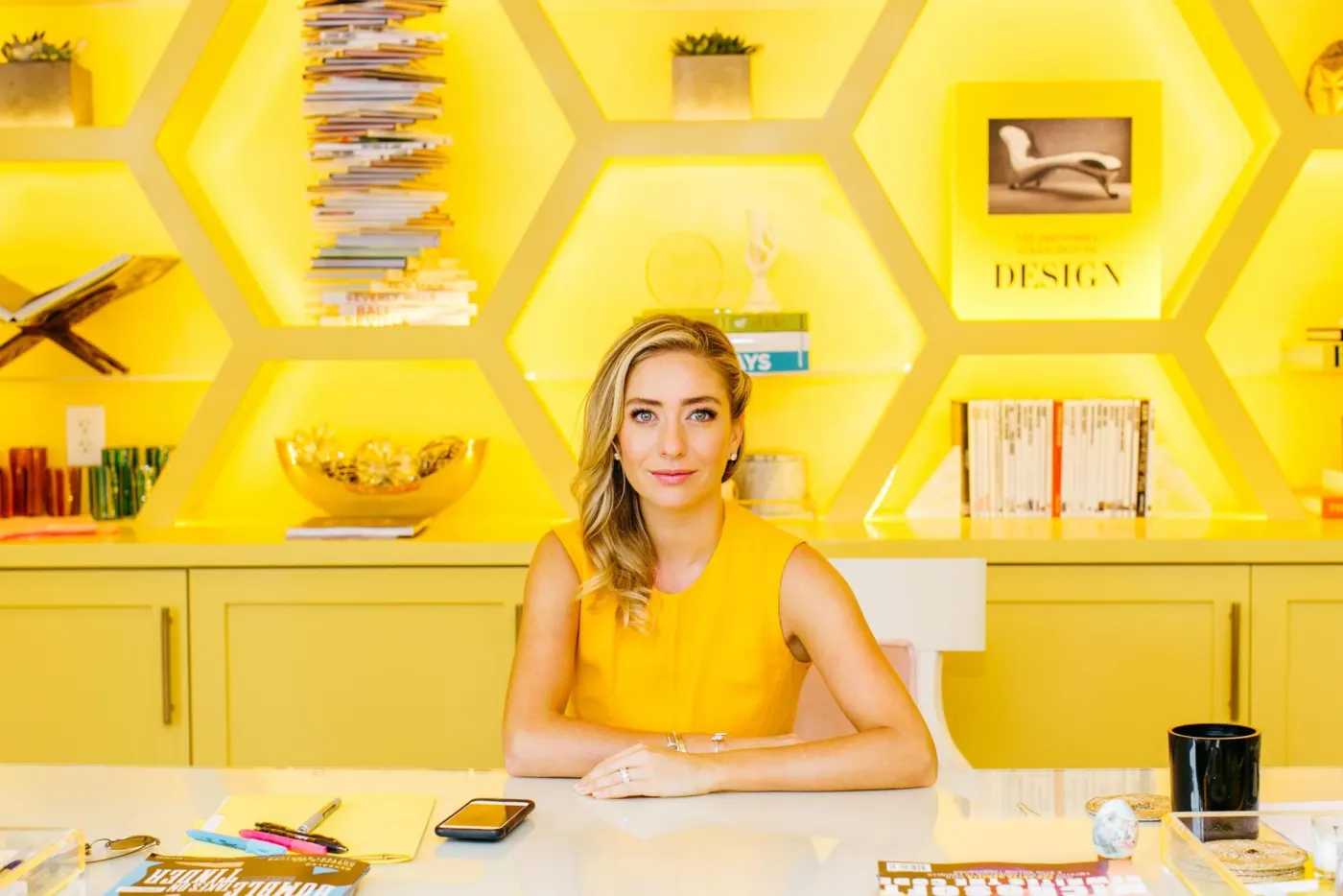
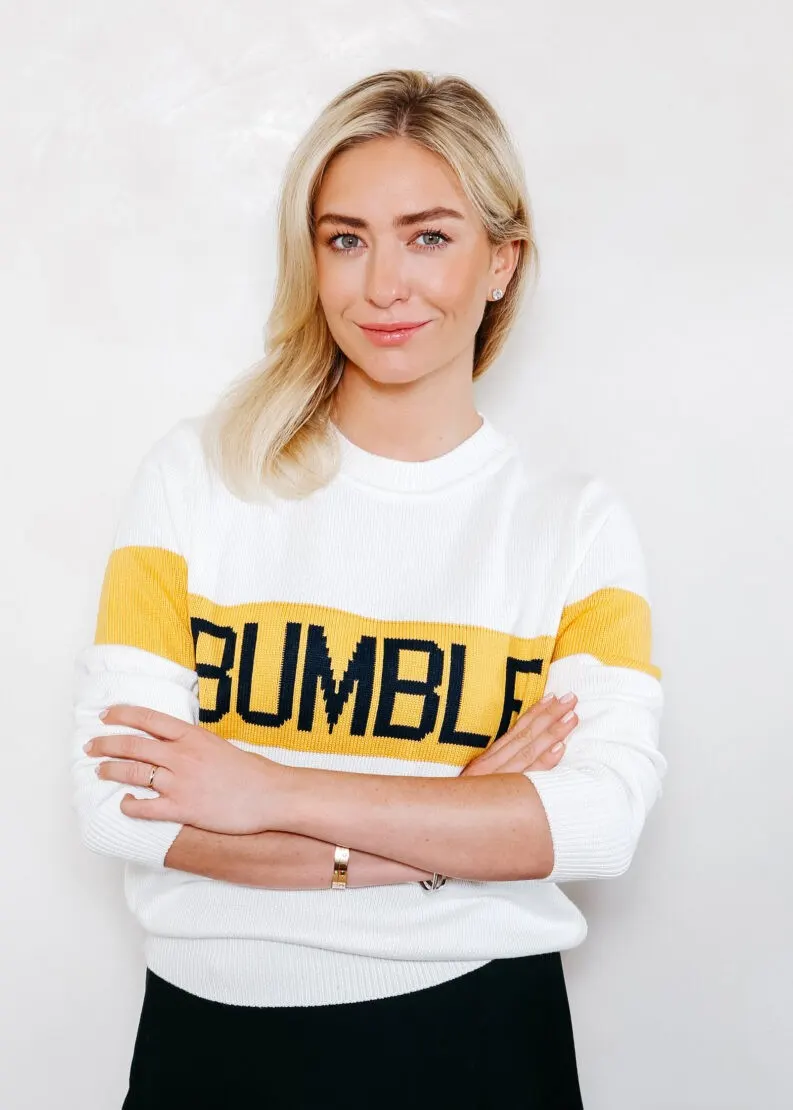
Whitney was obsessed with brand from the first day. She has said every company has a soul, and that founders should ask a strange question: if this product were a person, who would it be?
Bumble, in her mind, was kind, confident, a little bit funny, and always on the woman's side.
So the team did things that other dating apps did not. They sent yellow merchandise to campuses. They threw events. They recruited student ambassadors they called Honeys. Later Bumble opened pop-up spaces in cities like New York and Los Angeles. It published a print magazine with Hearst in 2019. The goal was to make Bumble feel like a club, not just an app.
She liked to tell a story about moms. At first, young women carried Bumble tote bags. Then their mothers started carrying them too, because they were proud of the brand. That kind of feeling, she said, beat any ad campaign.
The product kept stretching. In 2016 Bumble launched BFF, a mode for finding friends. In 2017 it added Bizz, for professional networking. Her idea was that the same "women make the first move" spirit could help people find all kinds of connection, not just dates.
She also turned down easy growth. Early on, a phone company offered to preload Bumble on its devices, which could have meant millions of free downloads. She said no. Her reason was that dating is a two-sided marketplace. You do not want a flood of random people. You want the right people near each other. Quality mattered more than raw numbers.
Her personal life was changing, too. In December 2013, on a ski trip in Aspen, she had met Michael Herd, a Texas oil and gas heir. He stood by her through the worst of the Tinder fallout. They married in 2017 in Positano, Italy. She took the name Wolfe Herd. In 2018 Time named her one of the 100 most influential people in the world.
Swiping left on Match
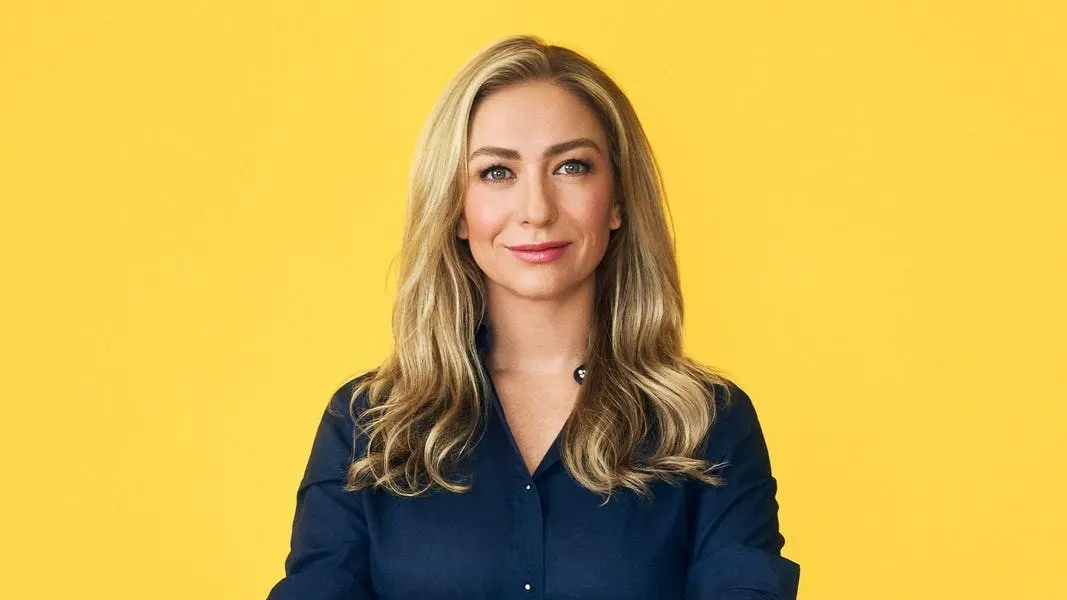
As Bumble grew, the biggest company in online dating noticed. Match Group owned Tinder, Match.com, OkCupid, and more. In 2017, TechCrunch reported that Bumble had turned down a Match offer of about $450 million.
Match kept circling. Then, on March 16, 2018, it sued Bumble. Match claimed Bumble had copied Tinder's patented features, including the swipe, and misused trade secrets.
Many young companies would have gone quiet. Bumble went loud.
Four days later, it bought full-page ads in The New York Times and The Dallas Morning News. The open letter began: "Dear Match Group, We swipe left on you." It said Bumble swiped left on Match's attempts to buy it, copy it, and intimidate it. "We'll never be yours," it said. "No matter the price tag, we'll never compromise our values."
Bumble also countersued, seeking $400 million and calling Match's claims baseless. The legal fight dragged on for more than two years. In 2020 the two sides settled.
The ad became one of the most famous moves in her career. It turned a patent case into a story about a woman-led company refusing to be bullied. It also told investors something important: Bumble was not for sale to its biggest rival.
Safety as a product
Whitney had been hurt online. She built safety into Bumble as a feature, not a footnote.
Women on dating apps kept getting the same unwanted thing: explicit photos they never asked for. In 2019 Bumble launched a tool called Private Detector. It used artificial intelligence to spot lewd images, blur them, and warn the user before she opened them.
But she wanted more than a filter. She wanted the law to change.
In March 2019 she went to the Texas Capitol to testify. She was pregnant with her first child. Bumble worked with lawmakers from both parties on a bill, HB 2789, that made sending unsolicited lewd images a punishable offense. It passed that year. Bumble then pushed for similar laws in other states, including California, and in other countries.
She has said one news story about that trip still stings. The headline, as she recalls it, suggested the whole thing was a marketing stunt. She felt that anything she did got labeled as a gimmick by a young woman CEO.
In October 2022, Bumble made the Private Detector code open source, meaning any company could use it for free. Over the years, Bumble also banned photos of guns and cracked down on body-shaming comments.
Blackstone and the big chair
In July 2019, Forbes published an investigation into workplace culture at Badoo's London office, describing sexist behavior in earlier years. Andreev was her partner and the majority owner. Whitney has said she was shocked. She had been running Bumble from Austin as its own business and had not seen that behavior herself, but she said she would never question another person's experience.
A few months later, in November 2019, Andreev sold his majority stake to the private equity firm Blackstone. The deal valued the combined company at about $3 billion. Whitney became CEO of the whole parent company, which included both Bumble and Badoo. In 2020 that parent was renamed Bumble Inc.
At thirty, she was now running two global apps, with offices in Austin, London, Barcelona, and Moscow.
In February 2020, Bumble ran its first Super Bowl ad, starring tennis legend Serena Williams. The message was that the ball was in her court.
Then the pandemic hit. People were locked inside. Bars closed. Dating apps became one of the only ways to meet anyone. Bumble's video chat feature suddenly mattered. Growth took off.
Baby on her hip
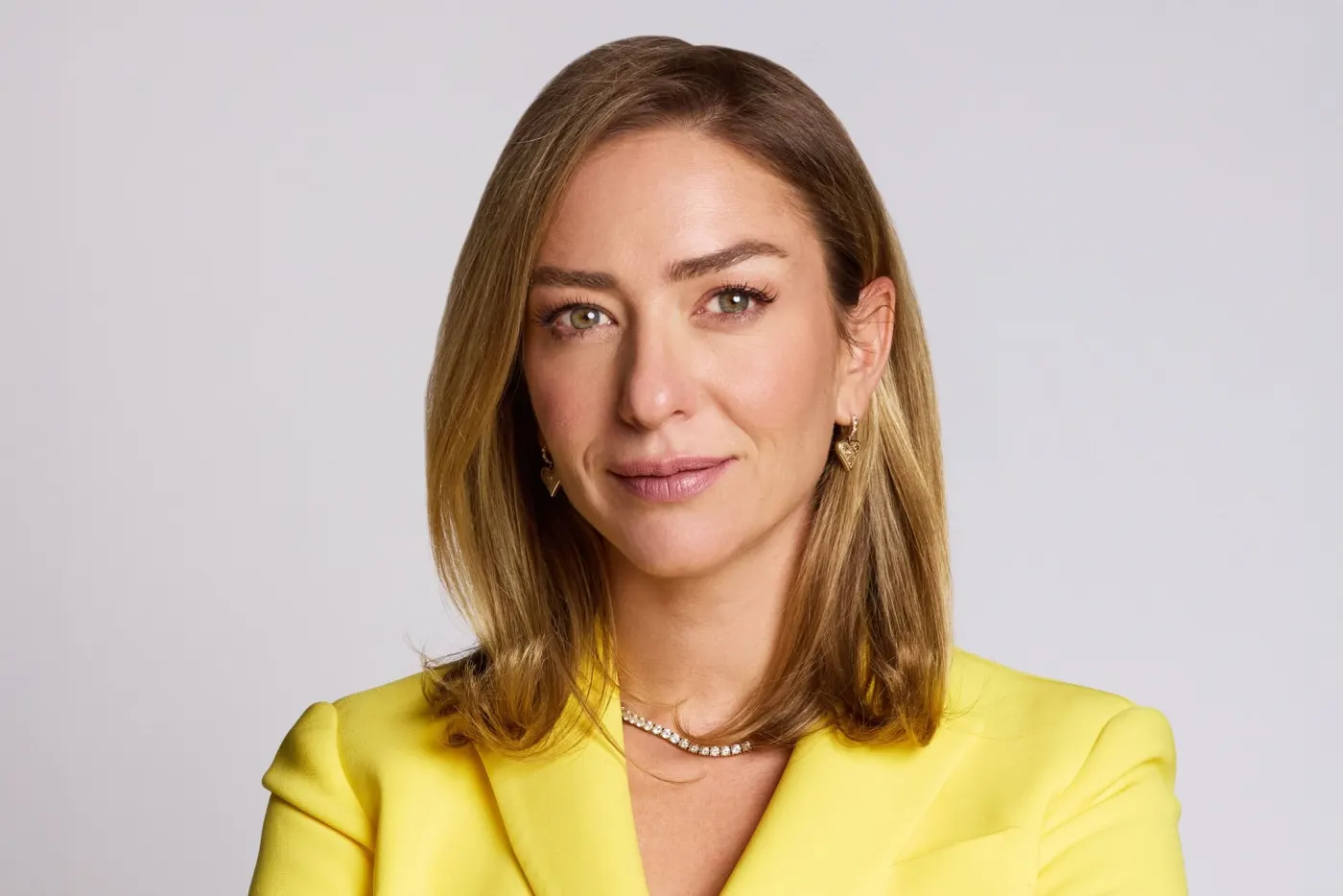
That is how Bumble reached February 2021 with momentum and a story Wall Street loved.
The company priced 50 million shares at $43, above its planned range, and raised about $2.2 billion. On February 11 the stock opened at $76, nearly 77 percent higher. The company's value that day was widely reported at more than $13 billion.
Whitney pressed the button from Austin, with Bobby on her hip. The image went around the world. For many young women, it was proof that you could be a mother and a CEO on the same morning.
She was the youngest woman to take a company public in U.S. history. She joined a very short list of women founders who had led an IPO, including Katrina Lake of Stitch Fix, whom Whitney has called a role model.
The billionaire title did not last long. By late November 2021, as Bumble shares fell, Forbes said her fortune had dropped below one billion dollars. She had held that status for about ten months.
The company itself kept growing for a while. In 2023 Bumble Inc. brought in more than a billion dollars in yearly revenue. It had about four million paying users across its apps by the end of that year.
But underneath, something was starting to crack.
When growth became the wrong goal
After the IPO, the whole company started staring at a new set of numbers. How many people signed up. How many paid. How much revenue came in each quarter. Whitney later called these outputs.
Her view, looking back, is blunt. A good business focuses on inputs, not outputs. For a dating app, the most important input is simple: are members getting what they came for? She has said that question stopped being asked for too long. The company chased growth. And when you chase growth, she said, you get it, and then you lose it.
Users began to complain. Many women said the people they saw did not look like their photos. Some profiles felt fake. Some behavior felt low-effort or rude. Younger users, especially Gen Z, started talking about dating app burnout. They were tired of endless swiping that went nowhere.
Rival apps faced the same slump. The whole industry was hitting a wall.
Whitney was also hitting a wall of her own. She had been running the company since she was twenty-four. She had two young sons by then, and was on the road, in board meetings, and on earnings calls. She has said she tried to become a polished, corporate CEO because she felt that was what the grown-ups around her expected. It made her insecure. She started second-guessing herself.
Stepping back
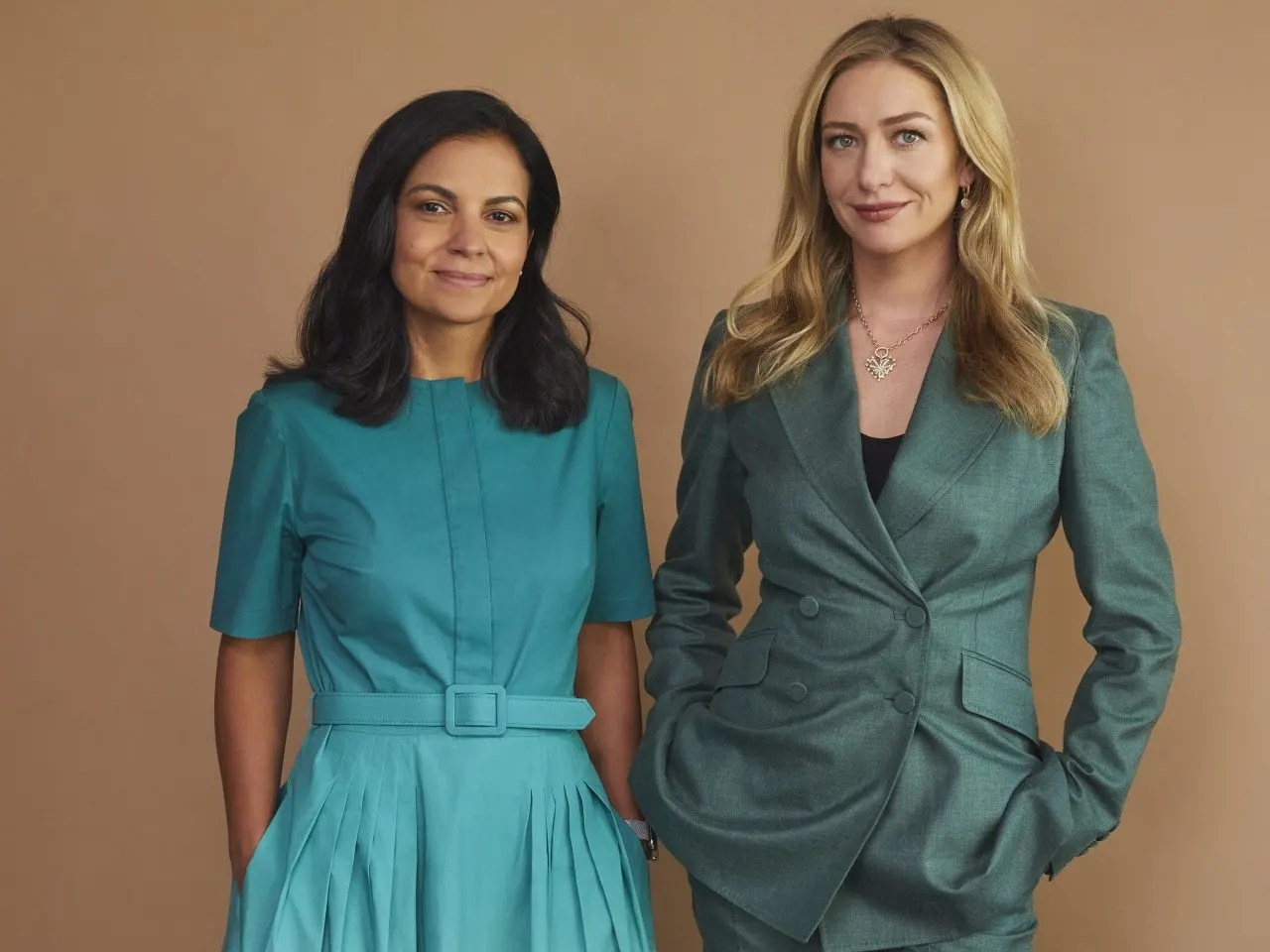
In November 2023, she announced she would step down as CEO and become executive chair. In January 2024, Lidiane Jones, who had run the workplace app Slack, took over the top job.
The internet decided she had been pushed. Whitney has said that hurt. Her real reason, she said, was exhaustion. She wanted to see her children, her husband, her mother, and her friends. She wanted her mind to get still.
For about a year she meditated every day and worked on herself. She stayed on the board and joined the big calls, but she was not running the show.
The company kept struggling. In February 2024, Bumble announced it would cut about 350 jobs, close to a third of its workforce. In April 2024 it relaunched the app with a feature called Opening Moves. Women could write a question ahead of time, and matches could answer it first. It softened the famous rule that women must always send the first message, while still letting women set the tone.
The stock kept sliding.
Then, early in 2025, Jones called Whitney. She told her the job was not working for her anymore. Whitney has said it felt like looking in a mirror at herself a year earlier. She saw the same burnout. She has insisted there was no feud between them.
On March 17, 2025, Whitney Wolfe Herd became CEO of Bumble again.
Back as herself
She came back with a different attitude. She said her biggest career mistake had been trying to act like a corporate CEO. She now says she is a builder and a dreamer, and she will break down walls to make an idea real. She did not want to fit into a corporate box anymore.
The first months were painful. In June 2025, Bumble cut about 240 more jobs, around 30 percent of its staff. In a memo to employees, she said Bumble, like the whole dating industry, was at a turning point, and that the company was going back to a startup mindset. She called it one of the most difficult decisions of the rebuild.
She also did something that looked strange to Wall Street. She let paying users drop on purpose. Bumble cleaned out profiles it considered low-quality, spammy, or low-intent. It added stronger identity checks. She told Axios in 2026 that not all paying customers are equal, and she did not want a payer in the system who made the experience worse for women.
Investors were not thrilled. In the second quarter of 2026, Bumble Inc. reported revenue of about $211 million, down 15 percent from a year earlier. Total paying users fell to about 3.2 million. But the average Bumble app payer was spending more, about $27.55 a month. The company still made healthy profits before certain charges, and it was spending more on product and engineering.
By September 2026, the stock was trading around three dollars a share, a long way from $76.
Her answer to the stock drops is short. She has said being a public company CEO made her tough as nails. The stock drops forty percent, or rises forty percent, and she keeps showing up the same way.
Hollywood tells her story
In September 2025, her early life became a movie. Swiped, a film from 20th Century Studios, premiered at the Toronto International Film Festival and then streamed on Hulu starting September 19, 2025. Lily James played Whitney. The film followed her from college graduate to Tinder to Bumble and the IPO.
Reviews were mixed, but very few founders get a Hollywood movie while they are still running the company.
That same month, Bumble relaunched its friendship app, BFF, in the United States.
Killing the swipe
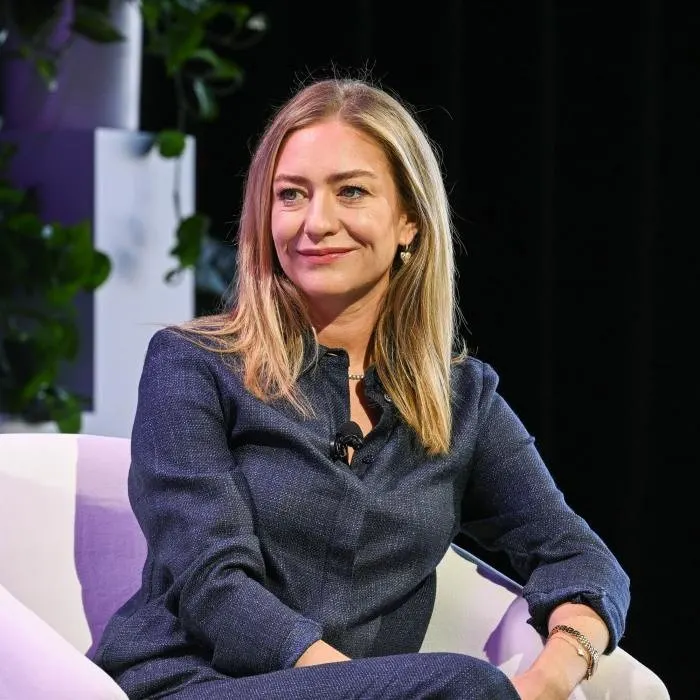
In May 2026, on The Axios Show, Whitney said something that would have sounded crazy a few years earlier. Bumble was going to say goodbye to the swipe.
She explained it this way. Your phone today is nothing like the one you had seven years ago. But Bumble's product, she said, was still basically the same product from seven years ago. The company had been running on old technology. It was rebuilding the whole back end so it could change how people meet.
The swipe, she argued, had turned dating into a passive game. She compares it to shopping with an unlimited budget. If money is no object, you throw every box of cereal in the cart and then toss most of it out. On dating apps, the boxes are real people, and they feel rejected when nobody writes back.
Her fix is to bring effort back. Not money, she stresses. Effort.
She told Axios the swipe would disappear in select markets late in 2026. In Bumble's August 2026 earnings update, the company said it was finishing its platform migration, rebuilding its matching system, and preparing a reimagined Bumble for members, with the full new experience expected in early 2027. She also promised group dating, starting around the first quarter of 2027, and said Bumble would start trying to earn money from BFF in 2027. International growth, she said, was one of her top goals for 2027.
"I'm not playing small," she said. She wants Bumble to be the way people build a real-life social circle, not just a way to find one date.
The fairy godmother rule for AI
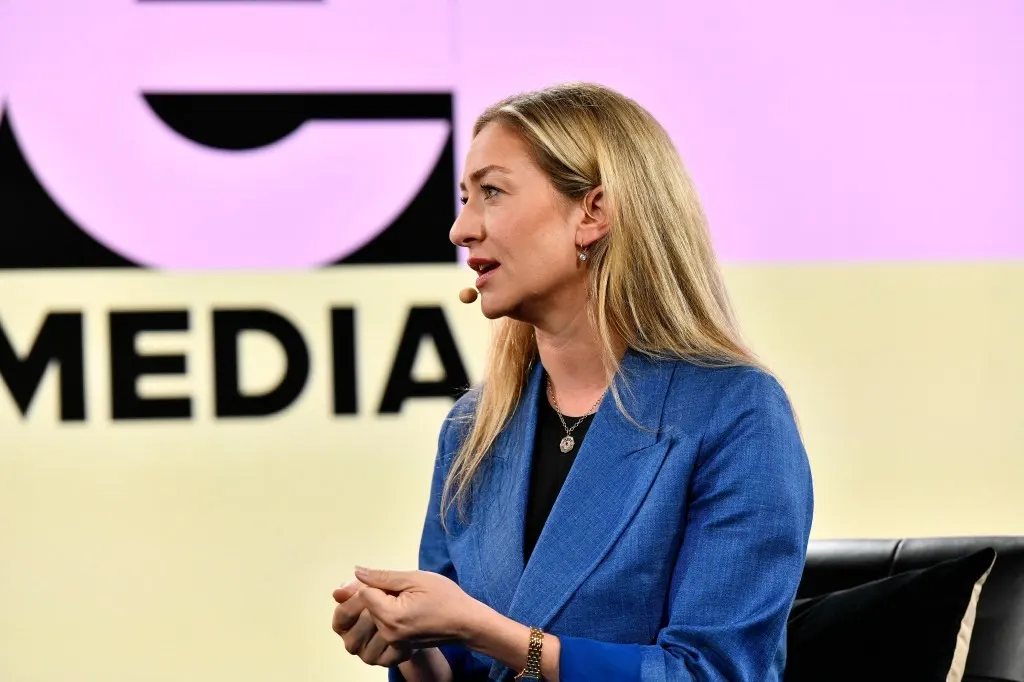
Everyone in tech in 2026 wanted to talk about artificial intelligence. Whitney did too, but with a line she would not cross.
At The Atlantic Festival in September 2026, she said AI at Bumble would never date for you. It would never pick who you should meet without you being in control. It would never write your messages.
She laughed about a trend she had heard about, where men were sending women messages copied from chatbots and forgetting to delete the part that said "make it more spicy." Women, she said, can tell. You cannot outsource effort to AI.
What AI should do, in her view, is take the stress out of the hard parts. It can help you build a profile when you do not know how to describe yourself. It can help you pick your best photo, for instance one without fifteen friends in it. It can read someone's profile and explain simply why that person might be a good match. She called it an invisible fairy godmother.
Bumble had already been using machine learning for safety for about a decade, she said, including tools like Private Detector.
Her bigger belief is that AI will be able to do most jobs, but it cannot replace human connection. That, she said, will be the last thing standing. It is why she keeps running a dating app when she has, in her words, five hundred business ideas a day.
How she works
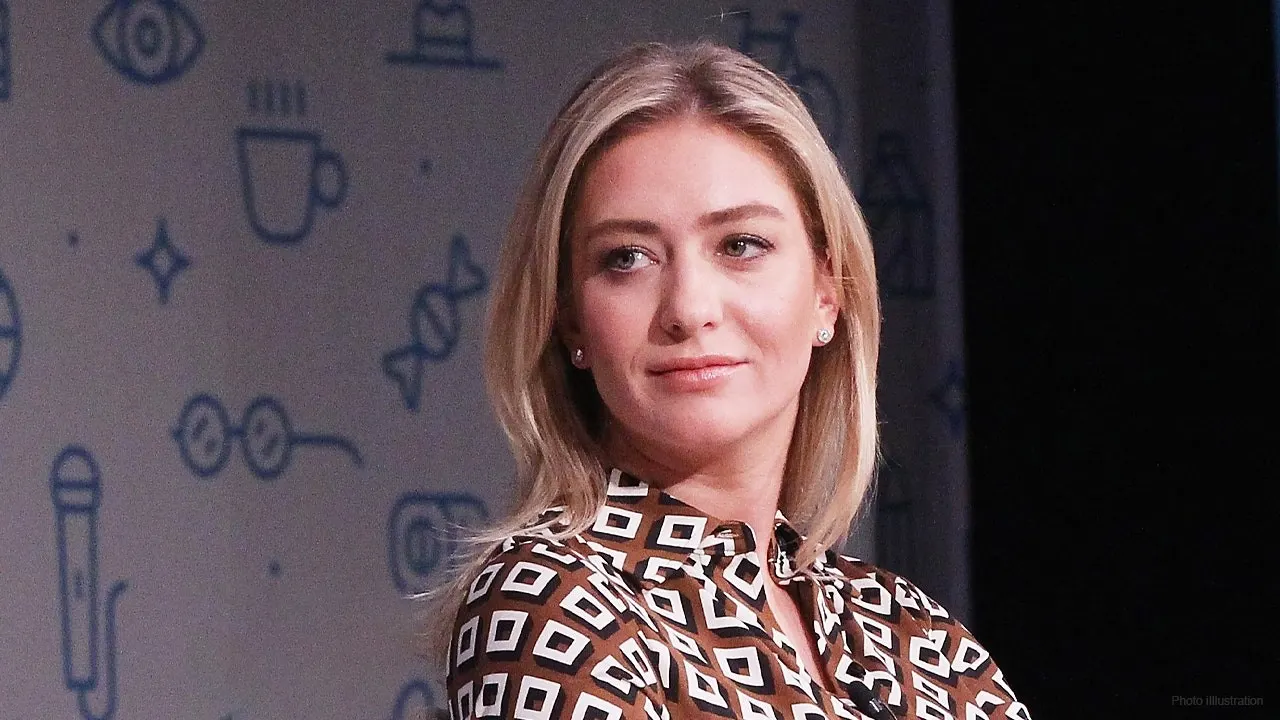
People who have worked with Whitney describe an intense, emotional, detail-obsessed founder.
She sweats the brand. From day one she cared about the exact shade of yellow, the tone of every push notification, and what a Bumble tote bag says about the person carrying it.
She studies people. She calls her company a kind of psychology and sociology experiment. Before the 2026 relaunch, her team sat with groups of young women to show them the new product and hear what they hated about dating apps. She has said her superpower is understanding how people behave and seeing around the corner.
She is open about feelings. A colleague once said she makes no pretense of always being strong. She has taken days off for anxiety and told her team it was okay if they needed to as well. But she warns that vulnerability has to be real, not a performance.
And she moves fast. "I'm a mover," she told Axios. She said the hardest part of her return was being stuck waiting for the old technology to be rebuilt, because she had ideas and a team ready to run.
What changed because of her
It is easy to forget how new Bumble's idea was in 2014. Before Bumble, almost no major dating app designed its core rules around women's comfort. Whitney made the woman's first message the whole product.
That idea spread. Rival apps added safety tools, photo verification, and ways for women to control who could contact them. Talking about harassment on dating apps became normal instead of taboo.
She changed what a tech founder could look like. A woman in her twenties, wearing yellow, running a global company from Austin instead of Silicon Valley. A mother ringing the opening bell with her baby.
And she changed millions of lives in the most personal way. Couples who met on Bumble got married and had children. She calls them Bumble babies. At The Atlantic Festival in 2026, even the interviewer said he had met his wife on Bumble.
She has also been honest about the side effects. She has said the endless stream of options on dating apps helped burn people out. Everyone thinks someone better is one swipe away. People break up over tiny things, what she calls the ick. Part of her 2026 plan is to undo some of what her own industry created.
Failures she does not hide
Whitney does not tell her story as a straight line up.
She has admitted Bumble chased growth when it should have protected quality. She has admitted she tried to be someone she was not in the corner office. She has watched her company's stock fall more than ninety-five percent from its first day of trading. She has had to lay off hundreds of people in back-to-back years.
She also lived through two public scandals involving men around her, first at Tinder, then at Badoo, while building a brand about respect for women. She has said she cannot fully explain it, except that early-2010s tech culture was often not a friendly place for women.
And she knows how hard it is to do this twice. Thousands of dating apps launch and fail. Only a handful ever reach real scale. She helped build two of them.
Closing
In the fall of 2026, Whitney Wolfe Herd was thirty-seven. She had three children, a company worth a small fraction of what it was on its first trading day, and a plan to tear out the feature that made her whole industry famous.
Instead she came back and started rebuilding, line of code by line of code, profile by profile.
She keeps saying the same thing in different ways. Technology should be a bridge, not a trap. Get people online, get them safe, and then get them off their phones and into a coffee shop, a pickleball court, or a group dinner with real people.
Years ago, a twenty-four-year-old woman sat alone in her house, sketching an app made only of kind words. She was trying to fix the internet because the internet had broken her.
She is still trying. Her rule is still the same. Somebody has to make the first move.