The Banker Who Delivered Food Himself
He moved to London and could not find good takeaway. He started delivering food himself. Deliveroo was born.
Will Shu was born in December 1979.
He grew up in New Haven, Connecticut.
His parents were Taiwanese American.
His mother worked as a scientist.
His father worked in insurance.
Will loved food as a child.
He also liked numbers.
He finished high school and went to Northwestern University.
He earned a bachelor’s degree in 2001.
After college, Will entered investment banking.
He worked as an analyst at Salomon Brothers.
He later moved to Morgan Stanley.
He also spent time at hedge funds S.A.C. Capital Advisors and ESO Capital.
In 2012, Will earned an MBA from the Wharton School.
He left banking after his MBA.
Will moved to London for work.
He found it hard to get good restaurant food delivered.
He tried to order food many times.
He grew frustrated.
He thought the problem could be solved with a service.
He tried to start a delivery app in 2007.
Smartphones were not ready then.
The idea was put on hold.
In 2013, Will teamed up with his childhood friend Greg Orlowski.
They launched Deliveroo from Will’s flat in Chelsea.
The first three restaurants joined the platform.
One of them was The Stockpot, owned by Will’s landlord.
Will became the first delivery rider.
He rode a scooter for eight to ten months.
He worked six hours a day.
He did this to learn the logistics.
His first customers were friends.
He asked them to order through the new app.
The service grew slowly at first.
Deliveroo expanded across the UK.
It later entered Europe, Asia and the Middle East.
Amazon and Index Ventures invested billions.
The company raised about $3.12 billion in total.
In March 2021, Deliveroo went public on the London Stock Exchange.
The IPO faced investor backlash.
The share price struggled after the listing.
The business faced legal battles over rider status.
Strikes and criticism followed.
Will’s salary increase drew personal criticism.
The company shifted focus to profitability.
Layoffs reduced headcount.
In 2024, Deliveroo reported positive free cash flow.
Adjusted EBITDA was £130 million.
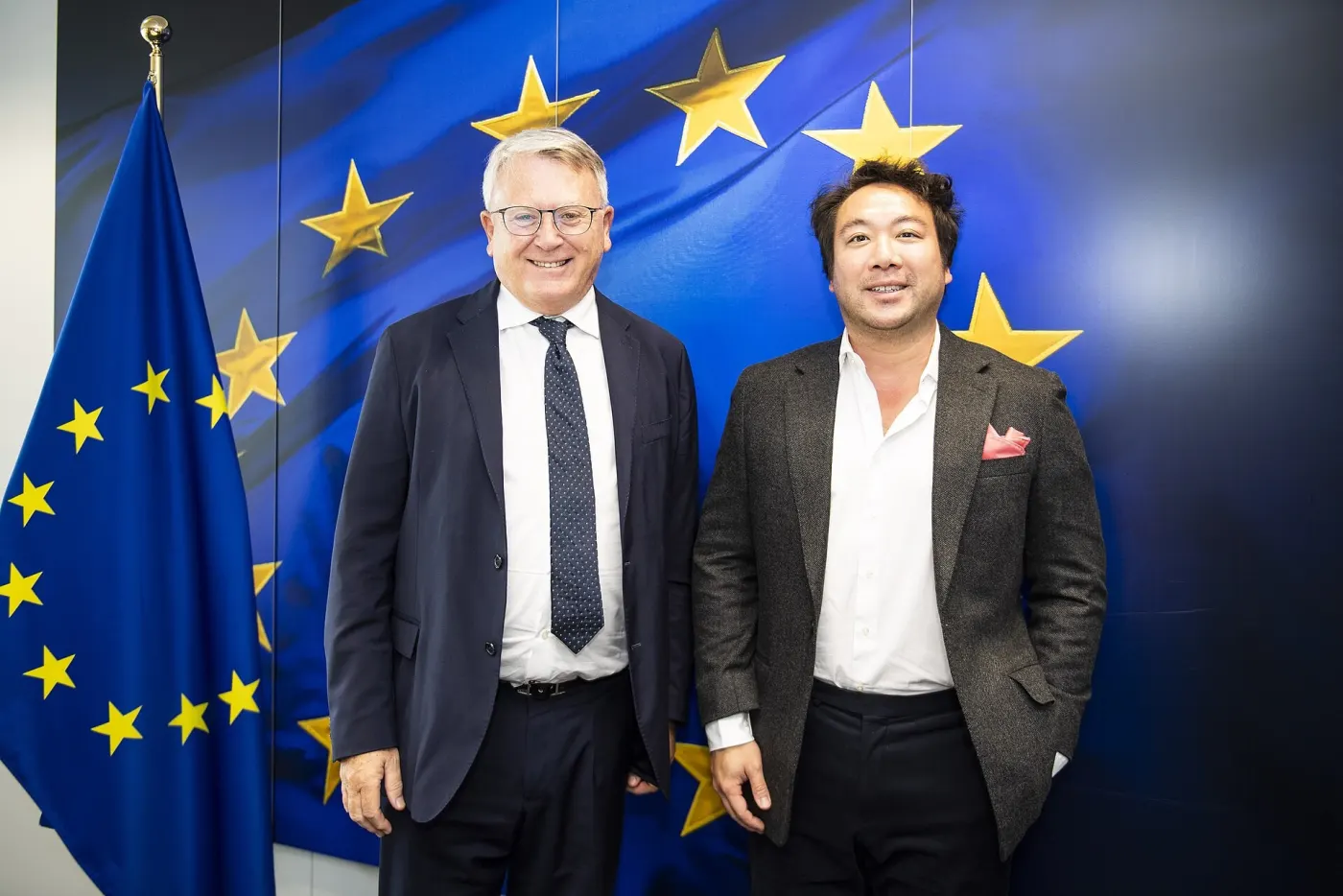
On October 2 2025, DoorDash bought Deliveroo for £2.9 billion.
Will stepped down as CEO the same day.
He said he would think about his next challenge.
By April 2026, Will was an angel investor.
He held a stake in the electric‑vehicle charging app Bonnet.
He expressed interest in building talent in the UK tech sector.
Will still lives in London.
He still delivers food about once every two weeks.
He once said, “do something that you actually care about personally.”
He also noted that hungry people “just shut the door.”
Will Shu’s story shows the power of doing the work yourself.
It teaches young builders to stay close to customers and workers.
From a banker to a delivery pioneer, his path is a clear example of grit and learning.
Founding Story
Will Shu was born in December 1979.
He grew up in New Haven, Connecticut.
His parents were Taiwanese American.
His mother worked as a scientist.
His father worked in insurance.
He earned a bachelor’s degree from Northwestern University in 2001.
He later earned an MBA from the Wharton School in 2012.
After college he worked in investment banking.
He was an analyst at Salomon Brothers and Morgan Stanley.
He also worked at hedge funds S.A.C. Capital Advisors and ESO Capital.
In 2007 he tried to start a food delivery service in London.
Smartphones and apps were not common then, so the idea failed.
In 2013 he moved to London and felt frustrated.
He could not get good restaurant food delivered to his flat.
He decided to build a solution himself.
He teamed up with his childhood friend Greg Orlowski.
Together they launched Deliveroo in 2013.
First Customers and Product
The first three restaurants joined the platform.
One of them was The Stockpot, owned by Shu’s landlord.
Shu and Orlowski built a simple app for ordering.
Shu became the first delivery rider.
He rode a bike for eight to ten months.
He worked six hours a day to learn the routes.
He delivered food himself to test the service.
His first customers were friends he asked to order.
The early orders proved the concept could work.
Early Struggles
The early months were tough.
Shu had to manage logistics and rider schedules.
Riders often complained about pay and status.
Legal battles over gig‑economy employment began.
The company faced criticism for rider treatment.
Investor confidence wavered after the 2021 IPO.
Share price fell and valuation struggled.
Shu also faced backlash for raising his salary during losses.
Layoffs were announced as the firm shifted focus.
Key Turning Points
In 2019 Amazon invested in Deliveroo.
The investment gave a boost of capital and credibility.
In March 2021 Deliveroo completed an IPO on the London Stock Exchange.
The public listing opened new funding sources.
In 2025 DoorDash agreed to buy Deliveroo for £2.9 billion.
The acquisition closed on October 2, 2025.
Shu stepped down as CEO on that day.
Growth with Real Numbers
By 2024 Deliveroo reached profitability.
Adjusted EBITDA was £130 million that year.
The company raised about $3.12 billion in funding overall.
Backers included Amazon and Index Ventures.
Deliveroo expanded across Europe, Asia and the Middle East.
The platform served thousands of restaurants.
Rider numbers grew to millions worldwide.
Funding, IPO and Acquisition
Funding rounds added billions of dollars.
The 2019 Amazon round was a major milestone.
The 2021 IPO valued the company at several billion pounds.
After the IPO the share price fell.
The 2025 DoorDash deal valued Deliveroo at £2.9 billion.
The deal gave DoorDash a strong foothold in Europe.
Shu left the CEO role after the transaction.
What Comes Next
After stepping down, Shu looks for his next challenge.
He stays active as an angel investor.
He holds a stake in the EV charging app Bonnet.
He talks about helping UK tech talent grow.
He still delivers food about once every two weeks.
His advice is to “do something that you actually care about personally.”
All facts are taken from the provided notes.
Setbacks
Will Shu left a banking job to start Deliveroo.
He tried the idea in 2007 but phones were not ready.
He launched in 2013 from a Chelsea flat.
He started with three restaurants.
He rode a bike himself for months.
He worked six hours a day to learn routes.
Criticism and Controversies
Deliveroo’s rider model sparked legal fights.
Riders protested over employment status.
The company faced strikes in several cities.
The 2021 IPO drew investor backlash.
Share price fell after the float.
Shu’s salary rise drew media criticism.
Layoffs followed a shift to profit focus.
What Changed Recently
In 2024 Deliveroo posted positive free cash flow.
Adjusted EBITDA reached £130 million.
Amazon and Index Ventures had funded growth earlier.
Shu stepped down as CEO on Oct 2 2025 after DoorDash bought the firm.
He now looks for a new challenge.
He invests as an angel in a UK electric‑vehicle charging app.
He still delivers food about once every two weeks.
Where He Is Now (2026)
The DoorDash deal closed on Oct 2 2025.
Shu left the CEO role after the acquisition.
In April 2026 he is active as a startup mentor.
He helps attract talent to the UK tech scene.
He holds a stake in the EV charging app Bonnet.
He lives in London and stays close to food delivery.
Why the story matters
Will Shu showed that founders can learn by doing.
He rode the bike before he built the app.
His path shows that setbacks can become strengths.
He turned a personal frustration into a global business.
His story reminds young builders to stay close to customers.
Get hands‑on, stay humble, and keep learning.
The Record
Born: Dec 1979
Education: Northwestern University (B.A., 2001); Wharton MBA (2012)
Early career: Analyst at Salomon Brothers, Morgan Stanley, hedge funds
Founded: Deliveroo (2013) with Greg Orlowski
IPO: London Stock Exchange, Mar 2021
Acquisition: DoorDash, Oct 2025 (£2.9 billion)
Current role: Angel investor, UK tech mentor (2026)
Timeline
2001 to Graduated Northwestern University.
2001‑2012 to Worked in investment banking and hedge funds.
2012 to Earned MBA from Wharton.
2013 to Co‑founded Deliveroo in London.
2014‑2019 to Expanded across Europe and Asia.
2021 to Delivered IPO on London Stock Exchange.
2024 to Reported profitability and £130 m EBITDA.
2025 to DoorDash acquired Deliveroo; Shu stepped down as CEO.
2026 to Active as angel investor and tech mentor in the UK.