The Climber Who Gave Away Patagonia
He hammered steel until his hands knew every spark.
In a backyard forge, a young climber made pitons, the metal spikes climbers drive into rock. He sold them from the back of a car between surfing and long Yosemite days. He did not set out to build a fashion empire. He set out to stay on the wall longer, safer, and with less damage to the stone he loved.
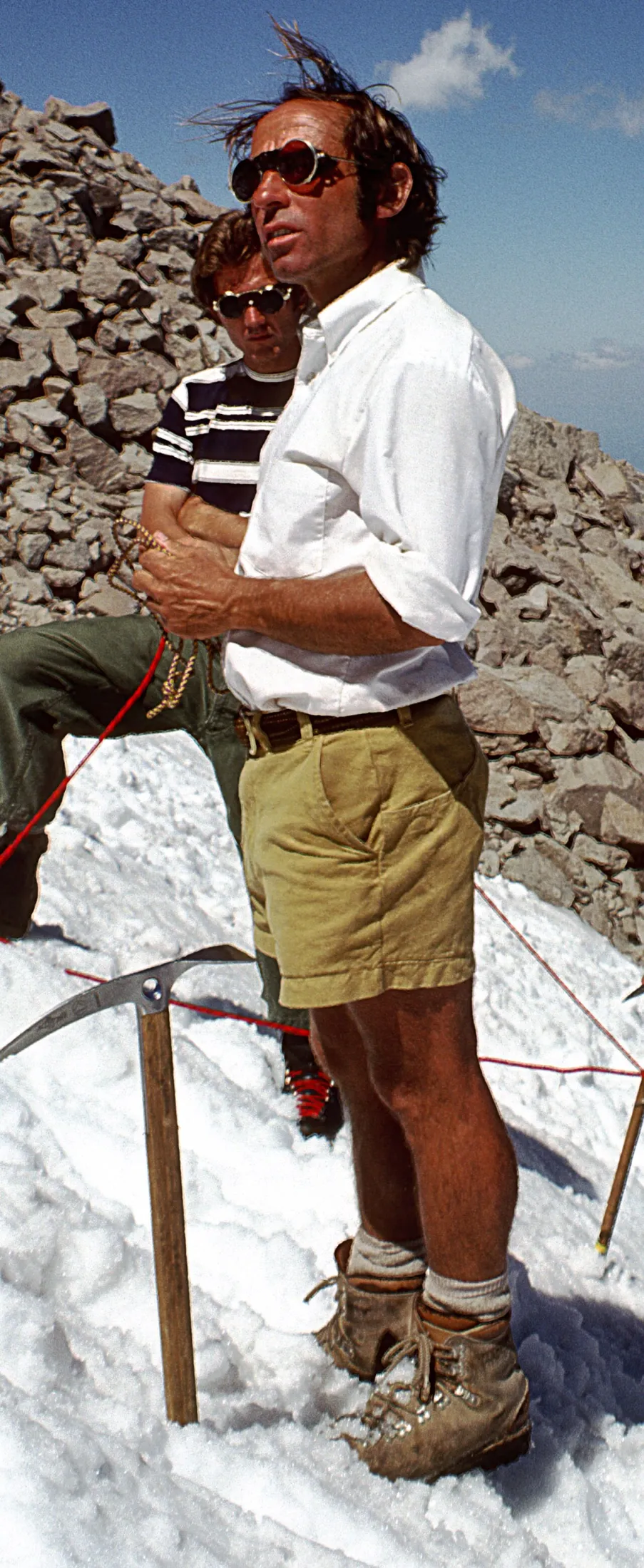
That climber was Yvon Chouinard. The company that grew from his forge became Patagonia. Decades later he did something almost no founder of his size has done. He gave the company away so its profits would fight for the climate.
This is the story of a reluctant businessman who treated business as a tool for the wild places that raised him.
Where he came from
Yvon Chouinard was born on November 9, 1938, in Lewiston, Maine. His father was a French Canadian handyman, mechanic, and plumber. The family was Catholic. In 1947 they moved to Southern California, trading cold mills for sunny hills and the Pacific.
As a boy Yvon joined the Sierra Club and helped start a falconry club. Watching birds on cliffs led him to rock. Climbing partners later included legends like Royal Robbins and Tom Frost. The mountains were not a weekend hobby. They were a classroom with no roof.
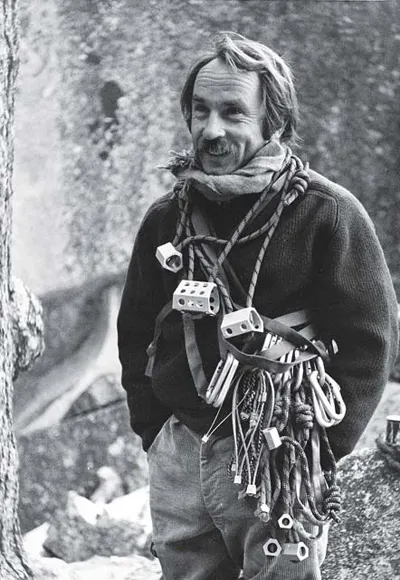
He taught himself blacksmithing because store-bought gear did not match how he climbed. Cause led to effect. Better tools meant harder routes. Harder routes meant friends asking for the same tools. A business began as a way to fund more days outside.
Yosemite and the golden age
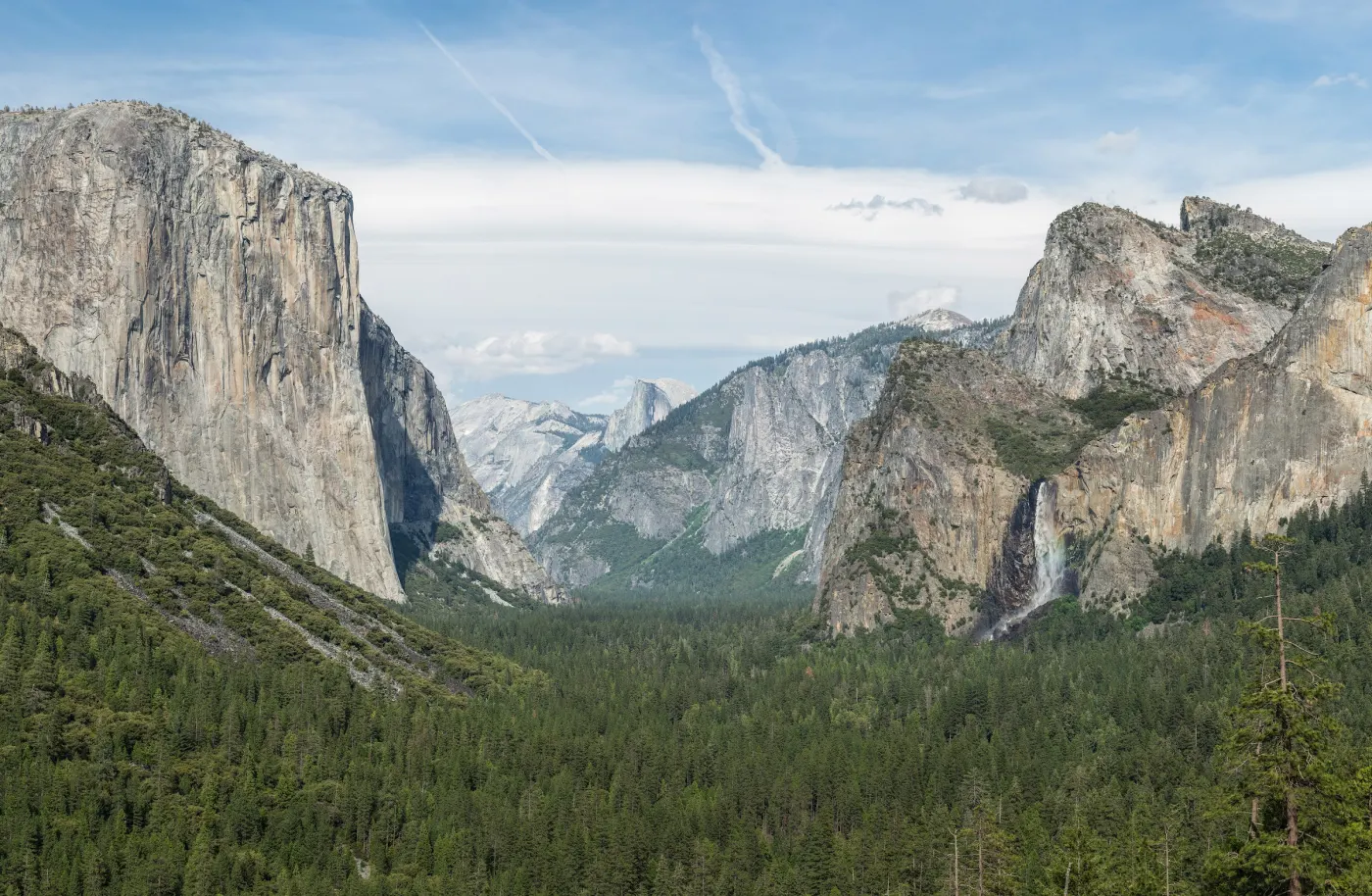
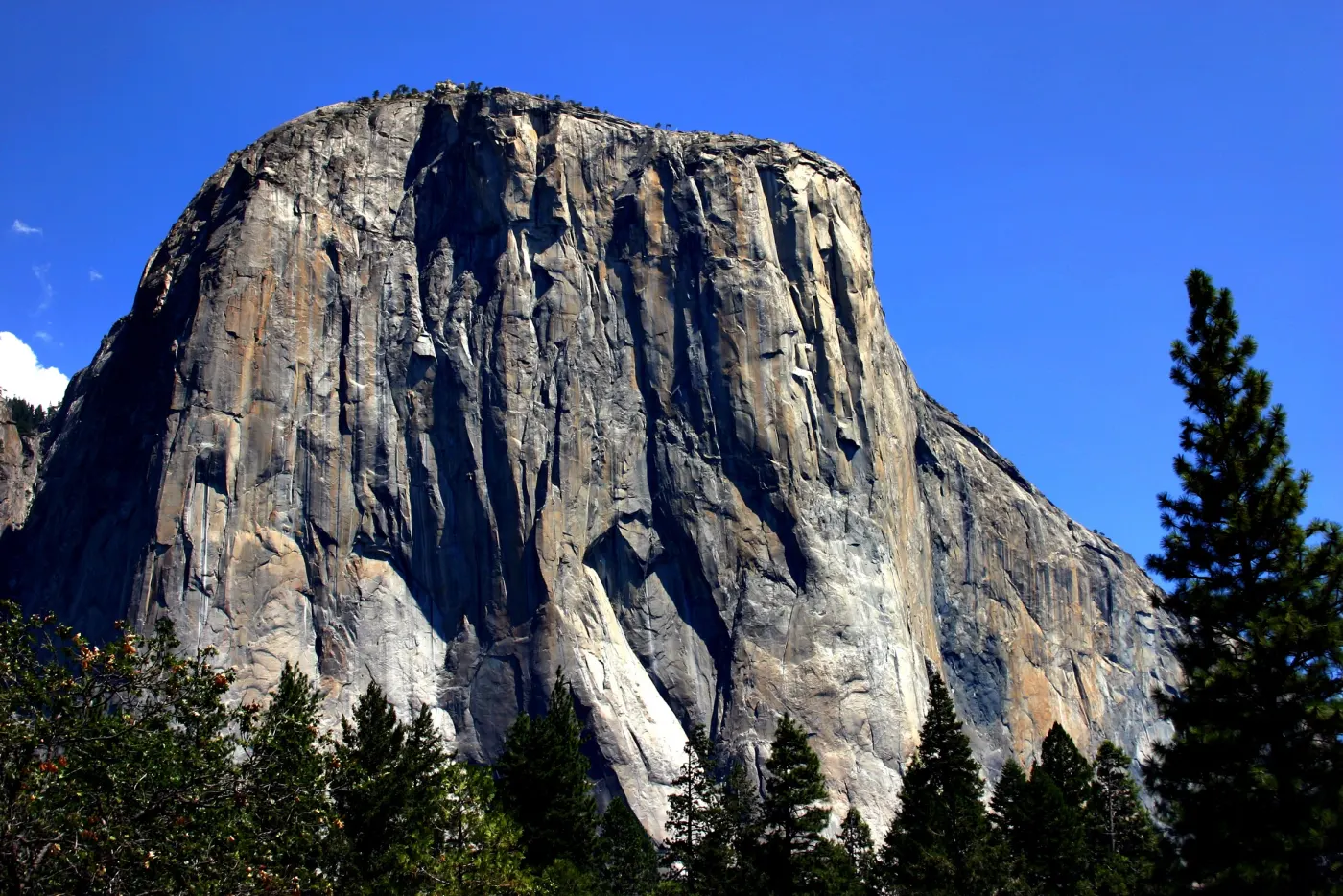
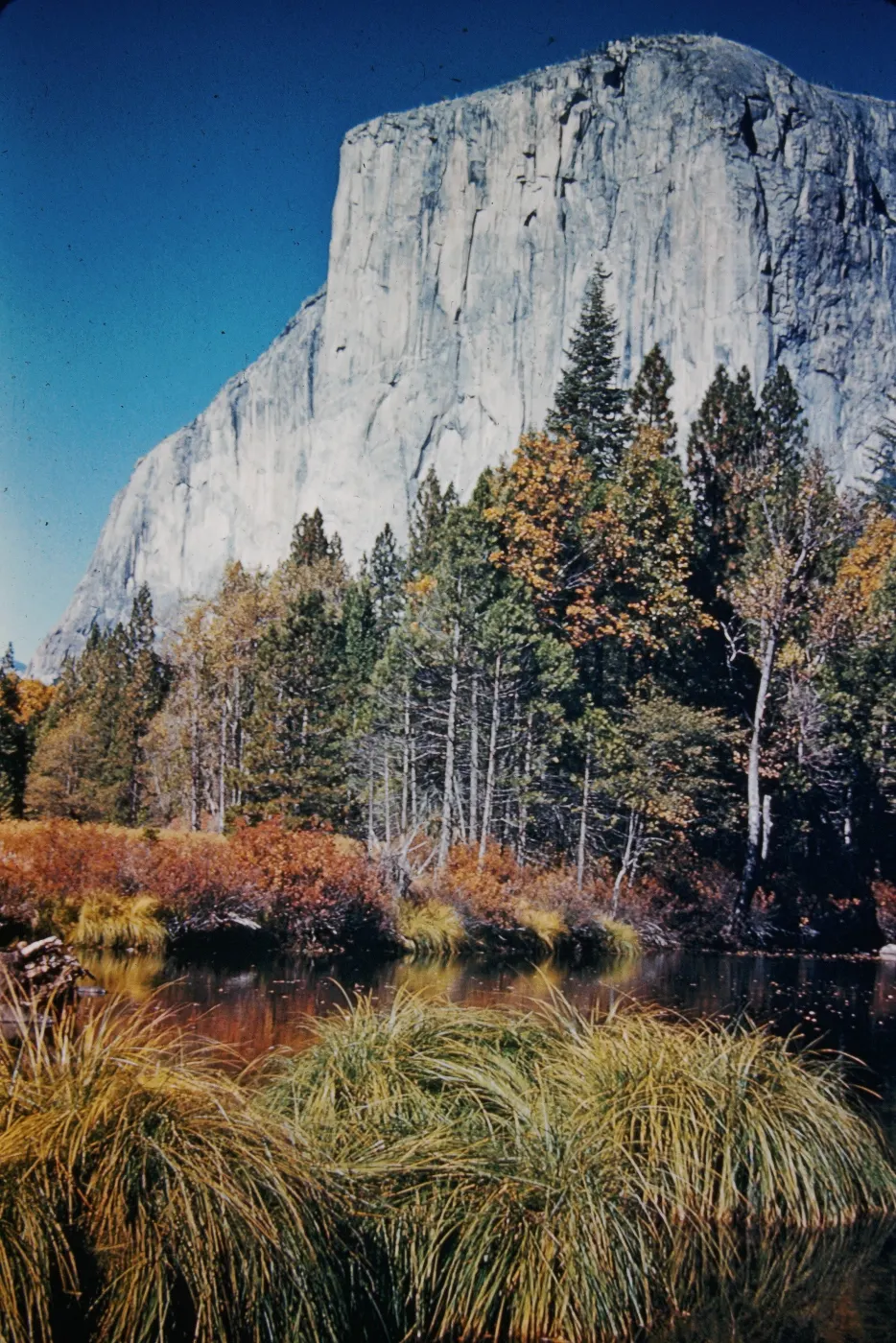
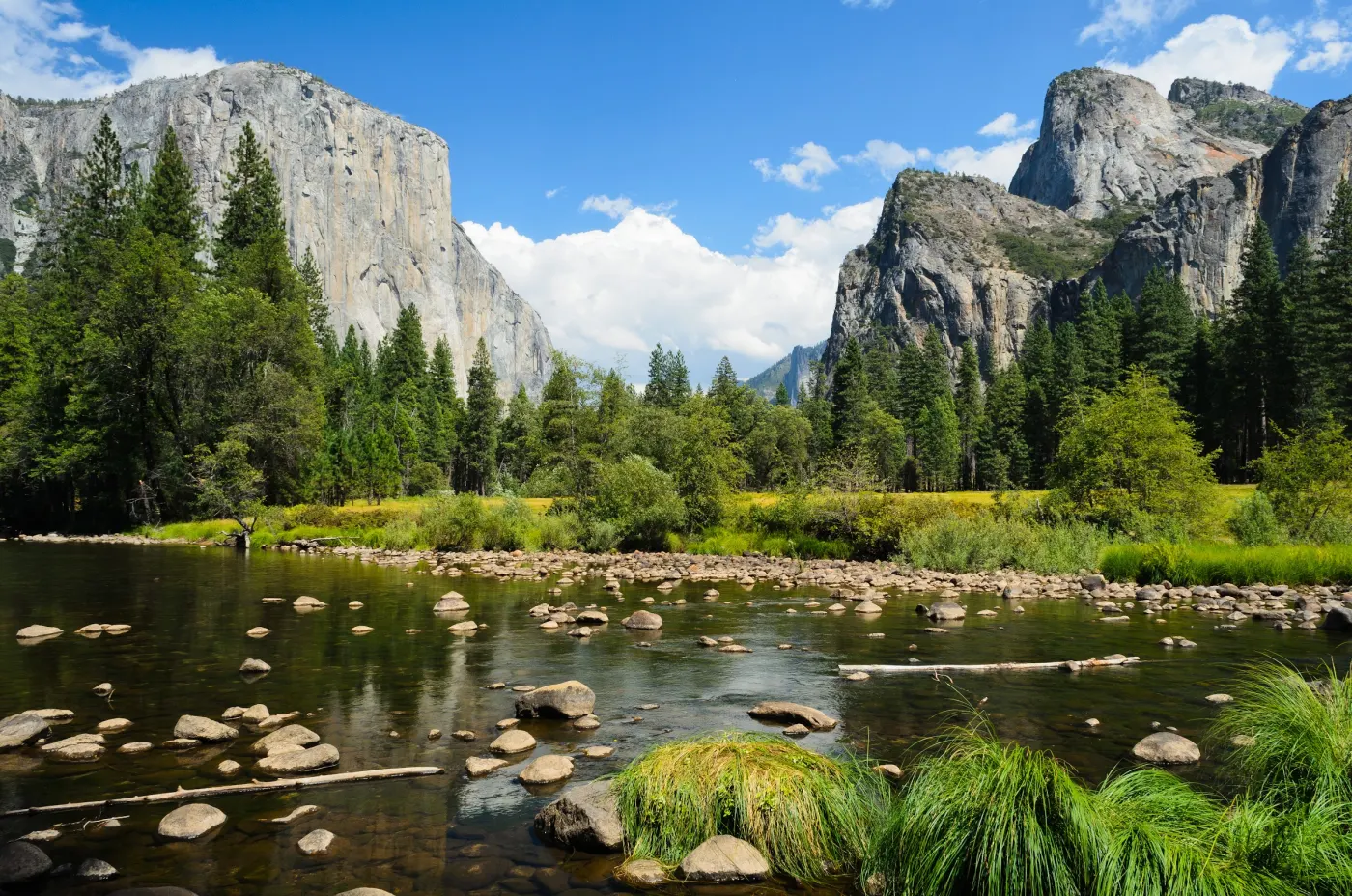
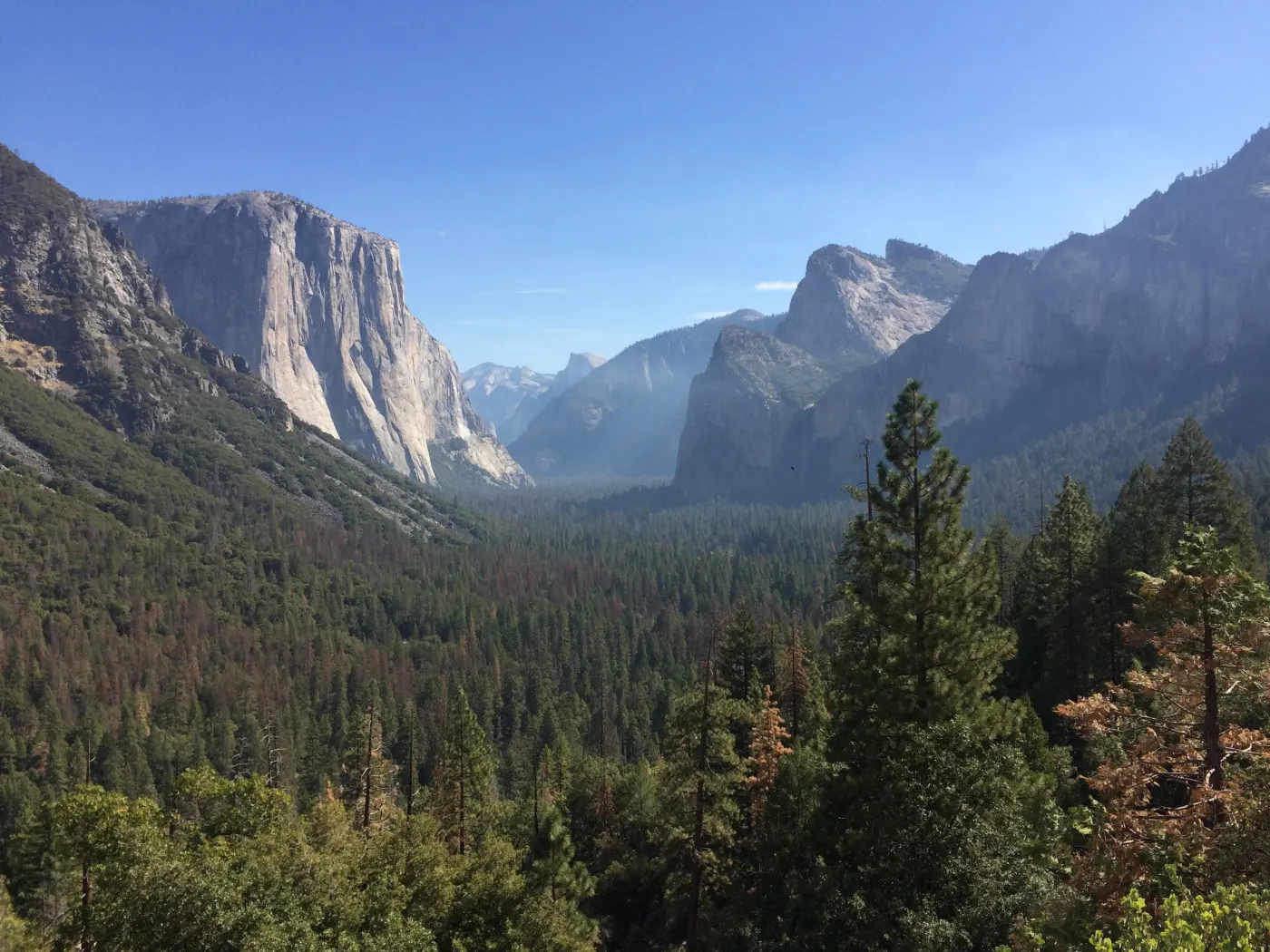
Chouinard became one of the leading climbers of Yosemite's golden age. In 1964 he helped make the first ascent of the North America Wall on El Capitan with Robbins, Frost, and Chuck Pratt, using no fixed ropes. The next year he and T.M. Herbert climbed the Muir Wall in a style that pushed big-wall climbing forward.
He also climbed in Canada and Patagonia. In 1968 he was part of a new route on Cerro Fitz Roy with Doug Tompkins and others. Those trips taught him that gear, style, and respect for the mountain travel together. How you climb mattered as much as what you summit.
Chouinard Equipment and clean climbing
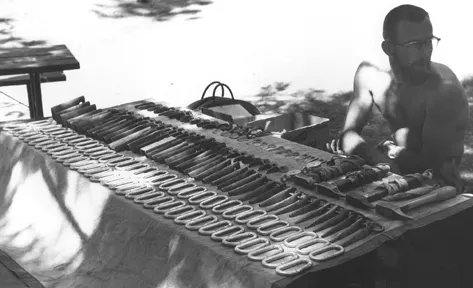
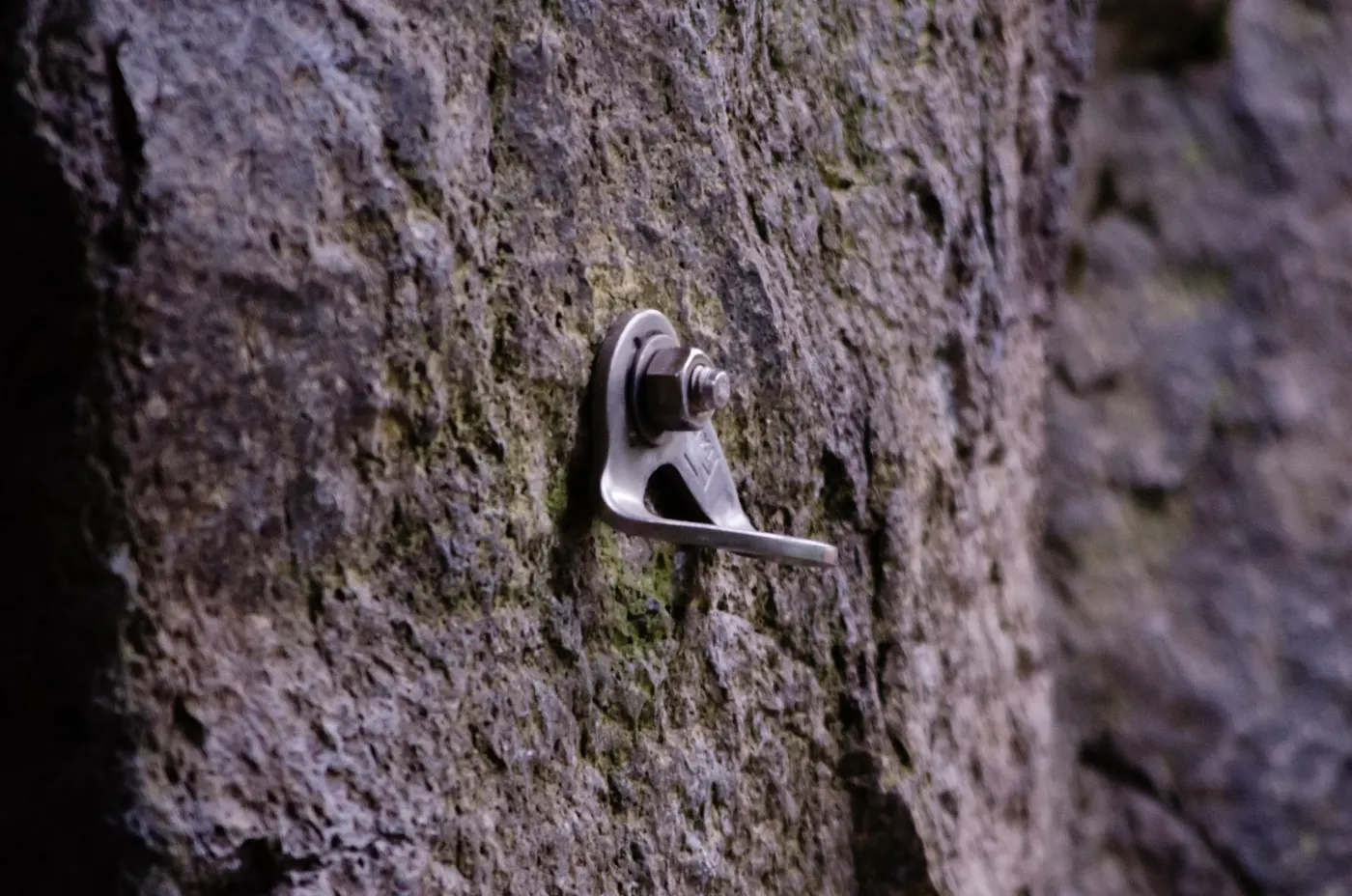
In 1957 he bought a used coal forge and began making hardened steel pitons. Between 1957 and 1960 those stronger pitons helped big-wall climbing explode in Yosemite. He founded Chouinard Equipment, Ltd. Later, with engineer Tom Frost, he redesigned ice tools and helped invent modern ice climbing. His book Climbing Ice spread the new approach.
Then came a hard moral test. Steel pitons were damaging the cracks of Yosemite. Pitons were about seventy percent of his income. In the early 1970s he and Frost pushed aluminum chocks called Hexentrics and Stoppers, and argued for "clean climbing" that left the rock unscarred. They put a manifesto in their catalog. They risked their bestselling product to protect the stone. The gamble worked. Clean climbing became the new standard, and the company grew anyway.
In 1989 Chouinard Equipment filed for bankruptcy protection after liability pressures. Employees later bought the hard assets and rebuilt the firm as Black Diamond Equipment. The climbing forge chapter closed. The clothing chapter was already rising.
How Patagonia started
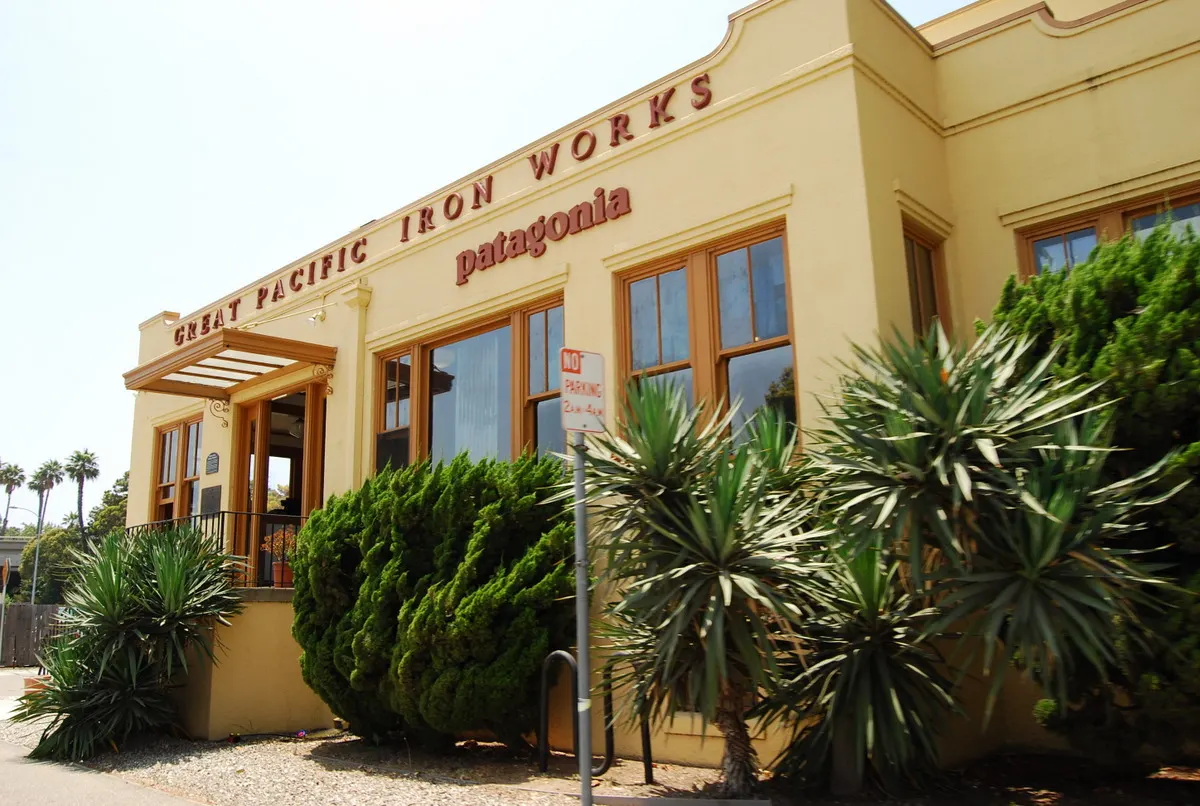
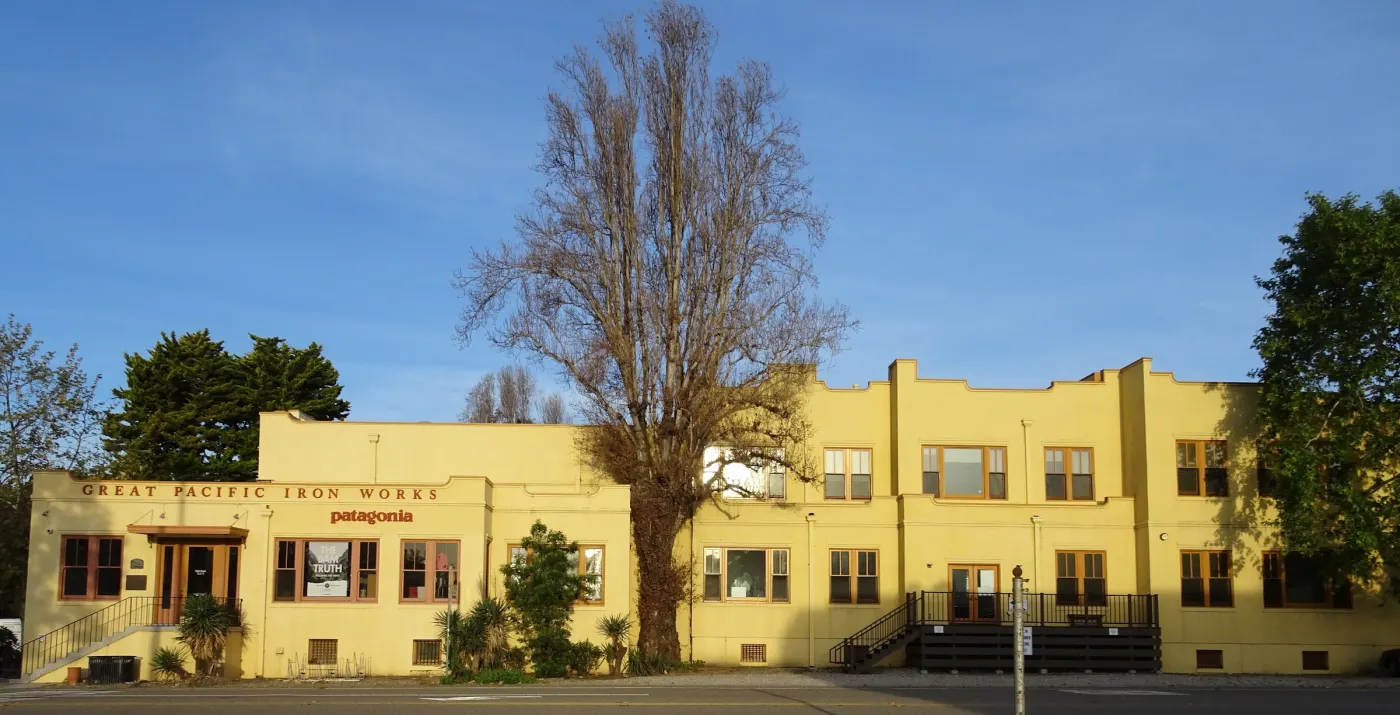
Clothes began almost by accident. On a trip to Scotland around 1970, Chouinard bought rugby shirts and sold them successfully. Rugged technical apparel followed. The brand name Patagonia pointed to wild southern Andes weather, a promise that the clothes were built for hard places.
He married Malinda Pennoyer in 1971. They built a company culture that looked strange to Wall Street. In 1984 Patagonia opened an on-site cafeteria with healthy food and started on-site child care. In 1986 the company began an environmental "tithe," giving one percent of sales or ten percent of profits, whichever was greater, to activism. Employees could even get paid time to work on local environmental projects.
An early-1990s audit showed that conventional cotton, though natural, carried a heavy environmental cost. In 1996 Patagonia switched to organic cotton. In 2002 Chouinard helped found 1% for the Planet, and Patagonia was the first business to commit one percent of annual sales to environmental causes.
What they built
Patagonia became more than jackets. It became a loud argument that a company can sell products and still tell customers to buy only what they need. Famous campaigns asked people to think twice before purchasing. Repair programs kept gear in use longer. The brand attracted climbers, surfers, and city customers who wanted outdoor style with a story.
The company stayed private. That mattered. Public markets reward endless growth. Chouinard wanted enough profit to stay independent and fund causes, not maximum short-term share price. Ventura, California, remained home base, near the forge culture that started it all.
Hard choices and a gift to Earth
Success created a new problem: wealth. Chouinard said he was horrified to be seen as a billionaire. In September 2022 he and his family transferred ownership of Patagonia. About two percent of voting stock went to the Patagonia Purpose Trust, so the family could still guide values. About ninety-eight percent of nonvoting stock went to the Holdfast Collective, a nonprofit fighting the environmental crisis. Future profits not needed to run the business, often estimated around one hundred million dollars a year depending on results, would flow to climate and conservation work.
The company website put it plainly: Earth is now our only shareholder. Selling the company or taking it public could have raised cash, but it risked diluting the mission. The trust structure tried to lock values in place.
Where he is now
Chouinard remains the philosophical north star of Patagonia even after the ownership change. He has written books such as Let My People Go Surfing and The Responsible Company. He has received honors including Time's list of the most influential people in 2023 and the Sierra Club's John Muir Award. He still speaks for wild rivers, clean climbing ethics, and businesses that treat the planet as a stakeholder, not a dump.
Net worth estimates around two billion dollars are slippery after the giveaway, because so much ownership moved into mission structures. The more useful number is the annual profit redirected to climate work.
Why the story matters
Chouinard's life is a chain of uncomfortable upgrades. Forge better pitons. Then stop selling the ones that scar rock. Sell warm clothes. Then switch to organic cotton. Grow a beloved brand. Then refuse the usual exit that would enrich him most.
For builders, the lesson is not that every company must be given away. The lesson is that tools create responsibility. If your product changes a cliff, a river, or a customer's habits, you own part of that change. Chouinard kept asking what business is for. He answered, again and again, that it is for keeping the places we love alive.
Picture the backyard forge. Picture El Capitan at dawn. Picture a catalog essay that told climbers to climb cleaner. Picture a press release that said the Earth holds the shares. That is one continuous climb: harder moves, better style, and a summit that is not a trophy but a duty.
Scenes from the forge years
Before Patagonia logos covered airports, Chouinard lived close to the edge of solvency. He surfed when the swell was good. He climbed when the weather cleared. He hammered steel when he needed cash. Friends remember a man who cared more about a clean route than a clean ledger. That attitude later became a brand voice, but it began as a personal preference. He wanted tools that worked and a life that fit between tides and granite.
The move of the blacksmith shop to Ventura mattered. A tin shed behind an abandoned slaughterhouse became a workshop and a seedbed for community. Climbers came for gear and stayed for conversation. Catalog essays read like letters from the field. Customers were treated as partners in an ethic, not only as wallets. When the company later argued for environmental causes, it was continuing a habit of speaking directly to people who already shared dirt under their fingernails.
Style as a moral technology
Chouinard's generation argued that climbing style is a kind of honesty. Fixed ropes, heavy bolting, and hammered scars could make a cliff look conquered while making it uglier for the next party. Clean climbing gear flipped the incentive. If your protection could be placed and removed without wounding the crack, you could still go hard without leaving a museum of metal. The business risk was real. He was asking customers to abandon the product that paid the bills. Yet the new tools created a new market and a new pride. Climbers could tell a better story about themselves. Patagonia later borrowed that same move in apparel: change the materials, change the story, keep the customers who care.
Ice climbing followed a similar pattern. Rigid crampons, redesigned axes, and clearer technique turned frozen gullies into athletic playgrounds. Chouinard's book helped teach the craft. Again the pattern held. Invent the tool. Teach the ethic. Build a community that needs both.
Building a company that looked like a camp
Patagonia's workplace experiments were not decoration. Child care on site meant parents could stay in the talent pool. Healthy food said bodies matter as much as quarterly charts. Paid activism time said the company's neighborhood was part of its balance sheet. These choices cost money. They also attracted people who wanted meaning with their paycheck. In competitive outdoor retail, culture became a retention strategy and a marketing asset at once.
Organic cotton was another forced upgrade. The audit result surprised teams who thought natural fibers were automatically gentle. Learning that conventional cotton could be harsh on land and water pushed a supply-chain rewrite. Switching an entire line is slow and expensive. Doing it publicly raised the bar for competitors and for Patagonia's own future claims. Once you advertise responsibility, you must keep earning it.
The giveaway as product design
When the family transferred ownership in 2022, outsiders reached for simple labels: charity, tax trick, publicity. The structure was more specific. Voting control stayed concentrated enough to protect mission. Economic benefit flowed toward climate work through the Holdfast Collective. Chouinard had considered selling or going public and rejected both because buyers and markets can dilute purpose. He designed an ownership machine the way he once designed a Hexentric: shaped for a particular crack in the system.
He also framed the act as a challenge to other owners. If capitalism keeps producing a few rich people and many poor ones, he asked, what new forms can companies take? Not every firm can copy Patagonia's exact trust. Every firm can ask who the shareholder is when the atmosphere is unstable.
Lasting work
Today Patagonia still sells jackets and still argues with its own customers about consumption. That tension is the point. A company that only flatters buyers becomes a costume. A company that only lectures becomes a pamphlet. Chouinard's long experiment sits between those poles. Make excellent stuff. Tell the truth about costs. Share profits with the living world that supplies the views on the hangtags.
His children have worked in the business. The culture has professional managers. The forge is a landmark memory as much as a workplace. Yet the through-line remains personal. A kid who moved west, found cliffs, and hated wasted rock grew into an elder who hates wasted planets. The tools changed from pitons to trusts. The standard of style did not. Leave the route better than you found it. Leave the company pointed at something larger than your name.
Watch alongside this story
Short cuts from interviews, keynotes and launches. Each plays only the moment that matters.